Palmer's Bar
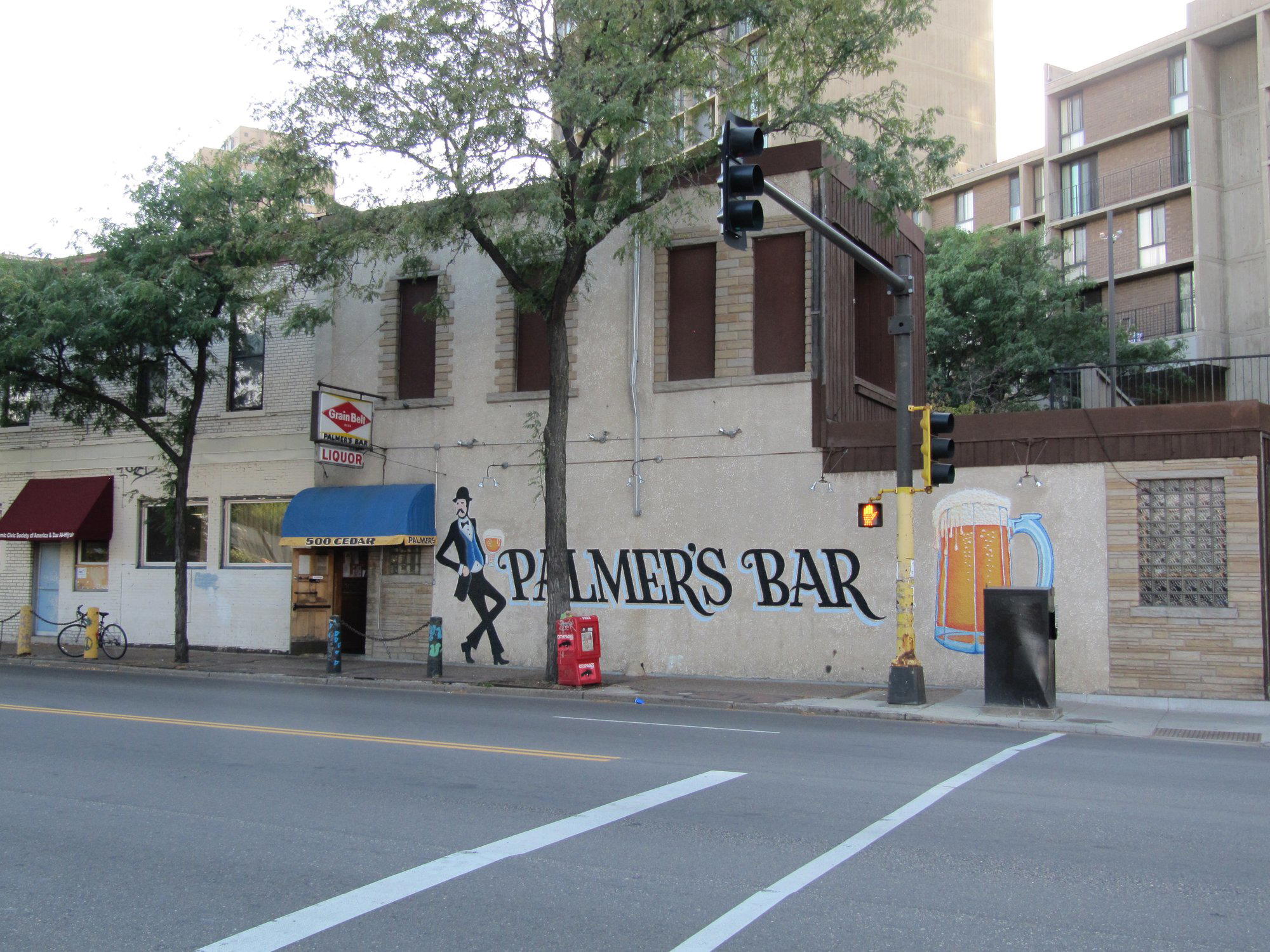
Palmer's Bar on Cedar Avenue has anchored Minneapolis's West Bank neighbourhood for decades, occupying a position in the city's live-music and neighbourhood-bar tradition that few venues in the area can match. The bar draws a cross-section of the city's arts and activist communities, operating as a gathering point rather than a destination concept. Practical, unpretentious, and consistently present in conversations about authentic Minneapolis drinking culture.
- Address
- 500 Cedar Ave, Minneapolis, MN 55454
- Phone
- +1 612 333 7625
- Website
- palmers-bar.com
West Bank Permanence: What Palmer's Bar Represents in Minneapolis
Cedar Avenue's lower stretch, running through the West Bank neighbourhood, has long operated on different terms from the cocktail-forward bars of North Loop or the patio-heavy spots along Hennepin. The West Bank is a neighbourhood where Somali restaurants, folk-music venues, and corner bars share the same blocks, and where longevity tends to carry more authority than concept. Palmer's Bar, at 500 Cedar Ave, belongs to that tradition of permanence. In a city where neighbourhood bars increasingly pivot toward craft-beer credentials or curated cocktail programs to hold their ground, Palmer's has continued to function as a place where the draw is the room itself and the people in it, not the format around them.
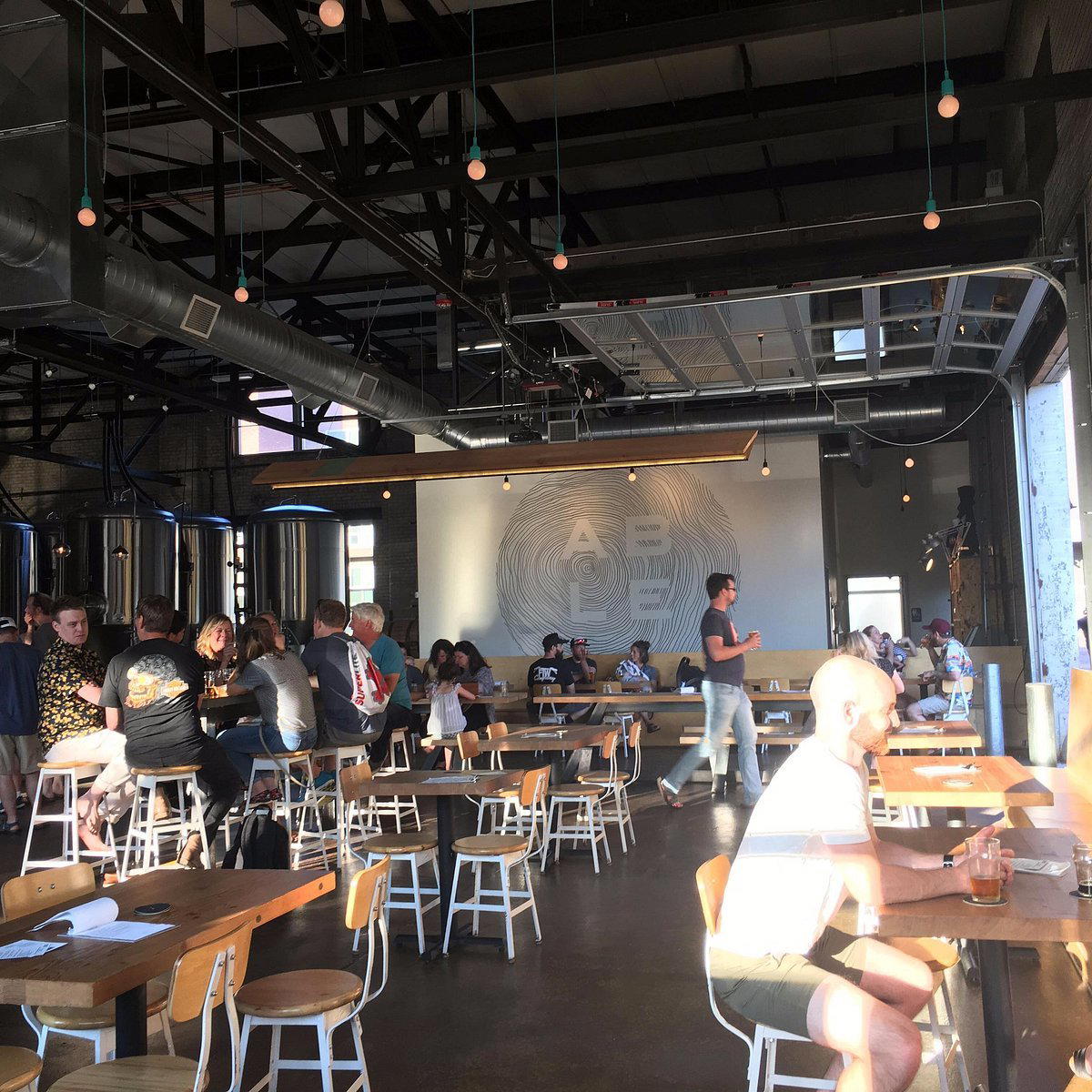
That kind of bar is rarer than it sounds. Minneapolis has a strong and growing cocktail culture, with technically serious programs at venues across the city, and a craft-beer scene anchored by breweries like Able Seedhouse + Brewery that have raised expectations for what a neighbourhood pour can be. Against that backdrop, a bar that holds its position through atmosphere and community rather than program is making a different argument about what a drinking room should do. Palmer's makes that argument consistently.
The Person Behind the Bar and What That Role Means Here
The editorial angle assigned to bars through the EA-BR-04 lens asks what the bartender's role actually is in a given room. At concept-driven cocktail bars, the person behind the bar is often the program's interpreter, trained to walk guests through technique, sourcing, and balance. At neighbourhood bars like Palmer's, the role is different in character but no less demanding. The bartender here is the room's institutional memory, the person who knows which regulars take which seats, which conversations to let run and which to redirect, and how to hold a mixed crowd of artists, students, activists, and newcomers inside the same space without friction.
That kind of hospitality is harder to credential than a cocktail competition placement, but it registers immediately when you're in a room where it works. The West Bank's demographic mix, shaped partly by the University of Minnesota campus to the east and the neighbourhood's long history as an arts and immigrant community hub, means the bar draws people who aren't necessarily looking for the same thing when they walk in. Holding that room together across a given evening is a specific skill set, and it's one that bars like Palmer's have been developing over a longer timeline than most of the city's newer concepts.
For comparison across the broader American bar landscape, the neighbourhood-anchor model shows up in different forms depending on city context. Jewel of the South in New Orleans sits at the more polished end, with a historically rooted cocktail program that serves a neighbourhood function while operating at a higher technical register. Julep in Houston similarly anchors itself in a specific regional tradition. Palmer's operates closer to the unadorned end of that spectrum, where the room's character comes from accumulated time rather than designed program.
Cedar Avenue in Context: Where Palmer's Sits in the Minneapolis Bar Scene
Minneapolis's bar scene has diversified considerably over the past decade. The North Loop and Warehouse District have attracted the majority of the city's higher-concept openings, including venues that compete for recognition alongside serious programs in other American cities. Uptown and South Minneapolis carry a denser concentration of neighbourhood restaurants with strong bar programs, such as 112 Eatery and All Saints Restaurant, where the bar functions as an extension of a food-forward identity. The 5-8 Club holds a different kind of institutional status, anchored by its burger legacy and longevity on the south side.
The West Bank sits somewhat apart from all of these. Its bar culture is less oriented toward destination dining or craft-cocktail tourism and more grounded in the neighbourhood's own social life. Palmer's position at 500 Cedar Ave places it at a junction of live-music venues and community spaces that have defined the area's character since at least the 1970s, when Cedar-Riverside was one of the more politically charged neighbourhoods in the Upper Midwest. That history is not incidental to what the bar feels like today.
For visitors who have spent time at technically ambitious bars in other American cities, from Kumiko in Chicago to ABV in San Francisco or Superbueno in New York City, Palmer's represents a different register of the American bar tradition entirely. It is not competing in the same category as those venues, and comparing them directly would miss the point. The relevant question is not whether Palmer's pours are as technically sophisticated as those at Bar Leather Apron in Honolulu or The Parlour in Frankfurt, but whether the room delivers what it actually offers, which is a specific kind of Minneapolis neighbourhood experience with real historical weight behind it.
Planning a Visit: What to Know Before You Go
Palmer's Bar is located at 500 Cedar Ave S in the West Bank neighbourhood, accessible by light rail at the Cedar-Riverside station on the Green and Blue lines, which puts it within a short walk of downtown Minneapolis. The West Bank is a walkable area, and Cedar Avenue itself is compact enough that arriving on foot or by transit makes more practical sense than driving and parking. No booking infrastructure is required for a neighbourhood bar of this type; arrival on the earlier side of an evening, particularly on nights when the venue schedules live music, tends to offer more space and easier conversation than arriving late when the room is at capacity. For a fuller picture of where Palmer's fits within the city's broader drinking and dining options, the EP Club Minneapolis guide maps the relevant peer set across neighbourhoods.
Continue exploring
More in Minneapolis
Bars in Minneapolis
Browse all →
Restaurants in Minneapolis
Browse all →
At a Glance
- Rustic
- Iconic
- Cozy
- Late Night
- Casual Hangout
- Group Outing
- Live Music
- Historic Building
- Outdoor Terrace
- Classic Cocktails
- Craft Beer
Laid-back, welcoming dive atmosphere with a vibrant community feel from its century-old charm and diverse crowd.