nathálie
On Brookline Avenue in Boston's Fenway corridor, nathálie occupies a quieter register than its neighborhood surroundings suggest. The wine program anchors the experience, drawing a crowd that comes as much for the cellar as the kitchen. It sits in the same conversation as Boston's more considered independent dining rooms, where the list does as much editorial work as the menu.

Pearl is the En Primeur Club membership app — saves, bookings, and concierge access live there. Same editors, same standards.
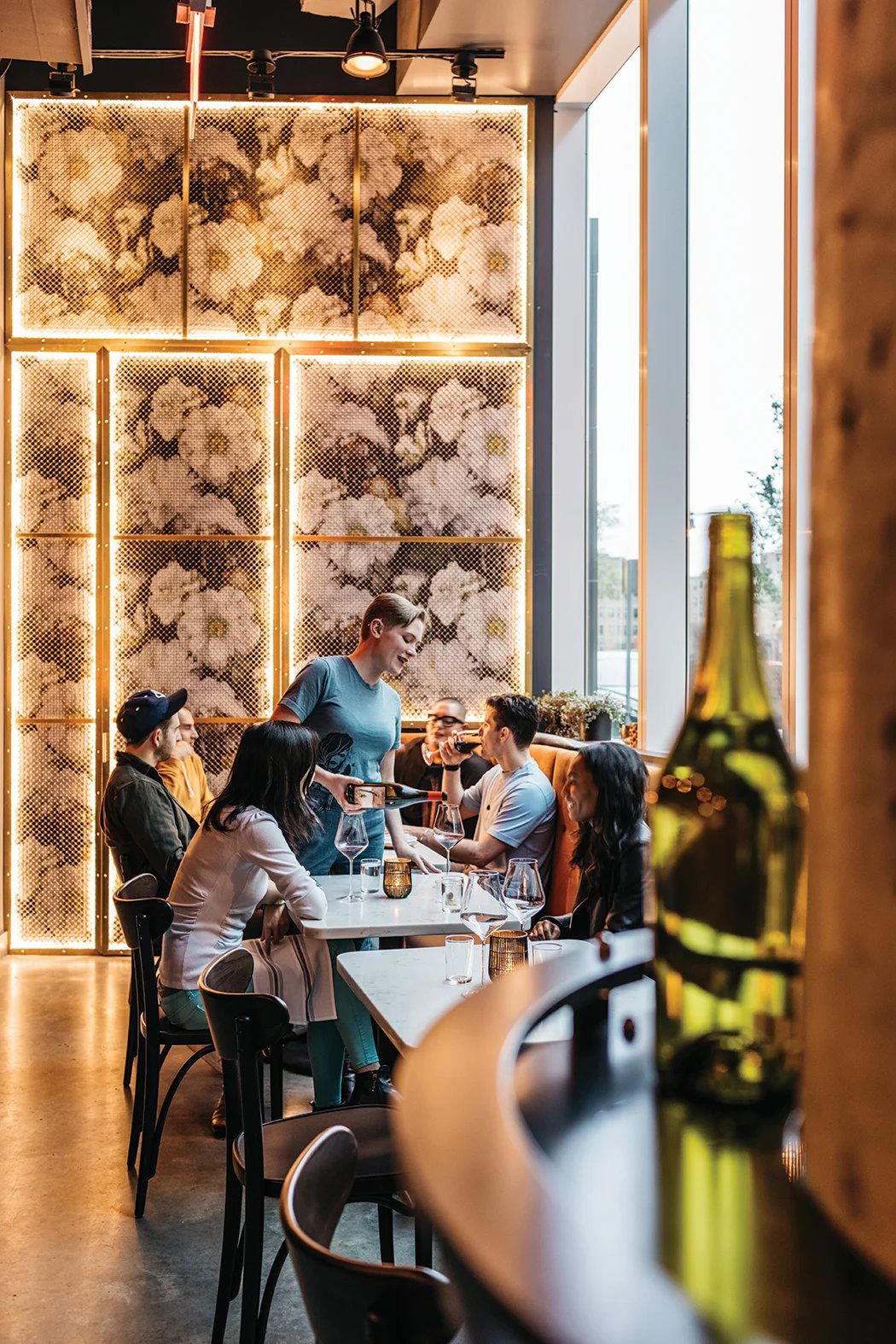
The Fenway Corridor and Its Quieter Registers
Boston's Fenway-Kenmore stretch is defined, for most visitors, by the gravitational pull of the ballpark and the bars that orbit it. The stretch along Brookline Avenue runs a wider range than that reputation implies, from sports-adjacent crowds to a handful of rooms that operate at a different register entirely. nathálie, at 186 Brookline Ave, belongs to the latter category: a restaurant that positions itself against the neighborhood's noise rather than alongside it.
That positioning matters in Boston's current dining climate. The city's independent restaurant scene has consolidated around a handful of distinct poles — the tasting-menu counter, the neighborhood bistro with ambitions above its price point, and the wine-forward room where the cellar is as considered as the kitchen. nathálie reads as the third type, a place where the wine list functions as the primary editorial statement and the food follows that logic rather than leading it.
A Wine Program as the Defining Argument
Boston's serious wine programs have historically clustered in the Back Bay and South End, where the demographic density and average spend support deep cellars and specialist sommeliers. The Fenway address puts nathálie slightly outside that gravity well, which is either a liability or a differentiator depending on how you read the room. A wine-led room in a sports-corridor neighborhood is making a deliberate argument about its audience, and the argument is that the audience exists and is underserved.
The broader shift in American dining wine culture over the last decade has been toward lists that reflect a point of view rather than a comprehensive survey. The era of the thousand-bottle cellar sorted by appellation has given way, in the rooms that have the most influence on younger drinkers, to shorter lists with higher internal logic. Producers are chosen for what they say about a region or a tradition rather than for prestige alone. By-the-glass programs have become editorial instruments. nathálie operates in this mode: the wine list is where the restaurant's sensibility is most fully expressed, and it is the dimension that places the room in conversation with Boston's more ambitious independents rather than with its neighborhood peers.
For context on how Boston's bar and beverage programs have evolved across the city, Equal Measure and Asta represent different but related approaches to curation-led programming, with both rooms demonstrating that a clear point of view on what's in the glass matters as much as what's on the plate. Outside Boston, comparable beverage-first philosophies can be found at Kumiko in Chicago, where the list and the format are equally considered, and at Bar Leather Apron in Honolulu, where the depth of the program sets the room apart from its geographic surroundings.
The Room and What It Communicates
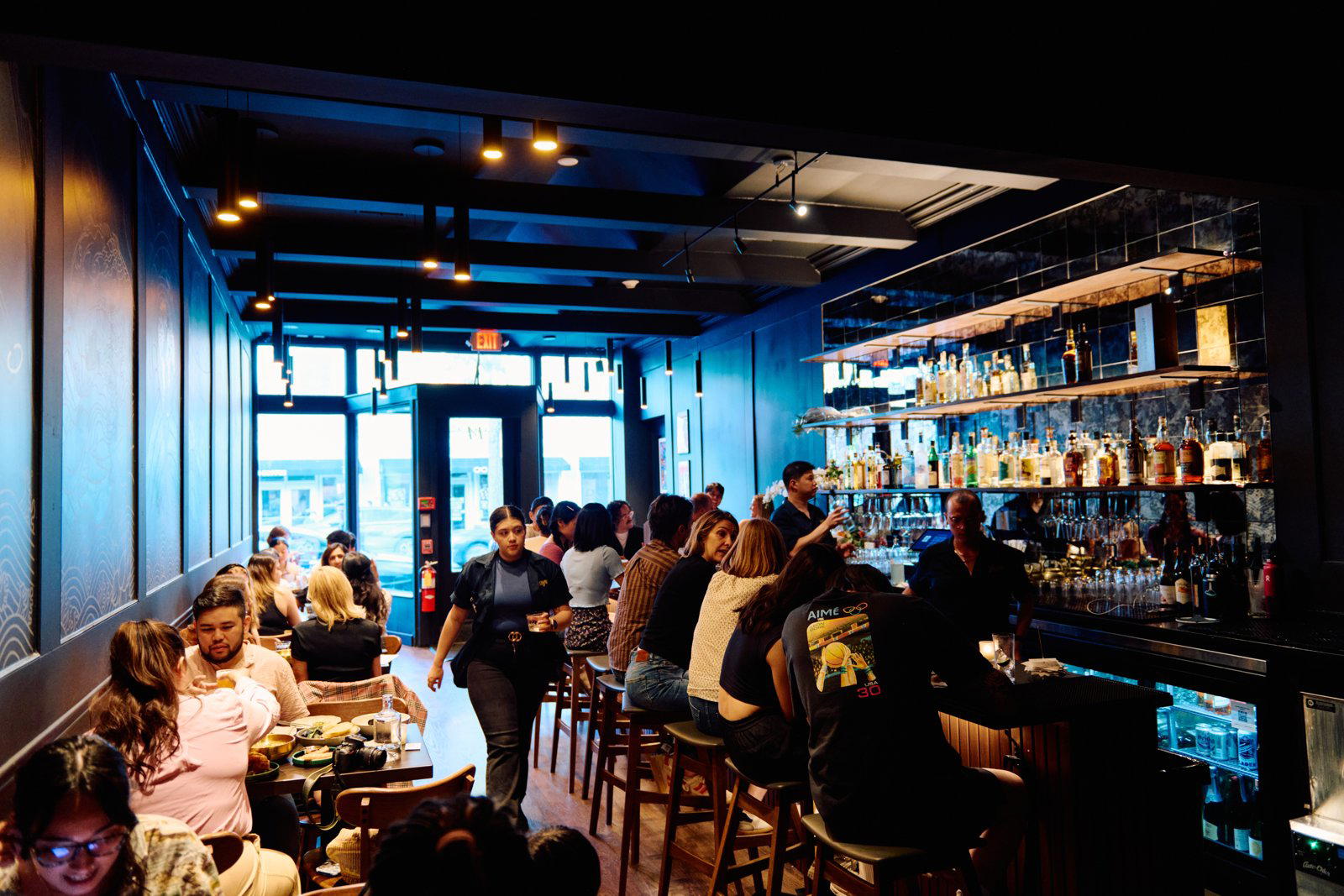
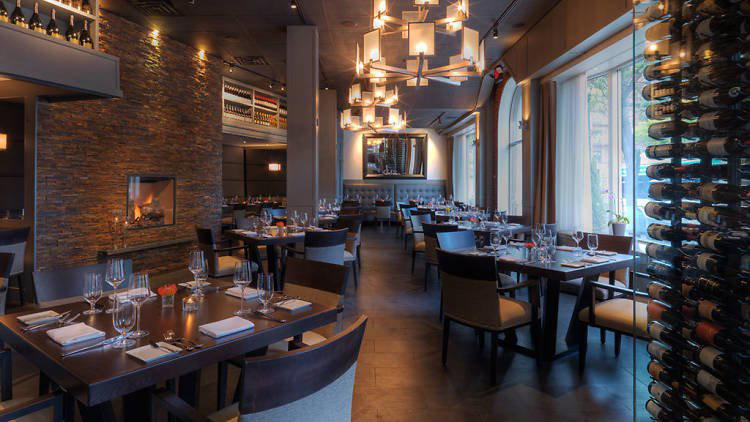
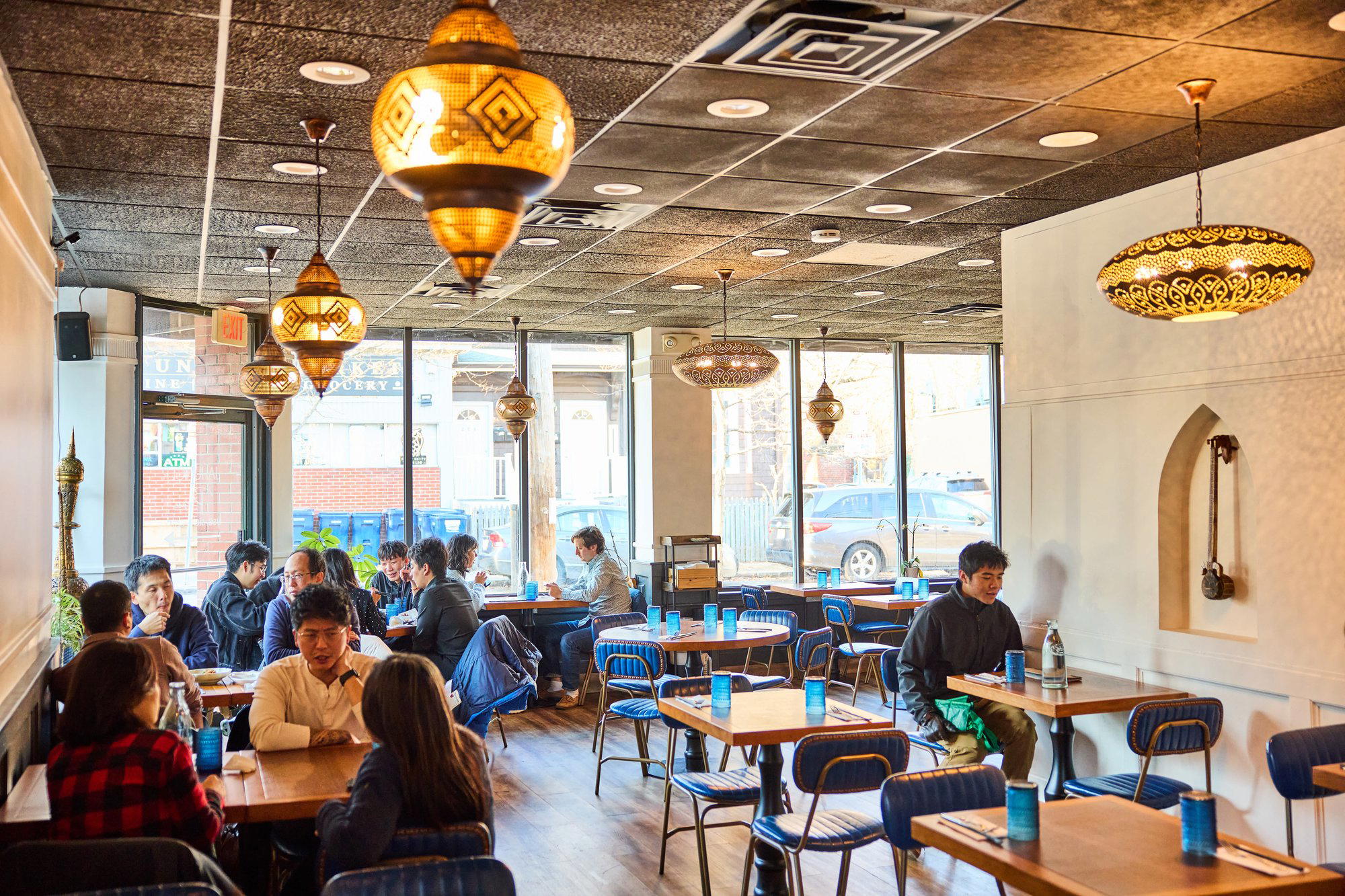
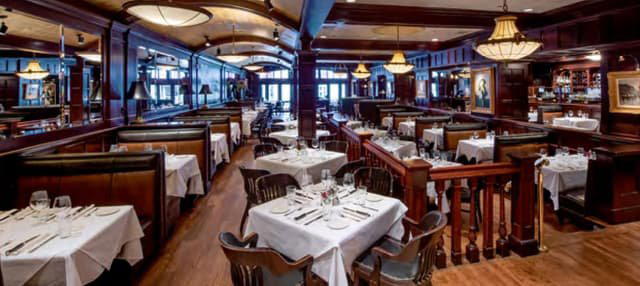
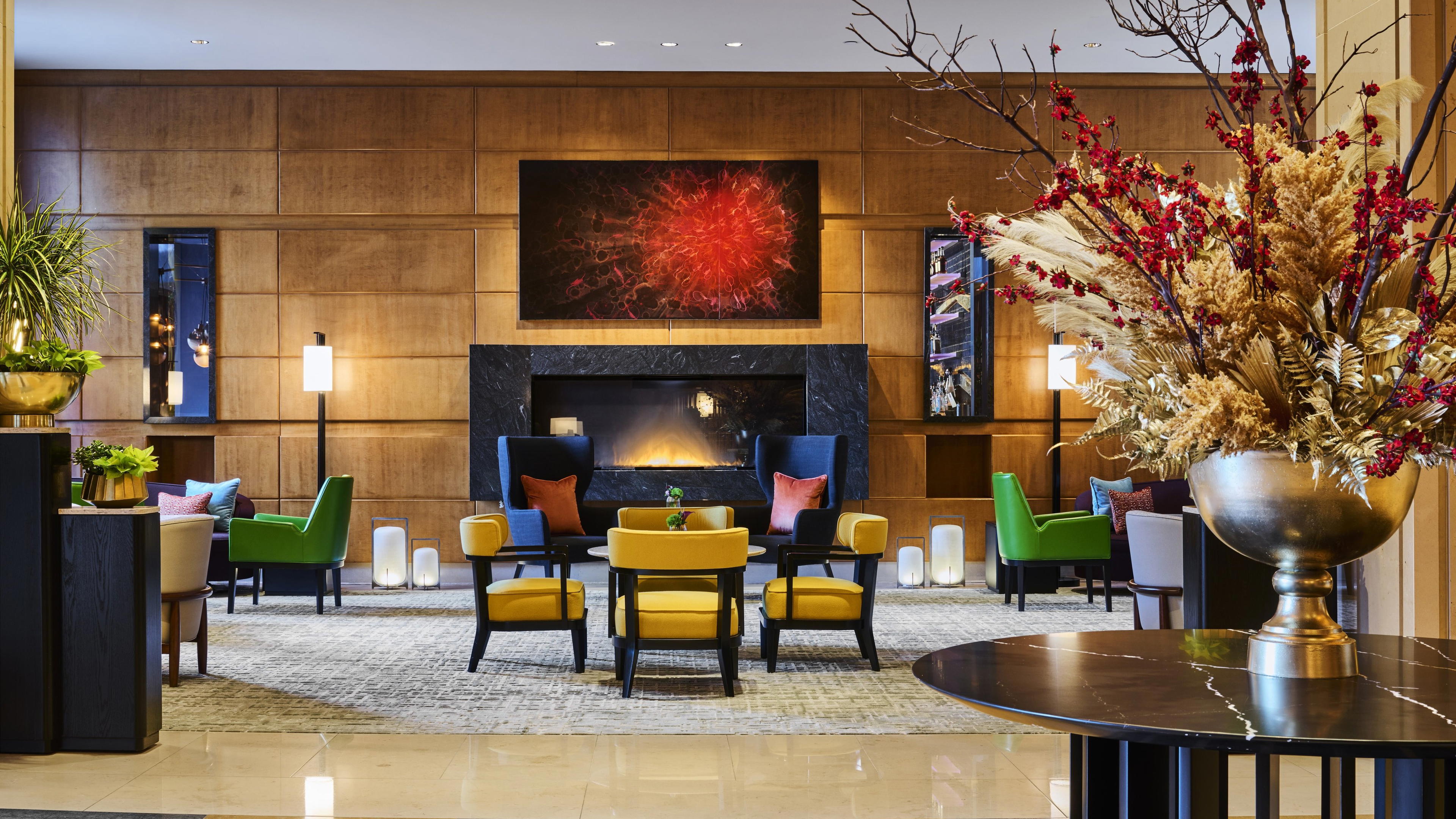
Wine-forward rooms tend to share certain spatial logic: lower light levels, more counter space relative to table count, service that is knowledgeable without being formal. The physical environment is arranged to slow the pace down and extend the glass rather than turn tables. nathálie fits this pattern, with an address that rewards those who arrive without a game-day timeline and are prepared to let the evening be shaped by what's open and interesting rather than by a fixed plan.
That kind of room requires a specific type of service intelligence. The sommelier, or whoever holds that function in the room, is doing more work than in a conventional restaurant: they are translating the list's philosophy in real time for guests who may have varying levels of familiarity with natural producers or lesser-known appellations. Done well, this is the most satisfying form of hospitality. Done poorly, it becomes a lecture. The rooms that get it right, whether in Boston or elsewhere, are the ones where the staff can move between depth and accessibility without condescension.
Where nathálie Sits in Boston's Independent Dining Tier
Boston's independent dining scene has a competitive middle tier where the differentiation between rooms is subtle but real. The clearest lines are drawn around ambition, specificity, and consistency. Baleia and Abe & Louie's represent different poles of that tier, one leaning toward ingredient-driven cooking, the other toward the kind of institutional reliability that keeps regulars on a weekly cycle. nathálie's wine-led identity places it closer to the former: a room for guests who are choosing where to spend an evening based on what they want to drink as much as what they want to eat.
The Fenway location creates a specific dynamic that rooms in the Back Bay or South End don't face: a seasonal traffic pattern that spikes hard during baseball season and drops off outside it. For a wine-led room, this is a useful filter. The guests who find their way to nathálie on a non-game night are self-selecting for a different kind of experience, and the regulars who return consistently are building a relationship with the list rather than just filling a table. That dynamic, where the room earns a core audience outside its neighborhood's peak traffic, is what separates durable independent restaurants from those that ride a location cycle.
For a wider view of how Boston's dining and drinking rooms map across the city's neighborhoods, the full Boston restaurants guide places nathálie in the broader context of what the city's independent scene currently offers.
Planning a Visit
186 Brookline Ave places nathálie within walking distance of Kenmore Square and the Fenway T stop on the Green Line. The practical implication is that the room is accessible without a car from most of central Boston, which matters for a wine-focused evening where driving is not the plan. Given the neighborhood's variable rhythm around game days at Fenway Park, non-game evenings will generally offer a quieter approach along Brookline Avenue and a more settled atmosphere in the room. For those coming from further afield, the comparable wine-forward rooms that benchmark the broader national conversation include ABV in San Francisco, Jewel of the South in New Orleans, and Julep in Houston, each of which demonstrates how a clear curatorial stance on the glass can define a room's identity as completely as any kitchen credential. Internationally, The Parlour in Frankfurt and Superbueno in New York City offer further reference points for what it looks like when beverage programming is given the same editorial weight as the food.
Similar Picks
Comparable venues nearby, for context on price, style, and recognition.
| Venue | Cuisine | Price | Awards | Notes |
|---|---|---|---|---|
| nathálieThis venue (the venue you are viewing) | wine_bar | Not listed | Not listed | Not listed |
| The Essex Boston | rooftop_bar | Not listed | Not listed | South Boston |
| Pier 6 | rooftop_bar | Not listed | Not listed | Charlestown |
| Sabina Mezcaleria | mezcaleria | $30–50 | Not listed | Back Bay |
| Foxglove Terrace | rooftop_bar | Not listed | Star Wine List | Allston |
Continue exploring
More in Boston
Bars in Boston
All bars in Boston →
Restaurants in Boston
All restaurants in Boston →
nathálie
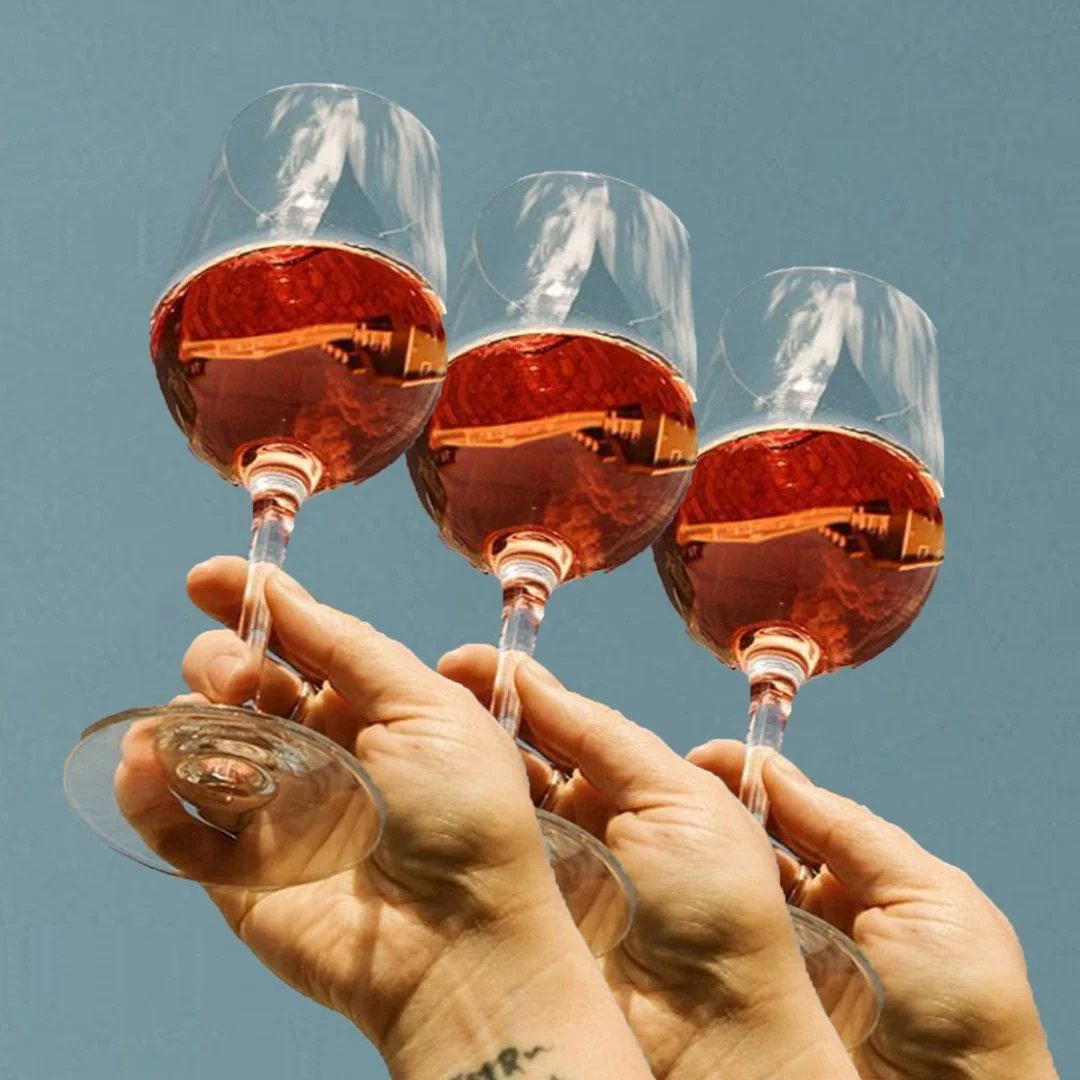
The wine
- Wine program
- Deep wine list
- Natural wine
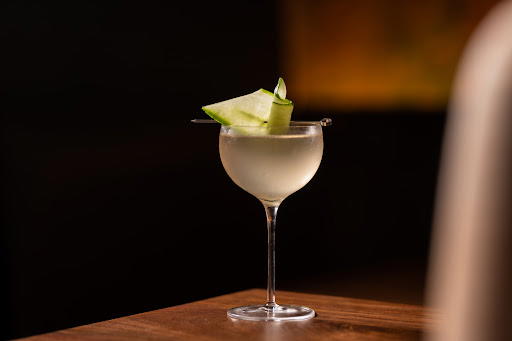
Signature drinks: Nate Lite, Italian Pinata.
Details
- Sophisticated
- Intimate
- Trendy
- Modern
- Elegant
- Date Night
- Casual Hangout
- Standalone
- Seated Bar
- Lounge Seating
- Natural Wine
Current opening hours
- Monday
- Closed
- Tuesday
- 3–11 PM
- Wednesday
- 3–11 PM
- Thursday
- 3–11 PM
- Friday
- 3 PM–12 AM
- Saturday
- 12 PM–12 AM
- Sunday
- Closed
Hours can change for holidays and private events. Last verified .
Sophisticated and inclusive atmosphere blending strong, edgy feminism with a welcoming vibe for the LGBTQ+ community, featuring curated music and events.