
Star Wine List
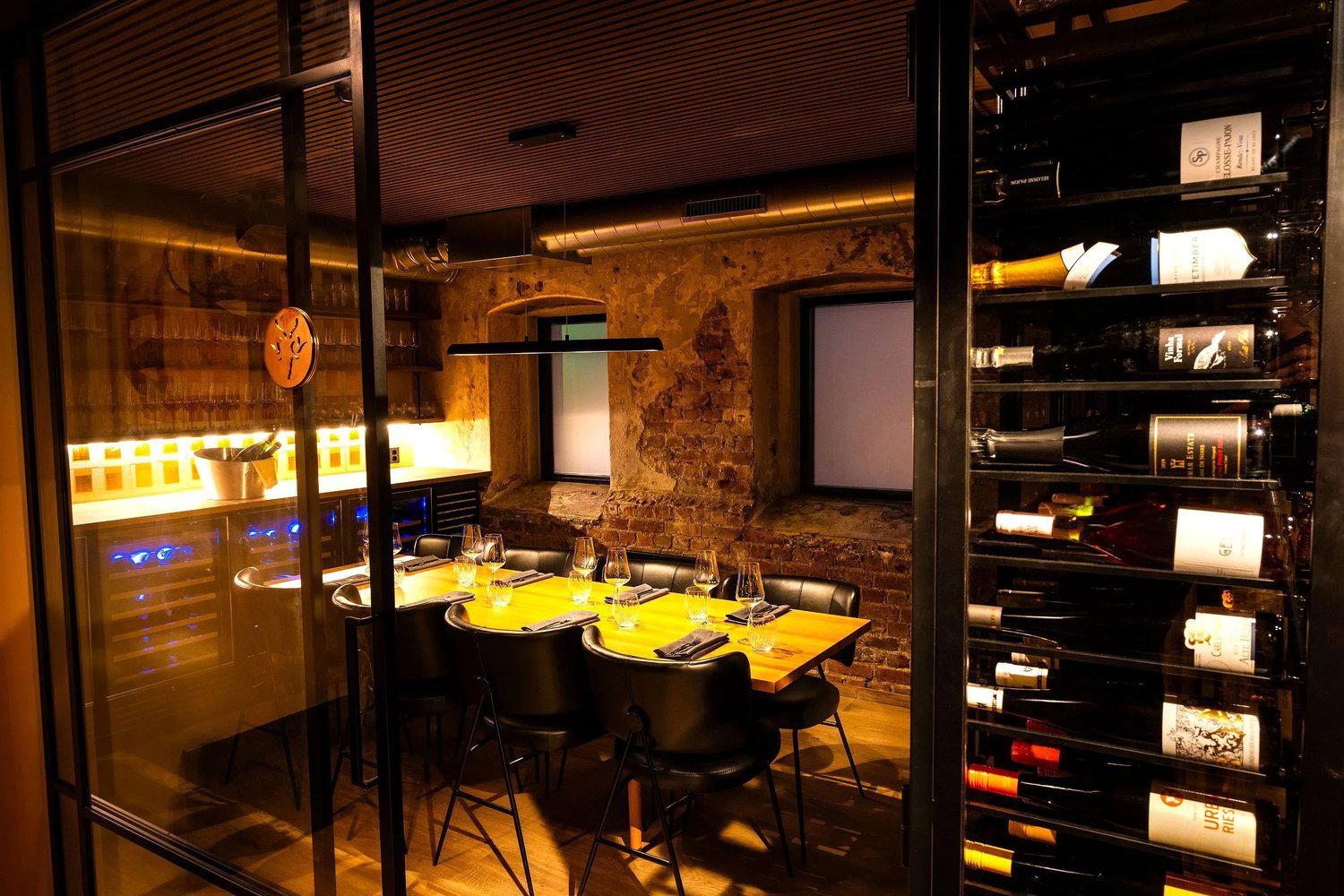
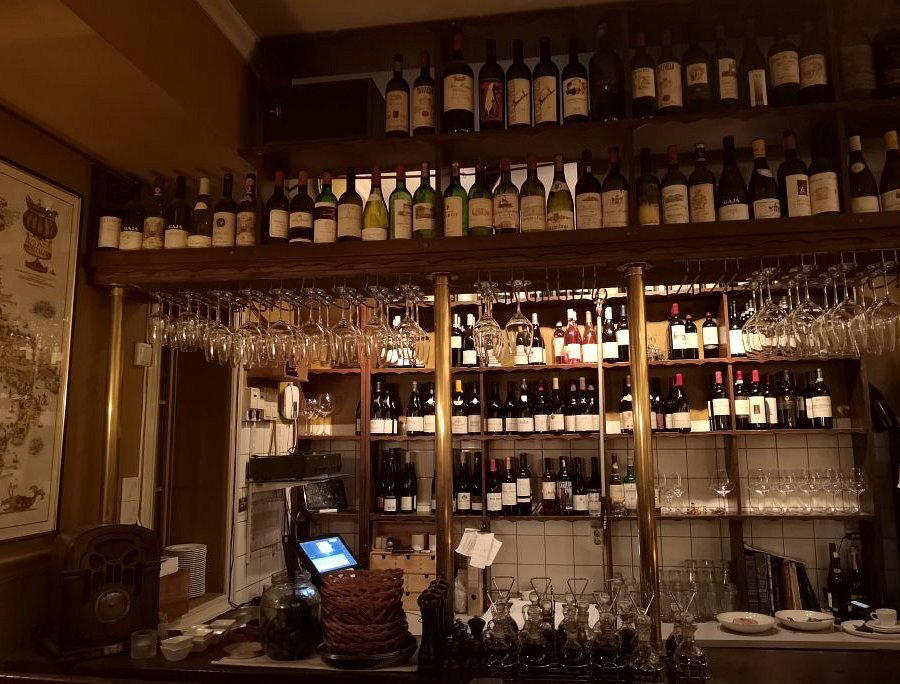
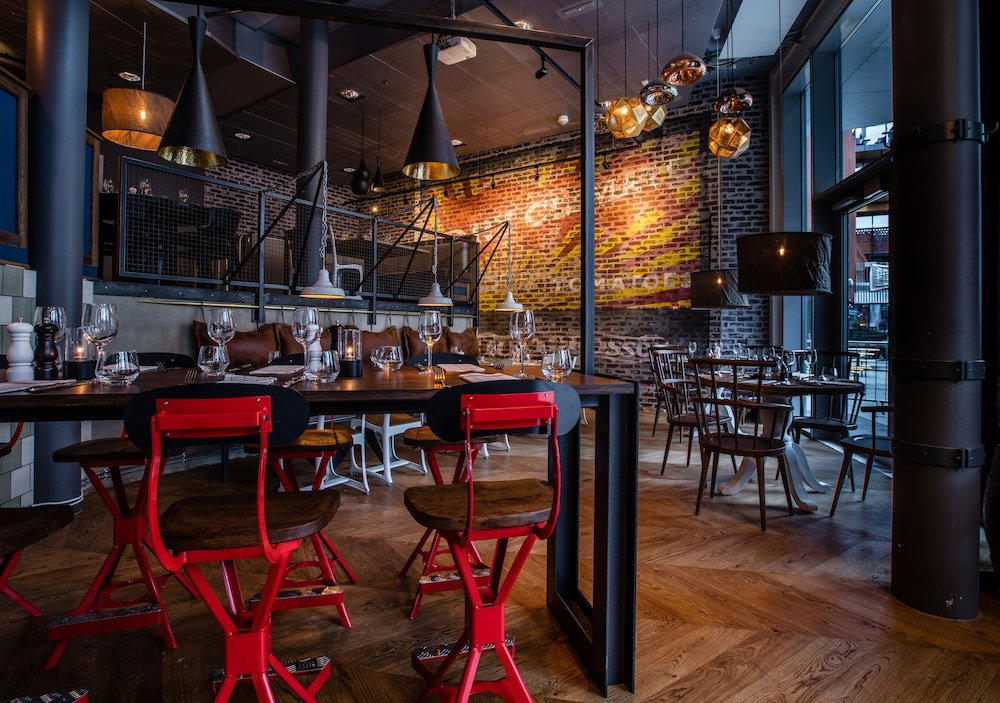
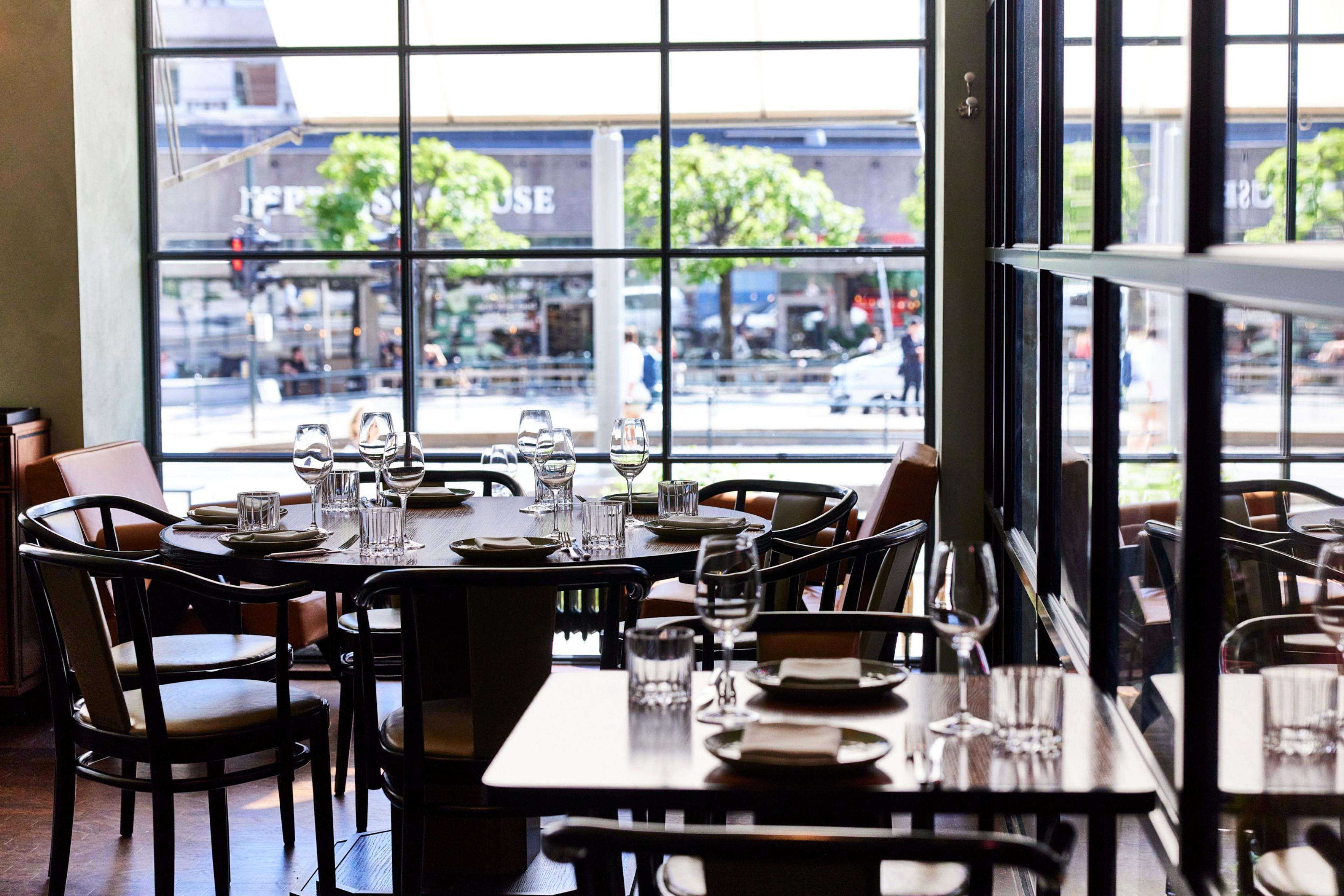
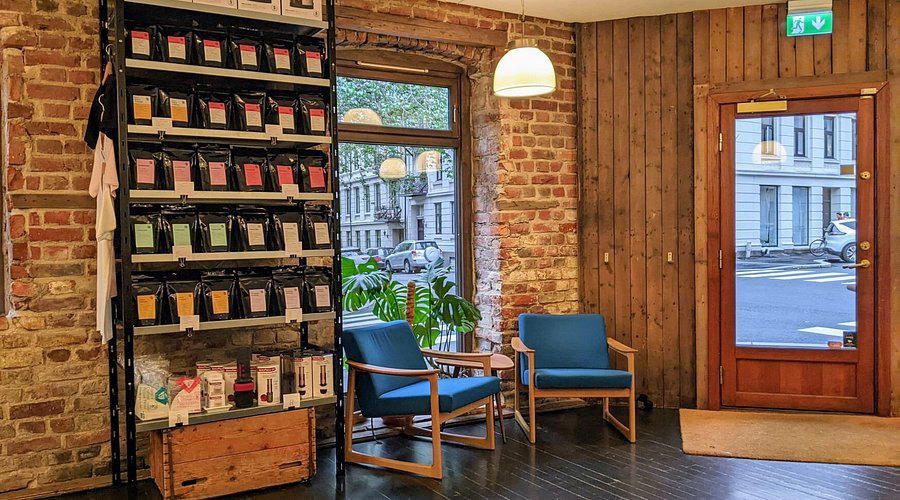
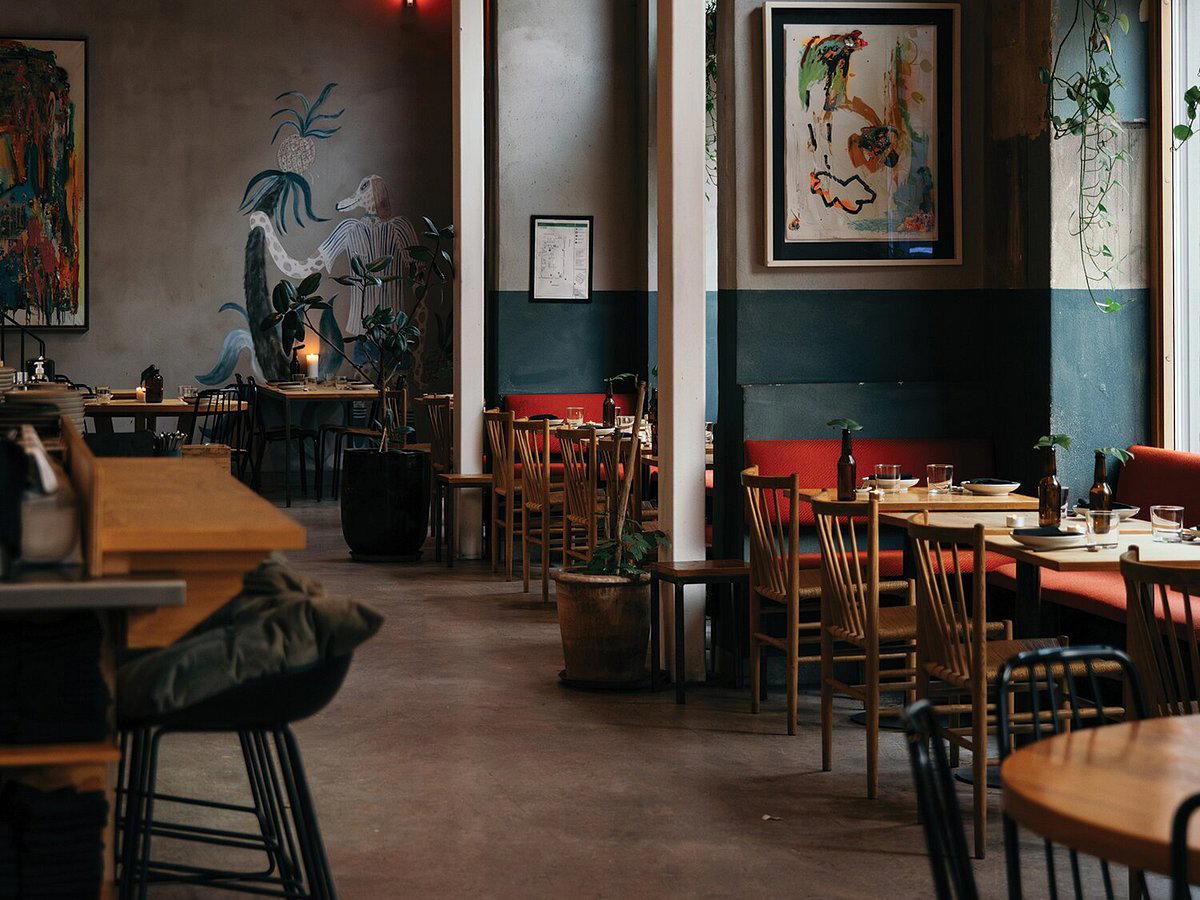
A former hardware store on Arendalsgata that Sagene locals converted into a neighbourhood bar after the founding family retired in 2017, Mysterud brings the unhurried character of Oslo's inner-north residential streets into a drinking room that feels genuinely lived-in. The back bar rewards the curious, and the crowd tends to be regulars rather than tourists passing through.

Pearl is the En Primeur Club membership app — saves, bookings, and concierge access live there. Same editors, same standards.
- Address
- Arendalsgata 18, 0463 Oslo, Norway
- Phone
- +47 91 60 95 55
- Hours
- Mon–Thu 2 PM–12:30 AMFri–Sat 2 PM–1 AMSun 2 PM–12:30 AM
- Website
- facebook.com
- Directions
- Get directions
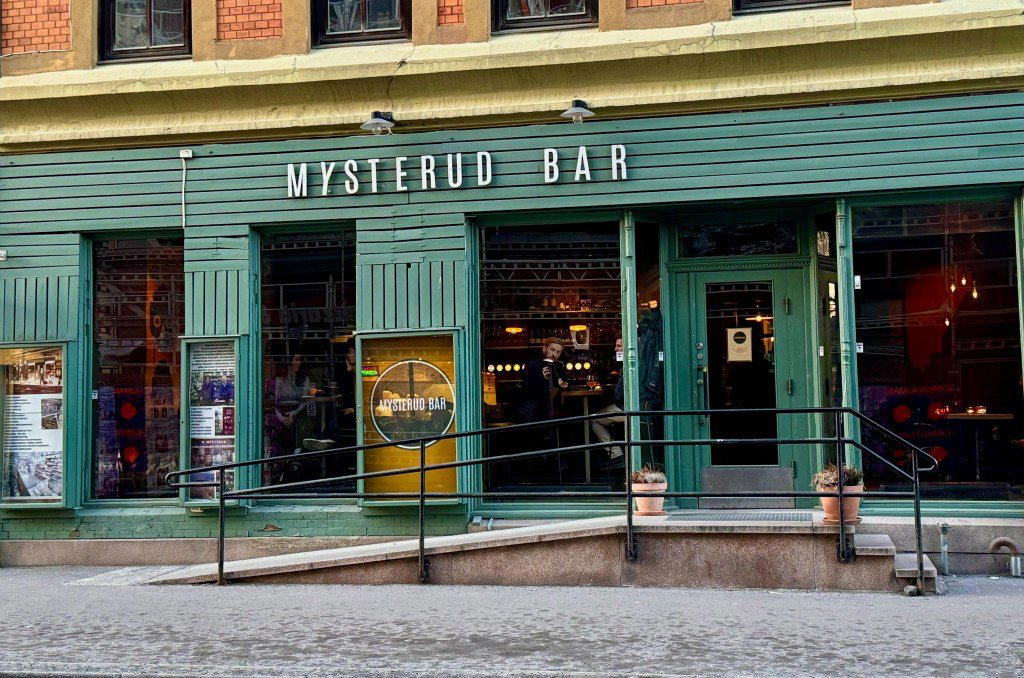
Where the Hardware Store Used to Be
Oslo's bar scene has a well-documented split between the technically ambitious cocktail programs clustered around Grünerløkka and the city centre, and the quieter, neighbourhood-first drinking rooms that serve the residential districts further north. Sagene sits firmly in the latter category. The streets around Arendalsgata are lined with early twentieth-century apartment blocks, small grocers, and the kind of low-key social infrastructure that makes a district feel inhabited rather than curated. Mysterud Bar is the product of that environment: a space that came into being because a community decided it wanted somewhere to drink, not because an investor identified an underserved cocktail demographic.
The building's history is part of what anchors Mysterud in its neighbourhood. O. Mysterud operated as a local hardware store at this address from 1946 until the founding family retired in 2017. When the space became available, a group of locals from Sagene took it over and converted it into a bar. That origin — residents preserving a community asset rather than allowing it to be absorbed into the city's accelerating gentrification — gives the place a different kind of legitimacy than most new openings can manufacture.
The Back Bar in Context
Norwegian bar culture has shifted considerably over the past decade. The generation of bars that emerged in Oslo in the early 2010s placed heavy emphasis on cocktail technique, with Himkok becoming the most internationally recognised expression of that movement, distilling its own spirits on-site and earning a place on the World's 50 Best Bars list. That technical ambition has filtered down through the city's drinking culture, raising expectations even in venues that don't operate at that competitive tier.
Neighbourhood bars in Oslo's residential districts have responded differently to this shift. Rather than competing on technique or theatre, the stronger examples have invested in the depth and character of what they keep behind the bar. Curation matters more than spectacle in a room where the same faces return week after week. Svanen and Arakataka represent different approaches to that same challenge within Oslo's broader bar geography, as does Bukken Vinbar, which has developed a focused wine list for a similarly local clientele. The unifying logic across these venues is that the back bar, or the wine list, tells you more about the house's priorities than any single signature drink.
At Mysterud, the editorial angle is the collection rather than the cocktail. Bars that emerge from community ownership rather than hospitality investment tend to accumulate their selections organically, guided by the tastes of the people running the room rather than a pre-opening concept document. What that produces, over time, is a back bar with genuine personality: bottles that reflect actual preferences, gaps that reveal honest priorities, and the kind of serendipitous depth that no brand consultant would design.
Sagene and the Inner-North Drinking Culture
Understanding what Mysterud is requires some familiarity with Sagene as a district. It sits north of Grünerløkka, which has absorbed most of Oslo's bar tourism over the past two decades, and that buffer matters. Visitors who make it to Sagene are generally there by choice rather than drift. The neighbourhood's bars and cafes serve a predominantly local crowd, which shapes everything from opening hours to atmosphere to the tolerance level for loud bachelor parties rolling in after midnight.
This is the kind of environment in which a converted hardware store can function as a genuine community institution rather than a concept. The regulars who kept O. Mysterud the hardware business alive for seven decades are the same demographic that now supports O. Mysterud the bar, or at least their children and grandchildren are. That continuity of place is something that Oslo's more celebrated drinking destinations, including those that appear in international rankings, generally cannot offer. For a full picture of where Mysterud fits within Oslo's broader bar and restaurant geography, the EP Club Oslo guide maps the city's neighbourhoods and drinking cultures in more detail.
Norway's Neighbourhood Bar Tradition in Wider Context
The community-bar model that Mysterud represents has parallels across Norway. In cities where the distances between centres are significant and the social infrastructure of neighbourhoods carries real weight, locally owned bars often develop the kind of institutional character that no chain can replicate. Amtmandens in Tromsø operates in a similar register in Norway's far north, as does Blomster og Vin in Trondheim, which has built a following through wine curation rather than cocktail programs. Further down the coast, Dråpen Vinbar in Bergen and smaller-town examples like Huset i Gato in Mosjøen, Køl Bar & Bistro in Molde, and Kork Vinbar & Scene in Rørvik demonstrate how deeply the neighbourhood-bar format has taken root in Norwegian drinking culture outside the capital. Even internationally, venues built on similar community-origin stories, such as Bar Leather Apron in Honolulu, show that the model produces recognisably distinct results wherever it operates.
Planning Your Visit
Mysterud Bar is at Arendalsgata 18, in Sagene, Oslo. The address is direct to reach on foot from Grünerløkka or by tram from the city centre. The bar is not a destination in the way that Himkok requires advance planning or a specific journey; it is the kind of place you visit because you are in the neighbourhood, or because you have made a deliberate decision to spend an evening in one of Oslo's quieter residential districts rather than in the tourist-facing centre. The crowd skews local and the atmosphere reflects that: conversations tend to run longer, the pace is slower, and the expectation is that you are there to stay rather than to tick a box.
Booking and Cost Snapshot
Comparable venues nearby, for context on price, style, and recognition.
| Venue | Cuisine | Price | Awards | Notes |
|---|---|---|---|---|
| Mysterud BarThis venue — the venue you are viewing | Torshov, pub | $20–30 | Star Wine List | Not listed |
| Sparta | Not listed | Not listed | Star Wine List | center, wine_bar |
| Oh Dear | Not listed | Not listed | Star Wine List · Falstaff Wine Bar - 90 Falstaff Points | Aker Brygge, wine_bar |
| Wining | Not listed | $20–30 | Star Wine List | Enerhaugen, wine_bar |
| Mathallen Oslo | Not listed | Not listed | Not listed | Fredensborg, beer_bar |
Recognition history
Dated appearances from independent guides and award organizations, with the underlying list record or original source where available.
Star Wine List
Star Wine List
Continue exploring
More in Oslo
Bars in Oslo
Browse all →
Mysterud Bar
The drinks
- Craft beer
Signature drinks: Chilli Habanero beer, Sagene lager, Sagene IPA.
Details
- Cozy
- Intimate
- Casual Hangout
- After Work
- Group Outing
- Historic Building
- Standalone
- Seated Bar
- Standing Room
- Craft Beer
- Conventional Wine
Current opening hours
- Monday
- 2 PM–12:30 AM
- Tuesday
- 2 PM–12:30 AM
- Wednesday
- 2 PM–12:30 AM
- Thursday
- 2 PM–12:30 AM
- Friday
- 2 PM–1 AM
- Saturday
- 2 PM–1 AM
- Sunday
- 2 PM–12:30 AM
Hours can change for holidays and private events. Last verified .