MOMO Sushi
On Central Avenue NE in Minneapolis's Northeast corridor, MOMO Sushi occupies a stretch of the city where Japanese-American dining formats have quietly deepened over the past decade. Positioned alongside neighborhood fixtures rather than downtown destination restaurants, it draws a consistent local crowd for sushi in a format that prioritizes accessibility over ceremony. See how it fits the broader Northeast dining scene.
Pearl is the En Primeur Club membership app — saves, bookings, and concierge access live there. Same editors, same standards.
- Address
- 1839 Central Ave NE, Minneapolis, MN 55418
- Phone
- +1 612 789 9190
- Website
- momosushimn.com
- Directions
- Get directions
 Saves & bookings on Pearl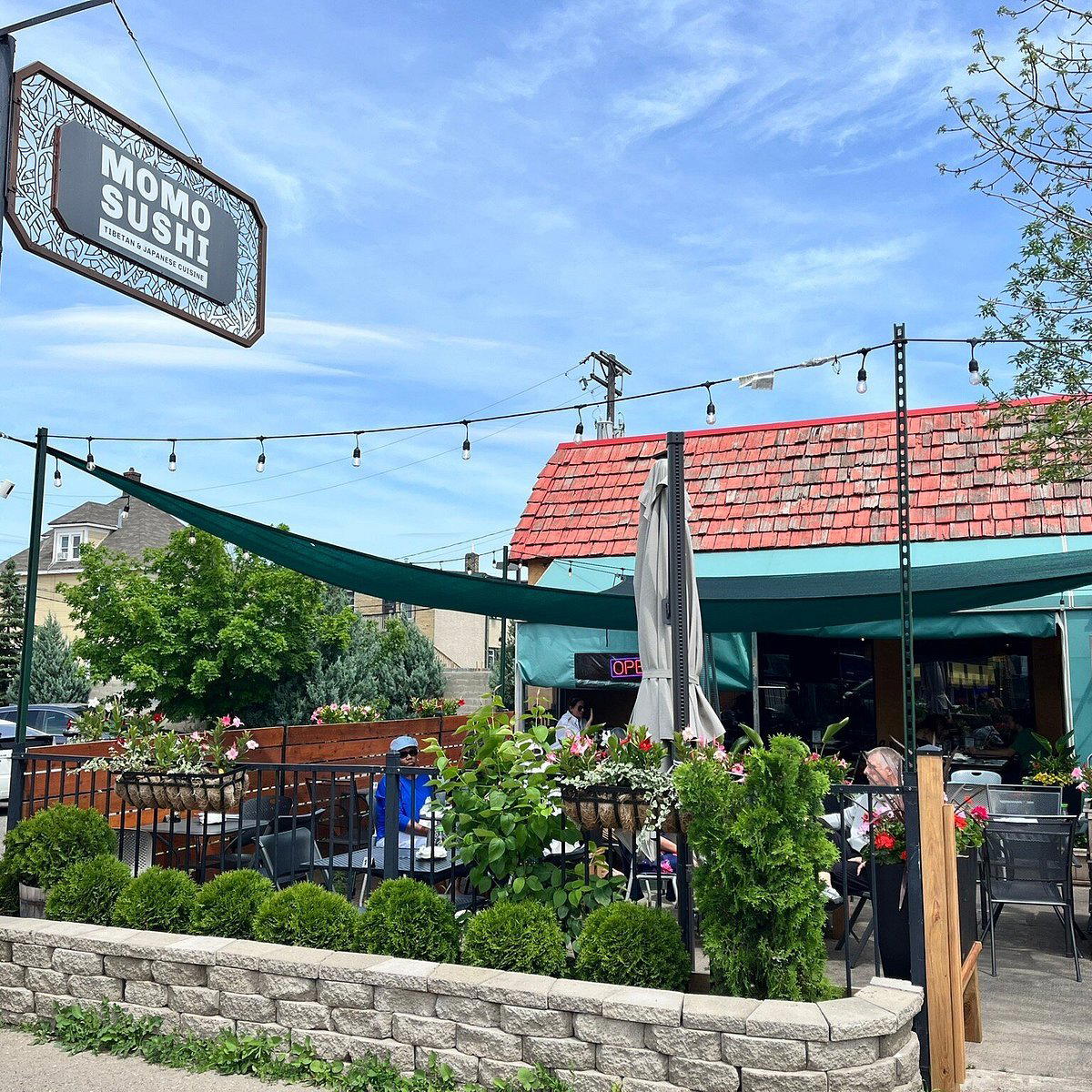
Northeast Minneapolis and the Quiet Rise of Neighborhood Sushi
Central Avenue NE runs through one of Minneapolis's most compositionally interesting dining corridors: a strip where family-run spots, craft breweries like Able Seedhouse + Brewery, and newer restaurant concepts have layered on top of each other over twenty years without ever fully gentrifying into a monoculture. This is the setting for MOMO Sushi, a casual sushi bar at 1839 Central Ave NE in Minneapolis. The Northeast neighborhood doesn't operate on the same logic as the Warehouse District or the North Loop, where restaurants often open to capture a dining-out moment. Here, the logic is retention: places survive because the surrounding community comes back repeatedly, not because visitors arrive once for a special occasion.
Sushi in this context functions differently from what you find at downtown omakase counters or hotel dining rooms. The format that has taken hold along corridors like Central Avenue tends toward accessibility, rolls alongside nigiri, accommodating menus that don't require fluency in Japanese dining conventions, pricing calibrated to the neighborhood rather than to a tourist premium. MOMO Sushi sits within that tradition. Its location on a stretch that also includes independently owned bars and long-running neighborhood restaurants tells you its competitive comparable set is local rather than citywide.
How the Format Has Shifted
American sushi's evolution over the past two decades has moved in two distinct directions simultaneously. At one end, omakase counters in major cities have contracted their seating, extended their lead times, and pushed prices into fine-dining territory, a shift visible at high-profile programs in Chicago, New York, and on the coasts. At the other end, neighborhood sushi has deepened in quality without necessarily following the omakase format. Better sourcing has become more accessible, culinary training pipelines have broadened, and the gap between a well-run neighborhood sushi spot and a destination restaurant has narrowed in meaningful ways.
Northeast Minneapolis has tracked that broader shift. The area's dining identity, shaped by its working-class and immigrant community history, created conditions where affordability and quality were never treated as opposites. Restaurants here that have lasted through multiple economic cycles, including the disruptions of the early 2020s, which reshuffled the dining scene across the country, did so by staying calibrated to what the neighborhood actually wants rather than chasing a concept. MOMO Sushi's presence on Central Avenue NE places it inside that longer arc.
For the kind of editorial range Minneapolis offers across the city, the scene ranges from downtown flagship dining at places like 112 Eatery through neighborhood anchors and bar programs. The contrast between a Central Avenue NE address and the Warehouse District addresses of some of the city's more prominent venues illustrates how Minneapolis's dining geography actually works: not a single center but several distinct neighborhood ecosystems operating in parallel.
Northeast in Context: Where MOMO Sushi Sits
Minneapolis's Northeast quadrant has become the city's most consistent incubator for independently operated food and drink. The same streets that include All Saints Restaurant and neighborhood bar fixtures further south along the city's corridors have built a cumulative identity around independent ownership and local loyalty rather than brand-driven hospitality. Sushi fits naturally into that ecosystem because the format is inherently about craft and repetition, the same techniques, the same sourcing relationships, executed with consistency over time.
The comparison across American cities is instructive. In cities like Honolulu, where venues such as Bar Leather Apron reflect a precision-led approach to hospitality in a market with deep Japanese cultural roots, sushi sits at a different register of the dining conversation. In Chicago, a city whose cocktail and dining programs, represented by spots like Kumiko, operate with a high level of category sophistication, Japanese-influenced concepts have moved steadily upmarket. Minneapolis is neither of those markets. Its sushi scene is defined less by aspiration toward the omakase format and more by the kind of sustained neighborhood integration that keeps a restaurant running across years rather than generating a single moment of critical attention.
That positioning isn't a limitation. It's a different kind of achievement. New York's current cocktail scene, as visible in venues like Superbueno, has moved away from spectacle toward technical program depth, a shift that mirrors what durable neighborhood dining spots have always done: build a reason to return rather than a reason to arrive once. The same principle applies to sushi on Central Avenue NE.
Planning a Visit
The bar is located at 1839 Central Ave NE, Minneapolis, MN 55418, in a part of Northeast that is walkable from several of the neighborhood's other independently operated spots. Central Avenue is served by Minneapolis Metro Transit bus routes, and the area has street parking typical of the Northeast corridor. For visitors mapping a broader evening in the neighborhood, the concentration of restaurants and bars along and adjacent to Central Avenue makes it practical to combine a meal here with drinks at one of the area's brewery or bar programs before or after.
Booking specifics, current hours, and pricing are best confirmed directly with the venue, as neighborhood restaurants at this scale frequently adjust their operations seasonally or in response to staffing. Verify current hours before traveling specifically for this destination.
A Tight Comparison
Comparable venues nearby, for context on price, style, and recognition.
| Venue | Cuisine | Price | Notes |
|---|---|---|---|
| MOMO SushiThis venue — the venue you are viewing | Not listed | $$ | Not listed |
| Tattersall Craft Cocktail Room NE | Not listed | $$ | Northeast Minneapolis Arts District, cocktail_bar |
| Sisyphus Brewing & Comedy | Not listed | $$ | Lowry Hill, beer_bar |
| Spitz - Minneapolis | Marcy-Holmes, pub | $$ | Not listed |
| Pizza Lucé Uptown | CARAG, pub | $$ | Not listed |
| Psycho Suzi's Motor Lounge and Tiki Garden | Not listed | $$ | Northeast Minneapolis Arts District, tiki_bar |
Continue exploring
More in Minneapolis
Bars in Minneapolis
Browse all →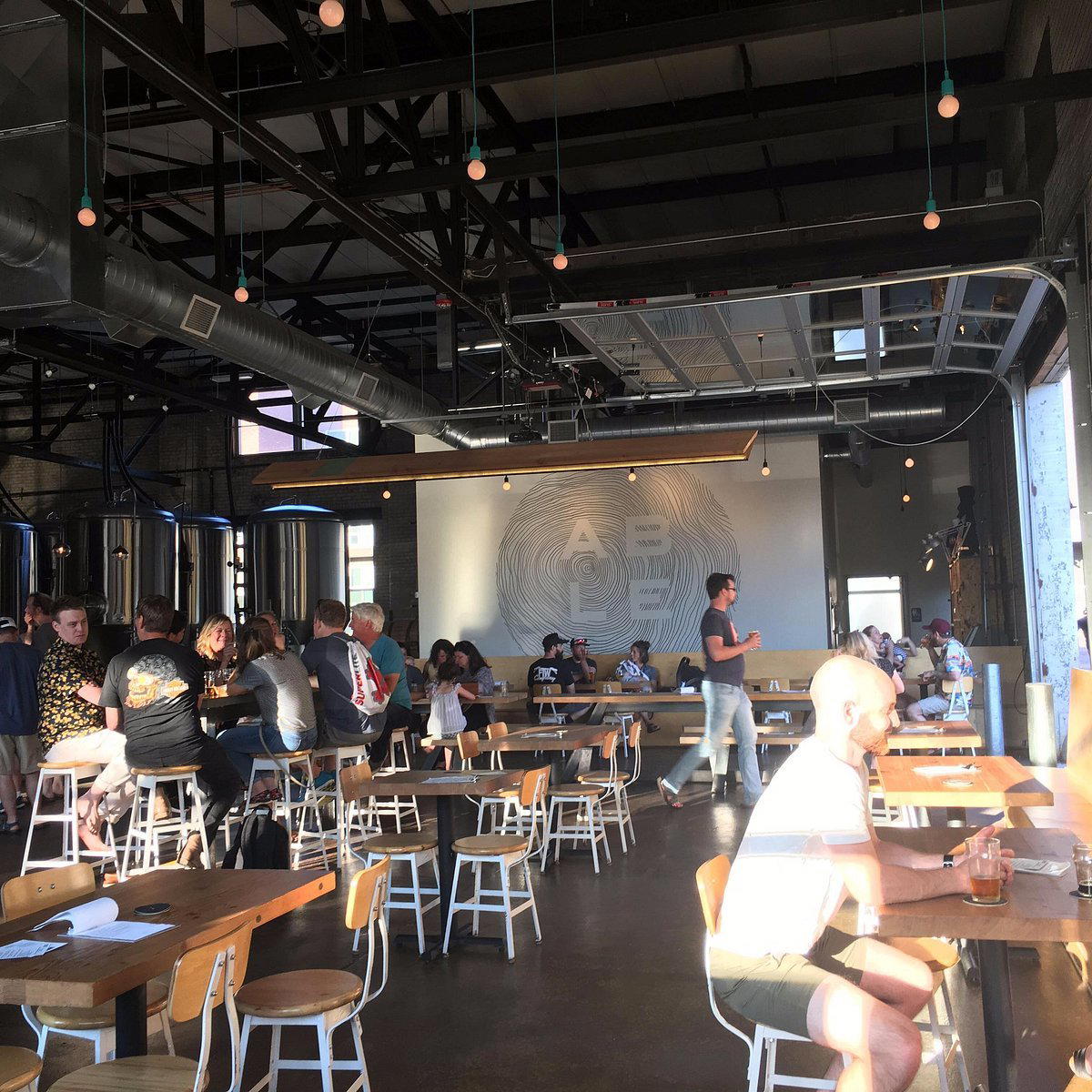
Restaurants in Minneapolis
Browse all →
At a Glance
- Cozy
- Modern
- Casual Hangout
- Date Night
- Standalone
- Seated Bar
- Sake
- Craft Cocktails
Current opening hours
- Monday
- Closed
- Tuesday
- 11 AM–2:45 PM, 4:30–9:45 PM
- Wednesday
- 11 AM–2:45 PM, 4:30–9:45 PM
- Thursday
- 11 AM–2:45 PM, 4:30–9:45 PM
- Friday
- 11 AM–2:45 PM, 4:30–9:45 PM
- Saturday
- 11 AM–9:45 PM
- Sunday
- 11 AM–8:45 PM
Hours can change for holidays and private events. Last verified .
Casual dining spot blending Japanese and Tibetan culinary traditions in a charming Northeast Minneapolis locale.