Milkweed
Milkweed occupies a Roxbury address on Tremont Street where the conversation around American drinking culture tends to run a few steps ahead of the mainstream. The bar draws on local product and imported technique in proportions that place it closer to a craft-forward neighborhood destination than a downtown showroom. Worth knowing before any Boston bar itinerary takes shape.
Pearl is the En Primeur Club membership app — saves, bookings, and concierge access live there. Same editors, same standards.
- Address
- 1508 Tremont St, Boston, MA 02120
- Phone
- +1 617 516 8913
- Website
- eatatmilkweed.com
- Directions
- Get directions
 Saves & bookings on Pearl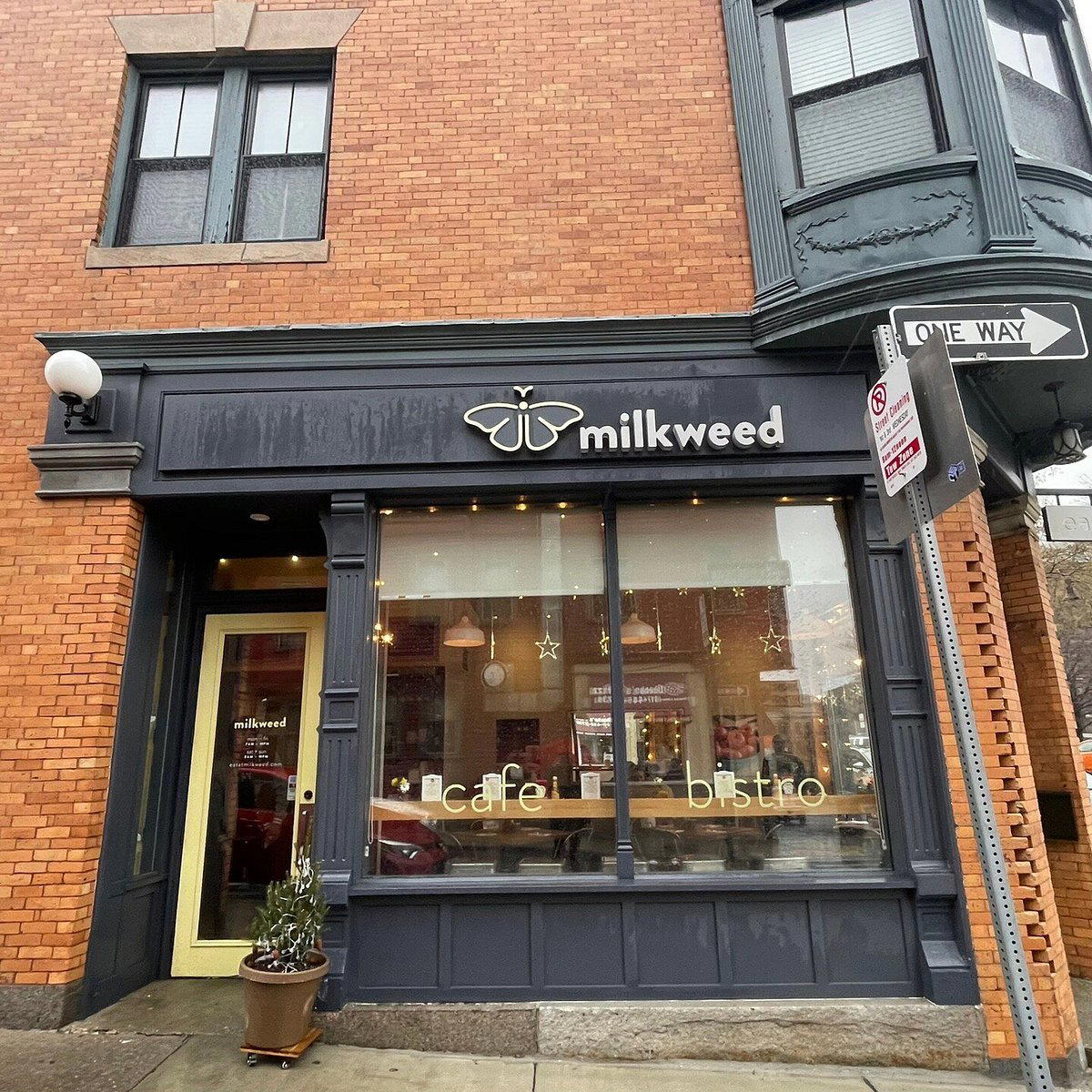
Tremont Street and What It Signals
The stretch of Tremont Street running through Roxbury and into Mission Hill has been accumulating serious drinking destinations quietly and without much fanfare from the city's more tourist-facing press. Milkweed, at 1508 Tremont St, sits in that current: a bar operating in a part of Boston where the audience tends to be local, the margins for theatrics are thin, and the work on the glass is expected to carry its own weight.
Boston's cocktail scene has spent the better part of a decade moving away from the speakeasy template that defined its mid-2010s identity. The city's better bars now tend to organize around a clearer point of view, whether technique-led, ingredient-led, or rooted in a specific cultural tradition. Milkweed lands in this moment without the downtown premium pricing that venues like those in the Back Bay or Seaport corridor typically attach to comparable ambition.
The Local-Global Axis in the Glass
One productive way to read what Milkweed is doing is through the intersection of local material and imported methodology. This is a pattern showing up across American drinking culture with increasing consistency: bartenders trained in European or East Asian technique returning to or staying in American cities and applying that discipline to domestic ingredients. The result is a category of bar that reads as neither strictly regional nor internationally derivative, but as something genuinely in between.
New England produces a specific range of fermented, foraged, and agricultural product that rewards this kind of treatment. Apple-based spirits from Massachusetts producers, local honey and botanical material, and the region's dairy and grain traditions all provide raw material that responds differently to precision technique than the more standard well stock. When a bar in this part of Boston is working at the intersection of those inputs, the drinks tend to feel grounded in place even when the method behind them owes something to, say, a Japanese bar program or a Scandinavian fermentation tradition.
For comparison, bars like Kumiko in Chicago have demonstrated how Japanese technique applied to American ingredients can produce a coherent and self-consistent program. Bar Leather Apron in Honolulu operates on a similar axis, using Japanese precision to frame Pacific-sourced material. Milkweed's Tremont Street position suggests a comparable ambition applied to New England's specific pantry.
Where It Sits in Boston's comparable set
Boston's serious cocktail bars currently operate across a fairly wide spread of format and price point. Equal Measure has built its reputation on a technically rigorous program with a more accessible format. Asta represents the stripped-back, ingredient-forward end of the spectrum. Baleia brings a Portuguese-American lens to the conversation. Milkweed's Roxbury-adjacent address places it outside the downtown cluster where most of these comparisons are made.
The alumni connections to Blossom Bar are worth noting as a contextual credential. Blossom Bar established a reputation for Southeast Asian-inflected cocktail work that was specific enough to anchor a clear point of view. Programs that emerge from or alongside that kind of training tend to carry a structural seriousness that shows in how menus are organized and how ingredients are sourced, even when the specific cultural reference shifts.
Beyond Boston, the American bars that illuminate the approach Milkweed appears to be pursuing include Jewel of the South in New Orleans, which threads historical American cocktail tradition through a contemporary fine-dining lens, and Superbueno in New York City, where Latin American spirits and flavor logic underpin a technically polished program. Julep in Houston and ABV in San Francisco round out a national peer group that takes regional identity seriously without letting it become a gimmick. The Parlour in Frankfurt on the Main shows how this local-global tension plays out in a European context, for those keeping an eye on the broader trend.
Planning a Visit
Tremont Street in this section of Boston is accessible by the MBTA Orange Line (Roxbury Crossing station sits a short walk away), which makes Milkweed reachable without a car and without the parking complications that come with a Back Bay or South End destination. Reservation is recommended, and arriving early in the evening on weekends remains the safer approach. For drink pairings, ask what is seasonal or newly arrived on the menu. Abe and Louie's functions as a nearby option if the evening calls for a more traditional steakhouse bar format before or after.
Reputation First
Comparable venues nearby, for context on price, style, and recognition.
| Venue | Cuisine | Price | Notes |
|---|---|---|---|
| MilkweedThis venue — the venue you are viewing | cocktail_bar | $$ | Not listed |
| Shōjō Boston | cocktail_bar | $$ | Chinatown |
| Korean Garden | Bar | $$ | Allston |
| Lulu's Allston | pub | $$ | Union Square |
| LULU GREEN | cocktail_bar | $$ | South Boston |
| NAMU Distilling Company | cocktail_bar | $$ | Back of the Hill |

At a Glance
- Cozy
- Casual Hangout
- Standalone
- Seated Bar
- Lounge Seating
- Craft Cocktails
Current opening hours
- Monday
- 7 AM–9 PM
- Tuesday
- 7 AM–9 PM
- Wednesday
- 7 AM–9 PM
- Thursday
- 7 AM–9 PM
- Friday
- 7 AM–9 PM
- Saturday
- 7 AM–9 PM
- Sunday
- 8 AM–9 PM
Hours can change for holidays and private events. Last verified .
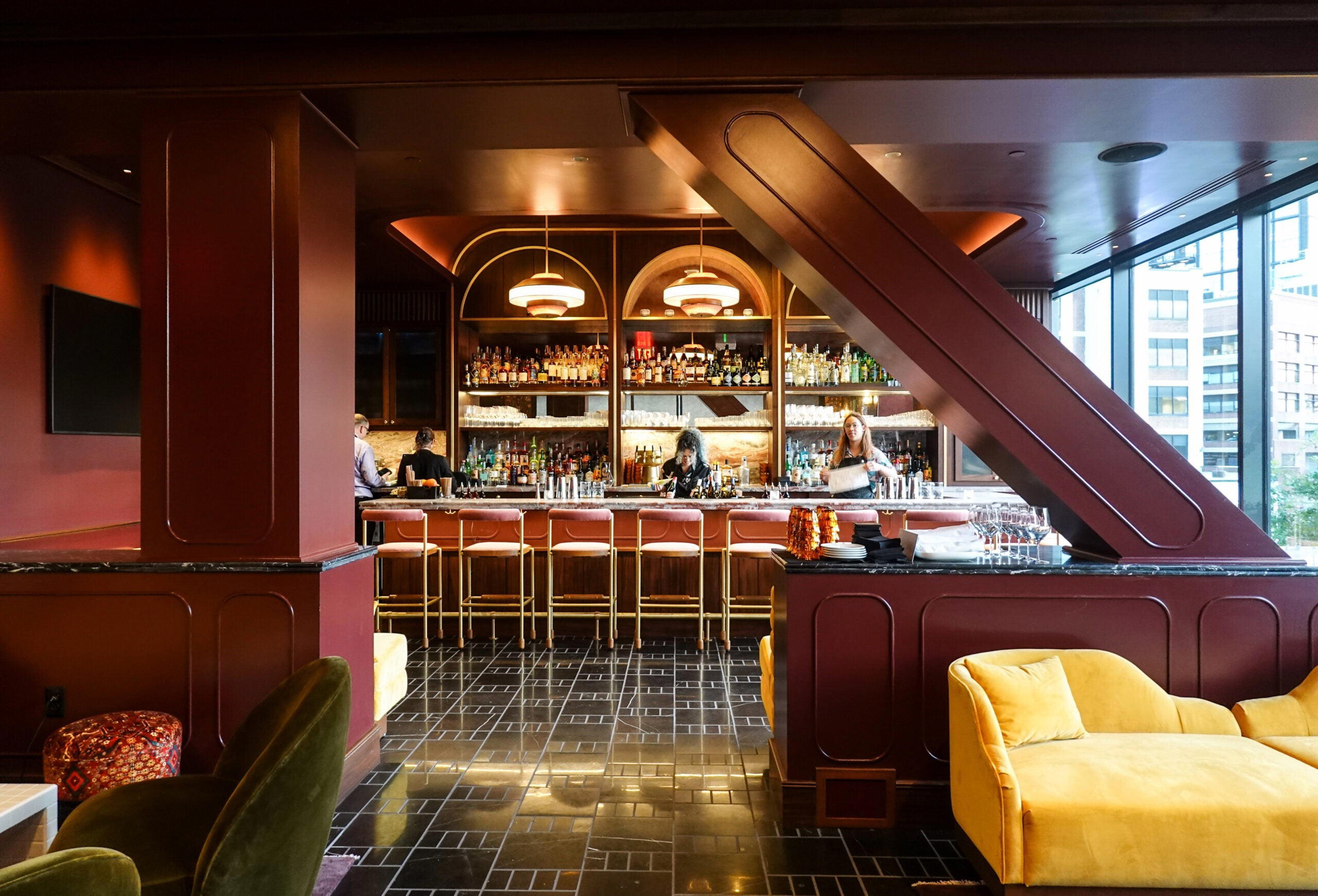
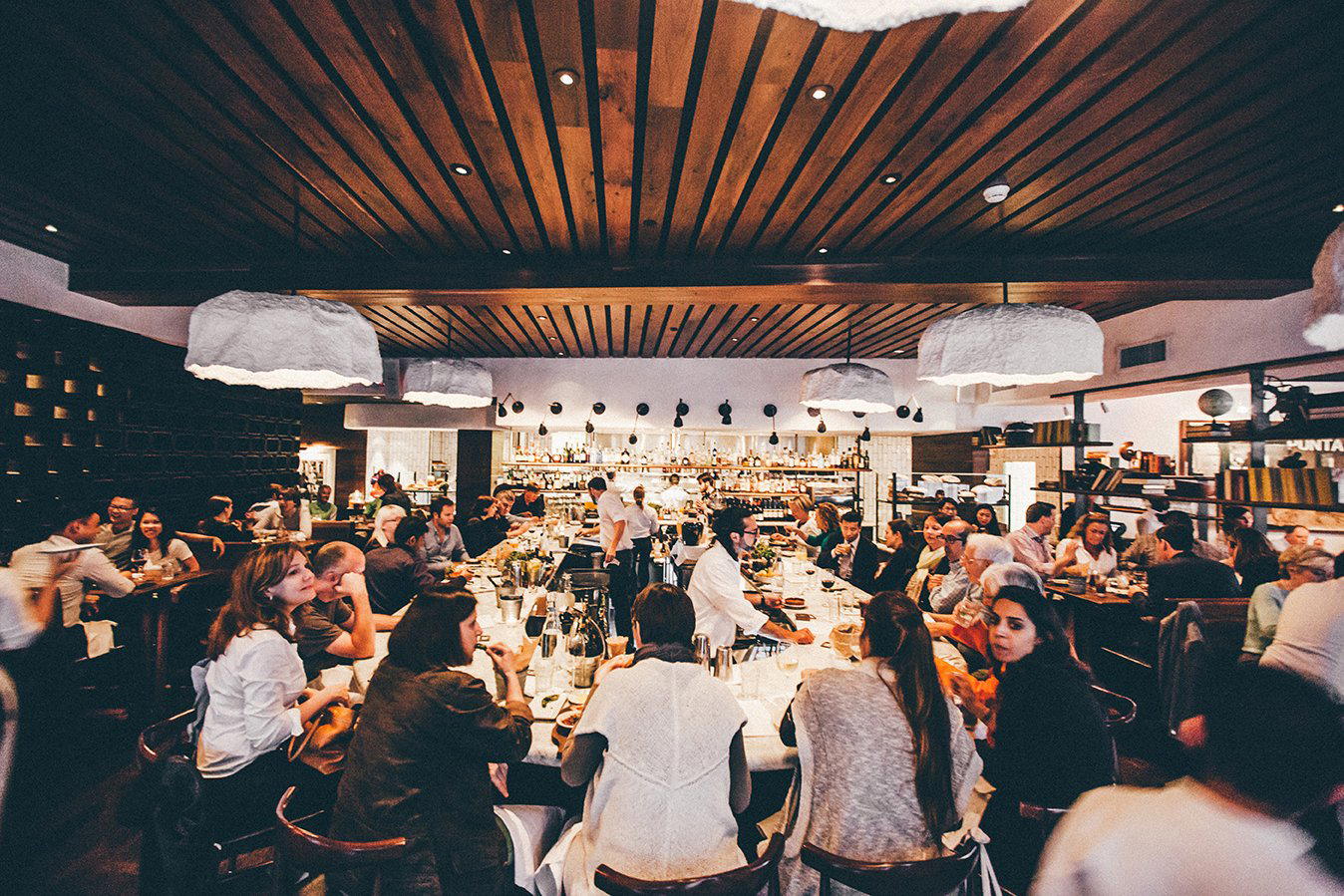
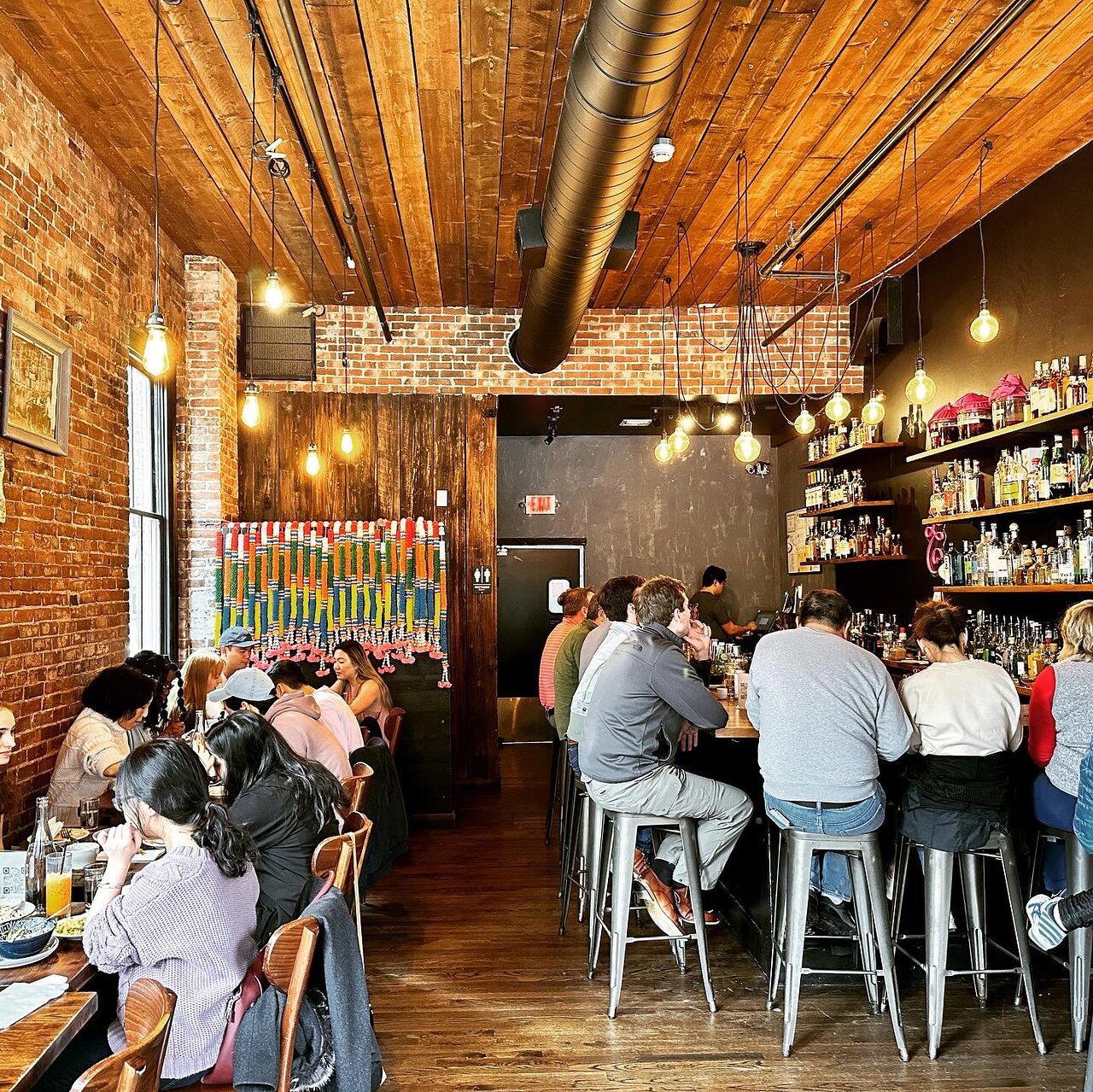
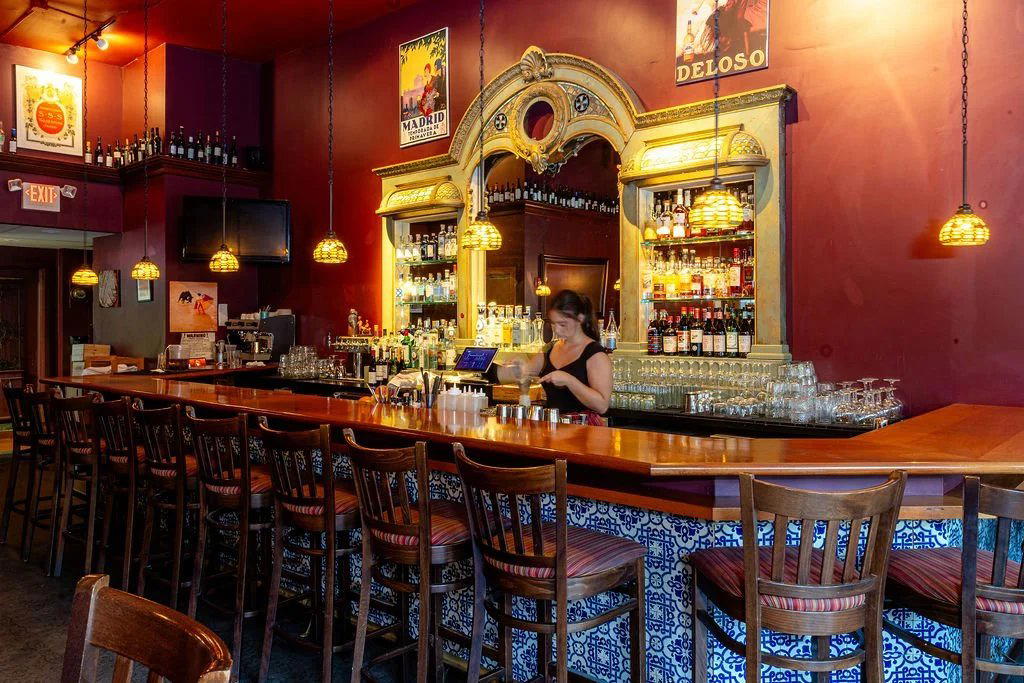
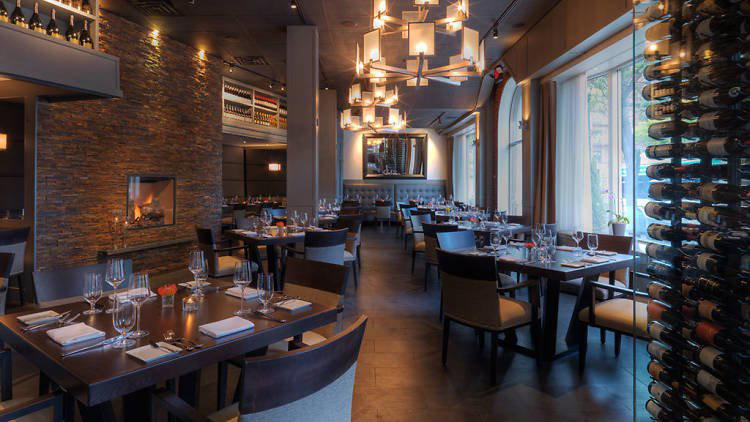
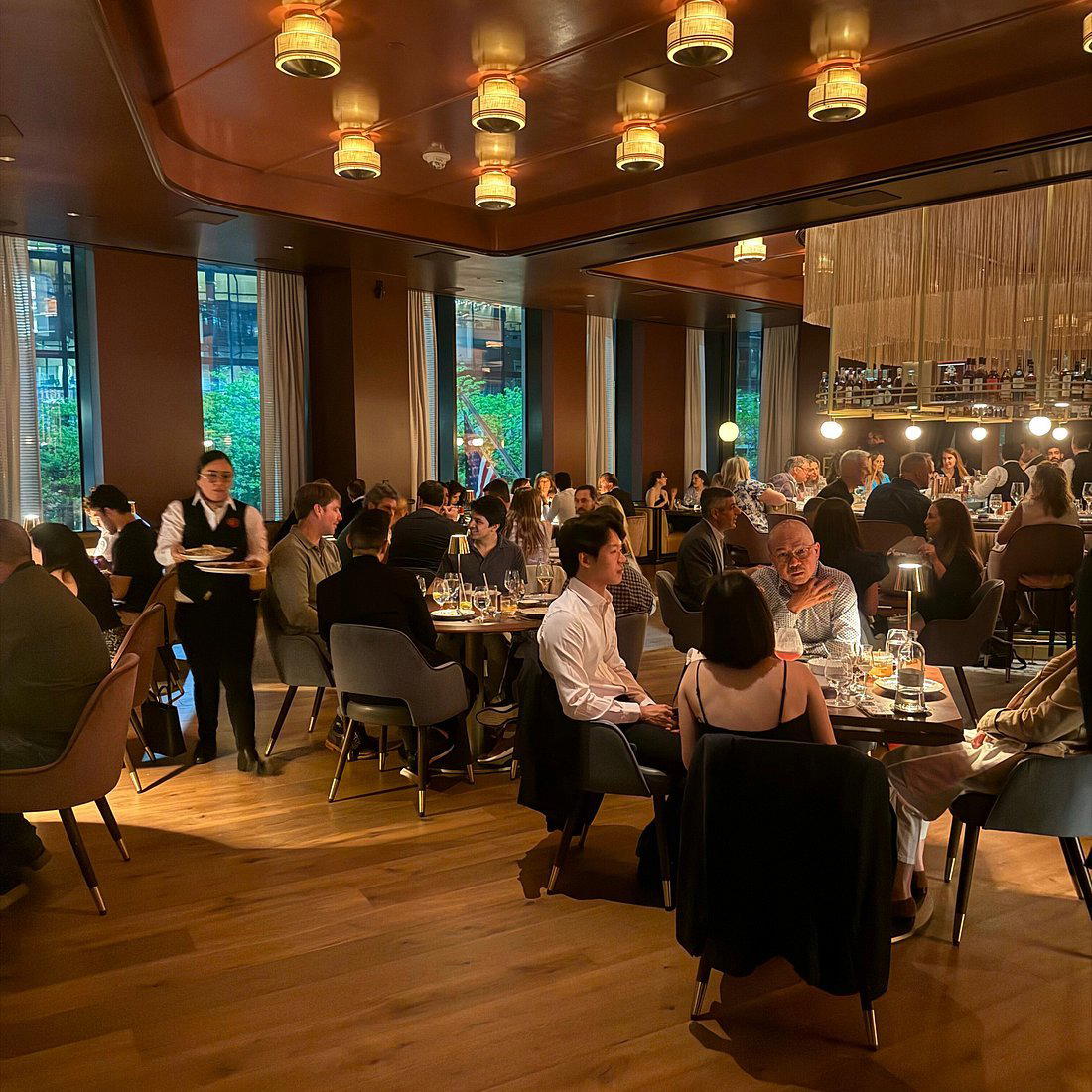
Cozy atmosphere with bar seating, window seats, and sofa seating.