Melo Wine Bar

Star Wine List
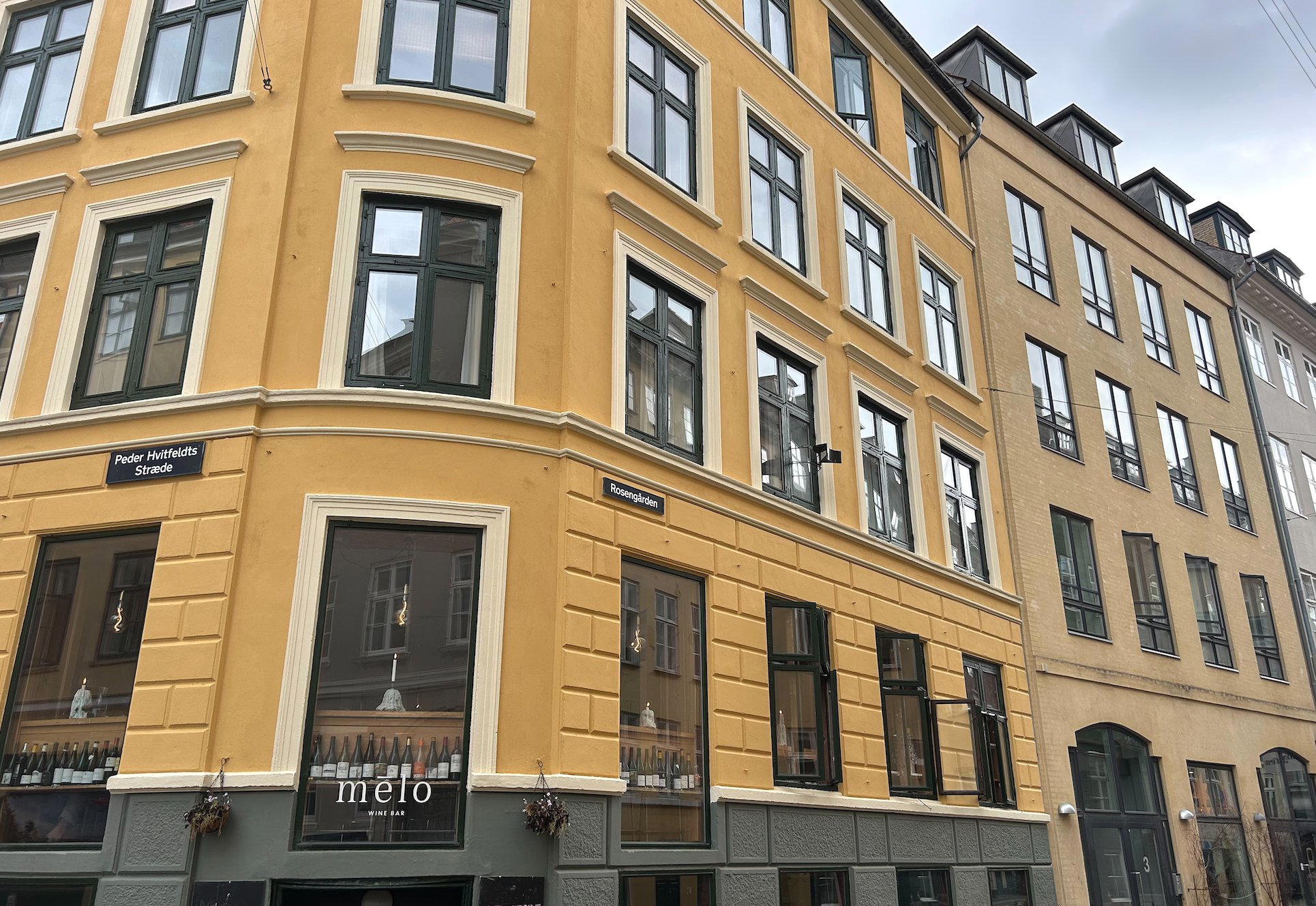
A two-storey wine bar on Peder Hvitfeldts Stræde in central Copenhagen, Melo offers a compact but considered format: high counters for casual glasses, table service for something slower, and homemade snacks calibrated to hold their own alongside the wine list. It sits within Copenhagen's broader shift toward wine-led neighbourhood drinking, where the food programme is part of the editorial point, not an afterthought.

Pearl is the En Primeur Club membership app — saves, bookings, and concierge access live there. Same editors, same standards.
- Address
- Peder Hvitfeldts Stræde 17, 1173 København, Denmark
- Phone
- +45 30 58 98 34
- Hours
- Mon ClosedTue–Sat 4 PM–12 AMSun Closed
- Website
- melowinebar.com
- Directions
- Get directions
Counter Culture: Wine Bars and the Food Question in Copenhagen
Copenhagen's wine bar scene has matured into something more editorially coherent over the past decade. The city's drinking culture has moved steadily away from beer-first premises and cocktail theatrics toward smaller, wine-led spaces where the food programme is not incidental but structural. Melo Wine Bar, on Peder Hvitfeldts Stræde in the inner city, sits within that shift. The address places it in a dense, walkable part of central Copenhagen where institutional bars like Ruby and Charlie's Bar have long set the benchmark for serious drinking in a relaxed format.
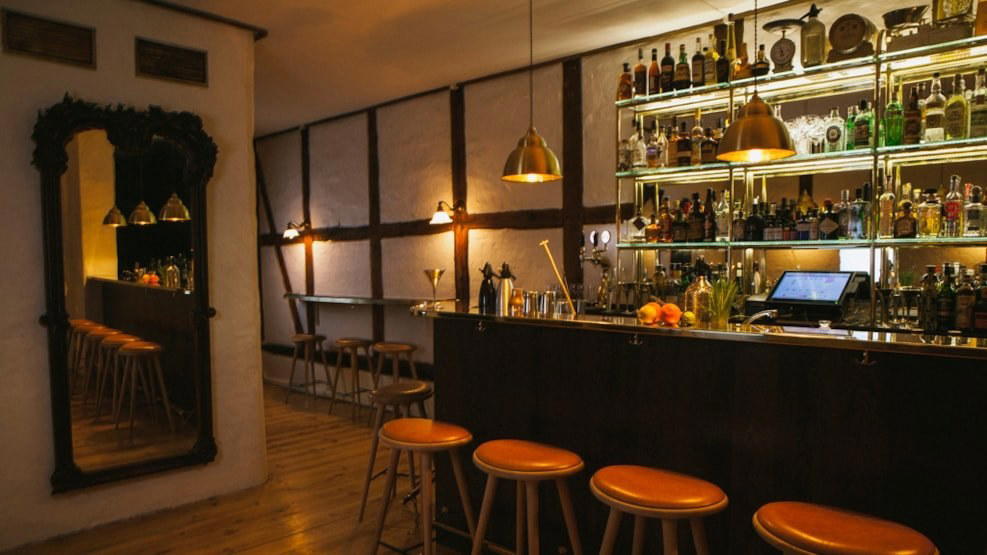
The building itself operates across two floors, and the physical logic of the space shapes how you drink here. Ground level is counter territory: high stools, passing conversation, a glass ordered without ceremony. Upstairs shifts the register slightly, offering table service and the conditions for a longer evening. That split format is less common than it sounds in Copenhagen's wine bar category, where most spaces commit to one mode or the other. Here, the architecture makes the choice for you depending on what kind of visit you want.
How the Food Programme Holds Its Ground
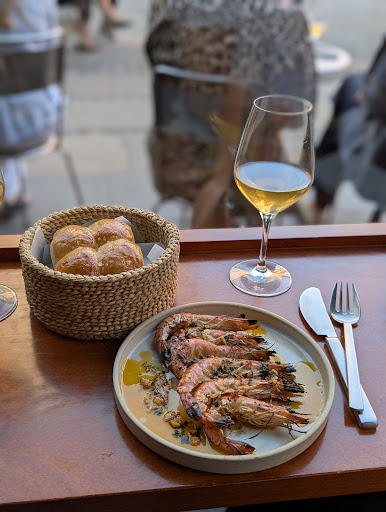
The more useful lens for understanding Melo is the relationship between its homemade snacks and its wine list. In Copenhagen's wine bar tier, this pairing question has become something of a litmus test. Bars that treat food as an obligation produce the predictable results: cured meats assembled without thought, bread that arrives too warm, cheese selected for familiarity rather than contrast. Bars that treat food as a co-equal editorial decision produce something worth returning for.
Melo's approach to snacks, described as homemade, signals an in-house production logic that matters. In a city where natural and minimal-intervention wines now occupy significant shelf space across the bar tier, the food programme needs to be able to follow that register without collapsing under it. Lighter, acid-driven wines demand different accompaniments than tannic, oak-influenced ones, and the snack format, by its nature, gives the kitchen the flexibility to calibrate accordingly. Whether Melo executes this at the level of Copenhagen's most food-focused wine bars is a question that requires a visit to resolve, but the structural conditions are in place.
For context on how Copenhagen's wine bar food programmes compare more broadly, the scene at Oasis Vinbar in København K offers a useful reference point, as does the approach at Bardok in Aarhus for how the food-wine pairing logic plays out in a different Danish city context. Nationally, bars like Hugos No. 19 in Køge, Visselulles Vinbar in Sønderborg, and No 43 in Hørsholm each represent different regional takes on the wine-bar-with-food question, and comparing them against Copenhagen's central offer clarifies where Melo sits in a national picture as well as a local one.
The Counter Format as Drinking Philosophy
Standing at a high counter with a glass of wine is a different social contract than sitting at a table with a menu. The counter format, which Melo maintains alongside its table service option, encourages a certain kind of confident informality. You are not committing to an evening; you are checking in. The wine is the point, the snack is the companion, and the conversation, if it happens, is incidental rather than organised. This format has precedents across European wine bar culture, from the zinc counters of Paris to the narrow standup bars of Northern Spain, and Copenhagen's version of it tends toward the unhurried rather than the performative.
At Melo, the two-floor structure means both modes coexist without one undermining the other. Guests at the counter upstairs do not disrupt a more formal table service below; the floors create distinct atmospheres rather than competing ones. For visitors arriving from hotel bars with a different register, such as 71 Nyhavn Hotel, the shift to a wine bar format on Peder Hvitfeldts Stræde represents a meaningful change of pace.
Placing Melo in Copenhagen's Broader Drinking Map
Copenhagen's inner city bar tier is competitive at the level where quality is assumed and differentiation comes from format, wine list philosophy, and how seriously the kitchen is taken. Melo's central location puts it within reach of the cocktail-led venues that define one end of the city's premium bar spectrum, including Bird, while its wine bar format positions it as a different kind of evening rather than a direct alternative. These are not competing options in most visitors' minds; they occupy different registers of the same city's drinking culture.
For international comparison, the wine bar format that Melo represents, counter-plus-table, snack-plus-wine, central urban address, finds echoes in venues operating at a similar tier in very different cities. Bar Leather Apron in Honolulu and Jewel of the South in New Orleans each demonstrate how the bar-with-serious-food-programme model translates across geographies, even when the wine and cocktail split differs. The underlying discipline, treating food as an argument for the drinks rather than a distraction from them, is consistent. For a fuller picture of where Melo sits within Copenhagen's restaurant and bar ecosystem, the full Copenhagen restaurants guide covers the city's dining tiers in more detail.
Planning a Visit
Melo Wine Bar is at Peder Hvitfeldts Stræde 17, 1173 Copenhagen, in the inner city. The two-floor format means walk-in access at the counter is generally more available than table service, which may warrant advance contact. The address is within comfortable walking distance of central Copenhagen's main neighbourhoods, making it a natural stop within a broader evening rather than a destination that requires dedicated planning.
Peers You’d Cross-Shop
Comparable venues nearby, for context on price, style, and recognition.
| Venue | Cuisine | Price | Awards | Notes |
|---|---|---|---|---|
| Melo Wine BarThis venue — the venue you are viewing | wine_bar | $30–50 | Star Wine List | Not listed |
| Botti - Vinhandel & Bar | wine_bar | $20–30 | Star Wine List | Frederiksberg |
| Bar Poldo | wine_bar | $30–50 | Star Wine List | Indre By |
| Bottega Barlie | wine_bar | $30–50 | Star Wine List | Indre By |
| Pompette | Wine Bar | Not listed | Star Wine List · Falstaff Wine Bar - 89 Falstaff Points | Nørrebro |
| Sabotøren | wine_bar | $20–30 | Star Wine List | Nørrebro |
Recognition history
Dated appearances from independent guides and award organizations, with the underlying list record or original source where available.
Star Wine List
Star Wine List
Continue exploring
More in Copenhagen
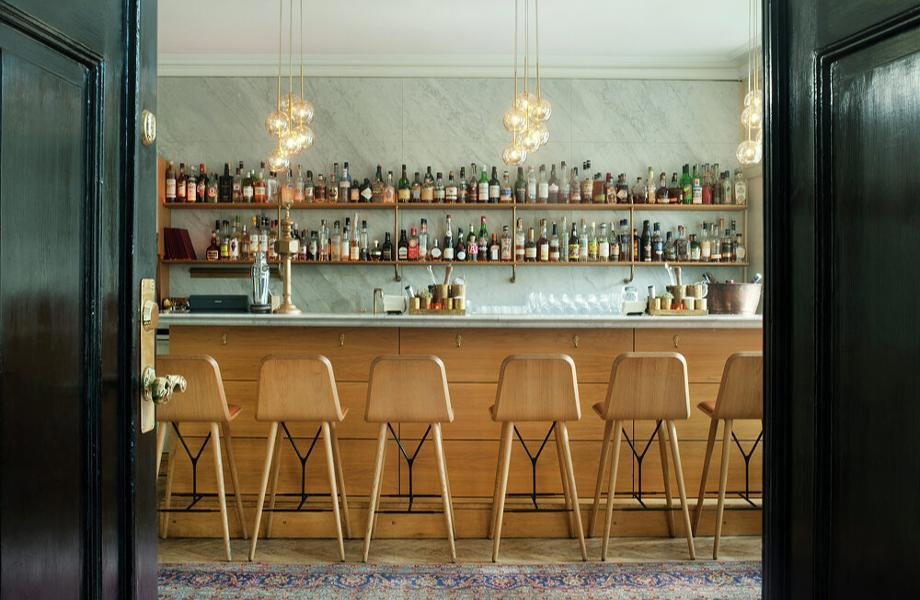
Bars in Copenhagen
Browse all →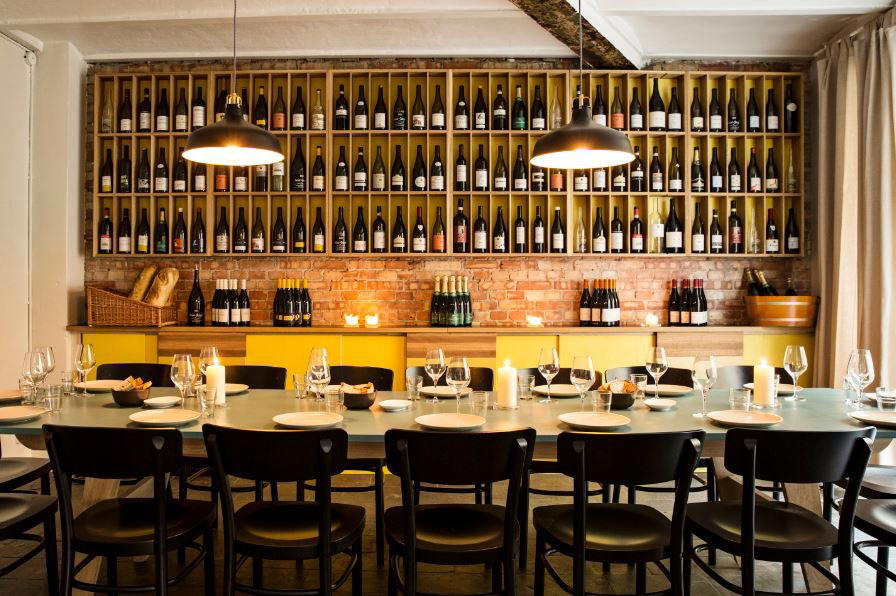
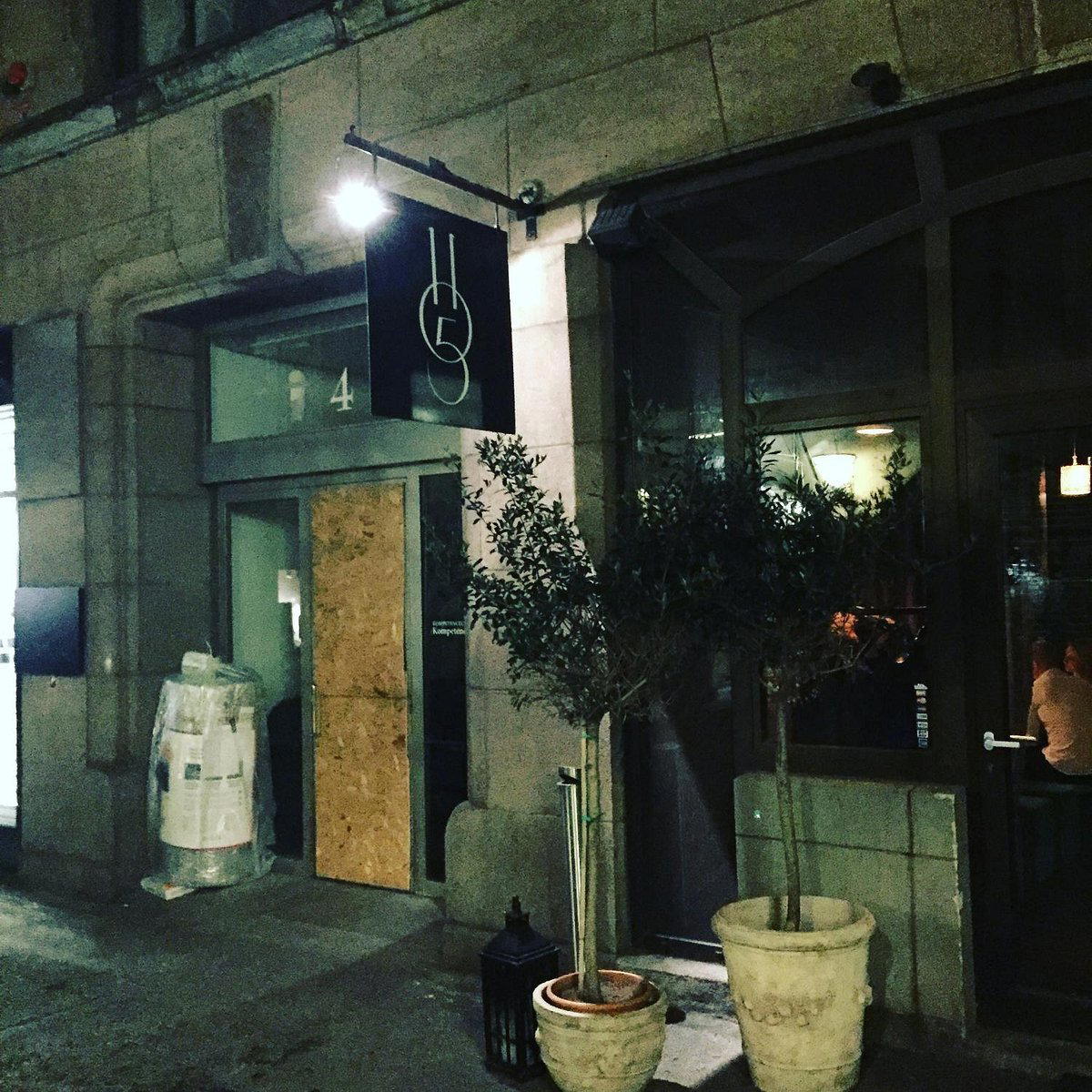
Restaurants in Copenhagen
Browse all →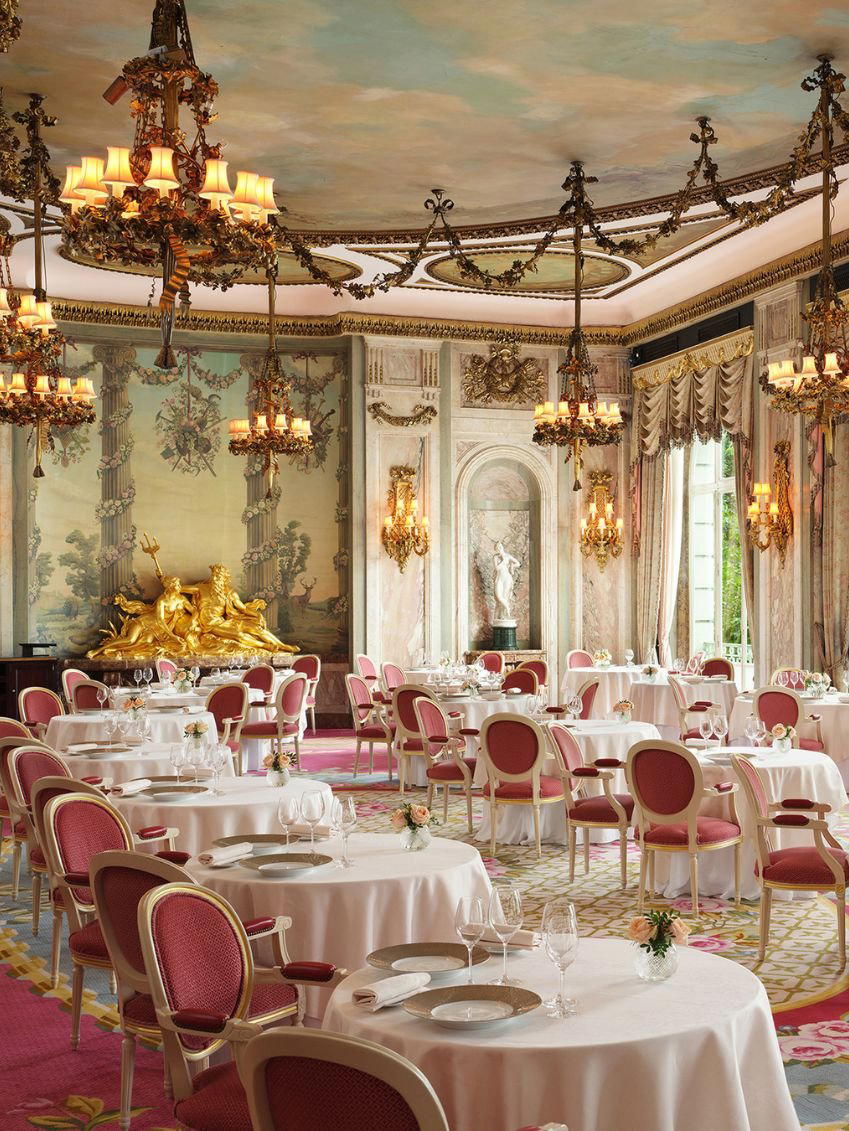
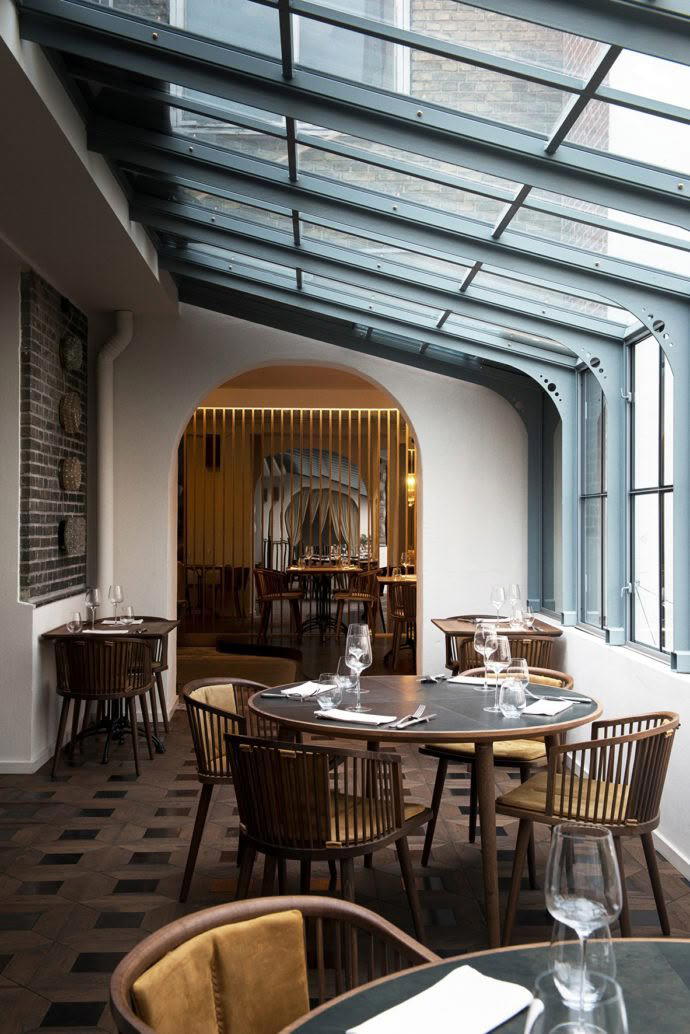
Hotels in Copenhagen
Browse all →

Melo Wine Bar
The wine
- Wine program
- Exceptional wine program
- Natural wine
Details
- Cozy
- Intimate
- Romantic
- Sophisticated
- Date Night
- Casual Hangout
- Special Occasion
- Group Outing
- Standalone
- Historic Building
- Seated Bar
- Lounge Seating
- Outdoor Terrace
- Natural Wine
- Conventional Wine
- Street Scene
Current opening hours
- Monday
- Closed
- Tuesday
- 4 PM–12 AM
- Wednesday
- 4 PM–12 AM
- Thursday
- 4 PM–12 AM
- Friday
- 4 PM–12 AM
- Saturday
- 4 PM–12 AM
- Sunday
- Closed
Hours can change for holidays and private events. Last verified .
Warm, intimate lighting with a cosy atmosphere enhanced by comfortable seating and views of the surrounding plaza; described as embodying Danish 'hygge' with a sophisticated yet welcoming feel.