Marie's Bar and Kitchen
On Burgundy Street in the Bywater, Marie's Bar and Kitchen occupies a neighborhood niche that sits between the polished cocktail programs of the French Quarter and the low-key dive bars that define the area's residential blocks. The format, bar-forward with a kitchen attached, reflects a pattern common to New Orleans drinking culture, where food and drink rarely operate in separate registers.
Pearl is the En Primeur Club membership app — saves, bookings, and concierge access live there. Same editors, same standards.
- Address
- 2483 Burgundy St suite 1, New Orleans, LA 70117
- Phone
- +1 504 267 5869
- Website
- facebook.com
 Saves & bookings on Pearl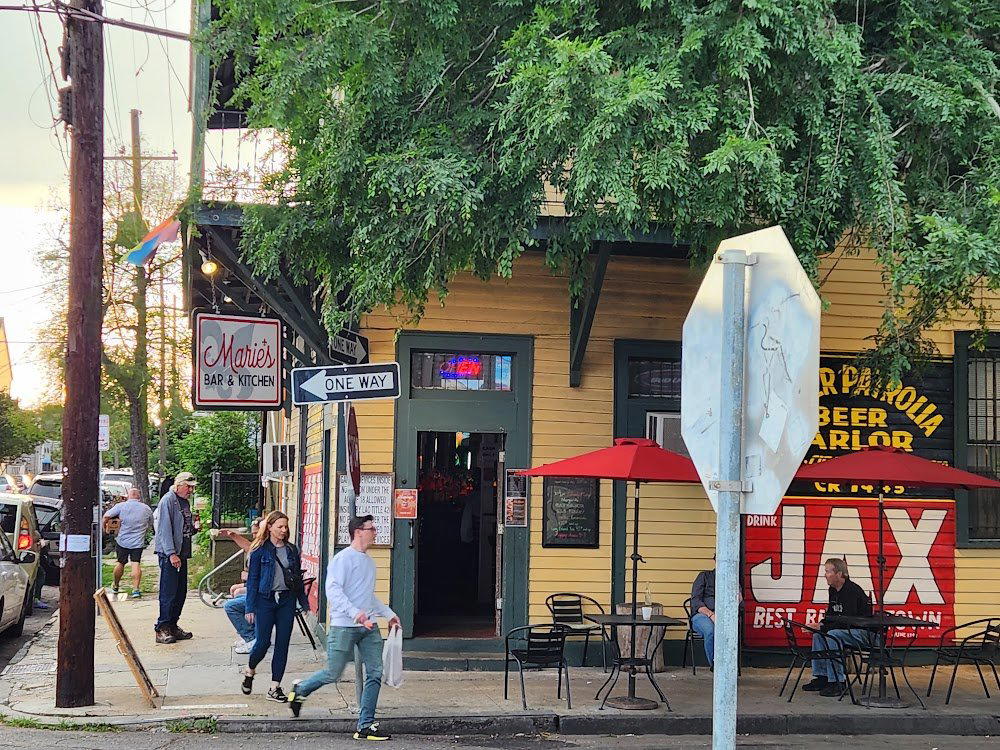
Burgundy Street and the Bywater's Drinking Logic
New Orleans has always organized its bars by neighborhood as much as by format. The French Quarter draws tourists to hotel lobbies and heritage rooms like the Carousel Bar; Uptown consolidates its cocktail credibility around program-driven destinations like Cure; and the Bywater, which runs along the river below the Quarter, has developed a different identity entirely. It is residential first, bar culture second, and the two tend to overlap rather than separate. Marie's Bar and Kitchen, at 2483 Burgundy Street, sits inside that overlap.
The address itself tells you something. Burgundy Street is not a tourist artery. It runs parallel to the busier Dauphine and Royal corridors but draws a crowd that is overwhelmingly local: neighbors walking over, regulars cycling in, visitors who have been told to skip the obvious options. That self-selection matters in a city where bar culture is genuinely stratified between the theatrical and the habitual.
The Bar-and-Kitchen Format as a New Orleans Tradition
The pairing of a serious bar with an attached kitchen is not a recent trend in New Orleans, it is closer to a structural default. The city's drinking culture has never been comfortable with the idea that food should arrive separately from alcohol, either physically or conceptually. Bars that serve food here are not making a programming concession; they are operating inside a tradition that stretches back to the corner grocery-saloon model of the nineteenth century, when neighborhood blocks needed one place to handle multiple functions at once.
That tradition shapes expectations on both sides of the counter. A bar-and-kitchen in this context is not evaluated the way a standalone restaurant is. The question is not whether the food reaches fine-dining precision but whether it fits the rhythm of the evening: whether it gives you a reason to stay another hour, whether it holds up against a second round. This is a different editorial brief than what drives the comparison-set calculations at somewhere like Jewel of the South, where the cocktail program operates as the primary curatorial statement.
Marie's sits in the bar-and-kitchen tier rather than the destination-cocktail tier, which means its competitive set is closer to neighborhood institutions than to program-led operations. That is not a criticism. Some of the most durable drinking rooms in New Orleans have succeeded precisely because they refused to compete on the terms set by award-circuit bars.
What the Format Reveals About the Menu
In bar-and-kitchen operations, menu architecture tends to follow the logic of the room rather than the ambitions of a standalone chef. Dishes are designed to be ordered at the bar or at a table without ceremony, consumed across the arc of a longer evening rather than across a progression of courses. The menu is a support structure for the bar, not an independent statement, which, in practice, often produces more honest cooking than the pressure of a tasting-menu format allows.
This structural dynamic appears consistently across the Bywater and Marigny. Bars in this corridor tend to keep food menus short, seasonal where possible, and calibrated to what the kitchen can execute without slowing service. The result is a format that rewards return visits more than first-time research: regulars develop a working knowledge of what works on a given night, which dishes travel well from kitchen to bar seat, which specials are worth breaking from the usual order.
Across the broader American bar-and-kitchen category, this model has proven more durable than some of its more formally ambitious peers. Operations like ABV in San Francisco and Julep in Houston have built sustained followings by treating food as a genuine part of the offer rather than an afterthought, while destinations like Kumiko in Chicago and Allegory in Washington, D.C. push the format toward a more structured cocktail-forward experience. Marie's reads closer to the neighborhood end of that spectrum than the program-led end.
New Orleans Bar Culture in a Wider Frame
It is worth placing the Bywater bar scene against the broader American craft cocktail trajectory. Cities like Honolulu, where Bar Leather Apron has built a reputation on ingredient precision, and New York, where Superbueno has carved out a specific cultural niche, have developed bar cultures organized around concept and curation. New Orleans participates in that conversation through its destination-tier operations, but its neighborhood bars remain largely outside it, and that resistance is part of what makes the city's drinking culture distinct.
The tiki-adjacent and rum-forward programming at Beachbum Berry's Latitude 29 represents one way New Orleans bars have engaged with national cocktail trends while maintaining local flavor. 2 Phat Vegans has demonstrated that non-traditional formats can develop loyal followings in this market. Marie's operates in neither of those registers, it is closer to the unreconstructed neighborhood room that predates the cocktail revival entirely, though with a kitchen component that signals some investment in a fuller offer.
For a broader map of where Marie's sits within the city's bar and restaurant spectrum, our full New Orleans restaurants guide covers the range from French Quarter institutions to Bywater newcomers. Internationally, bars like The Parlour in Frankfurt on the Main show how the bar-and-kitchen format translates across different drinking cultures, usually with the same underlying logic: the food earns its place by supporting the bar, not by competing with it.
Planning Your Visit
Marie's Bar and Kitchen is at 2483 Burgundy Street, Suite 1, in the Bywater, a neighborhood most easily reached by rideshare from the French Quarter or on foot from the Marigny. The Bywater is walkable within itself but not always convenient from tourist-dense areas after dark. The bar is walk-in friendly, with casual dress, and open daily from 11 AM to 2 AM.
A Lean Comparison
Comparable venues nearby, for context on price, style, and recognition.
| Venue | Cuisine | Price | Notes |
|---|---|---|---|
| Marie's Bar and KitchenThis venue — the venue you are viewing | $$ | ||
| House of Blues New Orleans | French Quarter, lounge | $$ | |
| Turkey and the Wolf | $$ | Saint Thomas Development, cocktail_bar | |
| Frenchmen St | Marigny, pub | $$ | |
| Lafitte's Blacksmith Shop Bar | $$ | French Quarter, dive_bar | |
| The Delachaise Wine Bar | $$ | Touro, wine_bar |
Continue exploring
More in New Orleans
Bars in New Orleans
Browse all →
Restaurants in New Orleans
Browse all →
At a Glance
- Classic
- Cozy
- Hidden Gem
- Casual Hangout
- Historic Building
- Seated Bar
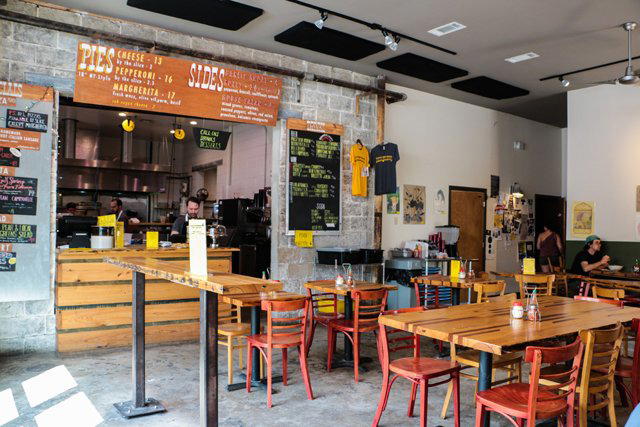
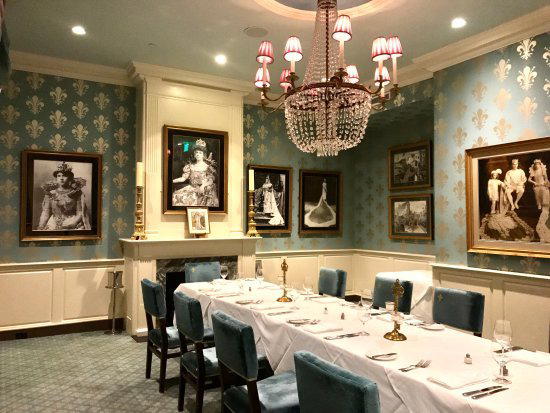
Old New Orleans dive bar vibe with pale yellow and viridian walls accented by vintage JAX beer ads and classic signage.