Little Star Pizza
Little Star Pizza at 400 Valencia Street occupies a particular corner of San Francisco's Mission District where deep-dish tradition meets a neighbourhood that has long rewarded commitment to craft over convention. The kitchen draws on Chicago-style technique applied to a California context, producing a format that sits apart from the wood-fired Neapolitan wave that defines much of the city's current pizza conversation.
 Discover on Pearl
Pearl is the En Primeur Club membership app — saves, bookings, and concierge access live there. Same editors, same standards.
- Address
- 400 Valencia St, San Francisco, CA 94103
- Phone
- +1 415 551 7827
- Website
- littlestarvalencia.com
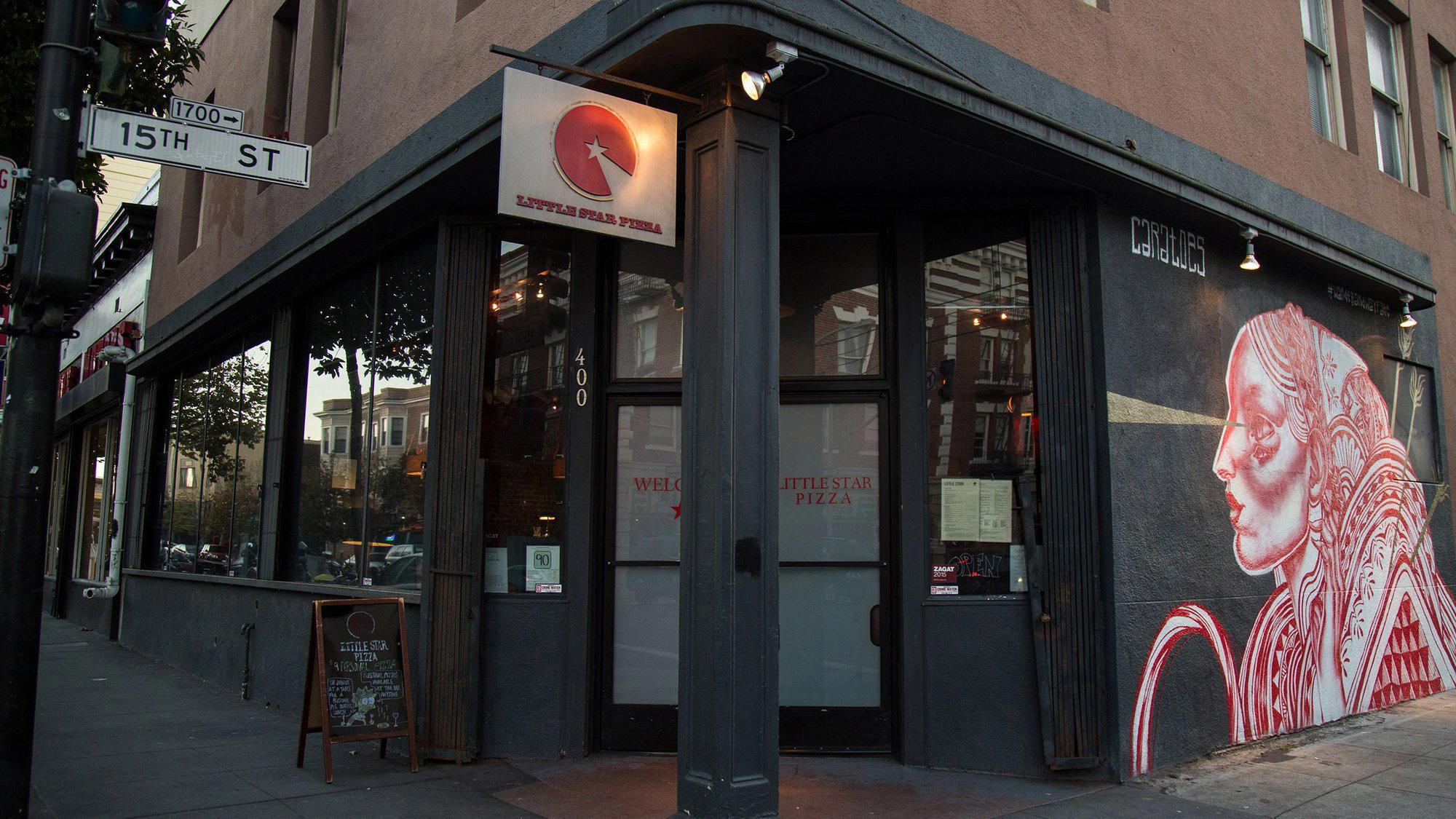
The Mission District and Its Appetite for Conviction
Valencia Street has a way of sorting venues quickly. The corridor running through the Mission District rewards places that commit to a format and hold it, while more trend-sensitive operations cycle in and out around them. Little Star Pizza, at 400 Valencia St, belongs to the former category. Deep-dish pizza in San Francisco is a minority position: the city's serious pizza conversation has spent the last decade circling Neapolitan-influenced, wood-fired formats and the thin, charred-crust aesthetic that travels well on social media. A Chicago-style kitchen operating in this environment is making a deliberate choice, and that choice is the first thing worth understanding about the place.
The Mission itself provides useful context. The neighbourhood has historically supported a wider range of price points and culinary traditions than, say, the more tourist-oriented corridors of Fisherman's Wharf or the expense-account density of the Financial District. That means a pizza operation here competes laterally, against taquerias, Salvadoran spots, and a growing set of wine-bar-adjacent casual dining rooms, rather than vertically against fine dining. The result is a dining culture on Valencia Street that tends toward genuine neighbourhood use: regulars, weeknight traffic, and the kind of informal group dynamic that deep-dish, with its longer bake times and social eating format, suits well.
Deep-Dish in a Thin-Crust City
Chicago-style deep-dish pizza carries a specific technical discipline that distinguishes it structurally from most of what San Francisco's pizza scene produces. The format requires a high-sided pan, a dough engineered for structural integrity under substantial filling weight, and a layering logic that inverts the topping order most diners expect: cheese goes down first, against the dough, then the toppings, then a chunky tomato sauce on leading. This is not a stylistic quirk but a functional solution to the heat dynamics of a thicker pie: the sauce on leading acts as insulation, preventing the cheese from burning during a longer bake.
Where the California context enters is in the ingredient sourcing patterns that the Bay Area food culture has normalized over several decades. Since the 1970s, when Alice Waters and the Chez Panisse cohort formalized a set of sourcing values around local, seasonal produce, the expectation in even casual San Francisco dining rooms has shifted toward ingredient specificity. A deep-dish format landing in this environment absorbs those expectations: the global technique of the Chicago style meets a local sourcing sensibility that the Mission District, with its proximity to Mission Community Market and the broader Northern California agricultural network, makes plausible. This intersection of imported method and local product is precisely where Little Star sits editorially, applying a Midwest-developed format through a California ingredient lens.
The Drink Question
Deep-dish pizza's weight and richness create a specific drinks pairing logic. The format pushes toward beverages with enough structure or bitterness to cut through fat, which historically has meant lager and pilsner in Chicago's own context. San Francisco's bar culture offers a different set of answers. The Mission District has produced some of the city's more craft-oriented bar programs, and venues like ABV and Friends and Family demonstrate how seriously the neighbourhood takes its drinking culture. Across the city, Pacific Cocktail Haven and Smuggler's Cove represent the more ambitious end of San Francisco's cocktail program spectrum.
For the pizza itself, local craft beer remains the most direct pairing logic: a West Coast IPA's bitterness works against the richness of the cheese layer in the same way that a Midwestern lager does in the dish's home city, while offering the hop aromatics that California brewing culture has made its own signature. This is the kind of drink pairing that reflects both where the format comes from and where it has landed.
What the Format Demands from the Room
Deep-dish pizza takes time. A properly built Chicago-style pie requires a bake of thirty to forty-five minutes, which means the experience is structurally longer than a Neapolitan counter, where a ninety-second bake creates a faster table turn. This formats the room differently: it selects for groups willing to settle in, to order drinks and wait, to treat the meal as an occasion rather than a quick stop. Valencia Street, with its mix of long-established neighbourhood regulars and the younger, more footloose residents who have moved into the Mission over the past decade, generates both kinds of traffic. The bake time, rather than being a liability, tends to function as a social organizer for the table.
This dynamic is not specific to Little Star but is inherent to the deep-dish format wherever it operates. What makes the San Francisco version of this dynamic distinct is the density of alternatives on the same block and in the same price bracket. A table committing to a forty-five-minute bake is making an active choice against faster options, and that choice implies a certain kind of deliberate dining intent that the Mission's competitive environment tends to reward with loyalty once it is established.
Where Little Star Sits in San Francisco's Pizza Conversation
San Francisco's pizza scene in the 2020s is fragmented across several distinct categories. At the leading end, reservation-only counters and destination wood-fired rooms compete for the same food-media attention. Below that, a wide middle tier of Neapolitan-influenced and New York-style operations fills the casual dining bracket. Deep-dish, as a category, occupies a smaller niche with fewer direct competitors, which positions Little Star in a peer set defined less by geography than by format. The relevant comparison set is not other Mission District pizza rooms but other deep-dish operations in the Bay Area, a short list by any measure.
For readers interested in the broader San Francisco dining context, our full San Francisco restaurants guide maps the city's dining tiers and neighbourhoods in more detail. For those tracking the national bar scene alongside their dining itineraries, programs like Bar Leather Apron in Honolulu, Jewel of the South in New Orleans, Julep in Houston, Kumiko in Chicago, Superbueno in New York City, Allegory in Washington, D.C., and The Parlour in Frankfurt on the Main represent the kind of city-specific programs worth mapping when you are planning around serious eating.
Know Before You Go
- Address: 400 Valencia St, San Francisco, CA 94103
- Neighbourhood: Mission District
- Format: Chicago-style deep-dish pizza; plan for a longer bake time
- Leading for: Groups, neighbourhood regulars, weeknight dining
- Parking: Street parking on Valencia and side streets; BART (16th St Mission) within walking distance
- Note: Booking details, hours, and current pricing are not confirmed in our database; verify directly before visiting
Cuisine Context
A short peer table to compare basics side-by-side.
| Venue | Awards |
|---|---|
| Little Star PizzaThis venue — the venue you are viewing | |
| ABV | World's 50 Best |
| Smuggler's Cove | World's 50 Best |
| Trick Dog | World's 50 Best |
| Bar at Hotel Kabuki | |
| Evil Eye |
Continue exploring
More in San Francisco
Bars in San Francisco
Browse all →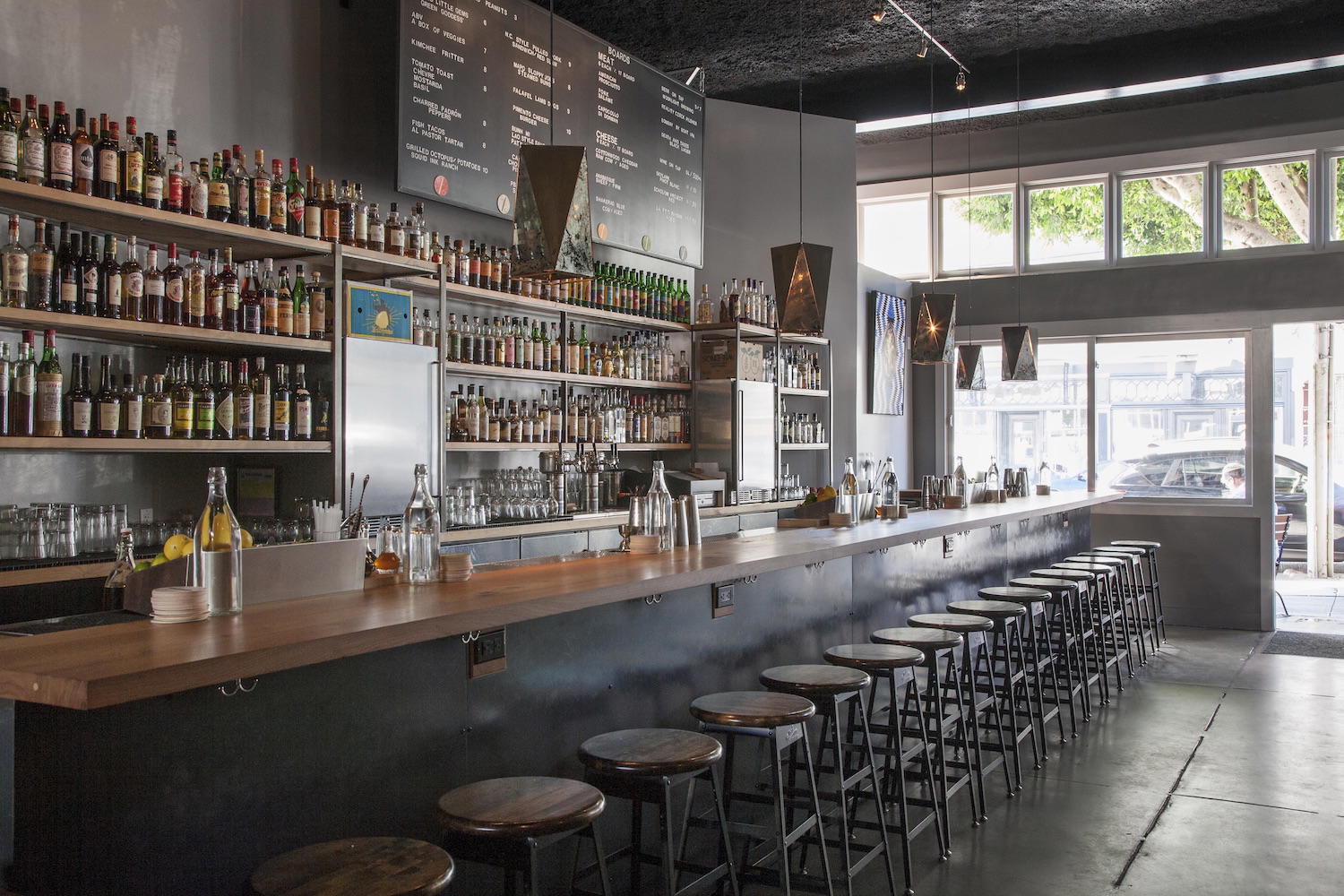
Restaurants in San Francisco
Browse all →
Hotels in San Francisco
Browse all →

At a Glance
- Lively
- Cozy
- Rustic
- Group Outing
- Casual Hangout
- Standalone
- Booth Seating
- Seated Bar
- Craft Beer
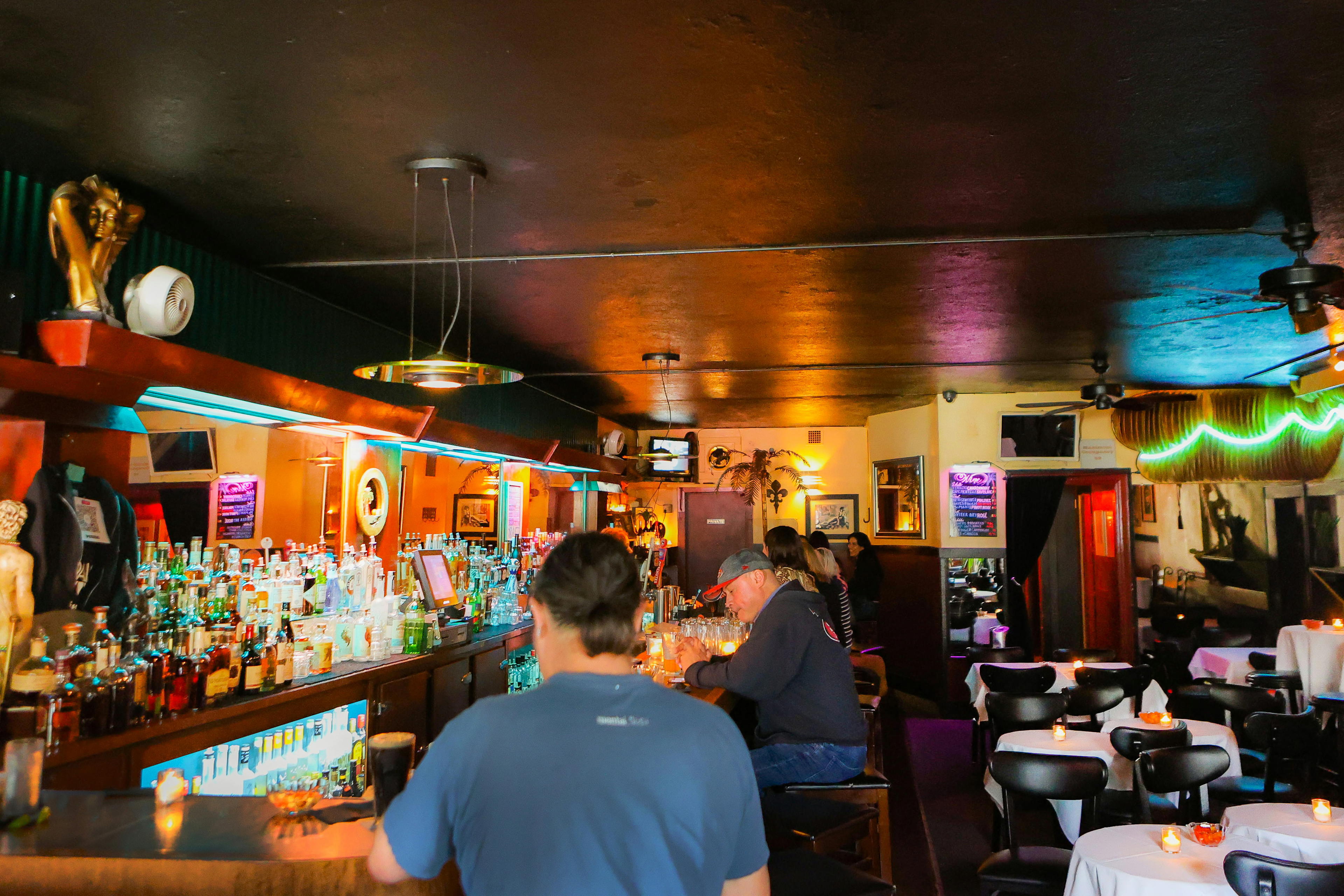
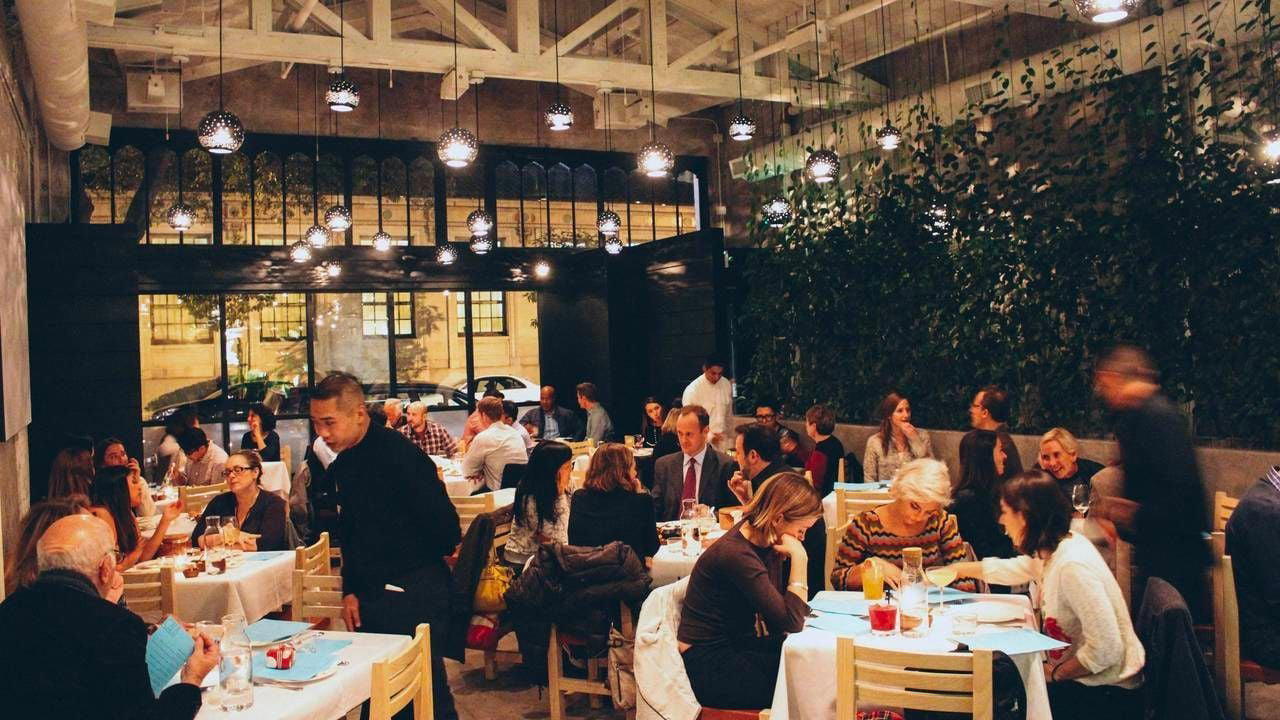
Relaxed, friendly neighborhood vibe with dim pub-like lighting, exposed brick, high ceilings, and rustic decor.