KIT occupies a grounded position in Brooklyn's Prospect Heights bar scene, at 657 Washington Avenue, where the borough's shift toward atmosphere-led drinking rooms has produced some of New York City's more considered neighborhood bars. The space operates as a reference point for locals who want craft-forward drinks without the performance of Manhattan's higher-profile cocktail programs.
- Address
- 657 Washington Ave, Brooklyn, NY 11238
- Phone
- +1 718 636 2900
- Website
- kitbklyn.com
- Directions
- Get directions
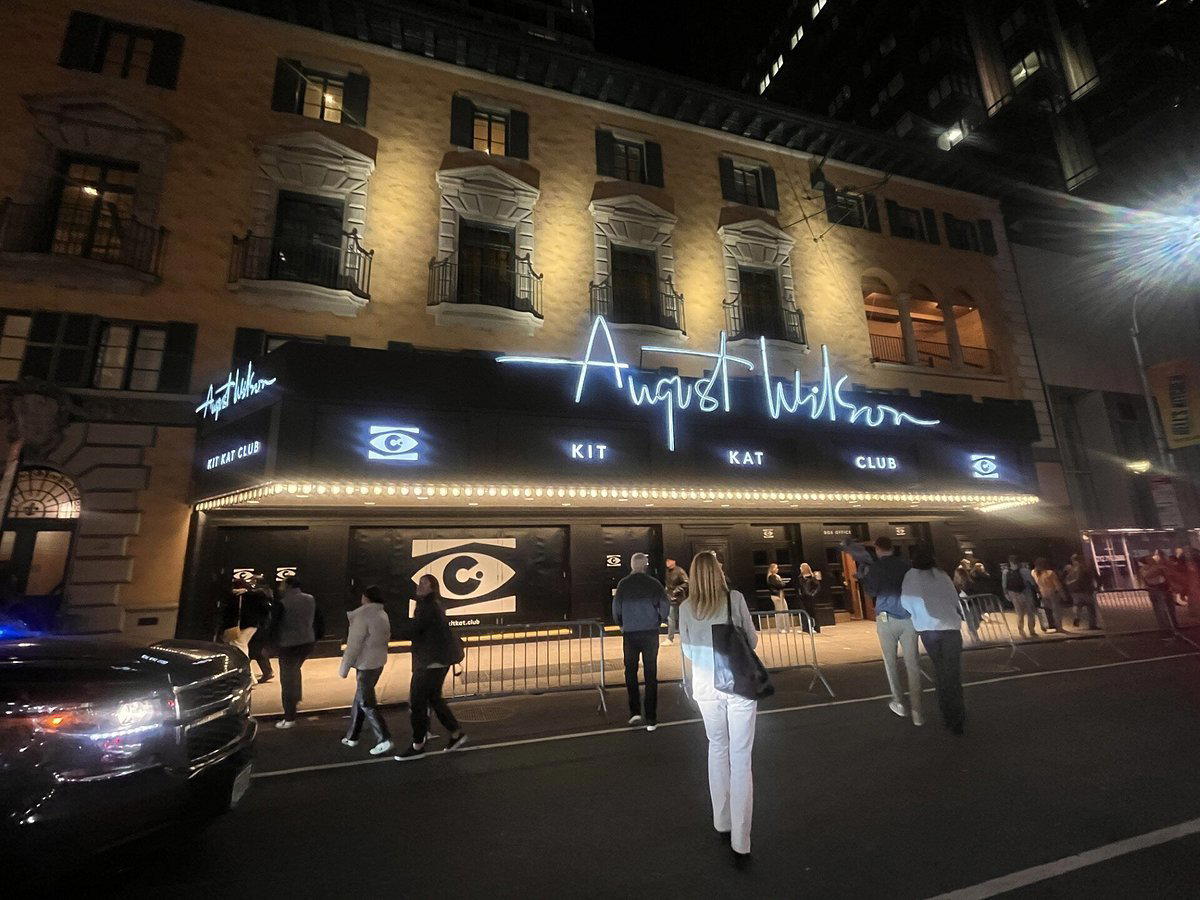
Brooklyn's Atmosphere-Led Drinking Room
New York's bar scene has undergone a quiet geographic correction over the past decade. While Manhattan retained the flagship addresses, the storied counters of the East Village, the tightly booked omakase cocktail rooms of the Lower East Side, Brooklyn absorbed a different kind of ambition. Prospect Heights, in particular, became a proving ground for bars that prioritize mood, material, and neighborhood permanence over press cycles and destination tourism. KIT is a bar at 657 Washington Avenue in Brooklyn's Prospect Heights neighborhood.
The broader shift in Brooklyn's bar culture has been from volume to texture. Where earlier waves of craft cocktail culture in New York leaned heavily on speakeasy theatrics and hidden-door formats, a model that venues like Angel's Share helped establish in the city, Prospect Heights bars in the current period tend toward something more transparent: rooms you can read immediately, where the atmosphere does the work without requiring a password or a reservation held three weeks in advance.
The Physical Logic of the Space
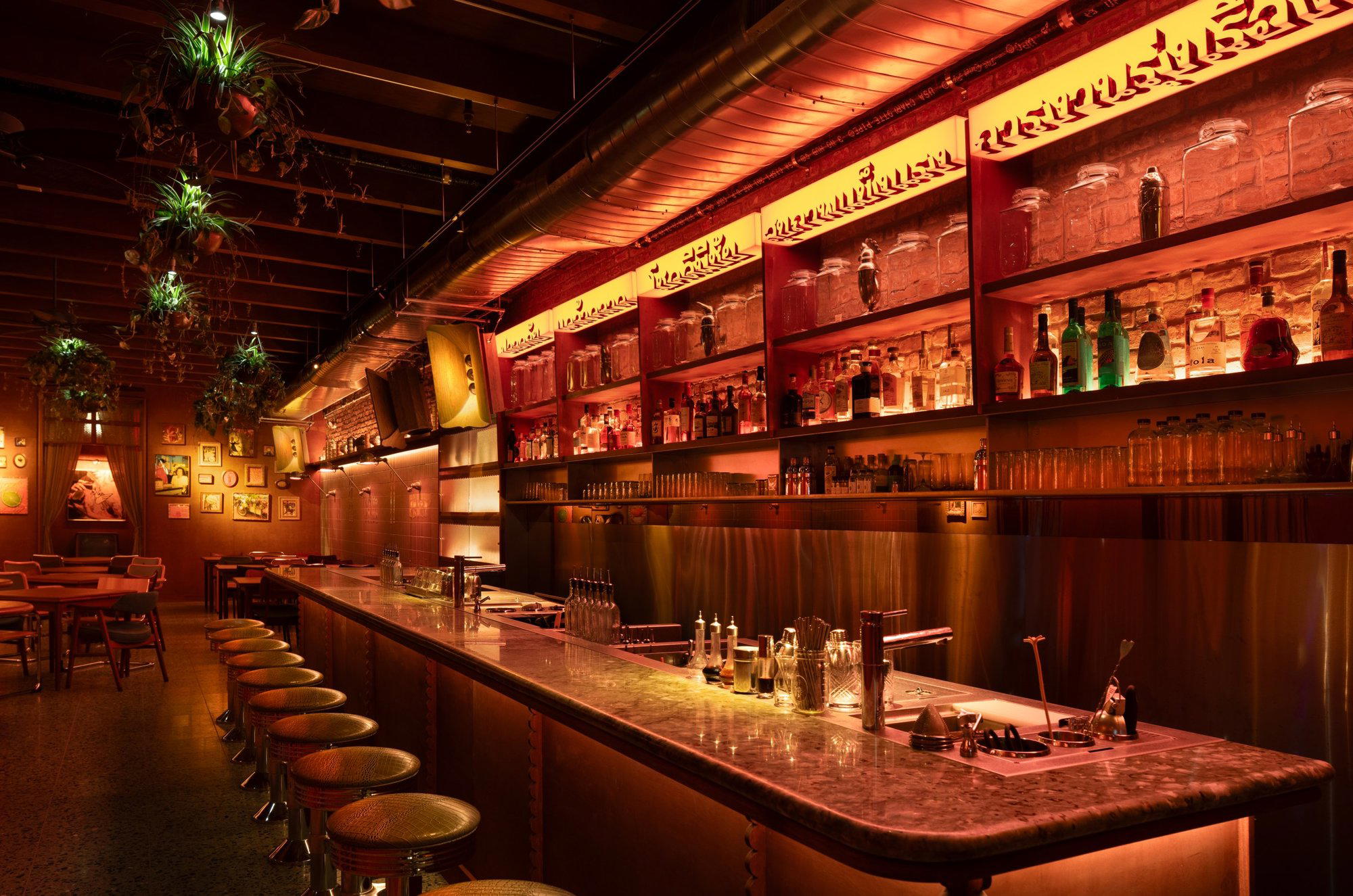
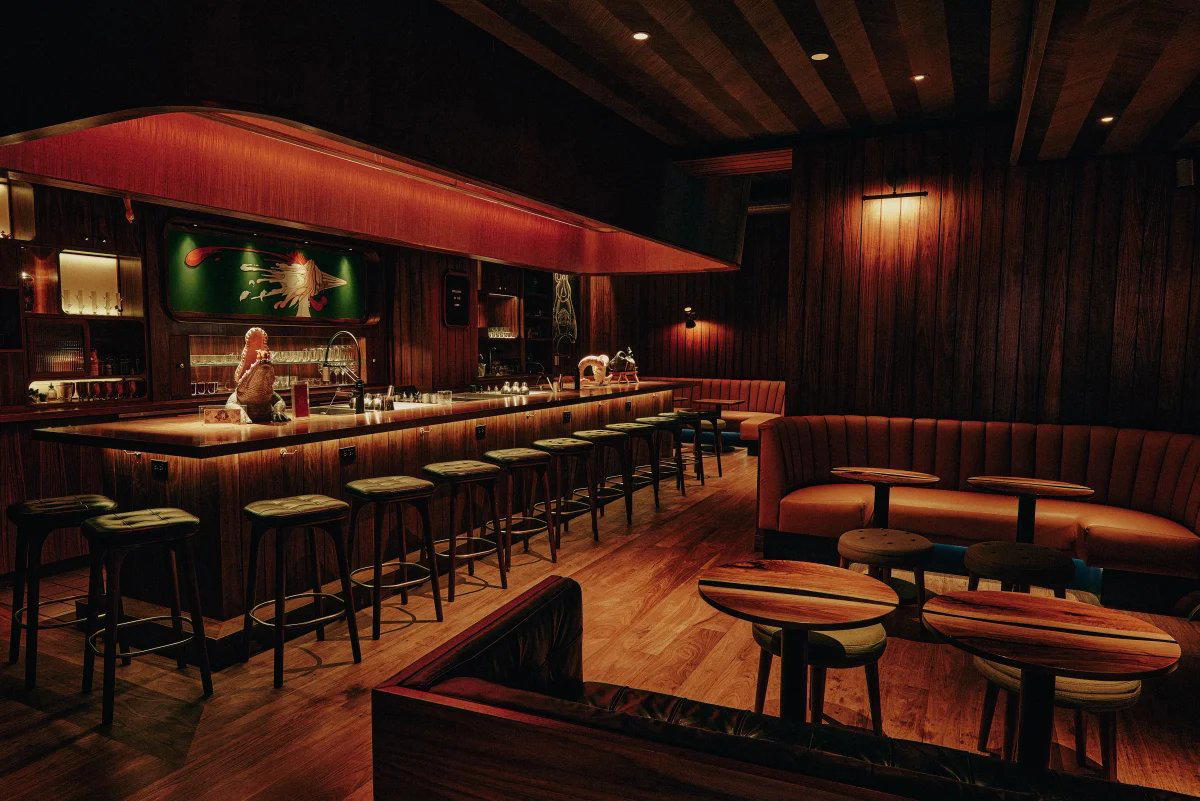
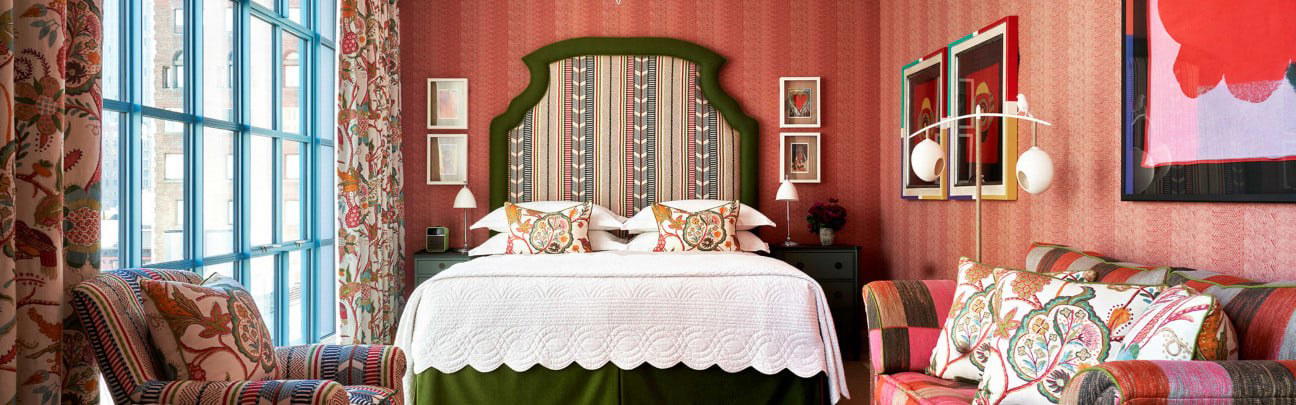
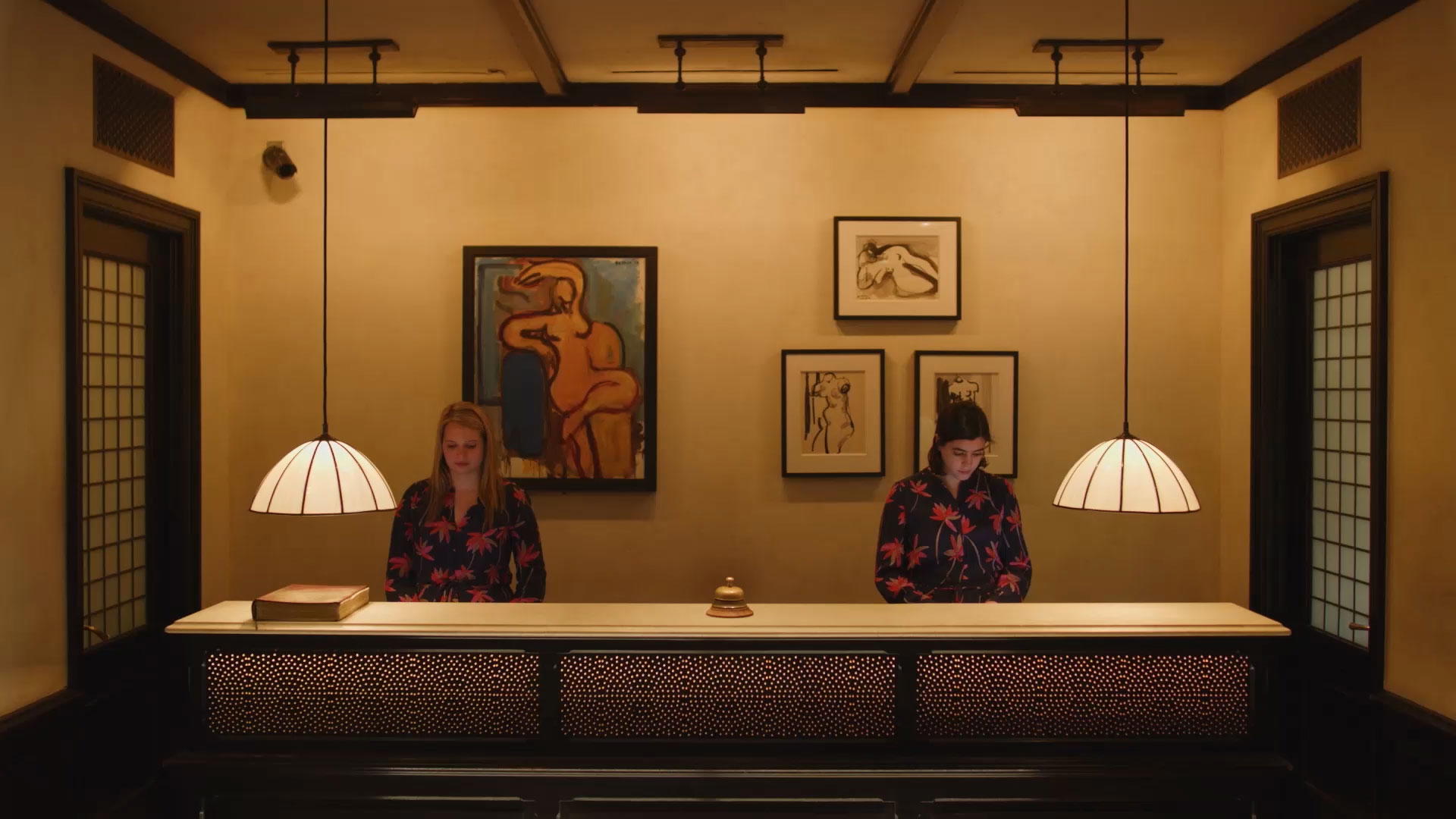
What defines the atmosphere-led bar in Brooklyn is deliberate material choice. The design language across this tier of venue favors warm light sources over overhead brightness, natural materials over industrial finish, and seating configurations that accommodate lingering rather than cycling. A bar room built on these principles communicates its intentions before a drink arrives: the pace here is slower, the conversation is the point, and the room has been arranged to support both.
KIT operates on Washington Avenue within walking distance of Prospect Heights' denser residential blocks, a location that shapes its clientele more directly than a destination address in a commercial corridor would. Bars in this position serve regulars by necessity and tourists incidentally, which tends to produce a more settled room culture. The crowd accumulates through habit and word of mouth, which gives the space a character that designed-for-press venues rarely achieve.
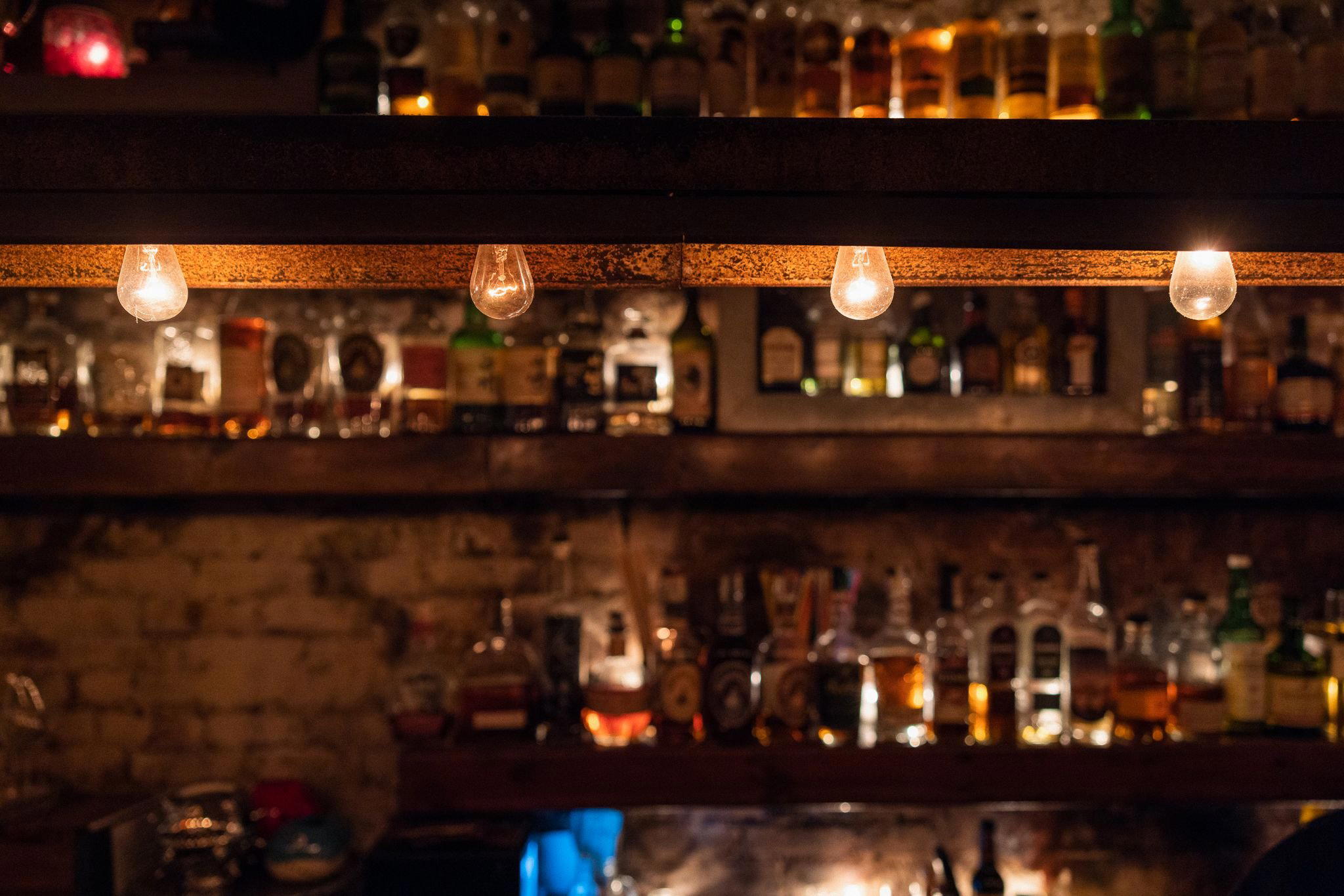
Lighting in this category of bar is worth treating as a design argument rather than an amenity. When the dominant light source is low and warm, candlelight or low-wattage incandescent at table height rather than track lighting aimed at the counter, the room actively resists the documentation impulse. Conversations go longer. Drinks get considered rather than photographed. That functional choice in the physical environment produces the atmosphere that atmosphere-led bars promise but not all deliver. It also places a bar like KIT in a different competitive set than the high-production, high-legibility cocktail theaters that dominate the city's bar press coverage.
Where KIT Sits in New York's Cocktail Geography
New York's cocktail bar tier has effectively split into at least three competitive groups. The first is the high-volume, high-recognition tier: bars like Attaboy NYC or Amor y Amargo, which operate with distinct house programs and a national draw. The second is the conceptually focused specialist bar, a category that includes operations like Superbueno, which builds its program around a specific spirit tradition. The third is the neighborhood anchor: a bar whose primary function is to serve a specific geography with consistency and atmosphere rather than to compete for annual rankings.
KIT fits most naturally into that third tier. This is not a diminishment. The neighborhood anchor format produces particularly durable bar culture in any city, bars that outlast trend cycles because their value proposition is environmental and relational rather than editorial. You do not go to a bar like KIT to experience a chef's tasting philosophy through the medium of a clarified gin drink; you go because the room is right, the drinks are competent to good, and the experience of being in Brooklyn on a weeknight has a specific quality that only a certain type of room can provide.
For comparison, the bar programs at Kumiko in Chicago or Jewel of the South in New Orleans represent the more formally constructed end of the neighborhood-anchored bar, places with documented award histories and deeply considered menus that still manage to serve their immediate community rather than just their destination visitors. ABV in San Francisco and Allegory in Washington, D.C. offer further reference points for how a bar can operate with design ambition and program seriousness while remaining legible to a regular neighborhood clientele. Even internationally, The Parlour in Frankfurt and Bar Leather Apron in Honolulu demonstrate that the atmosphere-first bar format travels across markets, with each iteration shaped by its specific geography. Julep in Houston adds another data point: a program built around Southern whiskey traditions that nonetheless functions as a room people return to for the environment as much as the liquid.
KIT's Washington Avenue address places it in the gravitational field of Prospect Heights institutions rather than in competition with the destination bars of the West Village or the East Village counter-culture. That positioning is a choice, and it produces a different kind of loyalty.
Planning a Visit
KIT is located at 657 Washington Avenue in Prospect Heights, Brooklyn, accessible from the 2, 3, B, and Q subway lines, with Bergen Street and Grand Army Plaza stations both within reasonable walking distance. Given the venue's neighborhood character and the general rhythm of Brooklyn bar culture, weekend evenings draw the densest crowds, while weekday visits tend toward a more settled pace. KIT is recommended for reservations and listed at a smart casual dress code. The area around Washington Avenue rewards a longer evening: the blocks between Grand Army Plaza and Atlantic Avenue carry a concentration of restaurants and bars that makes pre- or post-drink movement easy on foot.
Just the Basics
Comparable venues nearby, for context on price, style, and recognition.
| Venue | Cuisine | Price | Notes |
|---|---|---|---|
| KITThis venue — the venue you are viewing | Not listed | $$ | Not listed |
| Hometown Bar-B-Que | Not listed | $$ | Carroll Gardens-Cobble Hill-Gowanus-Red Hook, pub |
| Angelika Film Center & Cafe - New York | Greenwich Village, lounge | $$ | Not listed |
| Partners Coffee West Village | West Village, Bar | $$ | Not listed |
| Daigo Sushi Roll Bar | Not listed | $$ | Carroll Gardens-Cobble Hill-Gowanus-Red Hook, Bar |
| Sonny’s Corner | Not listed | $$ | Greenpoint, cocktail_bar |
Continue exploring
More in New York City
Bars in New York City
Browse all →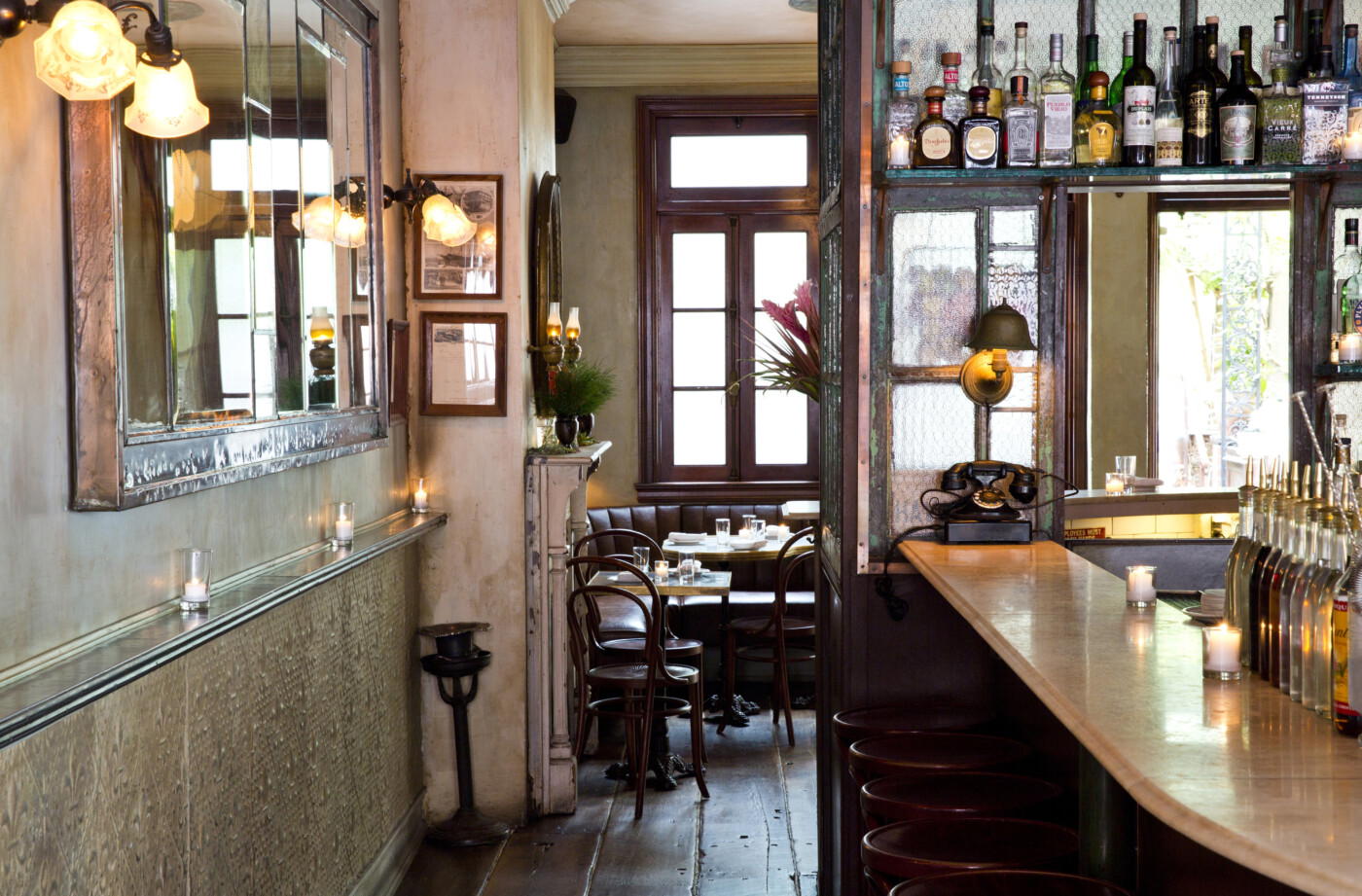
Restaurants in New York City
Browse all →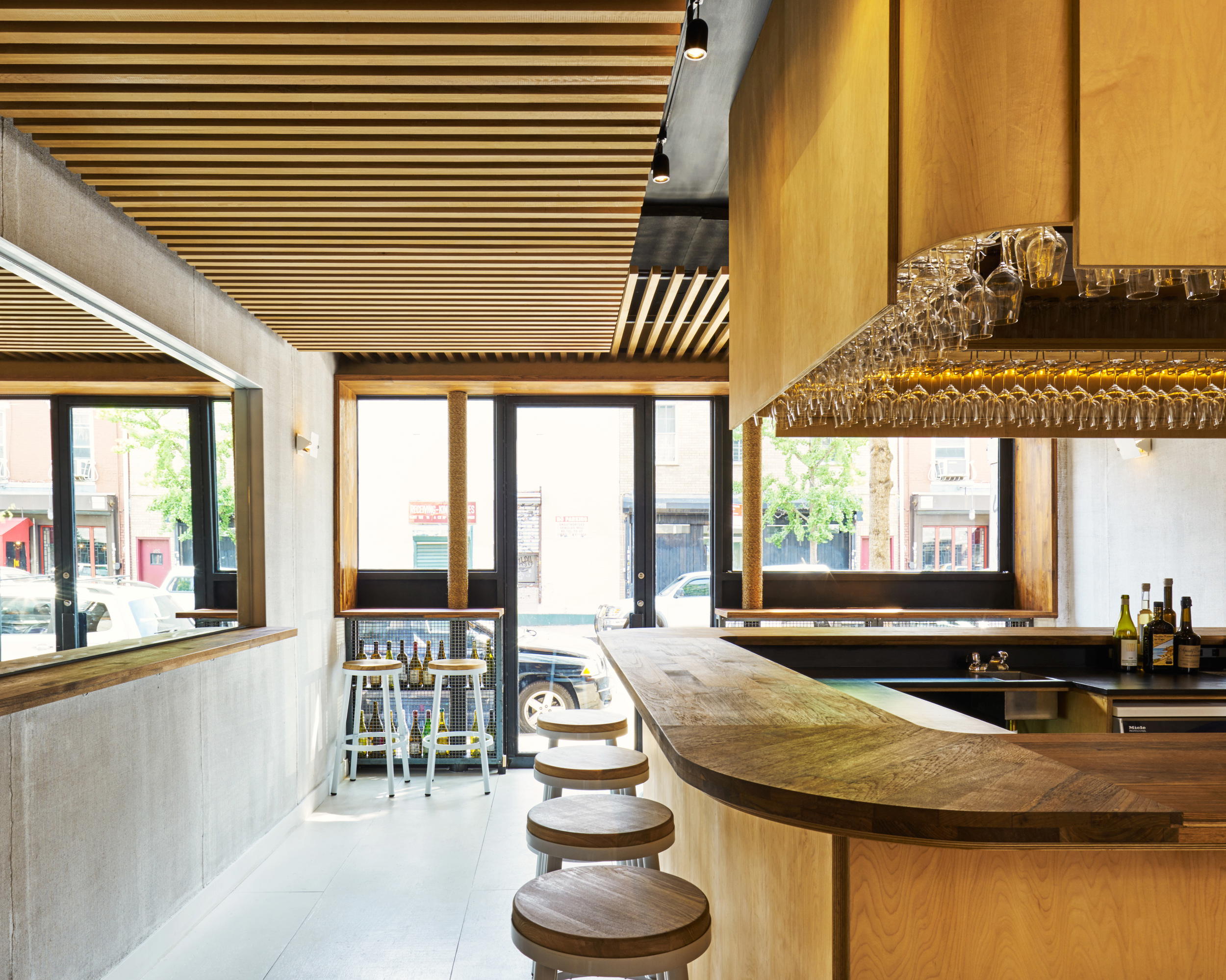
Hotels in New York City
Browse all →






At a Glance
- Trendy
- Date Night
- After Work
- Standalone
- Seated Bar
- Classic Cocktails
Sophisticated cocktail bar atmosphere dedicated to classic drinks.