Google: 4.6 · 3,315 reviews
Kesté Pizza e Vino
At 77 Fulton St in Lower Manhattan, Kesté Pizza e Vino occupies a specific tier in New York's Neapolitan pizza conversation: the kind of counter where the ritual of the meal matters as much as the product itself. The address places it in the Financial District, a neighbourhood that rewards those willing to look past the lunch-rush crowds for something more considered.
 Discover on Pearl
Pearl is the En Primeur Club membership app — saves, bookings, and concierge access live there. Same editors, same standards.
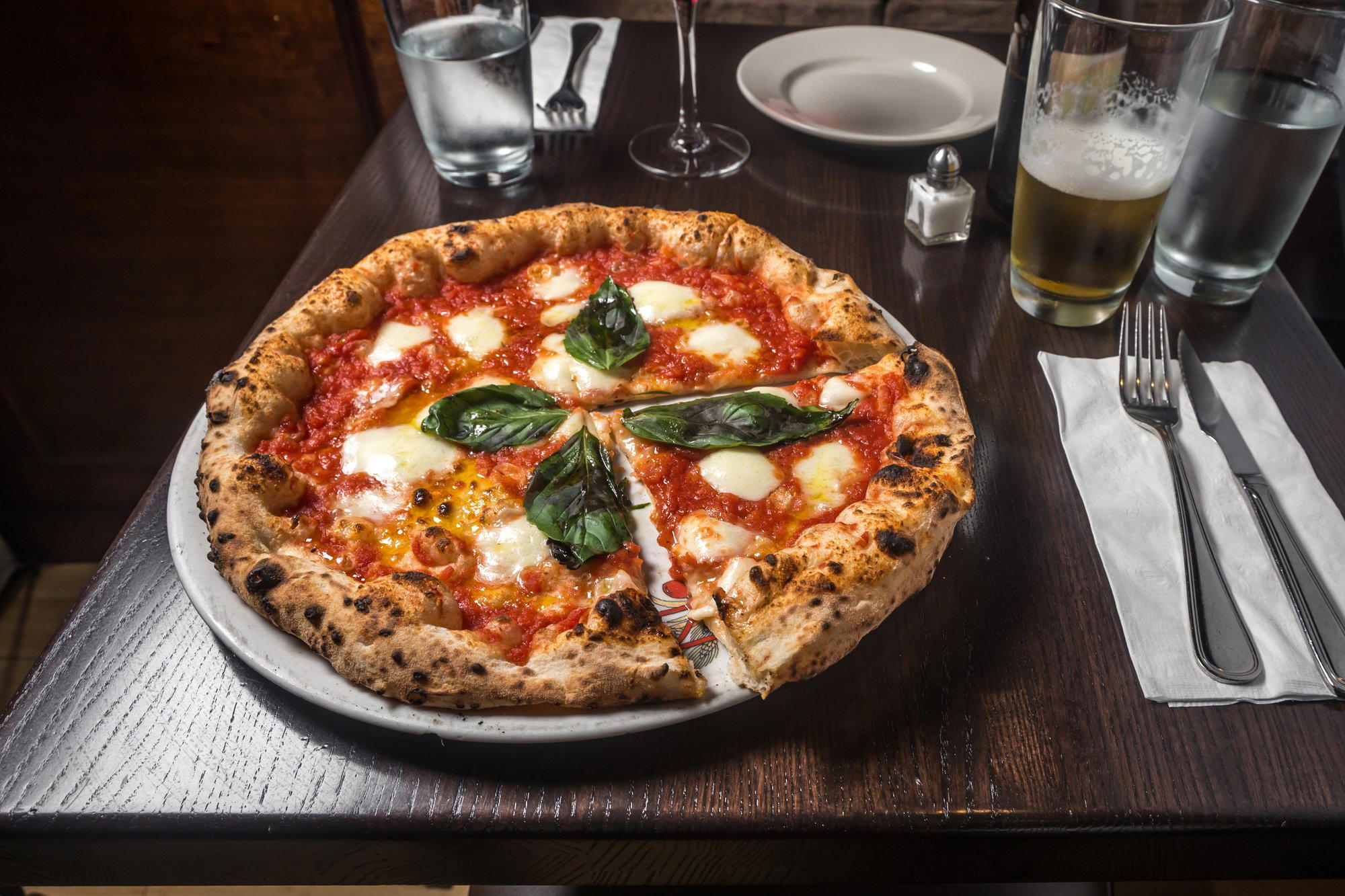
Downtown Manhattan and the Neapolitan Standard
Lower Manhattan's relationship with serious pizza is more layered than the borough's outer-neighbourhood stalwarts tend to get credit for. The Financial District and its surrounding blocks have, over the past decade, quietly accumulated a tier of food operations that serve a different population than the tourist-facing slices of Midtown or the destination queues of Williamsburg. Kesté Pizza e Vino, at 77 Fulton St, sits inside that pattern: a Neapolitan-focused address in a part of the city where the lunch crowd and the after-work diner are two entirely different animals, and where a pizzeria that takes its craft seriously can build a loyal, repeat-visit following without depending on foot traffic alone.
Neapolitan pizza in New York occupies a complicated position. The city has its own deeply rooted pizza tradition, and for decades the two styles existed in something close to open competition. What has shifted is the critical framing: the leading Neapolitan operations in New York are now evaluated on their own terms, against Naples-trained benchmarks, rather than measured against the city's coal-fired or grandma-slice institutions. Kesté belongs to that re-framed conversation. The name itself signals allegiance: in Neapolitan dialect, "kesté" translates loosely as "this one here," a phrase that functions as both a marker of local identity and a quiet declaration of position.
The Ritual of the Neapolitan Meal
Neapolitan pizza culture has a specific pacing that often gets flattened in American contexts. In Naples, the pizzeria visit is structured around a short, focused menu, a deliberate sequence from antipasti through to pizza, and a pace that does not rush the table. The wood-fired oven is the anchor of that ritual, not merely a cooking method but the physical centre of the room's logic. Everything — timing, crust behaviour, the brief window between char and collapse — revolves around it.
At Kesté, that ritual framework shapes the experience in ways that distinguish it from the by-the-slice model that dominates New York's pizza vernacular. The approach is whole-pie focused, which changes the social contract of the meal. You are not grabbing and folding; you are sitting, ordering, and waiting for something that comes out of a very hot oven on a specific clock. That wait is part of the product. A Neapolitan pizza left to sit for four minutes becomes a different object than one served at the precise moment the leopard spotting on the crust has set and the fior di latte is still pulling. Restaurants that understand this treat the table as a participant in the timing, not a passive recipient.
The wine component, signalled by the "e Vino" in the name, matters here too. Italian regional wine lists at serious pizza operations function as a counterpoint to the richness of the crust and cheese: high-acid southern Italian whites, lighter reds from Campania, the occasional sparkling option that cuts through tomato acidity. A well-chosen wine list at a Neapolitan pizzeria is not decorative; it is part of the meal's internal logic.
Where Kesté Sits in the New York Pizza Tier
New York's serious pizza tier has fractured into several distinct cohorts. There are the legacy coal-fired houses with generational followings, the outer-borough slice institutions that built neighbourhood reputations over decades, the destination queues (mostly Brooklyn-based) that trade on critical recognition and finite output, and then a smaller group of Neapolitan-focused operations that position themselves explicitly against Italian craft standards rather than New York ones. Kesté occupies that last category. Its Fulton Street address puts it in proximity to the lunch trade of the Financial District, but its operating logic is not a lunch counter. It is a sit-down pizzeria with a specific tradition behind it, priced and paced accordingly.
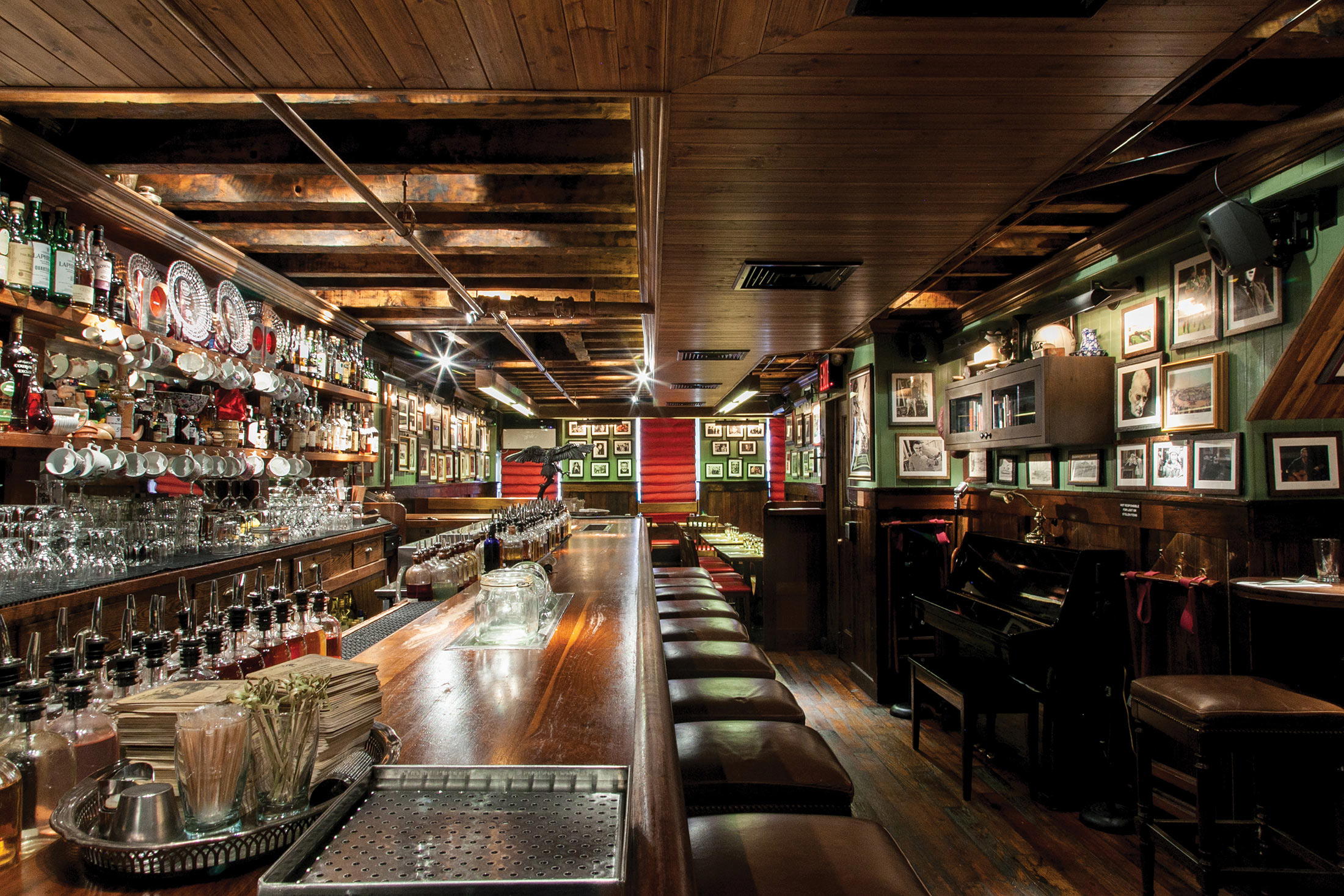
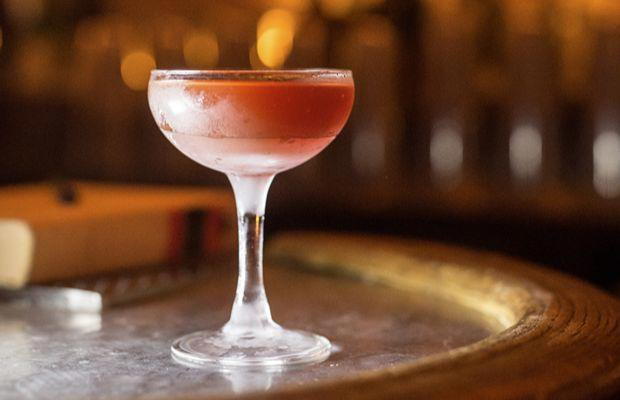
For visitors working through New York's broader food and drink scene, the Financial District location makes Kesté a natural pairing with the city's cocktail culture. The bar scene in Lower Manhattan and its surrounding neighbourhoods feeds into a wider New York circuit: Superbueno in the East Village represents the city's agave-forward, high-technique bar tier; Amor y Amargo has built its identity around bitter spirits and long-format amaro service. Further into Manhattan, Angel's Share in the East Village maintains its position as one of the city's quieter, craft-serious cocktail addresses, while Attaboy NYC operates on a no-menu, guest-led format that reflects how far New York bartending has moved from the fixed-list model.
Across the United States, the same shift toward specificity and ritual is visible in bar culture: Kumiko in Chicago applies Japanese precision to its cocktail and food pairing program, ABV in San Francisco anchors its identity in amaro and low-intervention spirits, and Jewel of the South in New Orleans frames its menu around historical cocktail research. Julep in Houston and Allegory in Washington, D.C. bring similarly considered editorial voices to their respective cities. Internationally, Bar Leather Apron in Honolulu and The Parlour in Frankfurt on the Main show how the same discipline around format and product quality translates across very different contexts. For the full picture of what New York offers across restaurants and bars, see our full New York City restaurants guide.
Timing and Approach
The Financial District operates on rhythms that most food-focused visitors do not think carefully enough about. Lunch service in this neighbourhood draws a dense office crowd; dinner service on weekdays can be markedly quieter, which changes the experience at a table-service pizzeria considerably. Weekend timing skews differently again, as the residential population of nearby Tribeca and the tourist flow from the Seaport area both reach the neighbourhood at lower volumes than Midtown. For a sit-down Neapolitan pizza session, the quieter end of the lunch hour or a midweek dinner represents the better version of the experience: faster oven turnaround, more attentive service, and the room at a pace that allows the ritual to function as it should.
Know Before You Go
- Address: 77 Fulton St, New York, NY 10038
- Neighbourhood: Financial District, Lower Manhattan
- Format: Sit-down Neapolitan pizzeria; whole-pie focus
- Booking: Contact details not confirmed at publication; check directly for current reservation policy
- Timing: Midweek dinner or off-peak lunch recommended for a more considered pace
- Nearest transit: Fulton St station (A, C, J, Z, 2, 3, 4, 5 lines)
Continue exploring
More in New York City
Bars in New York City
Browse all →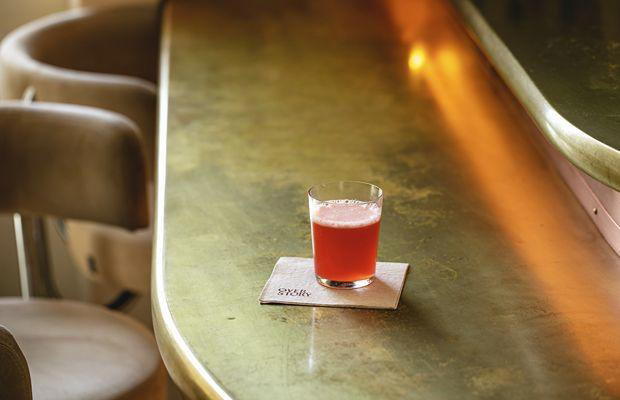
Restaurants in New York City
Browse all →
Hotels in New York City
Browse all →





At a Glance
- Cozy
- Lively
- Casual Hangout
- Group Outing
- Standalone
- Communal Tables
- Conventional Wine
Lively yet cozy atmosphere with daring red accents, minimalist decor, and vibrant energy.