Vintry Wine & Whiskey
On Stone Street in Lower Manhattan, Vintry Wine & Whiskey sits at the intersection of two serious drinking traditions: old-world wine culture and American whiskey. The address alone places it in one of the neighbourhood's oldest thoroughfares, where the drinking-destination identity of the Financial District has quietly deepened over the past decade.
- Address
- 57 Stone St, New York, NY 10004
- Phone
- +1 212 480 9800
- Directions
- Get directions
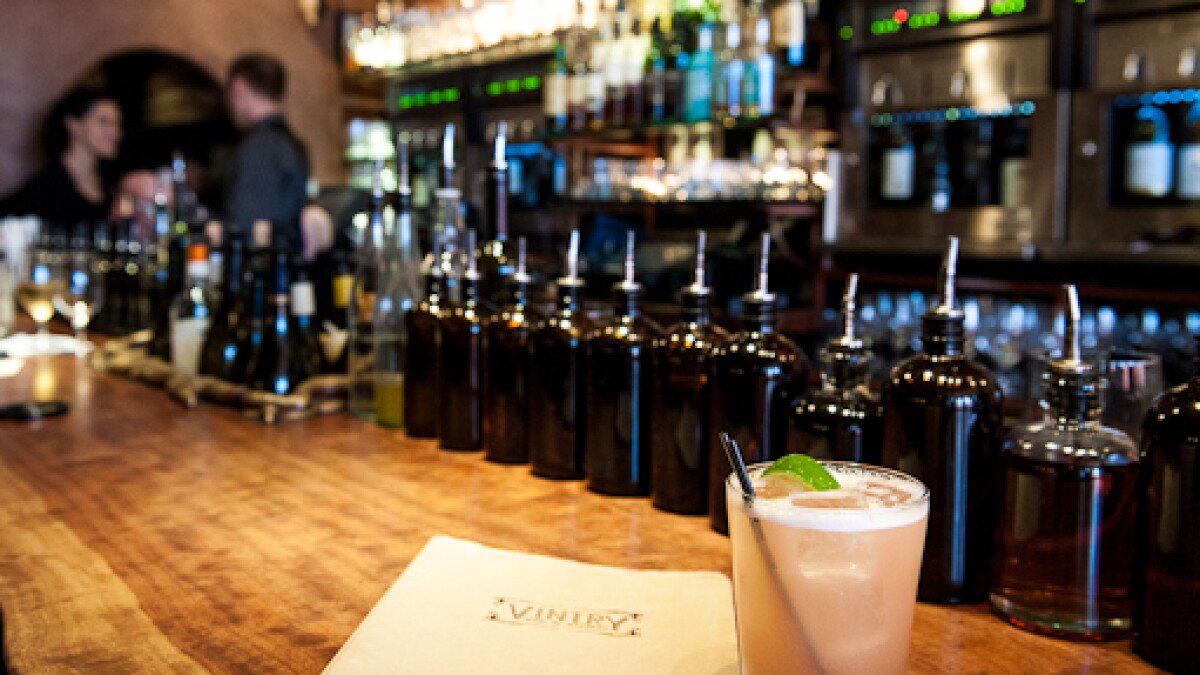
Stone Street and the Slow Rise of the Financial District Drinking Scene
Stone Street is one of the oldest paved roads in Manhattan, running a short cobblestoned block through the Financial District in a way that feels deliberately resistant to the neighbourhood's glass-tower pace. For most of New York's bar history, this part of Lower Manhattan was not a destination so much as a departure point: suits in transit, post-closing drinks, places that closed by nine. Vintry Wine & Whiskey is a bar at 57 Stone St in New York City, with a smart casual dress code and reservations recommended. That picture has shifted considerably. A wave of bars and restaurants with real program depth has arrived in the Financial District over the past ten to fifteen years, and Vintry Wine & Whiskey at 57 Stone Street reflects that shift as clearly as any address in the area.
The premise here is a dual focus that has become more defensible as both categories have matured: wine lists built around discovery rather than safe-play labels, and whiskey selections that go well beyond the standard American bourbon wall. In a city where specialist bars increasingly outperform generalist ones, where Amor y Amargo built its entire identity on bitter spirits and Attaboy NYC operates without a fixed menu, the wine-and-whiskey pairing as a house identity was, when Vintry opened, a reasonably distinctive position for Lower Manhattan.
How the Format Has Evolved
The evolution of a dual-focus spirits-and-wine bar in New York tracks a broader pattern in the city's drinking culture. Bars that opened in the Financial District during the mid-2000s and early 2010s often read the room as a weekday-lunch-and-after-work crowd, calibrating selections accordingly. As the neighbourhood's residential base grew and tourism to the waterfront and World Trade Center site increased, some of those establishments recalibrated. The shift at Vintry follows a recognisable arc: an initial positioning as a comfortable neighbourhood pour for the 9-to-5 crowd, followed by gradual deepening of the selection depth and range as the customer mix diversified.
This kind of pivot is common in American bar culture when a neighbourhood changes demographic weight faster than originally anticipated. The comparison is instructive: bars in Chicago's West Loop and San Francisco's SoMa went through similar recalibrations as residential density increased. Kumiko in Chicago and ABV in San Francisco both represent what a drinks-first program looks like when the bar commits to range and curation as the primary draw rather than the address. Vintry occupies a different tier, more approachable in format, broader in audience, but the underlying question is the same: what does this bar know that a hotel bar does not?
The Wine and Whiskey Case as Editorial Statement
In most bar formats, wine and spirits coexist without much conversation between them. The selection is often split into two separate lists that could belong to different establishments. Where Vintry differentiates is in the dual-axis approach to curation, a format that makes an implicit argument that the guest moving between a glass of old-world red and a measured pour of aged American whiskey is not doing two different things, but one continuous thing, which is drinking with intention.
New York has moved substantially in this direction across its higher-end bar programs. Angel's Share in the East Village built its identity on quiet precision and Japanese whisky long before that category became a mainstream conversation. Superbueno demonstrates what a tightly defined spirits identity can do for a bar's coherence. The question Vintry answers differently is what happens when you refuse to specialise narrowly, when the editorial statement is range itself, held together by selection quality.
This approach has precedent in other American markets. Jewel of the South in New Orleans works across spirit categories with a program that prizes historical depth. Julep in Houston demonstrates category commitment within a specific tradition. Internationally, Bar Leather Apron in Honolulu and The Parlour in Frankfurt on the Main each show what curatorial seriousness looks like in bar formats that resist easy categorisation. What connects these addresses is a sense that the list itself communicates a point of view.
Where Stone Street Sits in the Current Picture
The Financial District's bar scene has not overtaken the East Village, the West Village, or the Lower East Side as New York's primary drinking destinations, and it is unlikely to. The density of foot traffic, the concentration of talent, and the sheer number of available addresses still favour Midtown and the neighbourhoods south of 14th Street that face a different audience mix. What the Financial District has developed is a reliable secondary tier: bars and restaurants that serve a genuinely local clientele without having to compete for the same column inches.
Stone Street itself functions almost as a contained precinct. Its pedestrian-friendly layout, cobblestone surface, and concentration of bars and restaurants along a single block give it a character that feels more European in format than most of Lower Manhattan. That physical fact matters when thinking about how Vintry operates: the address brings a kind of walk-in culture that most Financial District addresses, oriented toward building lobbies and corporate dining rooms, do not benefit from.
For comparison points further afield, Allegory in Washington, D.C. shows what the dual-format approach looks like when applied inside a hotel bar context, a different set of constraints producing a different kind of result.
Booking and Cost Snapshot
Comparable venues nearby, for context on price, style, and recognition.
| Venue | Cuisine | Price | Notes |
|---|---|---|---|
| Vintry Wine & WhiskeyThis venue — the venue you are viewing | Not listed | $$$ | Not listed |
| Bar Chimera | Not listed | $$$ | Midtown East, cocktail_bar |
| Thirteen Water | Not listed | $$$ | East Village, sake_bar |
| elNico | Not listed | $$$ | Williamsburg, rooftop_bar |
| Bar 54 | Not listed | $$$ | Midtown-Times Square, rooftop_bar |
| StEight(behind KUNIYA HAIR) | Lower East Side, speakeasy | $$$ | Not listed |
Continue exploring
More in New York City
Bars in New York City
Browse all →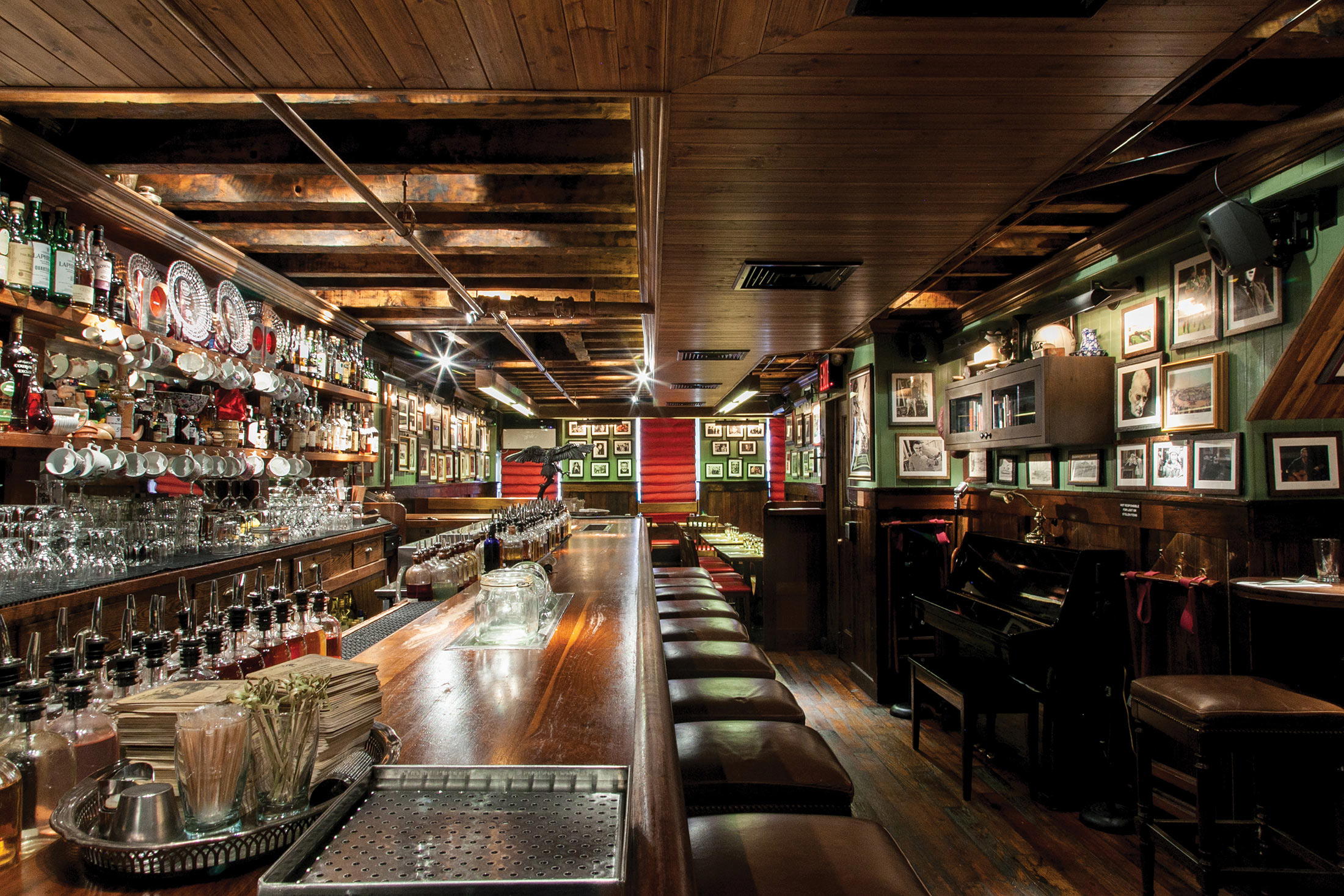
Restaurants in New York City
Browse all →
Hotels in New York City
Browse all →




At a Glance
- Intimate
- Sophisticated
- Cozy
- Elegant
- Date Night
- After Work
- Special Occasion
- Speakeasy
- Seated Bar
- Lounge Seating
- Conventional Wine
- Whiskey
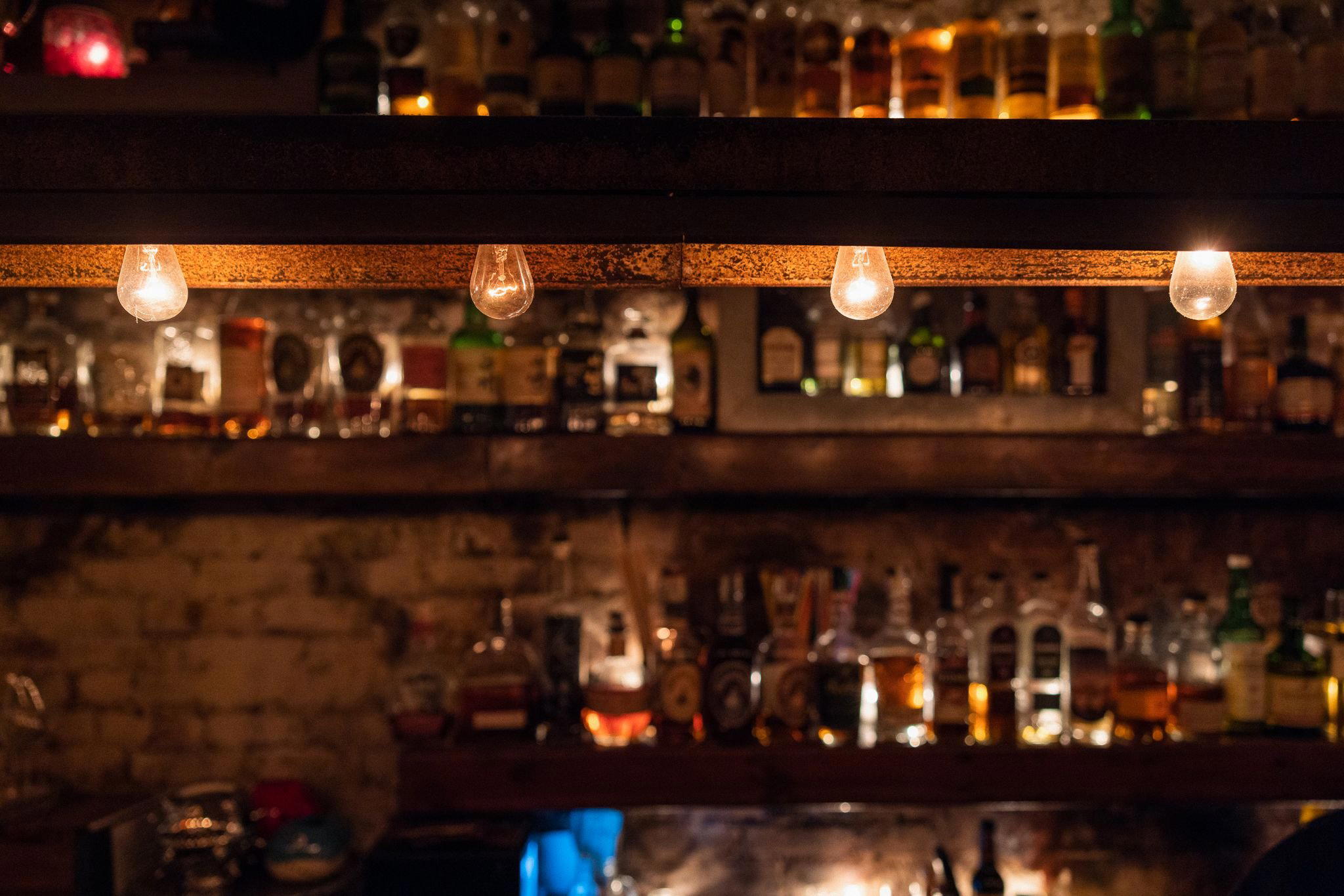
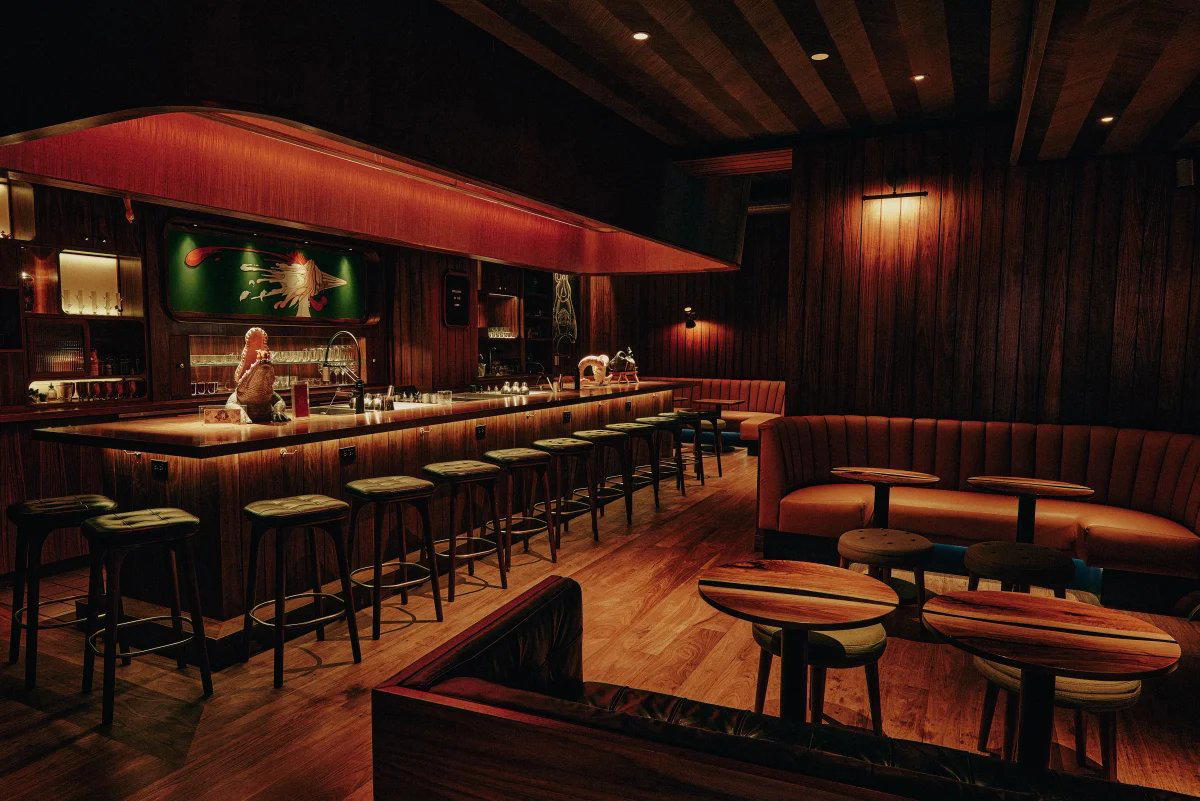
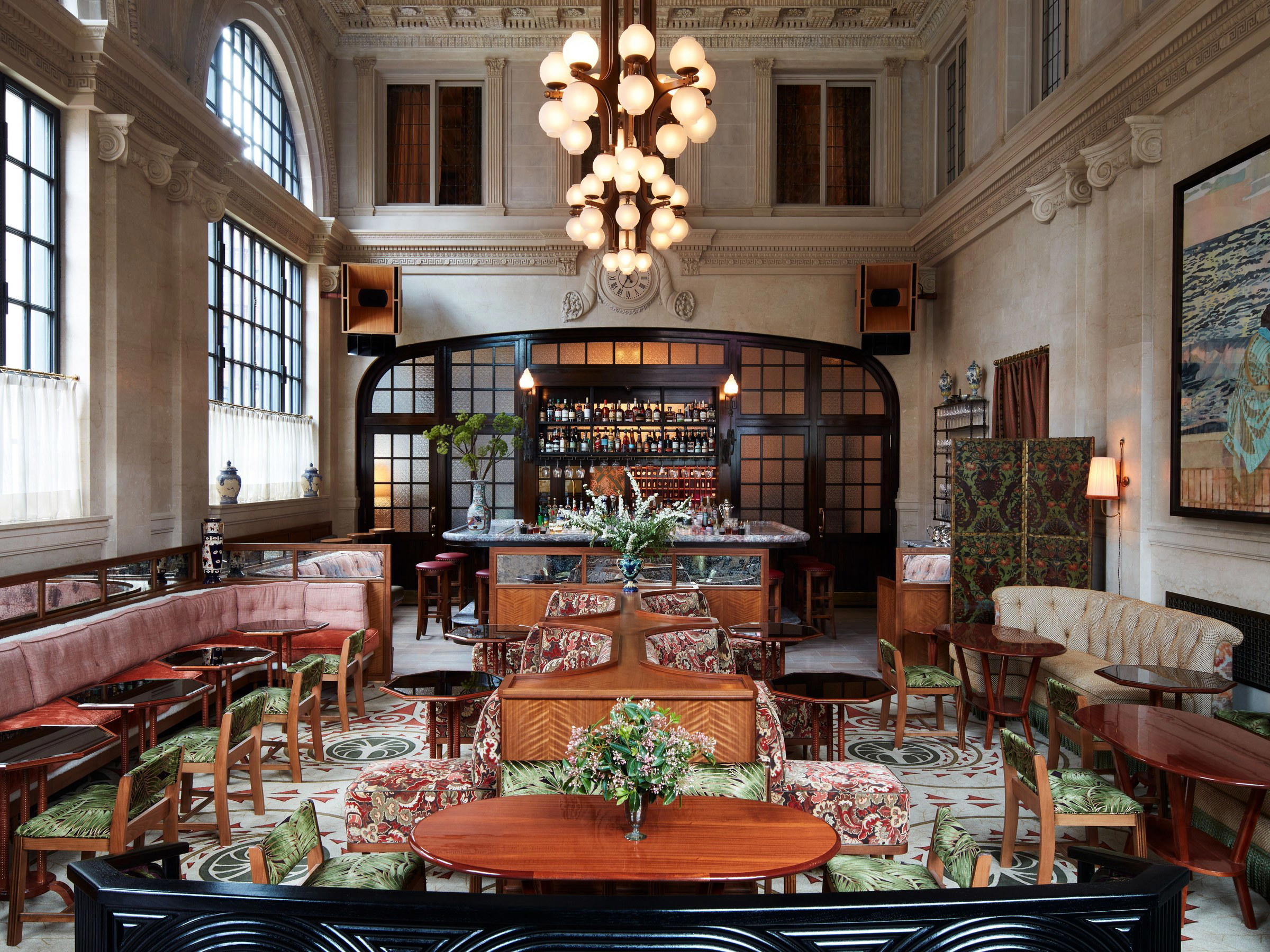
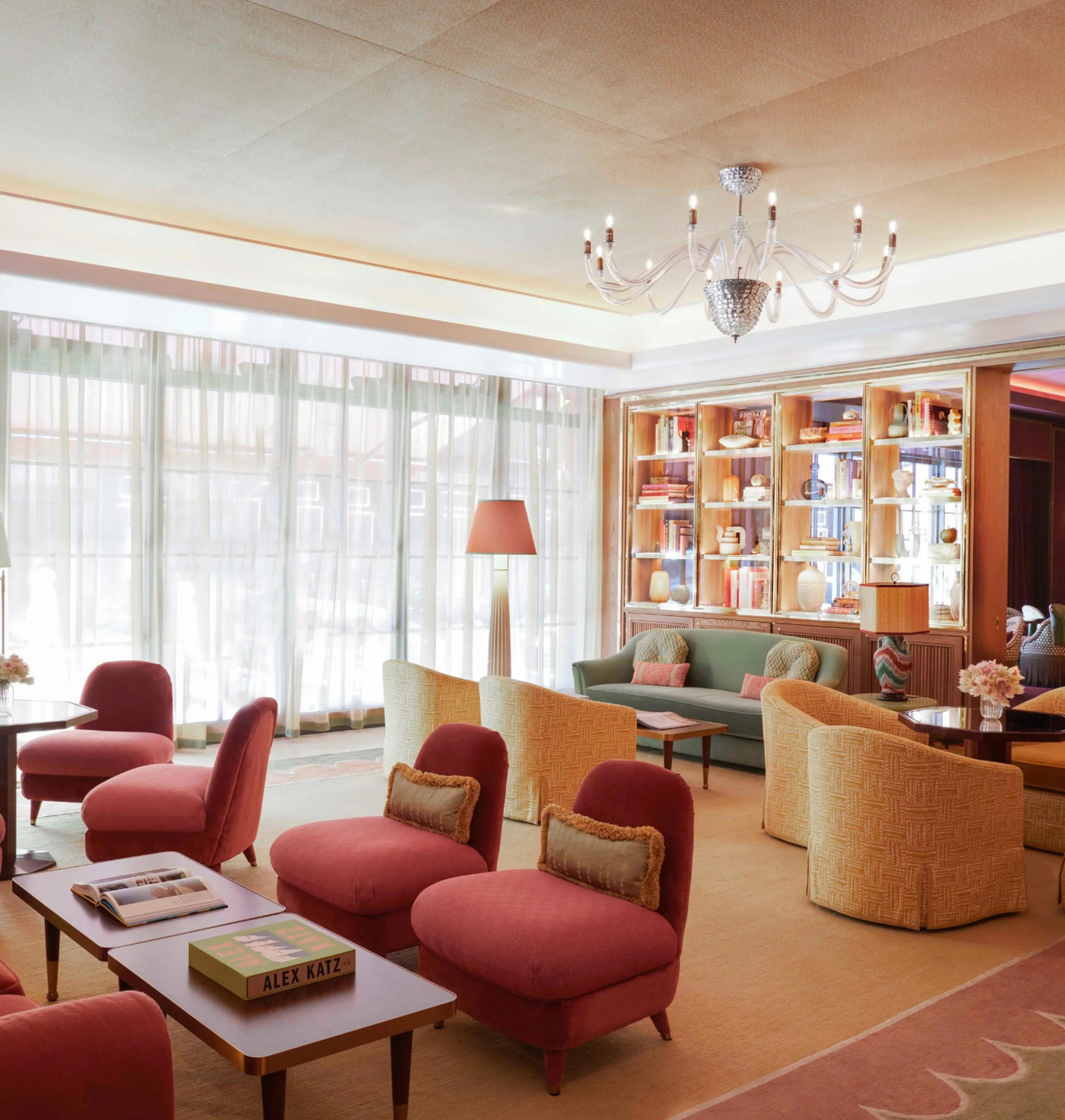
Candlelit with soft lighting, dark wood, and plush seating creating a serene, intimate atmosphere.