Jadu Cafe and Wine Bar
Jadu Cafe and Wine Bar occupies a stretch of Centre Street in Jamaica Plain, one of Boston's most quietly confident dining corridors. The format, cafe by day, wine bar by night, reflects the neighbourhood's preference for spaces that serve multiple modes of living without theatrical reinvention. It draws a local crowd that knows what it wants and returns regularly.
Pearl is the En Primeur Club membership app — saves, bookings, and concierge access live there. Same editors, same standards.
- Address
- 767 Centre St, Jamaica Plain, MA 02130
- Phone
- +1 617 221 8193
- Website
- jaduboston.com
- Directions
- Get directions
 Saves & bookings on Pearl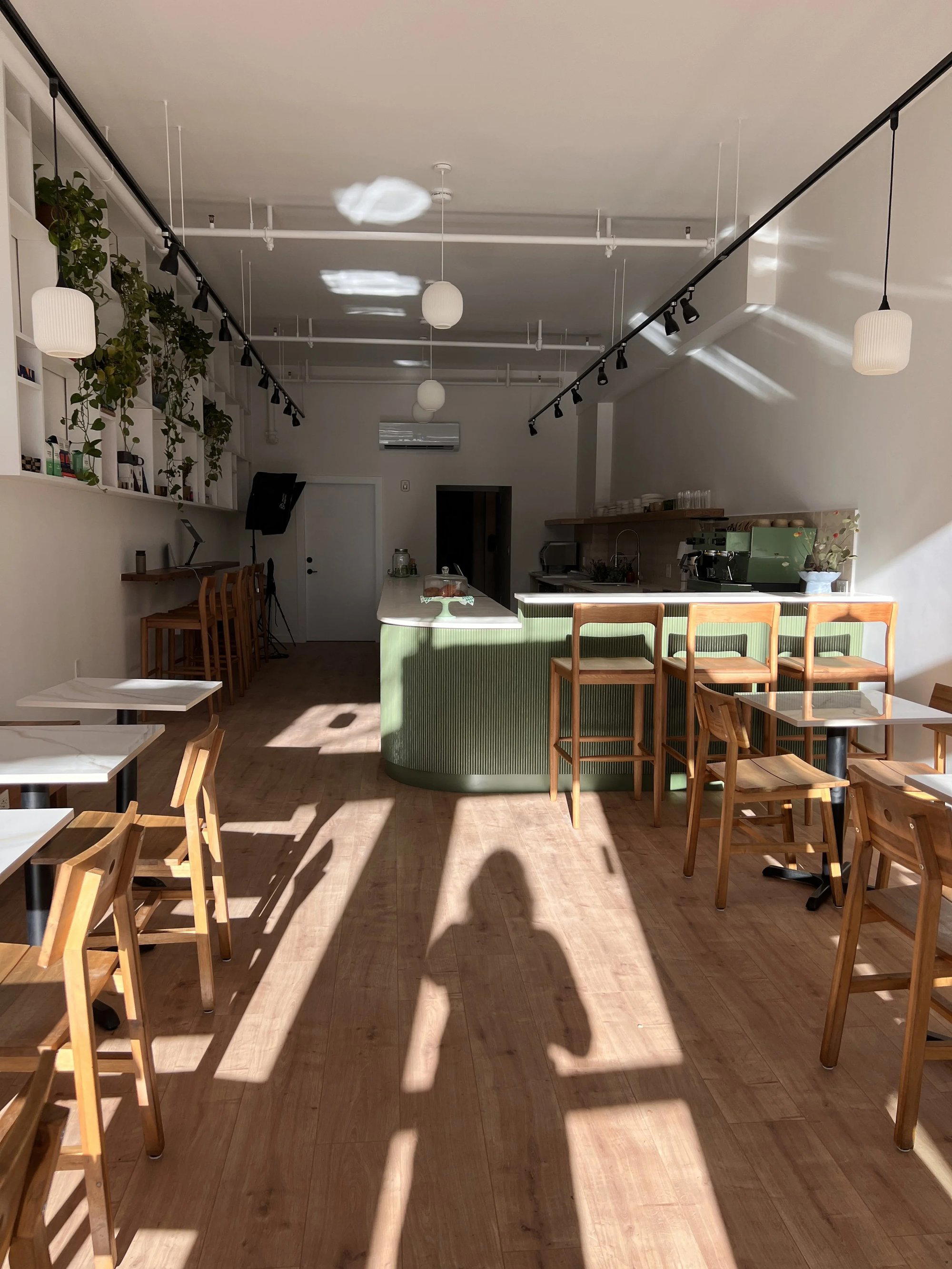
Jamaica Plain's Dual-Mode Drinking Culture
Centre Street in Jamaica Plain runs through one of Boston's most genuinely mixed neighbourhoods, artists, families, longtime residents, and a growing number of people who moved here specifically because it isn't the South End. The drinking and dining culture along this corridor reflects that. Venues tend toward the conversational rather than the performative, favouring regulars over destination traffic and depth over spectacle. It operates across the cafe-to-wine-bar axis without overclaiming either end of it.
In cities where the bar scene has split sharply between cocktail-forward technical programs and direct neighbourhood pours, hybrid formats like this occupy a specific niche. They ask guests to accept a certain fluidity, the room serves different purposes at different hours, and the crowd shifts accordingly. Done well, that fluidity produces spaces with more personality than purpose-built venues. Done poorly, it produces places that feel undecided. The measure, almost always, is whether the room has a point of view that holds across all its modes.
The Atmosphere Along Centre Street
Jamaica Plain's dining corridor rewards slower engagement. Unlike the heavily curated blocks of the South End or the high-density foot traffic of the Fenway strip, Centre Street moves at a pace that allows for the kind of incremental discovery that builds genuine neighbourhood loyalty. Approaching a venue here, you notice the context before the interior: the mix of independent businesses, the absence of chain anchors, the proportion of people who clearly live within walking distance.
Wine bars in neighbourhoods like this tend to function as social infrastructure, places where the glass of something interesting is secondary to the fact of sitting somewhere comfortable and familiar. Strong examples among them in Boston, including spots like Equal Measure and Asta, have understood that ambience in a neighbourhood context is less about designed atmosphere and more about accumulated ease. The light should feel considered without announcing itself. The sound level should allow conversation without effort. These are low-drama requirements that are surprisingly easy to get wrong.
The cafe component adds a dimension that pure wine bars lack. Morning and afternoon use changes how a room smells, how it reads spatially, and how the staff relate to the space, all of which carries into evening service in ways that are difficult to manufacture in purpose-built bars. There is a lived-in quality to spaces that have served espresso and conversation for eight hours before the wine list appears.
Where This Fits in Boston's Wider Bar Scene
Boston's bar scene has matured considerably over the past decade. The city now supports a range of formats that would have seemed ambitious or premature in an earlier era, serious cocktail programs at venues like Equal Measure, kitchen-forward drinking at Baleia, and steakhouse-adjacent bar culture at Abe & Louie's. Nationally, the conversation around neighbourhood wine bars and hybrid cafe formats has been shaped by venues like ABV in San Francisco and Kumiko in Chicago, both of which demonstrate that informal formats can carry significant editorial and critical weight when they commit to a point of view.
Jadu operates in a different register than those marquee-name venues, the Jamaica Plain address alone signals that. But the category logic is the same: a hybrid format that holds together across dayparts succeeds when the through-line is atmospheric consistency rather than menu breadth. The question for any cafe-wine bar format is whether it reads as a single coherent thing or as two separate operations sharing a postcode.
Comparisons outside Boston are instructive here. Jewel of the South in New Orleans and Julep in Houston both anchor themselves to a specific tradition, one to New Orleans cocktail history, the other to Southern spirit culture, which gives them a legibility that transcends format. Superbueno in New York City does the same with its Latin-American frame. Neighbourhood wine bars and cafes don't always have that kind of explicit anchoring tradition to draw on, which is why atmospheric coherence matters so much in the absence of a single defining concept.
Getting There and Planning a Visit
Jamaica Plain is accessible via the MBTA Orange Line, the Green Street and Stony Brook stops bracket the Centre Street corridor, with Jadu at 767 Centre St sitting within comfortable walking distance of either. The neighbourhood rewards visiting on foot; the blocks between the T and Centre Street pass the kind of local detail that makes a visit feel embedded rather than extracted. Evenings on Centre Street tend to draw a local crowd rather than a tourist one, which shapes both the wait dynamics and the general register of the room.
Accolades, Compared
Comparable venues nearby, for context on price, style, and recognition.
| Venue | Cuisine | Price | Notes |
|---|---|---|---|
| Jadu Cafe and Wine BarThis venue — the venue you are viewing | wine_bar | $$ | Not listed |
| Vee Vee | beer_bar | $$ | Pondside |
| Buttermilk & Bourbon - Back Bay | cocktail_bar | $$ | Back Bay |
| haley.henry | wine_bar | $$ | Downtown Crossing |
| Shore Leave | tiki_bar | $$ | South End |
Continue exploring
More in Boston
Bars in Boston
Browse all →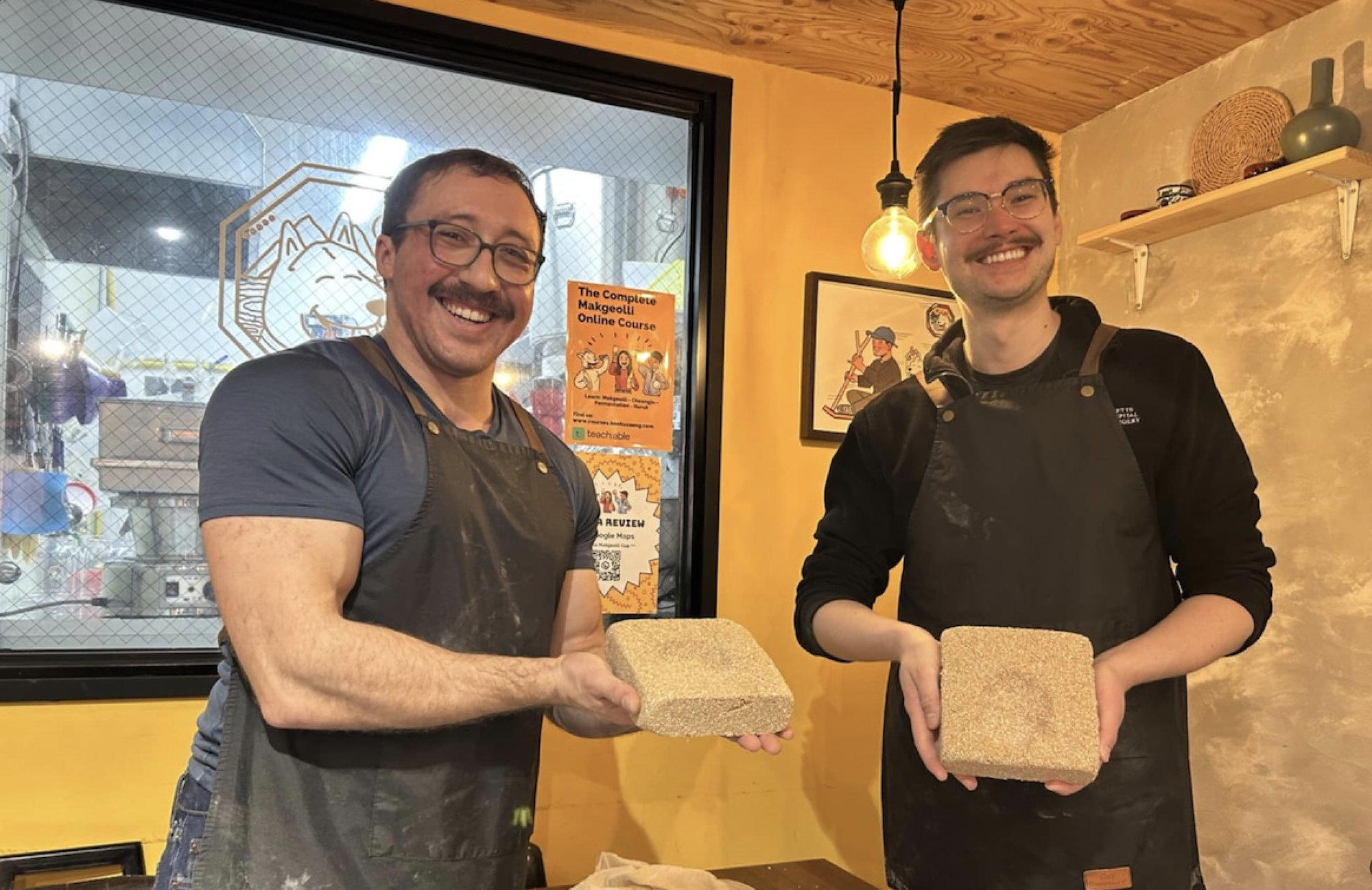
Restaurants in Boston
Browse all →
Hotels in Boston
Browse all →
Wineries in Boston
Browse all →
At a Glance
- Cozy
- Modern
- Trendy
- Intimate
- Date Night
- Casual Hangout
- After Work
- Standalone
- Seated Bar
- Lounge Seating
- Natural Wine
- Conventional Wine
Current opening hours
- Monday
- 8 AM–3 PM
- Tuesday
- 8 AM–3 PM
- Wednesday
- Closed
- Thursday
- 8 AM–3 PM, 5–10 PM
- Friday
- 8 AM–3 PM, 5–10 PM
- Saturday
- 8 AM–3 PM, 5–10 PM
- Sunday
- 8 AM–3 PM, 5–10 PM
Hours can change for holidays and private events. Last verified .
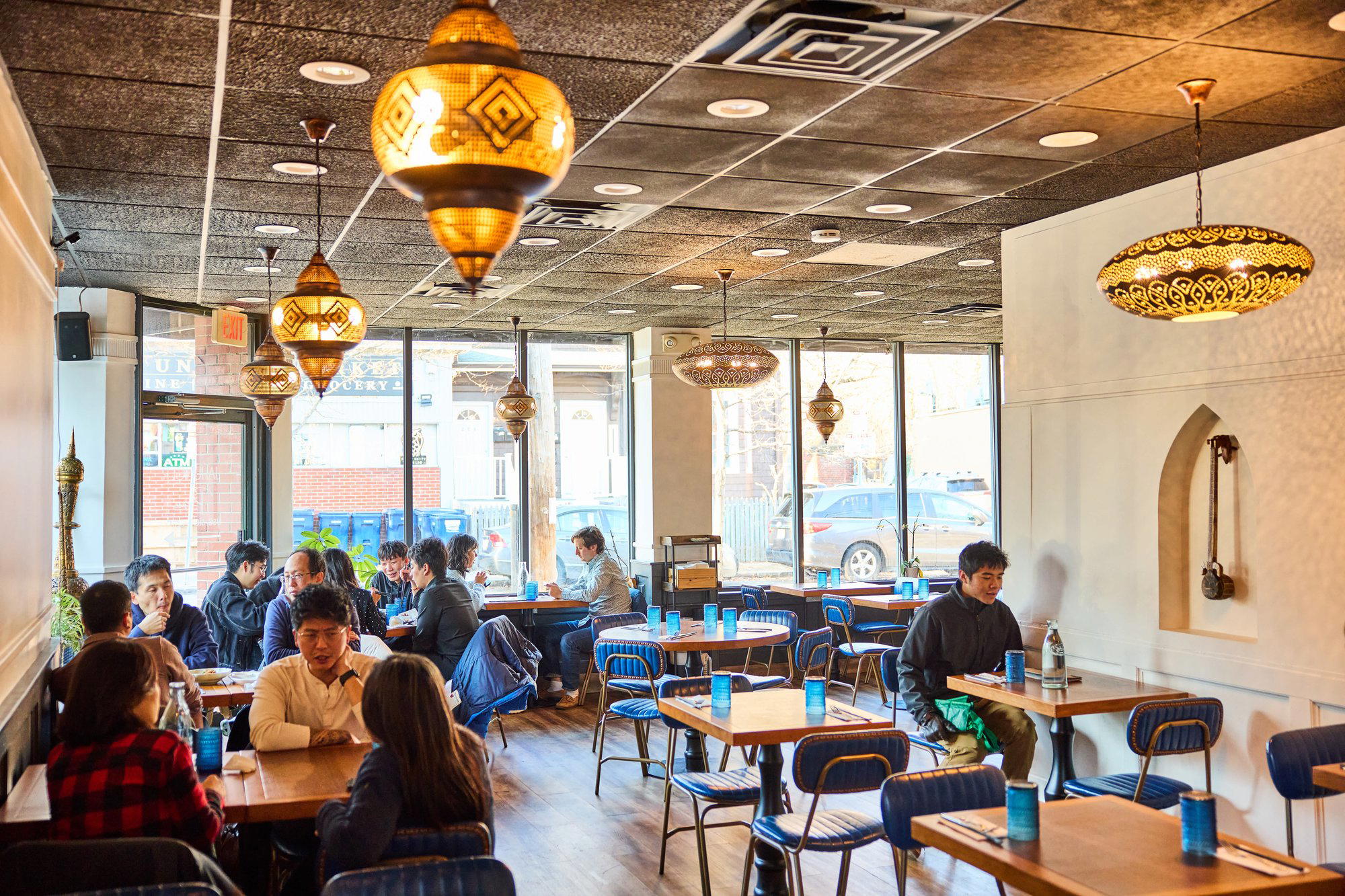
Clean, contemporary, and hip with hygge-inspired warmth, relaxing mint green tones, ample seating, good music, and a friendly welcoming atmosphere.