Hunter's Kitchen and Bar
Hunter's Kitchen and Bar occupies a corner of South Boston's Dorchester Street dining scene, operating as a neighborhood kitchen-and-bar hybrid where the rhythm of the meal matters as much as what's on the plate. The format suits long evenings rather than quick turnovers, placing it closer to a local gathering point than a destination restaurant on the tourist circuit.
Pearl is the En Primeur Club membership app — saves, bookings, and concierge access live there. Same editors, same standards.
- Address
- 110 Dorchester St, Boston, MA 02127
- Phone
- +1 617 221 4200
- Website
- hunterssouthboston.com
- Directions
- Get directions
 Saves & bookings on Pearl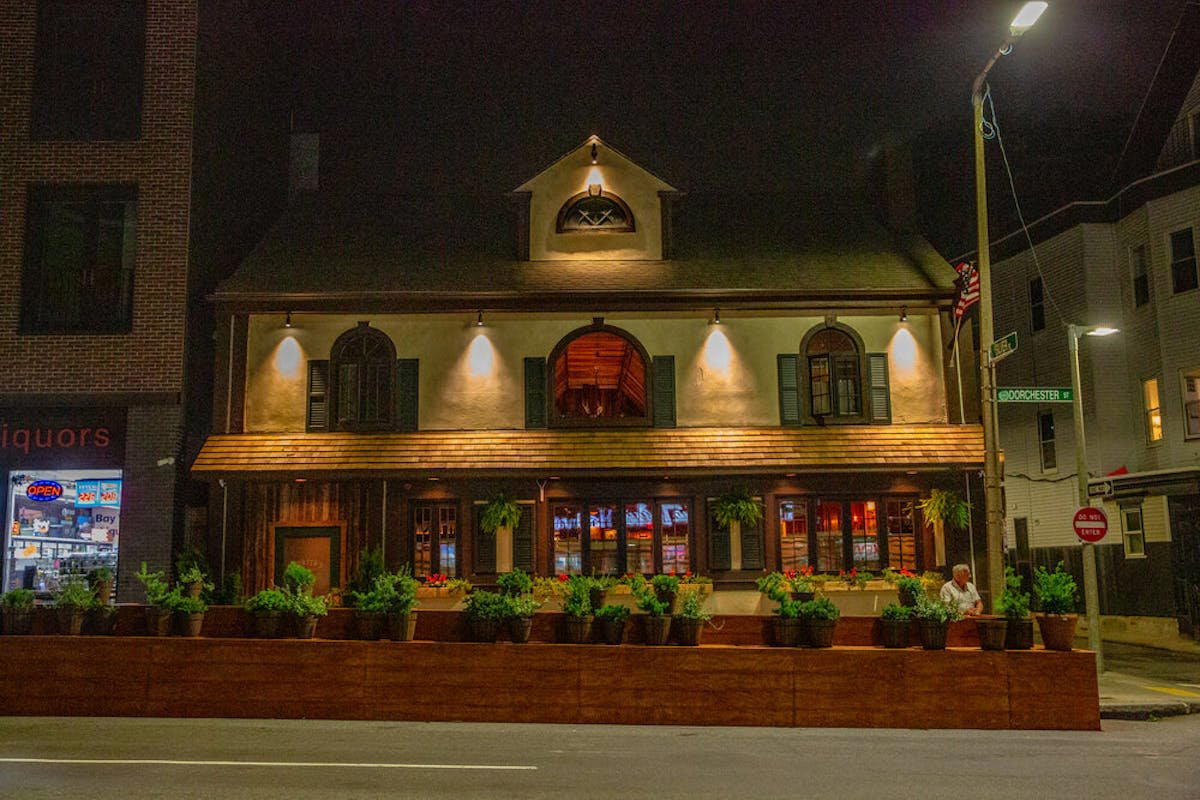
South Boston's Kitchen-Bar Format and What It Asks of You
Dorchester Street in South Boston runs through a neighborhood that has absorbed successive waves of change without fully surrendering its residential character. The blocks around the 02127 zip code remain anchored by the kind of places where regulars know the bar staff and the pace of an evening is set by conversation rather than reservation slots. Hunter's Kitchen and Bar is a bar at 110 Dorchester St, Boston, MA 02127, with. It sits inside that tradition: a kitchen-and-bar format that asks you to settle in rather than move through.
The kitchen-and-bar category occupies a specific position in American urban dining. It sits between the full-service restaurant, with its timed courses and tableside formality, and the pure drinking establishment, where food is incidental. In Boston, this middle tier has grown more deliberate over the past decade. The expectation at venues in this bracket is that you arrive with time and leave only when the conversation runs out. That pacing is the point, not a concession to informality.
How the Ritual of the Meal Works Here
The dining ritual at a neighborhood kitchen-and-bar operates on different logic than a tasting-menu counter or a hotel restaurant. There is no orchestrated progression of courses, no sommelier timed to appear at the precise moment you drain a glass. Instead, the meal organizes itself around the bar. You might drink first, eat somewhere in the middle, and return to drinking at the end, or collapse all three into a loose simultaneity. The kitchen is present but not dominant; it supports the evening rather than structuring it.
This format rewards a particular kind of guest: one who reads menus slowly, orders in rounds rather than all at once, and treats the bar as a destination rather than a waiting room. South Boston's dining culture has historically supported this approach. The neighborhood's food and drink scene has never been primarily destination-driven in the way that downtown Boston or the South End corridor tends to be. It operates at slightly lower ambient pressure, which gives places like Hunter's Kitchen and Bar room to function as genuine community anchors rather than curated experiences designed for a specific demographic.
For comparison, Boston's more formally recognized cocktail programs, such as Equal Measure, operate with a clearer division between bar program and kitchen output. The kitchen-and-bar hybrid collapses that division deliberately. The food and the drinks negotiate equal standing, and the guest's job is to manage the sequence personally rather than follow a venue-imposed structure.
South Boston in the Context of Boston's Drinking and Dining Culture
Boston's bar and restaurant geography has a clear hierarchy. The Seaport draws national press and higher price-per-head averages. The South End concentrates chef-driven restaurants with Michelin recognition. Downtown's financial district serves business expense accounts. South Boston, particularly the residential streets south of Broadway, operates differently: it has a stable local base, lower turnover ambitions, and a preference for formats that hold a neighborhood together rather than draw visitors from across the city.
That positioning matters when you calibrate expectations. Hunter's Kitchen and Bar is not competing with Asta for the city's creative tasting-menu crowd, nor is it positioned against Abe and Louie's on the steakhouse circuit or Baleia in its Portuguese-leaning seafood niche. Its competitive set is the neighborhood itself: the other Dorchester Street establishments where the question is not which place to choose but where the evening feels worth extending.
Across American cities, the kitchen-and-bar model has generated particularly interesting drinking and eating rooms of the past decade. Kumiko in Chicago raised the format to a point where the cocktail program carries genuine critical weight. ABV in San Francisco built its identity around a serious food menu that refuses to be subordinate to the bar. Jewel of the South in New Orleans approaches the same structure from a historically rooted cocktail angle, while Julep in Houston and Bar Leather Apron in Honolulu demonstrate how differently the format can land depending on the city's hospitality culture. Superbueno in New York City and The Parlour in Frankfurt show that the model travels internationally without losing its essential character. The common thread is that none of these venues asks you to choose between drinking well and eating well.
What to Know Before You Go
The bar sits at 110 Dorchester St, accessible via South Boston's surface streets and reasonably close to the Broadway MBTA Red Line station, which keeps it within reach from downtown without requiring a car. The neighborhood's parking reality is typical of inner Boston: residential permit zones dominate, so arriving by transit or rideshare is the more practical option on most evenings.
Because the venue functions as a neighborhood anchor rather than a ticketed or reservation-required destination, the rhythm of a visit tends to be self-directed. Arriving earlier in the evening gives you more flexibility with pacing; later arrivals on weekends encounter the compressed timeline that comes with a bar running at full capacity. For a venue in this category and neighborhood, that dynamic is worth factoring into how you plan the night, particularly if you intend to eat seriously rather than graze alongside drinks.
Cuisine and Recognition
Comparable venues nearby, for context on price, style, and recognition.
| Venue | Cuisine | Price | Notes |
|---|---|---|---|
| Hunter's Kitchen and BarThis venue — the venue you are viewing | lounge | $$ | Not listed |
| China Pearl Restaurant | Bar | $$ | Chinatown |
| Life Alive Organic Cafe Back Bay | Bar | $$ | Back Bay |
| Temple Records | cocktail_bar | $$ | Downtown Crossing |
| Bomb Bada | cocktail_bar | $$ | Allston |
| Brassica Kitchen + Cafe | Bar | $$ | Forest Hills |
At a Glance
- Cozy
- Lively
- Rustic
- Date Night
- Casual Hangout
- Live Music
- Lounge Seating
- Outdoor Terrace
- Craft Cocktails
- Whiskey
Current opening hours
- Monday
- 11 AM–1 AM
- Tuesday
- 11 AM–1 AM
- Wednesday
- 11 AM–1 AM
- Thursday
- 11 AM–1 AM
- Friday
- 11 AM–1 AM
- Saturday
- 10 AM–1 AM
- Sunday
- 10 AM–1 AM
Hours can change for holidays and private events. Last verified .
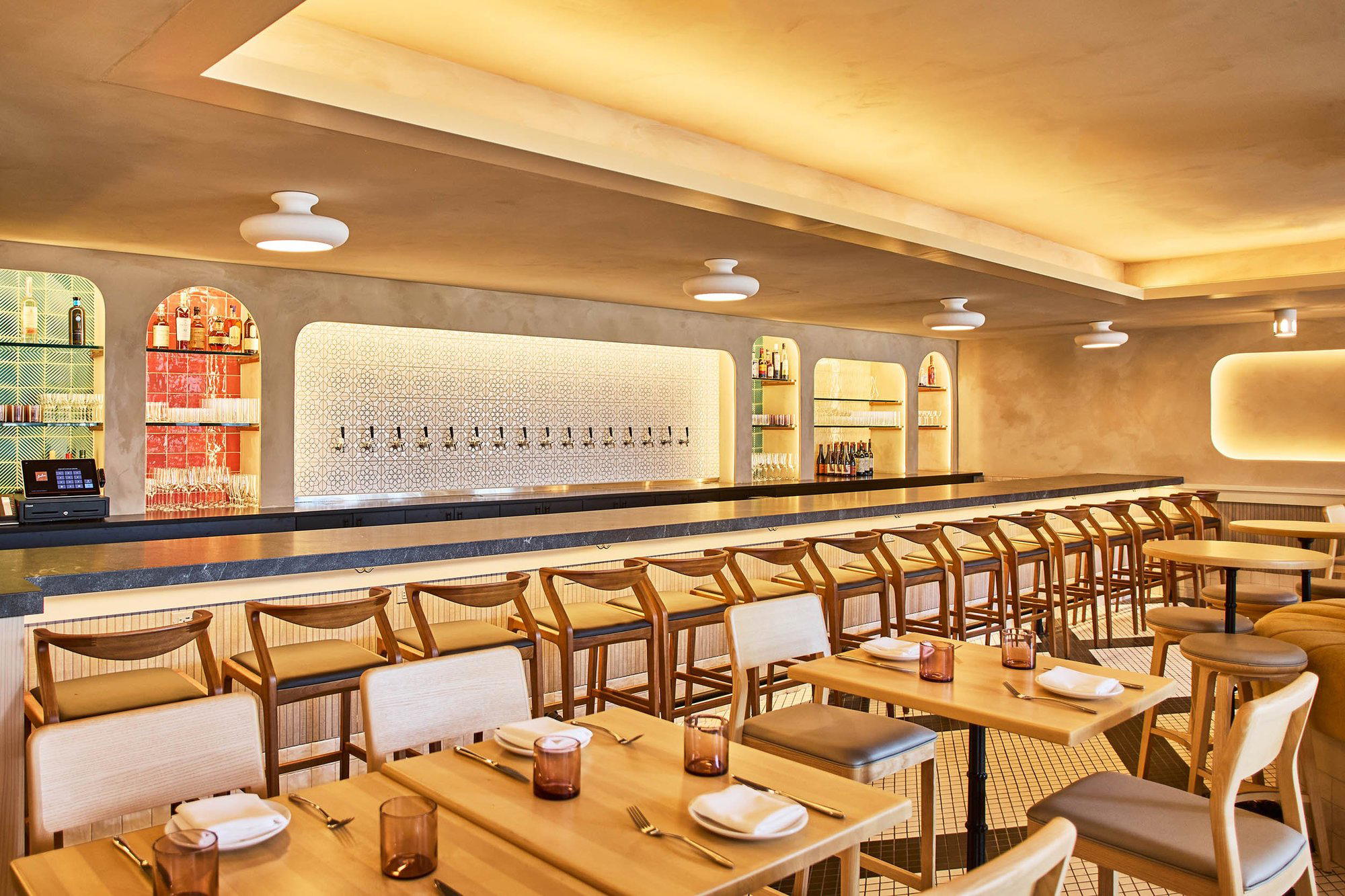
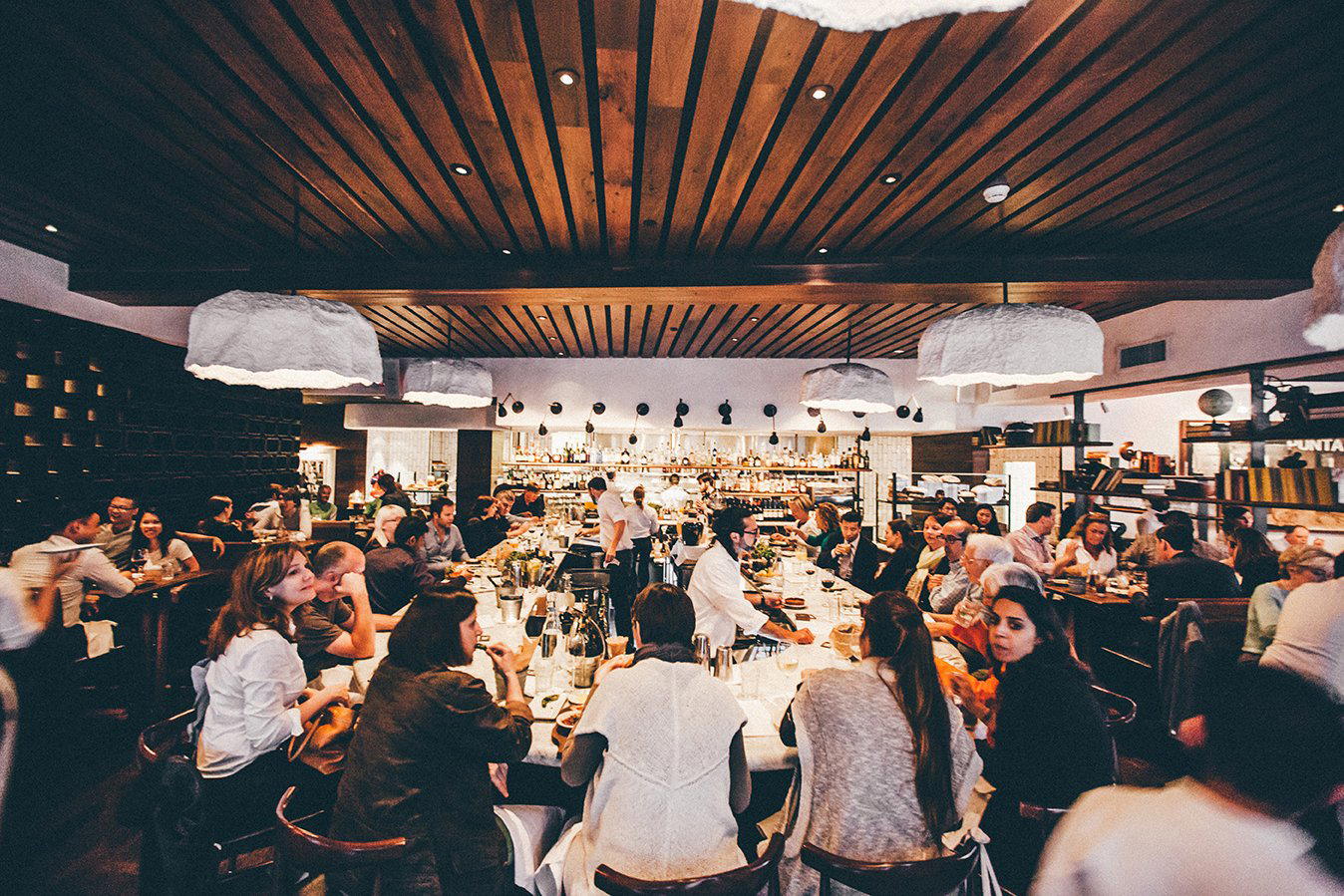
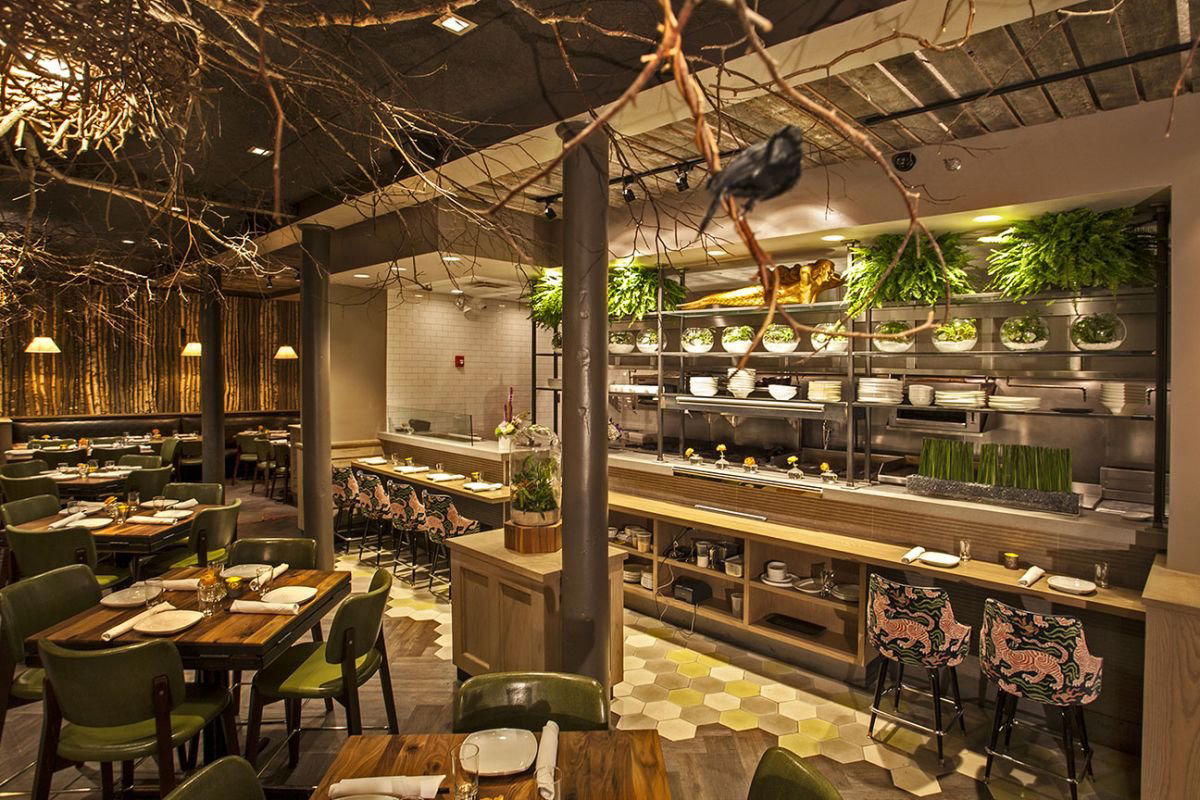
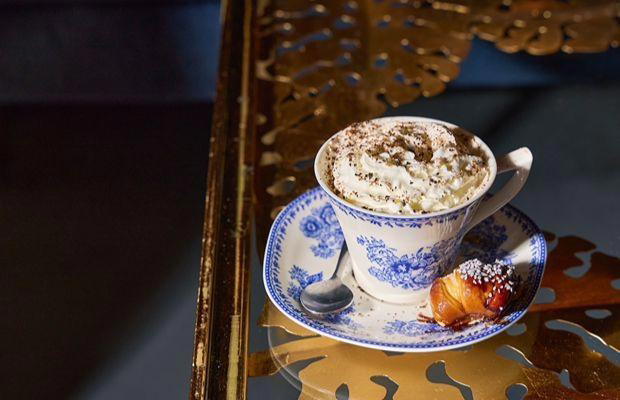
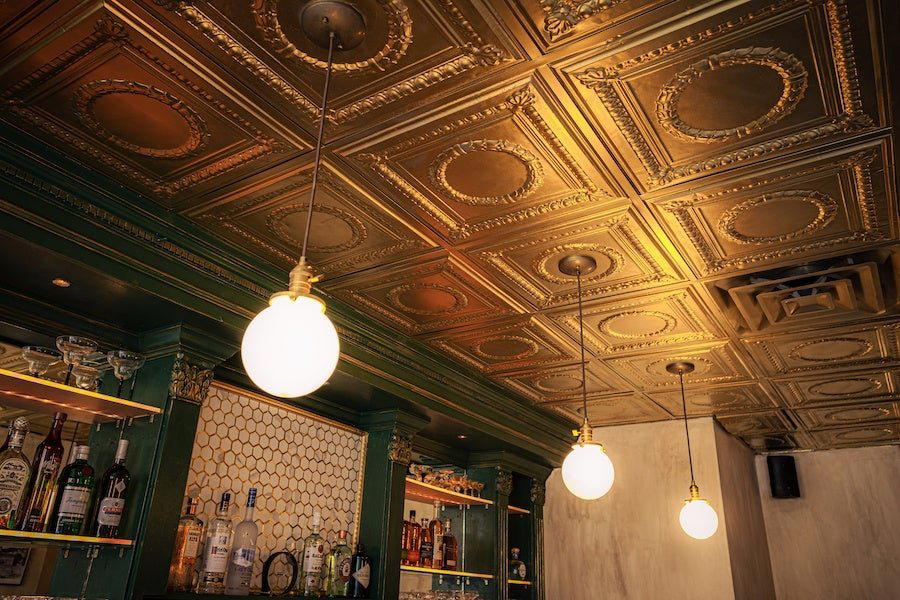
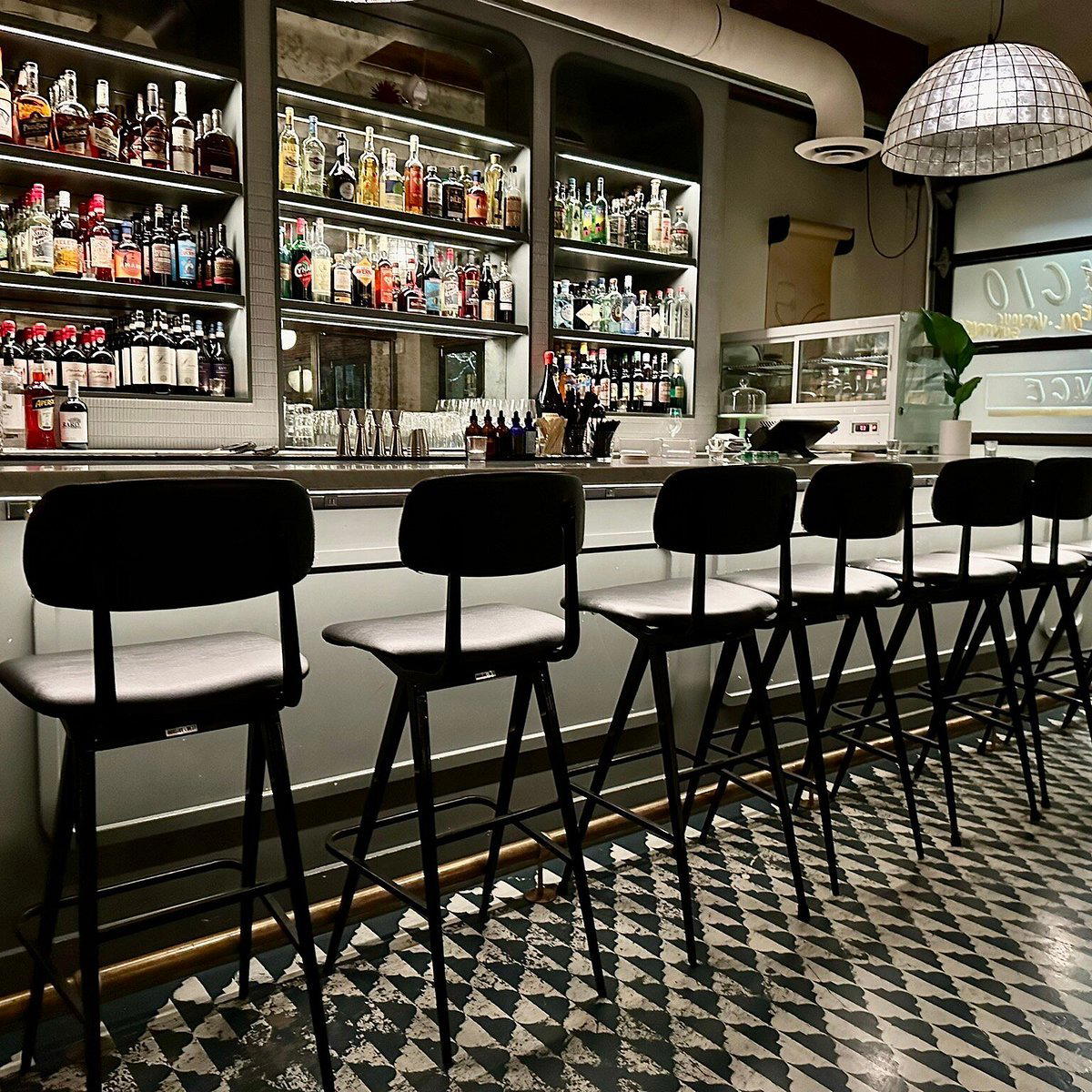
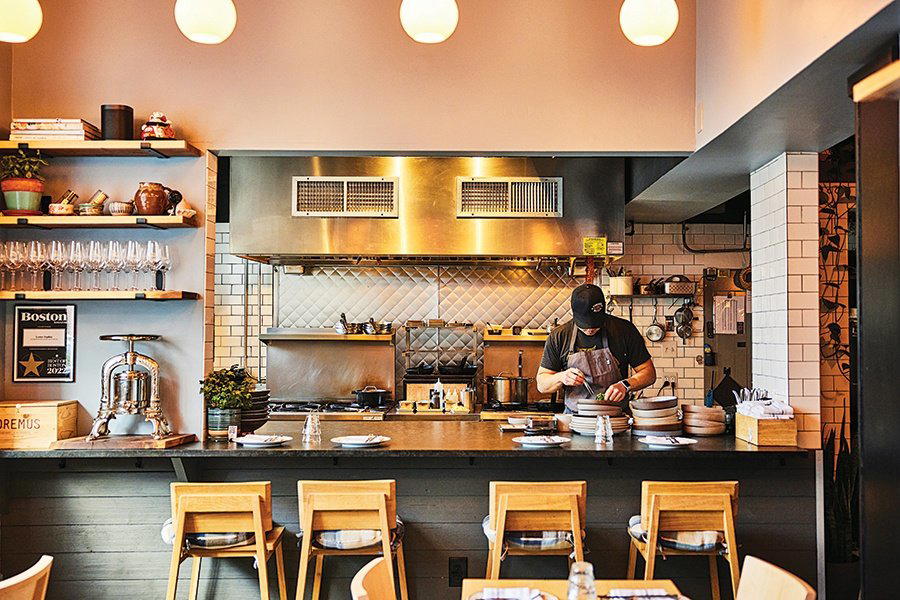
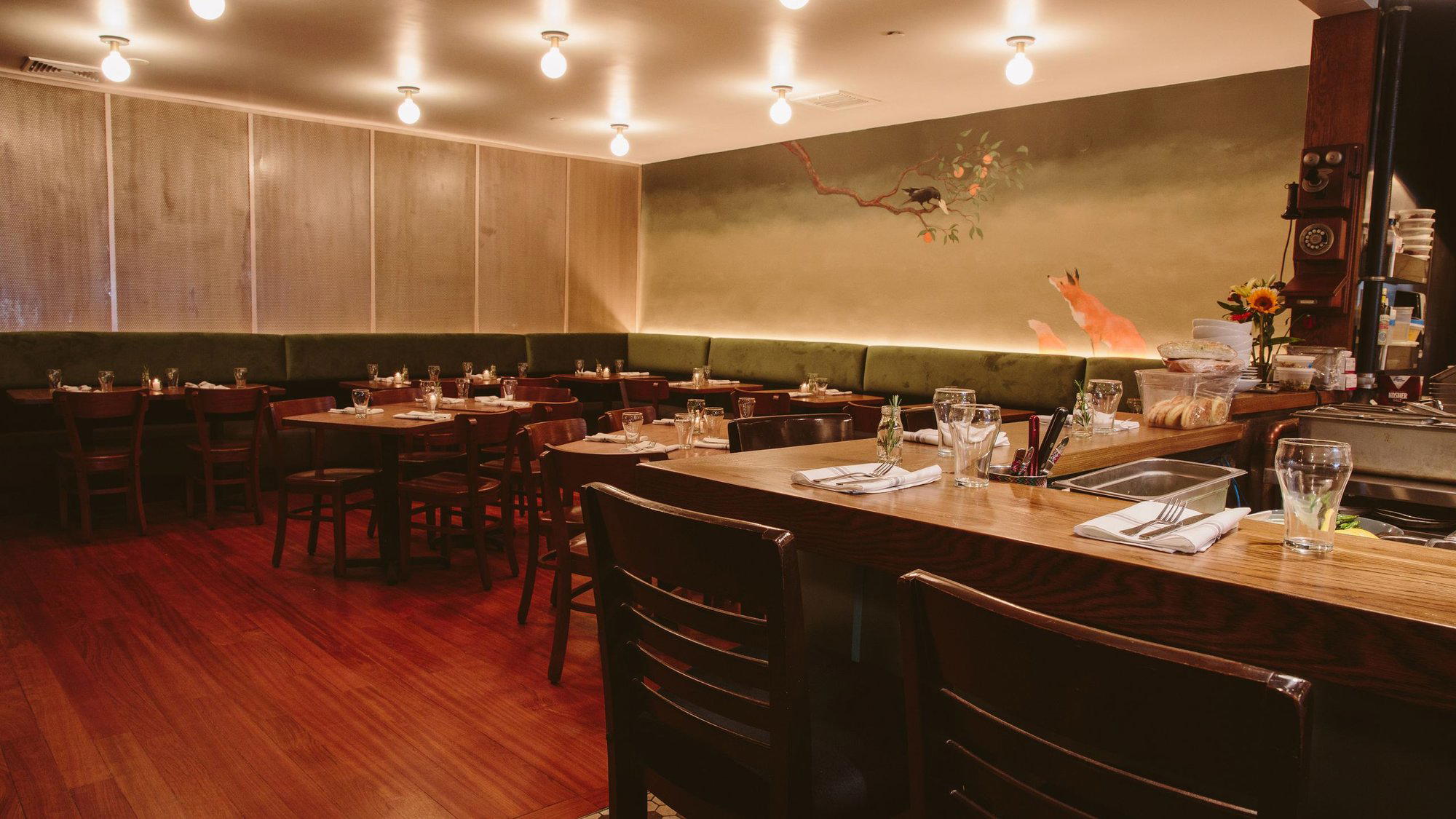
Brick walls, bottles, and easy soundtrack create porch-like calm amidst Southie bustle, ideal for date night lighting without fuss.