Winehaven
Winehaven occupies a distinct address on Stenmark Drive in Richmond, California, where the city's industrial waterfront meets a growing interest in serious drinking culture. Set within a warehouse-scale building, it sits at the crossroads of Richmond's emerging bar scene and the broader Bay Area appetite for programme-driven hospitality. Practical details remain sparse, but the address alone signals a venue operating outside the downtown mainstream.
Pearl is the En Primeur Club membership app — saves, bookings, and concierge access live there. Same editors, same standards.
- Address
- 2036-2040 Stenmark Dr, Richmond, CA 94801
- Directions
- Get directions
 Saves & bookings on Pearl
A Waterfront Address and What It Signals
Richmond's bar scene has never followed San Francisco's script. Where the city across the bay trades on density and neighbourhood prestige, Richmond has developed a quieter, more industrially inflected drinking culture, one shaped by warehouse conversions, craft producers, and a local clientele that responds to substance over spectacle. The Stenmark Drive address that Winehaven occupies sits within that context: a stretch of Richmond that faces the water and carries the specific atmosphere of post-industrial California real estate put to new use.
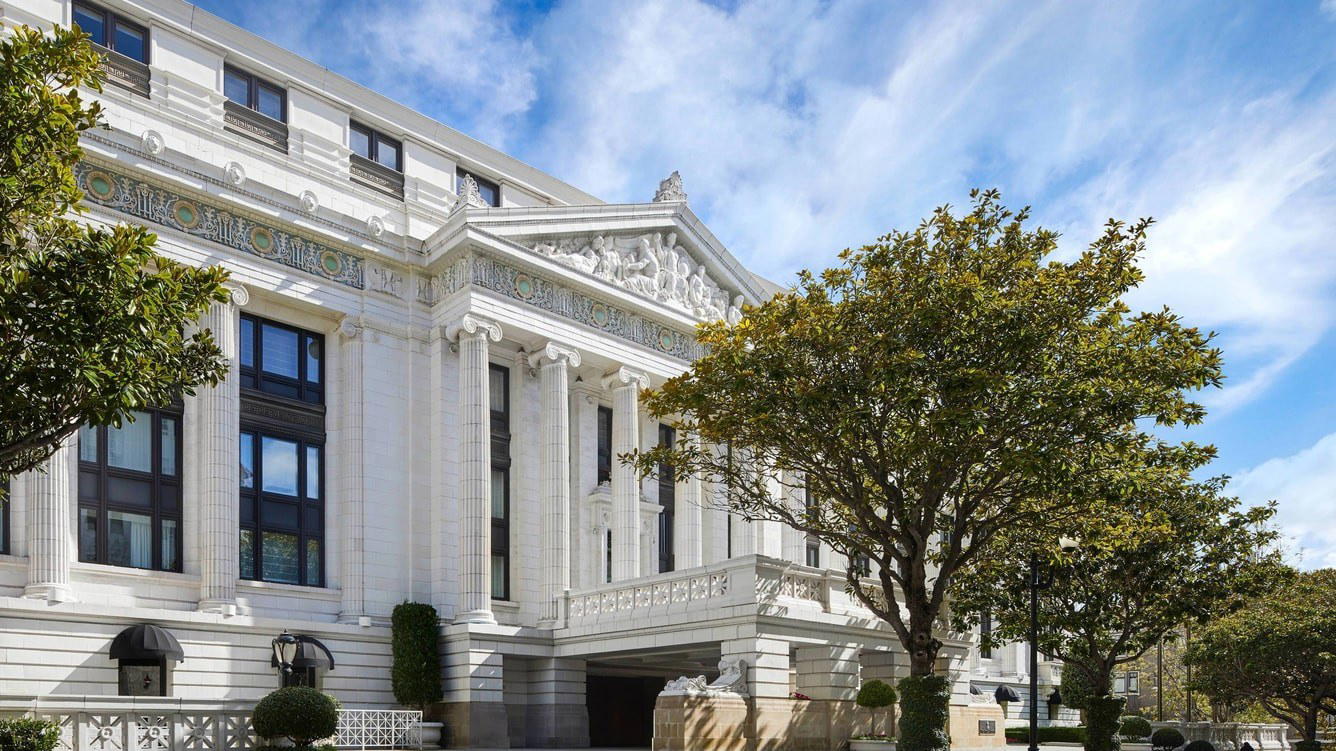
Approaching the building, the architecture reads as working waterfront rather than curated destination. That physical register matters in how venues like this position their programmes. Bars that operate in this kind of space tend to build identity through what's in the glass rather than through interior design investment. The surrounding area, bordered by the industrial port and the flat light that comes off San Francisco Bay on overcast afternoons, creates a particular kind of arrival experience: unhurried, slightly removed from the city's commercial rhythms, and more focused on the thing itself.
Richmond's Bar Tier and Where Winehaven Sits
The Richmond drinking scene has fragmented productively over the past decade. On one end, you have craft beer operations like Ardent Craft Ales and Black Lodge, which anchor a loyal local following around fermentation-forward identity. On the other, venues like Beaucoup and 3200 Rockbridge St occupy a more cocktail-adjacent tier, where the programme carries more weight than the tap list. Winehaven operates from a specific position in that spread, one defined by its name and address rather than, at present, a documented awards trail or published critical record.
That positioning matters because the Bay Area as a whole has produced serious programme-driven bar culture. ABV in San Francisco established an early model for what a technically rigorous, spirits-forward bar could look like in the region. Richmond, operating at lower price pressure and with a different demographic mix, has room to develop analogous programmes without replicating San Francisco's aesthetic or cost structure. A waterfront venue with a name that foregrounds wine rather than spirits is making a legible choice about where it wants to sit in that conversation.
The Cocktail Programme: Technique Over Theatre
Across the American bar scene, the most durable programme-driven venues have moved away from theatrical presentation toward clarity of technique. The shift is visible in cities with strong bar cultures: Kumiko in Chicago built recognition on Japanese-influenced precision and ingredient restraint; Jewel of the South in New Orleans grounded its identity in historical research and classic structure; Julep in Houston centred a regional identity around Southern spirits tradition. What connects them is a commitment to the drink as the primary communication rather than the room or the concept.
A venue with Winehaven's name and Richmond address invites a specific question: what does a bar that signals wine as a reference point actually do with cocktails? The most interesting versions of that approach use wine as an ingredient category, a fermentation reference, or a structural model rather than simply a beverage category served alongside spirits. Low-ABV formats built around vermouth, amaro, and fortified wine; highballs that incorporate wine-adjacent acidity; and seasonal spritz variations that engage with viticulture without abandoning cocktail technique have all found audiences in the Bay Area and beyond. Bar Leather Apron in Honolulu and Superbueno in New York City both demonstrate how a distinct ingredient philosophy can generate a recognisable programme identity without requiring a headline chef or national press cycle to validate it.
But the address and the name together suggest a venue aware of the conversation happening in American bar culture and willing to occupy a position that isn't simply a replica of the SF cocktail bar model.
Placing Richmond in a Wider Drinking Context
For visitors arriving from outside the Bay Area, Richmond is rarely the first stop on a drinking itinerary. That is, in part, a function of infrastructure rather than quality: the BART connection makes the city accessible from San Francisco in under thirty minutes, but the waterfront area around Stenmark Drive requires a secondary journey from the station. Venues in this zone tend to draw a more committed audience, guests who have made a specific decision to be there rather than stumbling in from a hotel or a neighbouring restaurant.
That audience dynamic shapes programme development. Bars serving deliberate visitors rather than foot traffic have more latitude to build a specific identity, to rotate seasonal formats, and to price against the quality of the programme rather than against the street. It is a model that has worked in similarly positioned venues: The Parlour in Frankfurt operates in a comparable logic, where destination status within a city allows for a more focused programme than a high-traffic central location would permit.
For a fuller picture of where Winehaven sits within the Richmond drinking and dining ecosystem, the EP Club Richmond guide maps the city's current venues across categories, from breweries to spirits-forward bars to restaurant programmes worth combining into a single evening.
Planning a Visit
Winehaven's address at 2036-2040 Stenmark Drive in Richmond, California puts it in the waterfront industrial corridor, a zone that rewards visitors who arrive with time rather than a tight schedule. Current pricing, hours, and booking details are not documented in available data, which suggests either a walk-in format or a venue in an early operational phase. The waterfront setting means the surrounding area offers limited alternative options if the venue is closed, so confirming hours in advance is a practical step worth taking.
Continue exploring
More in Richmond
Bars in Richmond
Browse all →
Restaurants in Richmond
Browse all →
Hotels in Richmond
Browse all →

At a Glance
- Well Known
- Scenic
- Industrial
- Classic
- Waterfront
- Historic Building
- Waterfront
Historic and secluded, with fortress-like brick architecture, crenellated parapets, turrets, and a waterfront industrial setting.
Know Before You Go
- Getting there
- 2036-2040 Stenmark Dr, Richmond, CA 94801