Haymarket Pub & Brewery
A Randolph Street anchor in Chicago's West Loop, Haymarket Pub & Brewery occupies the working-class brewery tradition with a neighborhood-first approach. Where the area's cocktail bars tilt toward precision and theater, Haymarket holds the line for pint-and-conversation drinking. It sits at the accessible end of a corridor that runs through some of the city's most ambitious beverage programs.
Pearl is the En Primeur Club membership app — saves, bookings, and concierge access live there. Same editors, same standards.
- Address
- 737 W Randolph St, Chicago, IL 60661
- Phone
- +1 312 638 0700
- Website
- haymarketbeer.com
- Directions
- Get directions
 Saves & bookings on Pearl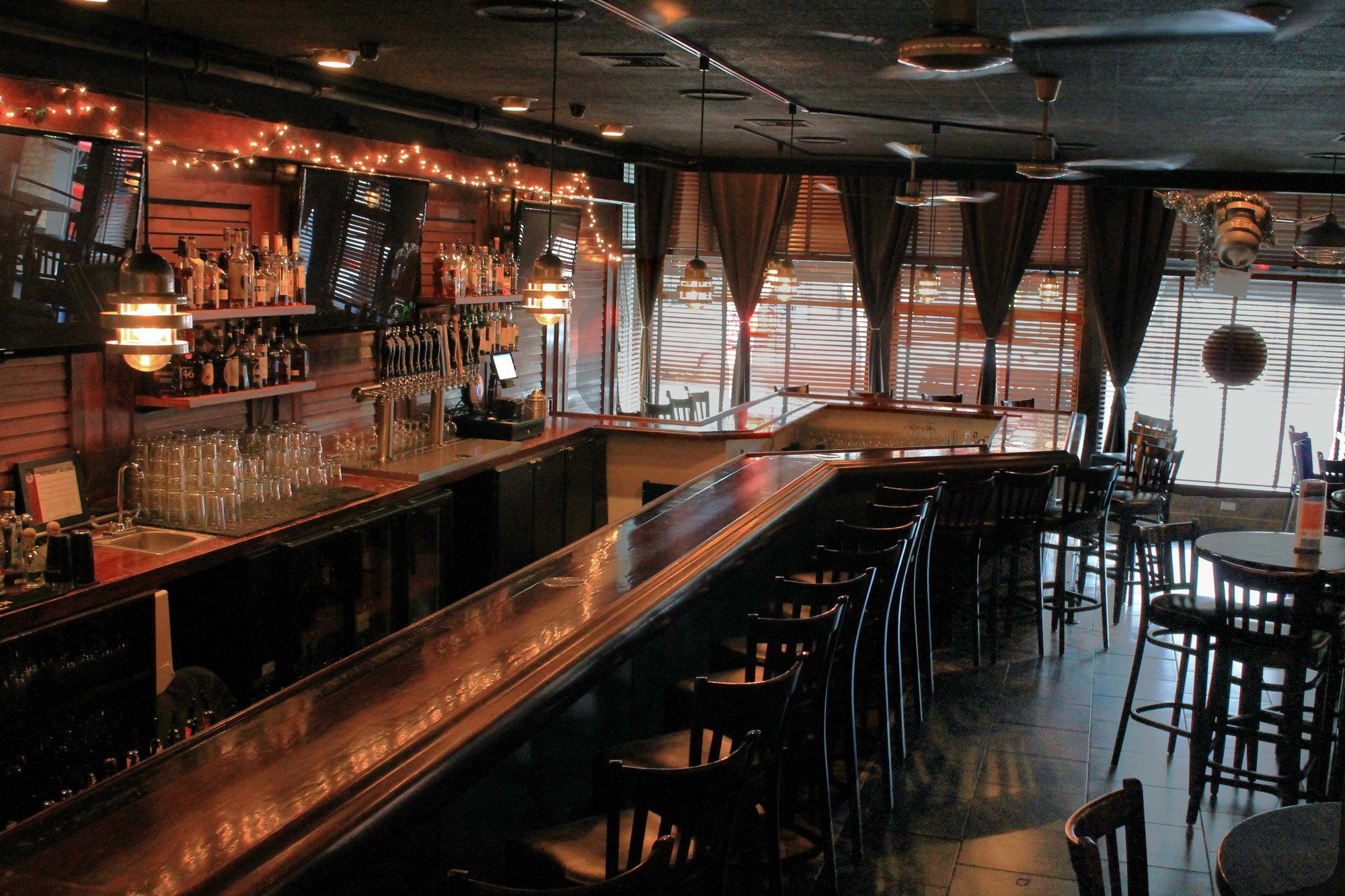
The Block, the Bar, and the Brewing Tradition Behind It
Randolph Street in Chicago's West Loop has spent the better part of two decades shifting its identity. What was once a produce and meatpacking corridor is now one of the city's densest concentrations of serious restaurants and bars, a stretch where reservation windows and tasting menus define the upper tier. Into that context, Haymarket Pub & Brewery at 737 W Randolph St holds a different kind of position: it is the place you go when the neighborhood's ambition feels like too much to manage on a Tuesday night.
American craft brewing, as a movement, has always had a dual character. On one side, the technical showmanship of barrel-aging programs, wild fermentation, and single-origin hop sourcing. On the other, the taproom as community anchor — a place with good beer on draft where people actually know each other. Haymarket belongs firmly to the second tradition, and in a neighborhood where Kumiko and Leading Intentions define the precision end of the drinking spectrum, that positioning carries real value.
What West Loop Regulars Actually Use It For
The neighborhood watering hole is a format under pressure in American cities. Rising rents push out the unpretentious middle tier, leaving a gap between dive bars and concept-driven destinations. Haymarket has survived that squeeze on Randolph Street by serving a function no cocktail bar or wine bar fully replicates: it is a brewpub, which means you can arrive without a plan, drink something made on-site, eat something substantive, and leave without having committed to a two-hour experience.
That functional clarity matters more than it sounds. The West Loop draws a working crowd on weekday evenings — people from the nearby Fulton Market offices and the restaurant industry workers who populate the area after their own shifts end. A brewery format suits both groups: beer is fast, familiar, and priced for multiple rounds in a way that cocktail programs rarely are. The room operates at a volume and pace that allows conversation without requiring it, which is a more specific atmospheric achievement than most bar reviews acknowledge.
For visitors approaching from the broader Chicago bar circuit, the practical geography is direct. Haymarket sits on the western end of the Randolph Street dining corridor, making it a logical starting point before dinner at one of the street's restaurants, or an easy landing after a more structured bar experience elsewhere. Bisous and Lemon represent the more focused, reservation-oriented end of the area's drinking scene; Haymarket is where you go when that register feels like the wrong one for the evening.
The Brewery Format in an Age of Cocktail Theater
Chicago's cocktail scene has moved sharply toward technical credibility over the past decade. Even nationally, bars like Allegory in Washington, D.C., Superbueno in New York City, Julep in Houston, Bar Leather Apron in Honolulu, and The Parlour in Frankfurt on the Main illustrate how the premium bar format has globalized around a shared language of technique and intentionality.
Against that backdrop, a brewpub that prioritizes accessibility and neighborhood function can look like it is standing still. The more accurate read is that it is serving a different demand entirely. House-brewed beer on draft, produced in-house and available by the pint at a pub, represents a category with its own credibility markers: freshness that no distribution chain can replicate, direct feedback loops between brewer and customer, and the particular satisfaction of drinking something made in the same building you are sitting in. That is a different value proposition from a clarified cocktail program, not a lesser one.
Chicago has a documented history with craft brewing, and the city's taproom culture predates the current fine-dining adjacency of the West Loop by several decades. Brewpubs in the city have historically served as neighborhood institutions in a way that bars and restaurants often do not, partly because the production function gives them a physical permanence and a local identity that is harder to replicate with a lease and a back bar.
Planning a Visit
Haymarket Pub & Brewery is located at 737 W Randolph St in Chicago's West Loop, within walking distance of the Morgan and Clinton Green and Pink Line stations. The Randolph Street corridor is densely programmed on weekend evenings, and arriving earlier in the evening or on a weekday typically means a less compressed experience. For visitors building a broader Chicago evening, the location places Haymarket naturally in sequence with the street's restaurants; it works as an opener before dinner or a more casual close after a structured meal. No booking is required for the bar, which keeps it accessible in a neighborhood where most serious dining operations have moved to reservation-only or waitlist formats. For broader context on the city's drinking and dining scene, the EP Club Chicago guide maps out the full range of options across neighborhoods and categories.
At a Glance
- Lively
- Rustic
- Industrial
- After Work
- Group Outing
- Casual Hangout
- Historic Building
- Seated Bar
- Booth Seating
- Craft Beer
Current opening hours
- Monday
- 3–11 PM
- Tuesday
- 3–11 PM
- Wednesday
- 3–11 PM
- Thursday
- 12 PM–1 AM
- Friday
- 12 PM–2 AM
- Saturday
- 11 AM–2 AM
- Sunday
- 11 AM–11 PM
Hours can change for holidays and private events. Last verified .
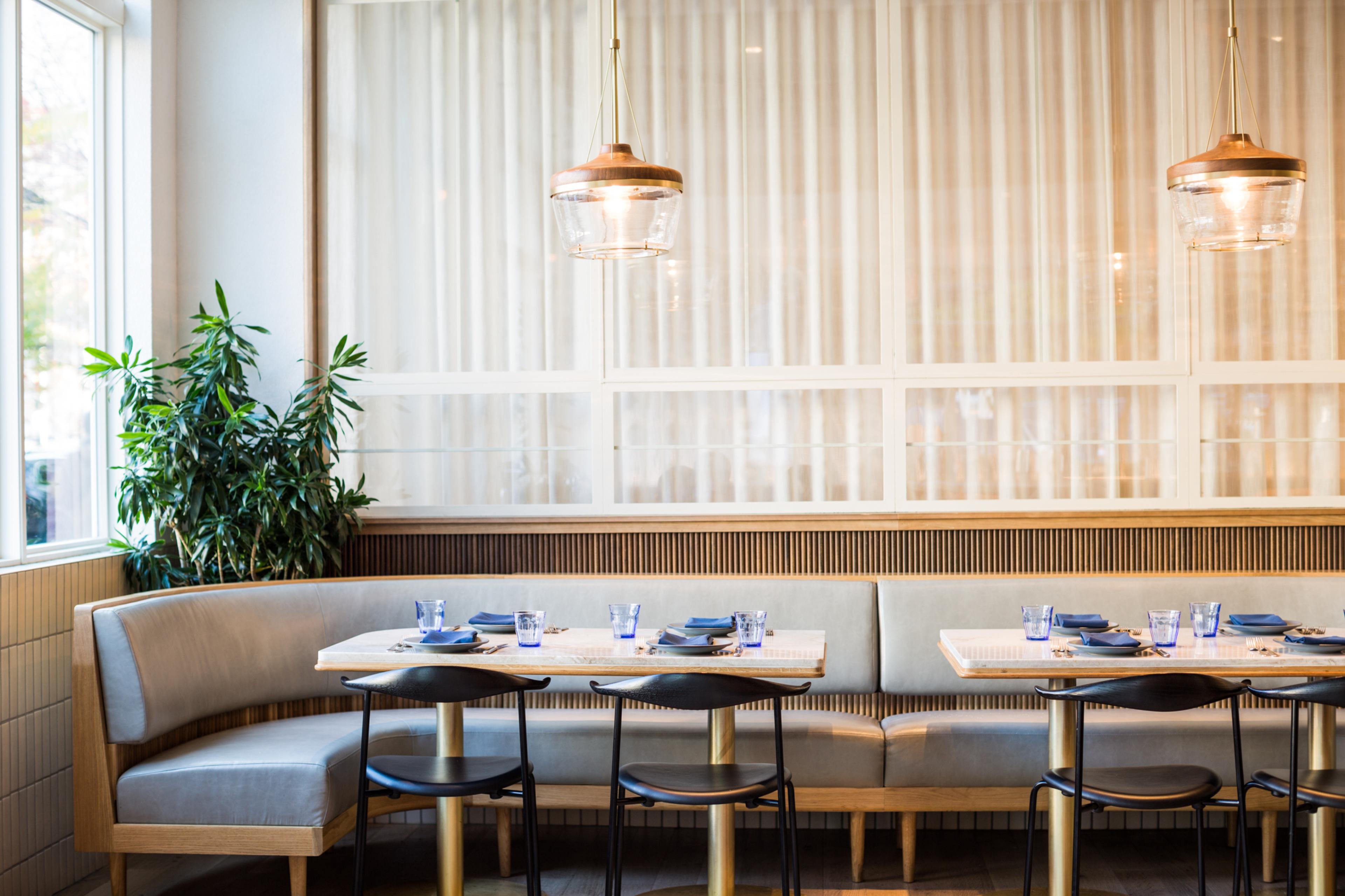
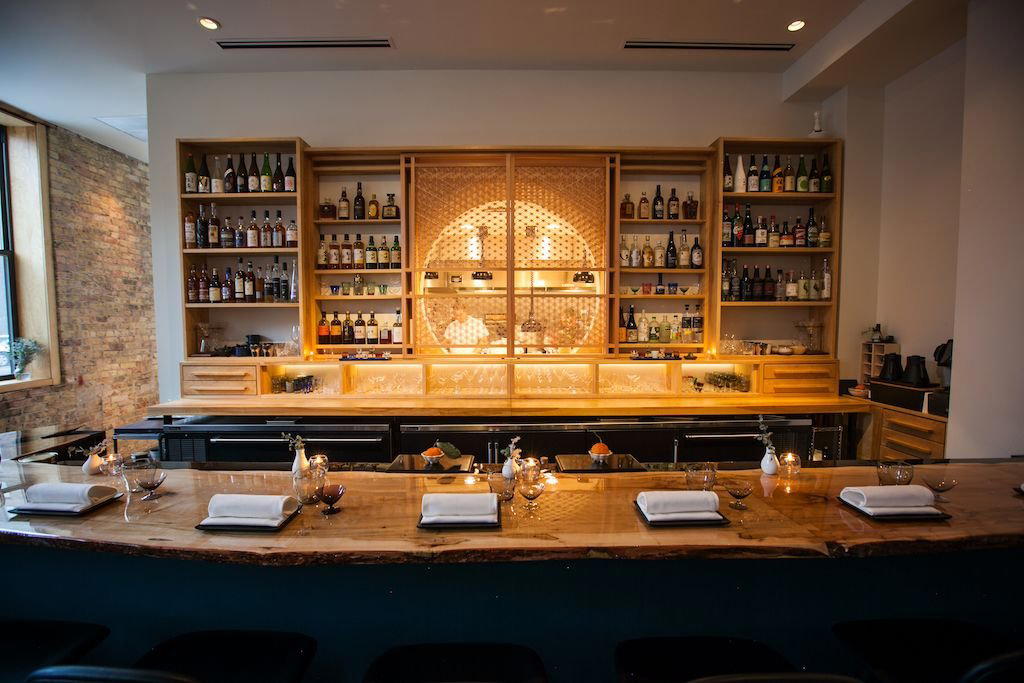
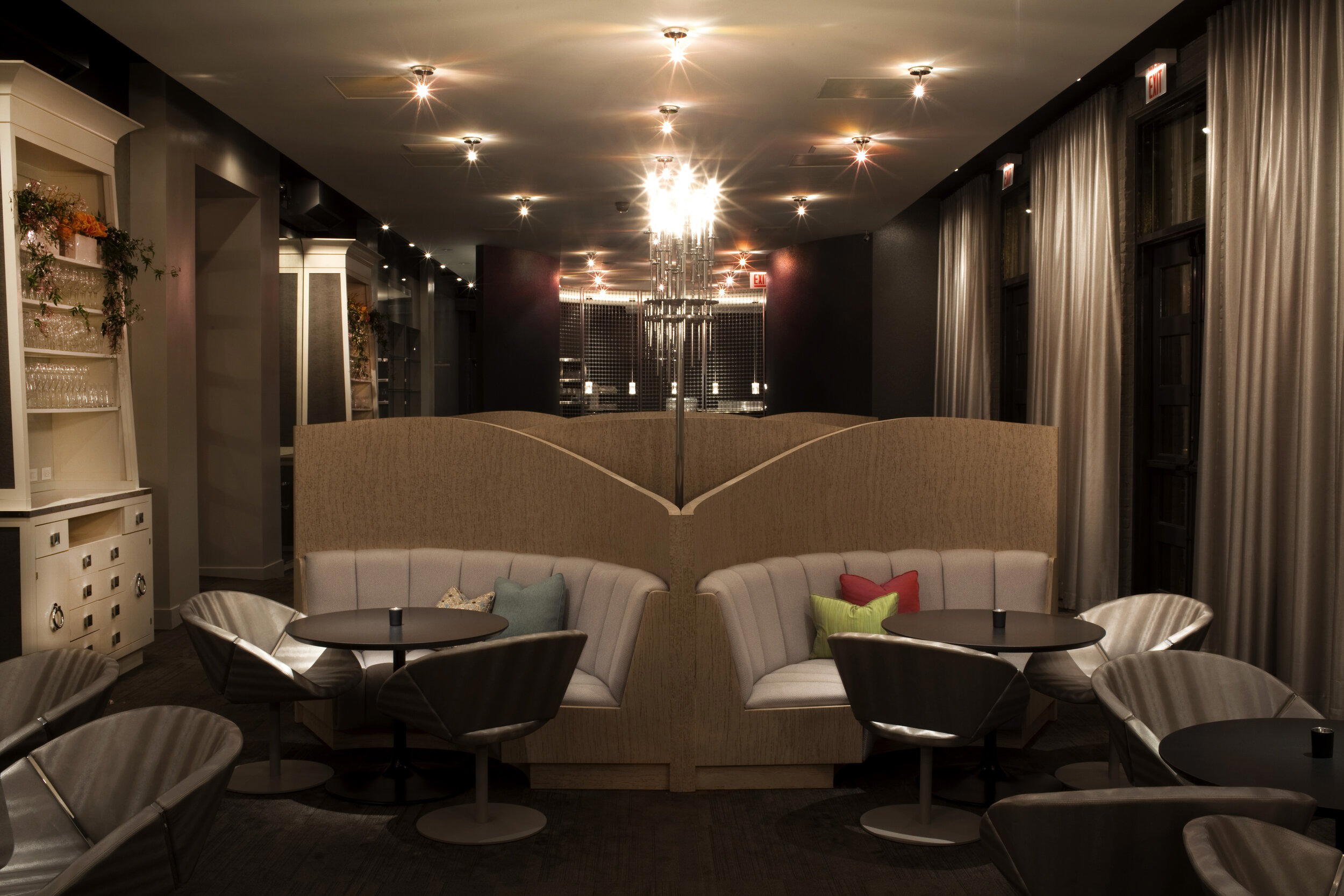
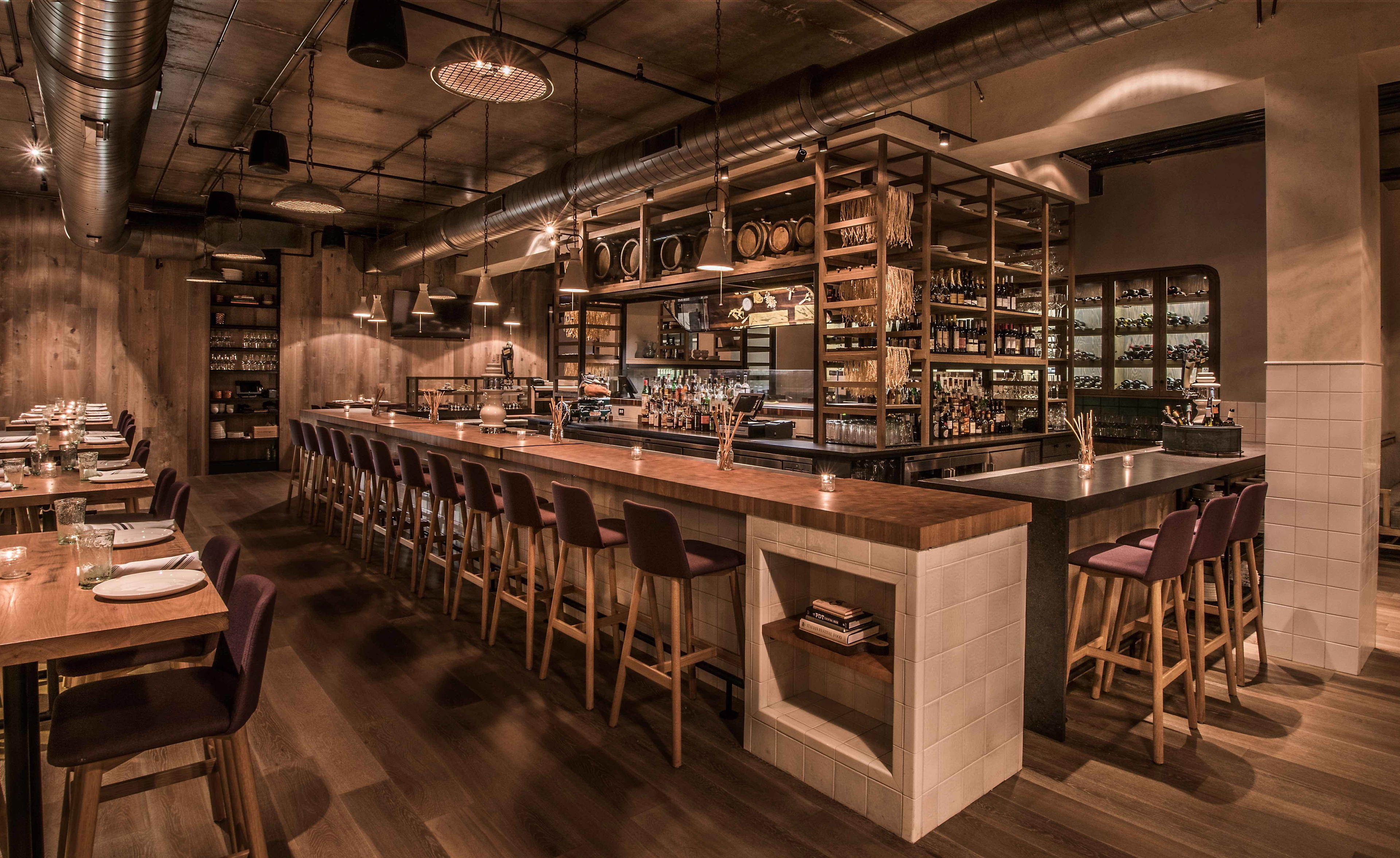
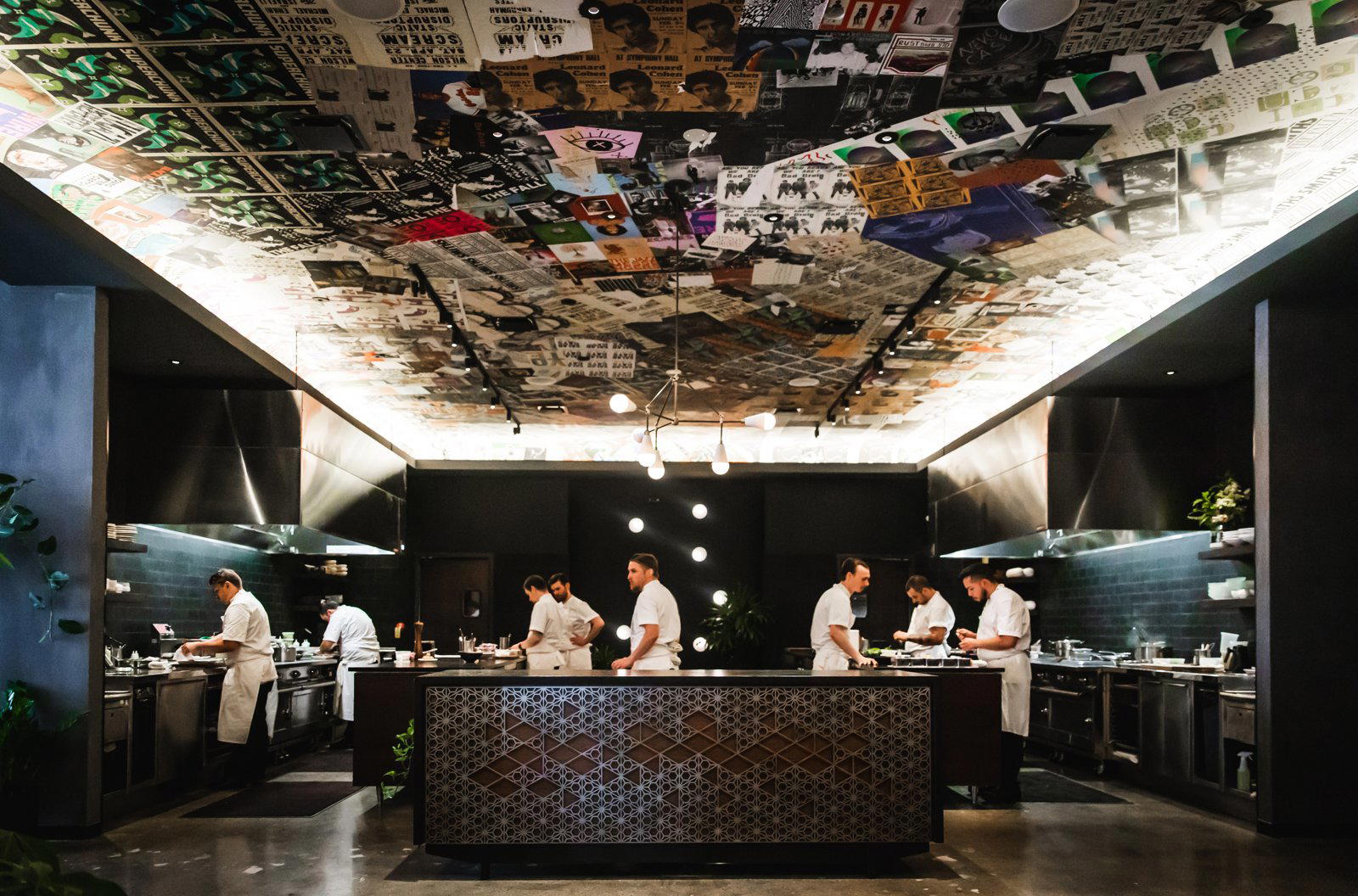
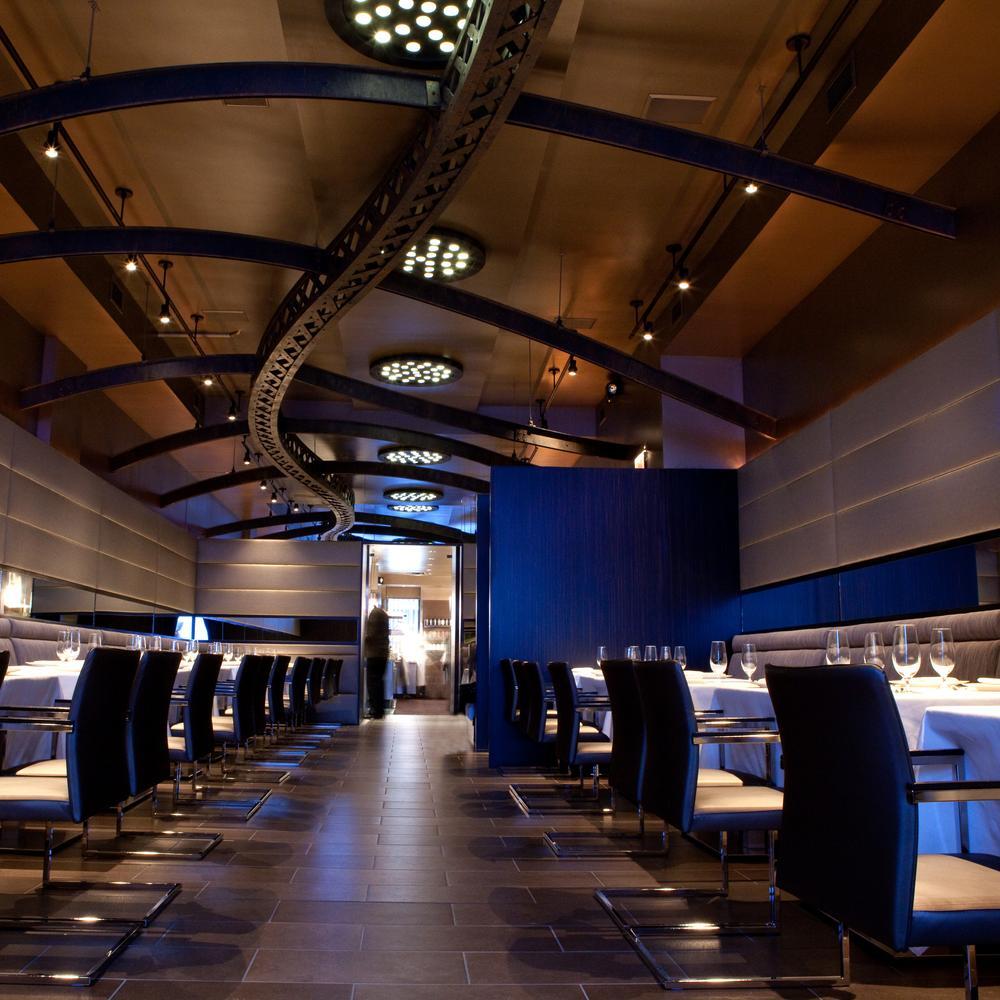
Lively atmosphere in a spacious century-old building with exposed brick and vintage mosaic floors.
Know Before You Go
- Getting there
- 737 W Randolph St, Chicago, IL 60661