Hatsuyuki Handroll Bar
Frisco's handroll bar format keeps raw fish procurement and counter pacing at the centre of the experience. Hatsuyuki Handroll Bar on Warren Parkway brings the made-to-order temaki style to North Dallas suburbia, where the format remains less common than in coastal markets. The venue sits within a broader shift in DFW toward tighter, more ingredient-focused Japanese formats.
Pearl is the En Primeur Club membership app — saves, bookings, and concierge access live there. Same editors, same standards.
- Address
- 6801 Warren Pkwy #103, Frisco, TX 75034
- Phone
- +1 972 294 5333
- Directions
- Get directions
 Saves & bookings on Pearl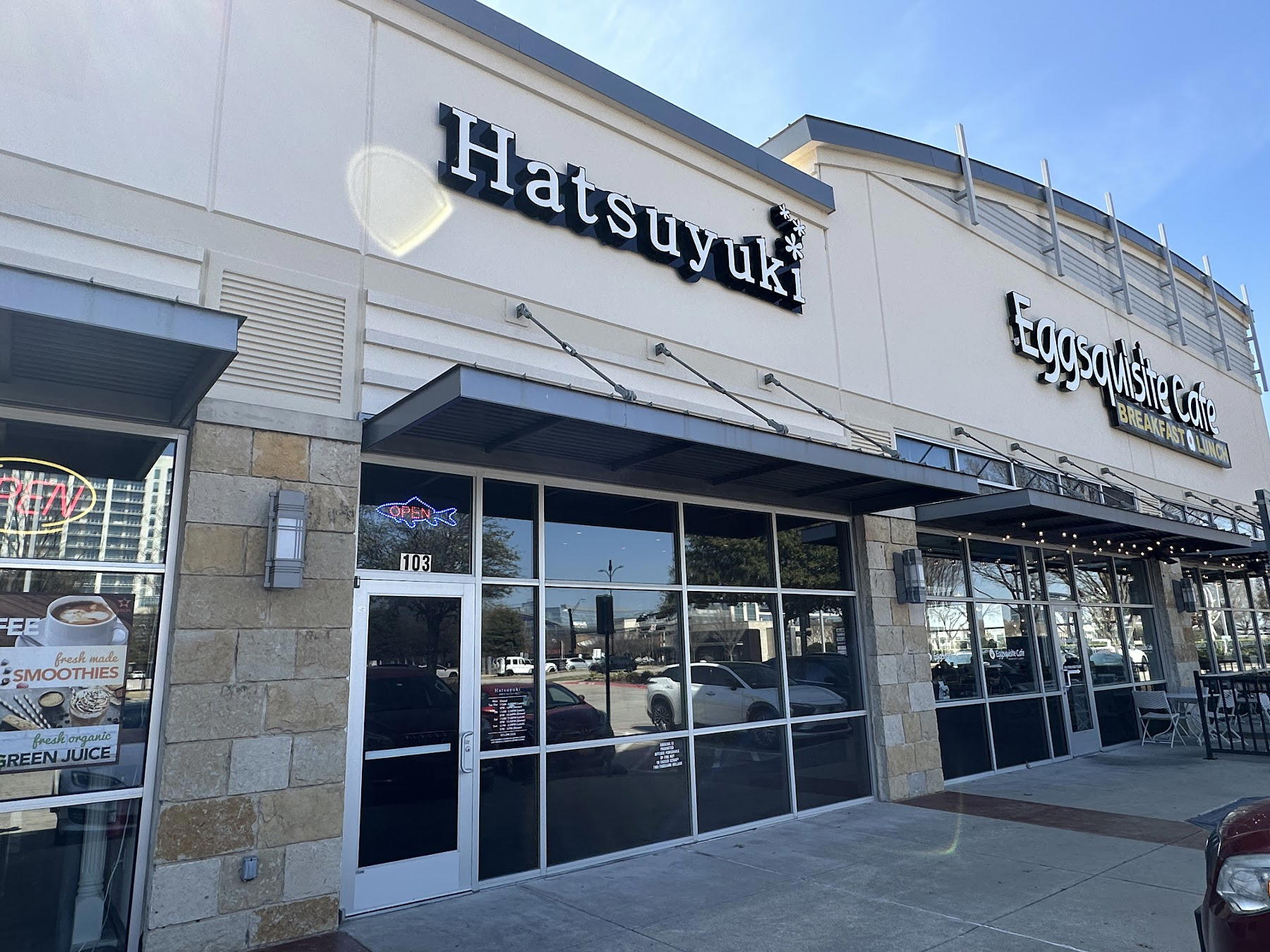
The Handroll Format and What It Demands of Its Ingredients
The temaki bar as a dining format imposes a discipline that broader sushi restaurants rarely face: each handroll is assembled and eaten within seconds of construction, which means every element of sourcing and timing is visible in the final product. There is nowhere to hide. Nori that softens, rice that cools unevenly, fish that lacks the acidity and fat balance of properly handled product — these flaws register immediately at a handroll counter in ways they might not on a multi-course omakase plate. The format is, in that sense, a direct referendum on ingredient quality and kitchen organisation.
Hatsuyuki Handroll Bar on Warren Parkway in Frisco operates within this demanding format. The address places it in a suburban retail strip in one of the fastest-growing corridors in North Texas, a setting that might seem at odds with the precision the format requires — but the North Dallas dining market has expanded rapidly enough that ingredient-focused Japanese concepts are no longer confined to Dallas proper or the inner suburbs.
Frisco's Position in the DFW Japanese Dining Shift
The broader DFW restaurant market has tracked a pattern visible in other large American metros: as suburban populations grow and diversify, formats that were once concentrated in urban cores migrate outward. Japanese counter dining made that move in New York and Los Angeles roughly a decade ago, and it is now well underway in the Dallas-Fort Worth corridor. Frisco, with a large and dining-engaged population along the US-75 and Dallas North Tollway axes, is a plausible location for a handroll specialist to find consistent traffic.
What separates a handroll bar from a standard sushi roll restaurant is as much about sourcing philosophy as it is about format. The temaki model, refined in Tokyo's standing handroll counters and carried into the American market through a small number of serious operators, prioritises single-origin fish sourcing, short holding times, and warm sushi rice seasoned with attention to vinegar balance. When that sourcing discipline is applied in a suburban Texas context, it represents a meaningful departure from the teriyaki-and-California-roll category that still defines most of the Japanese restaurant market in the area.
For readers tracking the full range of what Frisco's food and drink scene currently offers, the EP Club Frisco restaurants guide maps the wider picture across categories and price tiers.
Reading the Room: What the Warren Pkwy Location Signals
The address at 6801 Warren Pkwy places Hatsuyuki in a mixed-use retail zone typical of Frisco's commercial development pattern. These locations tend to attract concepts that are confident in their draw, formats specific enough that guests seek them out rather than stumbling in. A handroll bar is precisely that kind of destination-first concept. It requires some baseline familiarity with temaki on the part of the guest, and it rewards repeat visits more than one-off curiosity traffic.
Counter-format Japanese dining in this part of Texas also exists alongside a broader movement toward ingredient transparency in restaurant programming. Across the dining spectrum, from the cocktail programs at venues like Bottled in Bond Cocktail Parlour and Kitchen to the neighbourhood bar culture at Didi's Downtown and Frisco Rail Yard, the direction in Frisco is toward formats with a defined point of view rather than generalist menus built for maximum accessibility.
Sourcing as the Central Argument
In the handroll format, sourcing decisions are the programme. The fish selection at any given session reflects relationships with distributors, the availability of overnight air-freight product from Japanese or domestic fisheries, and the willingness to pull items that don't meet standard rather than serve them down. These are operational commitments that cost more and produce a shorter, less flexible menu, but they are also what separates a serious temaki operation from a roll-and-rice restaurant that happens to include handrolls on its menu.
The temaki canon includes a fairly narrow set of references: toro, salmon belly, uni, scallop, yellowtail, and ikura sit at the centre of most serious programs, with the differentiation coming from cut quality, rice temperature, nori provenance, and the proportion of rice to fish. In markets like New York and Los Angeles, handroll specialists have built considerable reputations around sourcing from specific Japanese prefectures or domestic fisheries in the Pacific Northwest and Hawaii. Whether a DFW-based operation can access comparable supply chains is a meaningful question for anyone evaluating the format in this geography.
The interest in ingredient-forward Japanese formats extends well beyond Texas. Across the country, serious cocktail and food programs have begun treating sourcing as a public-facing commitment rather than a back-of-house detail. Bars like Kumiko in Chicago and Bar Leather Apron in Honolulu have built their identities around provenance-led programming, and the same logic applies to handroll operations where the fish is the ingredient and the counter is the stage.
The Broader Category Context
Handroll bar format is still relatively underpenetrated in American suburban markets compared to its presence in major coastal cities. In New York, Los Angeles, and San Francisco, temaki specialists have multiplied over the past five years, with some, like the formats that emerged in the West Village and West Hollywood, establishing genuine waiting lists and allocation-style booking. The suburban version of that format tends to be more accessible, shorter waits, walk-in availability, but the sourcing ambition can be equivalent.
For comparison points in the craft beverage and ingredient-led hospitality space outside Texas, the programming at Jewel of the South in New Orleans, Julep in Houston, Superbueno in New York City, ABV in San Francisco, and The Parlour in Frankfurt all share a commitment to sourcing specificity that parallels what a serious handroll program requires on the food side.
Within Frisco itself, the Italian-leaning programme at Gallo Nero Frisco represents a different but related commitment to ingredient identity, the kind of category specificity that positions a venue within a defined culinary tradition rather than aiming for broad appeal.
Planning a Visit
Hatsuyuki Handroll Bar is located at 6801 Warren Pkwy, Suite 103, Frisco, TX 75034. For current hours, reservation policy, and menu availability, visiting directly or checking the venue's current online listings is advisable, as operational details for this format can shift with supply and staffing. The Warren Pkwy corridor is accessible by car with parking in the surrounding retail development. Given the format's dependence on fresh fish, lunch and early dinner service typically offer the fullest selection at handroll counters, though this varies by operation.
At a Glance
- Minimalist
- Trendy
- Intimate
- Casual Hangout
- Standalone
- Counter Only
- Sake
Current opening hours
- Monday
- Closed
- Tuesday
- 11 AM–2:30 PM, 5–10 PM
- Wednesday
- 11 AM–2:30 PM, 5–10 PM
- Thursday
- 11 AM–2:30 PM, 5–10 PM
- Friday
- 11 AM–2:30 PM, 5–10:30 PM
- Saturday
- 11 AM–2:30 PM, 5–10:30 PM
- Sunday
- 12–2:30 PM, 5–10 PM
Hours can change for holidays and private events. Last verified .
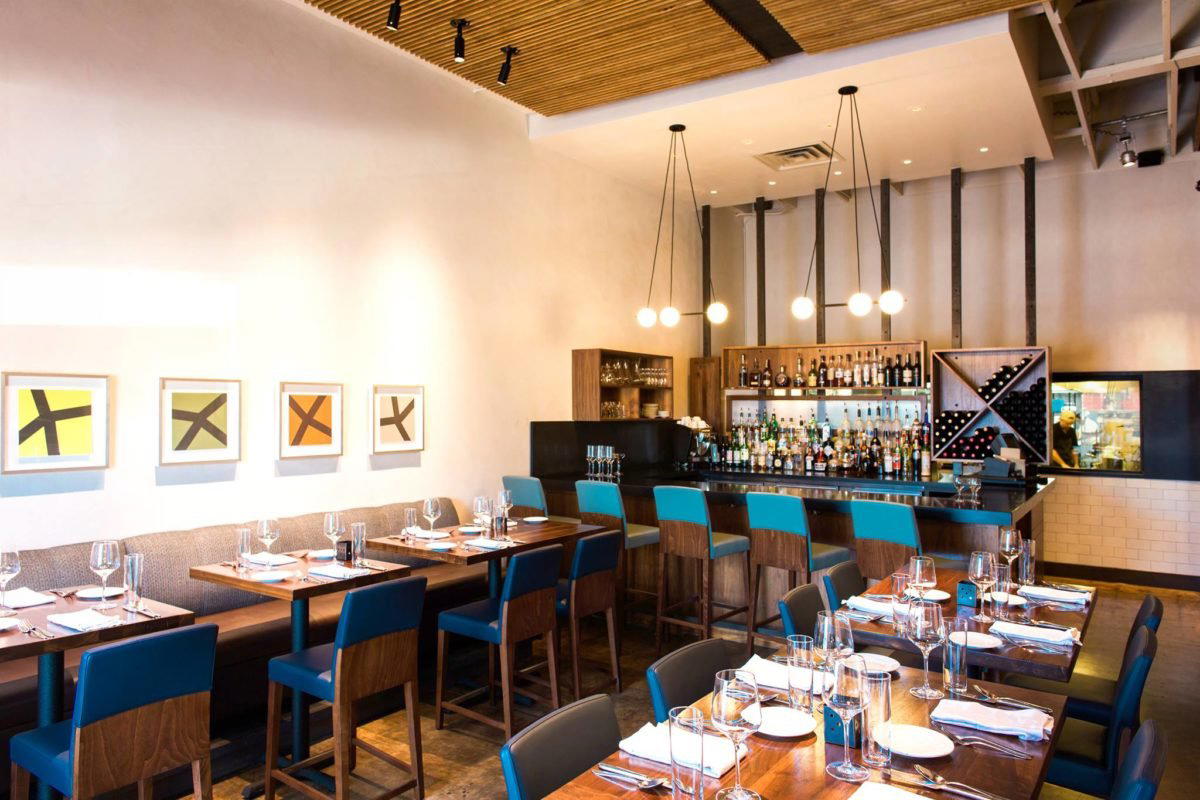
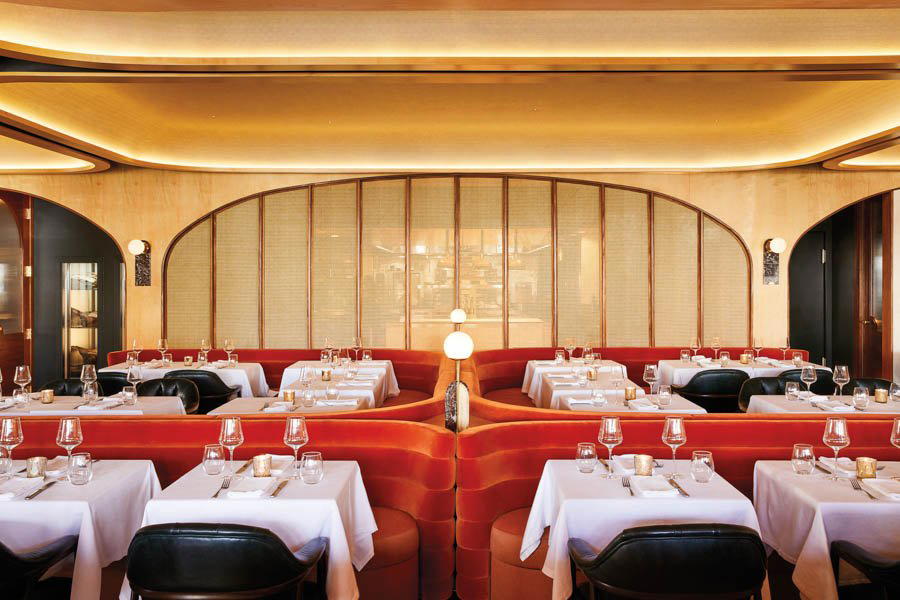
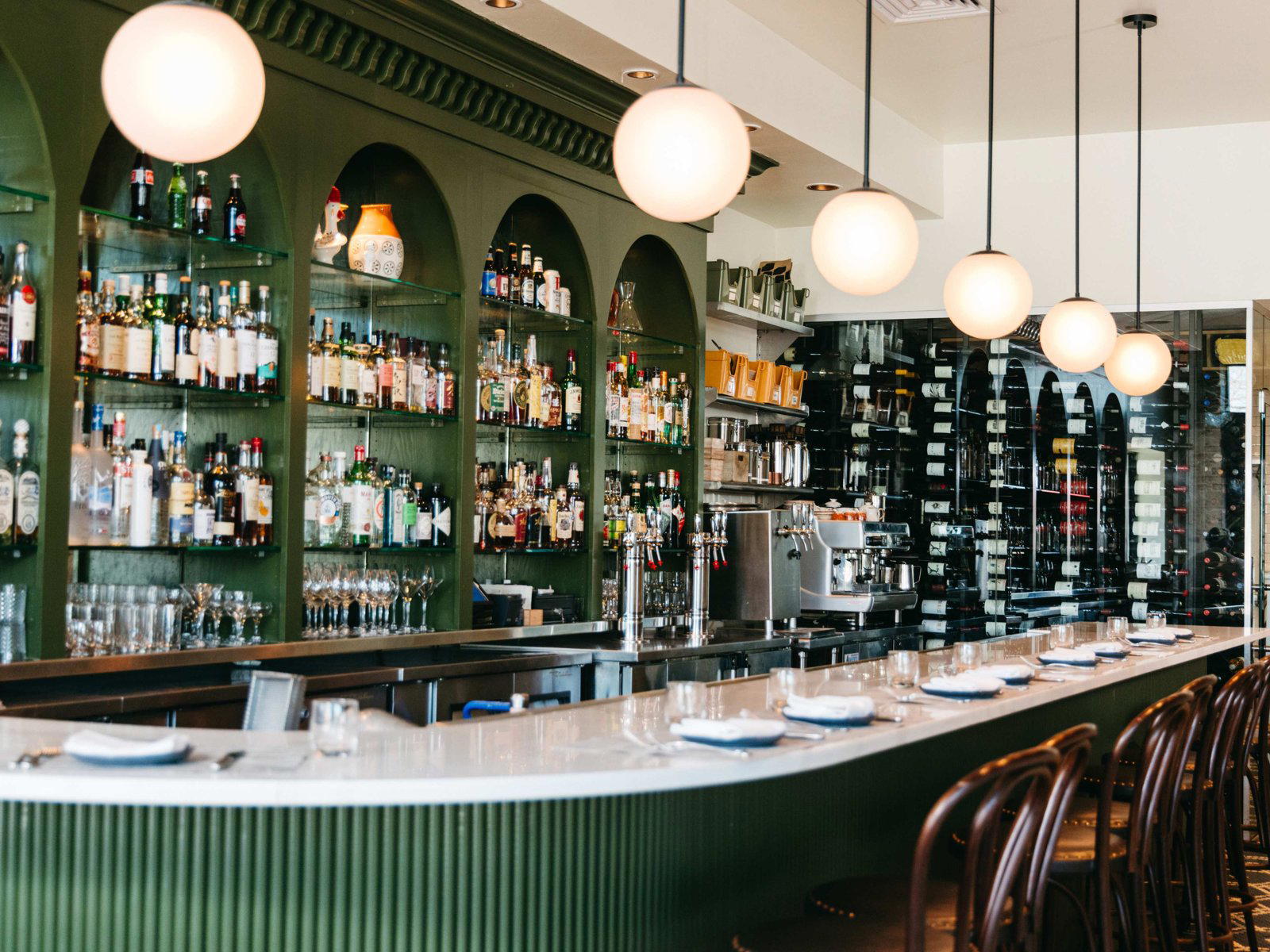
Minimalist decor focused on the sushi bar counter, creating an austere, craftsman-like atmosphere emphasizing the food.
Know Before You Go
- Getting there
- 6801 Warren Pkwy #103, Frisco, TX 75034