Harbo Bar
On Blågårdsgade in Copenhagen's Nørrebro district, Harbo Bar occupies the kind of low-key corner position that the neighbourhood does better than most. Positioned alongside a generation of Copenhagen bars that have moved away from showmanship toward substance, it draws a local crowd that treats it as a regular rather than a destination. The address alone signals where it sits in the city's drinking culture.
Pearl is the En Primeur Club membership app — saves, bookings, and concierge access live there. Same editors, same standards.
- Address
- Blågårdsgade 2D, 2200 København, Denmark
- Website
- m.facebook.com
- Directions
- Get directions
 Saves & bookings on Pearl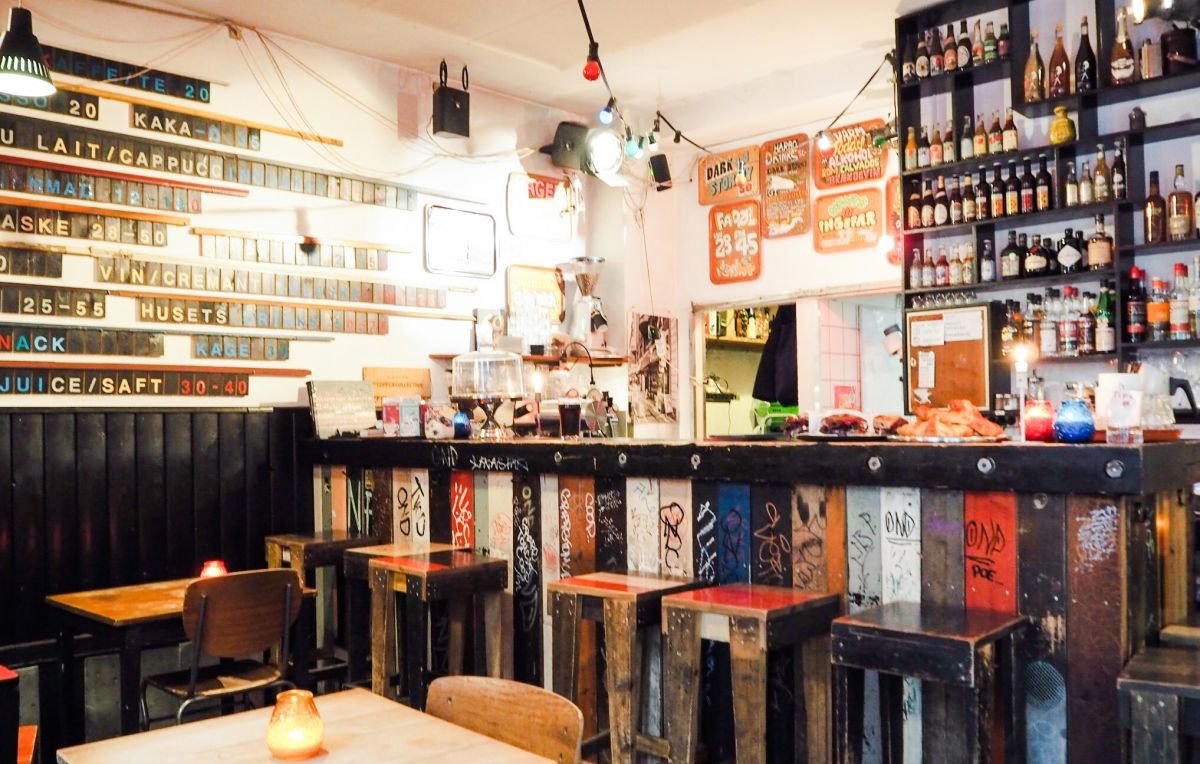
Nørrebro's Drinking Culture and Where Harbo Bar Fits
Blågårdsgade runs through the part of Nørrebro that resists easy categorisation. It is neither the polished restaurant corridor of Jægersborggade nor the tourist-adjacent stretch near Assistens Cemetery. The street operates on its own rhythm: a mix of long-standing local businesses, small independent operators, and the kind of bars that have earned their regulars through consistency rather than press attention. Harbo Bar, at number 2D, belongs to that category of Copenhagen drinking spot that does not announce itself loudly. The approach on foot is unassuming, the kind of facade that reads as background noise until you understand what the neighbourhood values.
Copenhagen's bar scene has spent the better part of a decade sorting itself into identifiable tiers. At one end sit the technically ambitious cocktail programs, the clarified-spirit counters and fermentation-forward menus that have brought international recognition to addresses like Ruby. At the other end is the neighbourhood bar in its most honest form: a place where the drink matters but so does the familiarity, the pace, and the absence of performance. Harbo Bar operates in this second register, in a city that has always maintained space for both.
That distinction matters when thinking about sustainability in hospitality. The high-concept bar model often draws attention for its sourcing narratives and zero-waste programs. But neighbourhood bars sustain a different kind of environmental logic: lower turnover of concept and fit-out, lower dependency on imported specialty ingredients, and a model built around repeat custom rather than destination traffic. In Copenhagen, where the conversation about responsible hospitality is ongoing and serious, that quieter form of sustainability carries its own credibility.
The Nørrebro Context: A District That Drinks Locally
Nørrebro is the part of Copenhagen where the city's immigrant communities, creative workers, and long-established working-class residents have coexisted longest. The neighbourhood's food and drink culture reflects that mix: it rewards places that integrate rather than disrupt, that price accessibly, and that build their identity around what the local community actually needs. Bars here are measured differently than in the city centre. The question is not which international spirits program they carry but whether the room feels right at 9pm on a Tuesday when the after-dinner crowd arrives.
Blågårdsgade has held onto this character even as Nørrebro has become more widely known. The street's bar and café operators tend to stay longer than the citywide average, which produces a particular kind of institutional knowledge: staff who know regulars by order, operators who understand the seasonal rhythm of the street, and a level of operational consistency that matters more than novelty. That consistency is its own form of resource efficiency. High-turnover venues generate substantially more waste in fit-out cycles, staff training, and discarded inventory than places that operate steadily over years.
For visitors approaching Copenhagen with an interest in how the city actually drinks, rather than how it performs drinking for an outside audience, Nørrebro addresses like Blågårdsgade 2D provide useful calibration. The neighbourhood's bar culture sits in productive contrast to the more internationally curated programs at Charlie's Bar or the polished harbour-adjacent atmosphere of the 71 Nyhavn Hotel bar. Neither is more legitimate than the other; they serve different functions in a city with a genuinely varied drinking culture.
Harbo Bar in the Broader Danish Bar Picture
Denmark's neighbourhood bar tradition is worth understanding on its own terms before arriving with expectations formed elsewhere. The Danish concept of hygge, however overused in travel writing, does describe something real about how sociability functions in these rooms: the emphasis on warmth, enclosure, and conversation over spectacle. Bars that operate in this tradition tend toward lower lighting, smaller footprints, and a stripped-back drinks list that prioritises execution over range.
Similar operators in Bardok in Aarhus and Hugos No. 19 in Køge occupy comparable positions in their respective cities: local institutions that function as anchors for their neighbourhoods rather than entries on a tourist itinerary. The Danish bar that has found this register tends to age well, building a community around itself rather than chasing the cycle of opening buzz and eventual decline that affects more concept-driven venues.
Across the country's wine bar scene, a similar pattern holds. Addresses like Oasis Vinbar in København K, Visselulles Vinbar in Sønderborg, and No 43 in Hørsholm each demonstrate how Danish drinking culture has developed a preference for smaller, more considered operations over the volume-driven model. Harbo Bar's Nørrebro address places it within this broader Danish preference for drinking venues that earn their place slowly.
For comparison beyond Denmark, the neighbourhood-anchored bar model shows up in cities as different as Honolulu, where Bar Leather Apron has built a sustained reputation, and New Orleans, where Jewel of the South operates with a similar sense of place-specificity. The format travels well because it is rooted in something other than trend.
What to Expect and How to Plan
Blågårdsgade 2D is reachable from central Copenhagen in under fifteen minutes on the S-tog or Metro, with Nørreport station serving as the most practical connection point. The street is walkable from there in roughly ten minutes heading northwest. Copenhagen's bar culture generally runs later than visitors expect: the evening pace in Nørrebro builds from around 8pm, with the room finding its register well after dinner service at nearby restaurants has closed.
Walk-in access at neighbourhood bars in this part of Copenhagen is the standard model. The room does not operate on a reservation system in the way that cocktail-forward venues like Ruby or ticketed experiences like Bird might. Arriving with flexibility on timing is the sensible approach. Weekends bring higher foot traffic to Blågårdsgade generally; midweek visits tend to produce a quieter, more local room. For a fuller picture of how Copenhagen's bar scene is organised across neighbourhoods and price tiers, the EP Club Copenhagen guide covers the city's drinking culture in detail.
Continue exploring
More in Copenhagen
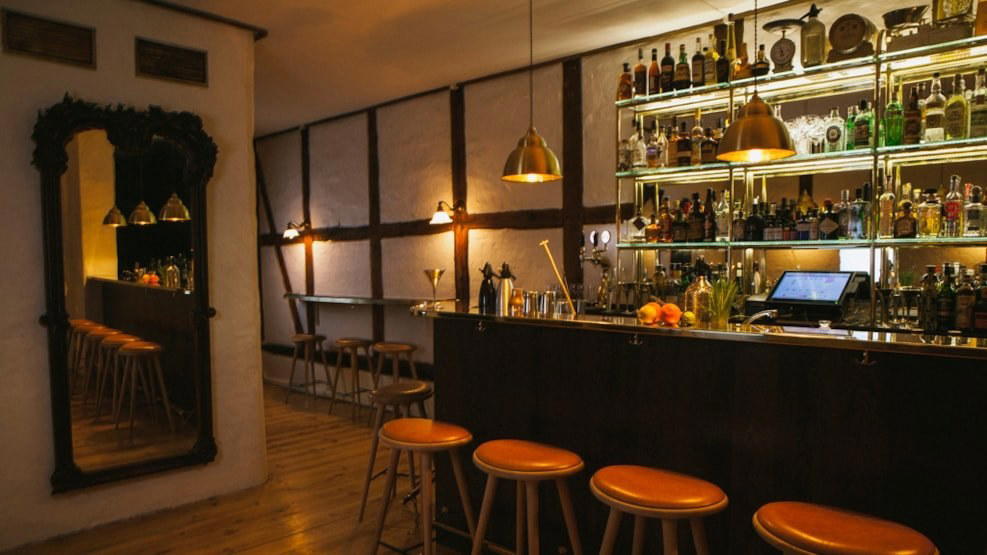
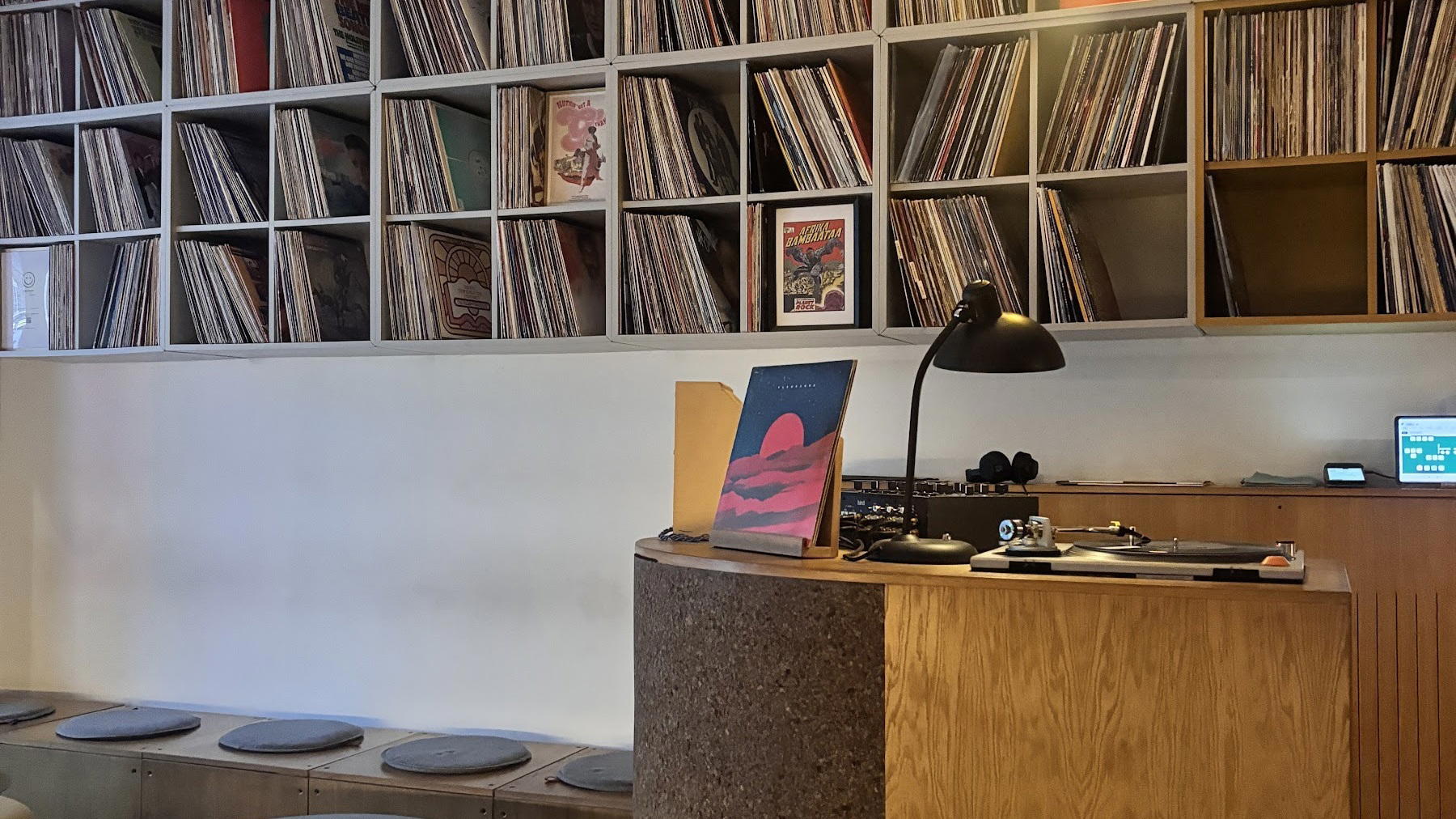
Bars in Copenhagen
Browse all →
Restaurants in Copenhagen
Browse all →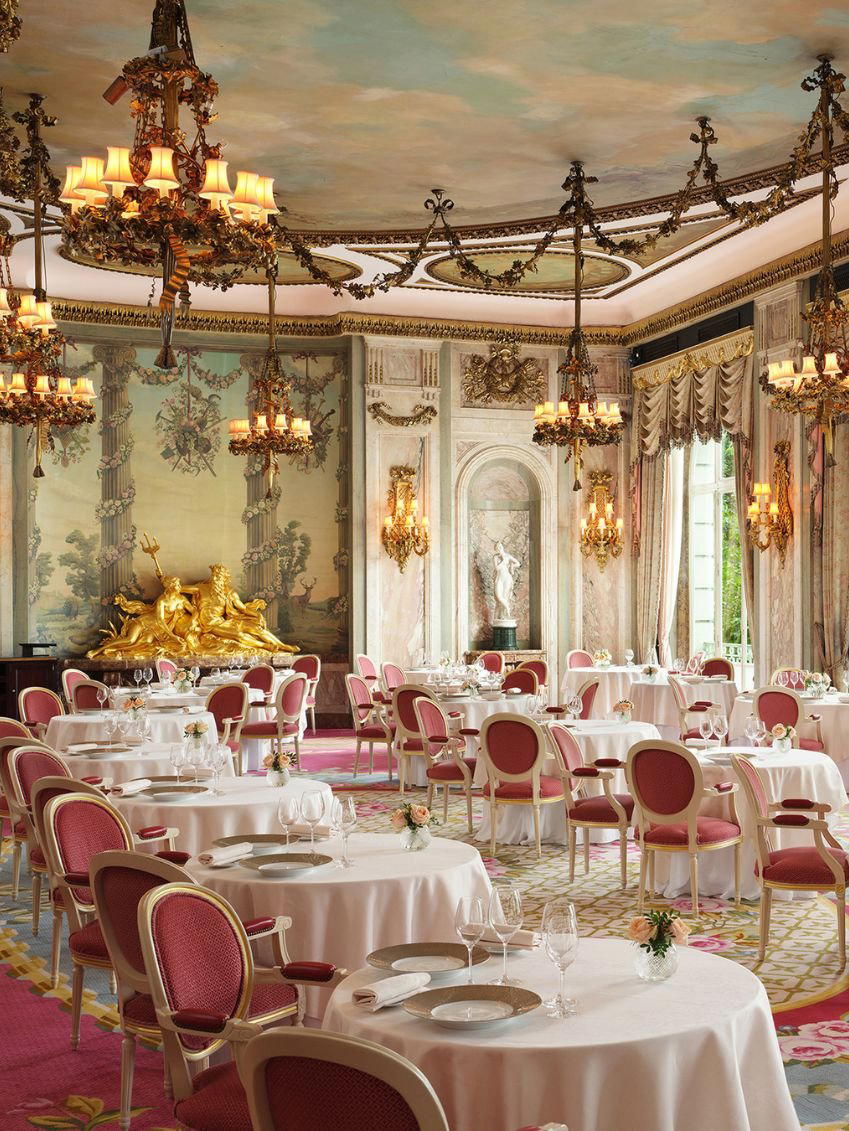
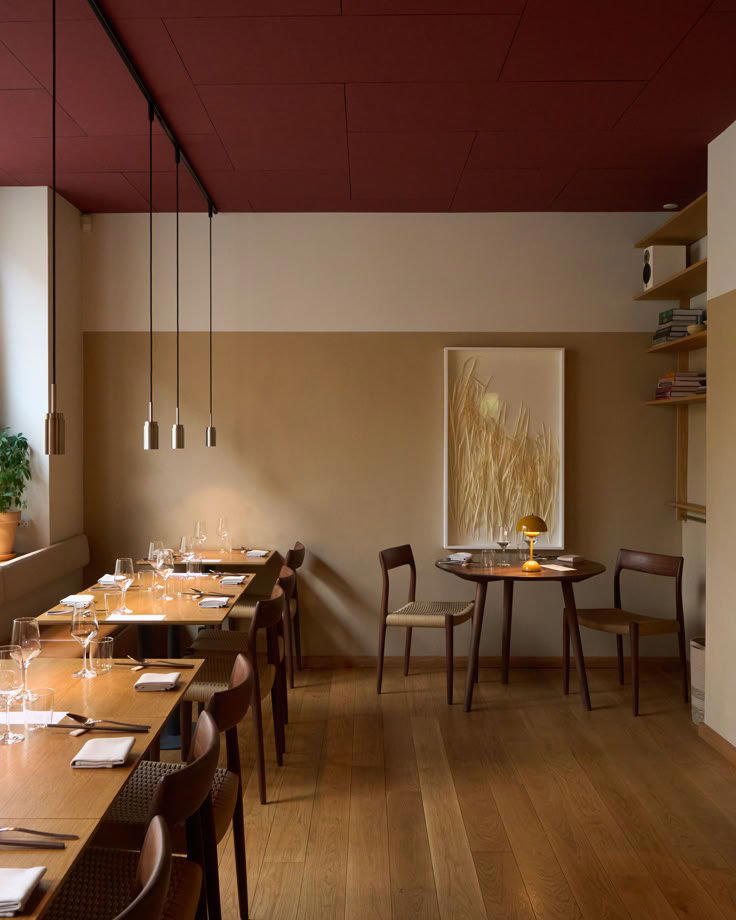
Hotels in Copenhagen
Browse all →

At a Glance
- Cozy
- Trendy
- Lively
- Casual Hangout
- After Work
- Standalone
- Lounge Seating
- Craft Beer
Current opening hours
- Monday
- 10 AM–12 AM
- Tuesday
- 10 AM–12 AM
- Wednesday
- 10 AM–12 AM
- Thursday
- 10 AM–12 AM
- Friday
- 10 AM–2 AM
- Saturday
- 11 AM–2 AM
- Sunday
- 11 AM–12 AM
Hours can change for holidays and private events. Last verified .
Cozy and inviting living room-like atmosphere with warm, casual vibes in the heart of Nørrebro.
Know Before You Go
- Getting there
- Blågårdsgade 2D, 2200 København, Denmark