Kronborggade 3
Kronborggade 3 sits in Copenhagen's Nørrebro district, a neighbourhood that has become one of the city's more interesting addresses for independent dining and drinking. With limited publicly available data, the address itself carries weight in a city where location and local word-of-mouth still determine where serious diners spend their evenings. Worth investigating for those drawn to Copenhagen's less-scripted dining side.
Pearl is the En Primeur Club membership app — saves, bookings, and concierge access live there. Same editors, same standards.
- Address
- Kronborggade 3, 2200 København, Denmark
- Directions
- Get directions
 Saves & bookings on Pearl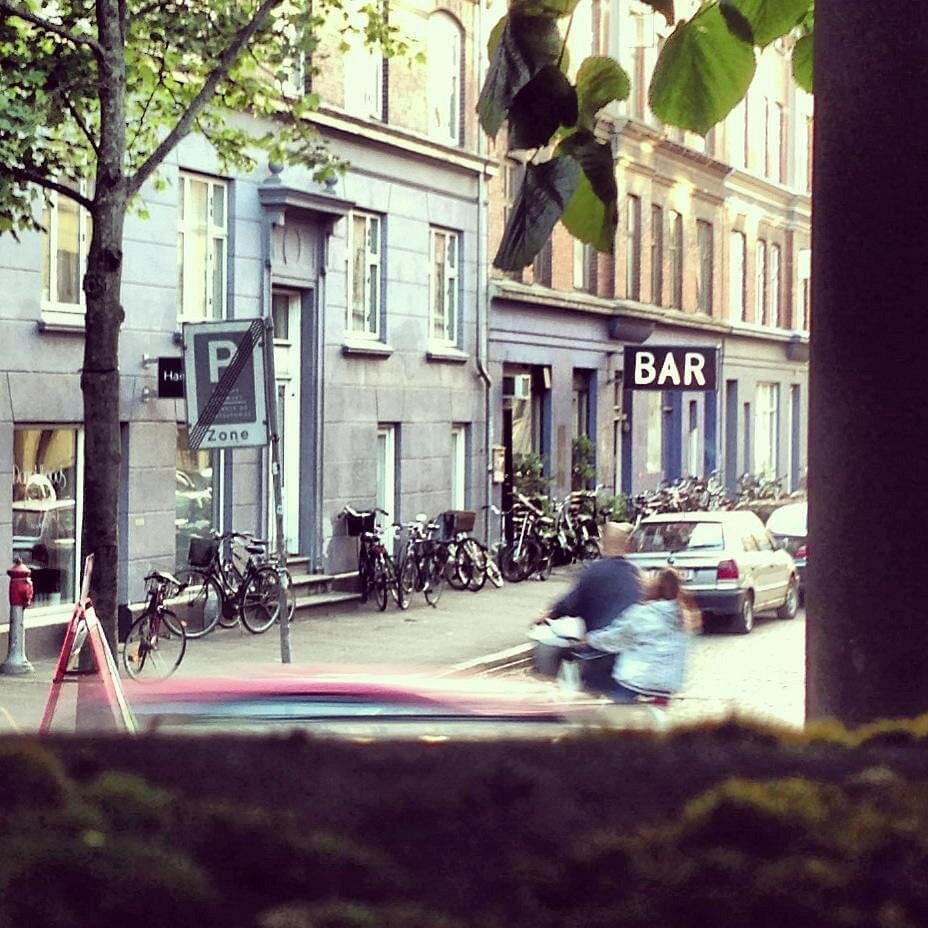
A Street Address That Carries Context
In Copenhagen, the address says something before you arrive. Kronborggade is a residential street in Nørrebro, the district that sits northwest of the city centre and has, over the past decade, shifted from overlooked to actively sought-out by the kind of diner who cross-references neighbourhood character with booking calendars. The city's dining culture has long been sorted into two broad camps: the Michelin-tracked tasting-menu circuit that runs through Vesterbro and the inner city, and a looser, more local register of places that operate without the same institutional scaffolding but often with more personality per square metre. Kronborggade 3 belongs to the second camp by geography, if not necessarily by ambition.
Nørrebro's dining character is worth understanding before you arrive. Unlike Vesterbro, which has gentrified with some speed and now reads as consistently polished, Nørrebro retains a mixed-use texture. Organic wine bars, Eritrean canteens, and natural-fermentation-focused kitchens share blocks with older neighbourhood institutions. It is the kind of district where Copenhagen's culinary ideas get tested before they either move on or bed in. For visitors used to tracking restaurants through award lists and press cycles, it can feel less legible than the inner city. That is part of the draw.
How Copenhagen Structures the Meal
Danish dining ritual, at its most considered, treats pacing as a form of respect. The long table, the deliberate succession of courses, the absence of hustle: these are not affectations in Copenhagen but a settled cultural position. Even at less formal addresses, the expectation is that you are there for the duration of an evening, not a transaction. Restaurants at the more serious end of the Nørrebro scene tend to honour this rhythm, with menus that move in clear acts rather than offering à la carte optionality.
The broader shift in Copenhagen dining over the past five years has been toward what might be called structured informality. The white-tablecloth formality that defined the early years of the city's international reputation has largely given way to rooms that are physically looser, ceramics rather than silver, natural light where possible, but where the food and its sequencing remain as considered as ever.
Drinking in Context
Copenhagen has become a significant city for natural wine, and that fact shapes the drinks offer across most independent restaurants in districts like Nørrebro. The city's bar scene runs in parallel, with addresses like Ruby representing the technically rigorous end of cocktail culture, and Charlie's Bar and Bird filling different registers of the city's drinking map. For those extending a Copenhagen evening beyond dinner, 71 Nyhavn Hotel offers a harbour-adjacent option that sits at a different pitch from the neighbourhood bar circuit.
Denmark's wine culture has also matured well beyond the natural-wine-only positioning of a few years ago. Wine bars across the country now hold more considered lists: Oasis Vinbar in København K represents the more curatorial end of that approach, while addresses like Visselulles Vinbar in Sønderborg show how that interest in considered wine lists has spread well beyond the capital. For those exploring Denmark's bar culture more broadly, Bardok in Aarhus and Hugos No. 19 in Køge are worth noting as regional counterpoints, as is No 43 in Hørsholm for those moving north of Copenhagen. For international comparison points, Bar Leather Apron in Honolulu and Jewel of the South in New Orleans represent the kind of technically grounded cocktail programs that set a useful benchmark for what serious bar culture looks like at the international level.
Planning a Visit
Kronborggade 3 is located at Kronborggade 3, 2200 København, in Nørrebro. The area is well-served by Copenhagen's public transport network, with the 5C bus and the S-train connection at Nørreport providing practical access from the city centre in under fifteen minutes. Nørrebro is a walkable district, and arriving on foot from the Lakes area to the south takes around twenty minutes and passes through some of the neighbourhood's more interesting stretches. For a fuller picture of where this address sits within Copenhagen's dining map, our full Copenhagen restaurants guide provides neighbourhood-level context across the city's main areas.
Contact details and booking information for Kronborggade 3 are not publicly confirmed at the time of writing. Given the address and neighbourhood type, in-person inquiry or local recommendation may be the most direct route to current access information, which is itself a reasonable signal about the kind of place this is.
Style and Standing
A short peer table to compare basics side-by-side.
| Venue | Awards |
|---|---|
| Kronborggade 3This venue — the venue you are viewing | Not listed |
| Bird | World's 50 Best |
| Charlie's Bar | World's 50 Best |
| Ruby | World's 50 Best |
Continue exploring
More in Copenhagen
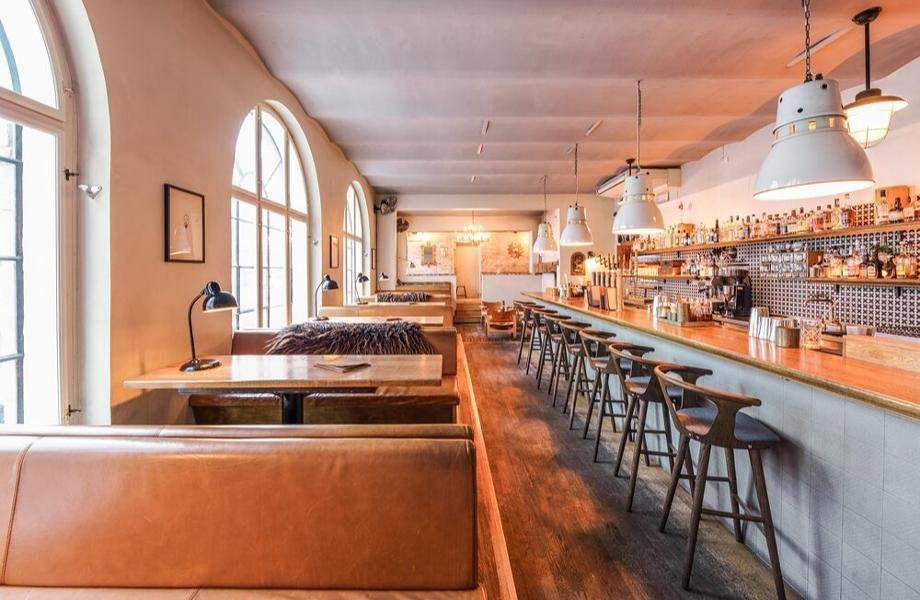
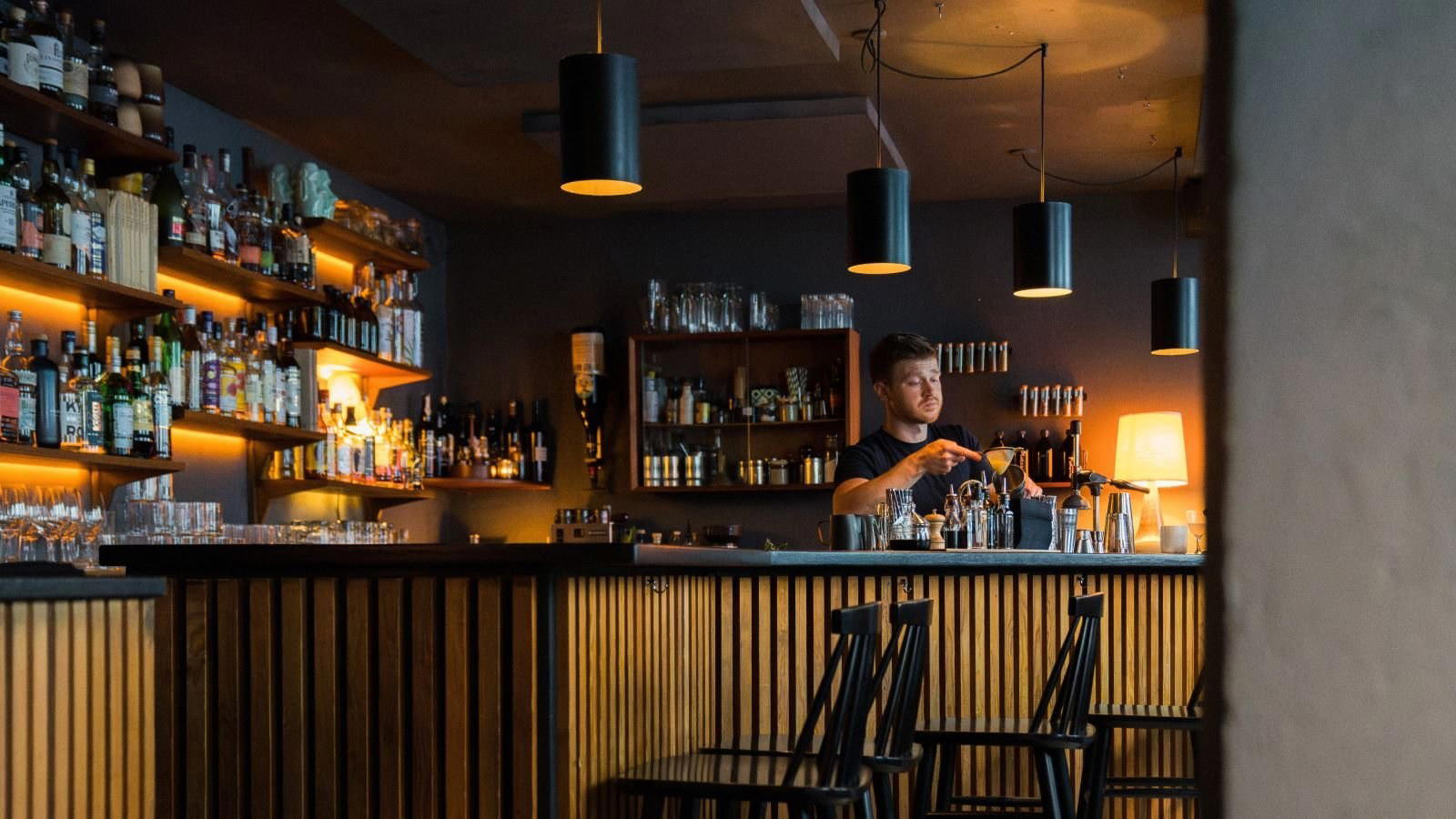
Bars in Copenhagen
Browse all →
Restaurants in Copenhagen
Browse all →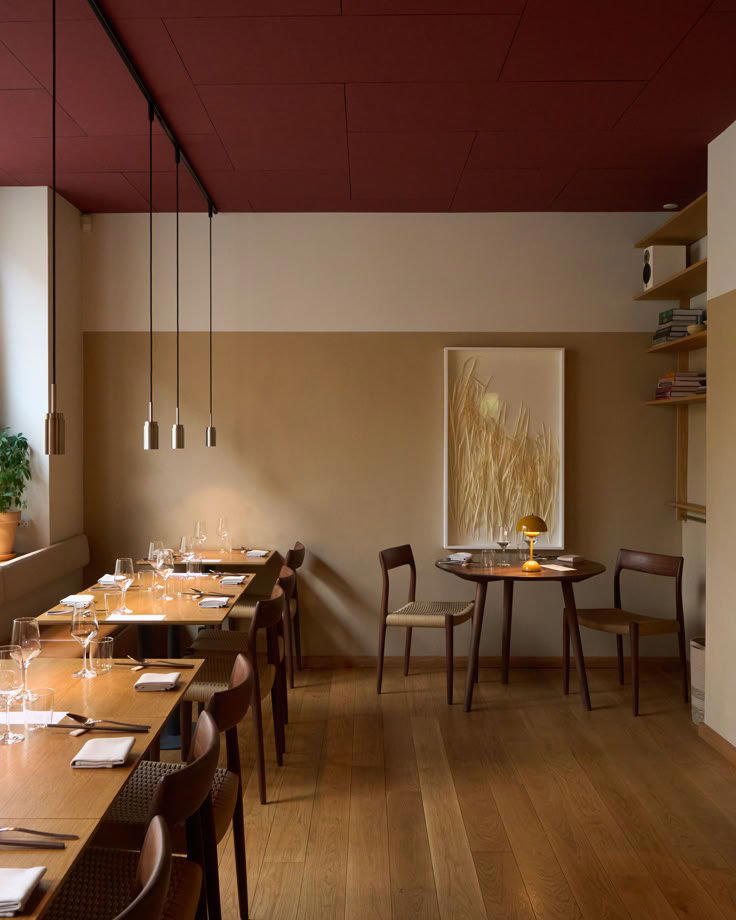
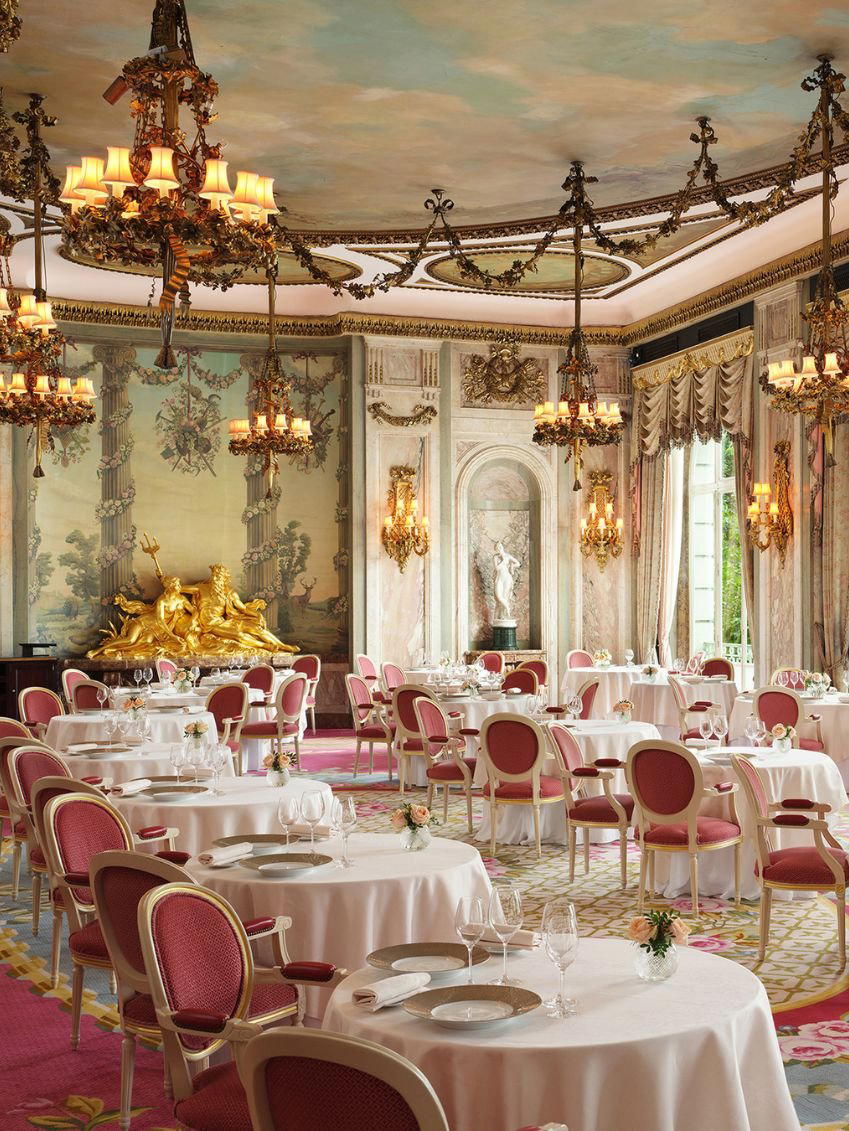
Hotels in Copenhagen
Browse all →

At a Glance
- Cozy
- Rustic
- Bohemian
- Casual Hangout
- After Work
- Group Outing
- Standalone
- Historic Building
- Standing Room
- Seated Bar
- Counter Only
- Craft Beer
- Conventional Wine
Current opening hours
- Monday
- 3 PM–1 AM
- Tuesday
- 3 PM–1 AM
- Wednesday
- 3 PM–1 AM
- Thursday
- 3 PM–1 AM
- Friday
- 3 PM–2 AM
- Saturday
- 3 PM–2 AM
- Sunday
- 3 PM–1 AM
Hours can change for holidays and private events. Last verified .
Know Before You Go
- Getting there
- Kronborggade 3, 2200 København, Denmark