haley.henry
haley.henry on Province Street sits among Boston's more focused wine-and-small-plates operators, positioned closer to European bar culture than the city's cocktail-heavy downtown scene. The format rewards repeat visits: a compact list that rotates with producer relationships, and a kitchen that treats the snack course seriously. For those cross-referencing the city's natural-wine conversation, this is a reference address.
Pearl is the En Primeur Club membership app — saves, bookings, and concierge access live there. Same editors, same standards.
- Address
- 45 Province St, Boston, MA 02108
- Phone
- +1 617 208 6000
- Website
- haleyhenry.com
- Directions
- Get directions
 Saves & bookings on Pearl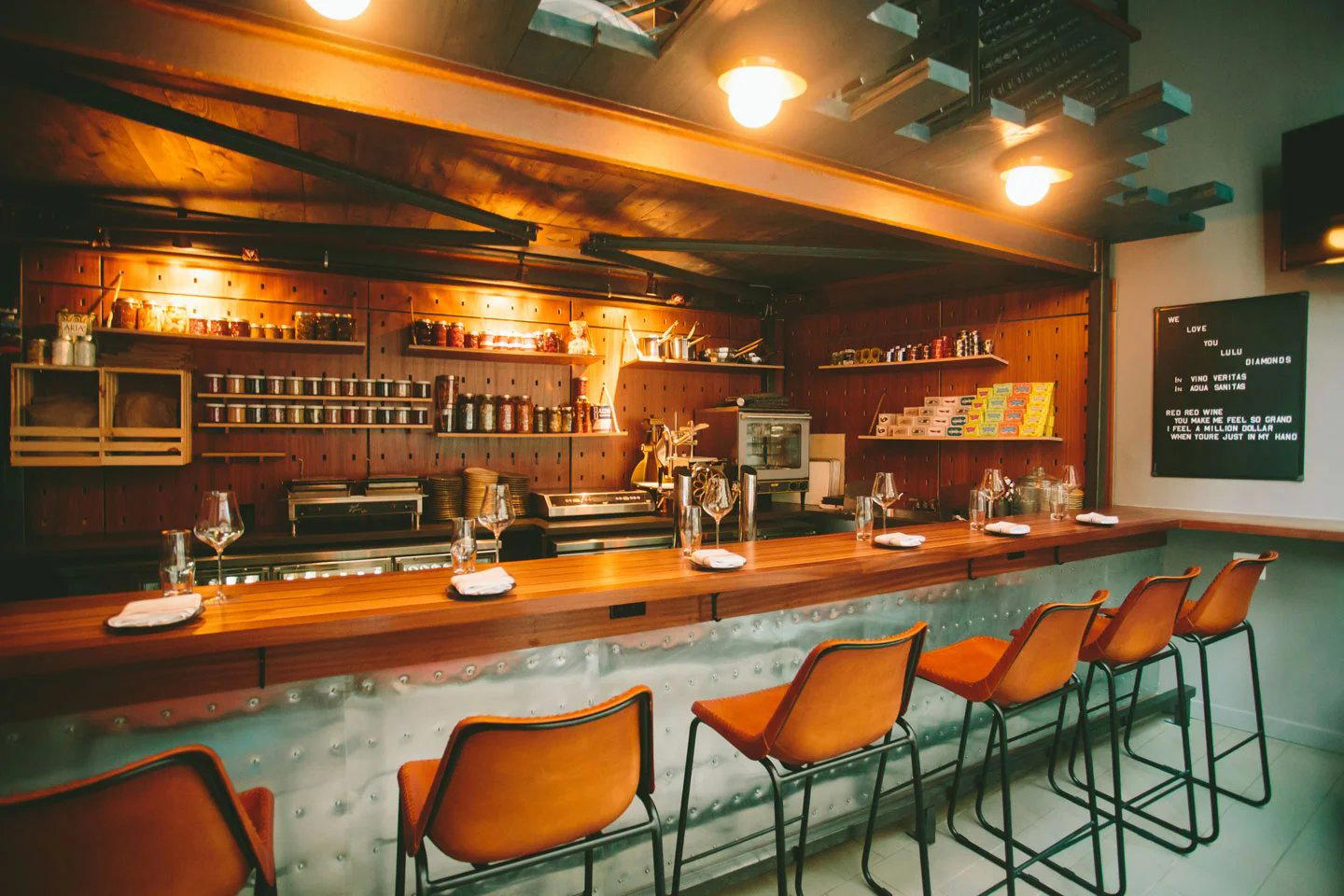
Province Street, After Dark
The block of Province Street that runs between School and Bromfield sits at an odd angle to the rest of downtown Boston, a short corridor that the Freedom Trail crowd tends to pass through rather than stop in. That geographic quirk has made it quietly useful for a certain kind of operator: close enough to the financial district and Beacon Hill to draw an after-work crowd, far enough from the Seaport's volume-driven hospitality to allow for a different kind of room. haley.henry occupies that in-between territory, and it shapes everything about what the bar does and who it draws.
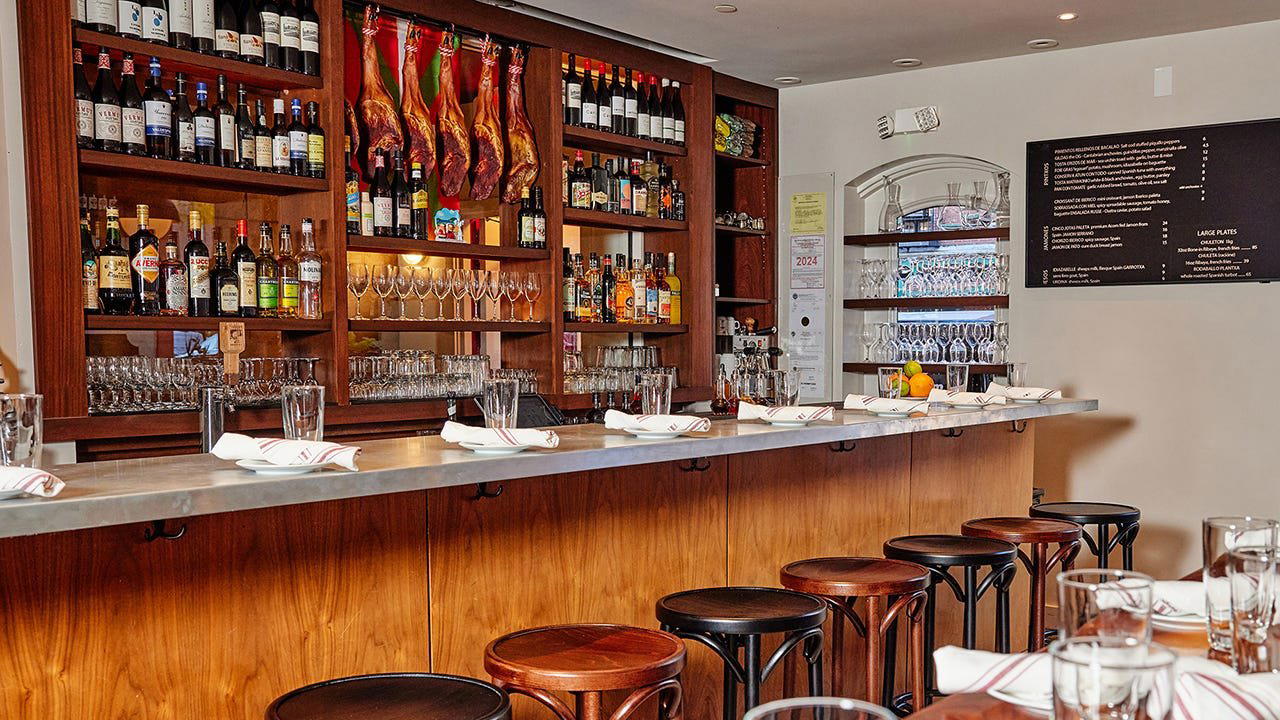
Walking in, the room reads small and intentional. Boston's wine bar tier has grown considerably over the past decade, splitting between operators who use the format as a vehicle for Instagram-friendly natural wine and those who treat the list as a working document, adjusted by producer relationships and what's actually interesting to pour right now. haley.henry belongs to the second category, and that distinction matters more than it might sound. A list that rotates with genuine editorial intent requires staff who can talk about it, which means the bar's floor presence is as much a part of the product as the wine itself.
The Craft Behind the Counter
Boston's cocktail bar scene has matured considerably since the mid-2010s, when a wave of technically proficient programs, including those that produced alumni now running their own rooms, established the city as a legitimate reference point on the national bar circuit. The bartender's role in that shift was less about showmanship and more about hospitality architecture: how a list is structured, how recommendations are made, how the room's pace is managed across a two-hour window. Equal Measure, a few minutes away, represents one approach to that discipline, with a cocktail program that leans into precision and documentation. haley.henry operates from a different position, one where the wine list and the person pouring it are inseparable from the experience.
That orientation toward the human side of service is characteristic of a broader shift in American bar culture. At Kumiko in Chicago, the bar program is built around a hospitality philosophy as much as a technical one. Jewel of the South in New Orleans grounds its identity in the tradition of the tavern keeper as host. Bar Leather Apron in Honolulu has built a room where the craft of the pour is subordinate to the quality of the conversation it enables. These are bars where the person behind the counter is the program, not just the executor of it. The bar sits in that peer group.
Wine, Small Plates, and the European Bar Model
The format the bar occupies, wine-forward with a kitchen that takes snacks seriously, has European antecedents that American operators have been adapting for at least fifteen years. What separates the better versions of this model from the average ones is the degree to which the food is treated as a genuine counterpart to the drink rather than an afterthought. A slice of aged cheese and a glass of something orange from the Jura is a complete transaction; a plate of mediocre charcuterie next to a natural wine list is not. The distinction is one of editorial commitment, and it shows up in every detail of how a room like this is run.
Boston's wine bar operators have generally handled this better than their counterparts in some other American cities, because the city's dining culture places a premium on substance over spectacle. Baleia and Asta both represent versions of this approach applied to different price points and room sizes. The bar's Province Street location, with its compressed footprint, keeps the format honest: there is limited room for padding the experience with ambient theatre, so the list and the hospitality have to carry the weight.
Where It Sits in the Boston Bar Conversation
Compared to the city's activity-bar formats, which have grown in number as operators chase a broader demographic, or the volume cocktail rooms that line the Seaport, the bar is operating in a smaller and more specific register. That register has national peers: ABV in San Francisco built a similar identity around wine, amaro, and a kitchen that punches above its square footage. Julep in Houston demonstrates what happens when a focused editorial point of view is applied consistently over time. Superbueno in New York City and The Parlour in Frankfurt on the Main show how the bar-as-editorial-statement model travels across cities and countries. These are not large operations. They succeed because the people running them have a clear sense of what they are and what they are not.
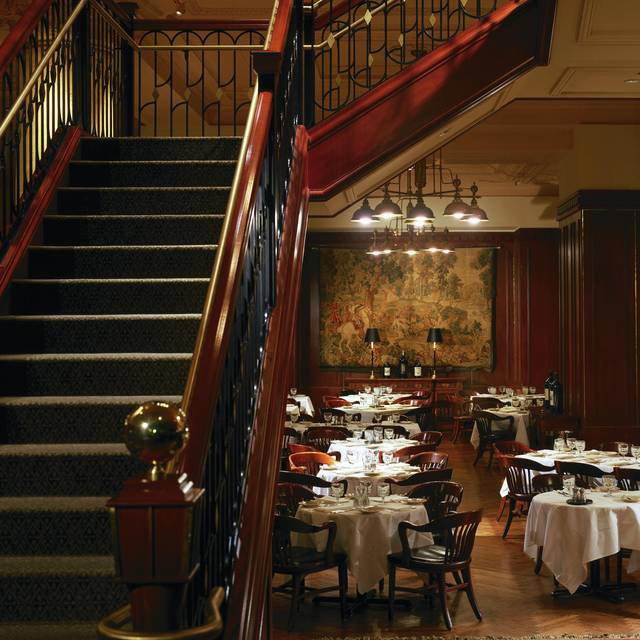
Abe and Louie's represents the other end of Boston's drinking spectrum, a room built around scale, tradition, and a different kind of occasion. The bar is not that room, and it does not try to be. The value of knowing the difference before you walk in is that you arrive with calibrated expectations, which is the only way to actually enjoy either.
Planning Your Visit
Province Street is walkable from the Park Street and Downtown Crossing MBTA stops, which makes the bar accessible without a car from most central Boston neighborhoods. The room's size means it fills quickly on weekday evenings, particularly in the post-work window between six and eight; arriving early or later in the evening tends to allow more time with whoever is behind the bar.
A Lean Comparison
Comparable venues nearby, for context on price, style, and recognition.
| Venue | Cuisine | Price | Notes |
|---|---|---|---|
| haley.henryThis venue — the venue you are viewing | Not listed | $$ | Not listed |
| Buttermilk & Bourbon - Back Bay | Not listed | $$ | Back Bay, cocktail_bar |
| Lincoln Tavern & Restaurant | South Boston, pub | $$ | Not listed |
| Life Alive Organic Cafe Back Bay | Back Bay, Bar | $$ | Not listed |
| REDWHITE BONELESS RAMEN | Back Bay, Bar | $ | Not listed |
Continue exploring
More in Boston
Bars in Boston
Browse all →
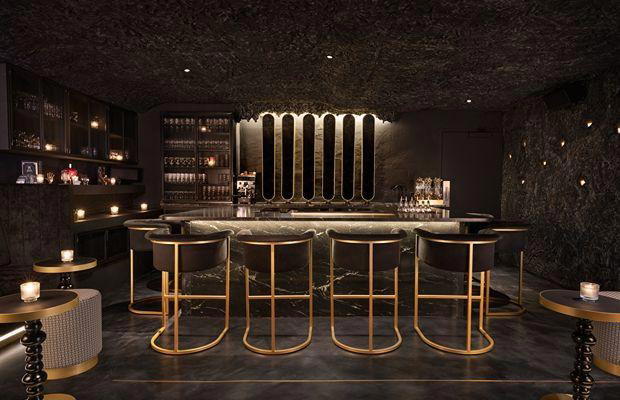
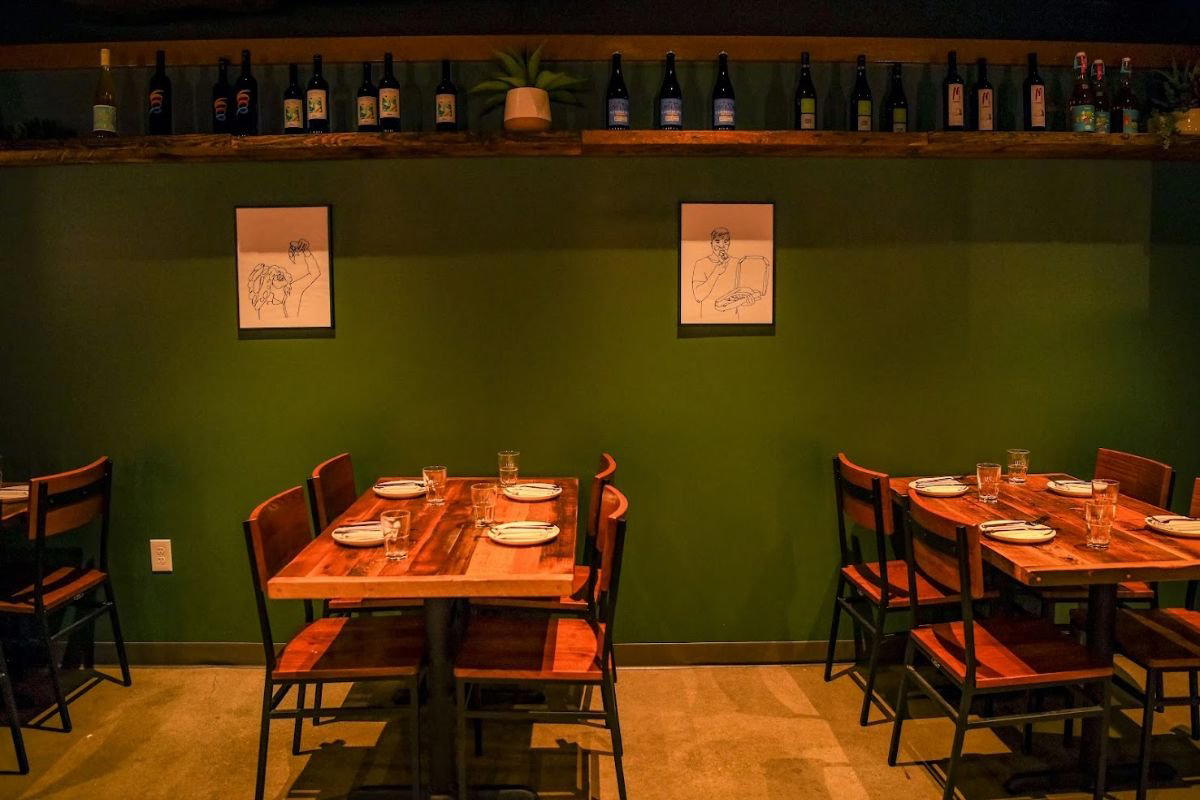
Restaurants in Boston
Browse all →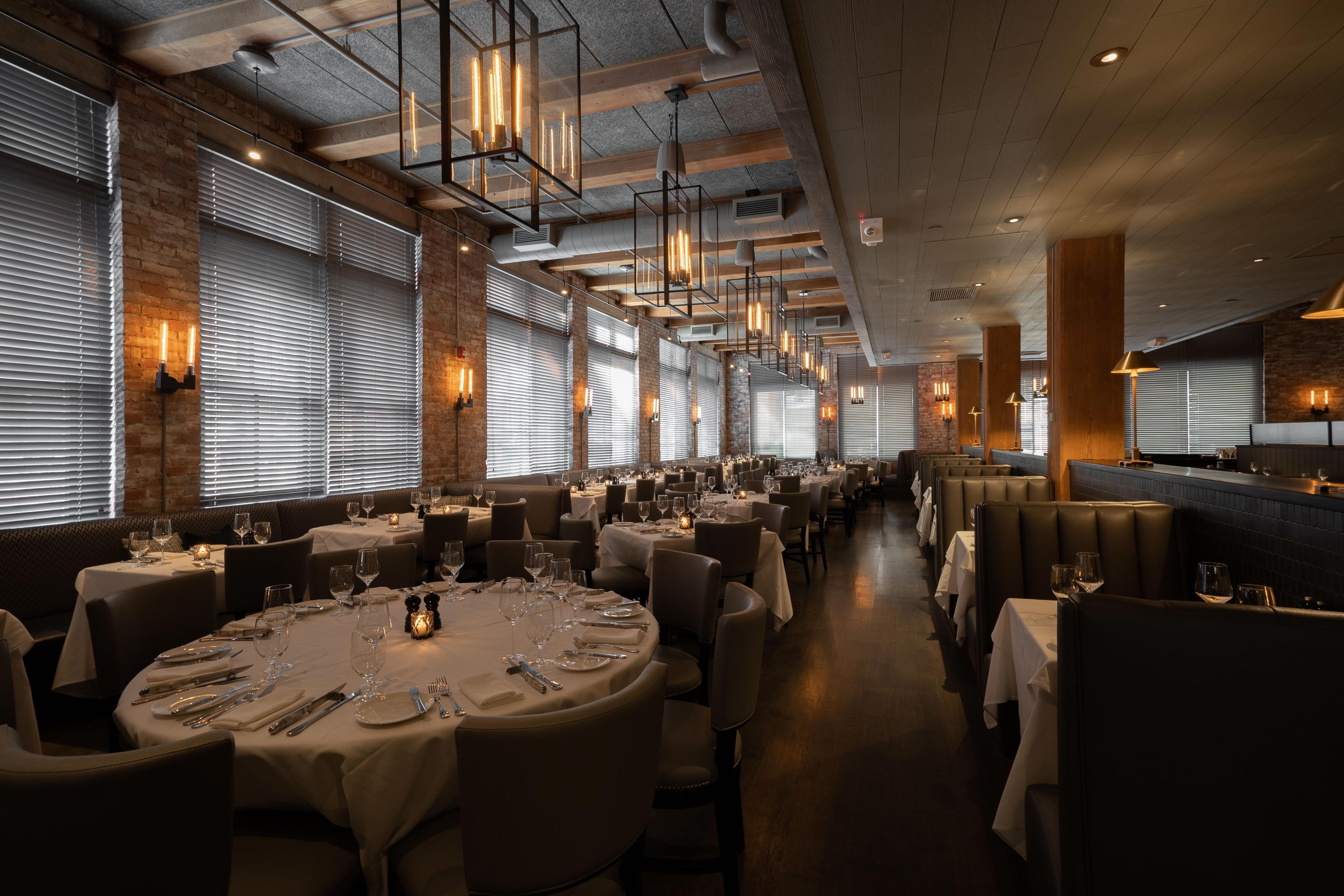
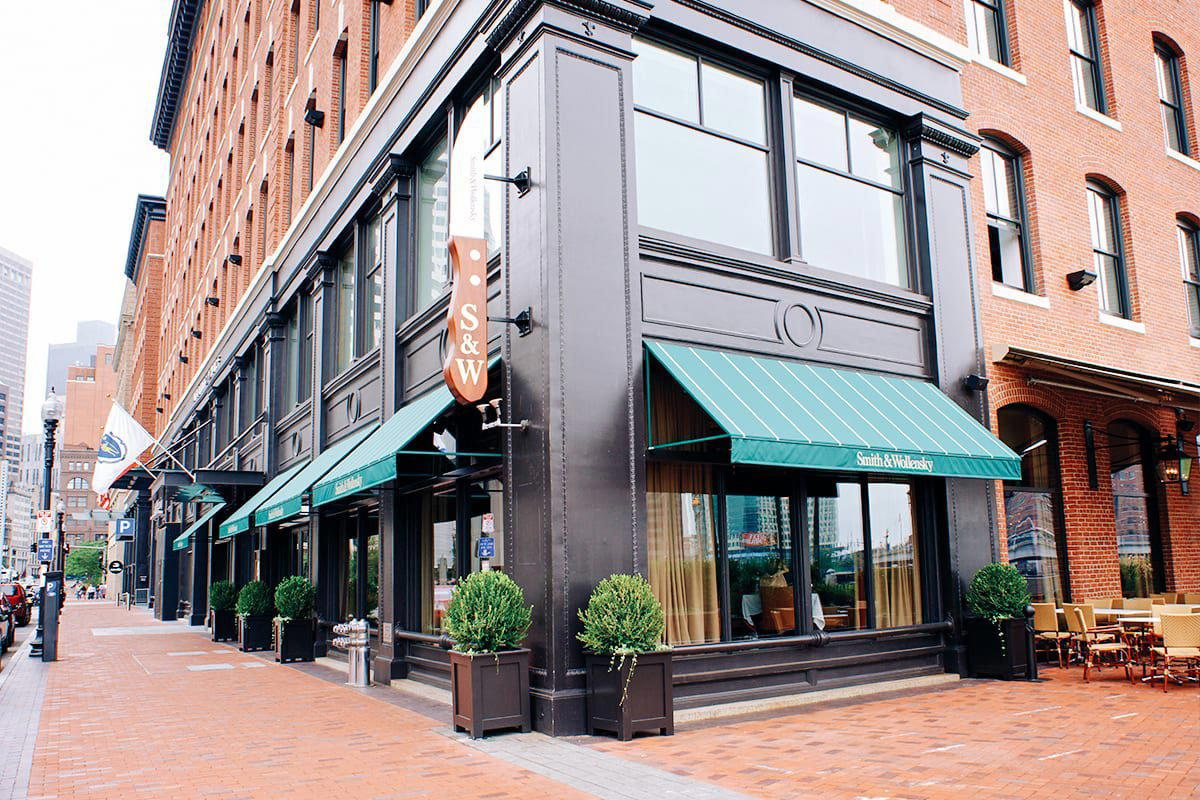
Hotels in Boston
Browse all →
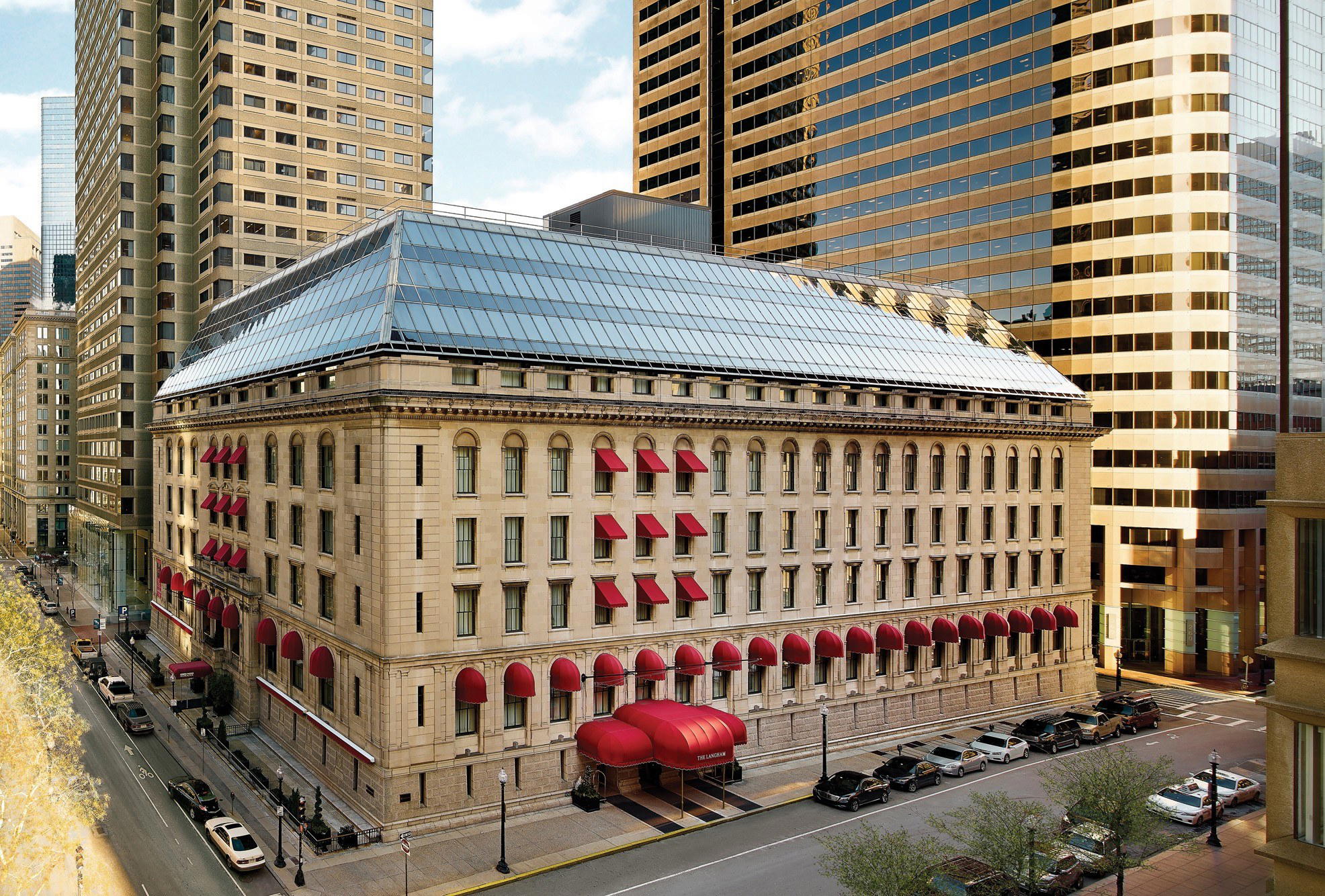
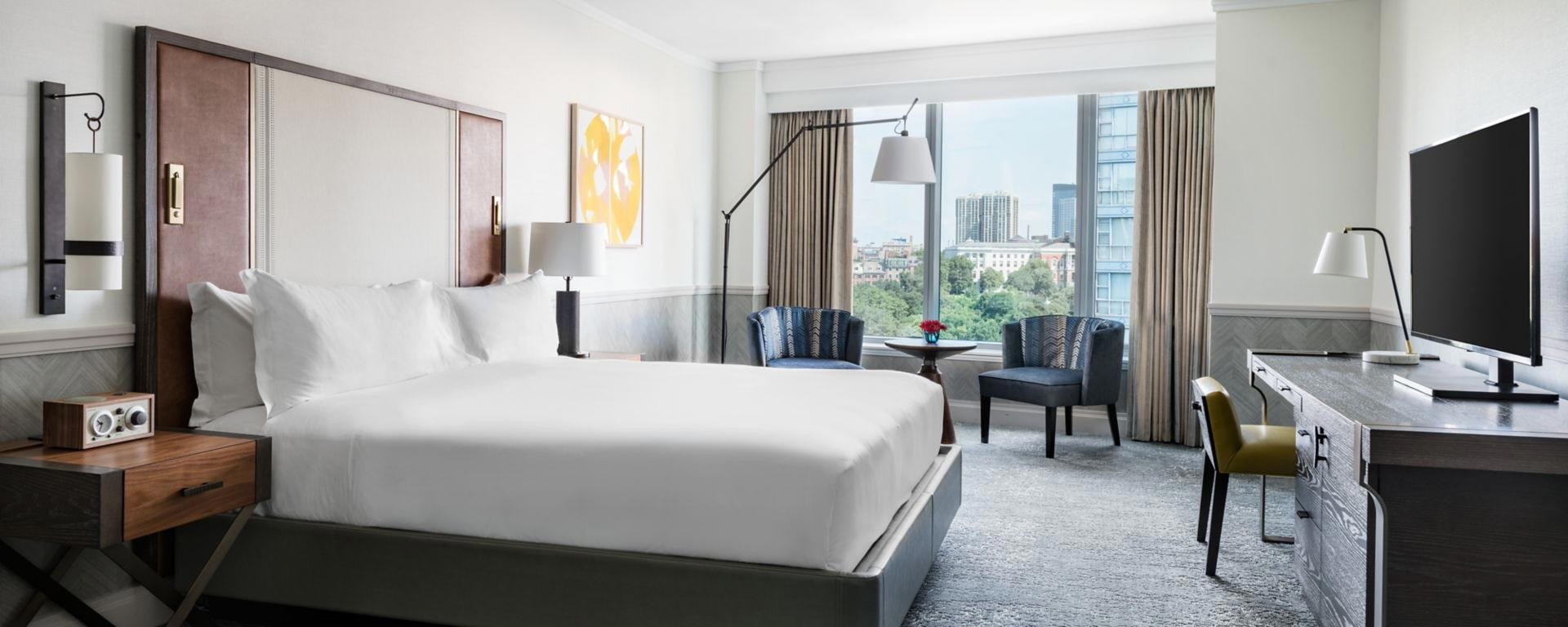
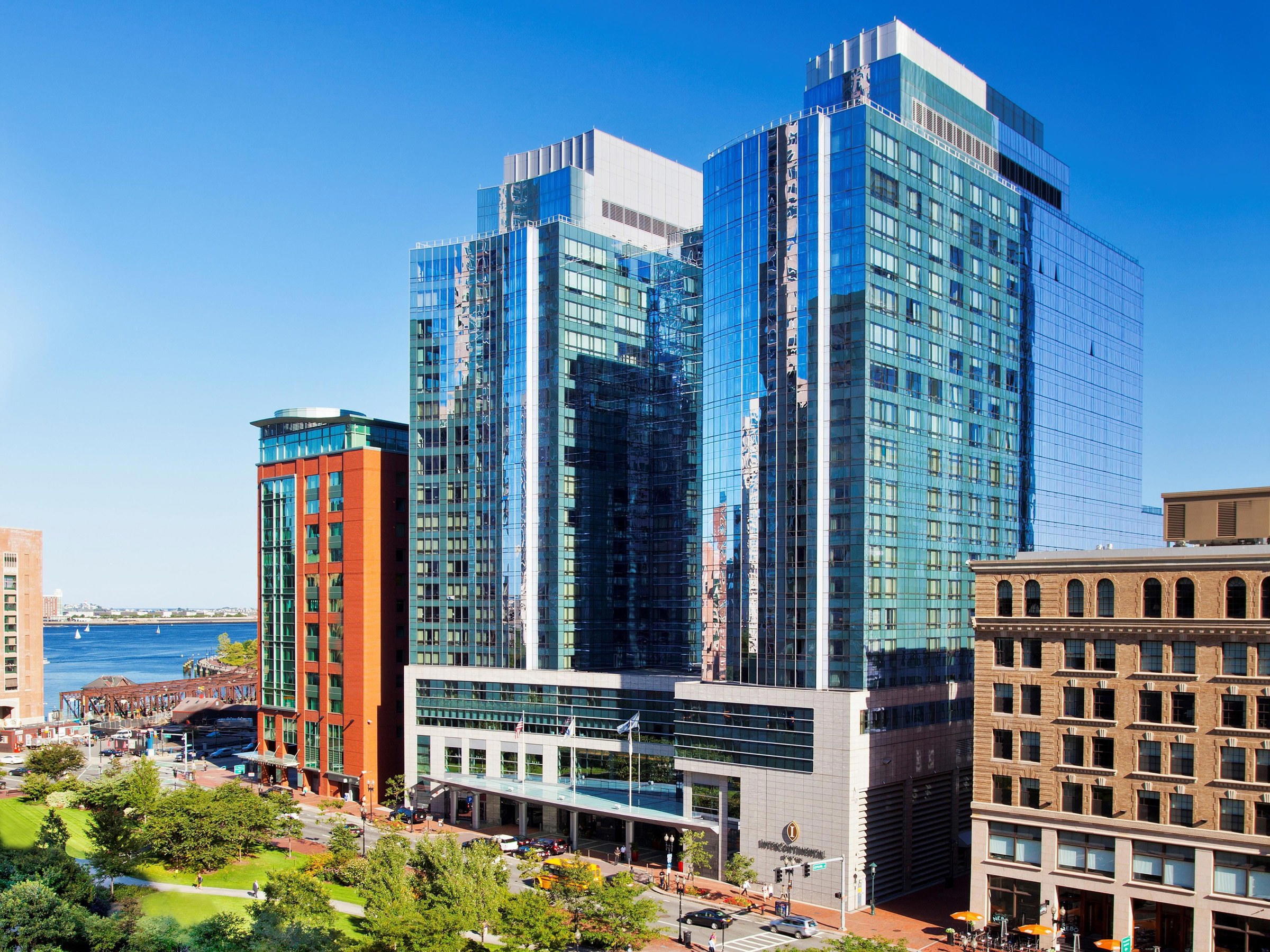
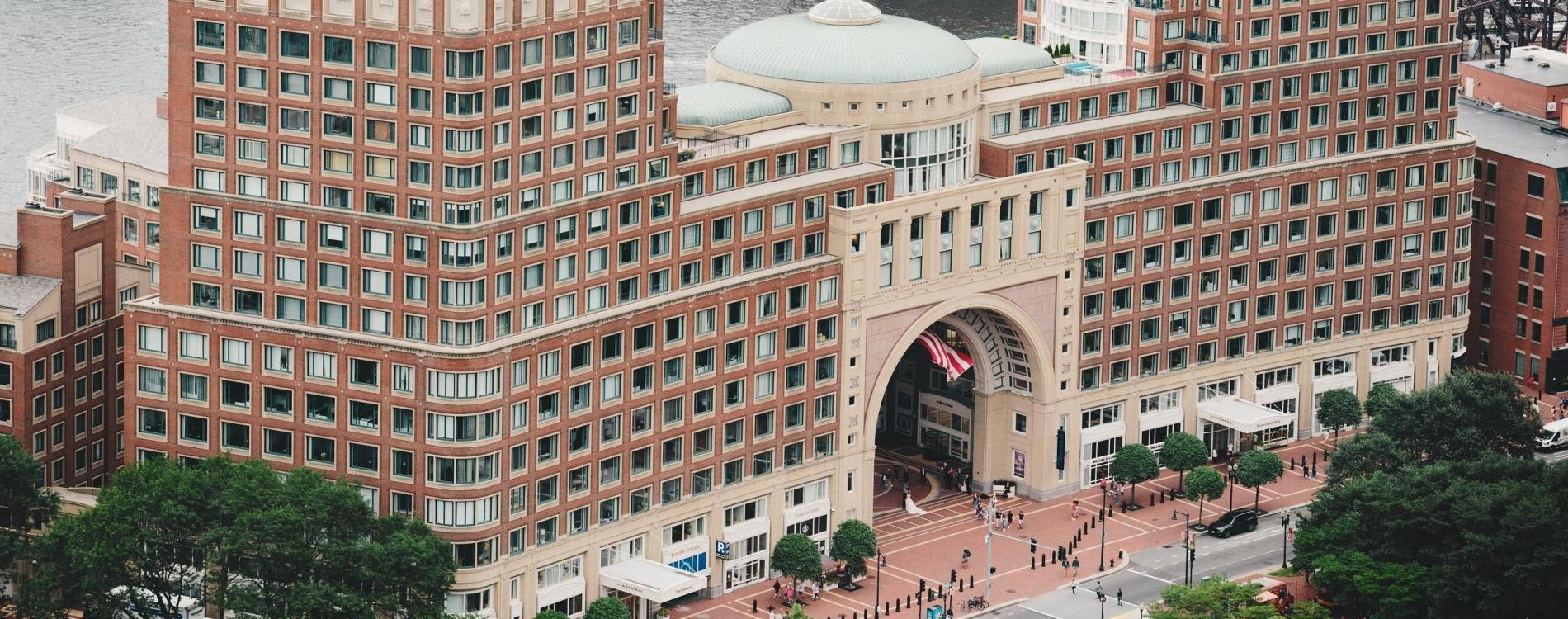
Wineries in Boston
Browse all →
At a Glance
- Intimate
- Lively
- Whimsical
- Cozy
- Date Night
- After Work
- Casual Hangout
- Group Outing
- Standalone
- Design Destination
- Seated Bar
- Counter Only
- Lounge Seating
- Natural Wine
- Conventional Wine
- Low Abv
Current opening hours
- Monday
- Closed
- Tuesday
- 3–11 PM
- Wednesday
- 3–11 PM
- Thursday
- 3–11 PM
- Friday
- 3 PM–12 AM
- Saturday
- 12 PM–12 AM
- Sunday
- Closed
Hours can change for holidays and private events. Last verified .
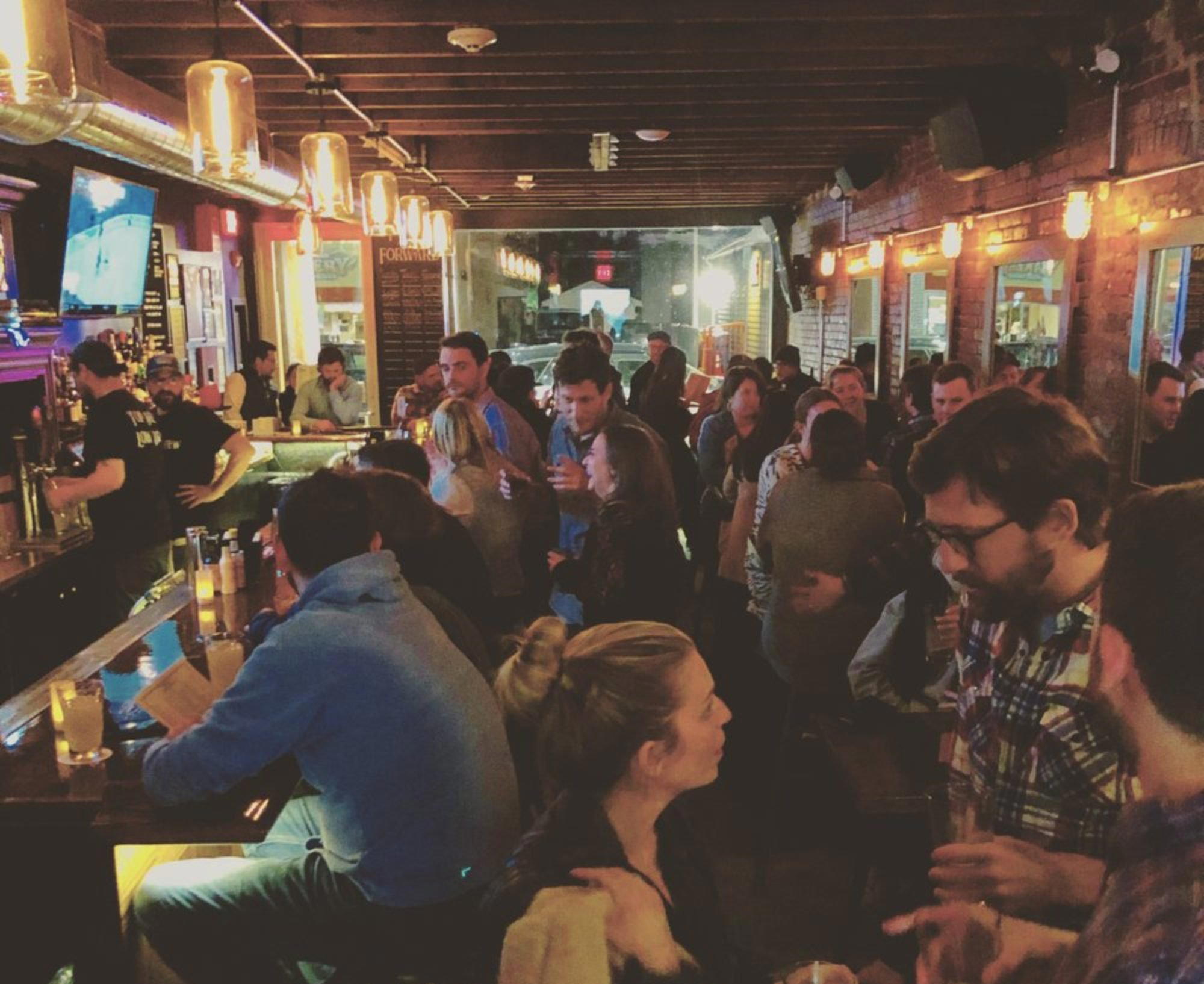
Dark and woody interior with retro and contemporary music ranging from EDM to Frank Sinatra; intimate yet lively atmosphere with open display of tinned fish and wine bottles creating an approachable, unpretentious vibe.