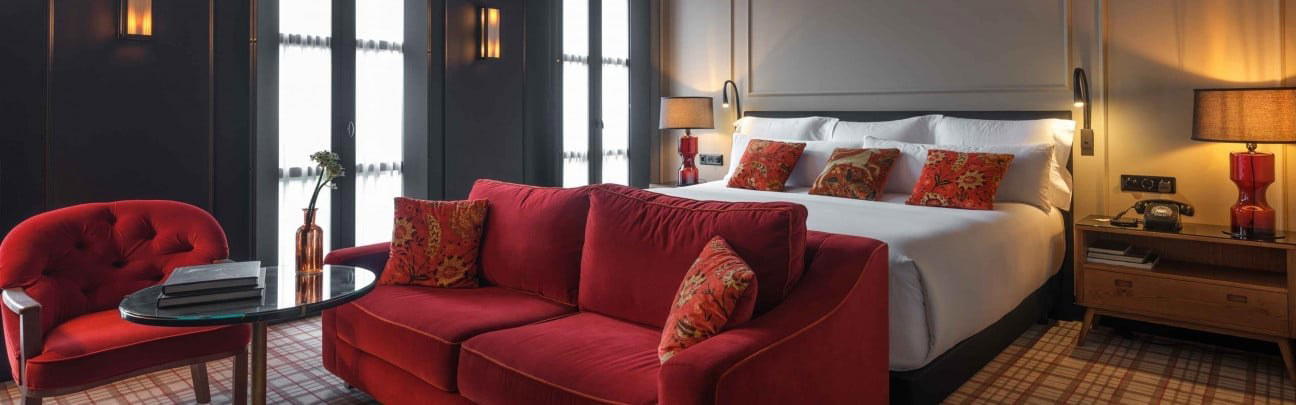
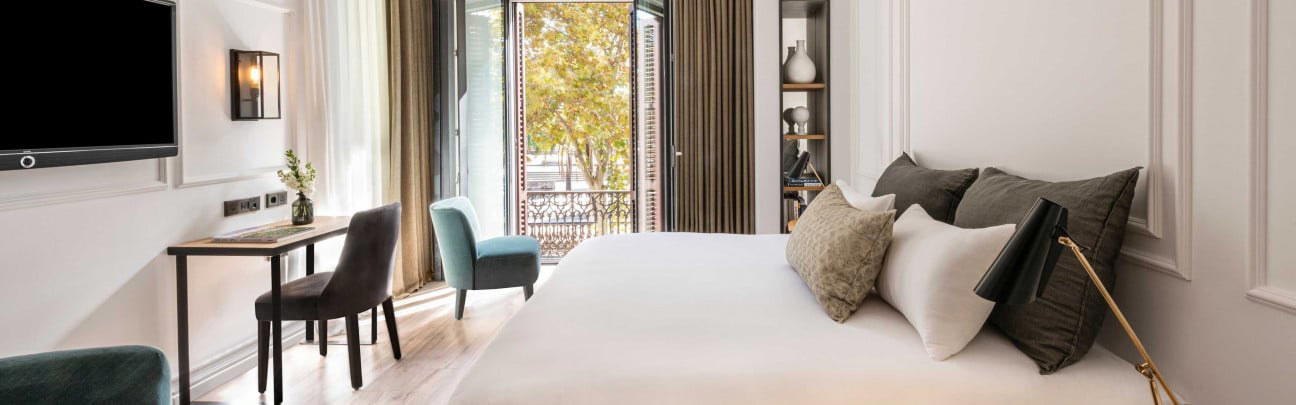
Grand Hotel Central occupies a converted early-twentieth-century building on Via Laietana, placing it at the intersection of the Gothic Quarter and El Born. Where many Barcelona hotels default to either budget practicality or chain-brand polish, this address operates in a smaller tier defined by architectural character, a rooftop pool that functions as a genuine social hub, and proximity to the city's most concentrated bar scene.
Pearl is the En Primeur Club membership app — saves, bookings, and concierge access live there. Same editors, same standards.
- Address
- Via Laietana, 30, Ciutat Vella, 08003 Barcelona, Spain
- Phone
- +34 932 95 79 00
- Website
- grandhotelcentral.com
- Directions
- Get directions
 Saves & bookings on Pearl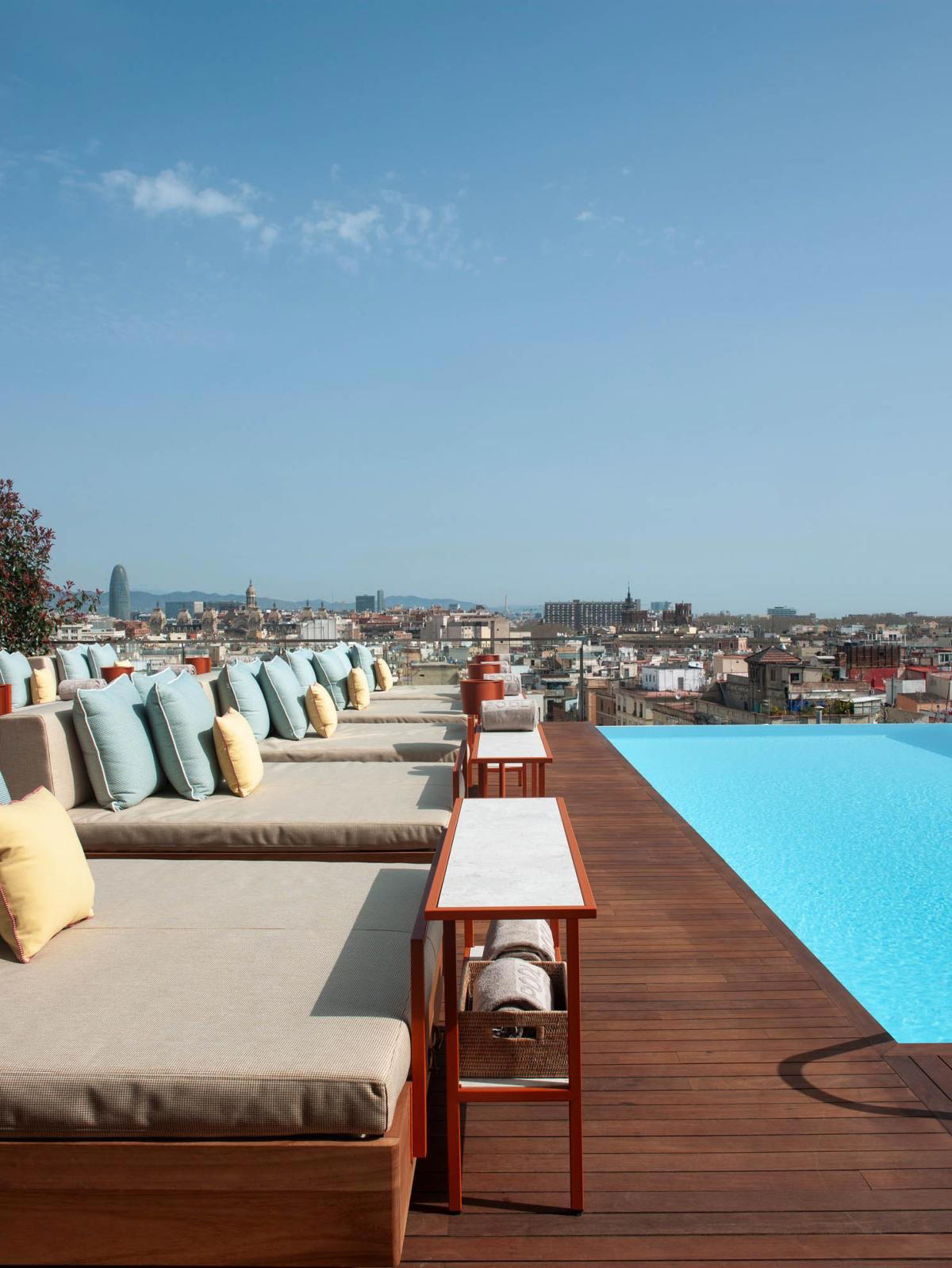
A Address at the Seam of Two Neighbourhoods
Via Laietana runs like a fault line through central Barcelona, splitting the Gothic Quarter from El Born and carrying with it a particular urban energy: law firms and government offices at street level give way, at almost every side street, to some of the city's most serious cocktail bars and oldest market buildings. Grand Hotel Central sits on this axis at number 30, in a building whose early-twentieth-century bones are visible in the lobby's proportions even as the interior has been updated in successive phases to match the expectations of a more style-conscious traveller. The approach from the street is unambiguous: a formal facade, a doorman, and a sense of contained calm that reads as deliberate contrast to the noise of the boulevard outside.
That position matters more than it might appear. Hotels in Ciutat Vella increasingly split between high-turnover tourist accommodation clustered near Las Ramblas and a smaller group of character-led properties that lean on architectural heritage and neighbourhood access rather than square footage or amenity volume. Grand Hotel Central belongs to the latter group, and the surrounding streets make the case: Boadas, the century-old cocktail bar near the best of Las Ramblas, is walkable, as is the more contemporary technical programme at Dr. Stravinsky in El Born, and the long-established Dry Martini in the Eixample is a short taxi ride. Staying here is, in practical terms, a decision to prioritise access to the city's older and newer drinking culture simultaneously.
The Rooftop as Social Architecture
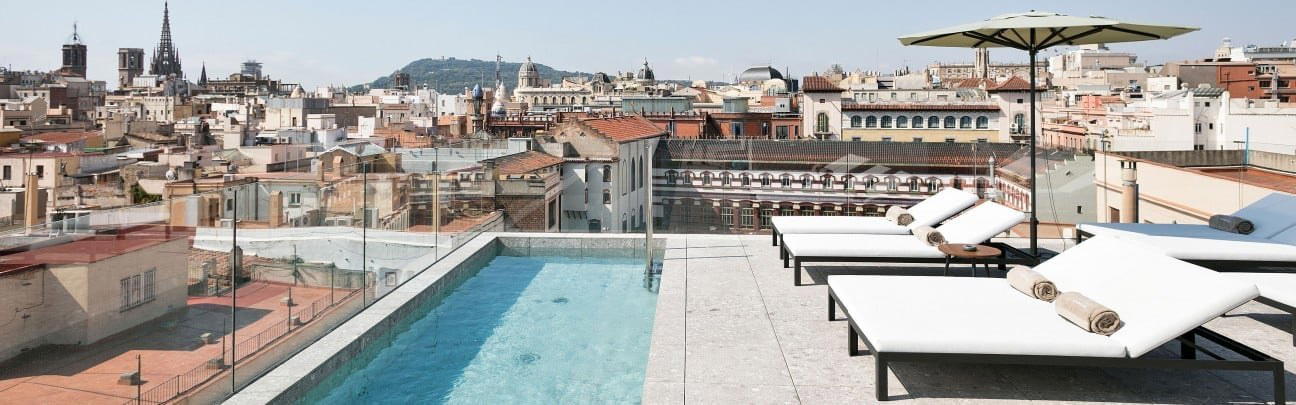
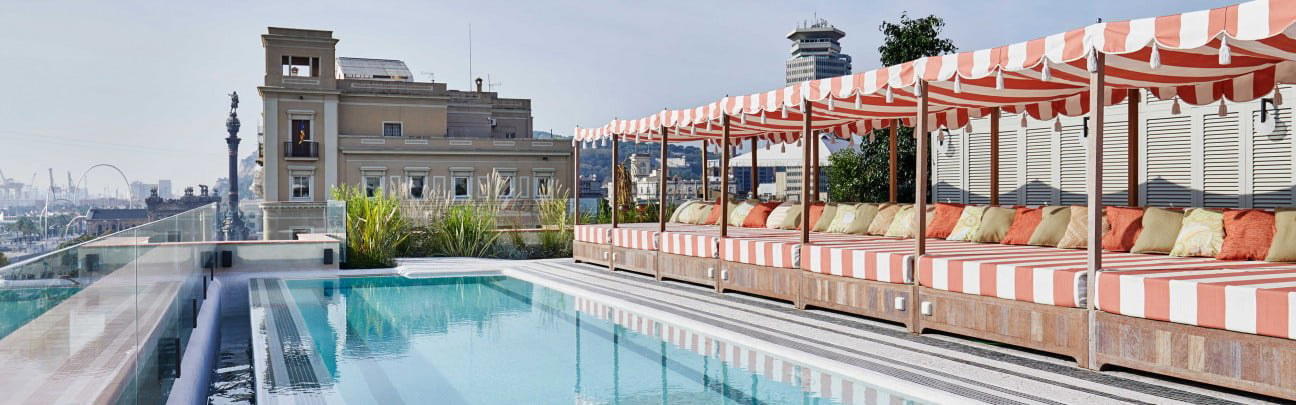
Barcelona has developed a clear rooftop hotel culture, and the better properties treat their upper floors not as amenity checkboxes but as genuine gathering points. The rooftop pool and bar at Grand Hotel Central has functioned as one of the city's more consistent refined social spaces, attracting a mix of hotel guests and Barcelona residents across the warmer months, roughly April through October, when the city's outdoor hospitality operates at full intensity. This dual-audience model, guests plus locals, is a reasonable indicator of whether a hotel bar has genuine city credibility or simply serves a captive market.
The rooftop format also positions the property within a broader shift in how Barcelona's luxury mid-tier hotels have evolved over the past decade. Where the early 2000s saw investment concentrated on lobby spectacle, the more recent pattern has been to concentrate spend on the roof: pools, sunset programming, and bar menus that can stand alongside the city's free-standing cocktail operations. This is partly a response to the influence of Barcelona's independent bar scene, which has moved from tourist-facing sangria and cava to serious spirit-forward programmes. Bars like Foco represent that shift in the free-standing market, and hotel bars in the same tier have followed the direction of travel.
How the Property Has Changed
The evolution of Grand Hotel Central mirrors a pattern visible across Barcelona's character-led hotel stock: periodic reinvention rather than static positioning. The original conversion of the building into a hotel preserved key architectural features while introducing contemporary hospitality infrastructure, and subsequent updates have refined the food and beverage programme, the pool terrace, and the public areas in response to how the surrounding neighbourhood has changed. El Born, in particular, has shifted significantly since the early 2000s, moving from a working-class market district to one of the city's most concentrated zones for design-led hospitality, and properties on or near Via Laietana have had to evolve their offer to remain relevant to a guest profile that now includes design-literate travellers comparing this address against boutique competitors across the Eixample and Poblenou.
That competitive context matters for anyone choosing where to stay. The case for a Via Laietana address over, say, an Eixample boutique is essentially a case for density of access: the Gothic Quarter, El Born, the Barceloneta waterfront, and the Picasso Museum are all within a short walk, while the Eixample grid and its associated restaurant and cocktail scene require a short commute. Spain's broader cocktail culture, strong in cities like Madrid (where Angelita represents the capital's more cerebral bar direction) and extending to Mallorca addresses like Garito Cafe, finds one of its most walkable concentrations in this part of Barcelona.
Planning Your Stay
Grand Hotel Central is located at Via Laietana, 30, in the Ciutat Vella district, placing it roughly equidistant between the Jaume I metro station (L4, yellow line) and the Urquinaona station (L1 and L4), both under five minutes on foot. For travellers arriving from El Prat Airport, the Aerobus drops at Plaça de Catalunya, from which the hotel is a fifteen-minute walk or a short taxi. The rooftop pool is the property's most time-sensitive feature: rooftop access tends to be busiest from early evening onward during summer, and arriving mid-afternoon typically means easier access to the terrace. For the surrounding bar scene, El Born's cocktail bars are generally operational from early evening, with the strongest programming running Thursday through Saturday. Visitors building a broader itinerary across Spain will find useful reference points in Bar Sal Gorda in Seville, Bar Gallardo in Granada, and further afield in the Balearics at La Margarete in Ciutadella and Garden Bar in Calvia. For a wider view of where Grand Hotel Central sits within Barcelona's hospitality scene, the EP Club Barcelona guide maps both the hotel tier and the surrounding restaurant and bar programme with more granularity. Those interested in how rooftop bar culture translates to entirely different settings might also look at Bar Leather Apron in Honolulu, where a similarly deliberate drinks programme operates in a Pacific hotel context.
Continue exploring
More in Barcelona
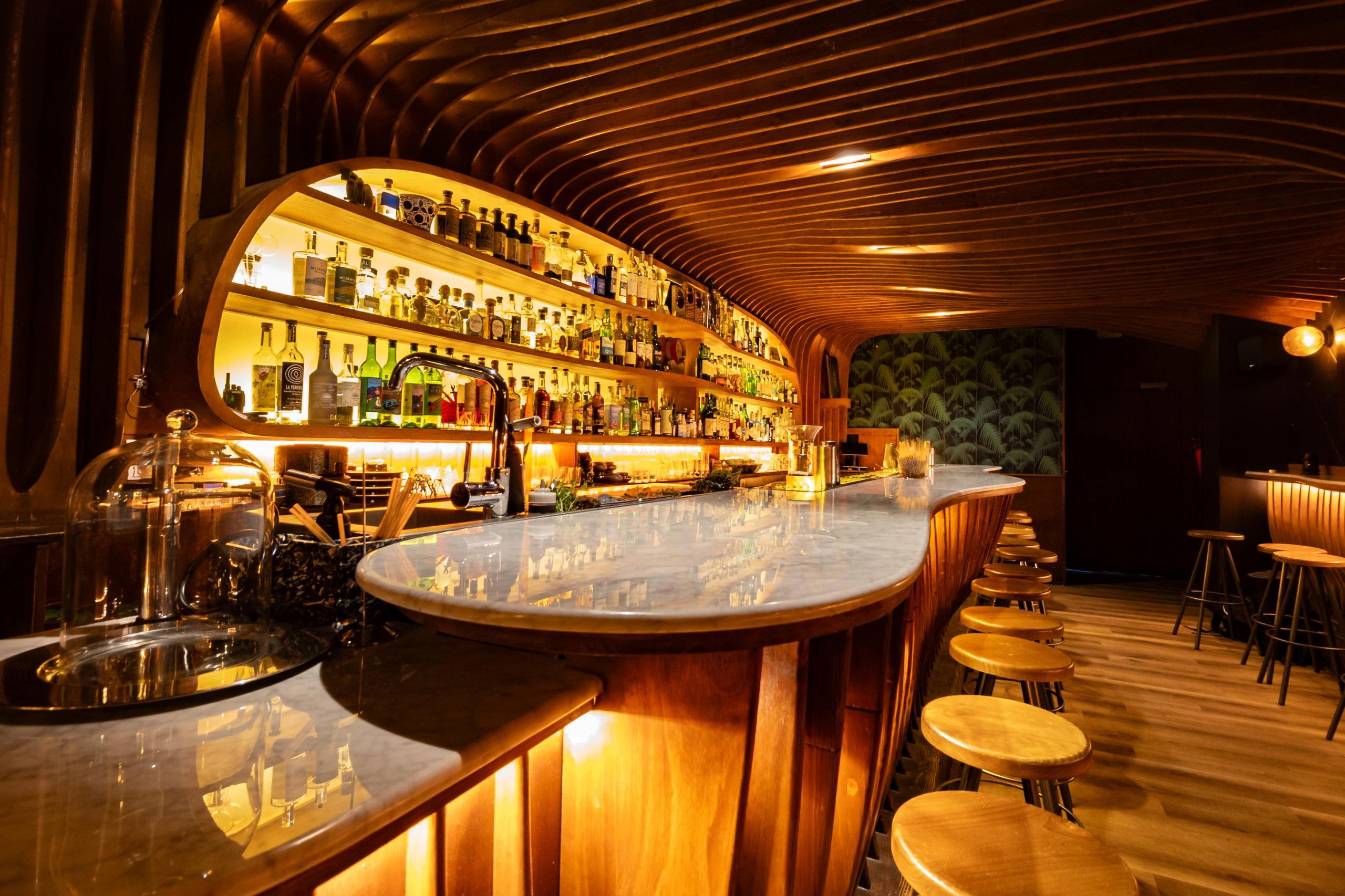
Bars in Barcelona
Browse all →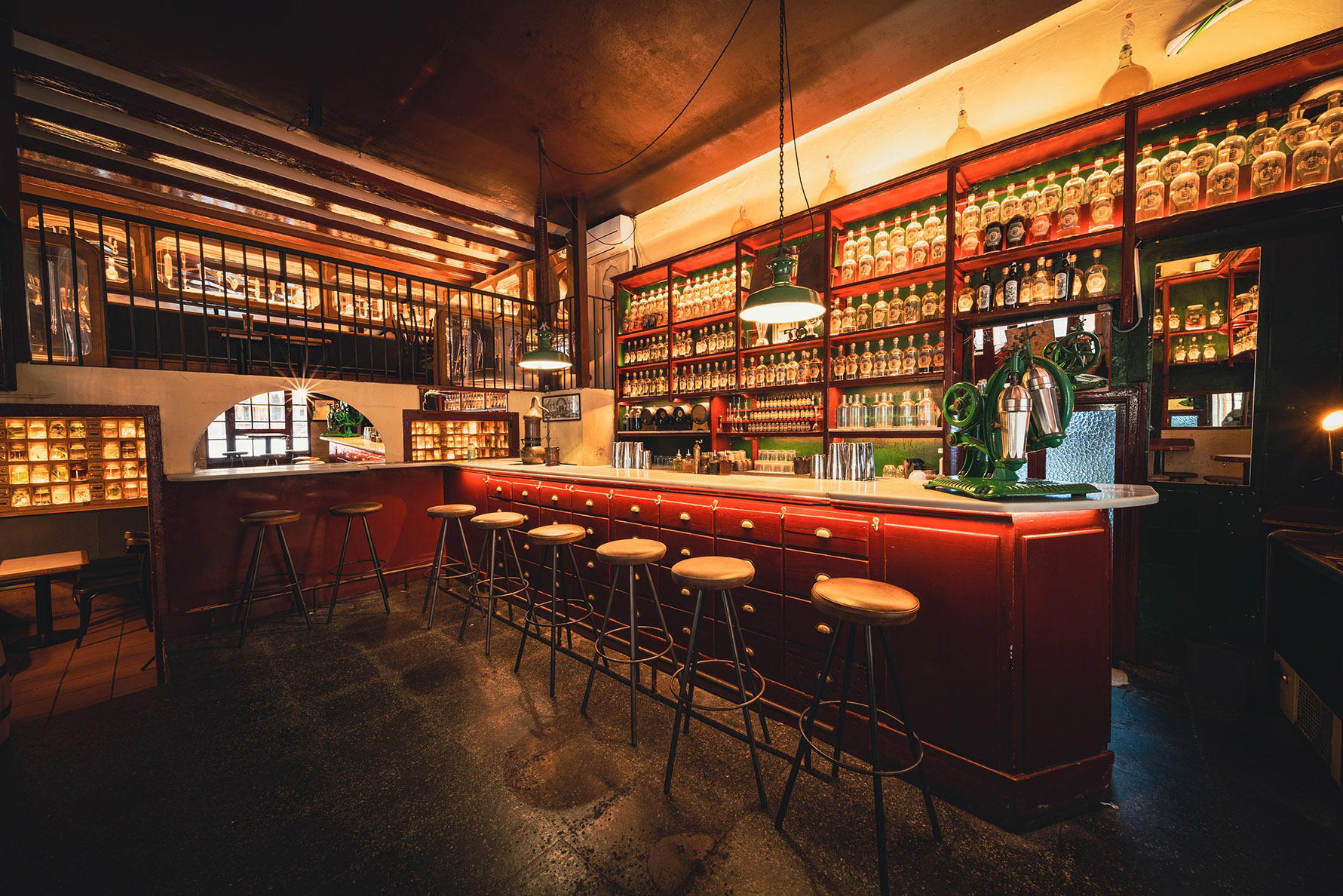
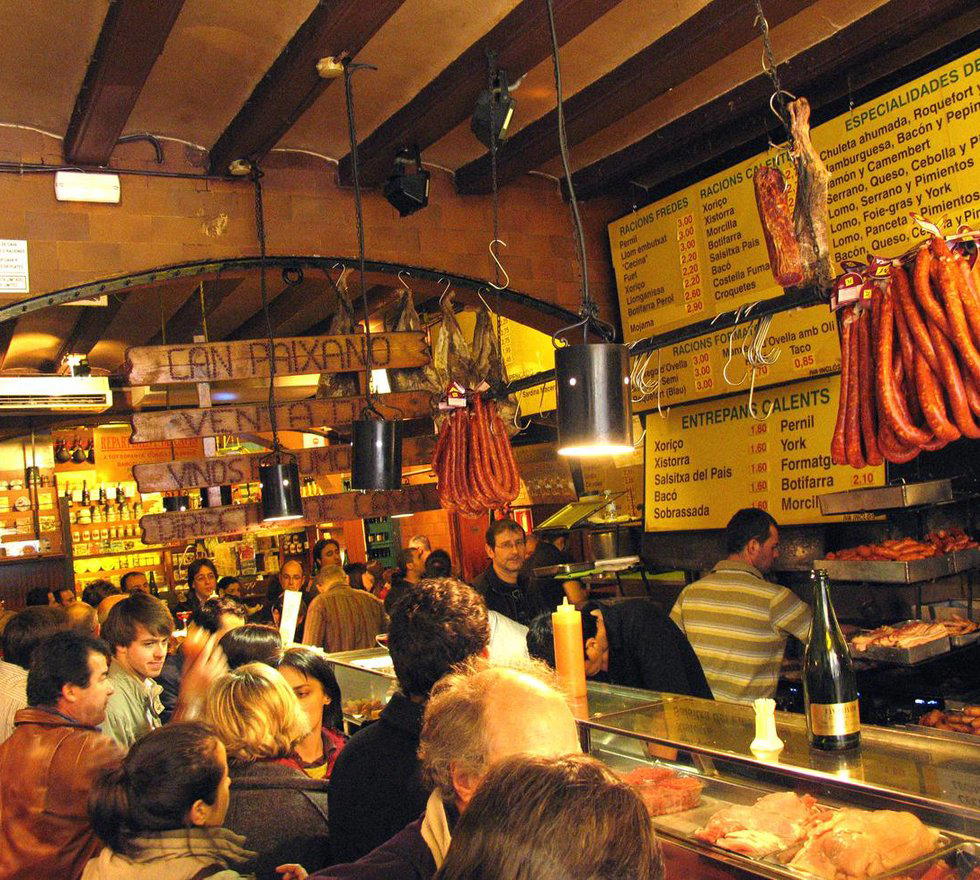
Restaurants in Barcelona
Browse all →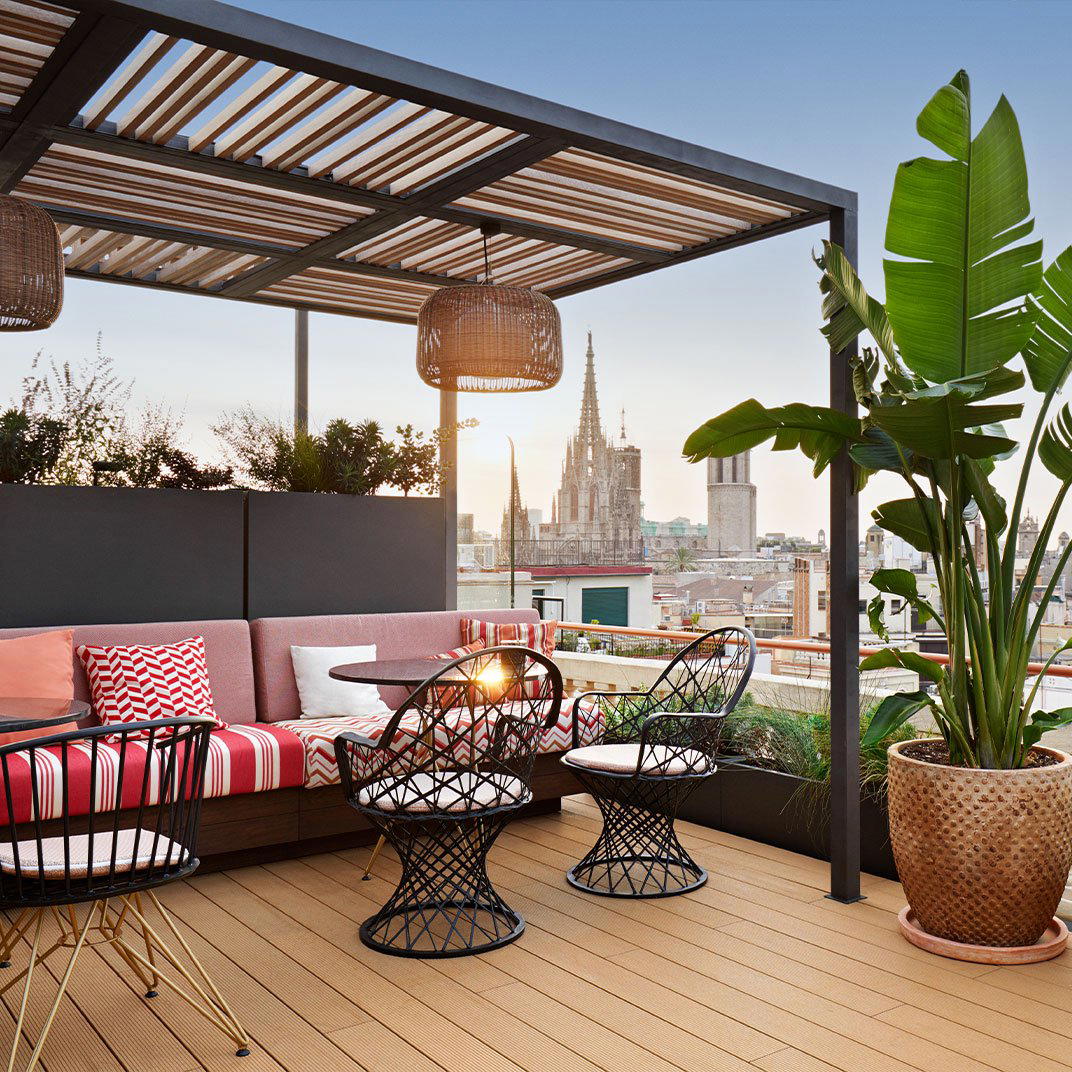
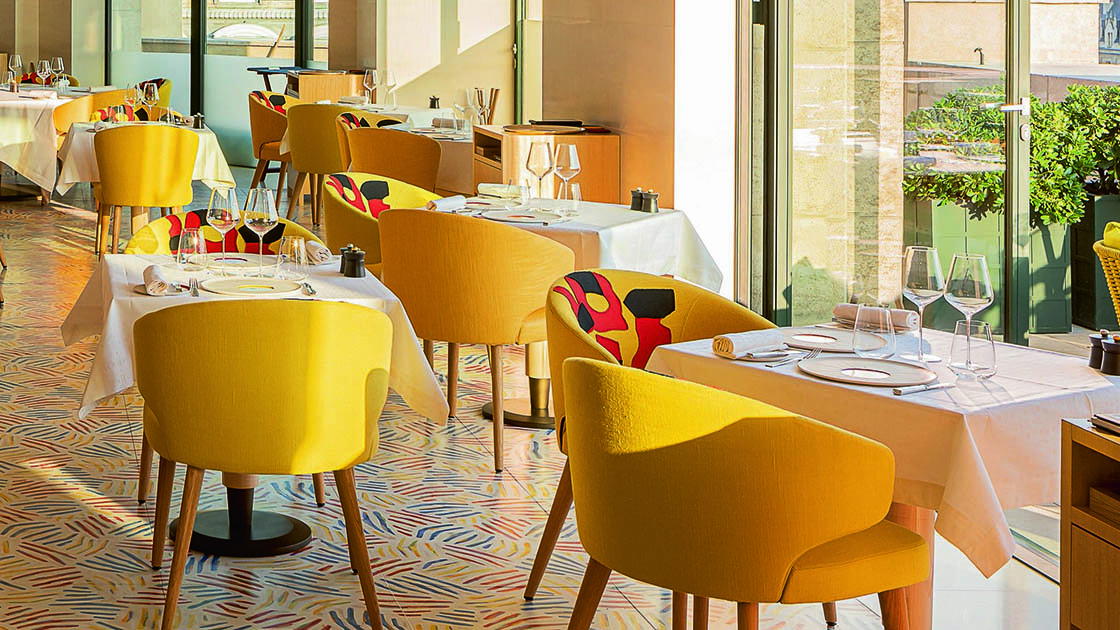
Hotels in Barcelona
Browse all →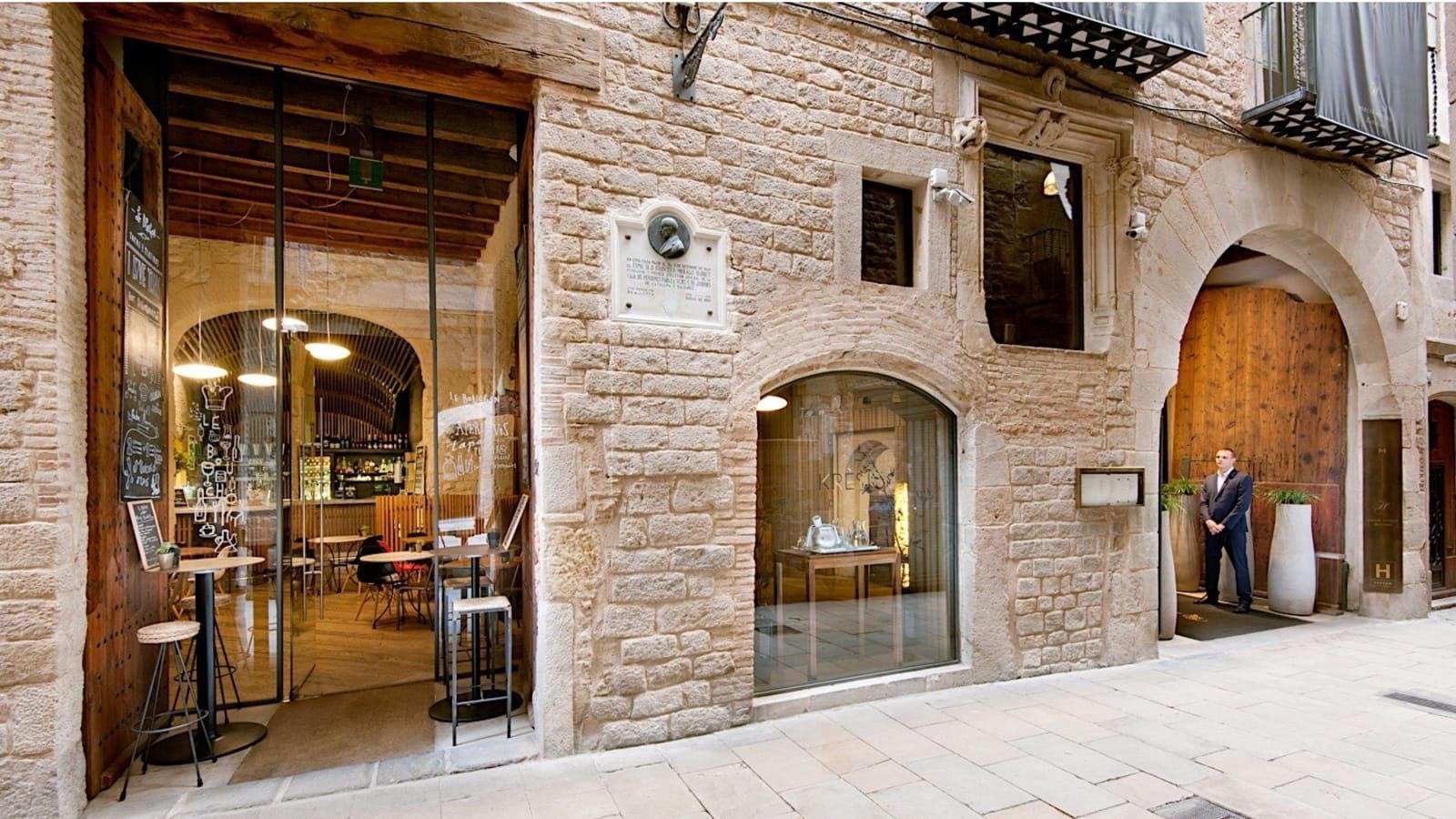
At a Glance
- Elegant
- Sophisticated
- Trendy
- Intimate
- Date Night
- Celebration
- Special Occasion
- Rooftop
- Terrace
- Panoramic View
- Hotel Bar
- Lounge Seating
- Outdoor Terrace
- Craft Cocktails
- Skyline
Stylish and exclusive with magical terrace lighting, lounge seating, and city skyline backdrop creating a serene yet lively oasis.
Know Before You Go
- Getting there
- Via Laietana, 30, Ciutat Vella, 08003 Barcelona, Spain