gi-jin
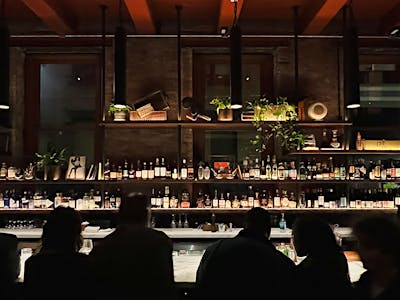
gi-jin occupies a compact space on 6th Street in Pittsburgh's Cultural District, drawing a crowd that comes for serious drinking in an atmosphere that skips the theatrics. The program leans into ingredient-conscious cocktails at a time when Pittsburgh's bar scene is finding its own critical voice, positioning gi-jin alongside the city's emerging cohort of technically focused bars.
Pearl is the En Primeur Club membership app — saves, bookings, and concierge access live there. Same editors, same standards.
- Address
- 208 6th St, Pittsburgh, PA 15222
- Phone
- +1 412 332 6939
- Website
- gi-jin.com
- Directions
- Get directions
 Saves & bookings on Pearl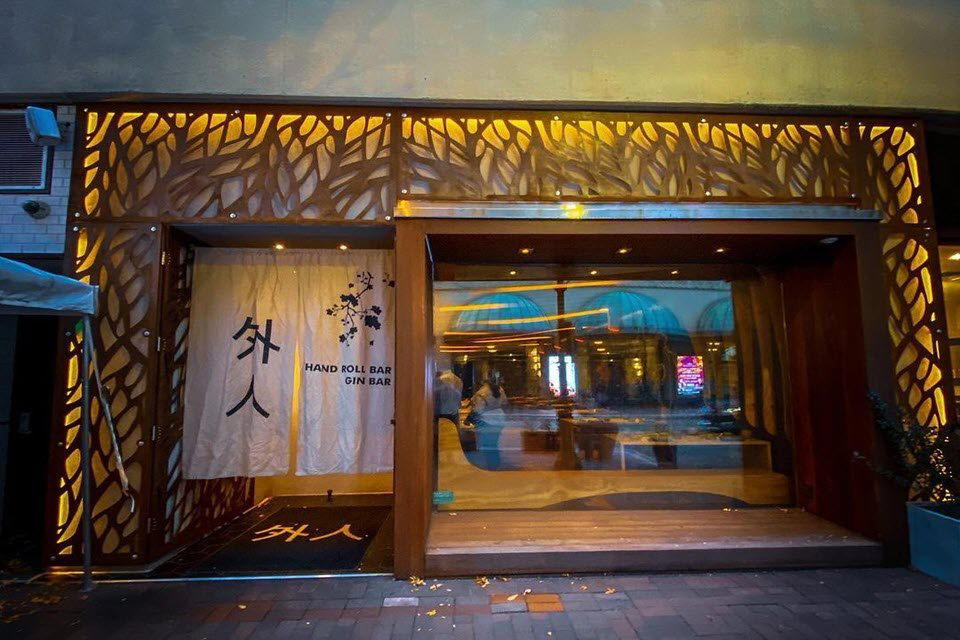
Drinking Seriously on 6th Street
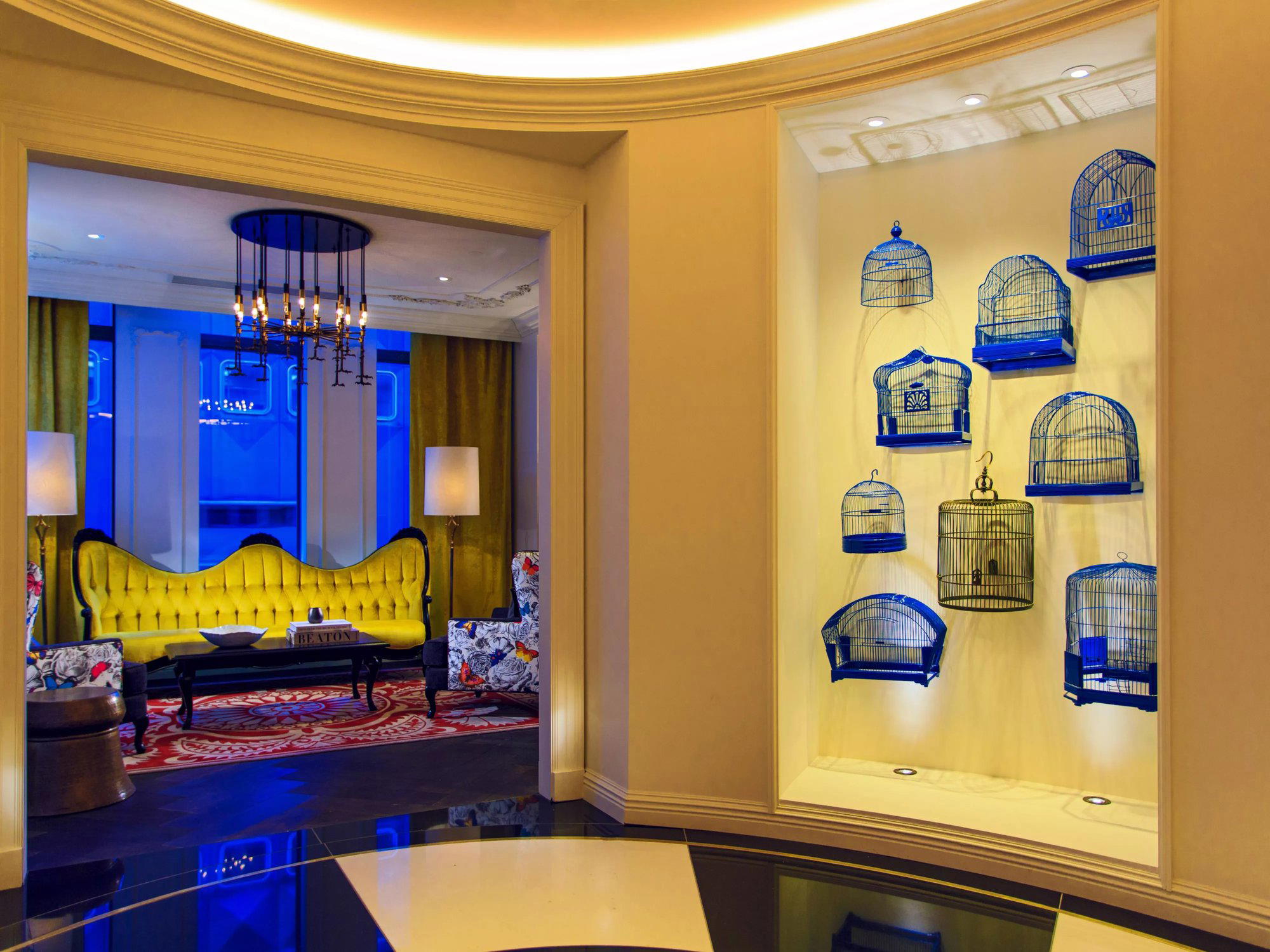
Pittsburgh's Cultural District has spent the better part of a decade sorting itself out as a hospitality address. What was once a corridor defined by pre-theatre convenience has gradually admitted venues with more considered programs, and the shift reflects something happening in American mid-market cities more broadly: the gap between destination bar and neighborhood pour is closing. gi-jin, at 208 6th Street, sits inside that shift. The room is not designed to impress on entry. What registers instead is a sense of purpose — a space arranged around the act of drinking rather than the performance of it.
That distinction matters more than it might sound. Across American cities, the most durable cocktail bars of the past decade have tended to be the ones that subordinated atmosphere to program. Kumiko in Chicago built its reputation on ingredient precision and Japanese spirits literacy. Bar Leather Apron in Honolulu holds its position through technical consistency rather than scenic distraction. gi-jin operates in that same register, where the work on the other side of the bar is the point.
Where the Ingredients Come From and Why That Changes Things
The most consequential question to ask of any serious cocktail program is not what is on the menu, but what is behind the menu — specifically, where the raw material originates. Pittsburgh sits at a useful geographic crossroads for this question. Western Pennsylvania's agricultural infrastructure, including its fruit orchards, herb growers, and small-batch spirit producers, gives bars in the city a regional sourcing depth that is easy to overlook from the outside.
gi-jin's positioning on 6th Street places it within reach of that supply chain. Pennsylvania's craft distilling sector has expanded considerably since the state loosened licensing constraints in 2011, giving bartenders in Pittsburgh legitimate local spirit options that did not exist a generation ago. Wigle Whiskey, operating out of the Strip District, represents one node in a broader web of regional producers that a bar with ingredient-sourcing ambitions can credibly build around. When a cocktail program commits to that kind of sourcing, the results change the character of the drink: local grain spirits carry different flavor signatures than their commodity counterparts, and seasonal fruit and herb components shift the menu's rhythm in ways that a static, non-seasonal list cannot.
This is not a trivial commitment. Sourcing locally and seasonally requires more negotiation, more waste management, and more menu rewrites than buying from a national distributor. The bars that sustain it tend to have strong enough identities to justify the overhead. Jewel of the South in New Orleans and Julep in Houston have both built programs where provenance is a visible editorial choice, not a marketing footnote. gi-jin operates in a city that makes this approach possible, and the 6th Street address puts it in front of a Cultural District audience that is primed to receive it.
Pittsburgh's Bar Scene in Comparative Frame
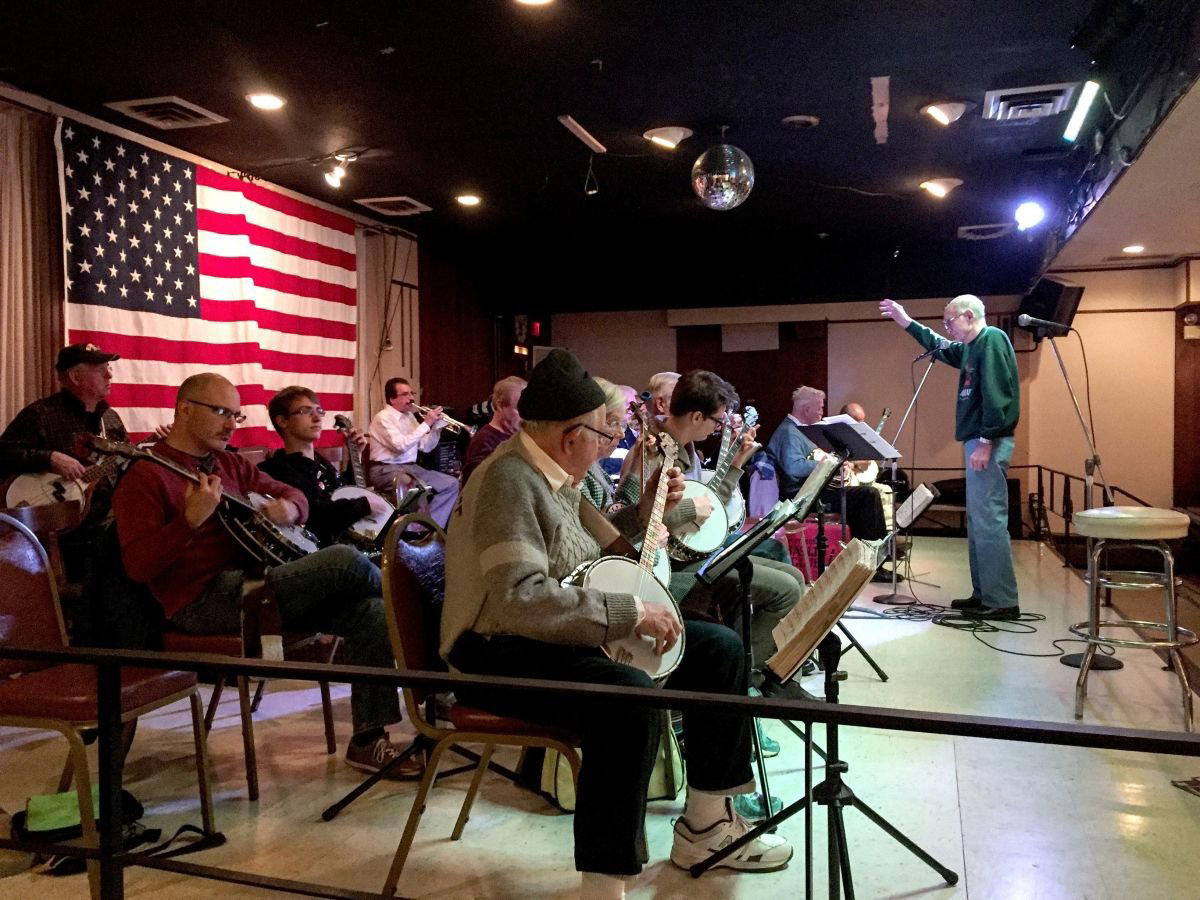
For context on where gi-jin sits, it helps to map the broader Pittsburgh drinking scene. The city has a handful of distinct bar typologies. There are the old-neighborhood institutions, the kind of place that Aiello's in Squirrel Hill represents, built around community ritual rather than cocktail ambition. There are the dinner-adjacent wine-forward rooms, like Alla Famiglia, where the drink list serves the food program. There are civic-social venues like the Allegheny Elks Lodge, which operate on a different axis entirely. And there is an emerging cohort of technically oriented bars, of which gi-jin is part, that are building programs with the kind of rigor more commonly associated with New York or Chicago.
The Allegheny Wine Mixer occupies a parallel lane on the wine side, running a list built around small producers and natural wine principles. gi-jin does something analogous for cocktails: it takes the ingredients seriously enough that the sourcing becomes an argument about quality, not just a talking point.
Nationally, the comparison set for this type of program includes bars like ABV in San Francisco and Superbueno in New York City, both of which have built followings by treating the cocktail list as a culinary document rather than a beverage menu. The Parlour in Frankfurt demonstrates that this approach translates across geographies. What these bars share is a commitment to the drink as the outcome of a supply chain, not just a recipe.
Planning a Visit
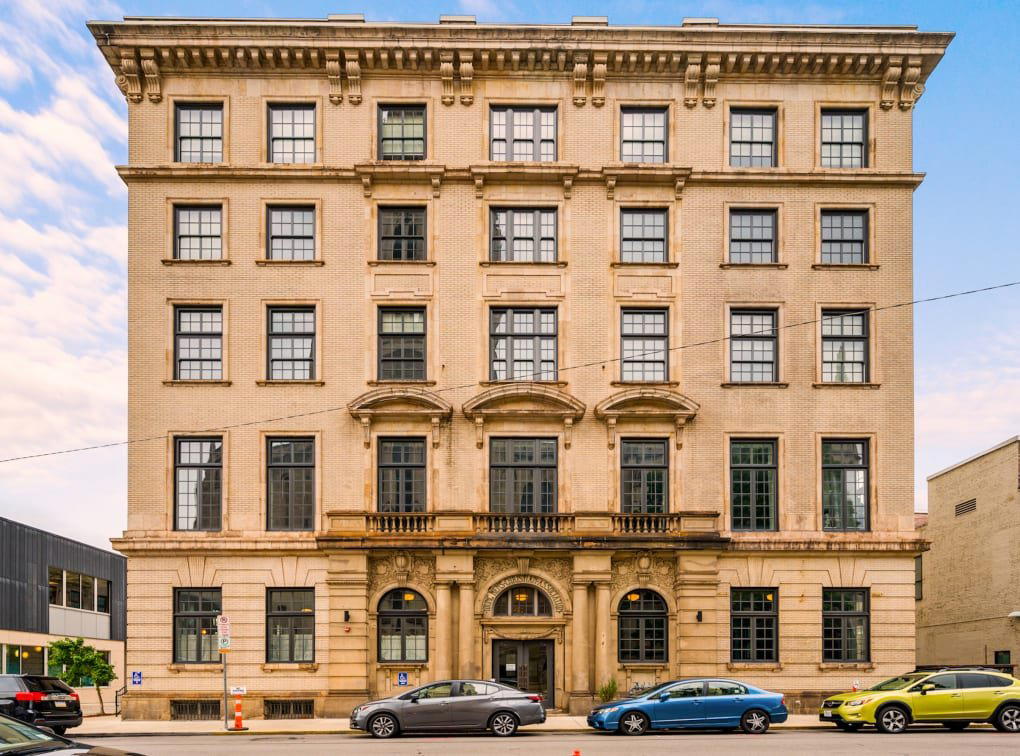
gi-jin is located at 208 6th Street in Pittsburgh's Cultural District, a short walk from the main performance venues and the Penn Avenue corridor. The address puts it in the densest part of downtown Pittsburgh's evening geography, making it a practical stop before or after a show at the Benedum or the O'Reilly. Given its position in the Cultural District, the bar draws both a pre-theatre crowd and a dedicated after-hours contingent, which means early evening can be busy on performance nights. Arrival with a specific drink order in mind, rather than a menu browse, is a reasonable strategy for busier windows. For the full picture of Pittsburgh's drinking and dining scene, the EP Club Pittsburgh guide maps the city's key addresses by neighborhood and category.
Comparable Options
| Venue | Cuisine |
|---|---|
| gi-jinThis venue — the venue you are viewing | This venue |
Continue exploring
More in Pittsburgh
Bars in Pittsburgh
Browse all →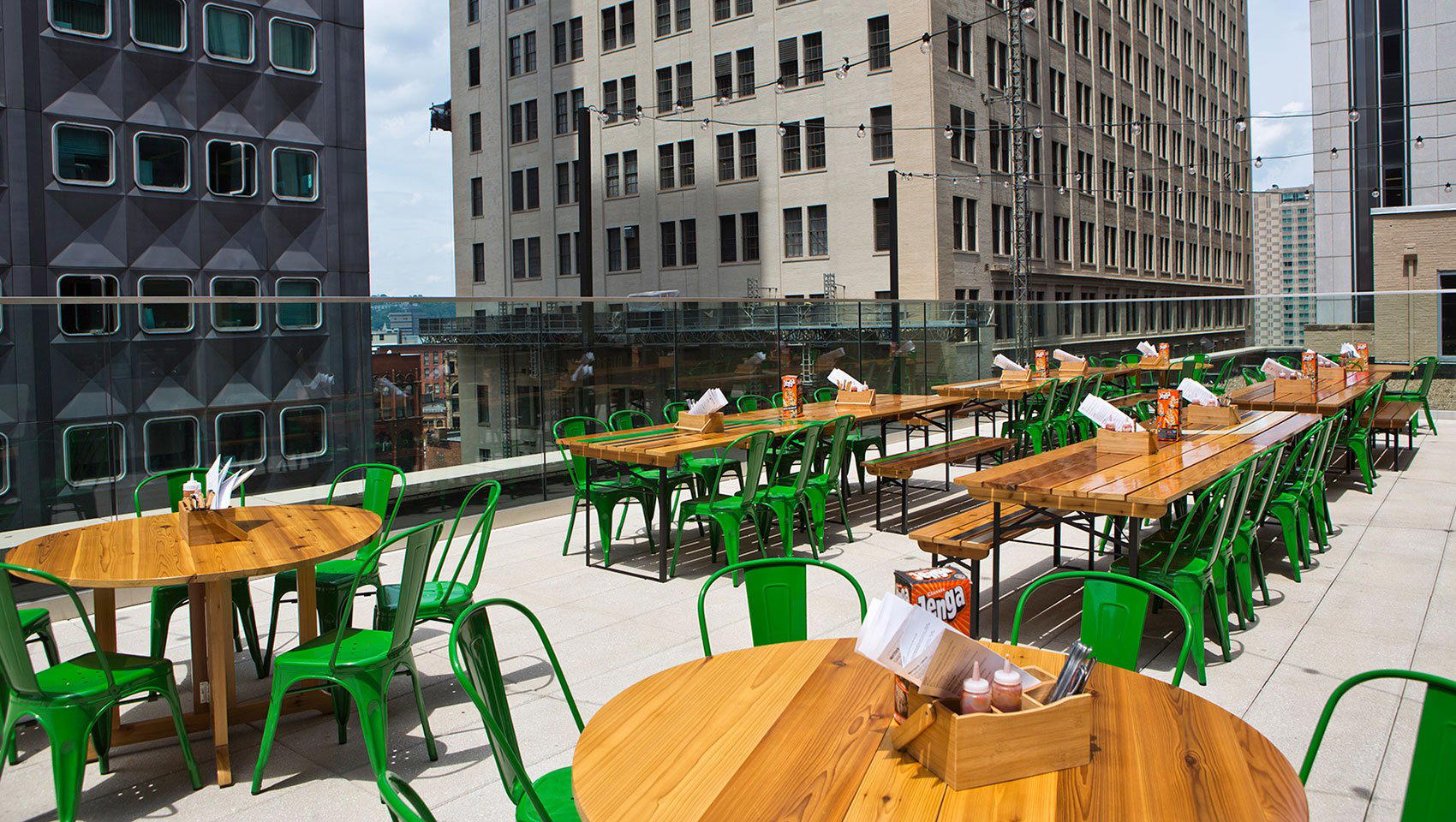
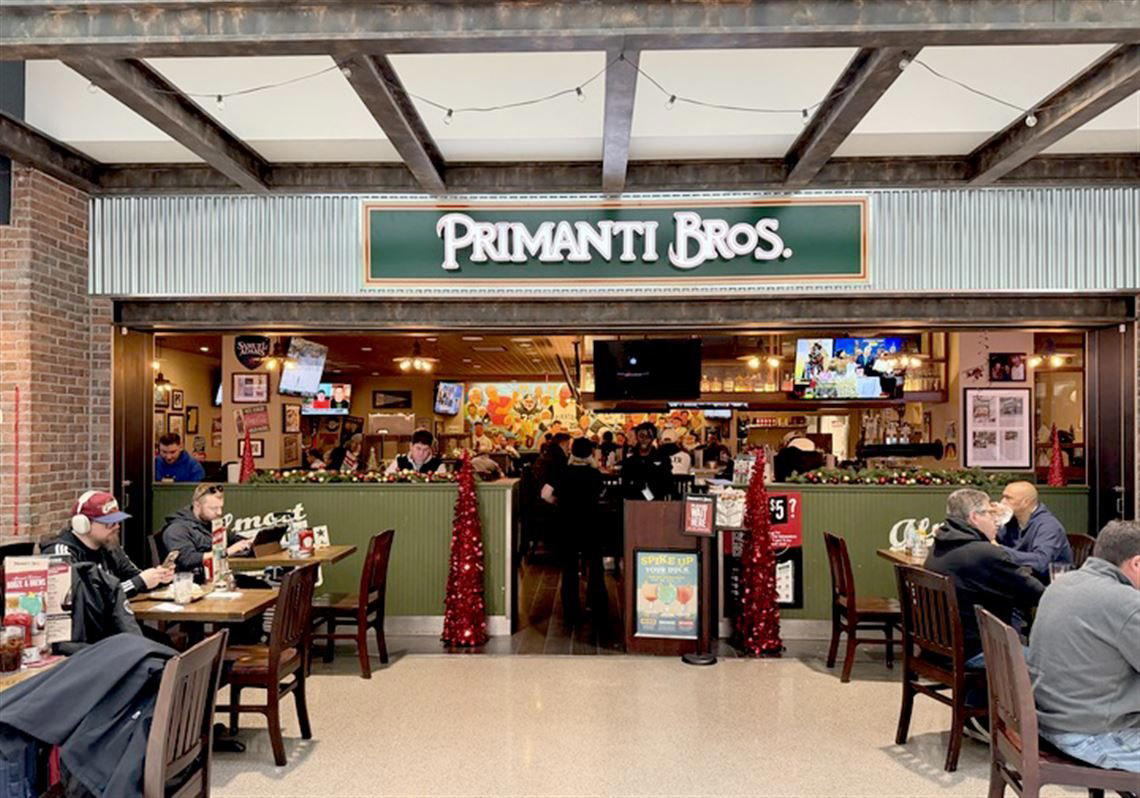
Restaurants in Pittsburgh
Browse all →
At a Glance
- Intimate
- Elegant
- Trendy
- Modern
- Date Night
- Special Occasion
- Speakeasy
- Seated Bar
- Lounge Seating
- Gin
- Sake
- Whiskey
Current opening hours
- Monday
- Closed
- Tuesday
- 5–10 PM
- Wednesday
- 5–10 PM
- Thursday
- 5–10 PM
- Friday
- 5–10 PM
- Saturday
- 5–10 PM
- Sunday
- Closed
Hours can change for holidays and private events. Last verified .
Nautical-themed interior with wooden ribs, upscale and elegant atmosphere in a speakeasy-style setting.
Know Before You Go
- Getting there
- 208 6th St, Pittsburgh, PA 15222