Golden Gai
Golden Gai occupies a address in Pittsburgh's Bakery Square corridor, bringing a bar format named after Tokyo's famously compressed drinking district to a post-industrial Pennsylvania neighborhood. The venue sits within a local scene that has shifted toward intentional, low-waste bar programs over the past several years. Practical details on hours, pricing, and booking are best confirmed directly with the venue.

Pearl is the En Primeur Club membership app — saves, bookings, and concierge access live there. Same editors, same standards.
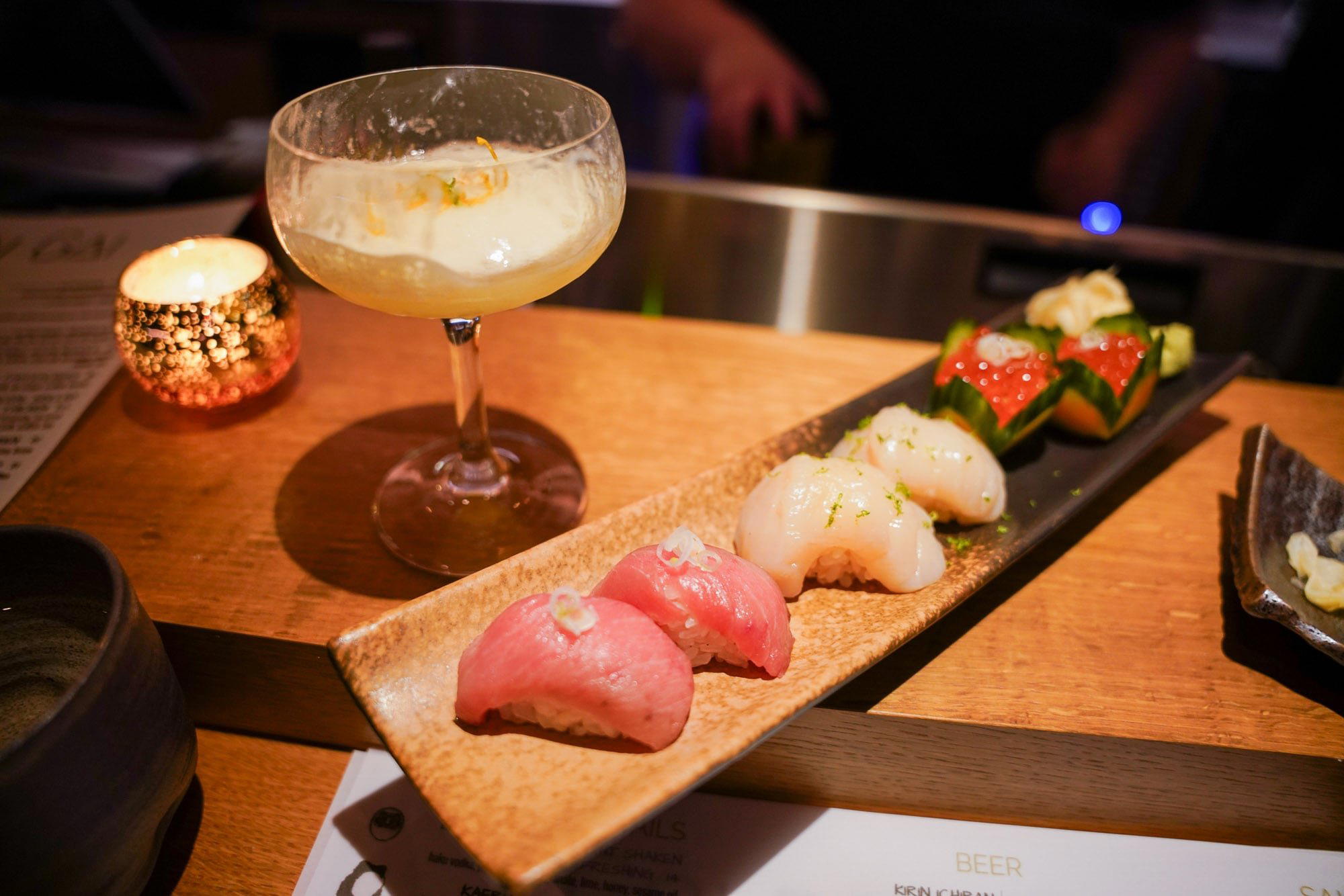
Bakery Square's Quiet Pivot Toward Conscious Drinking
Pittsburgh's bar culture has been recalibrating for the better part of a decade, and Bakery Square — the adaptive reuse complex built across the bones of an old Nabisco plant at 116 Bakery Square Blvd — has become one of the more interesting corridors to watch. The neighborhood's mix of tech-sector tenants, converted industrial space, and a walkable retail strip has created demand for a specific kind of bar: not loud sports-bar volume, not the stripped-down dive of South Side's Carson Street strip, but something more considered. Golden Gai occupies that space in the Bakery Square lineup, carrying a name borrowed from Tokyo's legendary network of postage-stamp-sized bars in Shinjuku's Golden Gai district, a part of that city defined less by glamour than by compression, specificity, and the kind of bar that knows exactly what it is.
The Name as Framework
In Tokyo, Golden Gai refers to a cluster of roughly 200 narrow bars, many seating fewer than ten people, each with a distinct character. The original district's appeal has always been about the opposite of excess: small menus, focused concepts, minimal waste, and proprietors who source with intent because they have to, there is simply no room for anything superfluous. Pittsburgh's Golden Gai inherits that name as a kind of editorial statement. Bar formats that borrow from the Japanese izakaya or small-bar tradition have been gaining ground in American cities over the past five years, in part because they translate naturally into sustainable bar practice: tight menus reduce spoilage, lower volumes mean better ingredient rotation, and the intimacy of the format discourages the kind of over-ordering that generates waste at high-turnover venues.
It is a trend visible across several of the more thoughtful bar programs in the United States right now. Kumiko in Chicago has built a nationally recognized program around Japanese aesthetics and precise, low-waste cocktail construction. Bar Leather Apron in Honolulu operates with similar discipline in a market that has historically defaulted to tropical volume. Pittsburgh's Golden Gai enters that broader conversation as the city's representative of the format.
Sustainability as Operational Logic, Not Branding
The shift toward ethical sourcing and waste reduction in bar programs is most credible when it functions as operational logic rather than marketing copy. The bars making the strongest case for it tend to do so through specific, observable choices: house-made syrups that use citrus peel after juicing, spirits sourced from distilleries with documented production practices, menus printed in short batches or displayed on boards to avoid paper waste. ABV in San Francisco has operated on this kind of discipline for years, keeping a tight, rotating list that reduces dead stock. Jewel of the South in New Orleans has similarly anchored its program in historically grounded recipes that avoid novelty ingredients with short shelf lives.
The question worth asking of any bar in this mold is whether the sustainability framing is reflected in the actual drinking experience, in the quality of what arrives in the glass and the coherence of the menu. For a venue sitting in Pittsburgh's Bakery Square, the surrounding neighborhood context matters: this is not a destination built for walk-in tourist traffic. The guests are largely local, largely returning, and the bar's ability to hold that audience depends on consistency and purpose rather than spectacle.
Pittsburgh's Wider Bar Ecology
Golden Gai sits in a city whose bar culture spans a wider range than Pittsburgh's national reputation tends to suggest. Allegheny Wine Mixer has held the wine-bar end of the spectrum in the North Side for years. Alla Famiglia anchors an older, Italian-American dining and drinking tradition on the South Side. Allegheny Elks Lodge #339 represents the civic-club drinking culture that still runs deep in Pittsburgh's working-class neighborhoods. And Aiello's Pizza in Squirrel Hill, just a short drive from Bakery Square, shows how a neighborhood institution can anchor a community without reinventing itself every season.
Golden Gai reads as a counterpoint to all of those, not better or worse, but operating from a different set of assumptions. Where the Elks Lodge and Aiello's derive their authority from longevity and community embeddedness, a bar in the Tokyo small-bar tradition derives it from curation and restraint. That is a harder case to make in Pittsburgh than in, say, Chicago or New York, where the market for this kind of considered program is deeper. Superbueno in New York City and Julep in Houston are examples of venues that have made the format work in larger, more cocktail-saturated markets. The Parlour in Frankfurt shows that the model travels internationally. The fact that Golden Gai is attempting it in Pittsburgh is, in itself, a signal worth noting.
What the Format Asks of the Drinker
Small-bar formats named after or shaped by Japanese drinking culture tend to reward guests who come with a degree of curiosity and willingness to follow the program rather than override it. That might mean ordering what the bartender steers you toward, accepting a shorter menu than you might find at a larger venue, or sitting with a drink longer than you would at a high-turnover cocktail bar. The Parlour in Frankfurt works on similar principles. The payoff, when the format is executed with discipline, is a drinking experience where every ingredient has been chosen with intention, which is also, not incidentally, how low-waste bar programs make their most persuasive argument.
For visitors building a Pittsburgh itinerary around serious eating and drinking, Golden Gai in Bakery Square sits in a different register from the city's older institutions. See our full Pittsburgh restaurants guide for broader context on how the city's neighborhoods map to different dining and drinking experiences, and how Bakery Square fits within the East End's evolving character.
Planning a Visit
Golden Gai is located at 116 Bakery Square Blvd, Pittsburgh, PA 15206, within the Bakery Square development in the East End.
Style and Standing
A short peer table to compare basics side-by-side.
| Venue | Price |
|---|---|
| Golden GaiThis venue — the venue you are viewing | $30–50 |
| Allegheny Wine Mixer | $20–30 |
| Dive Bar & Grille (South Side) | $20–30 |
| Bar Marco | $50–100 |
| Wigle Whiskey Distillery | $30–50 |
Continue exploring
More in Pittsburgh
Bars in Pittsburgh
All bars in Pittsburgh →
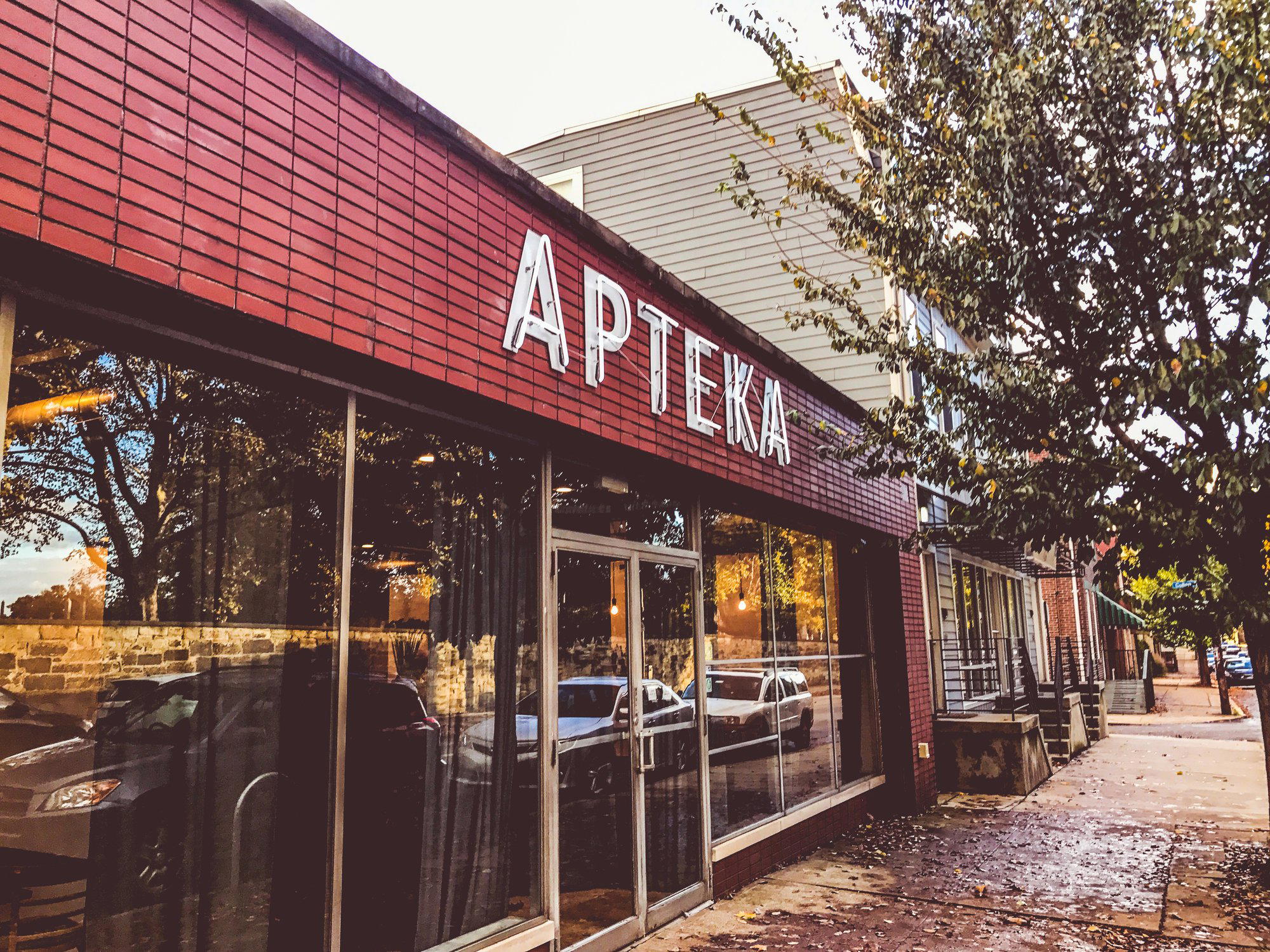
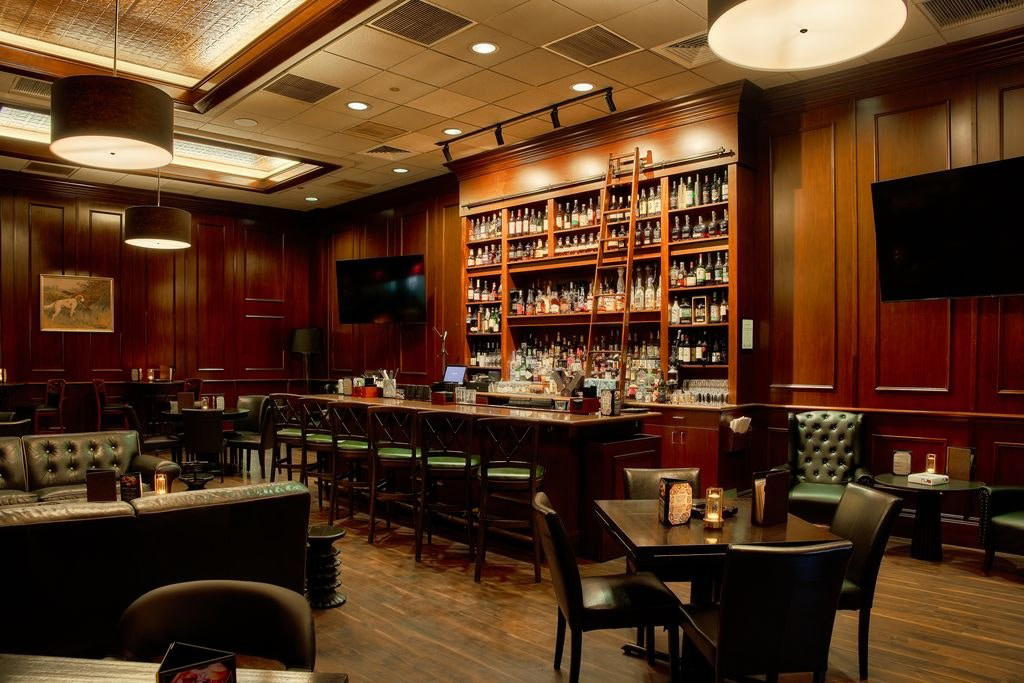
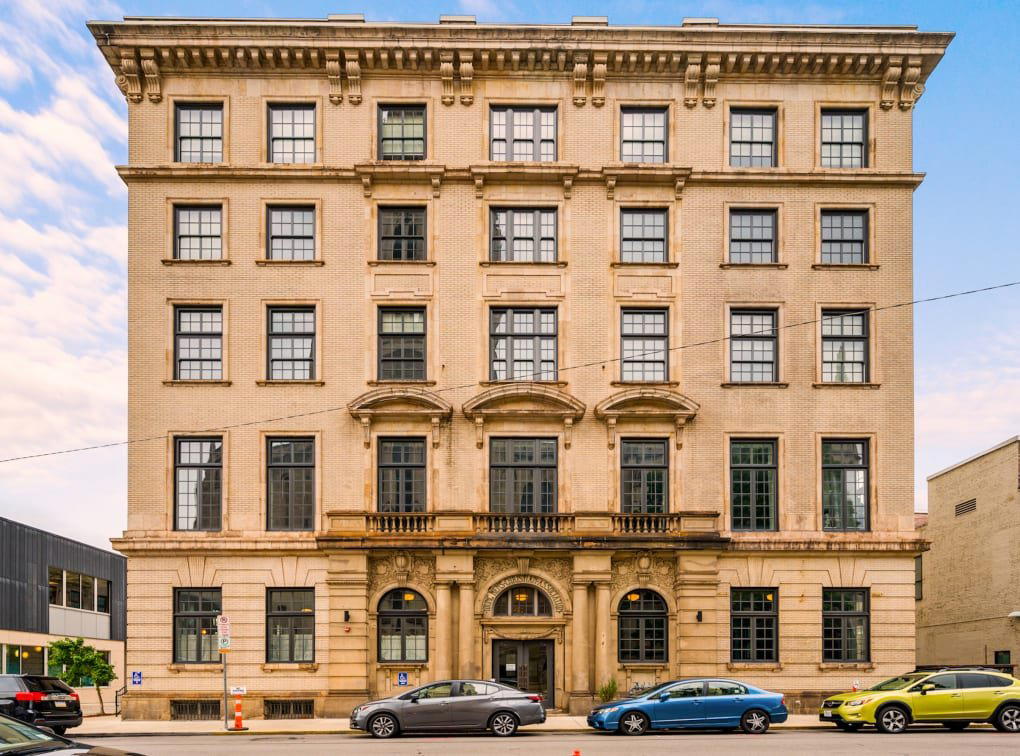
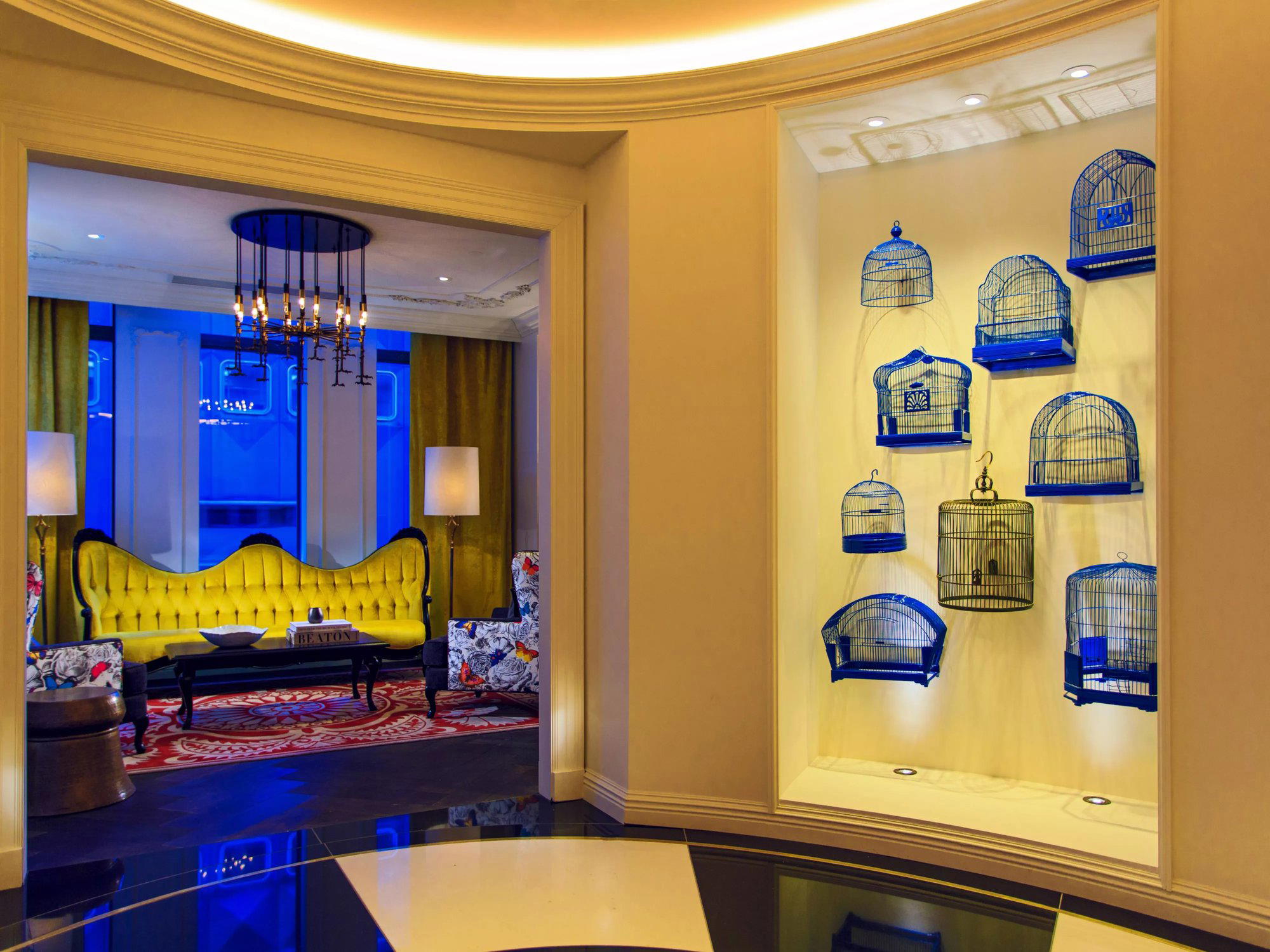
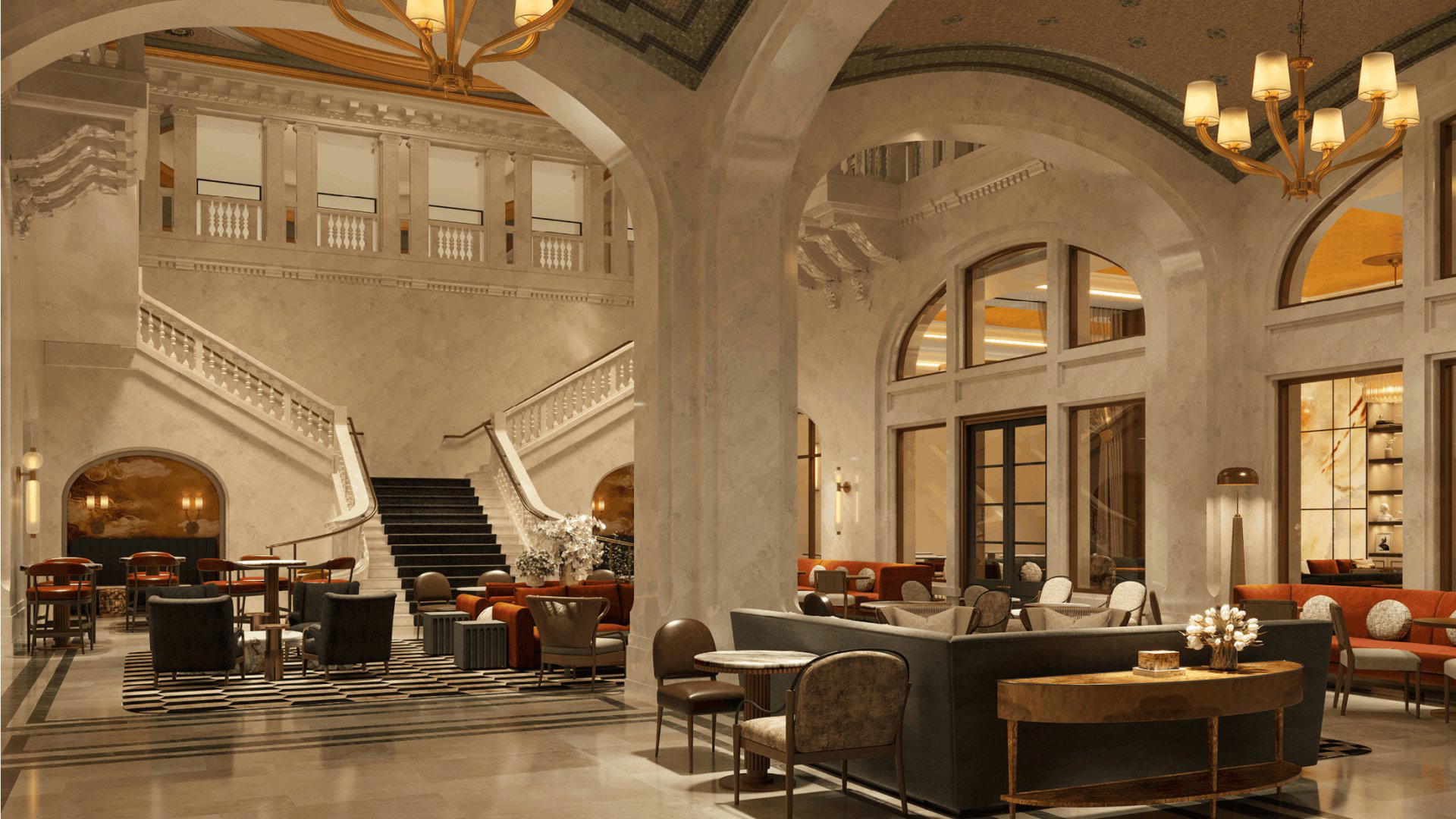
Golden Gai
The drinks
- Craft cocktails
Signature drinks: Ryujin, Fu Dog.
Details
- Cozy
- Intimate
- Elegant
- Date Night
- Casual Hangout
- Historic Building
- Counter Only
- Seated Bar
- Craft Cocktails
- Sake
- Whiskey
Current opening hours
- Monday
- Closed
- Tuesday
- 5–10 PM
- Wednesday
- 5–10 PM
- Thursday
- 5–10 PM
- Friday
- 5–10 PM
- Saturday
- 5–10 PM
- Sunday
- Closed
Hours can change for holidays and private events. Last verified .
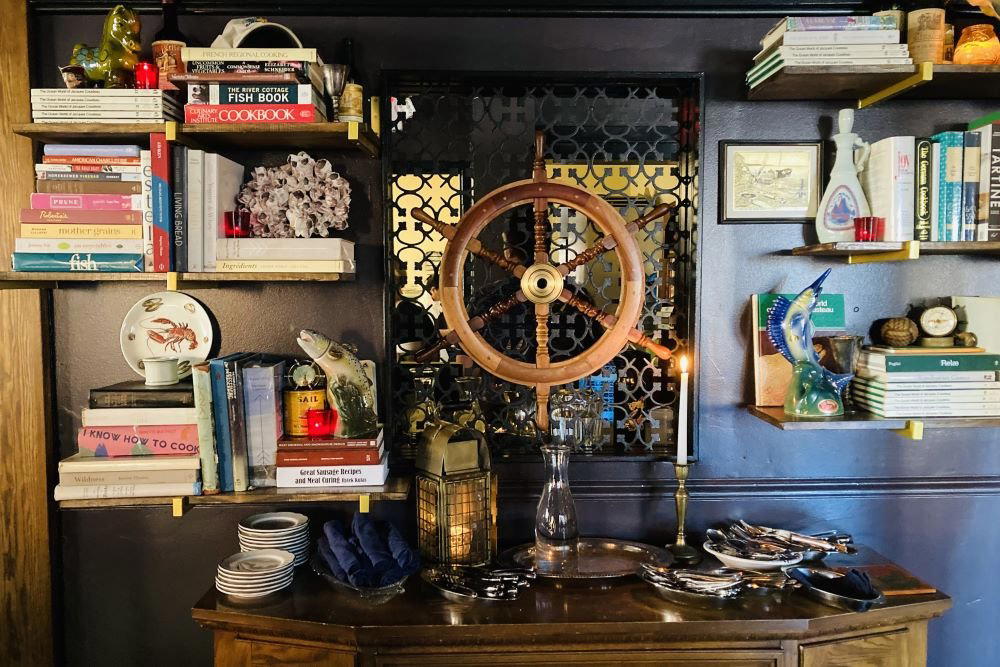
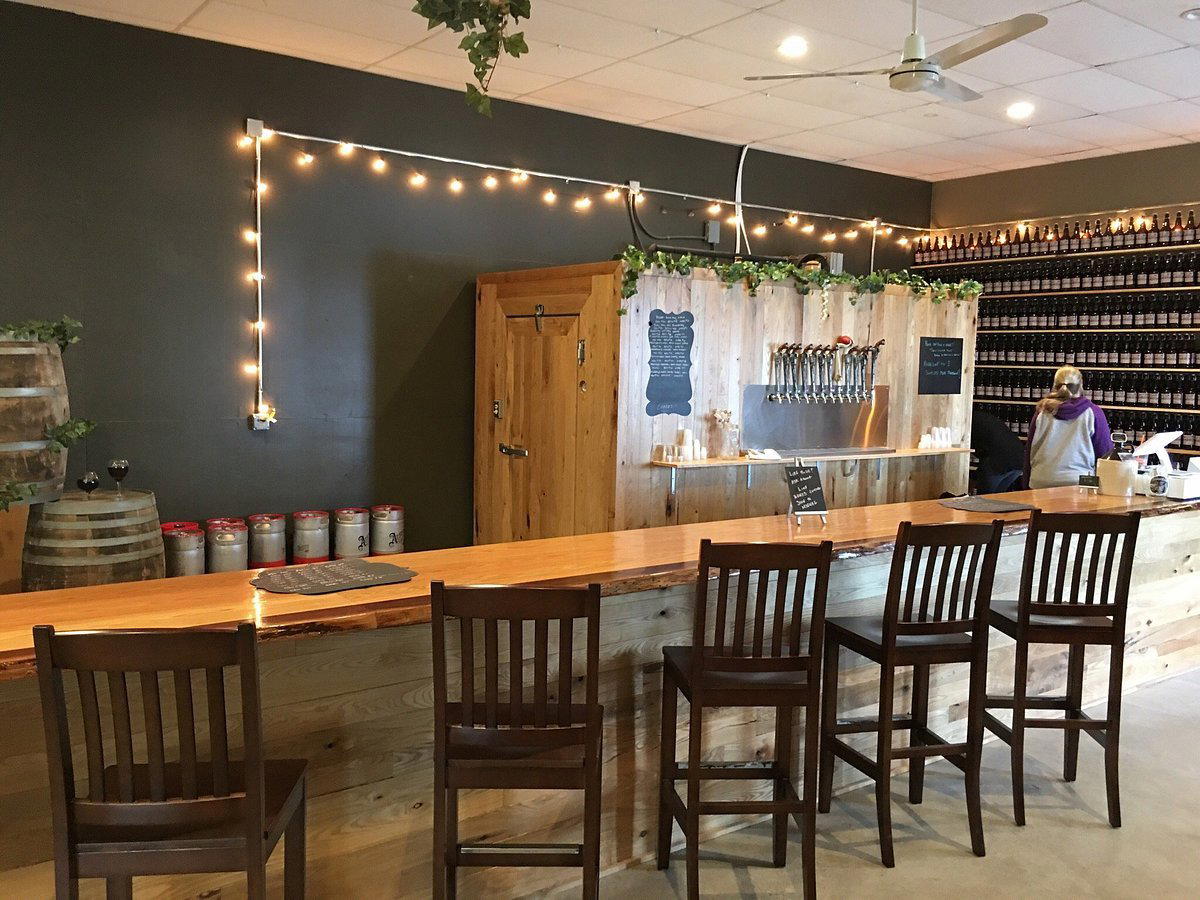
Mood-lit oasis with warm traditional Japanese decor fused with modern touches, creating a chic and cozy atmosphere.