Forte Vita Bar sits within Milan's increasingly competitive aperitivo and cocktail circuit, where the city's drinking culture has matured well beyond the Campari-and-soda default. The bar positions itself in a technically minded bracket that prizes programme depth over heritage nostalgia, making it a useful reference point for anyone mapping the current shape of Milanese bar culture.

Pearl is the En Primeur Club membership app — saves, bookings, and concierge access live there. Same editors, same standards.
- Address
- Milan, Italy
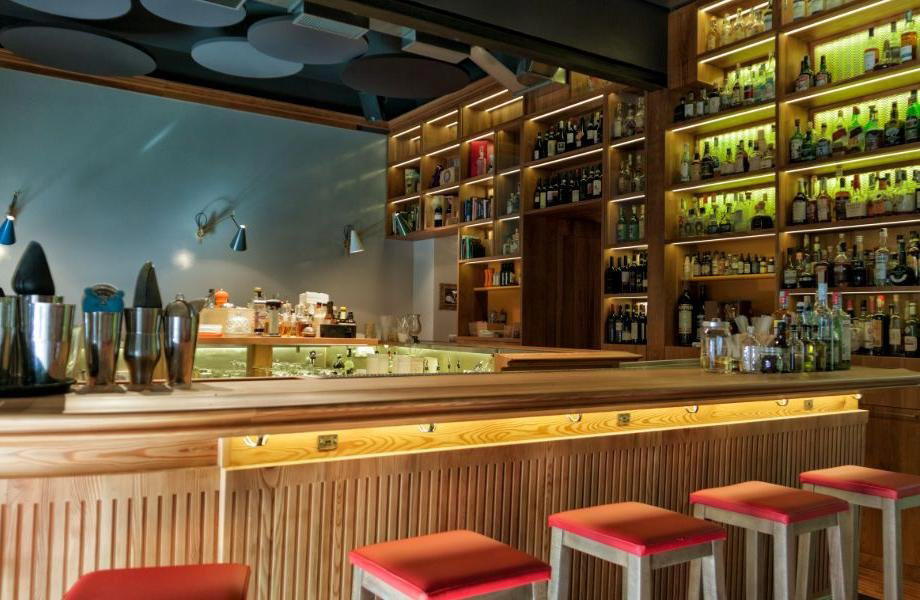
Milan After Dark: Where Forte Vita Bar Sits in the City's Drinking Order
Forte Vita Bar is a Milan bar focused on aperitivo and cocktails. The city that once exported the Negroni and the aperitivo ritual to the rest of the world is now importing ideas back: technical cocktail programmes, low-intervention spirits, fermentation-forward builds, and the kind of considered presentation that once belonged exclusively to Copenhagen or New York. Within this shift, a tier of bars has emerged that operates between the heritage grandeur of Camparino in Galleria and the theatrical molecular edge of Nottingham Forest. Forte Vita Bar occupies a position in that middle ground, drawing on the city's aperitivo foundations while pointing toward a more contemporary interpretation of what a Milan bar can offer.
The name itself signals something about the register: not a family surname, not a neighbourhood reference, but a phrase that suggests a particular posture toward pleasure. That posture, in Milan's current bar culture, tends to translate into programmes that take both the drink and the guest seriously, without the stiffness that can accompany institutional prestige.
The Cocktail Programme: Technique in Context
Milan's most compelling cocktail programmes share a common tension: they must honour a city whose identity is bound up in specific rituals, the bitter aperitivo, the after-dinner amaro, the spritz before the meal, while finding enough room to do something more than replicate what has been done for generations. The bars that resolve this tension leading tend to use the city's existing canon as a foundation rather than a ceiling. 1930, operating as a prohibition-era speakeasy format, resolves it through historical theatre. Moebius Milano resolves it through design and conceptual framing. Forte Vita Bar's approach, from what its positioning in the city's mid-tier cocktail circuit suggests, reads as one oriented around craft and atmosphere in combination: a bar that wants to be somewhere you return to rather than somewhere you visit once for the spectacle.
In practical terms, this matters for how you drink there. A programme built around replication gives you precision but little surprise. A programme built around return visits tends to develop seasonal rotations, a relationship with the guest's evolving palate, and a staff culture that rewards regularity. The Italian bar tradition, from the enoteca to the bacaro, has always understood this dynamic better than most countries. The question for any Milan bar operating in this tier is whether the cocktail programme reflects that deeper understanding or simply borrows the aesthetic without the substance.
Across Italy, the bars making the strongest case for contemporary cocktail culture share a few consistent markers: sourcing that connects to the regional larder, a willingness to work with local producers, and menus that change often enough to reflect the season rather than the brand. Drink Kong in Rome has built its reputation on exactly this kind of programme discipline. L'Antiquario in Naples grounds its work in historical Italian spirits research. These bars demonstrate what happens when a programme has genuine intellectual architecture behind it, not just good sourcing. Forte Vita Bar, as part of Milan's own contribution to this national conversation, earns its place by operating in a city that functions as Italy's commercial and cultural proving ground.
The Scene Around It
Context shapes experience more than any single bar can control. Milan's drinking geography has distinct zones: the Navigli canals, where the aperitivo crowd is dense and the noise levels match; the fashion district quadrilateral, where bars operate closer to private members' club codes; and a set of neighbourhood spots that have built loyal local followings without requiring a reservation two weeks in advance. The city rewards those who know which tier they are in and what it delivers. Getting that wrong means either overpaying for the equivalent of a hotel bar or underpreparing for a room that runs at a higher register than its exterior suggests.
For visitors mapping a broader bar itinerary across the country, the comparison points are instructive. Gucci Giardino in Florence operates at the fashion-house adjacency end of the spectrum. Al Covino in Venice works within that city's wine-led tradition. Enoteca Storica Faccioli in Bologna anchors itself in natural wine. Each reflects its city's dominant drinking culture. Forte Vita Bar's Milanese context means it operates in the most commercially competitive bar environment in Italy, which tends to produce programmes that are sharper and more reactive to international trends than those in slower-moving cities.
Planning Your Visit
Milan functions on rhythms that reward timing. The aperitivo hour runs roughly from 18:00 to 20:30 and is the city's most socially concentrated drinking window; arriving in this period at any mid-tier bar means competing for space and, often, staff attention. Later in the evening, after 21:30, the cocktail-focused tier of bars tends to operate at a pace that allows for more considered service. Booking ahead where possible, particularly midweek when Milanese professionals consolidate their going-out, is the more reliable approach. If your visit falls outside those windows, you gain both access and a more representative read on the bar's usual atmosphere.
A Quick Peer Check
| Venue | Price | Awards |
|---|---|---|
| Forte Vita BarThis venue — the venue you are viewing | Not listed | Not listed |
| Nottingham Forest | $10–20 | World's 50 Best #38 · Top 500 Bars Best Bars #268 |
| 1930 | Not listed | World's 50 Best #22 · Pinnacle Guide 1 Pin |
| Camparino in Galleria | $30–50 | World's 50 Best #18 · Top 500 Bars Best Bars #41 |
| Moebius Milano | $30–50 | World's 50 Best #6 · Pinnacle Guide 1 Pin |
| Backdoor 43 | $50–100 | Pinnacle Guide 1 Pin · Top 500 Bars Best Bars #96 |
Continue exploring
More in Milan
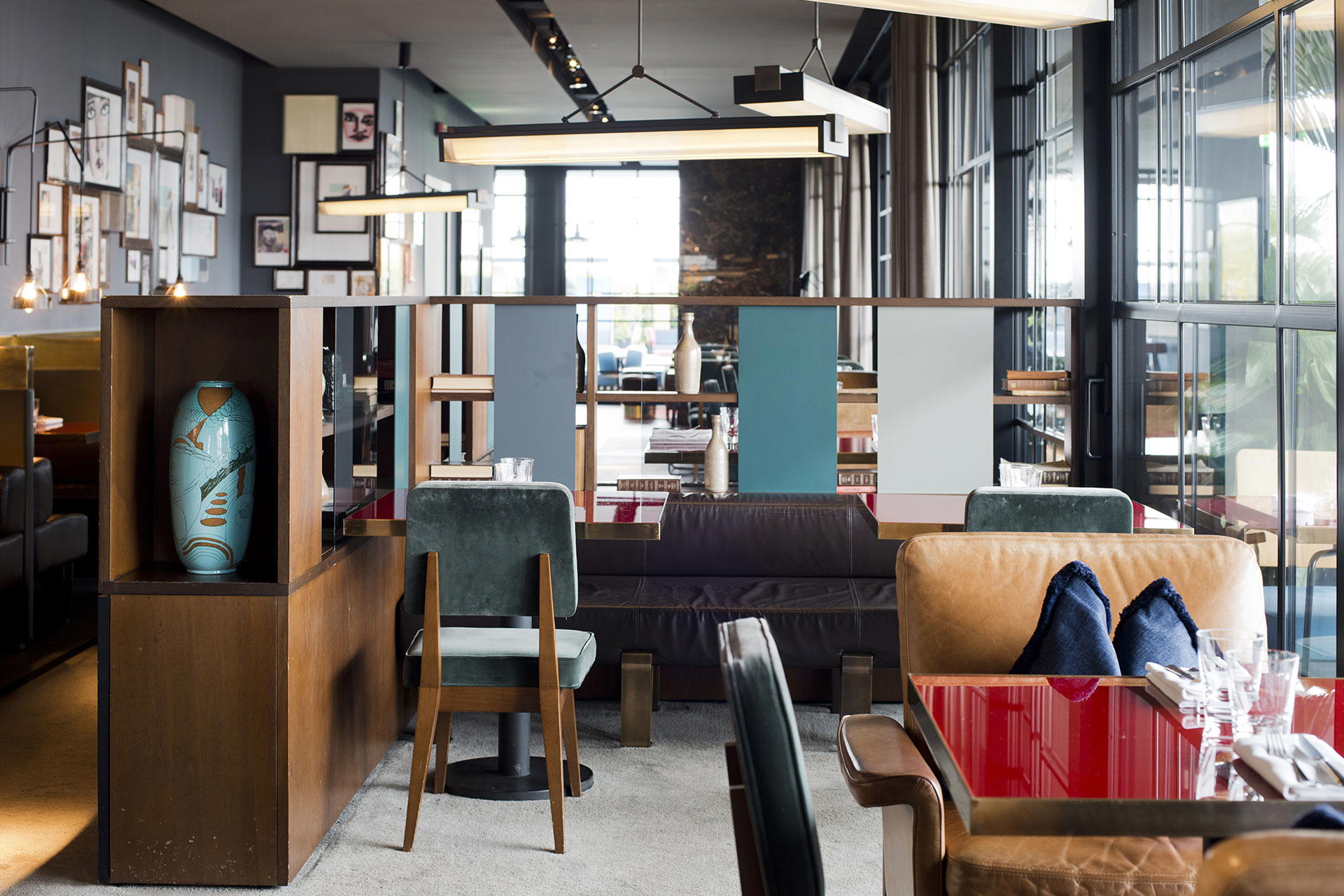
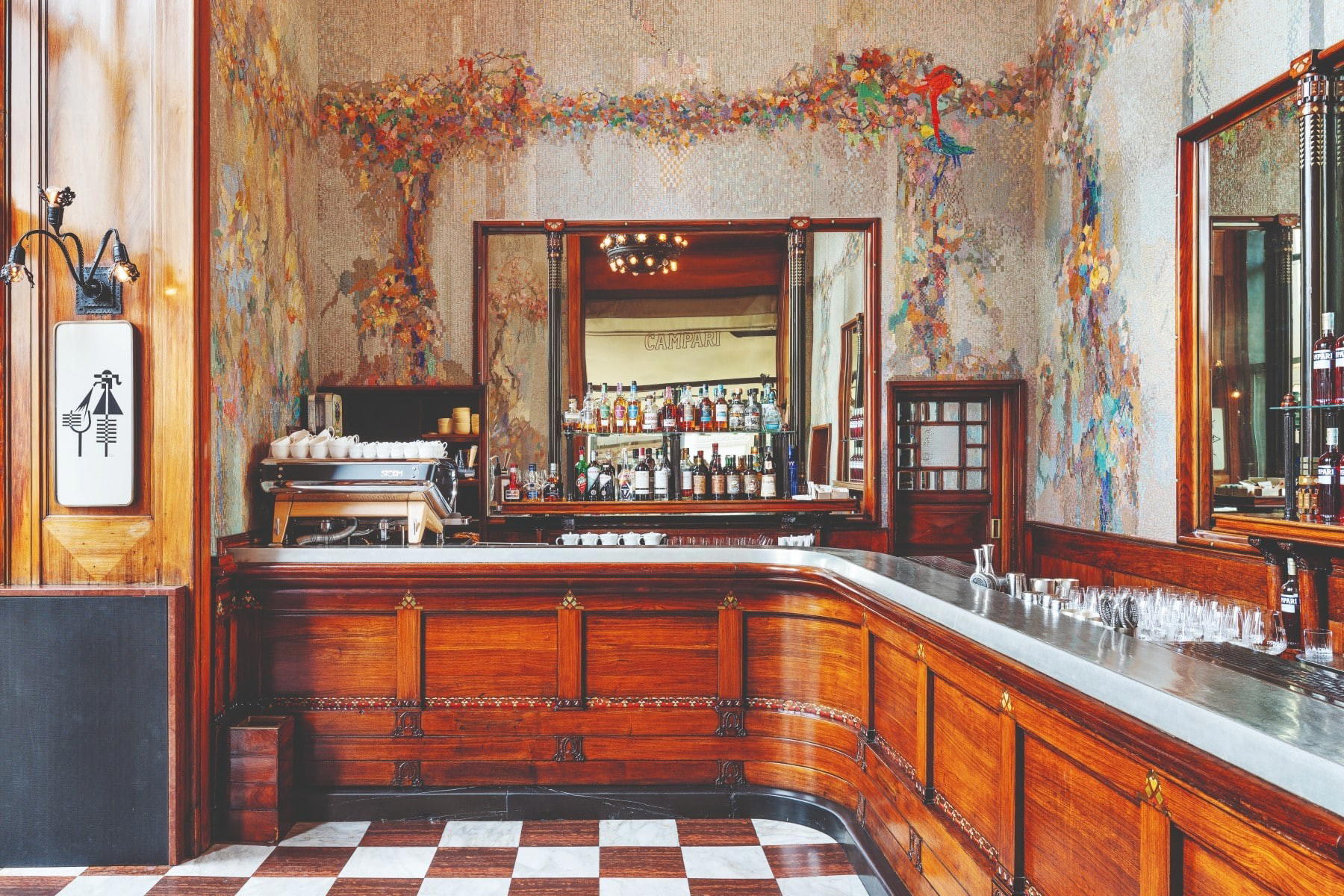
Bars in Milan
Browse all →
Restaurants in Milan
Browse all →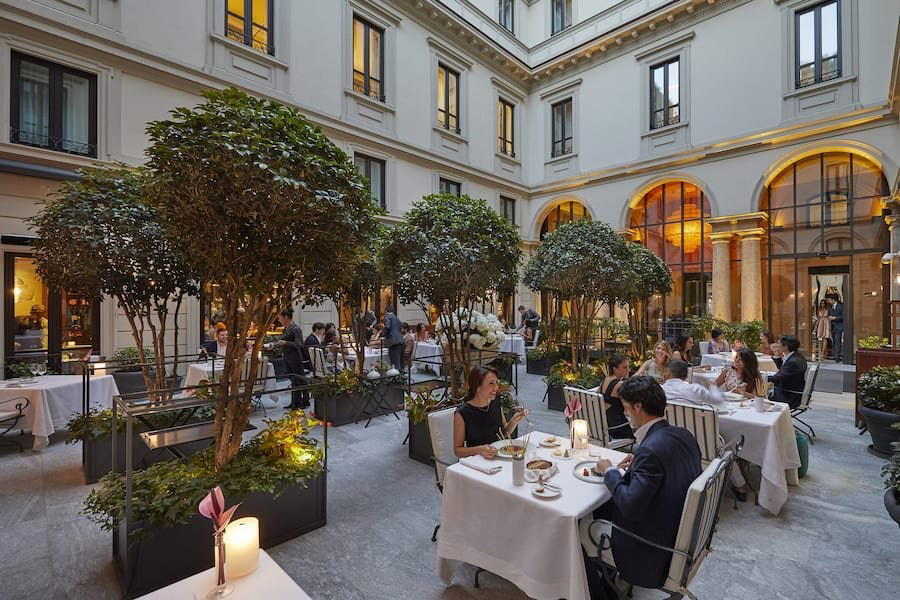
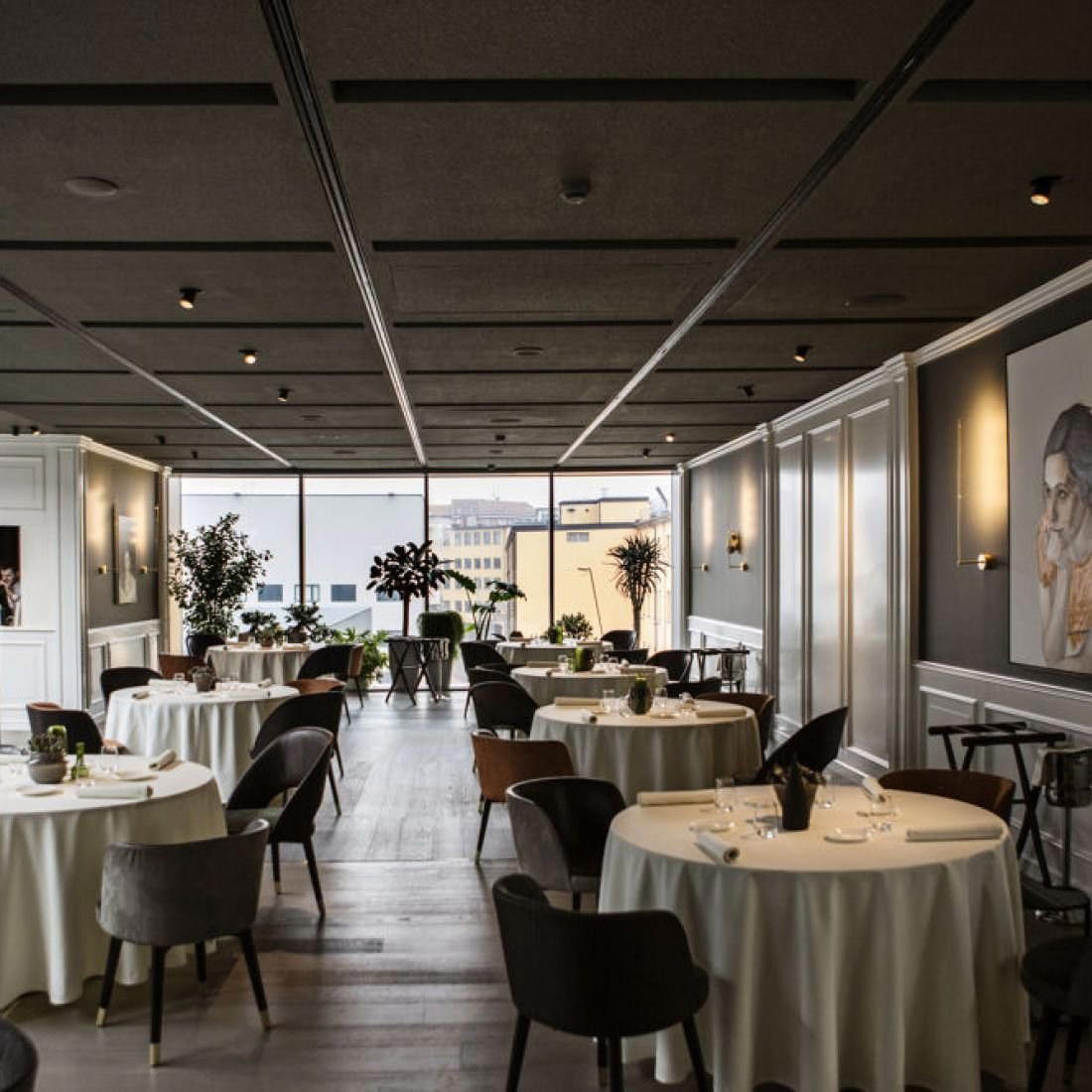
Hotels in Milan
Browse all →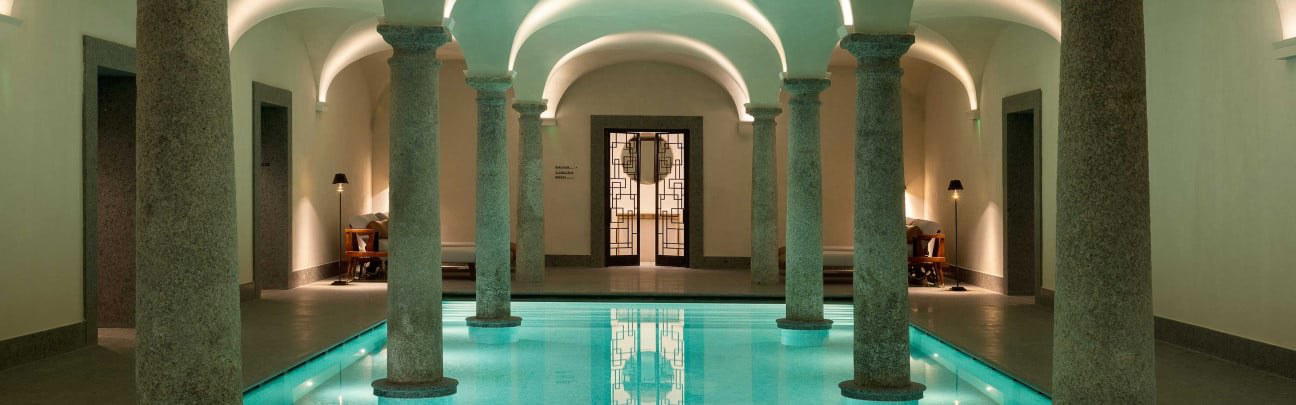
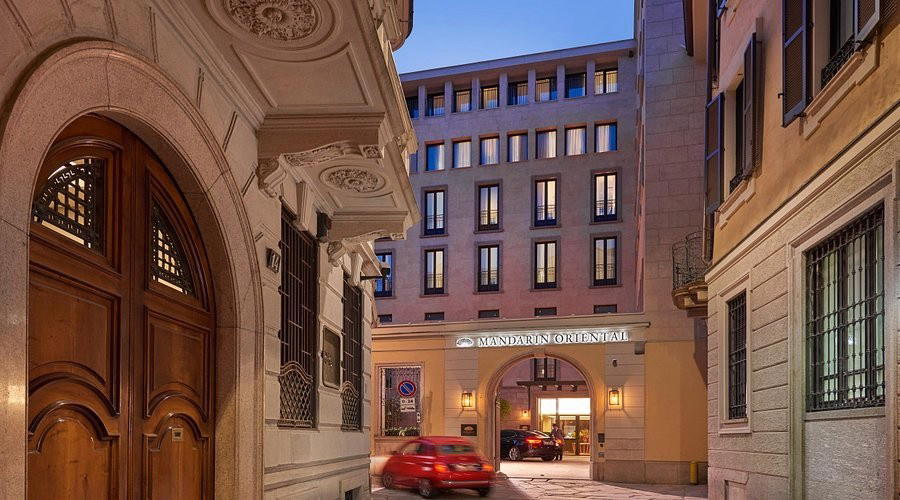
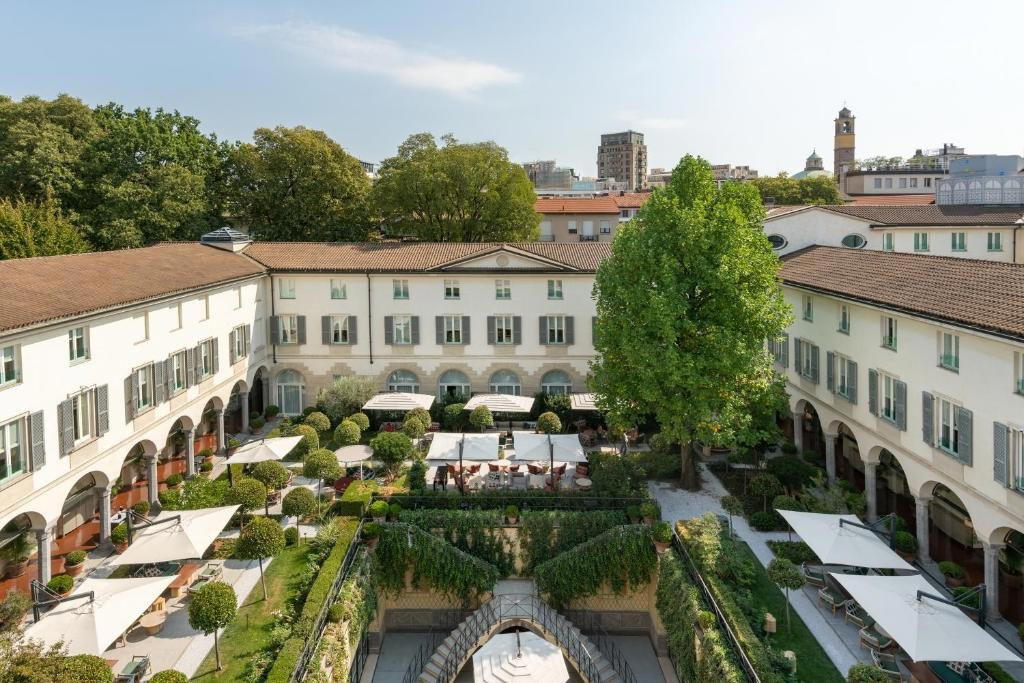
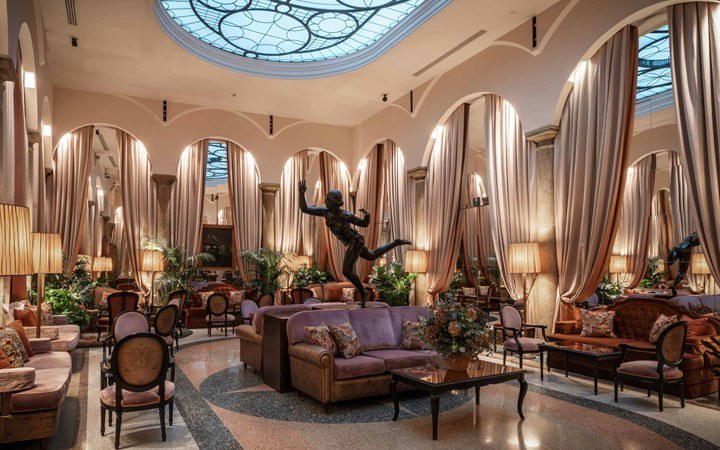
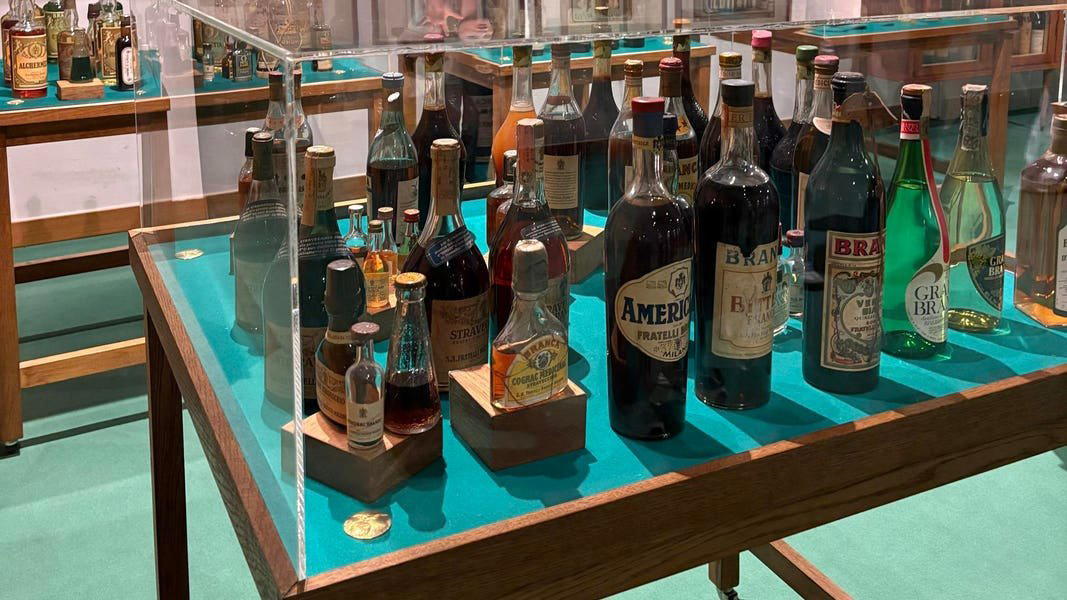

Details
- Elegant
- Sophisticated
- Modern
- Hotel Bar
Luxurious spa setting with a focus on restorative, quick wellness experiences amid Art Deco-inspired hotel elegance.