Google: 4.6 · 2,681 reviews
El Quim de la Boqueria occupies a short stretch of counter inside La Boqueria market on La Rambla, and it functions as one of the most-discussed breakfast and lunch spots in Barcelona. The kitchen works with whatever the market stalls are moving that morning, which keeps the menu short, seasonal, and grounded in Catalan market tradition. Arrive early or expect to wait for a stool.
 Discover on Pearl
Pearl is the En Primeur Club membership app — saves, bookings, and concierge access live there. Same editors, same standards.
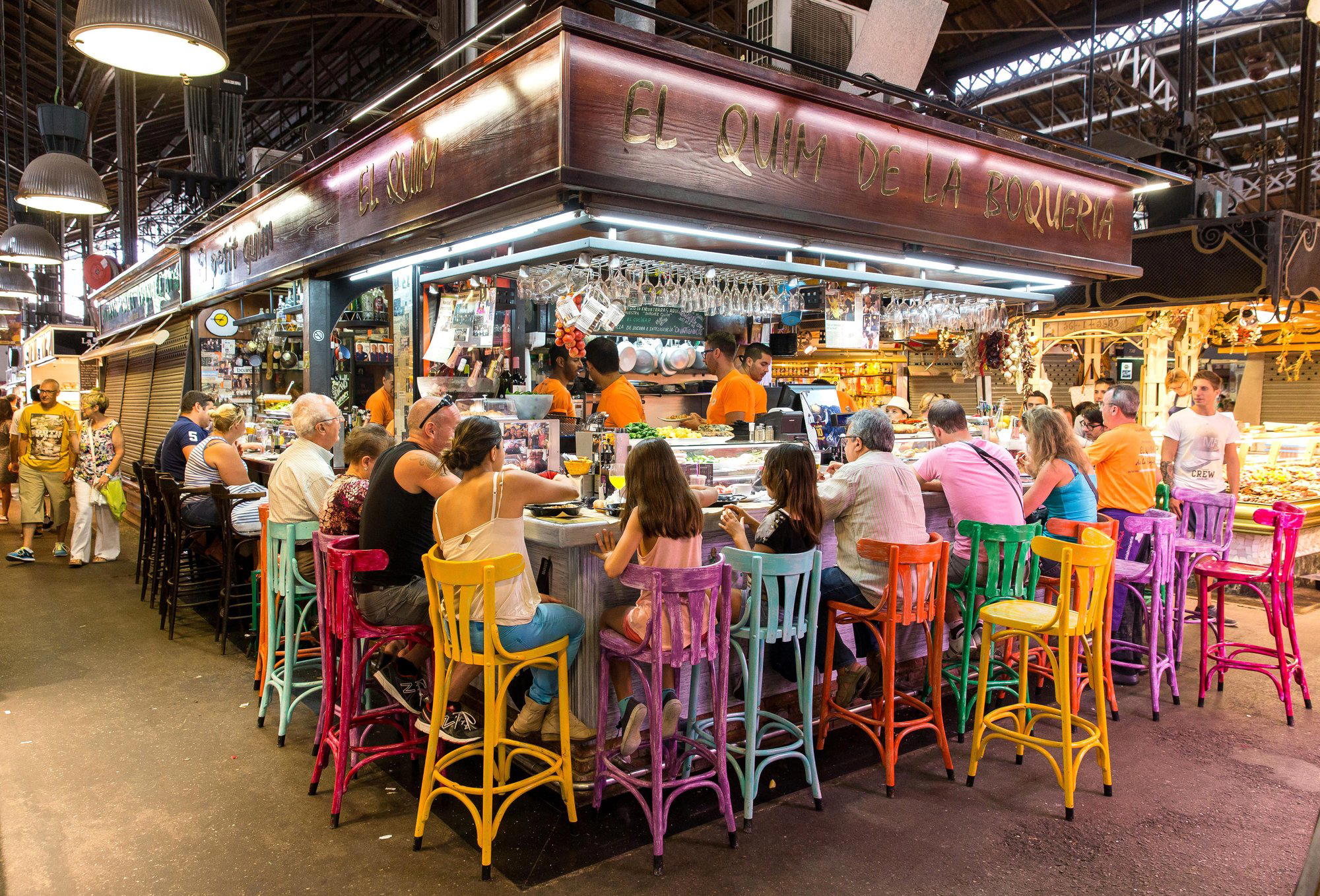
Counter Culture at the Heart of La Boqueria
La Boqueria is many things to many people: a working produce market, a tourist corridor, a site of ongoing tension between neighbourhood utility and commercial spectacle. Within that context, a small number of bar counters have maintained a different relationship with the space, one rooted in the original logic of a market bar: cook what the stalls are selling, feed people quickly, and charge accordingly. El Quim de la Boqueria operates on that logic, occupying a compact counter in the market's interior that has kept it on the radar of food writers and regular visitors to Barcelona for decades.
The physical experience begins before you sit down. The market's covered iron structure channels noise, light, and the smell of fish counters and fresh produce in ways that no restaurant dining room replicates. You locate El Quim by the density of people standing near it and the activity at the cooking station visible from the counter stools. There is no threshold, no door, no transition from market floor to dining space — the two are continuous. That permeability is the point. The kitchen is working with ingredients sourced directly from surrounding vendors, which means the menu reflects what the market is offering on a given morning rather than a fixed card printed weeks in advance.
What Barcelona's Market Bar Tradition Actually Means
Spain's market bar format has parallels across the country — from Madrid's Mercado de San Miguel to Valencia's Mercat Central , but Barcelona's version, centred on La Boqueria, carries specific associations. The bars inside La Boqueria historically served market workers, butchers, and fishmongers who needed a fast, substantial meal between early morning deliveries and midday close. That origin shaped a culinary register that sits between breakfast and lunch, heavy enough for physical labour, fast enough for a working schedule.
El Quim sits inside that tradition. The menu covers the hours when La Boqueria is at its most active, broadly morning through early afternoon, and the format is counter service with short turnaround. This is not the place to spend three hours over a tasting menu. It is the place to eat fried eggs with sea urchin, or anchovies over tomato bread, while the stall behind you is still selling the same sea urchin and anchovies to shoppers. The proximity is the editorial argument. In a city where Barcelona's broader restaurant scene has split sharply between high-concept dining and casual neighbourhood tapas bars, the market counter occupies a position that neither tier fully claims.
For context on how Barcelona's drinking and dining scene is distributed across the city, see our full Barcelona restaurants guide.
The Drinks Question: Between Market Bar and Something More Considered
The editorial angle assigned to this piece asks about spirits curation and back bar depth, which requires honesty about format. El Quim is not a cocktail bar, and its drink offer is calibrated to market-bar context: vermut, cava, house wine, and the kind of beer that makes sense at 9am with anchovies. The spirits selection, where it exists, is functional rather than curatorial. There is no aged rum programme or rare Calvados shelf.
That contrast is itself instructive. Barcelona has built a credible cocktail culture in recent years, anchored by counters with genuine technical ambition. Boadas, operating since 1933 near the leading of La Rambla, represents the older tradition of spare, precise short drinks. Dry Martini occupies the formal end of that lineage, with a back bar that rewards exploration. Dr. Stravinsky and Foco represent the more recent, technically-oriented tier of Barcelona bars where the spirits selection is part of a deliberate programme. El Quim does not compete in that space, and understanding the distinction matters for planning your visit. If you want a considered vermut or a glass of cava with market food at 11am, the bar serves that function well. If spirits depth is the priority, the addresses above are the relevant comparison set.
The same distinction holds when looking at Spain's wider bar scene. Angelita in Madrid brings wine and vermouth depth to a different kind of casual format. Across the Balearics, Garito Cafe in Palma de Mallorca and La Margarete in Ciutadella represent bars where the drink programme carries more editorial weight. Further south, Bar Sal Gorda in Seville, Bar Gallardo in Granada, and Garden Bar in Calvia each operate within a different local tradition of the drinking-first bar. For a point of international comparison that shows how a market-adjacent bar can anchor a serious spirits programme, Bar Leather Apron in Honolulu is a useful reference, though the contexts differ substantially.
The Case for Going Anyway
The argument for El Quim is not about drinks curation. It is about what it means to eat in a market at the moment when the market is doing what it is supposed to do. La Boqueria operates under considerable pressure from tourism volume, and several of its counters have adapted accordingly, pricing and positioning for visitors rather than residents. The persistence of a bar that remains oriented toward the food directly around it, priced in a register consistent with a working market rather than a destination restaurant, represents something worth noting in that context.
Arrival time matters more than almost any other planning variable. The counter fills by mid-morning on weekdays and earlier on weekends. Standing in line is normal; the turnover at counter stools is relatively fast by Barcelona restaurant standards, where two-hour lunches are common. Weekday mornings, particularly Tuesday through Thursday, are the least pressured. The market itself closes early afternoon, which sets a firm upper boundary on when you can eat here.
La Boqueria sits directly on La Rambla in the Gothic Quarter, accessible from multiple metro stops including Liceu on Line 3. The address is Mercat de La Boqueria, La Rambla 91. Walk past the main entrance, go deep enough into the market to leave the tourist-facing perimeter stalls behind, and you will find the counter.
Comparable Spots, Quickly
A quick context table based on similar venues in our dataset.
| Venue | Awards |
|---|---|
| El Quim de la BoqueriaThis venue — the venue you are viewing | |
| Boadas | World's 50 Best |
| Dr. Stravinsky | World's 50 Best |
| Dry Martini | World's 50 Best |
| Mutis | World's 50 Best |
| Paradiso | World's 50 Best |
Continue exploring
More in Barcelona
Bars in Barcelona
Browse all →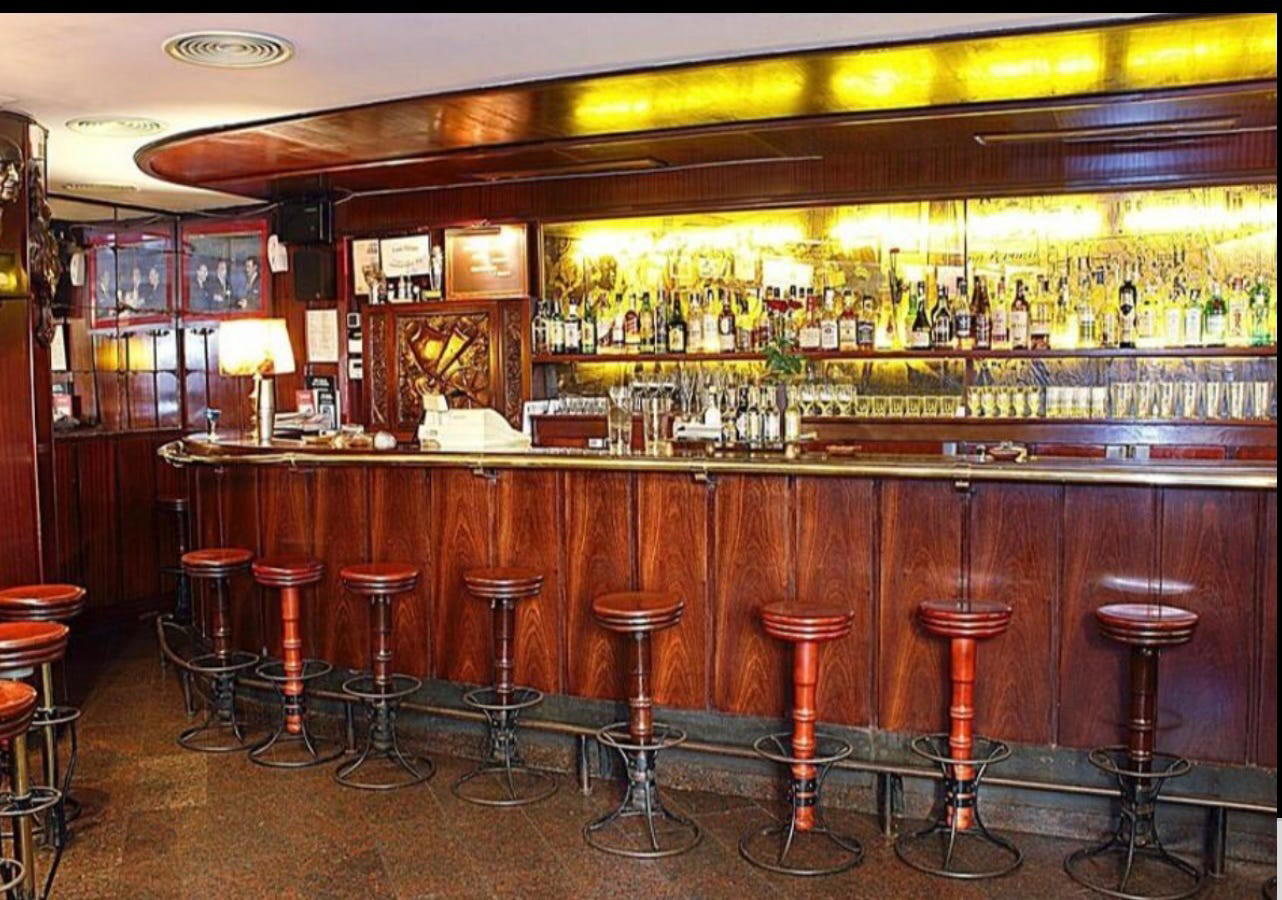
Restaurants in Barcelona
Browse all →
Hotels in Barcelona
Browse all →
At a Glance
- Lively
- Iconic
- Energetic
- Rustic
- Casual Hangout
- After Work
- Group Outing
- Historic Building
- Standalone
- Standing Room
- Counter Only
- Craft Beer
- Conventional Wine
Energetic and chaotic with sizzling grills, clanking plates, and lively chatter; a vibrant symphony of market activity with standing-room-only counter seating and minimal decor.