Café Paraíso
Café Paraíso occupies a corner of Plaza Villa de Madrid in Colonia Roma Norte, where the neighbourhood's café culture converges with Mexico City's broader turn toward deliberate, unhurried drinking. Against Roma Norte's more polished cocktail bars, Paraíso reads as a quieter counter-proposal: a place built around the square's rhythm rather than a tasting menu format.
Pearl is the En Primeur Club membership app — saves, bookings, and concierge access live there. Same editors, same standards.
- Address
- Pl. Villa de Madrid 17, Roma Nte., Cuauhtémoc, 06700 Ciudad de México, CDMX, Mexico
- Phone
- +52 55 6586 3489
- Website
- google.com
- Directions
- Get directions
 Saves & bookings on Pearl
A Square That Defines the Experience
Plaza Villa de Madrid is one of Roma Norte's more considered public spaces, a circular intersection anchored by a fountain where the neighbourhood's residential and café-going populations overlap without the self-consciousness that often affects the area's busier stretches. Café Paraíso sits on this square at Pl. Villa de Madrid 17, and the address is genuinely load-bearing for what the venue is. In a city where bars and cafés increasingly perform their own interiors for social media, a position on a working public plaza tilts the experience outward rather than inward: you are watching Roma Norte go about its business as much as you are consuming anything in a glass.
Roma Norte has spent roughly fifteen years consolidating a reputation as Mexico City's most walkable eating-and-drinking district. The neighbourhood absorbed successive waves of chefs, bartenders, and independent café operators through the 2010s and has, as a result, developed a layered scene that ranges from destination cocktail bars with international recognition to corner cantinas that have not changed since the 1970s. Café Paraíso occupies a position in that spectrum that is harder to categorise than either extreme, which is partly the point.
Where Roma Norte's Café Tradition Sits Now
Mexico City's café culture does not operate on a single model. The capital has a long tradition of the café de chinos, the all-day neighbourhood café that functions as workspace, meeting room, and canteen simultaneously. It also has, more recently, developed a specialty coffee circuit that benchmarks itself against third-wave operations in São Paulo, New York, and Tokyo. Between those poles sits a third type: the neighbourhood café that leans toward drinks, extended afternoons, and a physical relationship with its immediate surroundings. Venues positioned on or near the colonia's main plazas tend to fall into this third category because the plaza itself generates the footfall pattern rather than a destination-driven booking.
Café Paraíso's location on Plaza Villa de Madrid places it inside that third model. The square draws a cross-section that skews residential rather than tourist, particularly on weekday afternoons, which shifts the ambient register compared to the more performative bars along Álvaro Obregón or Orizaba. For readers planning time in the city, this distinction matters when deciding which part of the Roma Norte offer to prioritise. For a fuller breakdown of where the neighbourhood sits within the city's drinking and dining geography, the EP Club Mexico City guide maps the scene across colonias.
The Roma Norte Cocktail Tier Around It
Any honest read of Café Paraíso requires some reckoning with the cocktail bars immediately around it. Roma Norte contains several of the city's most technically demanding programs. Baltra Bar has sustained international attention for a format built around Mexican botanical sourcing and high-precision technique. Bar Mauro occupies a different register, leaning into an older cantina reference frame while applying current bar thinking to the format. Bijou Drinkery Room operates with a more intimate, reservation-oriented discipline. Brujas has carved out its own specific following with a program that is overtly political in its sourcing choices.
These venues collectively represent Roma Norte's upper cocktail tier: bars where the format, the intent, and the price point are all clearly signalled before you arrive. Café Paraíso sits at a different register within the same neighbourhood, functioning less as a destination cocktail bar and more as a plaza-anchored all-day operation. That is not a criticism; it is a categorisation that determines what kind of afternoon you are planning.
How the Plaza Changes the Drinking Logic
One of the underappreciated dynamics of Mexico City's café and bar scene is how much the physical context of a venue shifts its use pattern. Bars on interior patios or basement levels generate a closed social environment. Bars on busy commercial streets like Álvaro Obregón attract a stream of walkers who convert to sitters opportunistically. Bars facing a residential plaza, like Café Paraíso does on Plaza Villa de Madrid, inherit the square's tempo: slower at midday, more occupied by late afternoon as local residents finish working, and generally calibrated toward duration rather than throughput.
That tempo makes plaza-facing venues more suited to the long sit than the destination bar visit. If your Mexico City itinerary includes a day built around Roma Norte on foot, with a morning coffee somewhere on Orizaba, a long lunch, and an afternoon that extends into early evening, a plaza café is a structurally useful anchor in a way that a reservation-only cocktail bar is not. Visitors prioritising destination bar experiences in the colonia should book around the venues named above; those building a day around the neighbourhood's texture will find the square-facing format more appropriate to that kind of movement.
Mexico City's Wider Bar Geography
The city's drinking options now extend well beyond Roma Norte into neighbourhoods like Condesa, Juárez, and Polanco, each carrying a distinct atmosphere and price register. Within Mexico more broadly, the spread of considered bar programs has reached secondary cities and resort towns at a pace that would have seemed unlikely a decade ago. Arca in Tulum and El Gallo Altanero in Guadalajara represent how far the country's cocktail seriousness has distributed geographically. La Capilla in Tequila remains the reference point for understanding where agave drinking culture was before the current premium era. Farther afield, Bekeb in San Miguel de Allende shows how smaller colonial cities have absorbed the same shift toward program-led bar culture, while Aruba Day Drink in Tijuana and Coco Bongo in Cancun illustrate the range from specialist to high-volume formats that the country now contains. Outside Mexico entirely, Bar Leather Apron in Honolulu is worth noting as a Pacific counterpoint to the Latin American trajectory.
Planning a Visit
Café Paraíso is located at Pl. Villa de Madrid 17 in Roma Norte, Cuauhtémoc, 06700, walkable from the Insurgentes metro station and well within range of the neighbourhood's main restaurant corridor on Orizaba. Because the venue faces a residential plaza rather than a commercial street, arrival by foot is the most practical approach: the square itself is the orientation point. Given the plaza-facing format and all-day café character, walk-in is likely the operating model, but verification before a specific-time visit is advisable.
Continue exploring
More in Mexico City
Bars in Mexico City
Browse all →
Restaurants in Mexico City
Browse all →
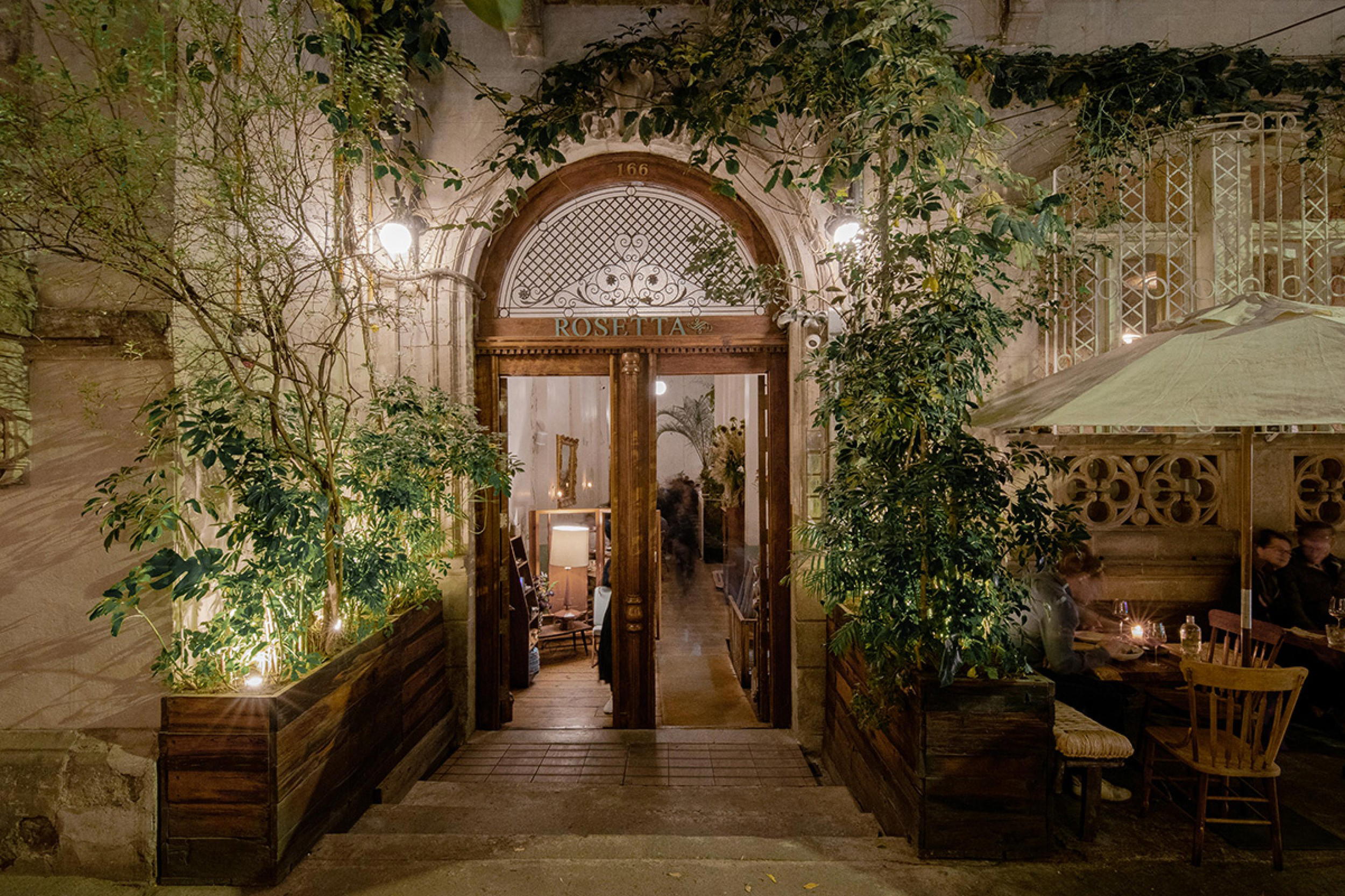
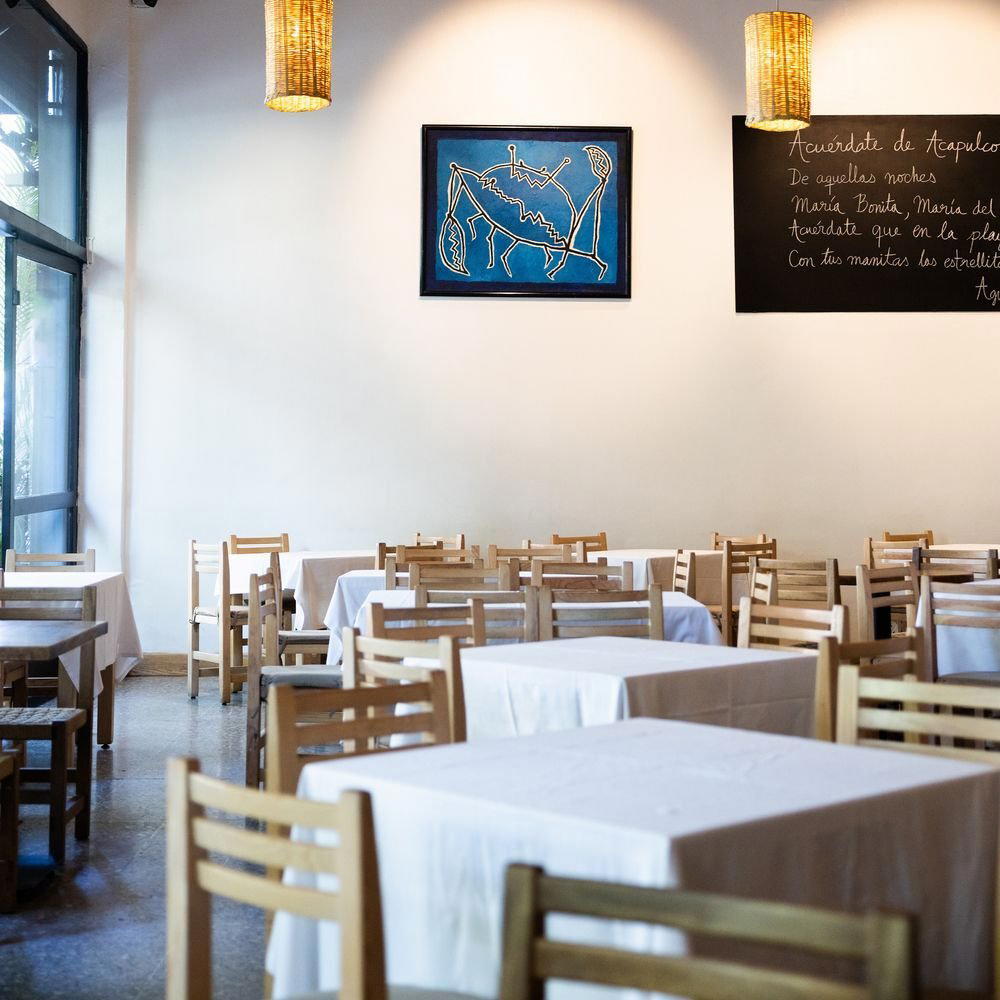
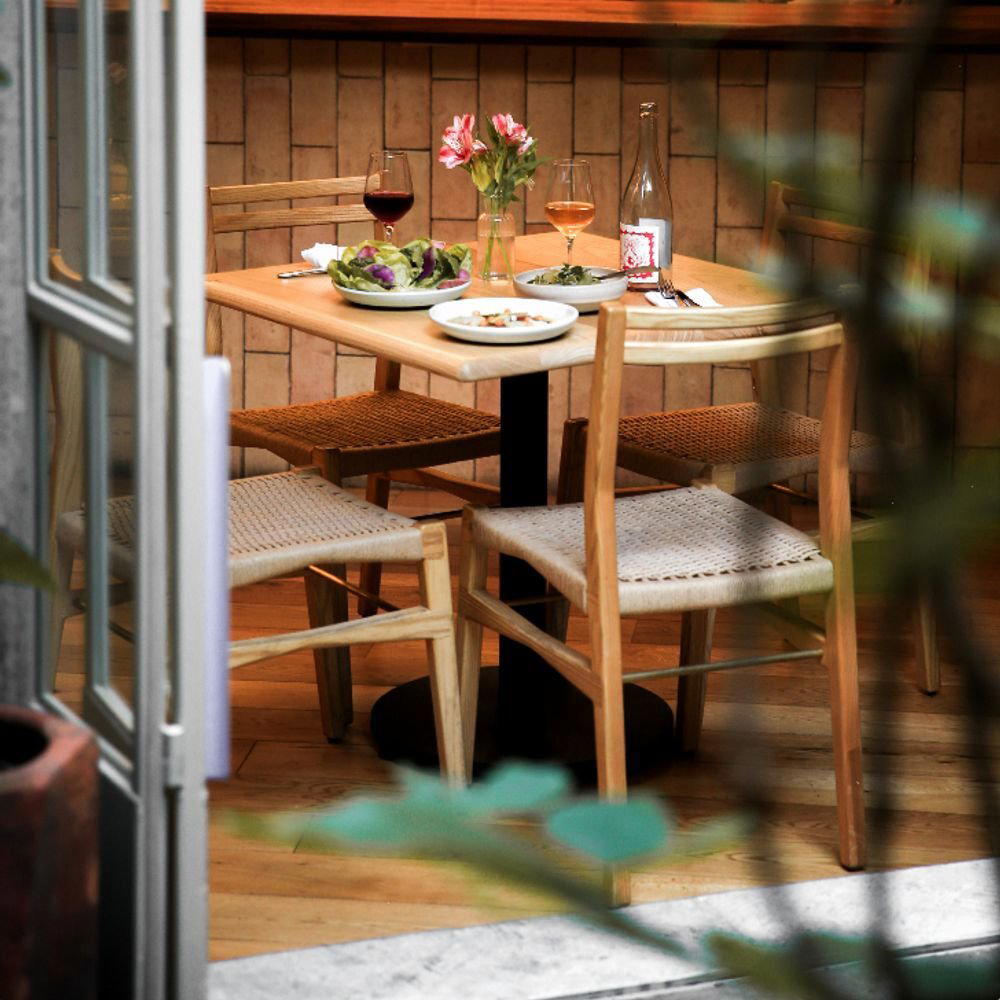
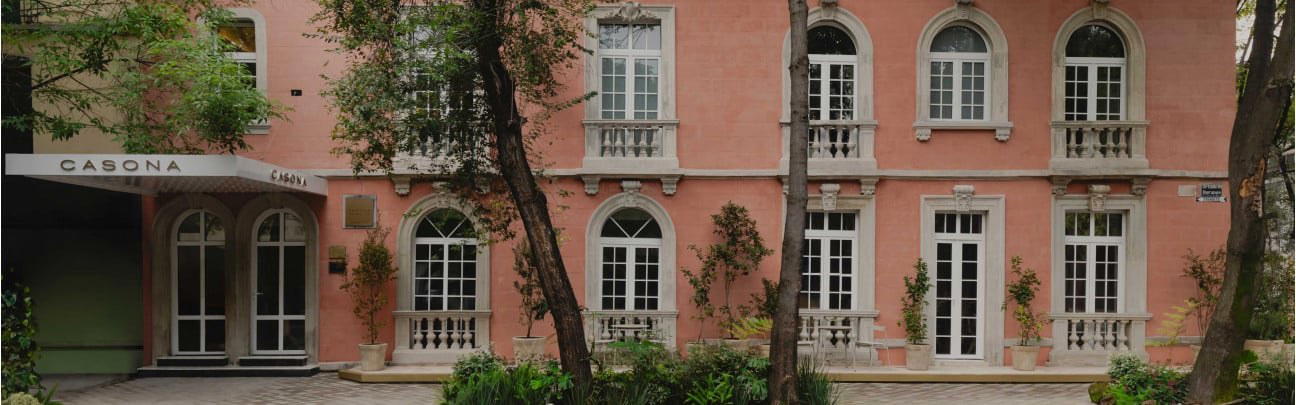
At a Glance
- Lively
- Trendy
- Energetic
- Late Night
- Group Outing
- Celebration
- Live Music
- Lounge Seating
- Classic Cocktails
Current opening hours
- Monday
- Closed
- Tuesday
- Closed
- Wednesday
- Closed
- Thursday
- 12–4 AM
- Friday
- 12–5 AM
- Saturday
- 12–5 AM
- Sunday
- 12–5 AM
Hours can change for holidays and private events. Last verified .
Tropical fruity decor with a cool, exclusive private event feel and lively dancing atmosphere.
Know Before You Go
- Getting there
- Pl. Villa de Madrid 17, Roma Nte., Cuauhtémoc, 06700 Ciudad de México, CDMX, Mexico