Due Fiori
Due Fiori occupies a corner of East 4th Street in Long Beach's Retro Row corridor, where the neighborhood's independent dining character runs thicker than almost anywhere else in the city. The address alone places it in a cluster of locally anchored spots that reward repeat visits. For anyone building an itinerary around Long Beach's bar and dining scene, it belongs on the shortlist.

Pearl is the En Primeur Club membership app, where members save venues, book tables and use the concierge.
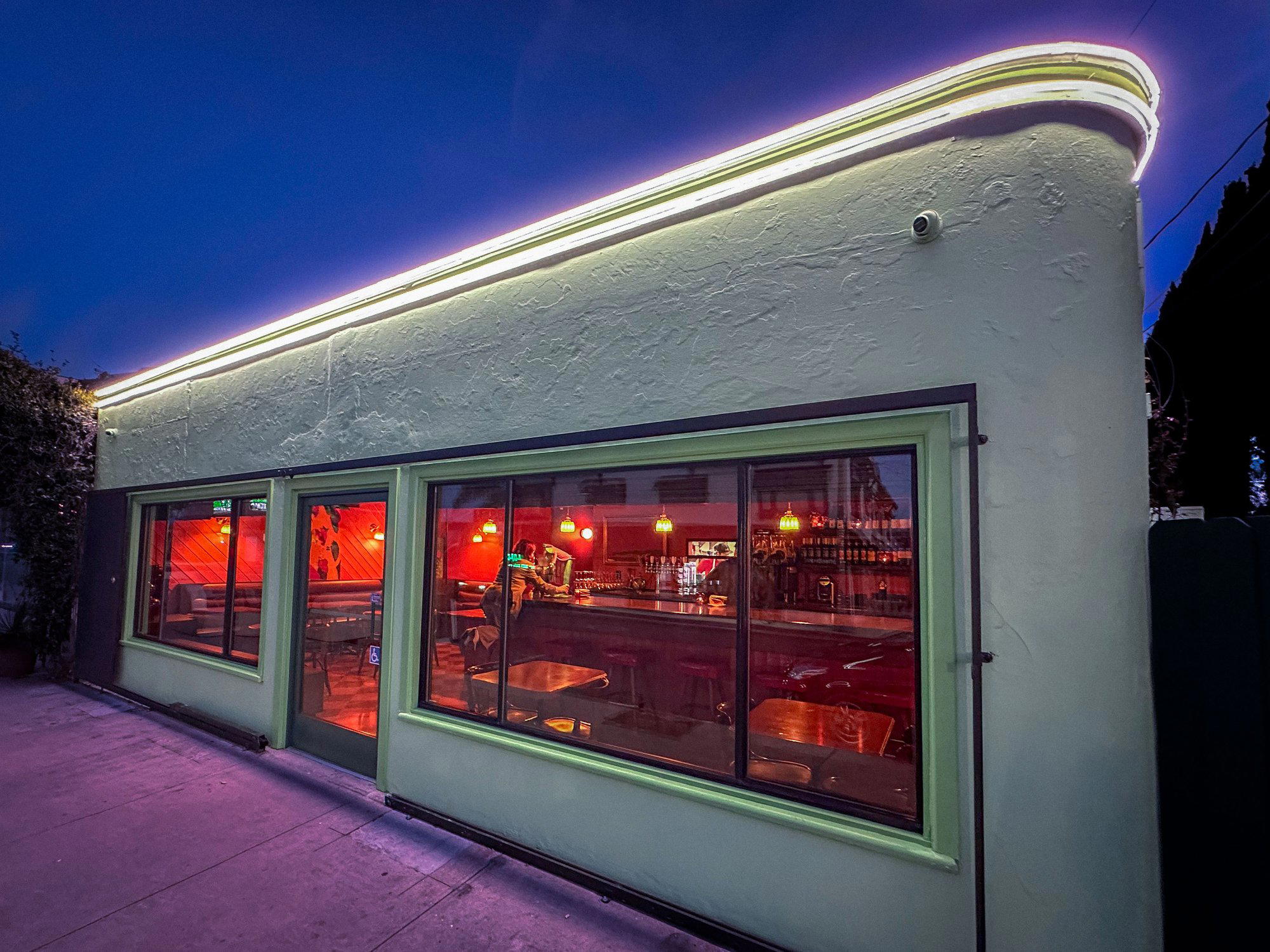
East 4th Street and the Logic of Retro Row
Long Beach's East 4th Street corridor has accumulated a particular kind of gravity over the past decade. Unlike downtown Long Beach, which cycles through concepts at a faster clip, the stretch around 2700 East 4th operates at a slower, more neighborhood-anchored pace. The businesses here tend to root rather than rotate, and the clientele reflects that: regulars who know the staff, visitors who made a deliberate choice to come here rather than default to the waterfront. Due Fiori sits at 2708 E 4th St, inside that logic rather than outside it.
Retro Row, as the corridor is informally known, draws its identity from the concentration of independent operators, vintage retailers, and sit-down spots that collectively resist the franchise formats common elsewhere in Southern California. In that context, an address on this block is itself a signal. The venues that last here do so because the neighborhood sustains them, not because a national brand machine keeps the lights on. That dynamic shapes expectations before you walk through the door.
What the Address Tells You About the Booking Question
That is not unusual for independent operators in neighborhoods like this one, where the digital footprint can lag the physical reputation by months or years.
What this means practically: if you are planning a deliberate visit rather than a spontaneous one, build in a verification step. Retro Row's independent venues have historically operated on hours that shift seasonally or with staffing, and a cold arrival on the wrong night is a familiar disappointment for anyone who has leaned too hard on outdated listings. The neighborhood's concentration of alternatives, including Domenico's Belmont Shore and COPA (aka Coffee Parlor) nearby, provides reasonable backup, but Due Fiori itself warrants the extra planning step if it is the primary destination.
Where Due Fiori Sits in Long Beach's Bar and Dining Tier
Long Beach's independent dining and bar scene has been sorting itself into tiers with increasing clarity. At the leading end, a handful of spots have accumulated regional recognition and draw visitors from across Los Angeles County. Below that sits a second tier of neighborhood anchors: places with loyal local followings, consistent execution, and enough word-of-mouth to sustain themselves without Michelin citations or press campaigns. Due Fiori's Retro Row address places it in conversation with that second tier.
The comparison set in this part of Long Beach includes Alex's Bar, which has built a distinct identity around live music and a specific kind of East Long Beach regulars culture, and Bai Plu Thai & Sushi Bar, which operates in a different category but draws from a similar neighborhood-loyalty base. These venues share a characteristic: they are not optimized for the tourist pass-through, they are built for people who choose Long Beach deliberately. Due Fiori belongs in that peer conversation.
For readers who use bar program quality as a primary filter when building a city itinerary, it is worth noting what the wider bar world looks like at the reference tier. Programs like Kumiko in Chicago and Jewel of the South in New Orleans represent the kind of deeply considered cocktail work that has raised the baseline expectation for serious bar programs nationally. Closer to the West Coast, ABV in San Francisco and Bar Leather Apron in Honolulu operate with similar intentionality. Long Beach's independent scene has not consistently reached that tier, but the gap has been narrowing, and venues on East 4th are part of that upward movement.
Planning the Visit: What to Know Before You Go
Start with a real-time search for current hours and any reservation availability. If the venue takes walk-ins only, an early-evening arrival on a weekday typically gives you the leading read on the space without the friction of a weekend crowd. East 4th Street sees its heaviest foot traffic on Friday and Saturday evenings, when Retro Row draws a broader mix of visitors alongside the regulars.
The block is walkable from several nearby spots, so building a loose itinerary around the corridor makes sense. COPA (aka Coffee Parlor) can anchor an earlier part of the evening before a later stop. If Due Fiori is at capacity or not operating on your night, Alex's Bar on East Anaheim provides a different register of the East Long Beach independent bar experience. For a broader map of where Due Fiori sits in the city's overall dining and drinking picture, our full Long Beach restaurants guide covers the competitive set with more granularity.
Readers who have found their way to Due Fiori through programs like Julep in Houston or Superbueno in New York City, bars where a specific editorial identity is built into every decision, may find that the East Long Beach context rewards a different mode of engagement: less spectacle, more neighborhood texture. The Parlour in Frankfurt offers a useful European parallel for the kind of quietly serious independent operation that doesn't need a press release to sustain itself.
Quick Comparison
A short peer table to compare basics side-by-side.
| Venue | Price |
|---|---|
| Due FioriThis venue (the venue you are viewing) | Not listed |
| Alex's Bar | $10–20 |
| Dutch's BrewHouse | $20–30 |
Continue exploring
More in Long Beach
Bars in Long Beach
All bars in Long Beach →
Restaurants in Long Beach
All restaurants in Long Beach →
Hotels in Long Beach
All hotels in Long Beach →
Wineries in Long Beach
Browse all →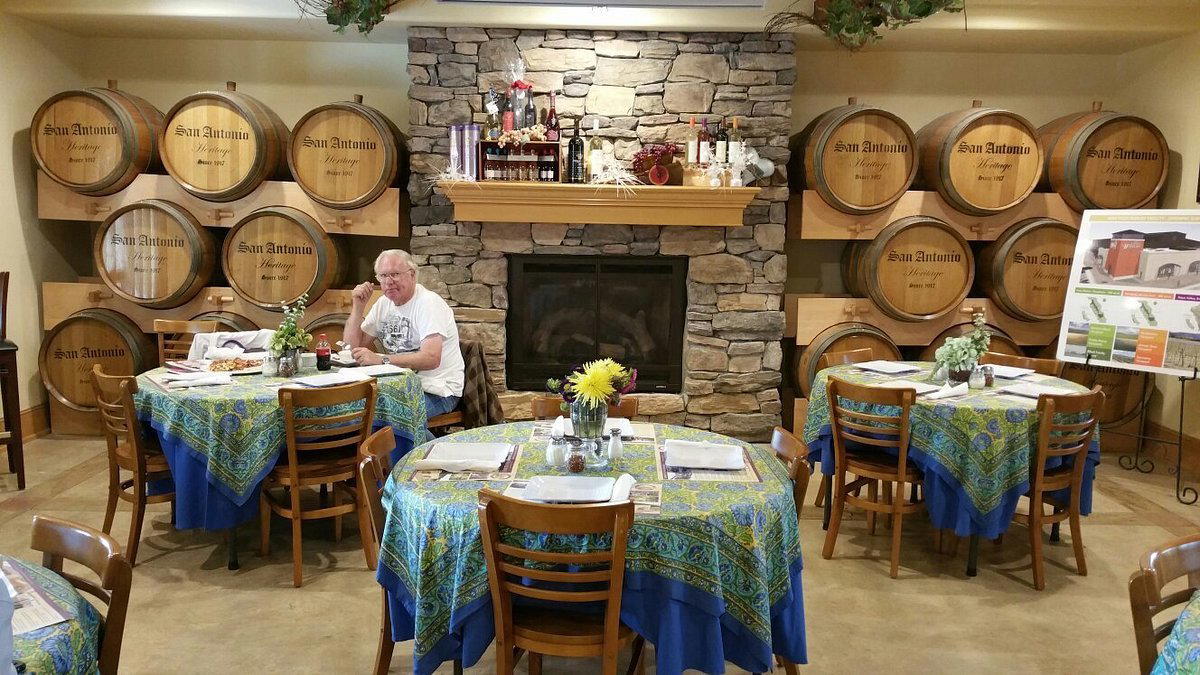
Details
- Cozy
- Intimate
- Date Night
- Casual Hangout
- Standalone
- Counter Only
- Conventional Wine
Current opening hours
- Monday
- Closed
- Tuesday
- Closed
- Wednesday
- 5–10 PM
- Thursday
- 5–10 PM
- Friday
- 5–10 PM
- Saturday
- 10 AM–3 PM, 5–10 PM
- Sunday
- 10 AM–3 PM, 5–10 PM
Hours can change for holidays and private events. Hours as of .
Moody red lighting with pop art nude paintings, a blue frog sculpture at the bar, and rainbow string lights on the patio.