COPA (aka Coffee Parlor)
A Long Beach neighborhood fixture operating under the dual identity of COPA and Coffee Parlor, this Clark Avenue address has cultivated the kind of regular crowd that defines a true local watering hole. The format spans coffee-shop familiarity and bar programming, serving the residential stretch of east Long Beach with the easy reliability that chain concepts rarely replicate. For visitors oriented toward community-rooted drinking spots rather than destination cocktail bars, it earns a closer look.
 Discover on Pearl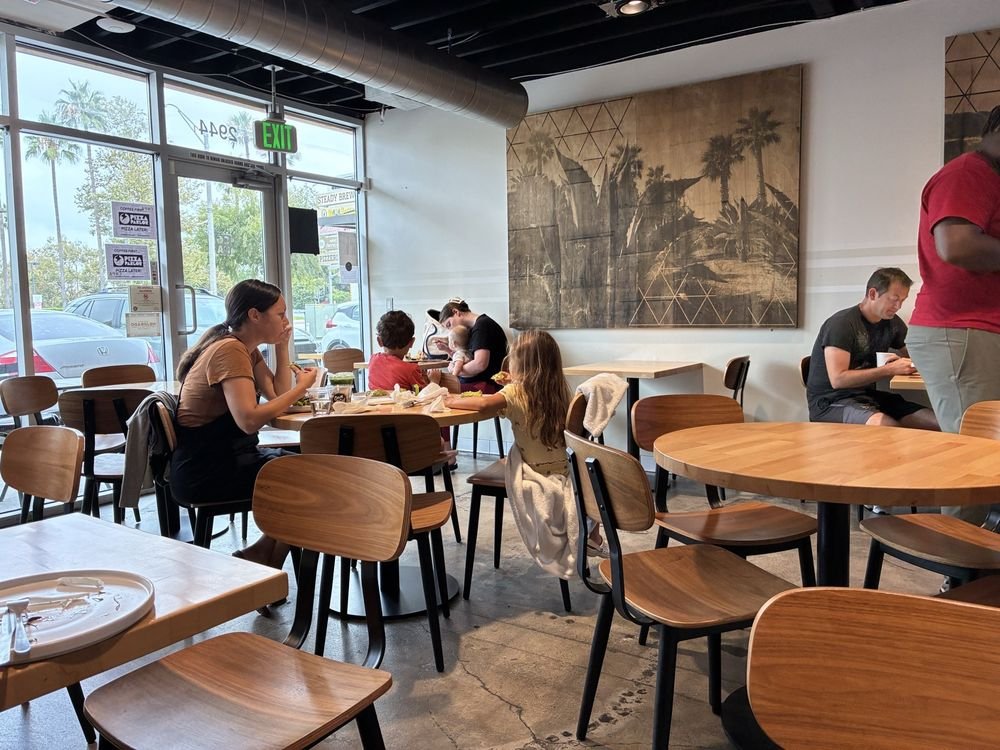
Clark Avenue's Living Room
Long Beach has a well-documented split personality when it comes to neighborhood bars. The waterfront and downtown corridors attract the larger, higher-production venues — the kind of places built to pull crowds from across the city. But move east along the residential grid, toward the quieter blocks near Clark Avenue, and a different model takes over: smaller rooms with regulars who arrive without consulting a map, where the relationship between staff and customer outlasts any seasonal menu update. COPA, also known locally as the Coffee Parlor, operates in that second register. Its address at 2944 Clark Ave places it firmly in a residential stretch of east Long Beach where foot traffic is generated by the neighborhood itself, not by proximity to tourist infrastructure.
That distinction matters more than it might initially appear. In most American cities, the neighborhood watering hole has been losing ground to two competing formats: the craft cocktail destination bar and the multi-location hospitality group concept. Venues like ABV in San Francisco or Kumiko in Chicago represent the destination end of the spectrum, where program depth and critical recognition drive the draw. COPA sits at the opposite pole, where the draw is proximity, familiarity, and the accumulated social weight of being the place the neighborhood already chose. That position is harder to manufacture and easier to lose, which is why spots that hold it for years carry a particular kind of credibility.
The Dual-Identity Format
The Coffee Parlor alias is not incidental. Spaces that operate across both coffee and bar programming occupy a specific niche in American neighborhood hospitality — one that requires a different kind of daily rhythm than a pure bar concept. The morning and afternoon hours are shaped by a coffee-house logic: slower service, longer stays, tables that function as informal offices or meeting spots. By evening, the same physical space shifts register, with a drinking crowd that may overlap significantly with the coffee crowd. This dual-format model is common enough in dense urban neighborhoods but rarer in the residential east Long Beach grid, where most blocks make a cleaner choice between one type of venue or the other.
For the regulars, the dual identity is part of the appeal. A place you visit for coffee on Tuesday morning and a drink on Friday evening becomes structurally embedded in your week in a way that a single-format venue rarely achieves. Compare that to how Jewel of the South in New Orleans or Julep in Houston anchor themselves as destination cocktail bars with strong program identities , COPA's version of identity is built around availability and consistency across the day rather than depth of a single format. Neither approach is superior; they serve different community functions.
Long Beach's Neighborhood Bar Ecology
Long Beach's bar scene distributes unevenly across its geography. The downtown core around Pine Avenue and the East Village arts district concentrates the higher-profile venues, including Alex's Bar, which has built a reputation in the live music space over many years. The Belmont Shore corridor supports its own cluster of eating and drinking establishments, with places like Domenico's Belmont Shore operating in the casual Italian-American dining register and Bai Plu Thai & Sushi Bar serving the neighborhood's appetite for Southeast Asian cooking alongside drinking. Further into the residential east side, the density of destination-oriented venues drops sharply, and the spots that persist there do so on neighborhood loyalty rather than cross-city reputation.
COPA belongs to that east-side ecology. It is not competing with the cocktail-program-driven venues that attract coverage from drinks media. It is competing, in a quieter way, for the daily habits of the people who live within a reasonable walk or short drive. That competition is won through reliability, atmosphere, and the social architecture of a space that makes regulars feel known. Across American cities, venues in this tier , neighborhood coffee-bar hybrids with genuine local roots , are often among the first to close when rents rise or ownership changes. The ones that persist become load-bearing parts of the community fabric in ways that are difficult to quantify but immediately apparent when they disappear.
The east Long Beach grid also supports a range of dining options in the moderate-price tier, including Due Fiori, which occupies a different lane in the neighborhood's eating and drinking ecosystem. For visitors trying to read the area's character through its venues, the combination of coffee-parlor formats, casual dining, and low-key bar programming tells a consistent story: this is a neighborhood that values function and familiarity over spectacle.
Visiting COPA: What to Know
The Clark Avenue location is leading approached as a neighborhood stop rather than a planned destination. Visitors staying in or passing through east Long Beach will find it a natural fit for a mid-morning coffee or an early evening drink without the formality or wait times that accompany higher-profile venues. Because detailed booking and hours information is not centrally listed, arriving without a reservation is the standard approach for a venue in this format , the walk-in model is fundamental to how neighborhood spots like this function. Checking current hours directly before visiting is advisable, as coffee-bar hybrids in residential neighborhoods frequently adjust their schedule seasonally or around staffing. Our full Long Beach restaurants guide maps the broader drinking and dining options across the city's distinct neighborhoods for additional planning context.
For travelers calibrating where COPA sits relative to venues they may know in other cities, the closest reference points are not destination bars like Bar Leather Apron in Honolulu or Superbueno in New York City, which lead with cocktail program depth and have attracted significant critical attention. Nor does it operate in the European café-bar tradition represented by something like The Parlour in Frankfurt on the Main. COPA's frame of reference is purely local and residential, which for the right visitor in the right frame of mind is precisely the point.
Frequently Asked Questions
- What's the leading thing to order at COPA (aka Coffee Parlor)?
- Because detailed menu information is not publicly documented in available records, specific dish or drink recommendations cannot be made with confidence. The venue's dual identity as both a coffee parlor and bar suggests the coffee program and accessible bar offerings are the core of what it does , arriving during the morning hours for coffee or the evening hours for drinks aligns with how the format is designed to function.
- What makes COPA (aka Coffee Parlor) worth visiting?
- COPA's value is less about awards or price-tier positioning and more about what it represents within east Long Beach's residential drinking culture. In a city where bar programming increasingly concentrates downtown or along the waterfront, a neighborhood coffee-bar hybrid on Clark Avenue that has maintained a local following occupies a role that larger, higher-profile venues in the city cannot replicate. For visitors who want to read Long Beach beyond its destination venues, stops like this are informative precisely because they are not built for outsiders.
- Is COPA (aka Coffee Parlor) a good spot for remote work or casual meetings in Long Beach?
- Coffee-parlor formats in residential neighborhoods are structurally well-suited to longer, lower-pressure visits during daytime hours, making them a practical choice for remote work or informal meetings compared to busier downtown coffee shops. COPA's Clark Avenue location places it away from the higher foot-traffic areas of the city, which typically means a quieter environment during off-peak hours. As always with independently operated neighborhood venues, confirming current hours and any seating policies before visiting is recommended.
A Credentials Check
These are the closest comparables we have in our database for quick context.
| Venue | Awards | Cuisine | Notes |
|---|---|---|---|
| COPA (aka Coffee Parlor) | This venue | ||
| L'Opera Italian Restaurant | |||
| Panvimarn Thai Cuisine | |||
| Alex's Bar | |||
| Bai Plu Thai & Sushi Bar | |||
| Domenico's Belmont Shore |
Need a Table?
Our members enjoy priority alerts and concierge-led booking support for the world's most difficult bars and lounges.
Get Exclusive Access