Doris
Doris occupies a corner on Fulton Street in Crown Heights, Brooklyn, operating at the intersection of neighborhood bar and serious cocktail program. The format is low-key by design, but the drink-making is not. For those tracking Brooklyn's bar scene away from the louder Williamsburg corridor, Doris is a reliable reference point.
Pearl is the En Primeur Club membership app — saves, bookings, and concierge access live there. Same editors, same standards.
- Address
- 1088 Fulton St, Brooklyn, NY 11238
- Phone
- +1 347 240 3350
- Directions
- Get directions
 Saves & bookings on Pearl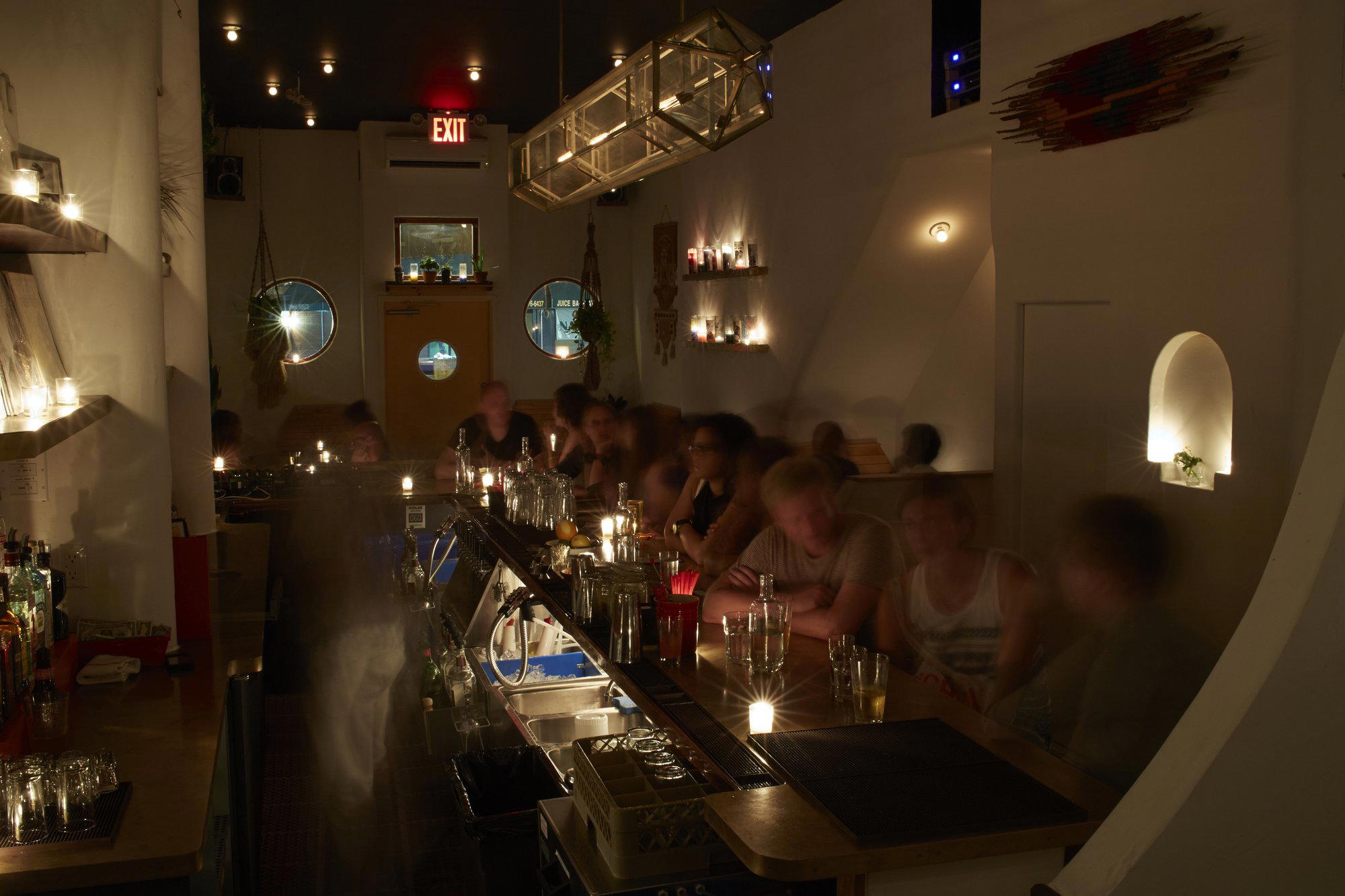
Crown Heights and the Quiet Professionalism of Brooklyn's Bar Scene
Brooklyn's cocktail bar conversation tends to collapse around Williamsburg and Greenpoint, where the density of openings and the Instagram surface area keep the attention. Crown Heights operates differently. The neighborhood has a slower hospitality rhythm, where venues earn their footing through repeat locals rather than destination tourism, and where the bar that stays open after five years usually does so because it actually functions as a neighborhood institution. Fulton Street, running through the heart of Crown Heights, carries that character: storefronts that have survived multiple economic cycles, a residential weight that pulls back against gentrification pressure, and a bar scene that tends toward the unpretentious.
Doris sits at 1088 Fulton Street inside that context. The address is not a destination in the way that a Tribeca cocktail bar or a Lower East Side speakeasy courts out-of-borough visitors. It draws from the surrounding blocks first, and from a growing cohort of cocktail-aware drinkers who have learned that particularly technically committed bars in New York City are increasingly not in Manhattan. That shift is worth understanding before arriving.
The Craft Behind the Counter
The editorial angle that matters most at a place like Doris is what happens at the bar itself. Brooklyn's better bars have spent the past decade absorbing the technical vocabulary that Manhattan cocktail culture developed and then, in some cases, refining it. The bartender's craft here belongs to a broader American movement that prizes source knowledge: where spirits come from, how modifiers interact with base spirits across dilution, and why a drink built for a specific glass and a specific ice format produces a different result than the same recipe assembled carelessly.
Bars operating in this register, whether it is Attaboy NYC in the Lower East Side or Amor y Amargo in the East Village, tend to share a few operational signals: bartenders who can talk through a drink's construction without performing it, menus that have an internal logic rather than a random breadth, and a hospitality approach that treats the guest's preference as information rather than an inconvenience. Doris belongs to this cohort by approach, even if its ZIP code keeps it outside the standard editorial circuits.
The contrast with Manhattan's legacy cocktail rooms is instructive. Angel's Share in the East Village represents the hidden-door, rule-governed format that defined a certain era of New York cocktail culture, groups of four or more not seated, no standing, a hushed formality that communicated seriousness through restriction. That model still operates, but it represents one end of a spectrum. At the other end are bars like Doris, where the seriousness is in the drink rather than the door policy, and where the room's approachability is an asset rather than a compromise.
Placing Doris in a Wider American Bar Context
The technical bar movement is not exclusively a New York story. Across American cities, a similar pattern has produced bars that operate at high craft levels without the visibility infrastructure of a major awards cycle or a well-connected PR machine. Kumiko in Chicago anchors Japanese technique to a Midwestern hospitality register. Jewel of the South in New Orleans draws on the city's deep cocktail history to produce drinks with documentary weight. Julep in Houston has made Southern spirits a serious subject. ABV in San Francisco has spent years building a program around vermouth and low-ABV formats. Bar Leather Apron in Honolulu demonstrates that craft bar culture has spread well beyond the coastal corridor. Even internationally, The Parlour in Frankfurt on the Main shows how this technical vocabulary has become a global register.
Doris fits the same pattern at the New York borough level. The bar does not need the institutional recognition that a place like Superbueno has attracted for its Latin-influenced cocktail program to be doing serious work.
For visitors coming from outside New York, the comparison worth making is between Allegory in Washington, D.C., a bar that has built a highly theatrical, narrative-driven cocktail program inside a hotel setting, and a venue like Doris, which strips that theatricality away and places the drink at the center without the production design. Both represent serious craft commitments; they simply present them through different aesthetic choices. Neither is more legitimate than the other, but they appeal to different drinker temperaments.
What the Crown Heights Location Means for a Visit
Getting to Doris from Manhattan is a subway ride rather than a walk, which filters the audience in ways that matter. The A and C trains stop at Franklin Avenue, putting the bar within reasonable walking distance. The journey takes roughly 30 minutes from Midtown, which is enough friction to mean that anyone arriving has made a deliberate choice. That self-selection produces a room dynamic that tends to favor conversation over performance.
The Fulton Street corridor itself is worth understanding as a dining and drinking street in transition. The blocks around Doris carry a mix of long-standing Caribbean and West African food businesses alongside newer restaurant and bar openings that reflect Crown Heights's changing demographics. The neighborhood's food character is more interesting and less curated than much of what passes for a dining destination in North Brooklyn, and visiting Doris as part of an evening that includes the surrounding blocks produces a more accurate picture of how New York's borough eating and drinking culture actually operates in 2024.
Know Before You Go
Neighborhood: Crown Heights, Brooklyn
Transit: A/C to Franklin Ave; approximately 30 minutes from Midtown Manhattan
Reservations: Walk-ins are welcome
Hours: Mon: 5 PM-1 AM; Tue: 5 PM-1 AM; Wed: 5 PM-1 AM; Thu: 5 PM-2 AM; Fri: 5 PM-3 AM; Sat: 4 PM-3 AM; Sun: 4 PM-1 AM
Price range: About $25 per person
Good for: Neighborhood bar drinking with technical cocktail ambition; an alternative to Manhattan's more heavily trafficked cocktail rooms
Comparable Venues
Comparable venues nearby, for context on price, style, and recognition.
| Venue | Cuisine | Price | Notes |
|---|---|---|---|
| DorisThis venue — the venue you are viewing | cocktail_bar | $$ | Not listed |
| WXOU Bar | dive_bar | $$ | West Village |
| Dickson's Farmstand Meats | beer_bar | $$ | Chelsea-Hudson Yards |
| P.J. Clarke's Third Avenue | Bar | Not listed | East Midtown-Turtle Bay |
| Bessou | lounge | $$ | Chelsea-Hudson Yards |
| For All Things Good Bed-Stuy | wine_bar | $$ | Bedford-Stuyvesant (West) |
Continue exploring
More in New York City
Bars in New York City
Browse all →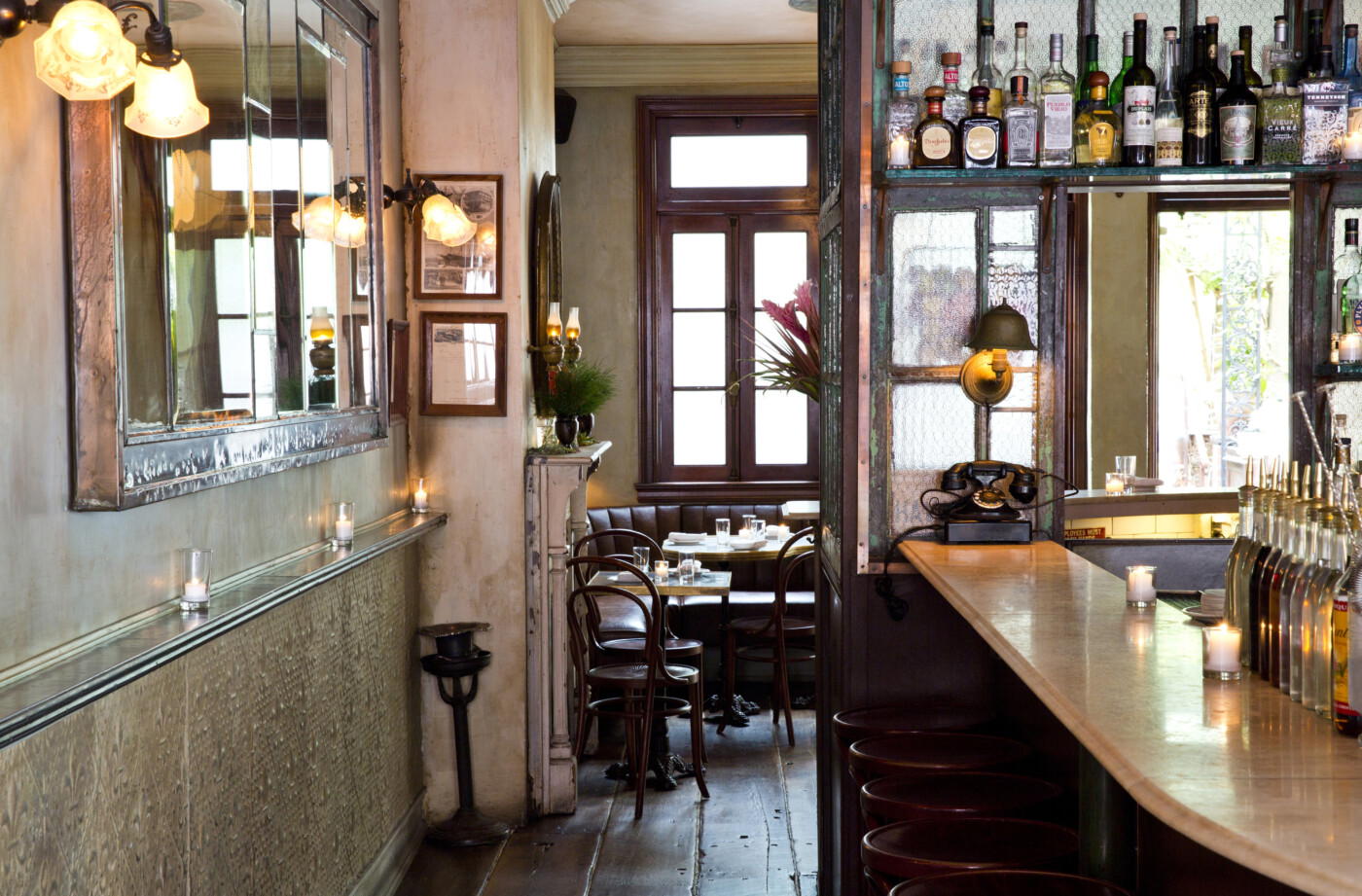
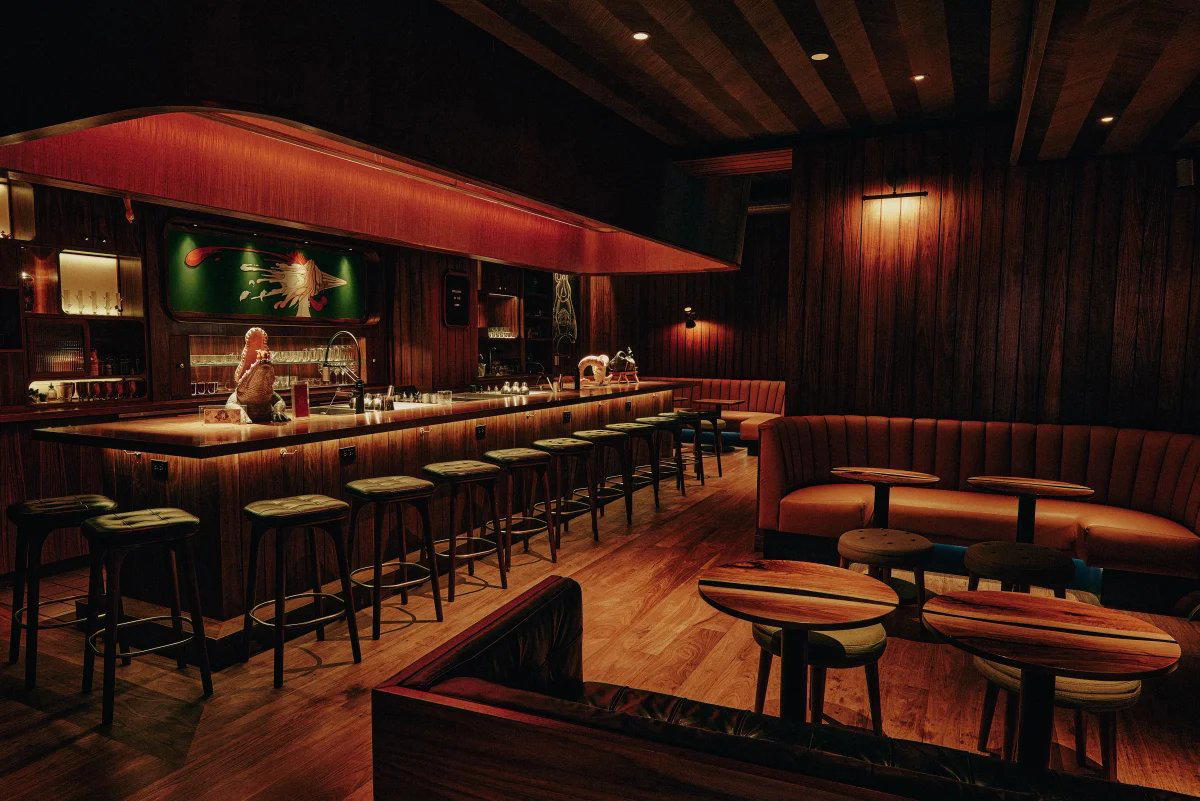
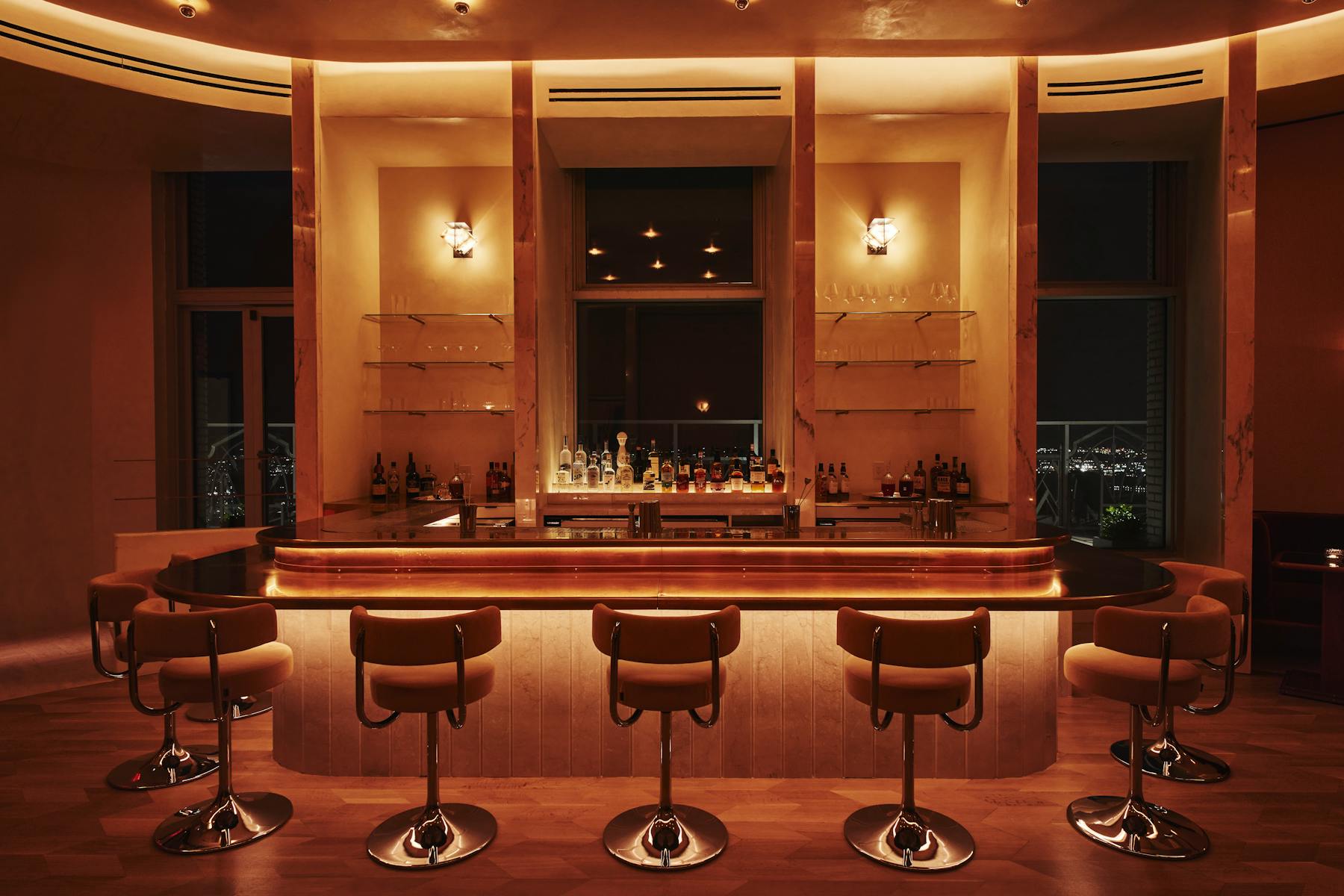
Restaurants in New York City
Browse all →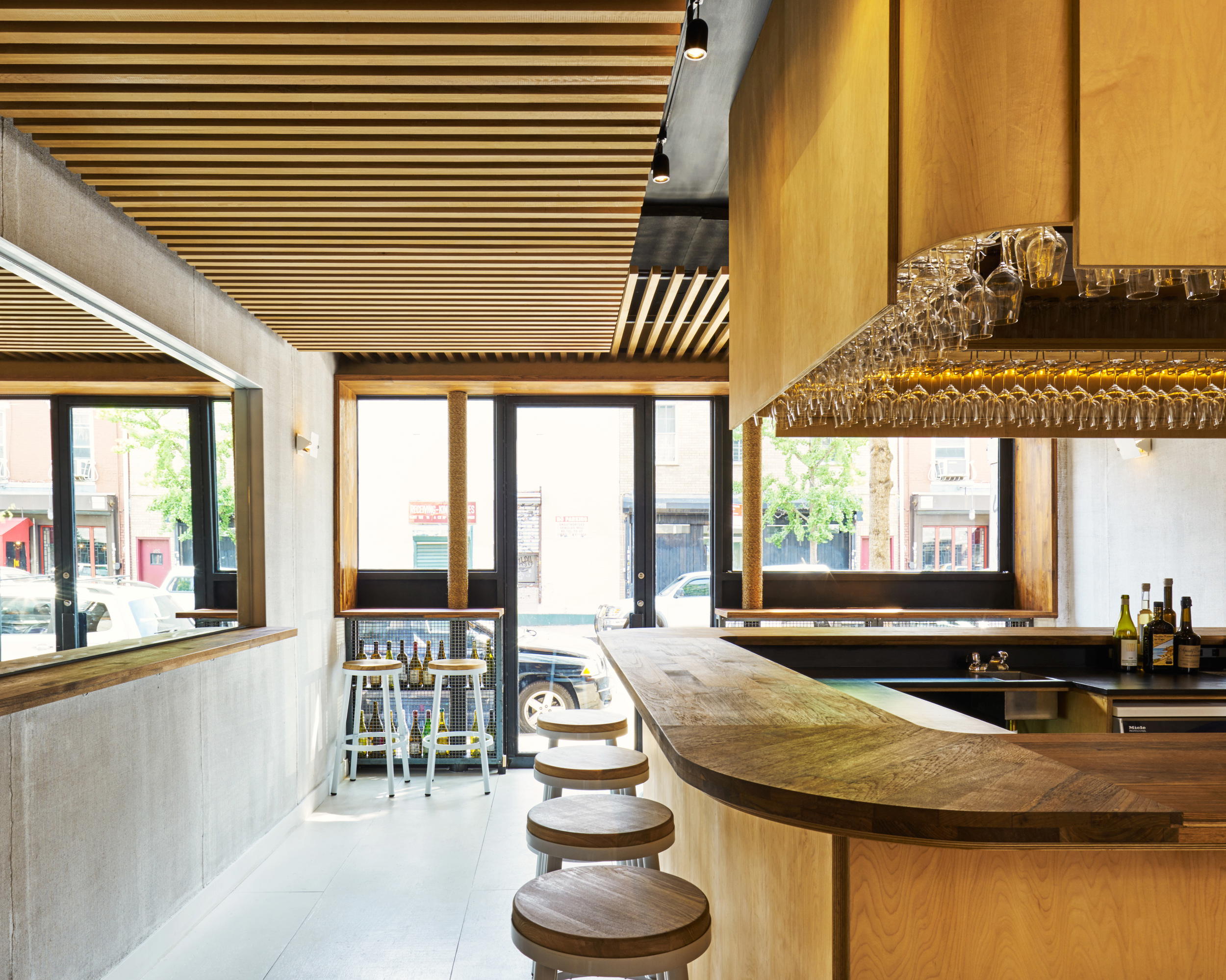
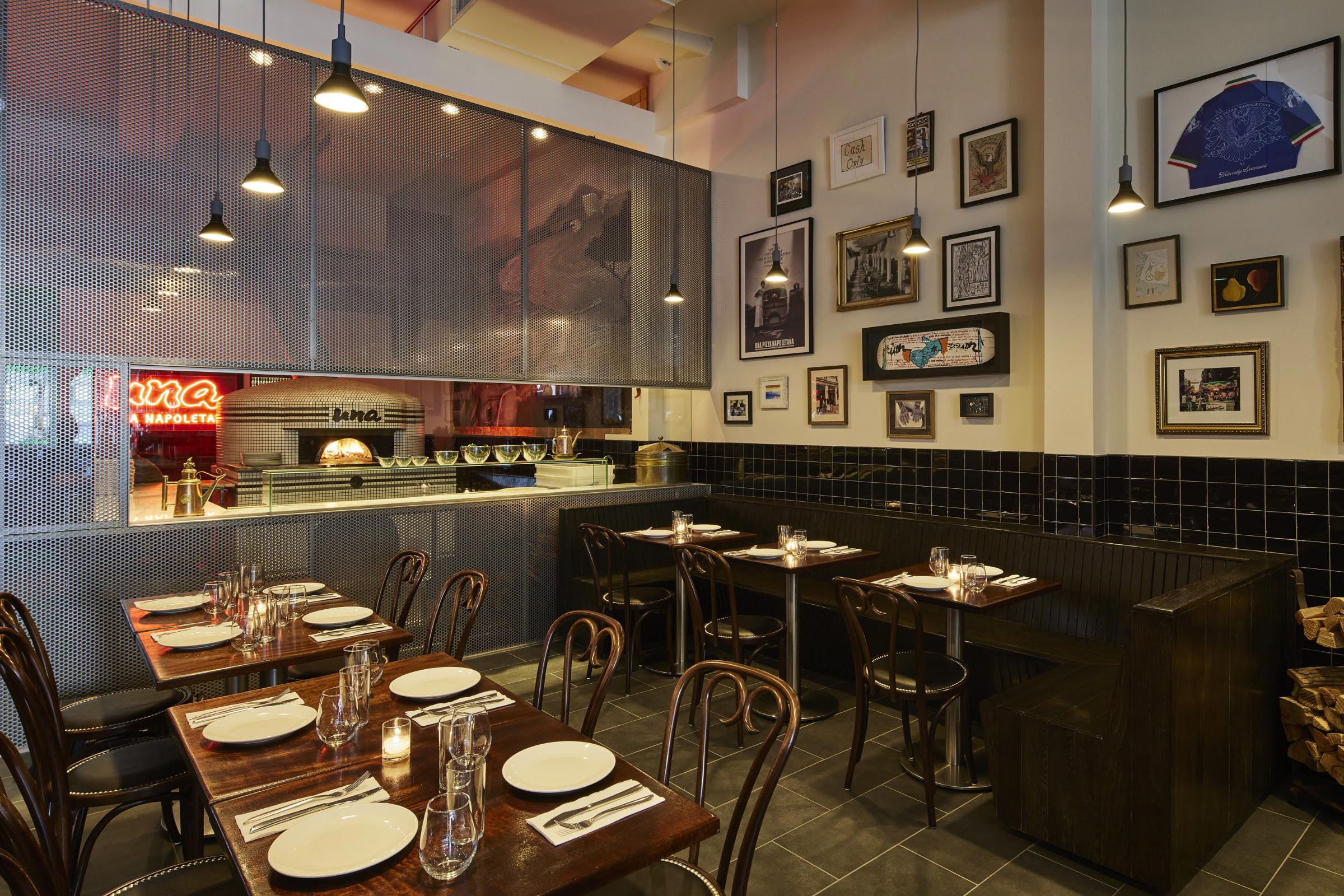
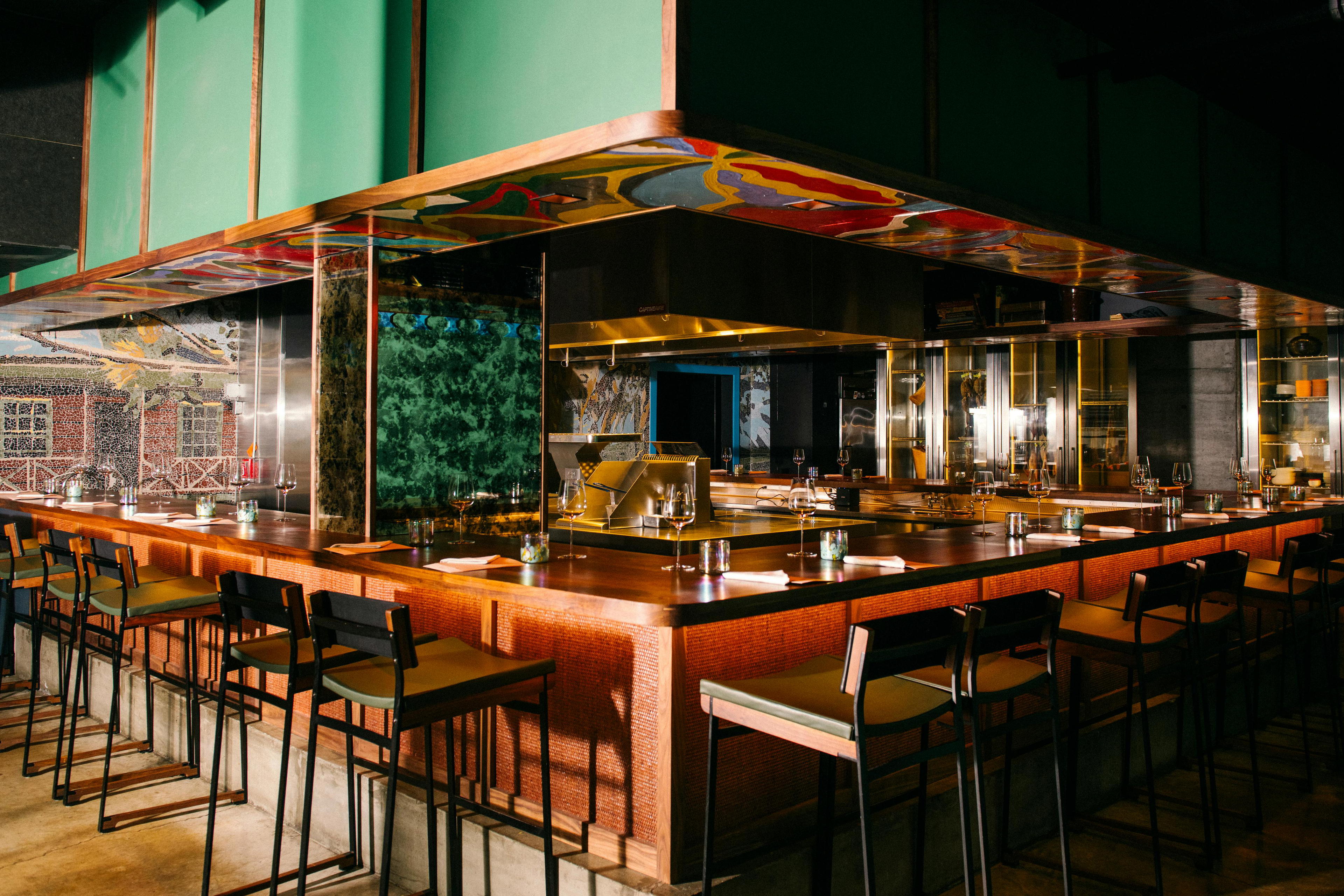
Hotels in New York City
Browse all →






At a Glance
- Trendy
- Lively
- Modern
- After Work
- Casual Hangout
- Group Outing
- Standalone
- Design Destination
- Standing Room
- Seated Bar
- Lounge Seating
- Craft Cocktails
- Classic Cocktails
Current opening hours
- Monday
- 5 PM–1 AM
- Tuesday
- 5 PM–1 AM
- Wednesday
- 5 PM–1 AM
- Thursday
- 5 PM–2 AM
- Friday
- 5 PM–3 AM
- Saturday
- 4 PM–3 AM
- Sunday
- 4 PM–1 AM
Hours can change for holidays and private events. Last verified .
Casual South-Western vibes with a welcoming entrance and social atmosphere that evolves throughout the evening.