Dolo Restaurant and Bar
Dolo Restaurant and Bar occupies a address on South Archer Avenue in Chicago's Chinatown corridor, positioning itself at the intersection of the neighborhood's dining energy and a back bar that invites closer inspection. The space draws a crowd that arrives with a purpose, whether for the kitchen or the spirits program. For visitors working through Chicago's bar scene, it belongs on the itinerary alongside the city's more heavily documented programs.
Pearl is the En Primeur Club membership app — saves, bookings, and concierge access live there. Same editors, same standards.
- Address
- 2222 S Archer Ave, Chicago, IL 60616
- Phone
- +1 312 877 5117
- Website
- dolorestaurant.com
- Directions
- Get directions
 Saves & bookings on Pearl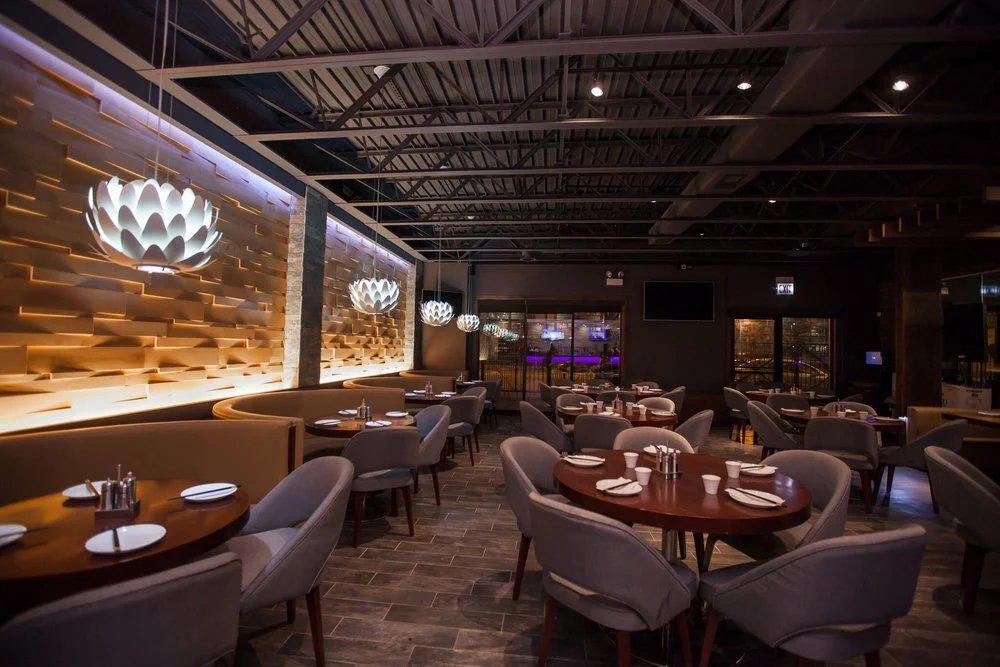
South Archer Avenue and What It Signals
Chicago's Chinatown sits roughly two miles south of the Loop, anchored by Wentworth Avenue's commercial strip and spilling east along Cermak Road. South Archer Avenue runs at the neighborhood's edge, a transitional corridor where restaurant density is high and the visitor-to-local ratio skews decidedly local. That address — 2222 S Archer Ave — is not incidental. Bars and restaurants that operate in this part of the city tend to be there because the neighborhood supports them, not because foot traffic from hotel districts drifts past. That self-selection generally produces tighter, more focused operations than venues built around destination tourism.
Dolo Restaurant and Bar occupies that position. It is a combined dining and drinking destination in a part of the city where the back bar often functions as its own reason to visit, separate from the kitchen. The combination format is common across Chicago's mid-tier and premium casual segment, but the execution varies considerably. What distinguishes one program from another in this category is usually the depth and curation of the spirits selection rather than the cocktail list alone.
Reading the Back Bar
Chicago's cocktail infrastructure has matured considerably over the past decade. Against that backdrop, a bar's spirits collection functions as a kind of credential, a signal of how seriously the program takes its own reference points.
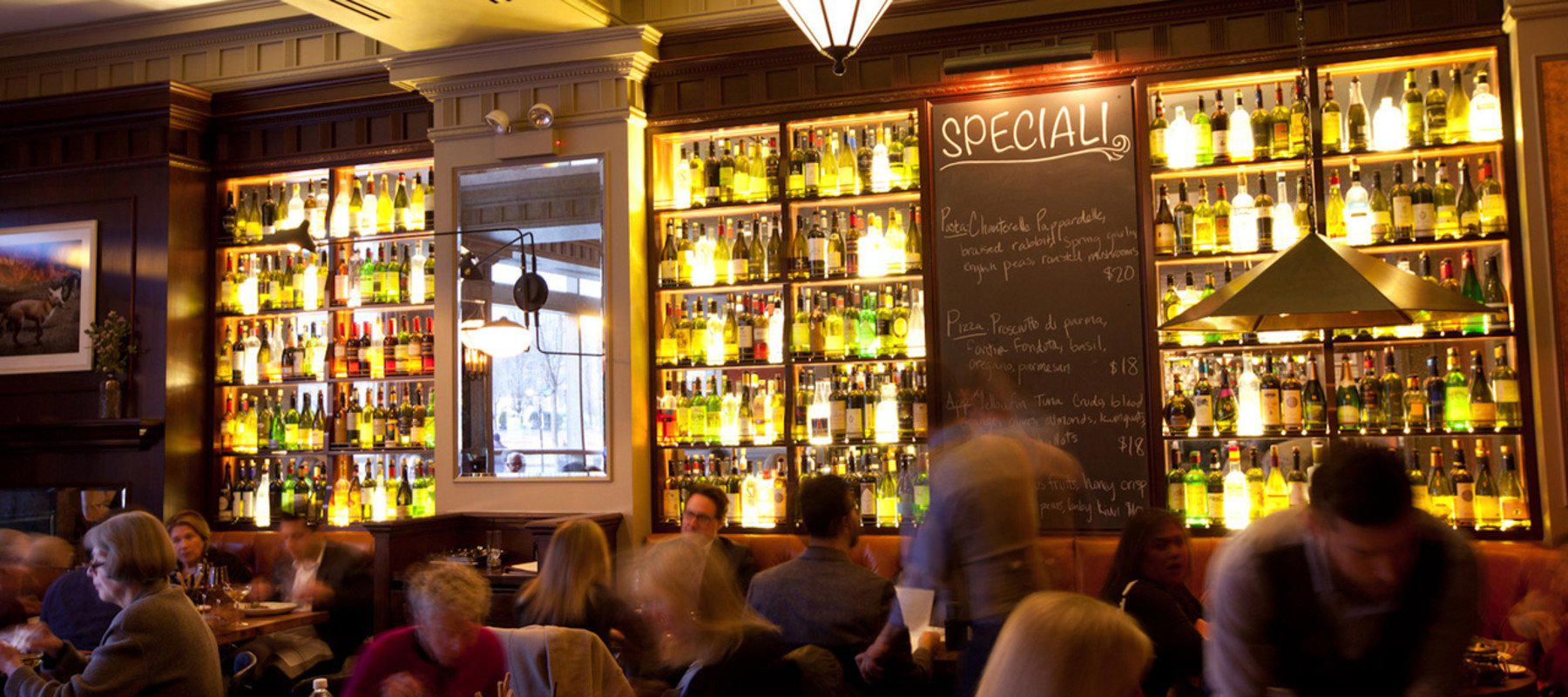
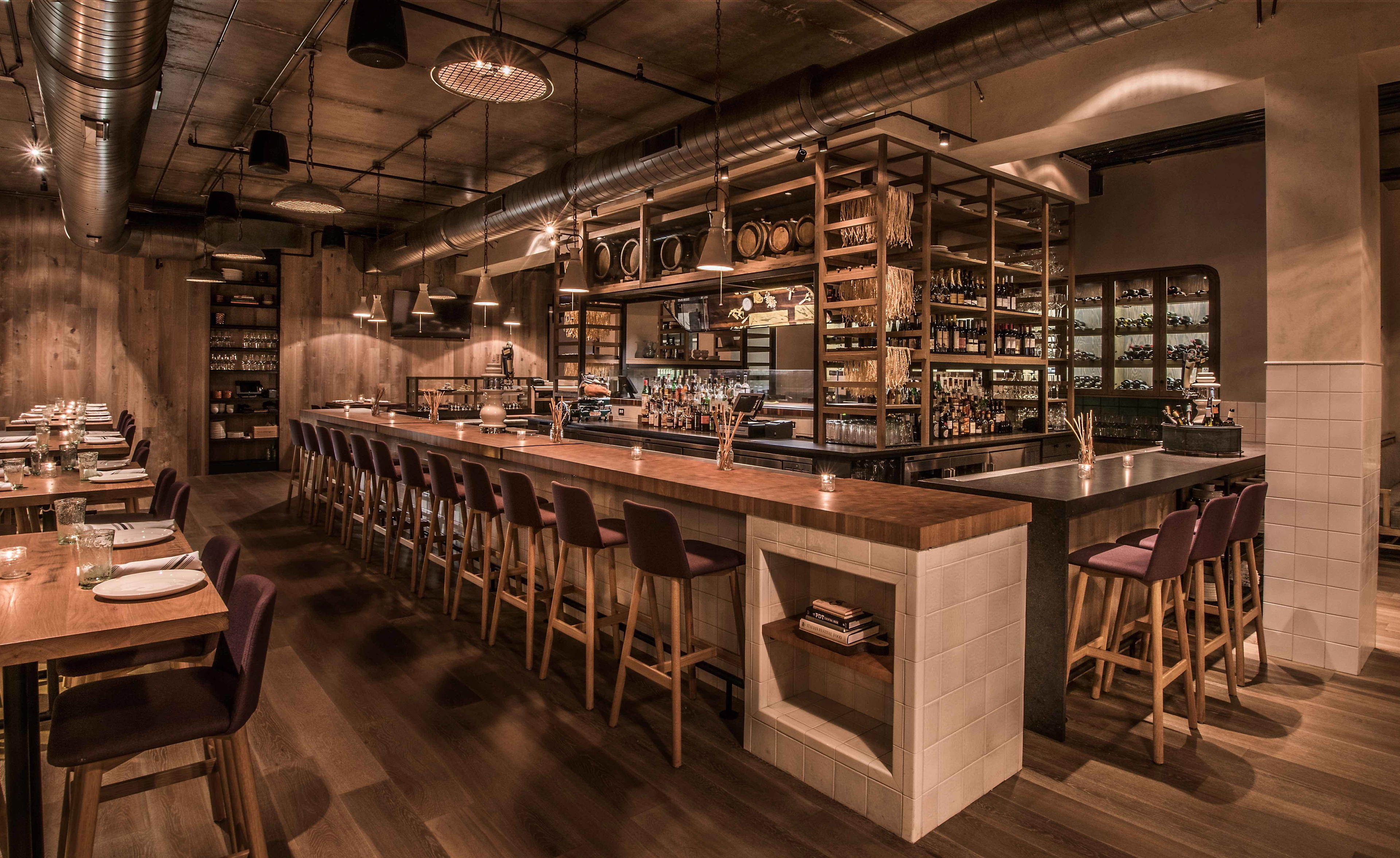
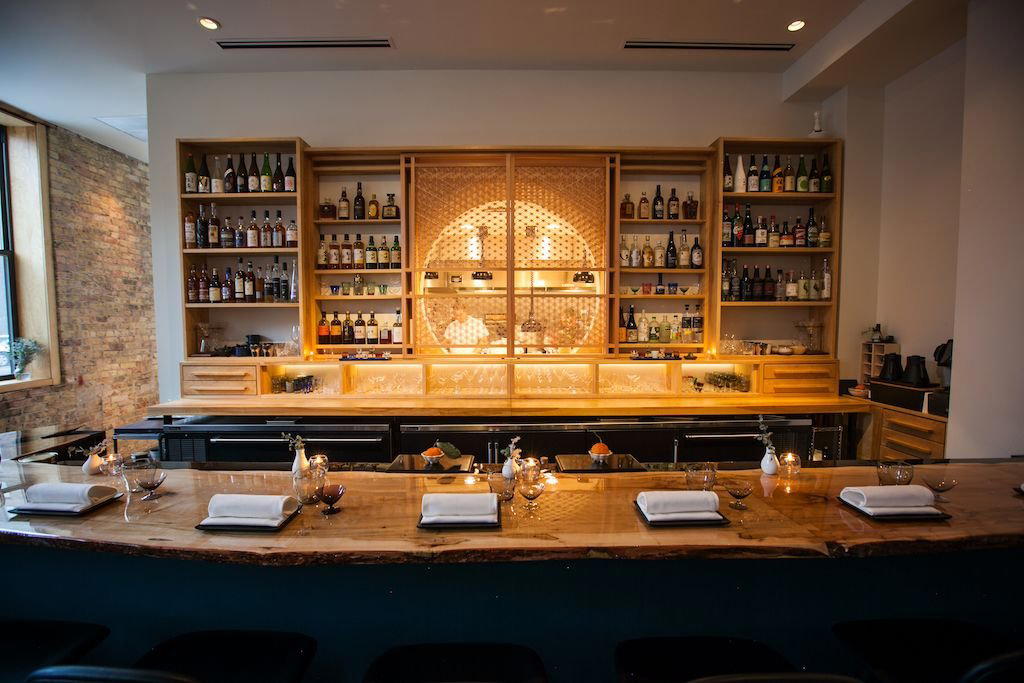
The editorial angle that matters most when assessing a venue like Dolo is not the cocktail menu's creativity in isolation, but what the back bar implies about the range of source material available to the program. A deep spirits collection, one that includes rare bottlings, regional expressions, and categories that don't move quickly enough for casual operators to stock, tells you something about the operator's priorities and the likely ceiling of the drinking experience. It also tells you about the clientele the venue is built for: a back bar stocked with allocated bourbon, aged agricole rhum, or single-cask Scotch is not assembled for a crowd ordering well drinks.
Globally, the bars that have distinguished themselves through spirits curation share a few operational signals: allocation relationships with importers and distributors, a willingness to carry slow-moving inventory, and a format that gives bartenders enough interaction time with guests to explain what's on the shelf. Bar Leather Apron in Honolulu has built its entire identity around this model. Jewel of the South in New Orleans applies it within a historically grounded cocktail framework. ABV in San Francisco and Allegory in Washington, D.C. operate within the same logic, as does The Parlour in Frankfurt on the Main, which demonstrates that this approach translates across markets. Dolo's position on South Archer Avenue, in a neighborhood with high repeat-visit rates and a local-first clientele, creates the kind of conditions where a serious spirits program can be maintained without depending on the high-volume throughput that dilutes collection depth elsewhere.
The Restaurant Side and How It Shapes the Bar
The restaurant-and-bar format creates a specific dynamic that differs from a standalone cocktail bar. The kitchen draws a dinner crowd that extends the evening, generating later service windows where the bar program gets genuine use rather than serving as a waiting-area amenity. In Chicago's Chinatown, where the dining culture skews toward groups and extended meals, that pattern is reinforced by the neighborhood's own rhythms. The result is a bar program that operates within a fuller hospitality context, where the spirits collection can be explored at a pace that standalone late-night bars don't always support.
This matters for visitors trying to assess where to spend time. A bar attached to a serious kitchen in a neighborhood where people linger over dinner is a different proposition from a destination cocktail bar built primarily for a quick rotation of guests. The former tends to reward visitors who arrive without a fixed agenda and are willing to follow the bartender's recommendations into categories they wouldn't have ordered independently. That is precisely where a curated spirits collection earns its keep.
How Dolo Sits in the Broader Chicago Picture
Chicago's bar scene has spread geographically in recent years. The West Loop and River North still carry the highest concentration of recognized programs, but venues in Pilsen, Logan Square, and the South Side corridors have drawn serious attention from the city's drinking community. Chinatown operates slightly outside the main circuit that out-of-town visitors tend to follow, which means venues in the area accumulate local credibility at a different rate than those in neighborhoods with higher tourist density. That dynamic cuts both ways: it can mean slower recognition from national press, but it also means the programs that survive there do so on the strength of repeat local business rather than novelty visits. For a comparative reference across American cities where this pattern holds, Julep in Houston and Superbueno in New York City both operate in neighborhoods slightly off the main visitor circuit, and both have built durable reputations through local loyalty rather than destination marketing.
Dolo fits that template. Its South Archer address places it in a neighborhood with its own gravitational pull, and a combined restaurant-and-bar format that serves a community of repeat visitors rather than a rotating cast of first-timers. For anyone building a serious Chicago itinerary, it belongs in the same planning window as the city's more heavily documented programs. Our full Chicago restaurants guide maps the broader field.
Planning Your Visit
| Venue | Neighborhood | Format | Notable For |
|---|---|---|---|
| Dolo Restaurant and Bar | Chinatown / S Archer Ave | Restaurant + Bar | Spirits-forward program in a local-first setting |
| Kumiko | West Loop | Cocktail Bar | Japanese whisky depth, liqueur curation |
| Leading Intentions | Chicago | Cocktail Bar | Technical program, high-recognition |
| Bisous | Chicago | Bar | Specificity-led format |
| Lemon | Chicago | Bar | Contemporary spirits approach |
How It Stacks Up
A short peer table to compare basics side-by-side.
| Venue | Awards |
|---|---|
| Dolo Restaurant and BarThis venue — the venue you are viewing | Not listed |
| Kumiko | World's 50 Best |
| Bisous | World's 50 Best |
| The Aviary | World's 50 Best |
| Three Dots & a Dash | World's 50 Best |
| Best Intentions | World's 50 Best |
At a Glance
- Modern
- Trendy
- Elegant
- Lively
- Date Night
- Group Outing
- Casual Hangout
- Design Destination
- Seated Bar
- Lounge Seating
- Craft Cocktails
Current opening hours
- Monday
- 10 AM–9 PM
- Tuesday
- 10 AM–9 PM
- Wednesday
- 10 AM–9 PM
- Thursday
- 10 AM–9 PM
- Friday
- 10 AM–9 PM
- Saturday
- 10 AM–9 PM
- Sunday
- 10 AM–9 PM
Hours can change for holidays and private events. Last verified .
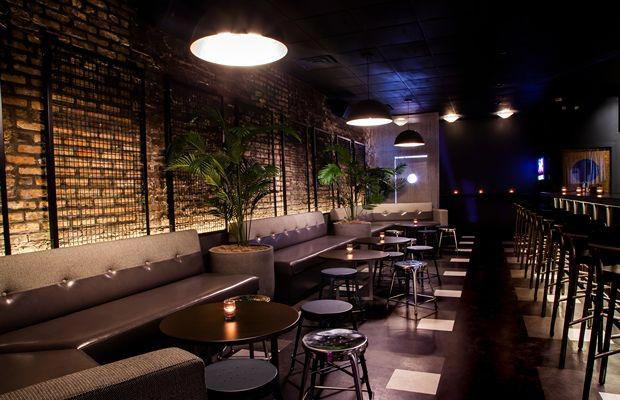
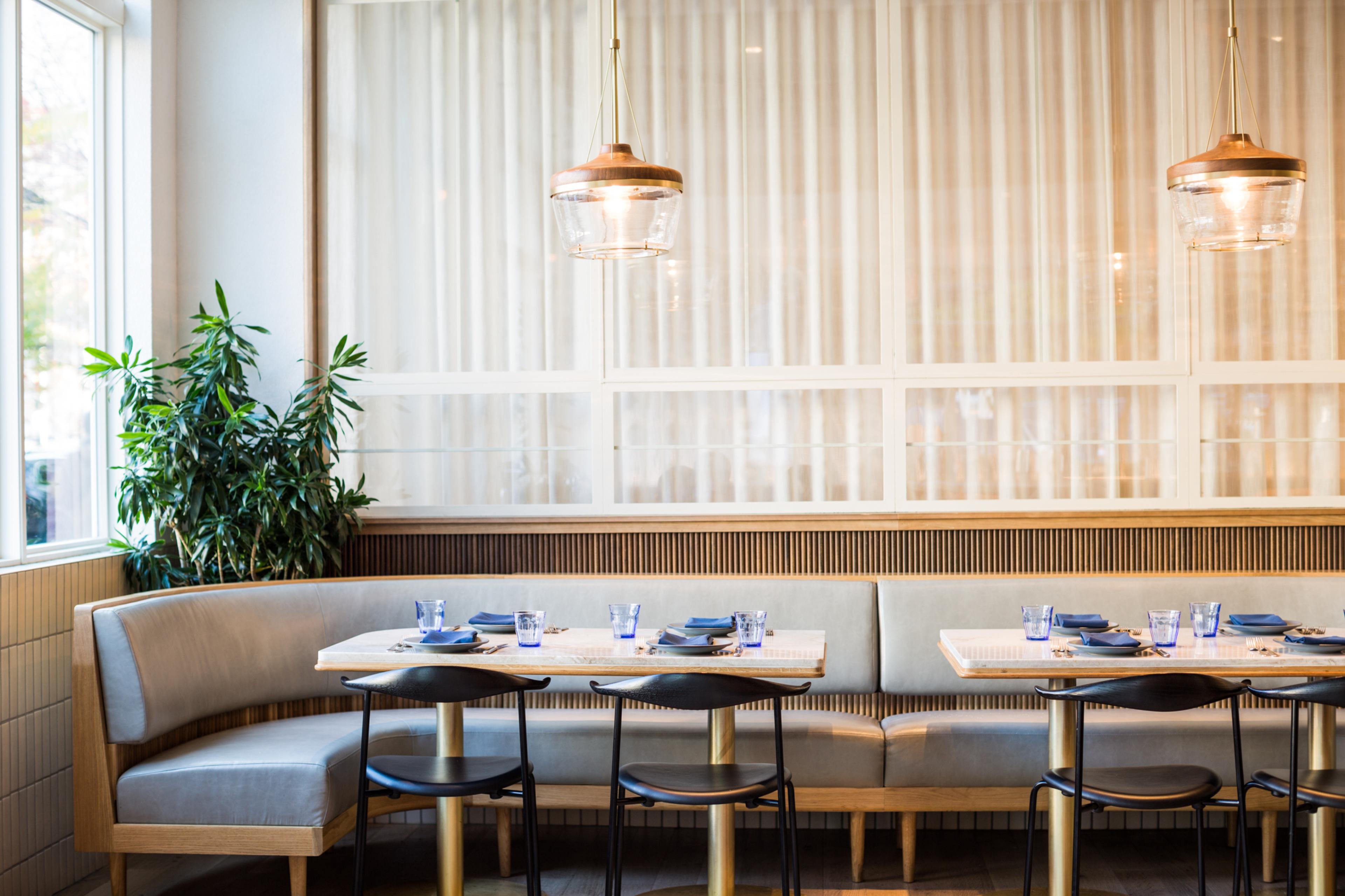
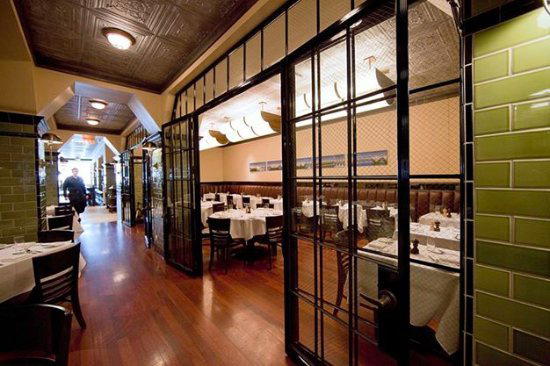
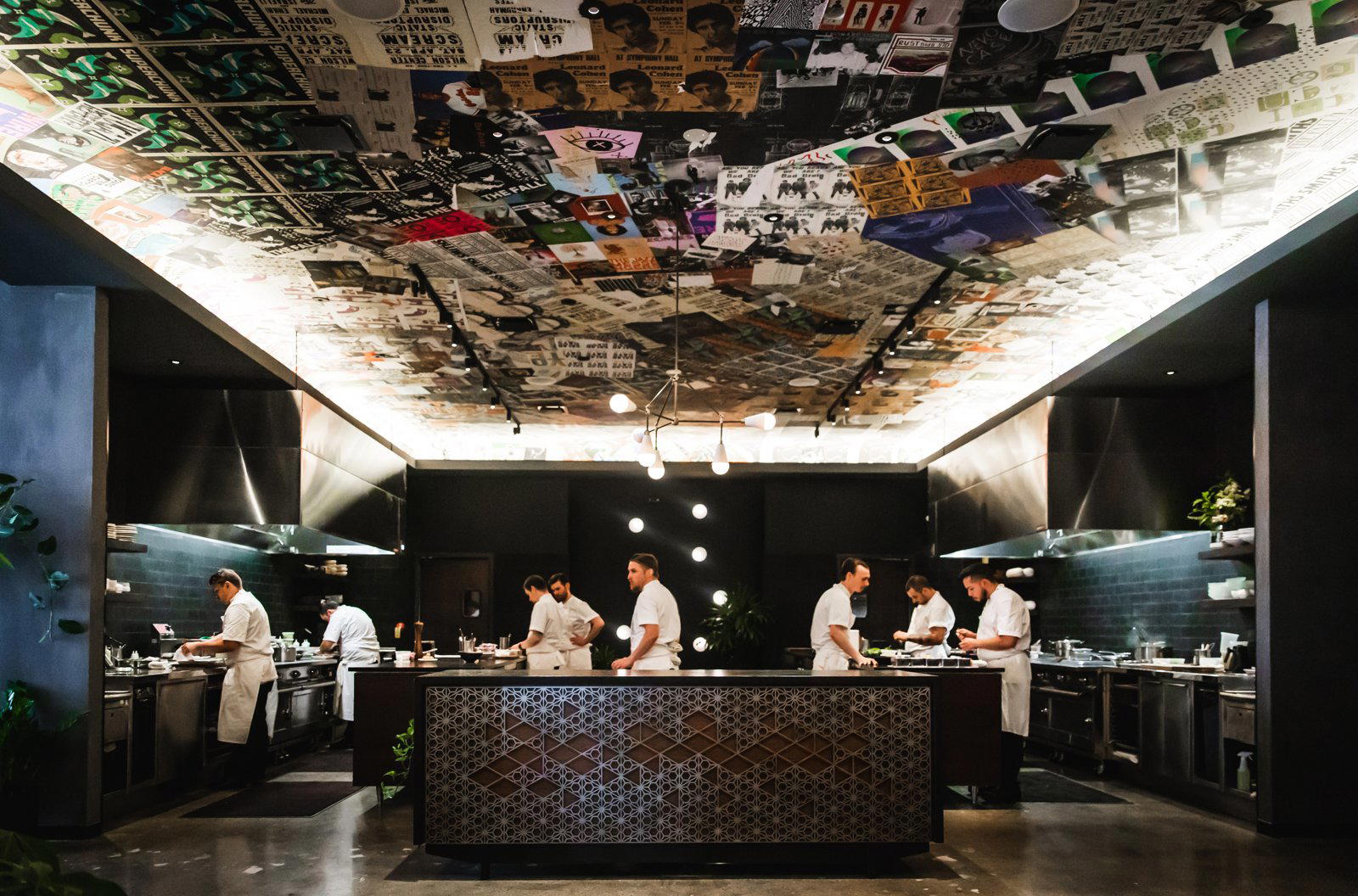
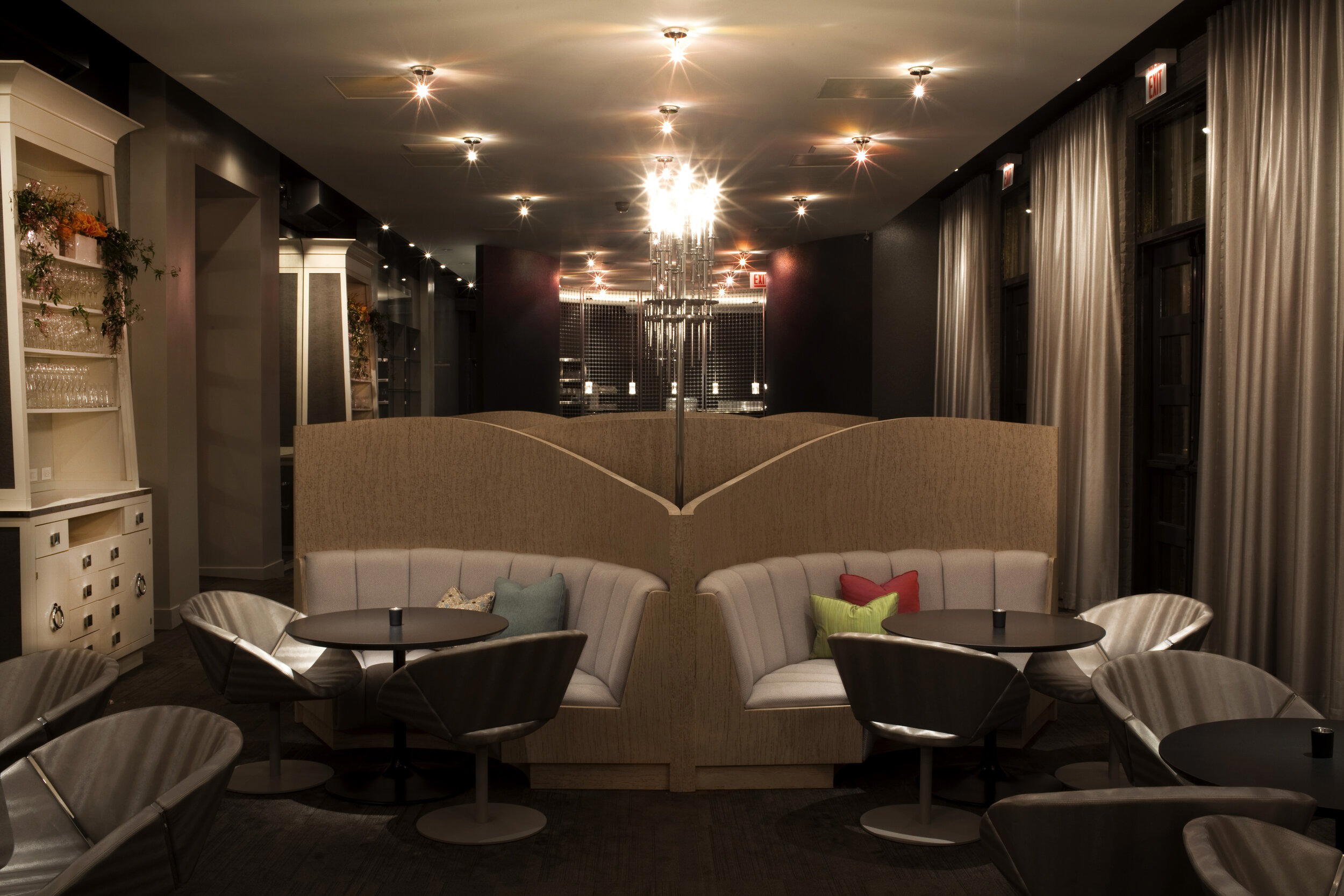
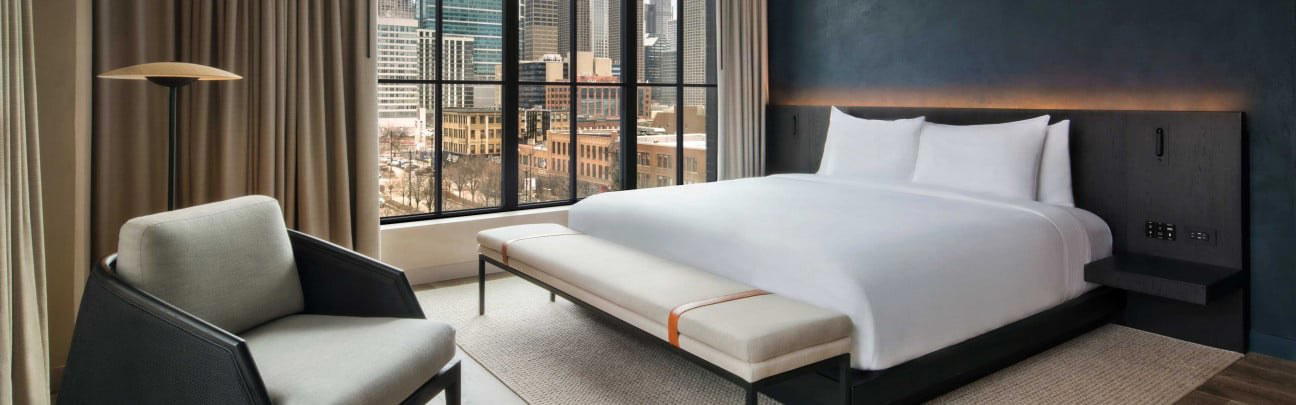
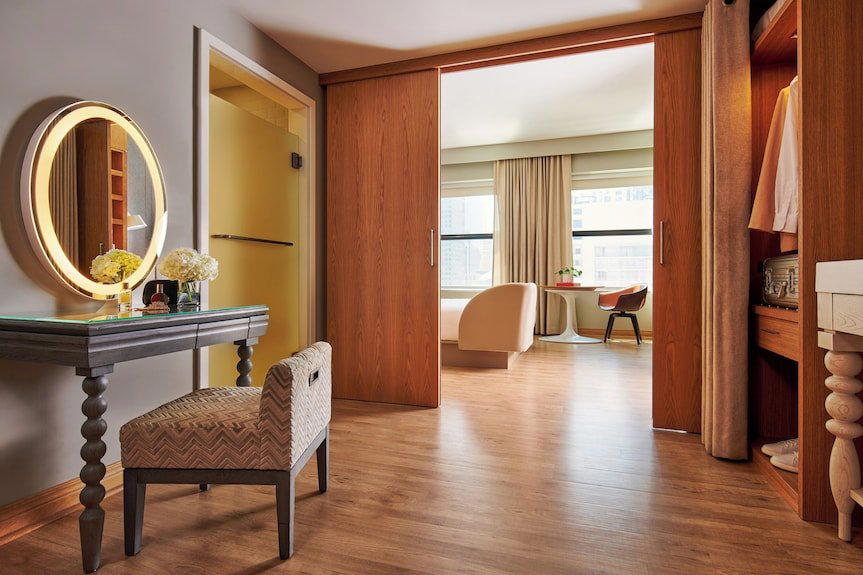
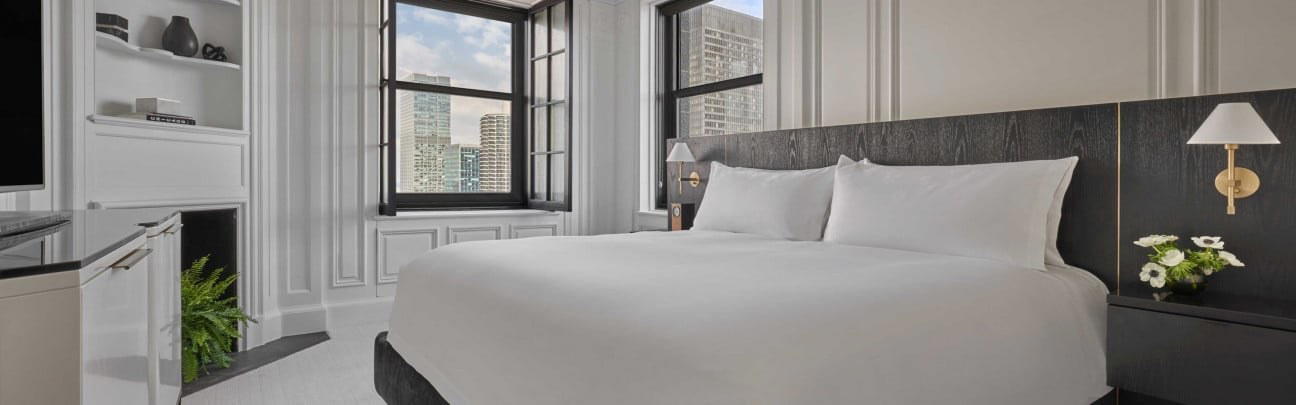
Sleek modern decor with floor-to-ceiling windows, stylish furnishings, upbeat energy, and music that can be loud.
Know Before You Go
- Getting there
- 2222 S Archer Ave, Chicago, IL 60616