Twin Anchors Restaurant & Tavern
Twin Anchors Restaurant & Tavern on North Sedgwick has anchored the Old Town neighbourhood since the 1930s, earning a reputation as Chicago's definitive rib house. The tavern format, reliably packed booths, and a menu built around slow-cooked ribs place it in the city's oldest layer of neighbourhood dining, a tier measured by longevity and local loyalty rather than fine-dining credentials.

Pearl is the En Primeur Club membership app — saves, bookings, and concierge access live there. Same editors, same standards.
- Address
- 1655 N Sedgwick St, Chicago, IL 60614
- Phone
- (312) 266-1616
- Hours
- Mon–Fri 4:30–10 PMSat–Sun 12–10 PM
- Website
- twinanchorsribs.com
- Directions
- Get directions
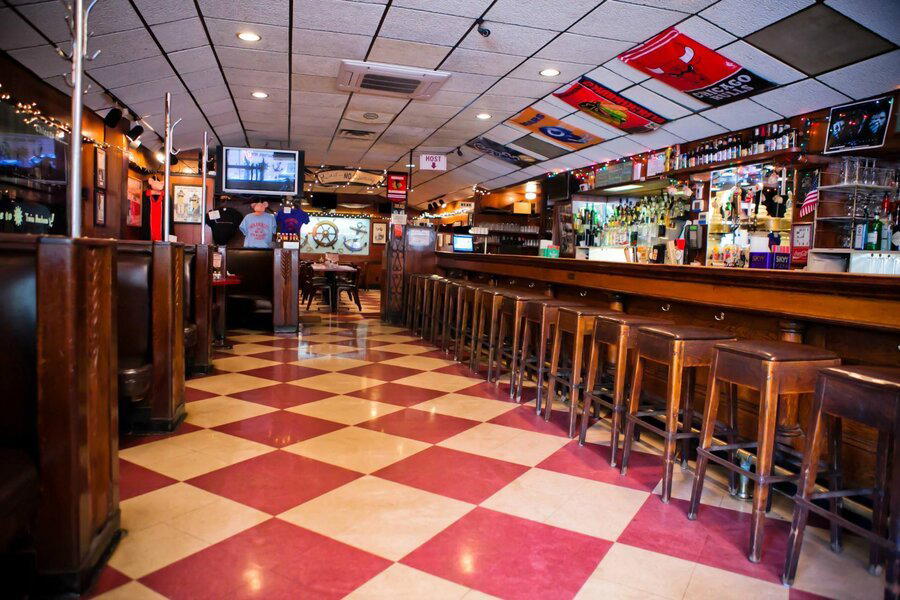
Old Town's Rib Institution
Chicago's neighbourhood taverns occupy a distinct category in the city's dining record, one that predates the chef-driven restaurant era and operates by different rules entirely. Where the Near North Side has cycled through wine bars, tasting menus, and cocktail-forward concepts, a handful of addresses have held their position across decades by doing one thing consistently well. Twin Anchors Restaurant & Tavern at 1655 N Sedgwick St sits in that bracket. The building itself signals the format before you reach the door: a low-slung corner presence in Old Town, the kind of address that has absorbed several generations of regulars without needing to reposition itself for each new dining cohort.
Old Town as a neighbourhood carries weight in Chicago's cultural history. It was the city's bohemian corridor in the postwar decades, home to folk clubs, comedy institutions, and the kind of brick-and-mortar businesses that outlasted every trend around them. Twin Anchors belongs to that stratum. It has operated through the neighbourhood's various reinventions and now sits in an Old Town that is predominantly residential and affluent, surrounded by a dining scene that skews toward polished casual. The tavern's continued presence in that context is itself an editorial statement about what Chicago's dining culture values when the noise settles.
The Room Before the Food
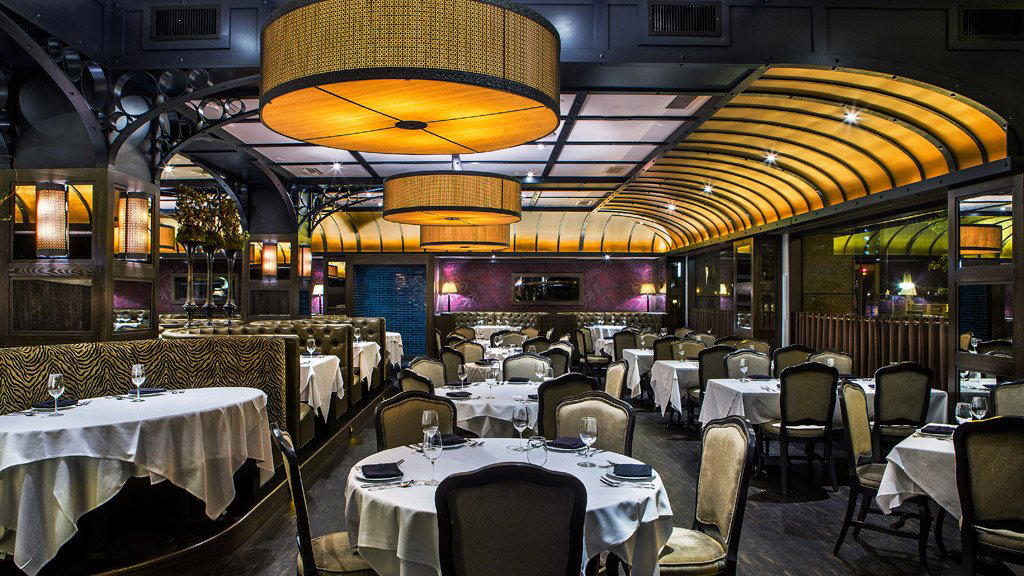
The atmospheric markers at Twin Anchors are the draw before the menu enters the picture. Wood panelling, bar stools that have been occupied by the same demographic across different eras, and a jukebox that has reportedly been in service for decades position this as a physical record of Chicago tavern culture rather than a contemporary interpretation of it. The room does not perform nostalgia: it simply has not required the kind of renovation that would dissolve it. That distinction matters. A number of Chicago's ostensibly vintage bars are curated reconstructions of an older format. Twin Anchors is the format.
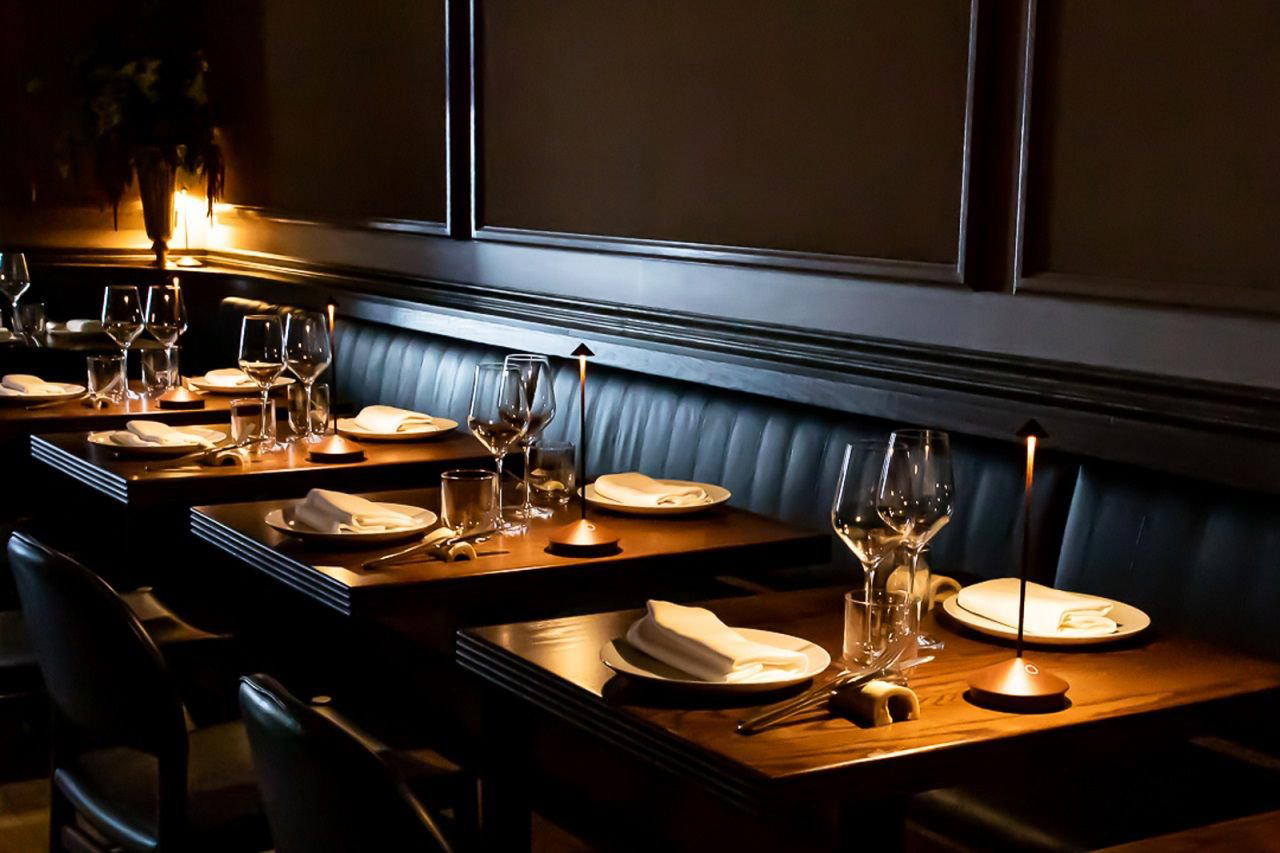
The booth configuration is central to how the space functions. Regulars claim their corners; first-timers queue. On weekend evenings the wait can stretch past an hour, which in Chicago's dining economy is a meaningful signal. The city has enough options at every price point that sustained demand of this kind reflects genuine preference, not inertia.
What the Kitchen Produces
Barbecue in Chicago sits at an interesting intersection. The city is not a canonical stop on the American barbecue circuit in the way that Kansas City, Memphis, or the Texas Hill Country are, but it has a deep tradition of neighbourhood rib houses that predate the current barbecue-as-prestige-dining moment by several decades. Twin Anchors operates inside that tradition. The kitchen's output centres on slow-cooked ribs, and that focus has remained consistent enough that the restaurant is routinely cited when Chicago rib houses are mapped as a category. In a city where food media tends to orbit the restaurant groups and chef names that generate awards coverage, sustained citation for a single category of cooking is a reliable trust signal.
The broader Chicago rib house tradition from which Twin Anchors draws is distinct from the competition-circuit barbecue culture of the American South. It is tavern barbecue: ribs as pub food, designed to be eaten alongside a beer in a booth rather than evaluated against regional smoke profiles. Understanding that distinction helps calibrate expectations. Twin Anchors is not attempting to compete with smoked-brisket specialists or wood-pit operations. It is occupying a specific civic role that Chicago's tavern culture has maintained since the mid-twentieth century.
Team and Floor Dynamic
The editorial angle of collaboration between kitchen, floor, and bar tends to surface most clearly in restaurants where the three functions are legible as distinct operations. In a tavern format like Twin Anchors, the dynamic is different: the bar and dining room are not separated by a conceptual divide, and the floor staff are working both simultaneously. What that produces, in the leading versions of the old Chicago tavern model, is a kind of institutional fluency where regulars are recognised, orders are anticipated, and the pace is governed by the room rather than by turn time. This is harder to sustain than it looks. It requires a staffing culture that values retention and local knowledge over the kind of interchangeable service that characterises high-volume casual dining. Twin Anchors' longevity suggests that culture has held.
For comparison, Chicago's current generation of hospitality-forward venues, among them Kumiko, Leading Intentions, Bisous, and Lemon, have built their reputations on precisely calibrated service programs and technically driven menus. That cohort and Twin Anchors are solving different problems for different audiences. The interesting observation is that both approaches produce loyal, repeat customers, which suggests that floor culture matters as much as concept in determining whether a venue endures. For readers tracking how service culture maps across American cities, the same dynamic plays out in very different register at places like Bar Leather Apron in Honolulu, Jewel of the South in New Orleans, Julep in Houston, Superbueno in New York City, ABV in San Francisco, Allegory in Washington, D.C., and The Parlour in Frankfurt on the Main.
Where Twin Anchors Sits in Chicago's Dining Map
Chicago's dining identity is broad enough to hold both the Michelin-starred tasting menu tier and the neighbourhood tavern tier without either cancelling the other. Twin Anchors is firmly in the latter, which means it is measured by different criteria: consistency over innovation, accessibility over exclusivity, and neighbourhood embeddedness over destination appeal. By those criteria, it has performed well across a span of time that most restaurant concepts cannot match. See our full Chicago restaurants guide for how it maps against the city's broader dining categories.
Know Before You Go
- Address: 1655 N Sedgwick St, Chicago, IL 60614
- Neighbourhood: Old Town, Near North Side
- Format: Neighbourhood tavern with full dining room; booth seating
- Wait times: Weekend evenings regularly produce waits of one hour or more; arrive early or expect to queue
- Dress code: Casual; this is a tavern, not a dining room
- Getting there: Old Town is accessible via the Brown and Purple lines (Sedgwick station) and is walkable from Lincoln Park
Cuisine-First Comparison
Comparable venues nearby, for context on price, style, and recognition.
| Venue | Cuisine | Price | Notes |
|---|---|---|---|
| Twin Anchors Restaurant & TavernThis venue — the venue you are viewing | pub | $30–50 | Not listed |
| Cafe Ba-Ba-Reeba! | Bar | Not listed | Lincoln Park |
| Timothy O'Toole's Pub Chicago | sports_bar | $20–30 | Streeterville |
| The Broken Barrel Bar | sports_bar | Not listed | Lincoln Park |
| Gene's Sausage Shop and Delicatessen | beer_bar | $10–20 | Lincoln Square |
| Tune-Up | lounge | $20–30 | Avondale |
Continue exploring
More in Chicago
Restaurants in Chicago
Browse all →
Details
- Classic
- Cozy
- Well Known
- Casual Hangout
- Group Outing
- Historic Building
- Seated Bar
- Booth Seating
- Outdoor Terrace
- Classic Cocktails
- Craft Beer
Current opening hours
- Monday
- 4:30–10 PM
- Tuesday
- 4:30–10 PM
- Wednesday
- 4:30–10 PM
- Thursday
- 4:30–10 PM
- Friday
- 4:30–10 PM
- Saturday
- 12–10 PM
- Sunday
- 12–10 PM
Hours can change for holidays and private events. Last verified .
Old-school neighborhood tavern with nostalgic charm from laminated menus, neon beer signs, and a cozy historic atmosphere.