Google: 4.6 · 1,605 reviews

A wine bar and restaurant on Carrer de Blai that takes its name from a Catalan expression meaning something genuinely good. Opened in August 2019, Denassus operates in the neighbourhood wine bar tradition where bottle selection and floor service carry equal weight. The address in Sants-Montjuïc places it among Barcelona's more locally frequented streets rather than its tourist circuits.
 Discover on Pearl
Pearl is the En Primeur Club membership app — saves, bookings, and concierge access live there. Same editors, same standards.
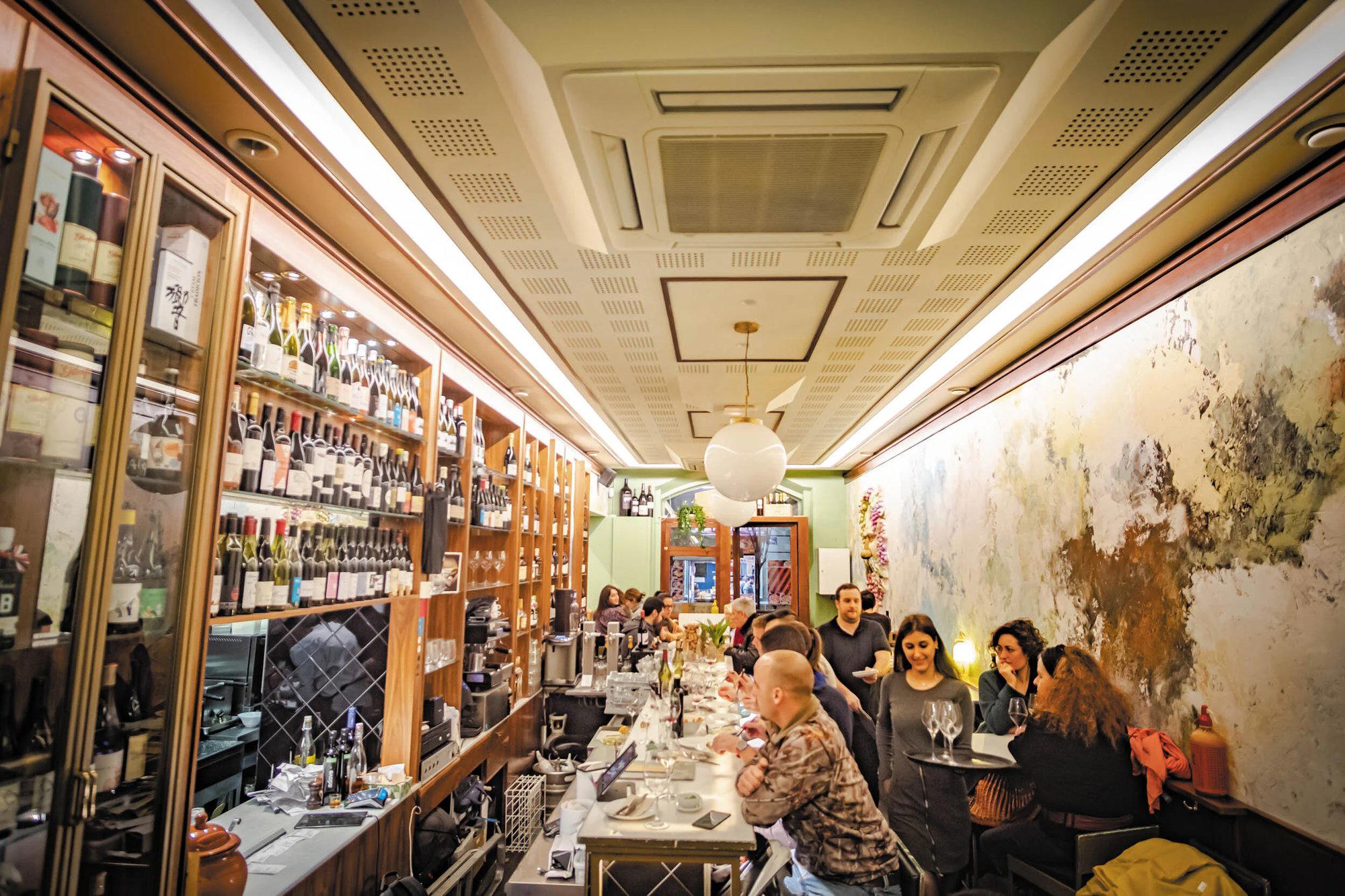
Carrer de Blai and the Wine Bar Format It Sustains
Carrer de Blai is known primarily for its pintxos bars, a strip in Sants-Montjuïc that draws a mixed crowd of locals and visitors moving between counters with small plates and cold drinks. Within that street, the wine-forward format is a less common proposition. A bar that organises itself around bottle selection and the relationship between wine service and food, rather than volume throughput, occupies a different register from the pintxos economy around it. Denassus, which opened in August 2019, works within that narrower format and draws its name from the Catalan expression meaning something that is genuinely, concretely good, a phrase used colloquially rather than in formal praise.
The name is a practical signal about positioning. In a city where wine bars range from casual neighbourhood enotecas to tightly curated rooms with natural wine programs and serious glassware, a venue that names itself after an expression for quality is making an implicit editorial argument about what it prioritises. That argument gets tested most directly in the interaction between what is poured, what is served alongside it, and how the floor team mediates between the two.
The Collaboration at the Counter
The wine bar format, at its functional leading, depends on a working relationship between whoever selects the bottles and whoever runs the floor. In Barcelona's more considered wine venues, that dynamic has shifted over the past decade toward something more integrated: sommeliers and front-of-house staff who can explain a wine's origin and character in conversational terms, without formalising the exchange into something that feels like a lecture. The dining side of the equation, where food serves as a structural companion to the wine rather than the reverse, requires a kitchen that understands that sequencing.
Denassus is owned and managed by Alejo Mailan, whose role spans the curatorial and the operational. In venues of this scale and format, that consolidation of ownership and management under one person tends to produce a coherent point of view: the bottle list, the floor approach, and the food direction are less likely to drift apart when the person setting the tone is also the one present during service. For the guest, this typically means a more consistent experience across visits and a floor team that reflects the owner's priorities in how they engage with the wine selection.
Across Spanish wine bar culture, venues that operate this way, with tight teams and owner-present service, tend to develop a regulars-first dynamic over time. The list often reflects relationships with smaller producers rather than distributor defaults, and the staff builds fluency with those bottles through repetition. Whether Denassus has developed that kind of depth with particular Spanish or Catalan producers is not something the public record confirms in detail, but the format and the founding intent suggest that kind of direction.
Sants-Montjuïc as Context
The neighbourhood places Denassus at some remove from the more heavily documented wine bars in the Eixample and El Born. Sants-Montjuïc operates at a different pace: less visited by international press, less likely to appear in the kind of shortlists that circulate through food media, and consequently more dependent on local reputation. For a wine bar, that context cuts both ways. It limits the external validation that drives discovery, but it also shapes a clientele that is less transient and more invested in the place as a neighbourhood fixture rather than a destination tick.
Carrer de Blai itself runs through the lower part of the barri, and the address at number 53 puts the bar toward the fuller section of the street where foot traffic is reasonably consistent on evenings and weekends. Arriving on foot from the Paral·lel metro stop is the most direct approach, and the walk through the lower Montjuïc edge of the neighbourhood gives a reasonable sense of what kind of local circuit Denassus sits within.
Where It Sits in Barcelona's Wine Bar Range
Barcelona's wine bar scene spans a wide range of formats and ambitions. At one end, venues like Boadas and Dry Martini operate as established institutions with decades of recognition in cocktail and spirits culture. Dr. Stravinsky and Foco represent the more technically oriented end of Barcelona's bar programming. Denassus sits in a different category: a wine-led room on a neighbourhood street, where the editorial emphasis is on the bottle list and food pairing rather than cocktail craft.
In comparable cities, this format has become a reliable tier in the drinking-and-eating infrastructure, distinct from the restaurant proper and from the purely drinks-focused bar. Angelita in Madrid represents a similar hybrid logic in the Spanish capital. Further afield, venues like Bar Sal Gorda in Seville, Bar Gallardo in Granada, and La Margarete in Ciutadella each show how the wine-and-food bar format adapts to different Spanish and Balearic contexts. Even internationally, the format holds recognisable shape: Bar Leather Apron in Honolulu and Garden Bar in Calvia show how the same underlying logic, considered drinks paired with considered food, travels across very different settings. Garito Cafe in Palma de Mallorca extends the comparison into the Balearic context.
Denassus opened in August 2019, which gave it a short operational window before the disruptions of 2020 tested every independently owned venue in the city. The fact that it has continued operating places it in a smaller group of neighbourhood wine bars that maintained enough local support to survive that period. That kind of continuity, in a format that depends on regular custom rather than destination traffic, is its own indicator of whether a venue has genuinely embedded itself in its neighbourhood.
Planning a Visit
Denassus is on Carrer de Blai, 53, in the Sants-Montjuïc district. The Paral·lel metro station (lines L2 and L3) is the most practical entry point for those coming from elsewhere in the city. The bar operates in a neighbourhood that rewards evening visits when the street is most active. For current hours, booking availability, and any changes to the format, checking directly with the venue on arrival or via any updated contact details is the most reliable approach, as published operational information for this bar is limited in the public record. For a fuller orientation to what Barcelona's bar and restaurant scene offers across price points and neighbourhoods, the EP Club Barcelona guide covers a wider range of options and contexts.
Category Peers
A quick peer snapshot; use it as orientation, not a full ranking.
| Venue | Awards |
|---|---|
| DenassusThis venue — the venue you are viewing | |
| Boadas | World's 50 Best |
| Dr. Stravinsky | World's 50 Best |
| Dry Martini | World's 50 Best |
| Mutis | World's 50 Best |
| Paradiso | World's 50 Best |
Continue exploring
More in Barcelona
Bars in Barcelona
Browse all →
Restaurants in Barcelona
Browse all →
Hotels in Barcelona
Browse all →
At a Glance
- Trendy
- Cozy
- Intimate
- Sophisticated
- Bohemian
- Date Night
- Casual Hangout
- Group Outing
- After Work
- Terrace
- Standalone
- Design Destination
- Seated Bar
- Communal Tables
- Outdoor Terrace
- Counter Only
- Natural Wine
- Conventional Wine
- Street Scene
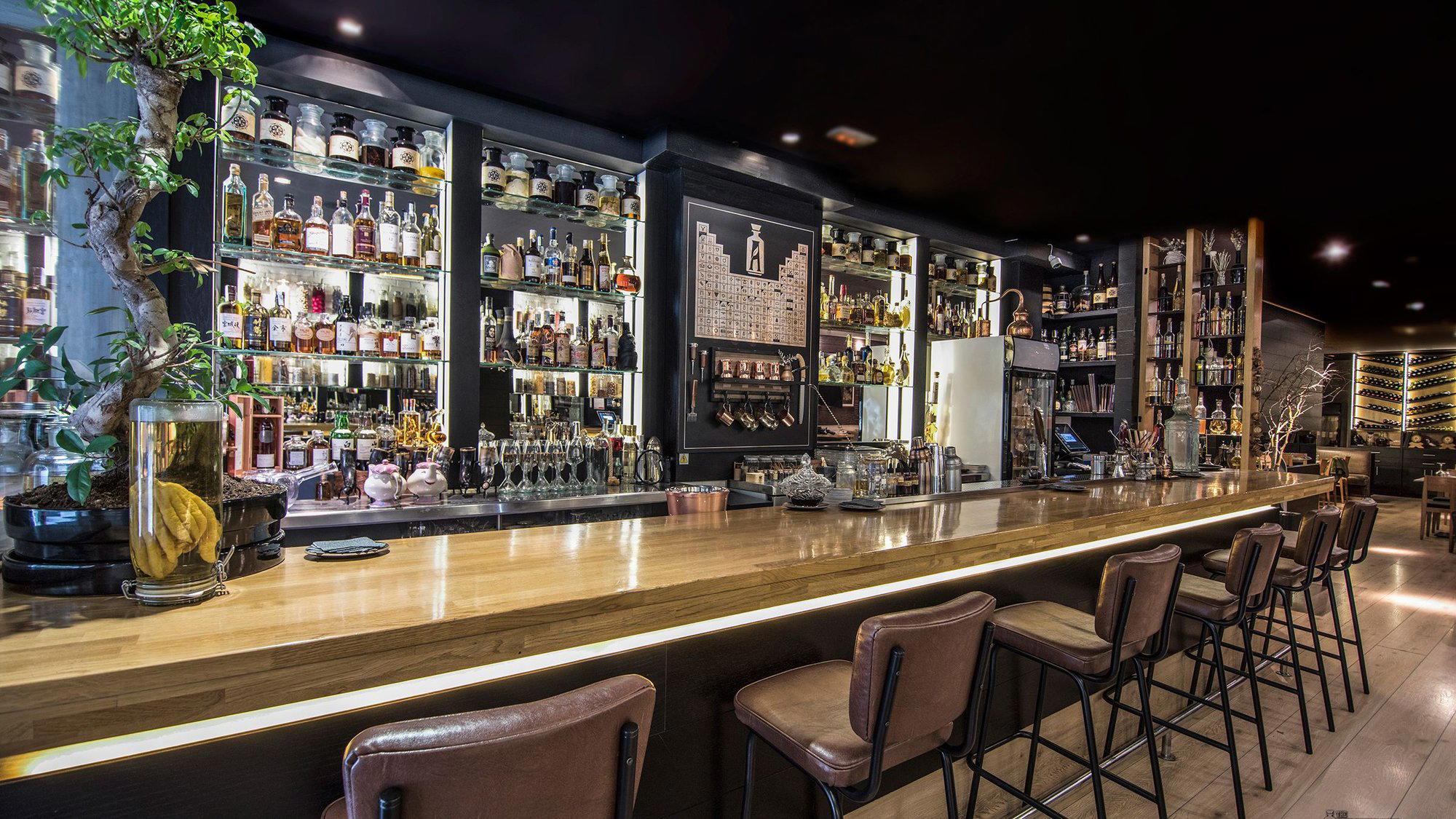
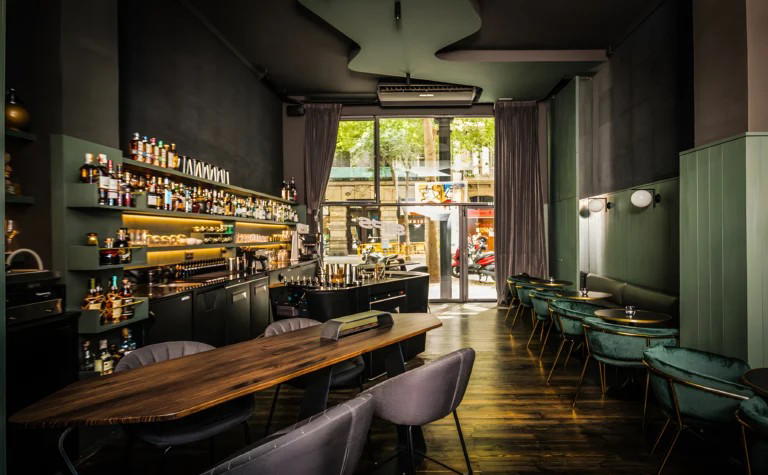
Warm and welcoming with a laid-back atmosphere; small intimate space with a long bar, high tables, and a charming terrace with special soul; sparsely decorated with deep speckled bowls and elegant plate selection.