Covent Garden Hotel
On Monmouth Street in the heart of Covent Garden, this address occupies one of central London's most theatrically charged neighbourhoods, where the boundary between the West End's performing arts world and the city's hospitality scene has always been deliberately thin. The hotel operates at a tier where neighbourhood positioning, design character, and proximity to the city's cultural infrastructure matter more than scale.
Pearl is the En Primeur Club membership app — saves, bookings, and concierge access live there. Same editors, same standards.
- Address
- 10 Monmouth St, London WC2H 9HB, United Kingdom
- Phone
- +44 20 7806 1000
- Website
- firmdalehotels.com
- Directions
- Get directions
 Saves & bookings on Pearl
Where Theatreland Meets the Drawing Room
Monmouth Street sits at the quieter, more considered end of Covent Garden's geography. The market's piazza and its crowds are close enough to feel present, but the street itself carries a different register: independent bookshops, specialist coffee, the kind of retail that attracts people who know the neighbourhood rather than those passing through it. Arriving at Covent Garden Hotel from this direction, the transition from street to interior is the first editorial statement the property makes. London's theatre-adjacent hotel tier has a long tradition of functioning as a kind of pressure valve between performance and the evening that follows, and properties on or near Monmouth Street have historically occupied that role with more intimacy than the large corporate offerings on the Strand.
The hotel sits within a broader category of London accommodation that positions itself through neighbourhood specificity rather than size. Across the city, the split between large-footprint international hotels and smaller, character-led properties in culturally dense postcodes has sharpened considerably over the past decade. Covent Garden Hotel belongs to the latter group, where what you can walk to, and what the building itself communicates, carries more weight in the guest proposition than room count or conference capacity.
The Sensory Character of the Space
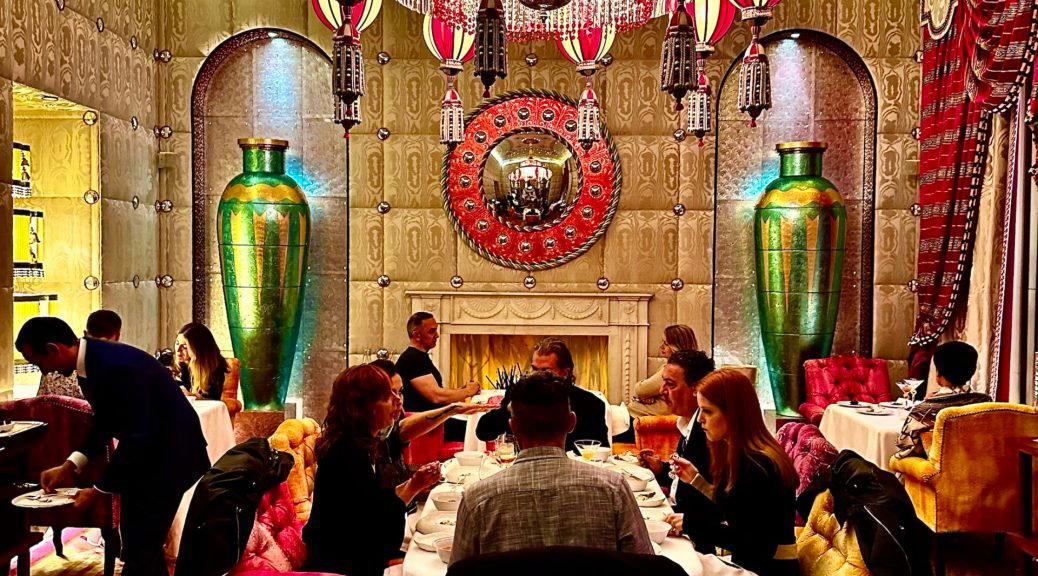
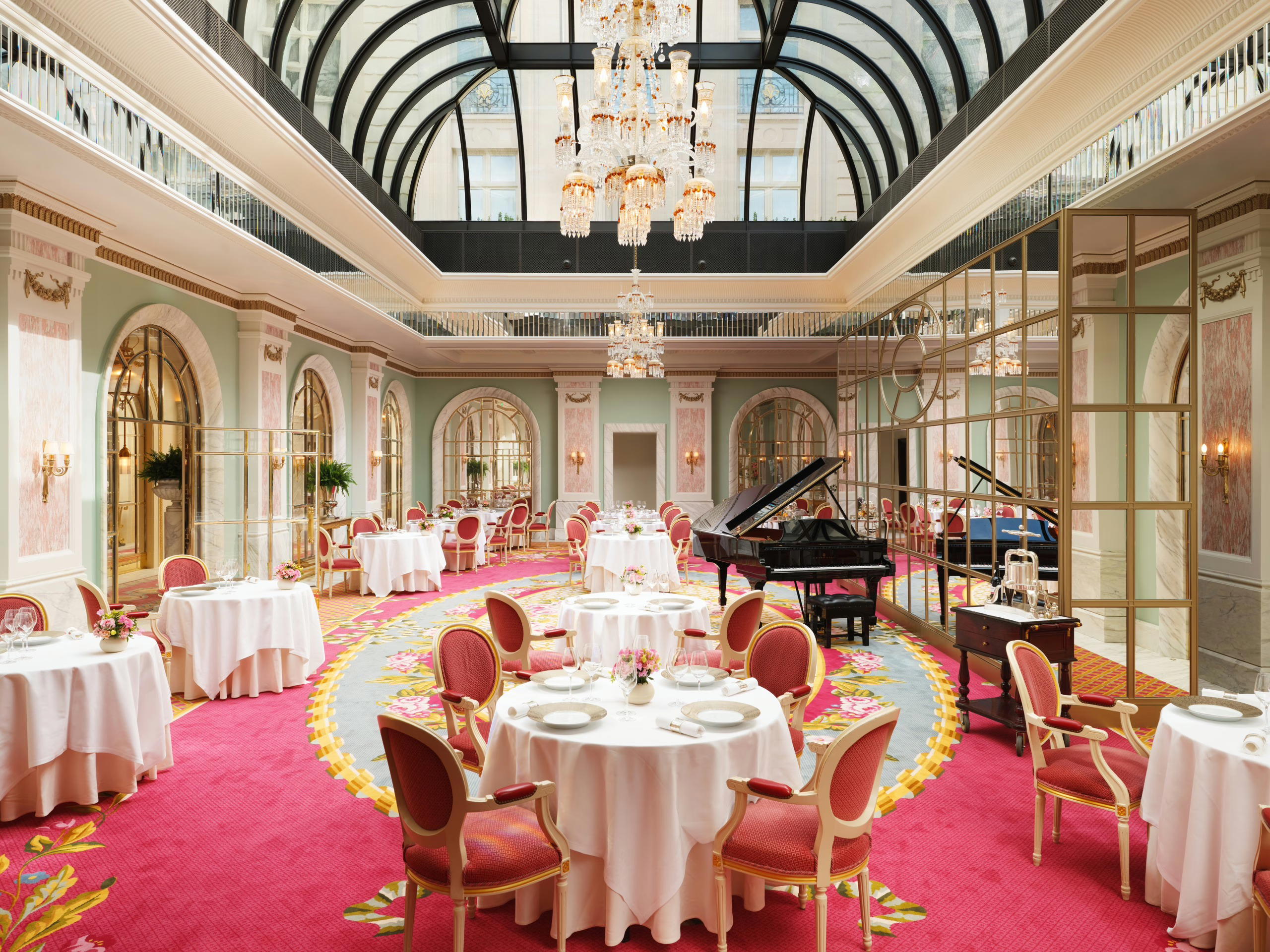
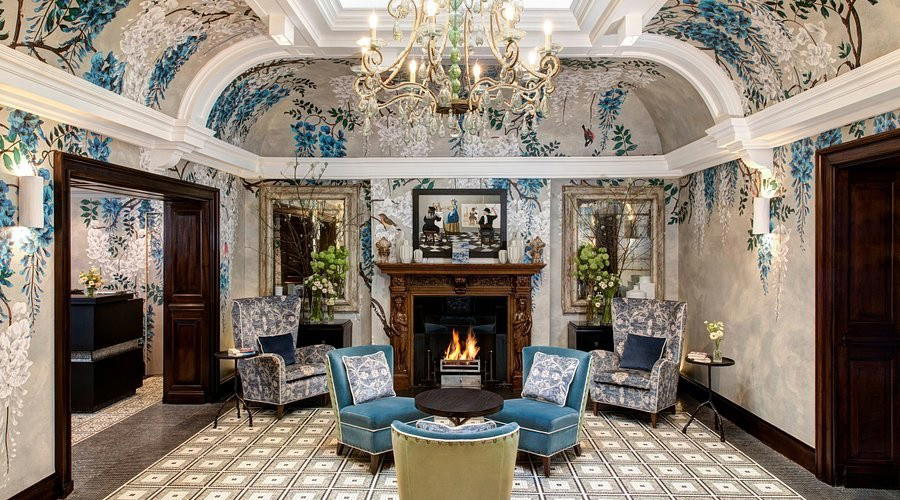
Central London hotels at this tier tend to define themselves through interior atmosphere as much as service ratio. The visual and material language of a property in WC2H — a postcode bounded by the Royal Opera House to the east, Seven Dials to the west, and the Strand to the south — carries specific expectations. Guests arriving from the theatre district or the specialist restaurants clustered nearby bring a calibrated sensibility with them. The lobby functions less as a transit point and more as a social antechamber, a quality that distinguishes properties of this type from the transit-optimised business hotels that dominate further north around Euston or south toward Waterloo.
Sound, in this part of London, is layered. Street performers carry from the piazza on warm evenings. Monmouth Street itself is residential enough to quiet down after dinner service, which gives properties here a dual character: energised during the day and early evening, settled by late night. For guests whose itinerary runs through an evening at the ENO or a late dinner in Seven Dials, that rhythm aligns well.
Neighbourhood Positioning and the Covent Garden Dining Circuit
The area around the hotel places a guest within reasonable reach of a dense cluster of London's more considered dining options. Covent Garden's dining identity has shifted substantially since the early 2010s, when the neighbourhood was largely associated with pre-theatre menus and tourist-facing operations. The transformation since then has brought a different calibre of restaurant and bar to streets within a ten-minute walk. Quo Vadis, the Soho institution on Dean Street, sits a short distance west and represents the kind of sustained, serious British cooking that the area's better guests now expect as a baseline reference point.
For those extending the evening into cocktail territory, London's bar scene in this zone repays attention. The city's cocktail culture has moved well beyond the speakeasy era, toward programs built on technical clarity and consistent execution. 69 Colebrooke Row in Islington remains a reference point for precision-driven bar work, while A Bar with Shapes for a Name represents the city's more conceptually ambitious direction. Closer to the hotel's immediate neighbourhood, Academy and Amaro offer distinct programs worth considering for a post-dinner drink rather than a full evening commitment.
For a broader orientation to where Covent Garden sits within London's overall dining and hospitality map, the full London restaurants guide provides neighbourhood-level context across the city's major dining districts.
Positioning a Covent Garden hotel accurately requires understanding what the competition actually is. The genuine comparators are properties in WC2 and the adjacent Seven Dials area that trade on neighbourhood atmosphere, relatively contained scale, and a guest profile weighted toward arts, media, and design. Within that set, the differentiation comes down to interior character, the quality of the in-house food and drink operation, and whether the booking experience reflects the positioning the property claims.
Across the UK more broadly, the theatre-adjacent boutique hotel format appears in cities with strong arts infrastructure. Merchant Hotel in Belfast demonstrates what sustained design investment and a serious bar program can do for a property operating in a historically underrated market. Schofield's in Manchester and Bramble in Edinburgh show how cities outside London have built credible alternatives for travellers who prioritise neighbourhood personality over brand recognition. Horseshoe Bar Glasgow and Mojo Leeds represent the bar-anchored end of that regional picture. For travellers who move between London and these cities, the contrast sharpens what each offers. Internationally, Bar Leather Apron in Honolulu and L'Atelier Du Vin in Brighton and Hove demonstrate how similar positioning logic plays in very different cultural contexts.
Planning a Stay: Practical Orientation
The hotel's address at 10 Monmouth Street, London WC2H 9HB places it within walking distance of Covent Garden Underground station on the Piccadilly line, and roughly equidistant between Leicester Square and the Seven Dials junction. For guests arriving from St Pancras or King's Cross, the overground to Charing Cross or a direct tube on the Piccadilly line from King's Cross St Pancras covers the journey in under fifteen minutes. Covent Garden tube station itself is often bypassed by locals in favour of Leicester Square or Holborn on busier days, a practical note worth absorbing if the piazza is operating at capacity during school holidays or major West End runs.
Given the hotel's positioning in a high-demand postcode and its relatively contained scale compared to the large hotel blocks on the Strand, advance booking is advisable for any weekend stay or visit coinciding with a major opera or theatre season at the Royal Opera House or the Lyceum. Monmouth Street's residential character means the immediate area quiets faster than the hotel's proximity to the market might suggest, which is relevant for guests sensitive to ambient noise levels.
Continue exploring
More in London
Bars in London
Browse all →
Restaurants in London
Browse all →
Hotels in London
Browse all →



At a Glance
- Elegant
- Sophisticated
- Cozy
- Date Night
- Special Occasion
- Hotel Bar
- Lounge Seating
- Classic Cocktails
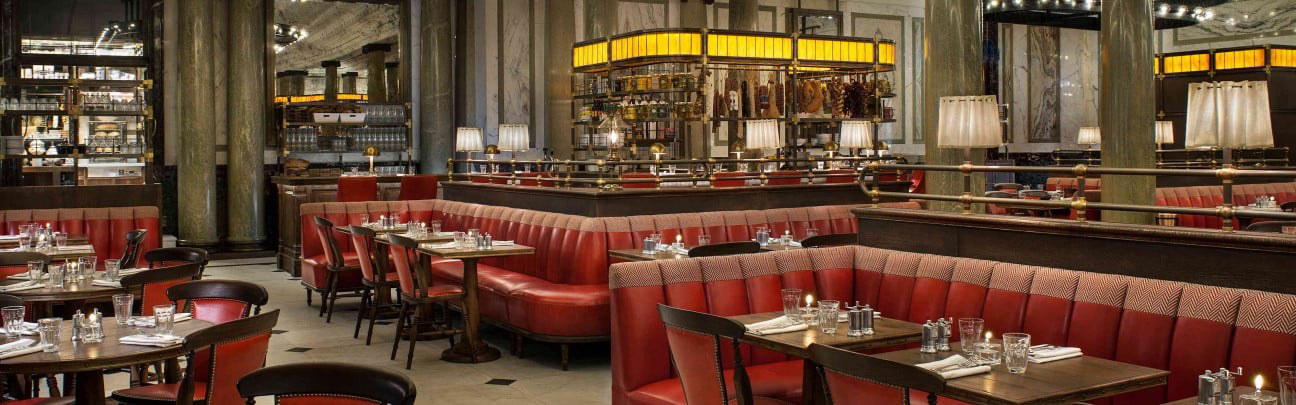
Singular style evoking belle époque charm with stylish, intimate atmosphere ideal for cocktail hour.
Know Before You Go
- Getting there
- 10 Monmouth St, London WC2H 9HB, United Kingdom