CheSa’s Bistro & Bar Chicago
A neighborhood bistro and bar on Chicago's Northwest Side, CheSa's Bistro & Bar occupies a suite address on West Addison Street that places it squarely within the city's broader shift toward community-anchored dining rooms. The format combines a bar program with bistro-style cooking, positioning it in a mid-market tier where team cohesion and local regulars tend to define the experience more than accolades.
Pearl is the En Primeur Club membership app — saves, bookings, and concierge access live there. Same editors, same standards.
- Address
- 3235 W Addison St Suite C, Chicago, IL 60618
- Phone
- +1 773 754 8523
- Website
- chesasbistro.com
 Saves & bookings on Pearl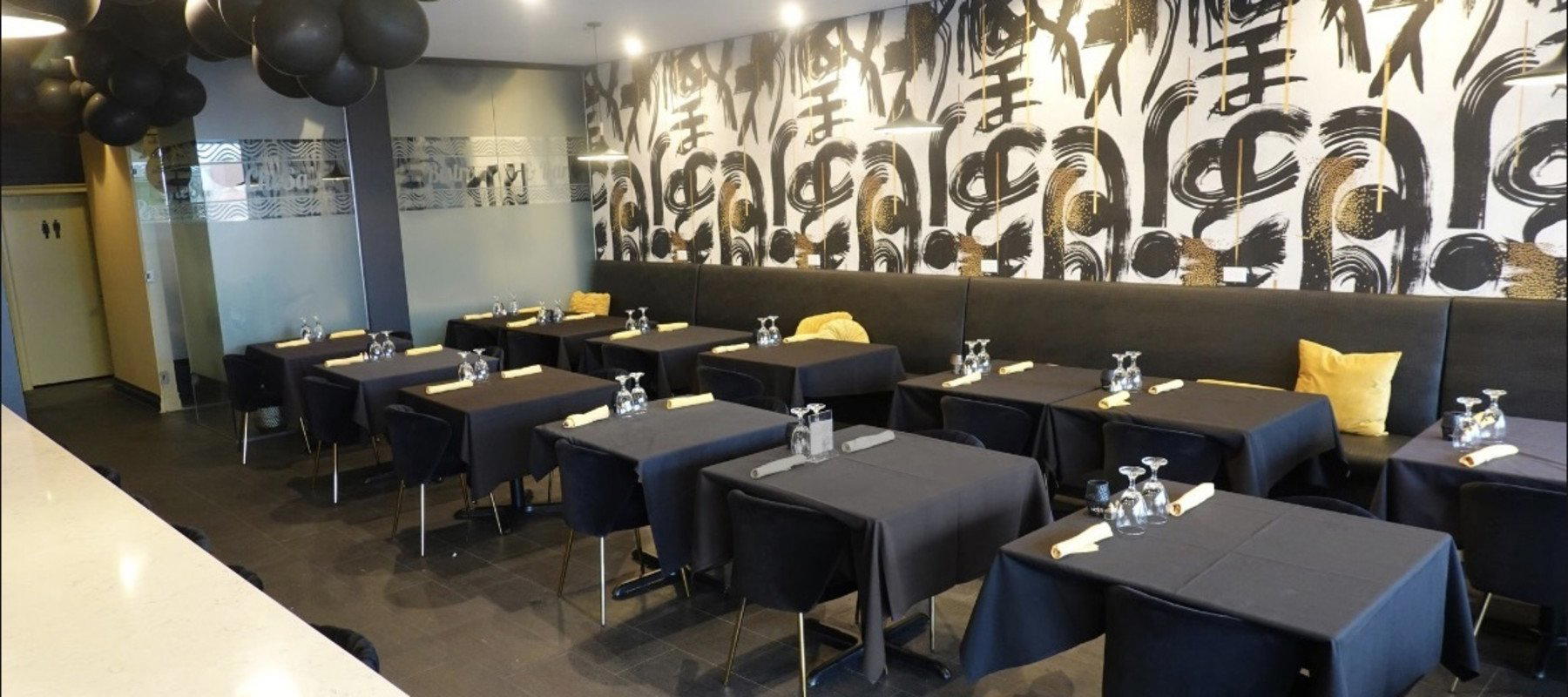
Northwest Side Dining, Off the Beaten Track
Chicago's dining conversation defaults to the Loop, River North, and the West Loop corridor, where press attention and reservation pressure cluster around a familiar roster of names. The Northwest Side operates on a different rhythm. Along stretches like West Addison Street, the venues that endure tend to do so on neighborhood loyalty rather than critical momentum, building a regular clientele that returns because the room feels earned rather than curated. CheSa's Bistro & Bar, at 3235 W Addison St, sits inside that tradition: a bistro-and-bar hybrid in a city where that format has a long, credible history in residential districts away from the tourist circuit.
The address places CheSa's in a part of Chicago where dining options range from long-standing ethnic restaurants to newer, independently run bars with serious drink programs. It is not the kind of block that draws destination diners from Lincoln Park or River North, which means the room's energy is shaped almost entirely by people who chose to be specifically here, not somewhere more obvious. That dynamic tends to produce a more relaxed, less performative atmosphere than venues that depend on first-time visitors.
The Bistro-Bar Format in Chicago Context
Chicago has a durable tradition of pairing serious bar programs with food menus that go beyond the perfunctory. The format traces through venues like Kumiko in the Loop, where the cocktail program and the kitchen operate as genuine equals, and through neighborhood spots where the division between a night out for food and a night out for drinks is deliberately blurred. CheSa's Bistro & Bar operates within that same conceptual territory: a space that is neither purely a restaurant with a bar annexed to it, nor a bar that happens to offer food as an afterthought.
That hybrid model places particular demands on team coordination. When a venue runs both a food program and a bar program at comparable depth, the working relationship between whoever leads the kitchen and whoever runs the bar becomes the operational spine of the experience. The front-of-house carries the responsibility of translating that coordination for guests, steering a table toward a drink pairing or explaining why the menu reads the way it does on a given night. Venues that get this right feel fluid; those that don't reveal the seams quickly. Across Chicago's neighborhood bistro tier, that internal dynamic separates the places that develop loyal regulars from those that cycle through walk-ins without building much depth.
The Northwest Side location also connects CheSa's to a broader pattern visible in American mid-sized neighborhood bars and bistros: the shift away from large footprints and toward smaller, more personal rooms where the staff-to-guest ratio allows for actual conversation across the bar. Comparable venues in other cities, such as ABV in San Francisco or Jewel of the South in New Orleans, demonstrate how much that format depends on the team operating with shared purpose rather than as parallel departments. The same logic applies at the neighborhood level in Chicago.
Team Dynamics and the Guest Experience
In bistro-bar formats, the collaboration between the kitchen, the bar, and the floor is what guests actually experience, even if they can't name it. When a server can speak to both the cocktail list and the food menu with equal fluency, the room communicates a coherent point of view. When the bar and kitchen cross-reference each other in how they build their respective programs, pairings feel intentional rather than incidental. This is the model that venues like Leading Intentions and Bisous have developed within Chicago's neighborhood bar circuit, and it is a model that rewards repeat visits because the program evolves as the team develops its shared vocabulary.
For a venue like CheSa's, the practical expression of that team dynamic shows up in how the bar program relates to whatever is on the food menu at a given time. A bistro with an active bar typically builds its cocktail list to either complement or deliberately contrast with the kitchen's flavor register, and the floor staff's job is to make that relationship legible to guests who may not already understand it. At neighborhood spots away from the main dining corridors, that explanatory role tends to fall more heavily on whoever is working the room, because the clientele is less likely to arrive with a pre-formed expectation of what to order.
Chicago's broader bar scene offers useful comparisons. Lemon and venues across the city's more residential neighborhoods show how much the floor staff's knowledge shapes the perceived quality of a program that might not carry the same press coverage as its counterparts in higher-profile districts. The same principle applies at CheSa's, where the West Addison Street address means the reputation is built conversation by conversation rather than through review aggregation.
Where CheSa's Sits in the Wider Bar Landscape
Neighborhood bistro-bars occupy a specific and often underappreciated tier in any major American city's dining ecosystem. They are not competing with destination fine-dining or with the high-concept cocktail bars that receive most of the industry attention, such as Allegory in Washington, D.C., Bar Leather Apron in Honolulu, or The Parlour in Frankfurt on the Main. Their competitive set is local and relational: the question a regular asks is not whether this is the most technically accomplished bar in the city, but whether it is the right place to spend a Tuesday evening, or a Sunday afternoon, or a birthday dinner that doesn't require a reservation made three months in advance.
CheSa's position on the Northwest Side places it in that relational tier. The suite-format address on West Addison suggests a more intimate footprint rather than a large dining room, which aligns with the model where staff density and team familiarity produce a different kind of service quality than scale allows. For context on how that model plays out at comparable venues in other American cities, Julep in Houston and Superbueno in New York City demonstrate the range of what neighborhood-anchored bar-forward dining can achieve when the team operates with genuine integration.
Know Before You Go
- Address: 3235 W Addison St Suite C, Chicago, IL 60618
- Neighbourhood: Northwest Side, Chicago
- Format: Bistro and bar, neighborhood format
- Booking: Reservations are recommended.
- Hours: Mon: 5-9 PM; Tue: 5-9 PM; Wed: 5-9 PM; Thu: 5-9 PM; Fri: 5-9 PM; Sat: 11 AM-3 PM, 5-9 PM; Sun: 11 AM-3 PM, 5-9 PM
- Price tier: $$$
Where the Accolades Land
Comparable venues nearby, for context on price, style, and recognition.
| Venue | Cuisine | Price | Awards | Notes |
|---|---|---|---|---|
| CheSa’s Bistro & Bar ChicagoThis venue — the venue you are viewing | lounge | $$$ | , | |
| Alegrias Seafood | Bar | $$$ | , | Wicker Park |
| Apothecary Cocktail Lounge | cocktail_bar | $$$ | , | Lakeview / Wrigleyville |
| Juno Sushi Chicago | sake_bar | $$$ | , | Lincoln Park |
| Aba | rooftop_bar | $$$ | , | West Loop |
| PERILLA korean steakhouse | lounge | $$$ | , | West Town |

At a Glance
- Elegant
- Cozy
- Sophisticated
- Date Night
- Brunch
- Casual Hangout
- Live Music
- Lounge Seating
- Booth Seating
- Craft Cocktails
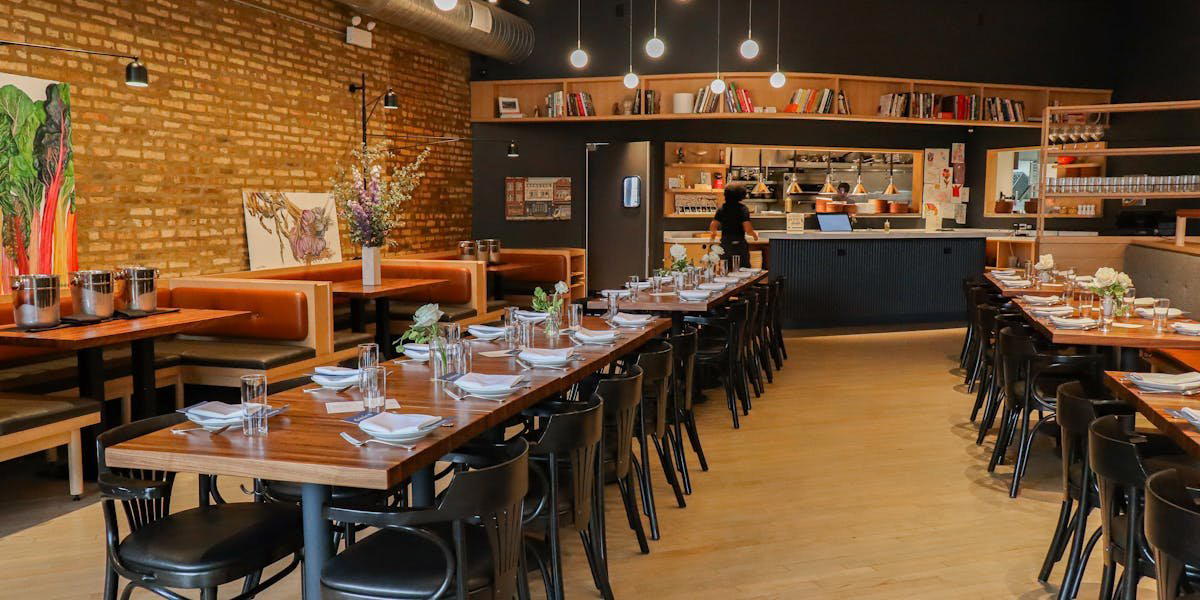
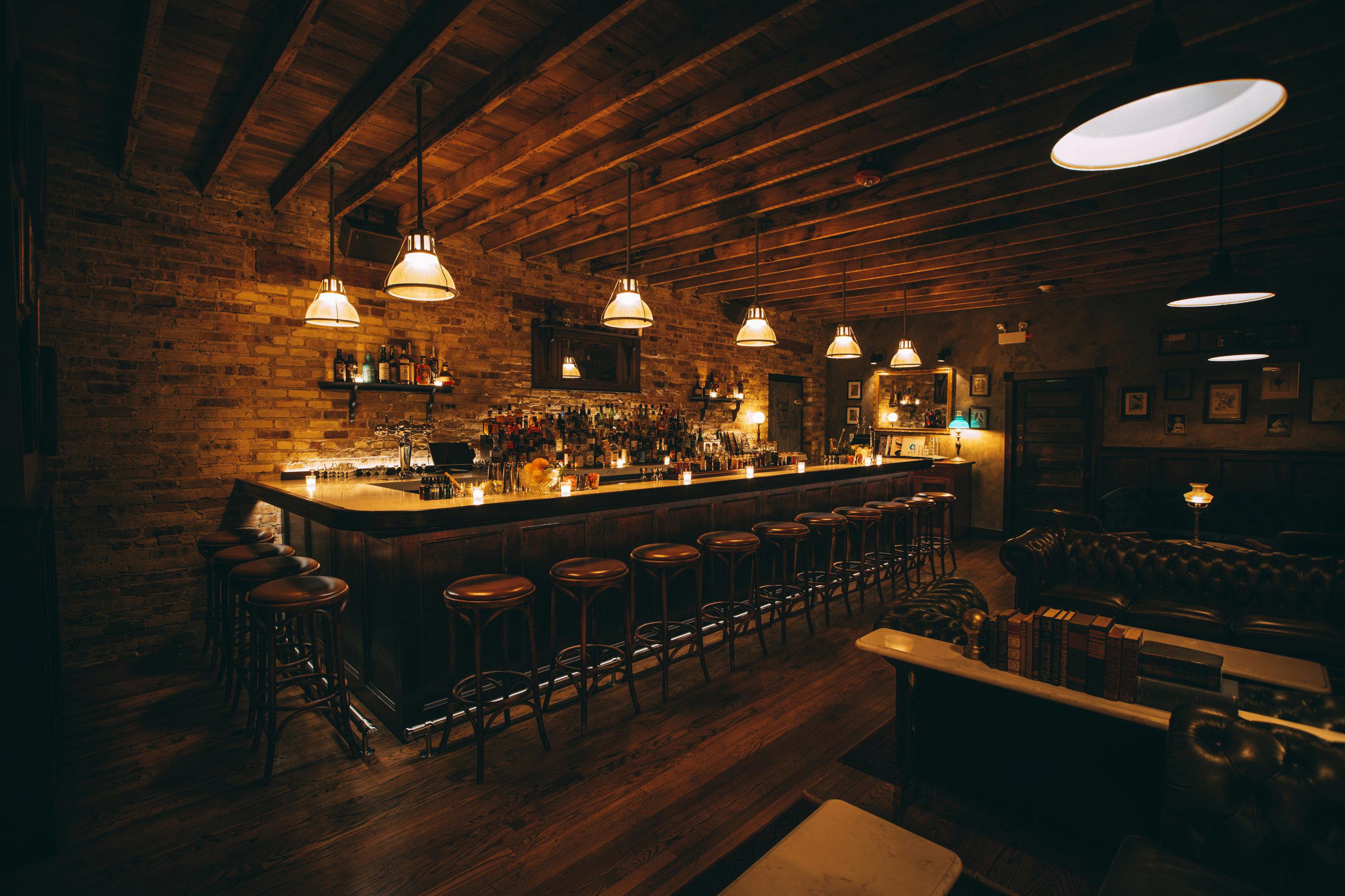
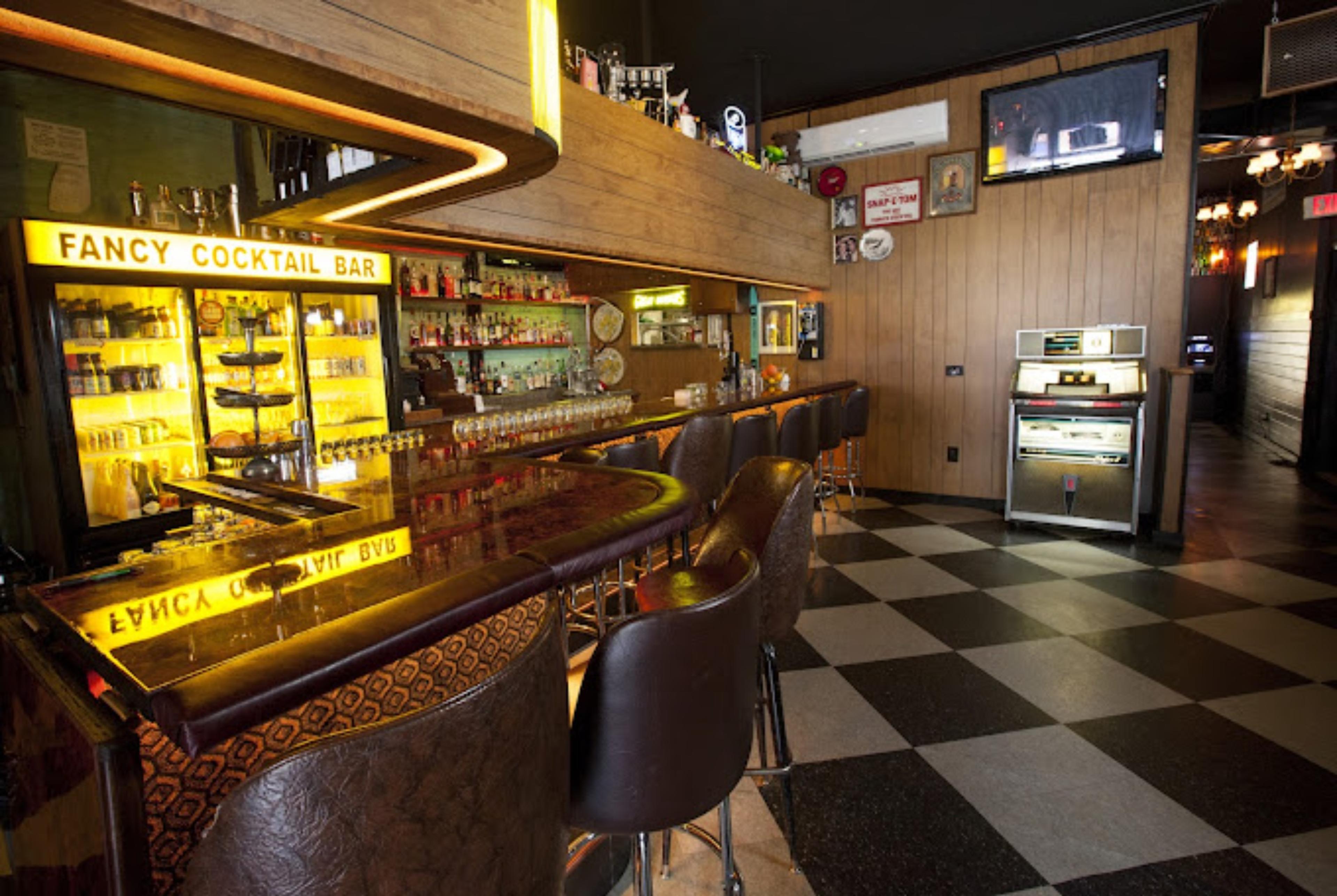
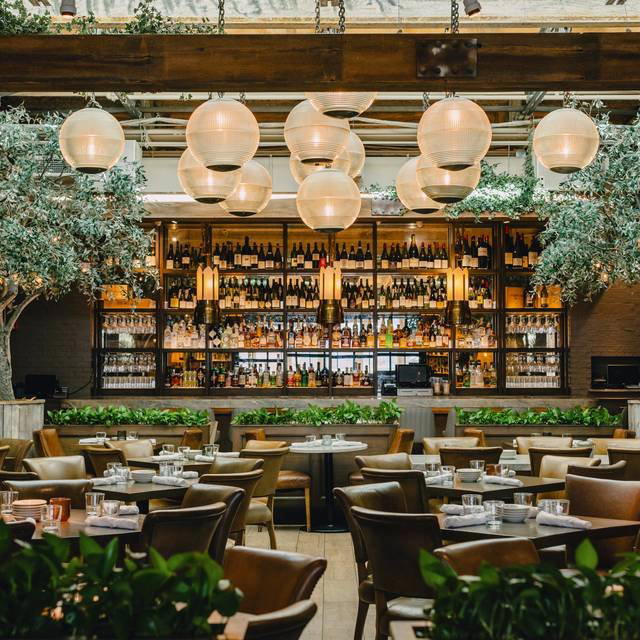
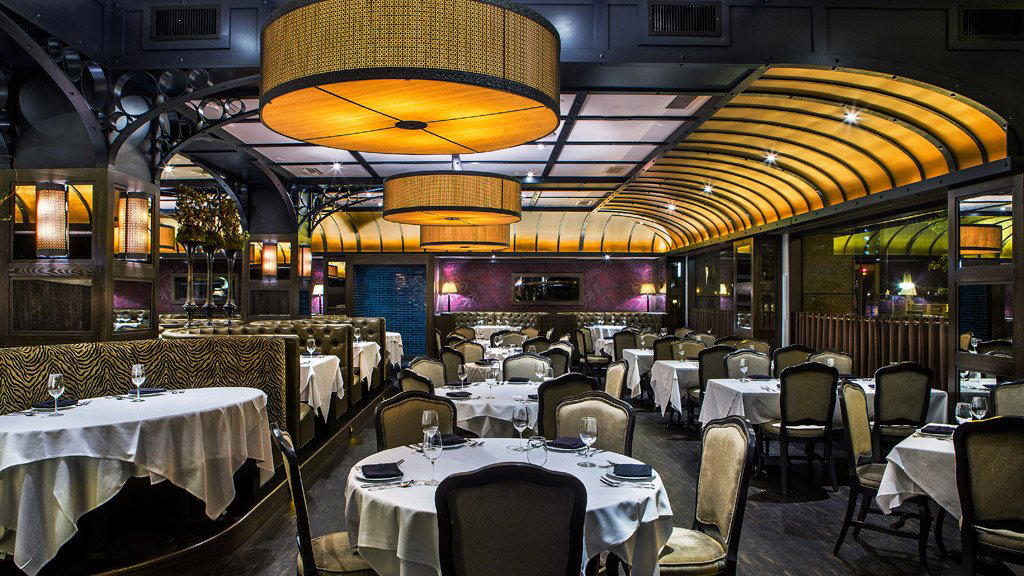
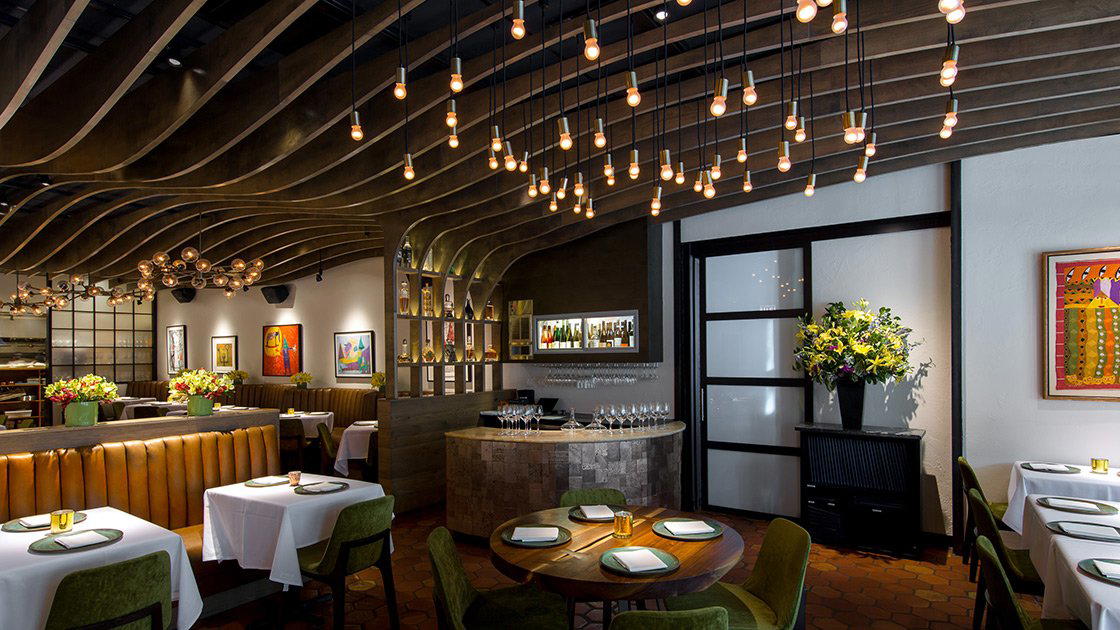
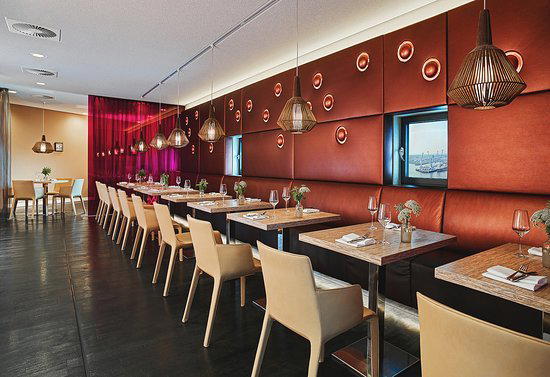
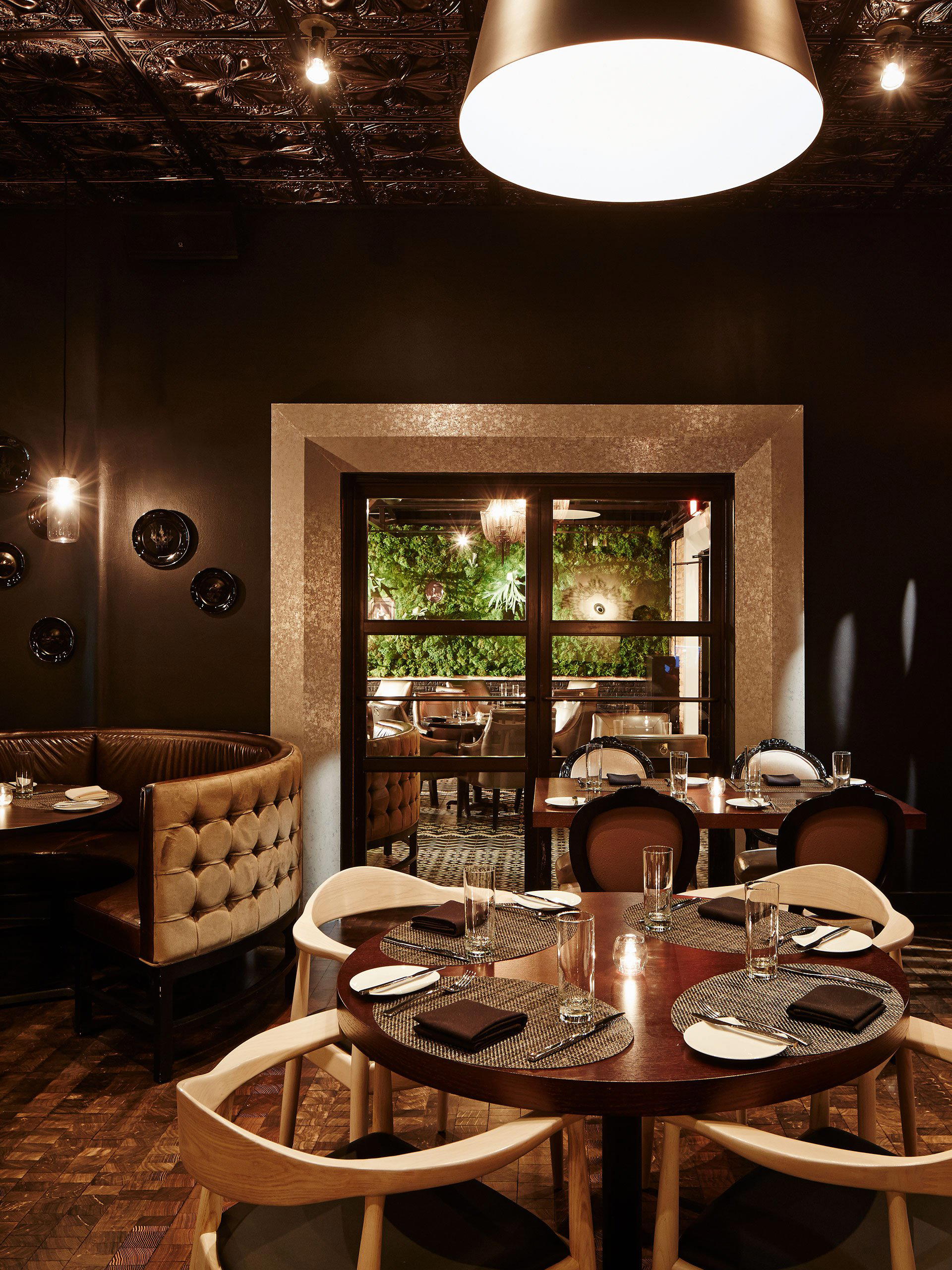
Full fine dining ambiance with moderate noise levels, skillful cooking, and enjoyable atmosphere.