Cantina El Danubio
Cantina El Danubio occupies a spot in Cuernavaca's Centro district where the cantina tradition runs deep and the drinks programme leans into the agave-forward repertoire that defines drinking culture in Morelos. Set on Guadalupe Victoria in the historic centre, it operates within a format where the bar anchors the room and the afternoon session is the natural peak. A reference point for anyone tracing Mexican cantina culture outside the capital.
Pearl is the En Primeur Club membership app — saves, bookings, and concierge access live there. Same editors, same standards.
- Address
- Guadalupe Victoria, Cuernavaca Centro, Centro, 62000 Cuernavaca, Mor., Mexico
- Directions
- Get directions
 Saves & bookings on Pearl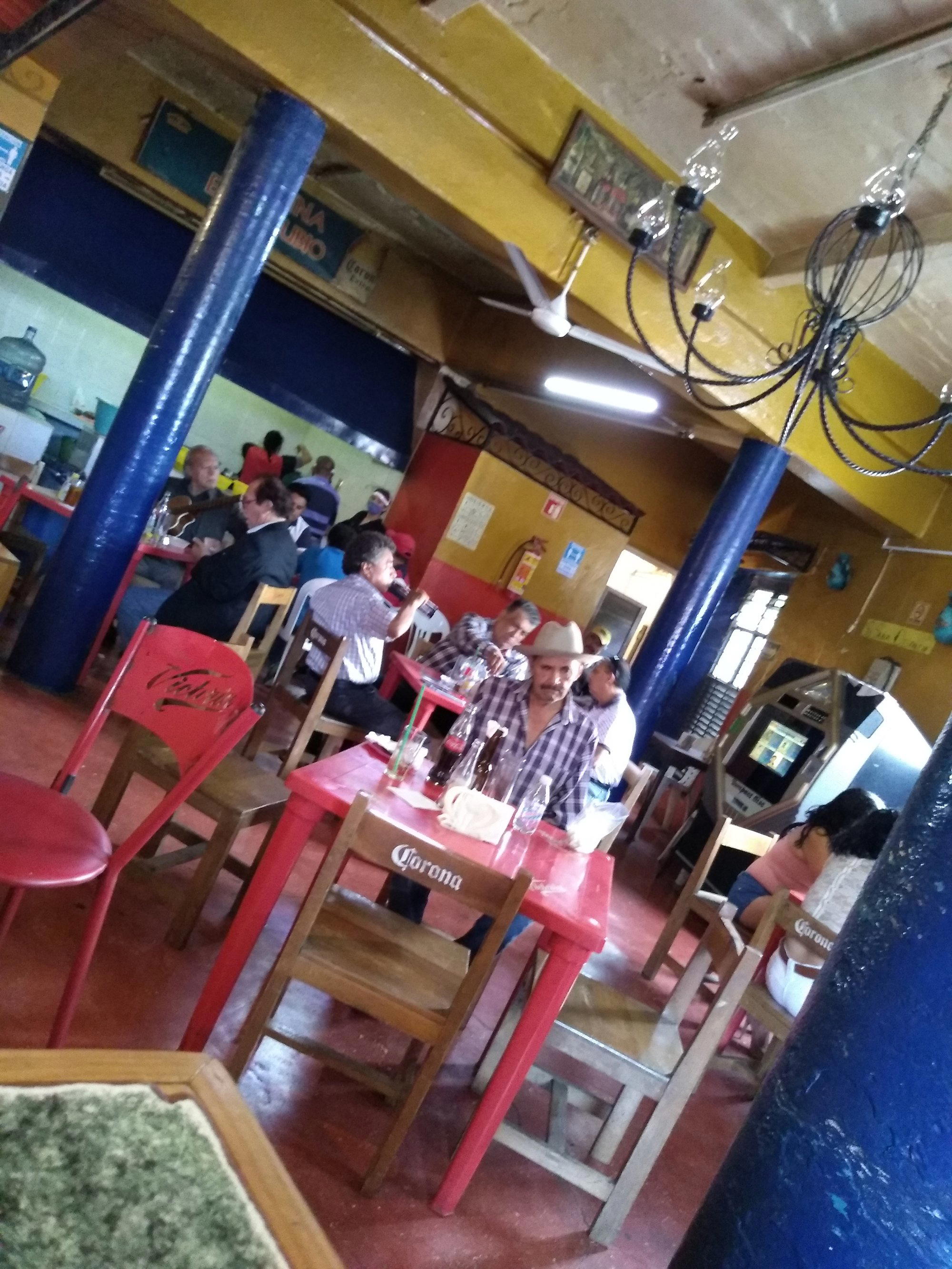
Cuernavaca's Cantina Circuit and Where El Danubio Sits
Mexico's cantina tradition has proved more durable than most drinking formats. Where cocktail bars in the capital have cycled through speakeasy phases, clarified-drink programs, and now fermentation-led menus, the cantina has held its format largely intact: long wooden bars, botanas arriving with each round, and a drinks list anchored by tequila, mezcal, and cerveza. Cuernavaca, sitting roughly 85 kilometres south of Mexico City in the state of Morelos, carries that tradition with particular consistency. The city's historic centre, where Cantina El Danubio sits on Guadalupe Victoria, is the part of town where cantina culture still functions as neighbourhood infrastructure rather than nostalgic performance.
Understanding Cantina El Danubio requires understanding what the cantina format actually demands of a room. The physical environment is not incidental. You approach through the Centro's colonial streetscape, where the scale of buildings and the rhythm of street life set expectations before you step inside. The cantina interior typically offers high ceilings, tiled floors that have absorbed decades of use, and a bar counter positioned to be the social and operational centre of everything. Light is usually indirect, keeping the room cooler than the street. The sounds are conversational rather than amplified. These are not design choices in the contemporary sense; they are accumulated conditions, and Cantina El Danubio operates within that inherited physical logic.
The Drinks Programme in Context
Morelos sits within the broader agave belt that runs through central and southern Mexico, and Cuernavaca's drinking culture reflects that geography. Tequila and mezcal are not novelty inclusions on a cantina list here; they are the structural centre of what a bar in this tradition is expected to do well. The bartender's creative territory in a cantina is different from what you find at, say, Baltra Bar in Mexico City, where the programme is built around technical precision and ingredient-driven composition. In the cantina format, the skill sits in sourcing and selection, in knowing which producers and expressions to pour, and in the rhythm of service that keeps the glass and the botana arriving in the right sequence.
This distinction matters when comparing Cantina El Danubio to the wider range of Mexican bar culture. Operations like Bekeb in San Miguel de Allende or Sabina Sabe in Oaxaca represent a different tier of programme: formally ambitious, press-recognised, operating with international reference points. The cantina tradition that El Danubio represents is not competing in that category. Its authority comes from consistency, from operating within a format that local drinkers understand as an honest expression of place rather than a curated version of it. La Capilla in Tequila holds a comparable position in its town, where longevity and place-specificity carry more weight than any award cycle.
For visitors arriving from the Mexico City bar scene, the adjustment is one of register. The capital now has bars operating at a highly technical international level, and the contrast with a Cuernavaca cantina can feel abrupt. But that contrast is instructive. Formats like El Gallo Altanero in Guadalajara and Aruba Day Drink in Tijuana each operate with their own regional grammar. The cantina is Cuernavaca's native grammar, and reading it on its own terms is the more productive approach.
The Botana Logic and What Drives the Afternoon Session
One of the defining features of the traditional Mexican cantina is the botana system, where small plates of food accompany each round of drinks without appearing as a separate line on the bill. This arrangement shapes everything about how a session at a cantina progresses. Drinking pace, socialising rhythm, and the order in which people arrive and leave are all organised around the expectation that food and drink will arrive together. It is a format that rewards staying longer rather than moving on, which explains why the afternoon session, typically from early afternoon through early evening, functions as the natural peak for a room like this.
This is operationally different from how bars at the coastal end of Mexican tourism, such as Zapote Bar in Playa del Carmen or Coco Bongo in Cancun, structure an evening. Those formats are built around throughput and a tourist-facing energy cycle. The cantina works on a slower clock, one calibrated to neighbourhood drinkers who use the room regularly and know its rhythms by memory. For a visitor, that slower clock is part of what makes the experience legible as something specific to Cuernavaca rather than exportable to any city.
Getting There and Practical Notes
Cantina El Danubio's address on Guadalupe Victoria places it within Cuernavaca Centro, the historic core of the city that holds most of the significant colonial architecture and the main market activity. The Centro is walkable from the Zócalo and from most accommodation options in the central area. Cuernavaca is accessible from Mexico City via the autopista to Cuernavaca, with journey times from the capital typically running between 60 and 90 minutes depending on traffic, making it a realistic day trip for visitors based in Mexico City. Buses from Mexico City's Terminal Sur also serve the route regularly. As with most traditional cantinas in Mexico, arriving during the afternoon session aligns leading with the format's natural rhythm.
For those building a broader itinerary around Mexican bar culture, the comparison range is wide. The programme at Arca in Tulum or the technical ambition at Boulenc in Oaxaca City represent one end of the contemporary Mexican drinks scene. Bar Leather Apron in Honolulu offers an international point of comparison for precision-led programming. Cantina El Danubio occupies a different coordinate entirely, one where the value sits in cultural continuity rather than formal innovation.
Comparable Spots, Quickly
| Venue | Cuisine |
|---|---|
| Cantina El DanubioThis venue — the venue you are viewing | This venue |
| Fifty Mils | World's 50 Best |
| Hanky Panky | World's 50 Best |
| Arca | World's 50 Best |
| Aruba Day Drink | World's 50 Best |
| Baltra Bar | World's 50 Best |
Continue exploring
More in Cuernavaca
Bars in Cuernavaca
Browse all →
Restaurants in Cuernavaca
Browse all →
At a Glance
- Classic
- Rustic
- Casual Hangout
- Standalone
- Seated Bar
- Tequila
Current opening hours
- Monday
- 12–9 PM
- Tuesday
- 12–9 PM
- Wednesday
- 12–9 PM
- Thursday
- 12–9 PM
- Friday
- 12–9 PM
- Saturday
- 12–9 PM
- Sunday
- Closed
Hours can change for holidays and private events. Last verified .
Classic cantina atmosphere with a neighborhood feel.
Know Before You Go
- Getting there
- Guadalupe Victoria, Cuernavaca Centro, Centro, 62000 Cuernavaca, Mor., Mexico