Buddy Guy's Legends
On South Wabash Avenue in Chicago's South Loop, Buddy Guy's Legends sits at the centre of the city's electric blues tradition. One of the most documented live music venues in the United States, it draws serious listeners and casual visitors alike to nightly performances rooted in Chicago's post-war electric blues lineage. The address alone carries decades of recorded cultural history.
Pearl is the En Primeur Club membership app — saves, bookings, and concierge access live there. Same editors, same standards.
- Address
- 700 S Wabash Ave, Chicago, IL 60605
- Phone
- +1 312 427 1190
- Website
- buddyguy.com
- Directions
- Get directions
 Saves & bookings on Pearl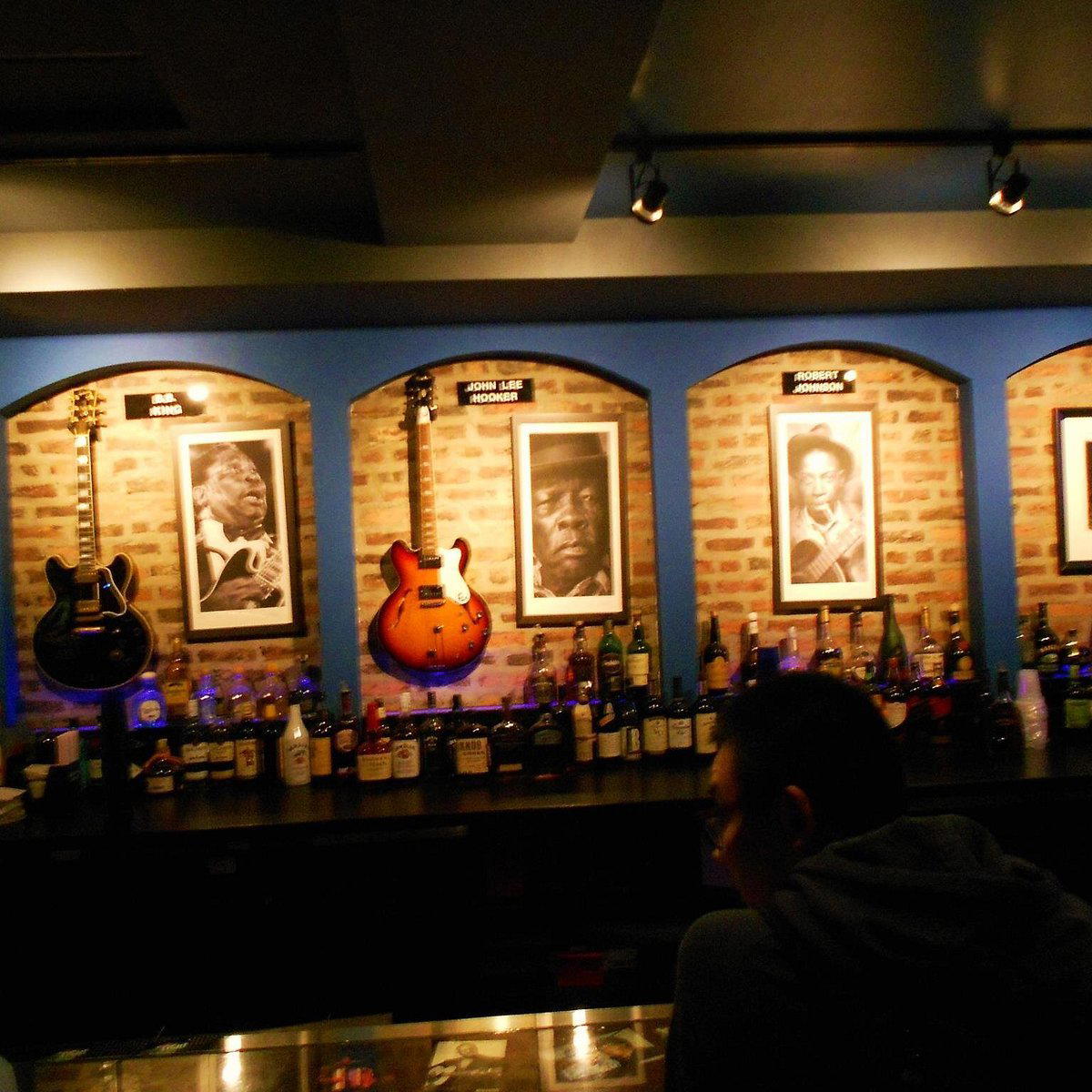
Where Chicago's Electric Blues Still Has a Physical Address
Walk south on Wabash under the refined tracks and the sound reaches you before the signage does. That's true of most serious blues rooms in cities that have them, but Chicago's case is particular: the electric blues didn't just develop here, it was industrialised here, recorded here, and argued over in venues that survived urban renewal, genre shifts, and the long contraction of the live music economy. Buddy Guy's Legends, at 700 S Wabash Ave in the South Loop, is among the last of those rooms operating at genuine scale.
The South Loop's position in Chicago's music geography matters. It sits south of the Loop's commercial centre and north of Bronzeville, the historic corridor where many of the city's defining post-war blues figures lived and recorded. That proximity isn't incidental. The venue draws on a neighbourhood tradition with documented roots — the Chicago electric blues sound that reshaped American popular music from the 1940s onward, built on amplification, swing rhythm sections, and a directness that West Side and South Side players refined into something distinct from the Delta styles that preceded it.
The Blues Room as a Living Format
Chicago's live blues venues have operated in two broad modes for at least three decades. The first is the tourist-facing room: reliable scheduling, national name recognition, and a format designed to absorb visitors who may be encountering the genre in a live setting for the first time. The second is the neighbourhood joint: irregular hours, local regulars, and performers who play the same circuit week after week. Buddy Guy's Legends occupies the first category without abandoning the second's performers. The calibre of musicians who have appeared on that stage — including the venue's founder, one of the most recognised figures in post-war electric blues, means the programming sits above what most tourist-circuit venues manage.
That distinction matters when comparing it to other Chicago entertainment anchors. The venue is not a themed environment or a museum installation. It is a working room that has hosted documented performances across decades. For visitors with a serious interest in blues lineage, that record of actual programming carries more weight than atmosphere alone.
Technique Rooted in a Specific American Tradition
The editorial angle here isn't ingredients in a culinary sense, but the intersection of technique and indigenous tradition is as clear in blues performance as it is at any tasting counter. The Chicago electric blues vocabulary, bent notes, stop-time phrasing, the interplay between amplified guitar and harp, emerged from transplanting Mississippi Delta forms into an urban, electric, and more rhythmically aggressive framework. Performers who came up through that tradition carry a technical language that is geographically specific and historically documented.
That specificity is what separates a room like this from blues-adjacent venues in cities without the lineage. You can find live blues programming in most American cities with a music scene. What you find in Chicago, at venues connected to the South and West Side tradition, is something more codified: a regional dialect in a global musical language, performed by players who learned it from players who invented it. The generational transmission is, in some rooms, still only two or three steps removed from the originators.
Chicago's broader live music infrastructure, documented by publications including the Chicago Tribune and DownBeat over many decades, positions the city alongside New Orleans and Memphis as the American cities where specific popular music forms were developed and remain most legibly present in live performance. For context on how the city's drinking and hospitality scene intersects with that culture, see our full Chicago restaurants and bars guide.
Planning a Visit: Timing and the South Loop Setting
January and February are when Chicago blues venues earn their keep most honestly. The tourist volumes thin, the rooms feel more local, and the winter acoustics of a low-ceiling venue with a proper sound system remind you why this music was built for interiors. Summer brings festival season and higher capacity crowds, the Chicago Blues Festival, held annually in Grant Park less than a mile north, reliably drives visitors to Wabash Avenue in June. If timing your visit around the festival, book early; the surrounding blocks fill significantly in the days surrounding that programme.
The South Loop is walkable from the Loop's main transit infrastructure, and the Green and Red lines on the refined system run within a few blocks. For visitors building an evening that moves between live music and cocktail programming, Chicago's bar scene offers several options at different points on the craft spectrum. Kumiko and Leading Intentions represent Chicago's more technically ambitious cocktail direction; Bisous and Lemon offer alternatives in different neighbourhoods. None are in immediate walking distance of the South Loop, but the city's grid makes transit between them direct.
For reference points in the broader American live-music-and-drinks circuit, the programmes at Jewel of the South in New Orleans and Julep in Houston reflect how Southern American cities are pairing heritage food and drink traditions with serious craft programming. International comparators in the heritage-venue category include The Parlour in Frankfurt, which approaches its own national drinking traditions with similar curatorial seriousness. Venues like Bar Leather Apron in Honolulu, Superbueno in New York City, ABV in San Francisco, and Allegory in Washington, D.C. each demonstrate how American cities are developing distinct hospitality identities rooted in local culture rather than imported formats.
At a Glance
- Lively
- Well Known
- Energetic
- Classic
- Group Outing
- After Work
- Late Night
- Celebration
- Live Music
- Historic Building
- Standalone
- Seated Bar
- Lounge Seating
- Standing Room
- Classic Cocktails
- Craft Beer
- Conventional Wine
Current opening hours
- Monday
- Closed
- Tuesday
- Closed
- Wednesday
- 5 PM–12 AM
- Thursday
- 5 PM–12 AM
- Friday
- 5 PM–1:30 AM
- Saturday
- 5 PM–1:30 AM
- Sunday
- 5 PM–12 AM
Hours can change for holidays and private events. Last verified .
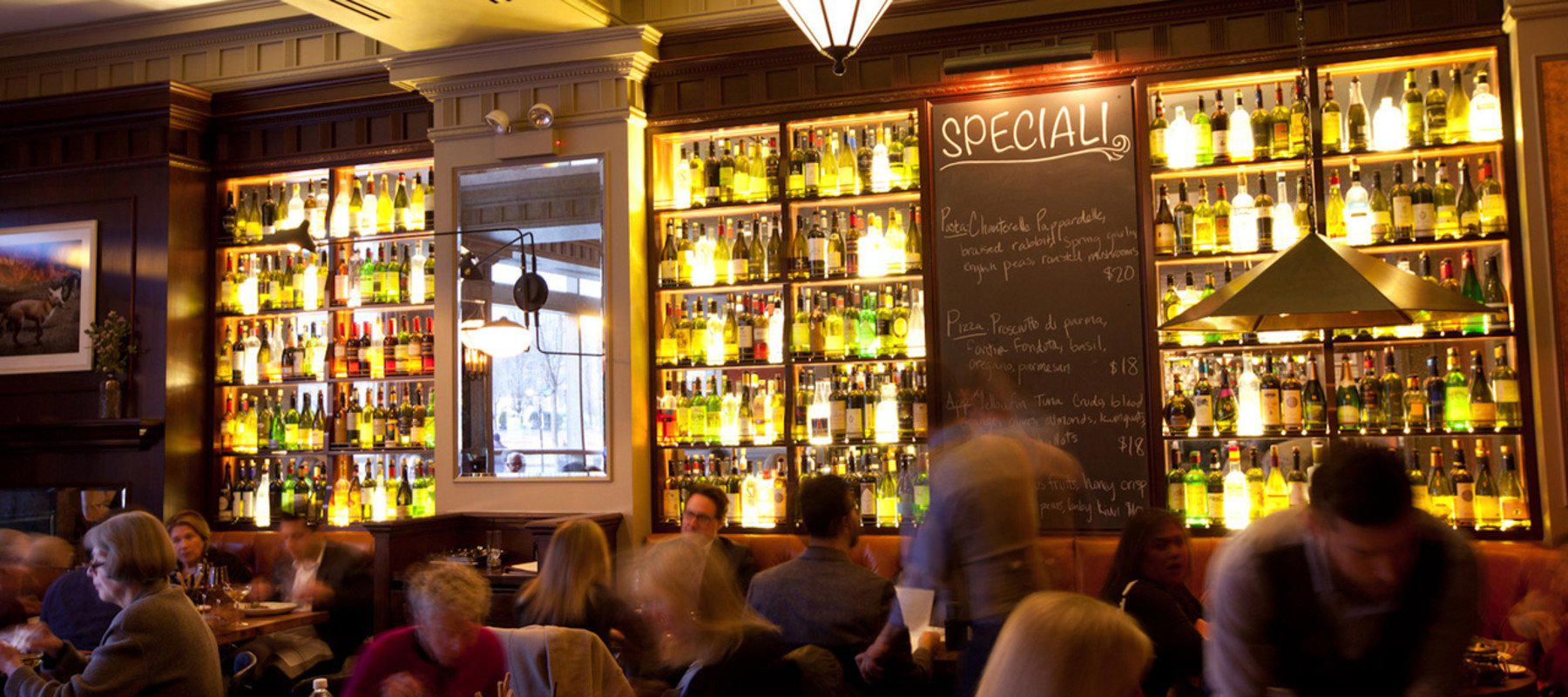
High-energy atmosphere with live blues performances, energetic crowds, and a lively bar scene centered around authentic Chicago blues culture and heritage.
Know Before You Go
- Getting there
- 700 S Wabash Ave, Chicago, IL 60605