Ipsento 606
On Milwaukee Avenue in Wicker Park, Ipsento 606 occupies a specific niche in Chicago's specialty coffee scene: a neighborhood anchor that takes its craft seriously without performing it. The address alone places it along one of the city's most walkable commercial corridors, steps from the 606 trail that gives the café its name.
Pearl is the En Primeur Club membership app — saves, bookings, and concierge access live there. Same editors, same standards.
- Address
- 1813 N Milwaukee Ave, Chicago, IL 60647
- Phone
- +1 872 206 8697
- Website
- ipsento.com
- Directions
- Get directions
 Saves & bookings on Pearl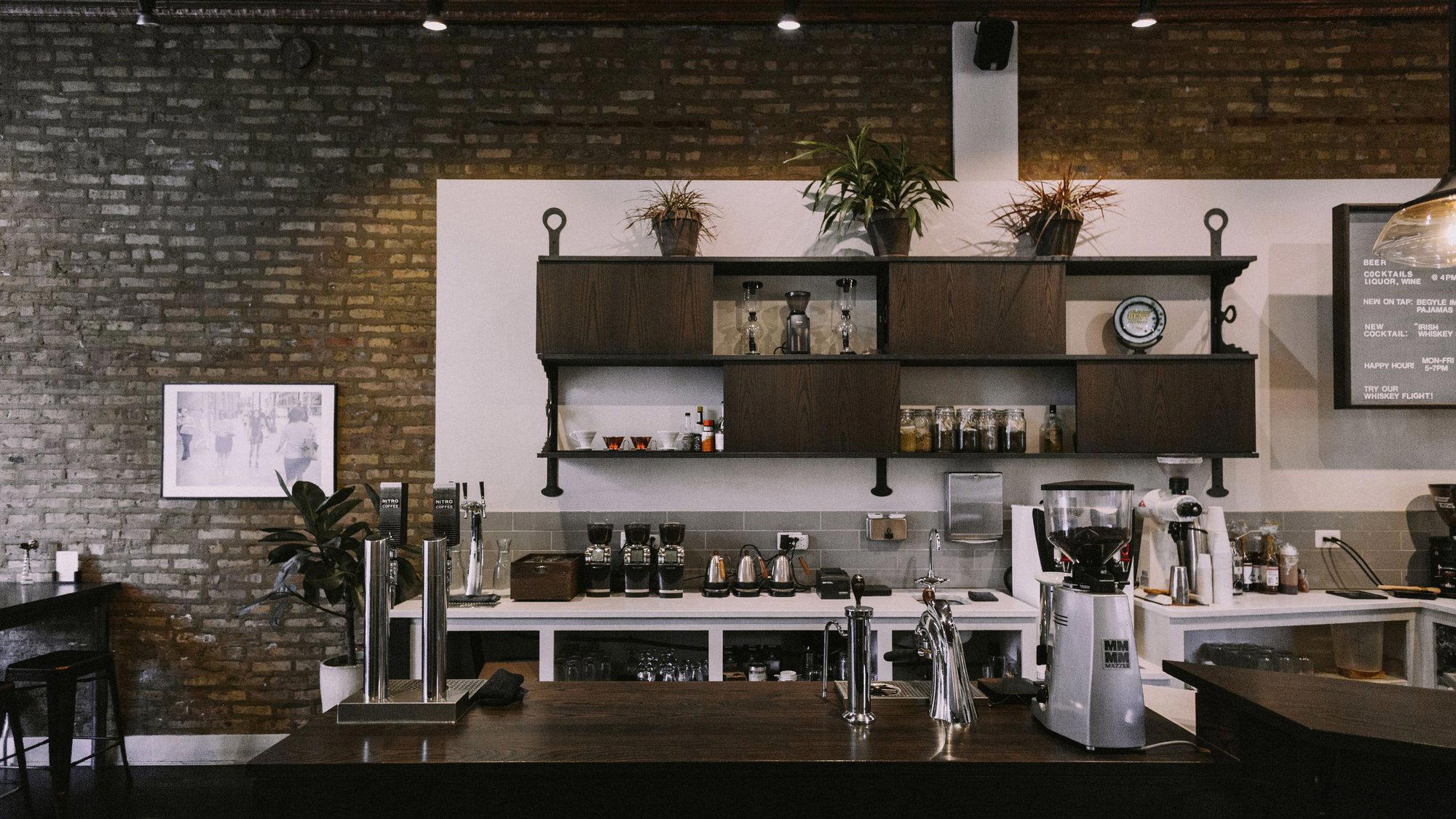
Milwaukee Avenue and the Coffee Corridor
Wicker Park's stretch of Milwaukee Avenue has long operated as a proving ground for Chicago's independent café culture. The corridor runs northeast through neighborhoods where rents have climbed steadily over the past decade, pushing out some operators while concentrating the ones who remained into something closer to a self-selecting cohort: shops that draw a regular clientele rather than foot-traffic tourists. Ipsento 606 sits at 1813 N Milwaukee Ave in Chicago's Wicker Park, near the 606 greenway that connects the neighborhood to Logan Square.
That geographic positioning matters more than it might first appear. Chicago's specialty coffee scene has split over the past several years into roughly two camps: the design-forward, single-origin-focused shops that orient themselves toward the Specialty Coffee Association tier, and the neighborhood-embedded cafés that treat quality seriously but frame it around community rather than connoisseurship. Ipsento 606 belongs to the second cohort, and that distinction shapes everything from how the space feels to how the menu reads.
The Space as Context
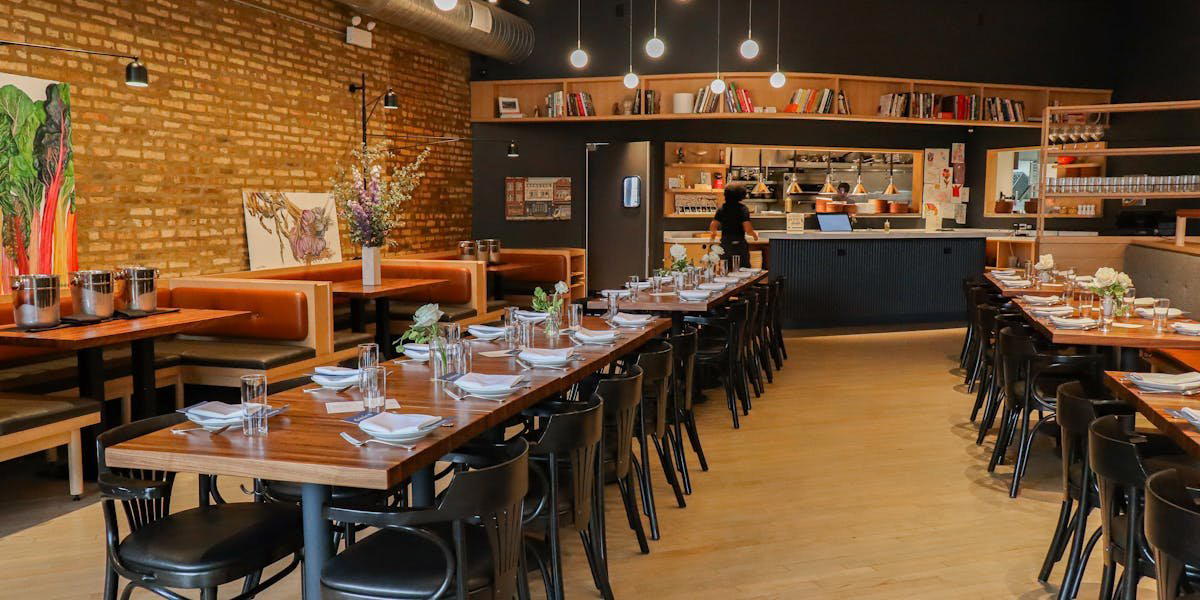
Walking into a Milwaukee Avenue café in this stretch of Wicker Park carries certain built-in expectations. The storefronts tend toward exposed brick, reclaimed wood, and natural light from north-facing windows. The ambient sound is usually a mixture of espresso machine cycles, low music, and the kind of conversations that happen when people are actually comfortable rather than performing being comfortable. Ipsento 606 operates within that register. The 606 trail access nearby means the café sees a different rhythm than purely street-facing spots: trail users, cyclists, and the lunch-hour crowd from adjacent residential blocks create a daily arc that differs from the downtown office-dependent model.
In Chicago's café taxonomy, this matters for what the visit actually feels like. The city's highest-profile coffee programs, including those in the River North and West Loop corridors, tend to optimize for throughput and visual consistency. The Wicker Park independent, operating in a neighborhood where regulars return daily, tends toward a more relaxed temporal experience. You sit longer. The pressure to cycle the table is lower. The coffee arrives with less ceremony but often with equivalent care.
Reading the Menu as a Sequence
A café visit ordered correctly is a progression, not a single decision. At a neighborhood shop with genuine craft investment, the sequence usually runs: something to calibrate the space, something to satisfy the reason you came, and something that lingers. For a coffee-forward venue on a corridor like Milwaukee Avenue, that typically means an espresso-based opener, a signature or house-developed drink as the main event, and if the food program is worth engaging, something that extends the stay into a second act.
Ipsento's approach to this sequence draws on a formula that's become increasingly common among Chicago's better independent cafés: a core espresso program that functions as the baseline, supplemented by drinks that incorporate additional ingredients without sliding into the syrup-heavy territory of chain café menus. The 606 location, as a second site for the Ipsento brand (the original Bucktown location operates separately), benefits from an established sourcing and roasting framework, which means the espresso quality has a documented foundation rather than the variability that plagues newer single-location operators.
The food component at Milwaukee Avenue cafés generally functions as a supporting act rather than a draw in itself. Pastries, toasts, and grab-and-go items serve the trail-adjacent crowd and the extended-stay laptop worker alike. What distinguishes a well-run café's food program from a poorly run one is usually consistency and sourcing honesty rather than ambition: knowing what you are and executing it without overclaiming.
Where Ipsento 606 Sits in the Chicago Coffee Scene
Chicago's café culture doesn't operate as a single tier. At the summit of the recognition hierarchy sit a handful of shops with national press and competition-circuit credentials. Below that, and more interesting to the daily visitor, is a middle tier of serious independent operators who've built genuine neighborhood identities without chasing the media cycle. The bar occupies that middle tier, with the advantage of an established brand behind it and the specific asset of trail-adjacent positioning that generates consistent traffic without the volatility of tourist-dependent locations.
For comparison, the city's bar and cocktail scene has undergone a similar split between the nationally recognized venues, such as Kumiko and the high-concept program at Leading Intentions, and the neighborhood-embedded spots like Bisous and Lemon that serve a more local function. The coffee scene maps onto a similar structure. The bar is the café equivalent of a well-run neighborhood bar: not competing for national lists, but providing something more durable than novelty.
That positioning is replicated in other American cities with strong independent café cultures. The neighborhood-anchor model, where a quality-conscious operator builds around a specific community rather than a broader destination market, appears in places as different as Bar Leather Apron in Honolulu and ABV in San Francisco, where serious craft operates without the performance of seriousness. The same instinct drives the appeal of Jewel of the South in New Orleans and Julep in Houston: genuine investment in quality, anchored to a specific place and community rather than to national recognition cycles. Superbueno in New York City, Allegory in Washington, D.C., and The Parlour in Frankfurt on the Main each demonstrate that the same structural logic holds across formats and geographies: knowing your tier and executing it without apology produces a more consistent visitor experience than reaching beyond it.
Fast Comparison
Comparable venues nearby, for context on price, style, and recognition.
| Venue | Cuisine | Price | Notes |
|---|---|---|---|
| Ipsento 606This venue — the venue you are viewing | cocktail_bar | $$ | Not listed |
| The Hi-Lo | cocktail_bar | $$ | Humboldt Park |
| Haymarket Pub & Brewery | pub | $$ | West Loop |
| Quartino Ristorante | wine_bar | $$ | River North |
| Paulie Gee's Logan Square | pub | $$ | Logan Square |
| Toons Bar & Grill | sports_bar | $$ | Wrigleyville |
At a Glance
- Modern
- Trendy
- Cozy
- Date Night
- After Work
- Casual Hangout
- Standalone
- Seated Bar
- Lounge Seating
- Craft Cocktails
Current opening hours
- Monday
- 7 AM–6 PM
- Tuesday
- 7 AM–6 PM
- Wednesday
- 7 AM–6 PM
- Thursday
- 7 AM–8 PM
- Friday
- 7 AM–8 PM
- Saturday
- 7 AM–8 PM
- Sunday
- 7 AM–6 PM
Hours can change for holidays and private events. Last verified .
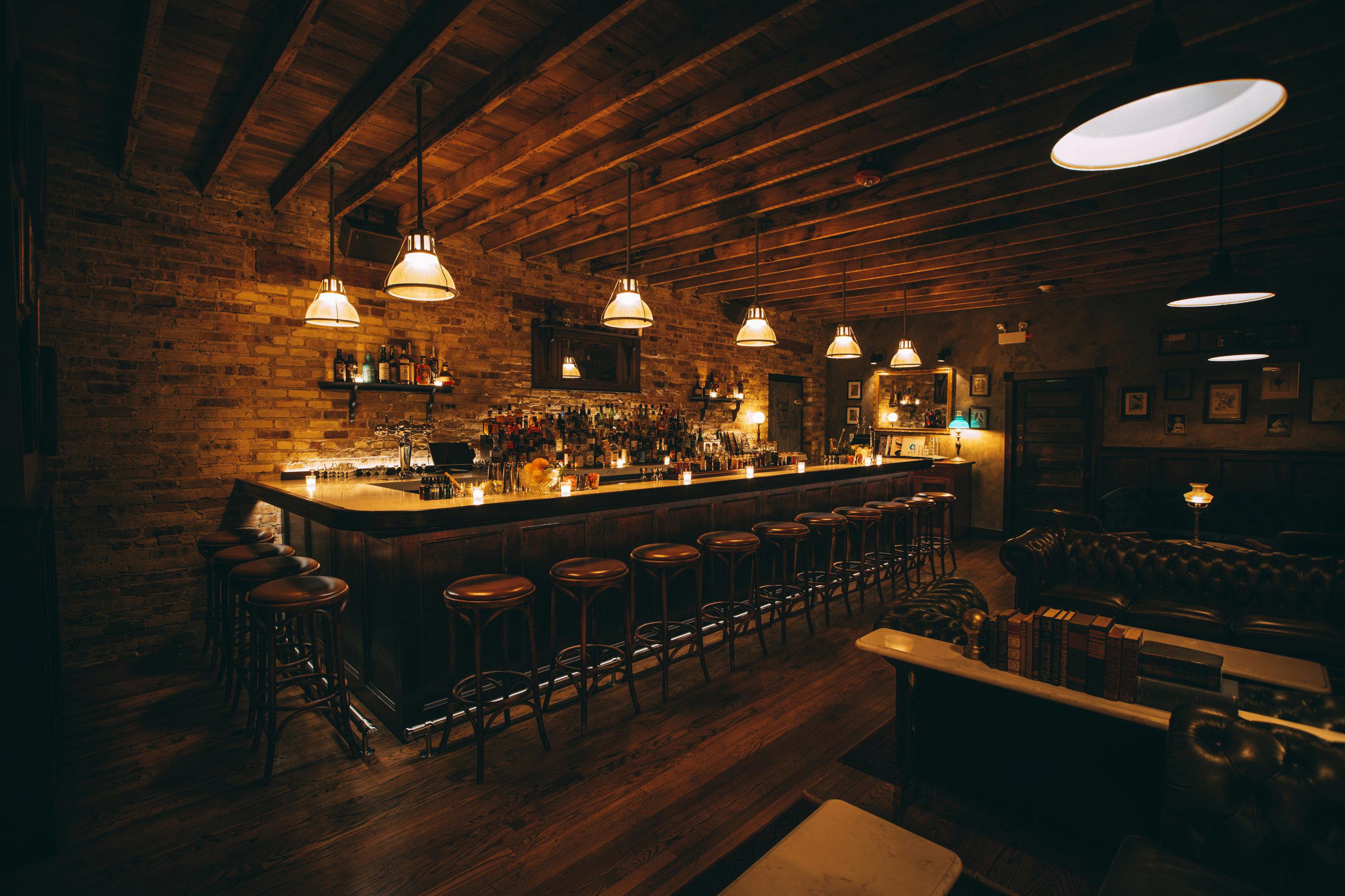
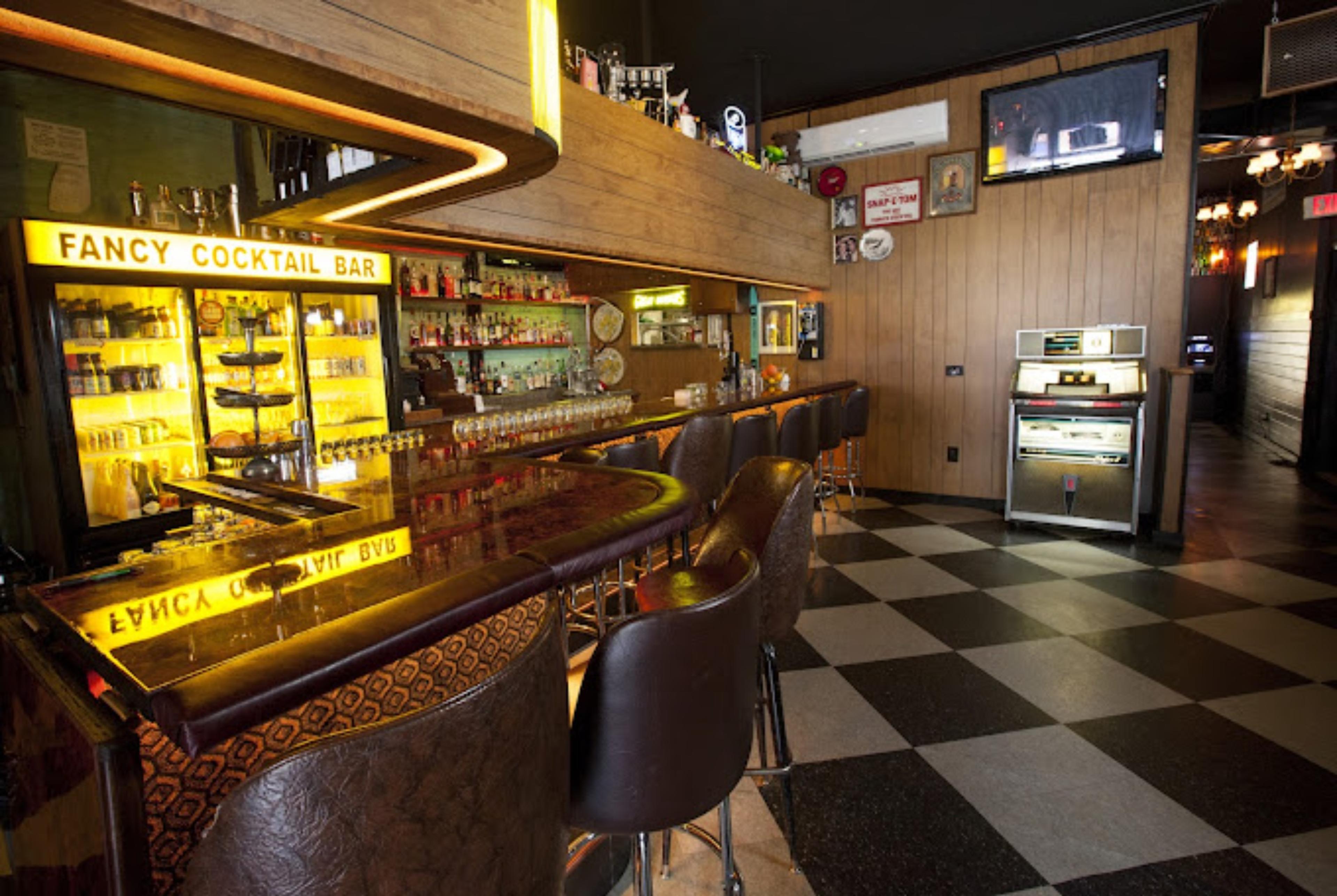
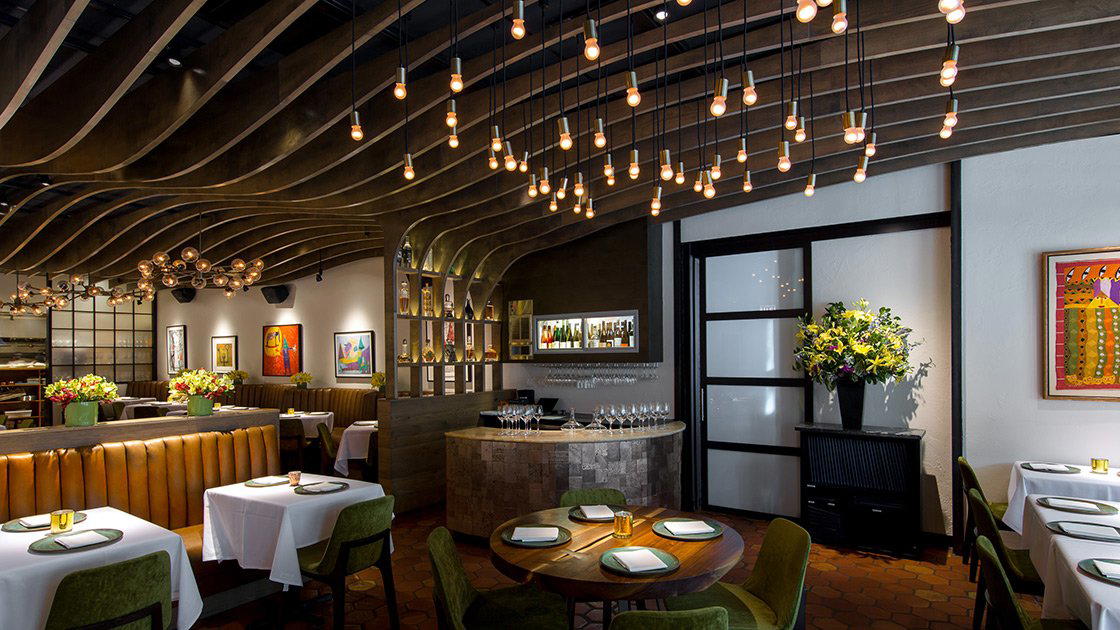
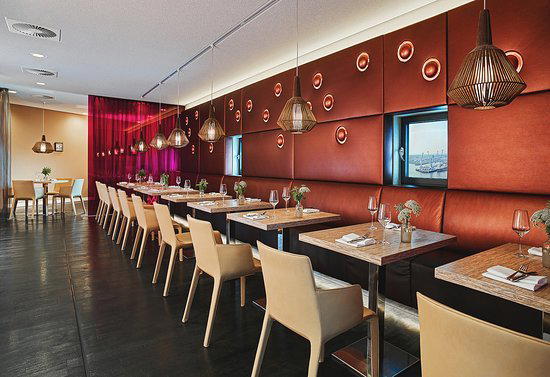
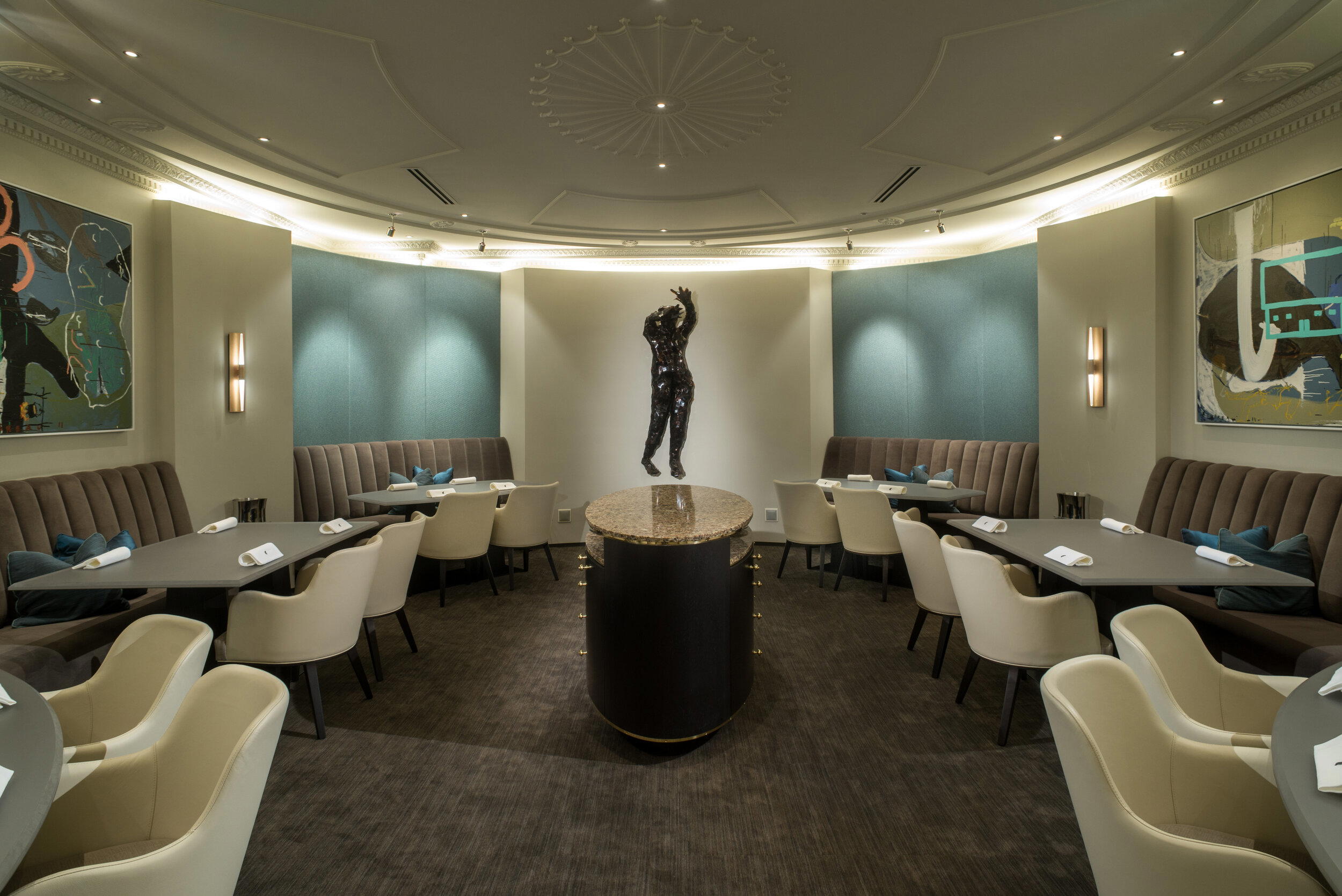
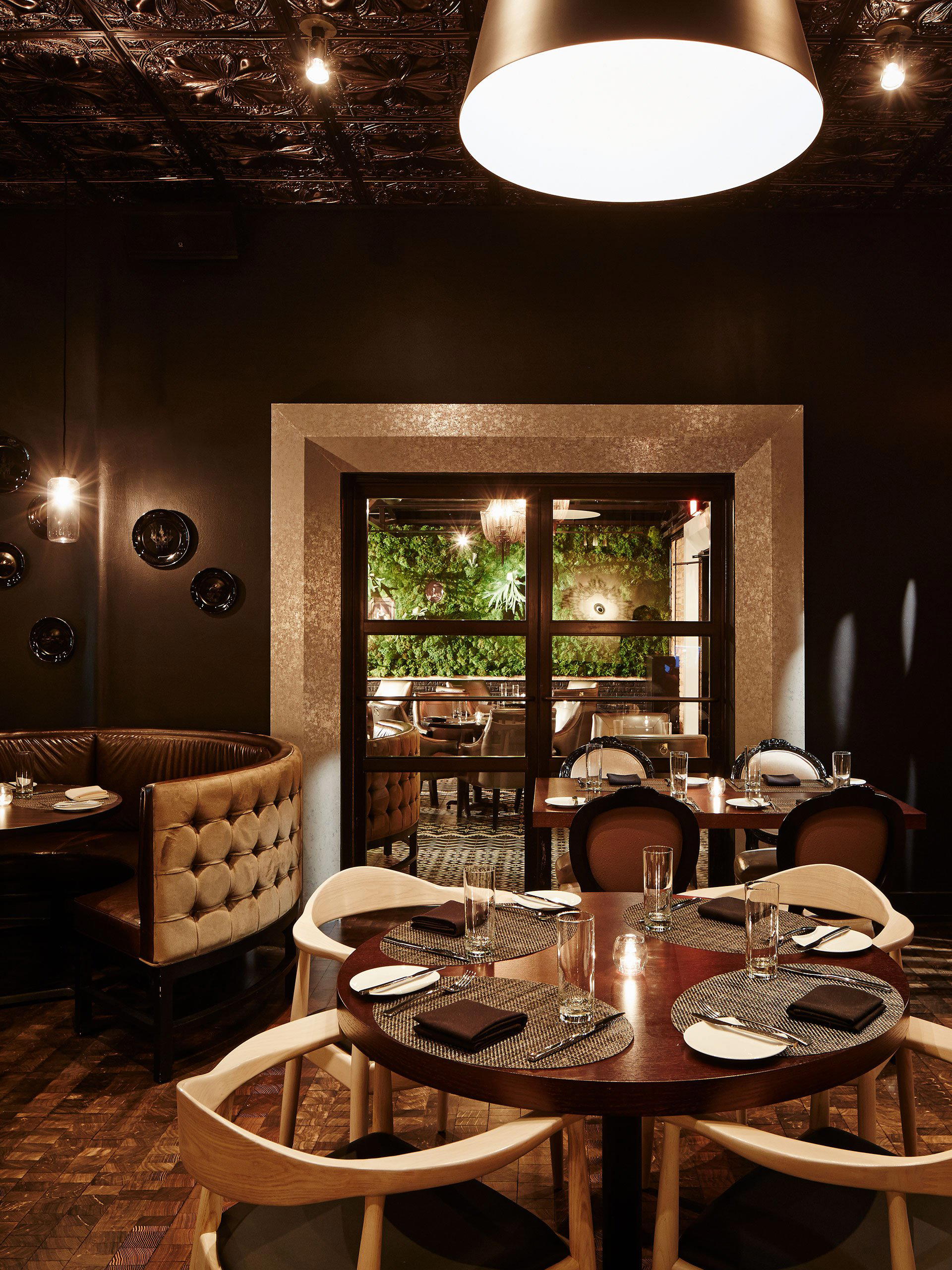
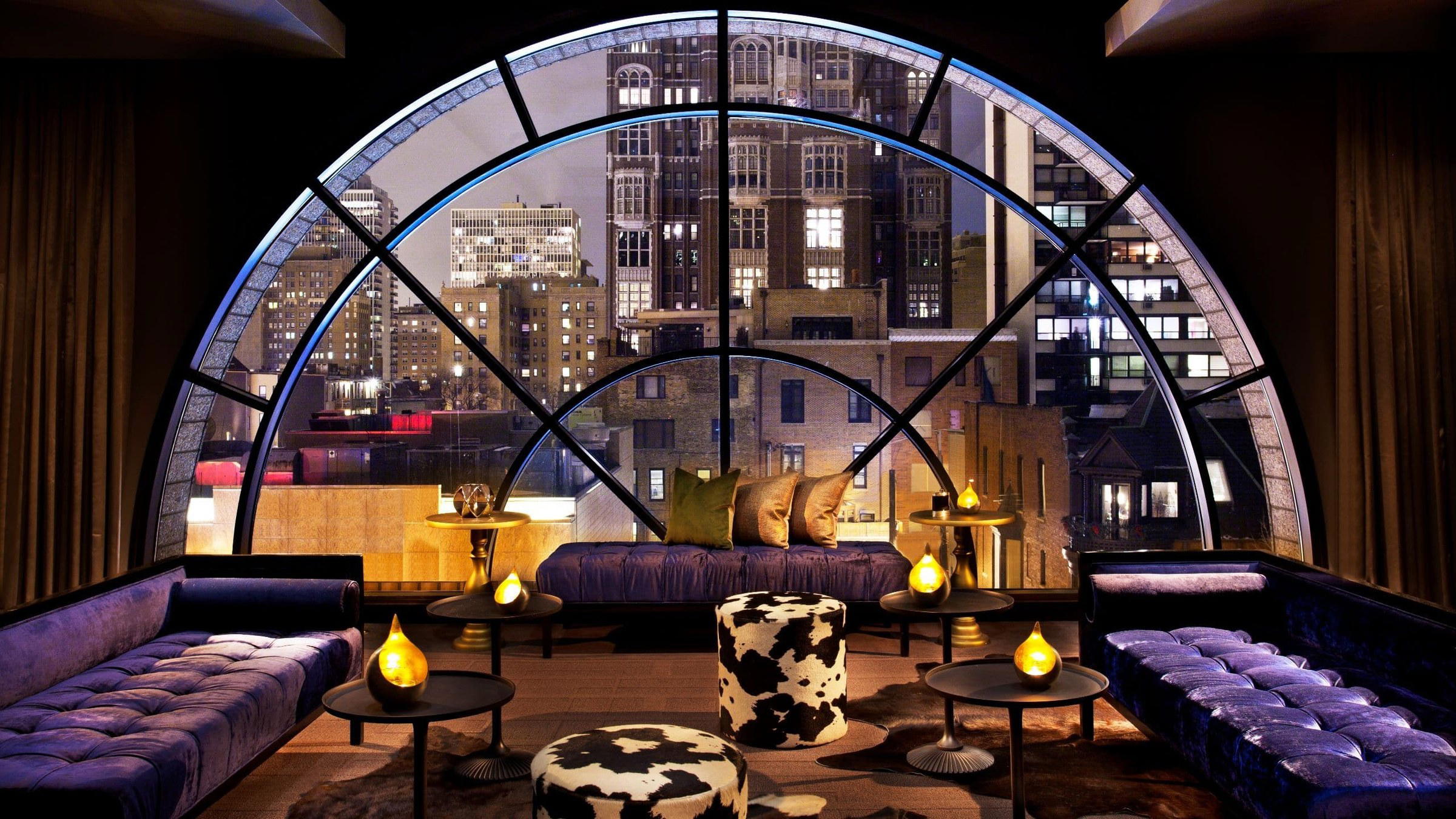
Sleek, wide-open space with warm lighting, well-suited for coffee-focused work or evening drinks.