BOTANICALS NOLA
On St. Claude Avenue in the Bywater, Botanicals NOLA occupies a stretch of New Orleans where the cocktail conversation has moved well past Bourbon Street. The bar works within the city's long tradition of botanically driven drinking while pulling in contemporary technique, making it a reference point for the neighbourhood's growing reputation as a serious drinking destination.
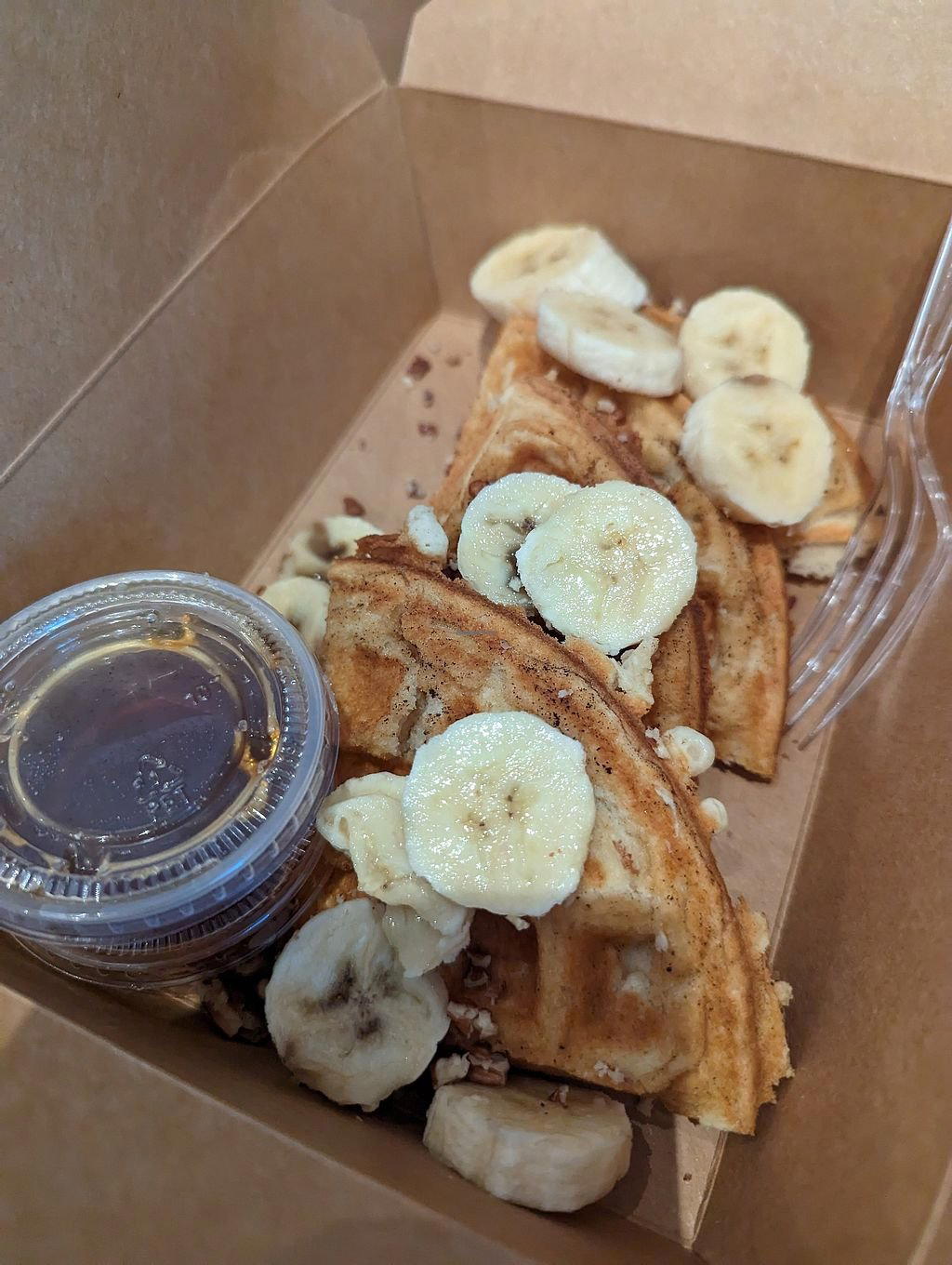
Bywater's Shifting Bar Map
St. Claude Avenue runs through the Bywater and St. Roch neighbourhoods like a slow-moving argument against the idea that serious cocktail culture in New Orleans begins and ends in the French Quarter. Over the past decade, the corridor has accumulated a run of bars and venues that draw a different crowd: one more interested in what's in the glass than in the ritual of being seen holding it. Botanicals NOLA, at 2401 St. Claude Ave, sits inside that shift.
New Orleans has always had a distinctive relationship with botanical ingredients. From the bitters tradition that predates the American cocktail canon to the city's long-standing use of local herbs, citrus, and aromatic plants, the connection between New Orleans drinking culture and the natural world is not a recent affectation. It is structural. Bars that engage seriously with that lineage, rather than borrowing its surface aesthetics, occupy a different position in the city's drinking conversation. Botanicals NOLA's name signals an explicit orientation toward that tradition.
The St. Claude Avenue Context
The neighbourhood's bar scene has developed in a pattern familiar from other American cities where rising rents in established districts push serious operators into adjacent areas. The Bywater offers lower overheads, a walkable residential population, and a creative community that tolerates and rewards experimentation. That combination has made St. Claude a more interesting address for a certain kind of bar than many higher-profile streets in New Orleans. Visitors who have spent time with Cure on Freret Street or Jewel of the South in the French Quarter will recognise the pattern: the city's most considered drinking programs tend to appear where there is room to build an audience rather than capture one.
The St. Claude corridor also sits at some distance from the heavily branded tiki revival represented by Beachbum Berry's Latitude 29, which operates within its own well-defined category. The neighbourhood's bars are generally less committed to a single conceptual framework and more interested in programme depth. That distinction matters when thinking about where Botanicals NOLA sits in relation to the wider city bar map.
Programme Logic: When the Room Works as a Team
Bars that hold attention in a city with New Orleans' drinking culture are rarely the product of a single strong voice. The most durable programs, in this city and elsewhere, tend to emerge from a coherent collaboration between the people building drinks, the people selecting them, and the people delivering them to the table. That front-of-house dimension is particularly relevant in New Orleans, where hospitality has a pronounced social character and where the relationship between a guest and the person serving them carries more weight than in cities where table-to-bar distance is the norm.
Botanicals NOLA's positioning on St. Claude, rather than in a higher-footfall district, suggests a deliberate choice to build a regular clientele rather than rotate through tourist volume. That business logic typically requires a tighter internal collaboration: the bar's reputation depends on return visits, which depend on consistency across the full service experience, not just the quality of individual drinks. The same dynamic shows up in bars like Kumiko in Chicago and Allegory in Washington, D.C., where the programme is legible as a unified statement rather than a collection of individual contributions.
Across American cocktail bars that have built durable reputations in the past decade, the front-of-house operation increasingly functions as an extension of the drink programme rather than a separate department. Bar Leather Apron in Honolulu, Julep in Houston, and ABV in San Francisco each demonstrate that the knowledge sitting across the bar from a guest is as important as the knowledge behind it. Superbueno in New York City takes that principle further by integrating cultural narrative into the service itself. The Parlour in Frankfurt shows that the model translates across markets. Botanicals NOLA's name and location suggest an operation that understands the same principle.
What the Botanical Frame Means in Practice
A bar that commits explicitly to botanical ingredients in its identity is making a specific curatorial claim. It is signalling an interest in sourcing, seasonality, and flavour architecture that goes beyond a standard spirits programme. In New Orleans, that claim has particular weight given the city's proximity to subtropical growing conditions and its historical use of local plants in food and drink. Bars that take that tradition seriously are working with a depth of local material that is unavailable in most American cities.
The botanical category in contemporary cocktail culture also tends to reward collaboration across disciplines. Bartenders working with fresh plant material, house-made infusions, and seasonal ingredients need supply chains, kitchen adjacencies, and menu cycles that are more complex to manage than a standard spirits-and-mixer operation. That complexity typically produces a more tightly integrated team. It also produces a more readable drink programme, one where the internal logic of the menu is evident to a guest who pays attention.
New Orleans' proximity to the Gulf Coast and its semi-tropical climate give bars operating within this frame access to citrus varieties, aromatic herbs, and locally produced spirits that distinguish their output from comparable programmes in northern cities. 2 Phat Vegans, which operates nearby, demonstrates that the Bywater's interest in local and plant-forward sourcing extends across categories. The neighbourhood is developing a coherent identity around that orientation.
Placing Botanicals NOLA on the City's Drinking Map
New Orleans has a bar culture that is simultaneously one of the oldest and most conservative in the United States and one of the most open to programme experimentation. The city's established canon, from the Sazerac to the Ramos Gin Fizz, creates a baseline that every serious bar either engages with or explicitly departs from. Bars on St. Claude Avenue tend to be in conversation with that canon without being constrained by it. That position is where the most interesting contemporary work in the city is happening.
For a fuller orientation to where Botanicals NOLA sits within the city's wider range of restaurants and bars, the EP Club New Orleans guide maps the relevant peer sets across neighbourhoods and categories.
Know Before You Go
- Address: 2401 St. Claude Ave, New Orleans, LA 70117
- Neighbourhood: Bywater / St. Claude corridor
- Hours:; verify before visiting
- Price range:
- Getting there: St. Claude Avenue is accessible by the St. Claude streetcar line and is walkable from the lower French Quarter
Recognition Snapshot
A compact comparison to help you place this venue among nearby peers.
| Venue | Cuisine | Price | Awards |
|---|---|---|---|
| BOTANICALS NOLAThis venue (the venue you are viewing) | Not listed | Not listed | Not listed |
| Jewel of the South | New American | Not listed | World's 50 Best #6 · James Beard Award Outstanding Bar #1 |
| Beachbum Berry's Latitude 29 | Not listed | $30–50 | World's 50 Best #80 · Top 500 Bars Best Bars #244 |
| Cure | Not listed | $30–50 | World's 50 Best #21 · James Beard Award Outstanding Bar Program |
| Cane & Table | Not listed | $30–50 | Top 500 Bars Best Bars #288 |
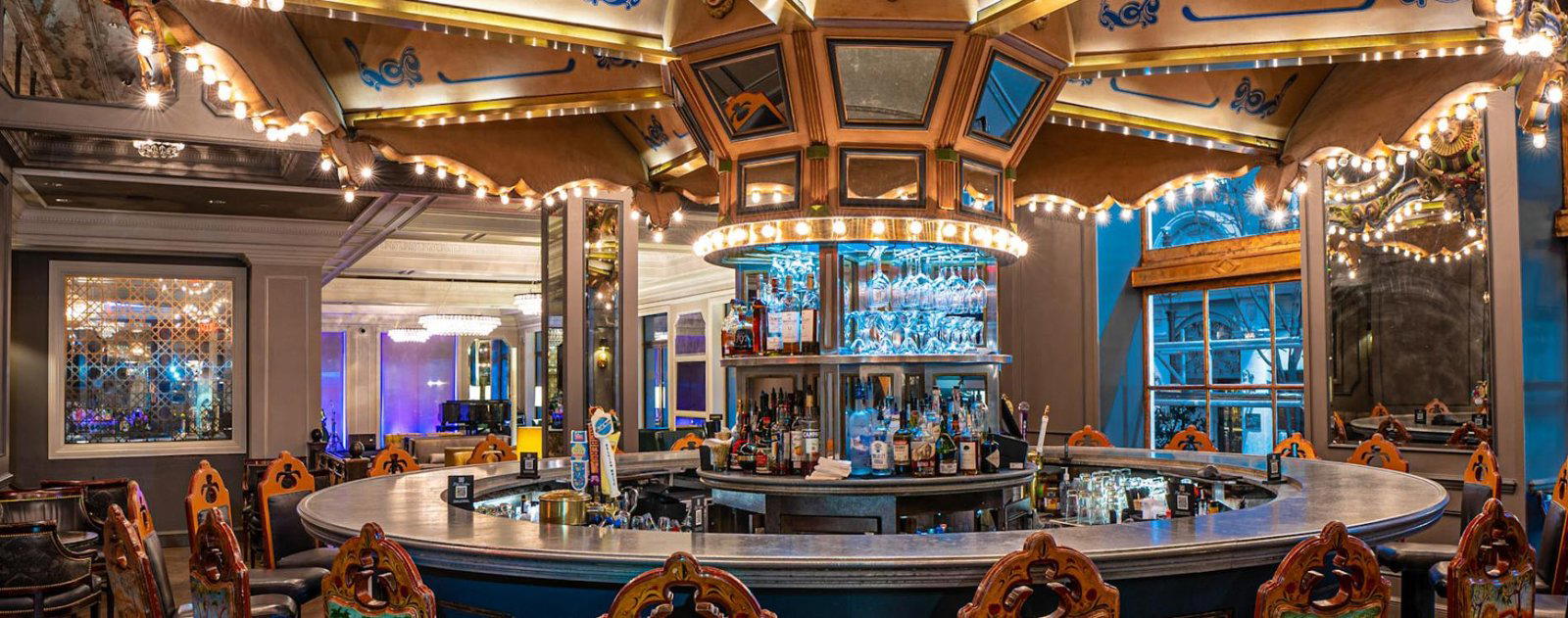
| The Carousel Bar | Not listed | $30–50 | Food & Wine Top 10 US Hotel Bars #3 · Top 500 Bars Best Bars #280 |
Continue exploring
More in New Orleans
Bars in New Orleans
All bars in New Orleans →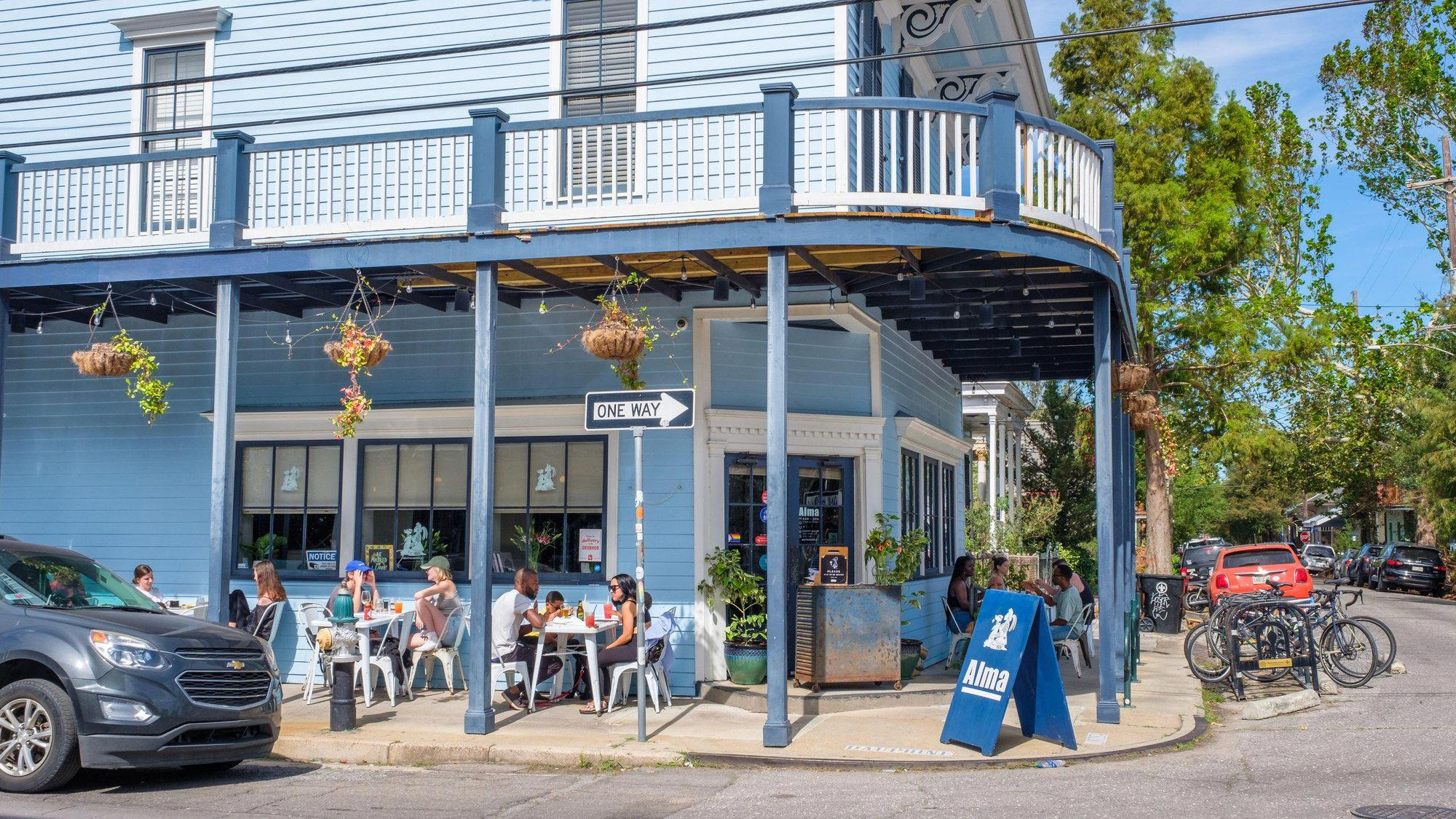
Restaurants in New Orleans
All restaurants in New Orleans →
Details
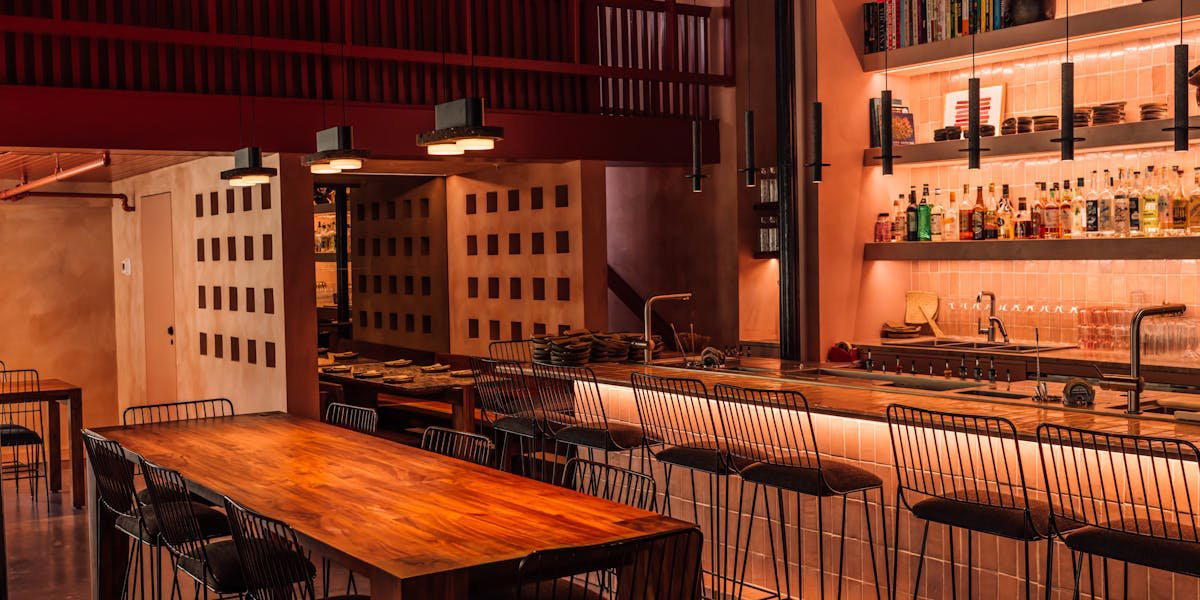
- Intimate
- Cozy
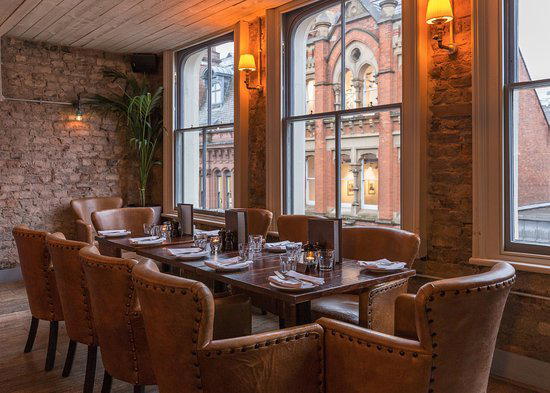
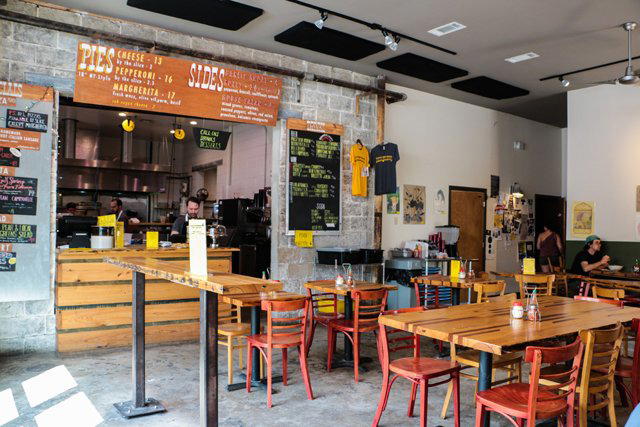
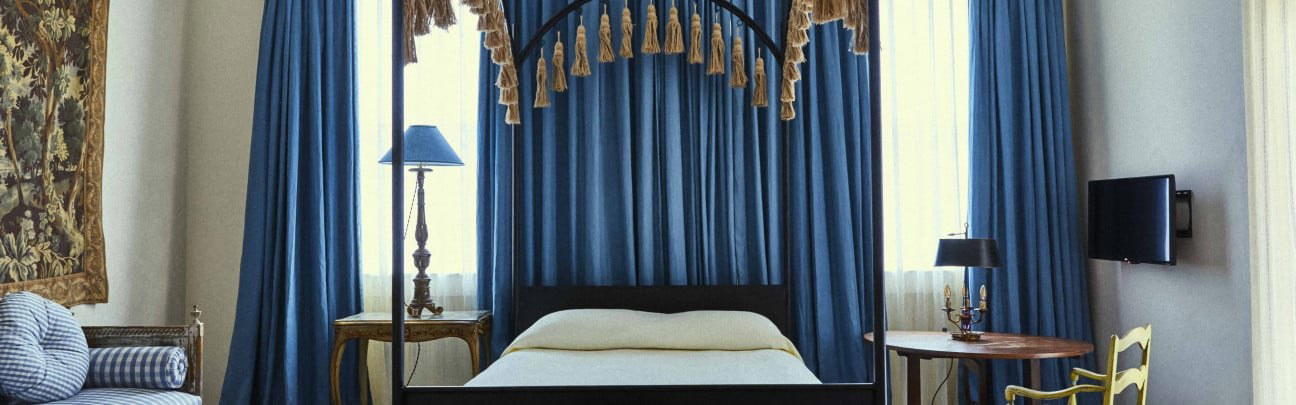
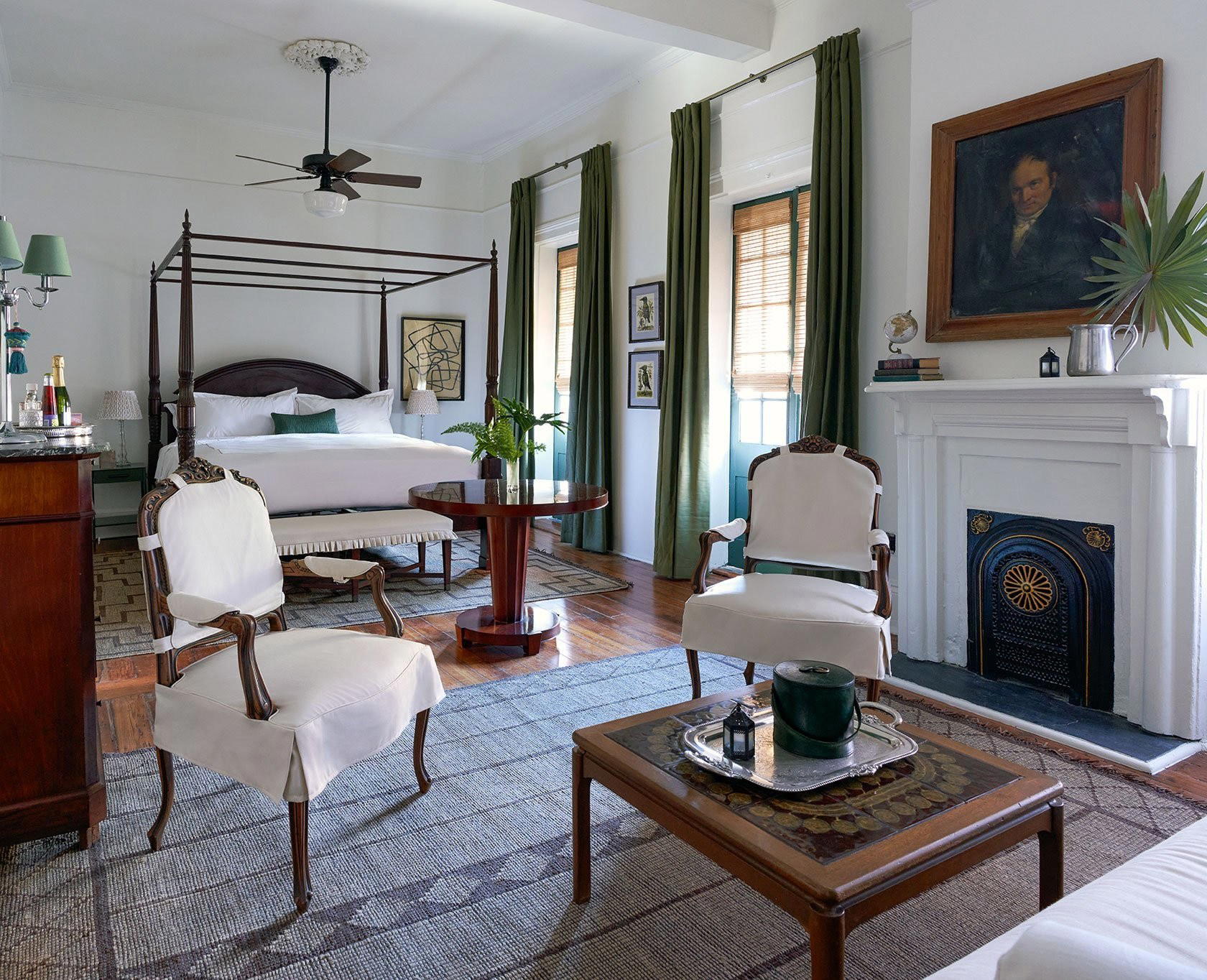
Calming and rejuvenating atmosphere with botanical elements creating a serene sanctuary for relaxation and wellness.