Golden Lantern
A Royal Street institution in the Faubourg Marigny, Golden Lantern has anchored New Orleans' LGBTQ+ bar scene for decades, operating as a no-frills neighborhood fixture where the drinks are poured without ceremony and the atmosphere does the work. The address at 1239 Royal St places it at the edge of the Quarter, where locals outnumber tourists and the night runs longer than most.

Pearl is the En Primeur Club membership app — saves, bookings, and concierge access live there. Same editors, same standards.
- Address
- 1239 Royal St, New Orleans, LA 70116
- Phone
- (504) 529-2860
- Hours
- Daily Open 24 hours
- Directions
- Get directions
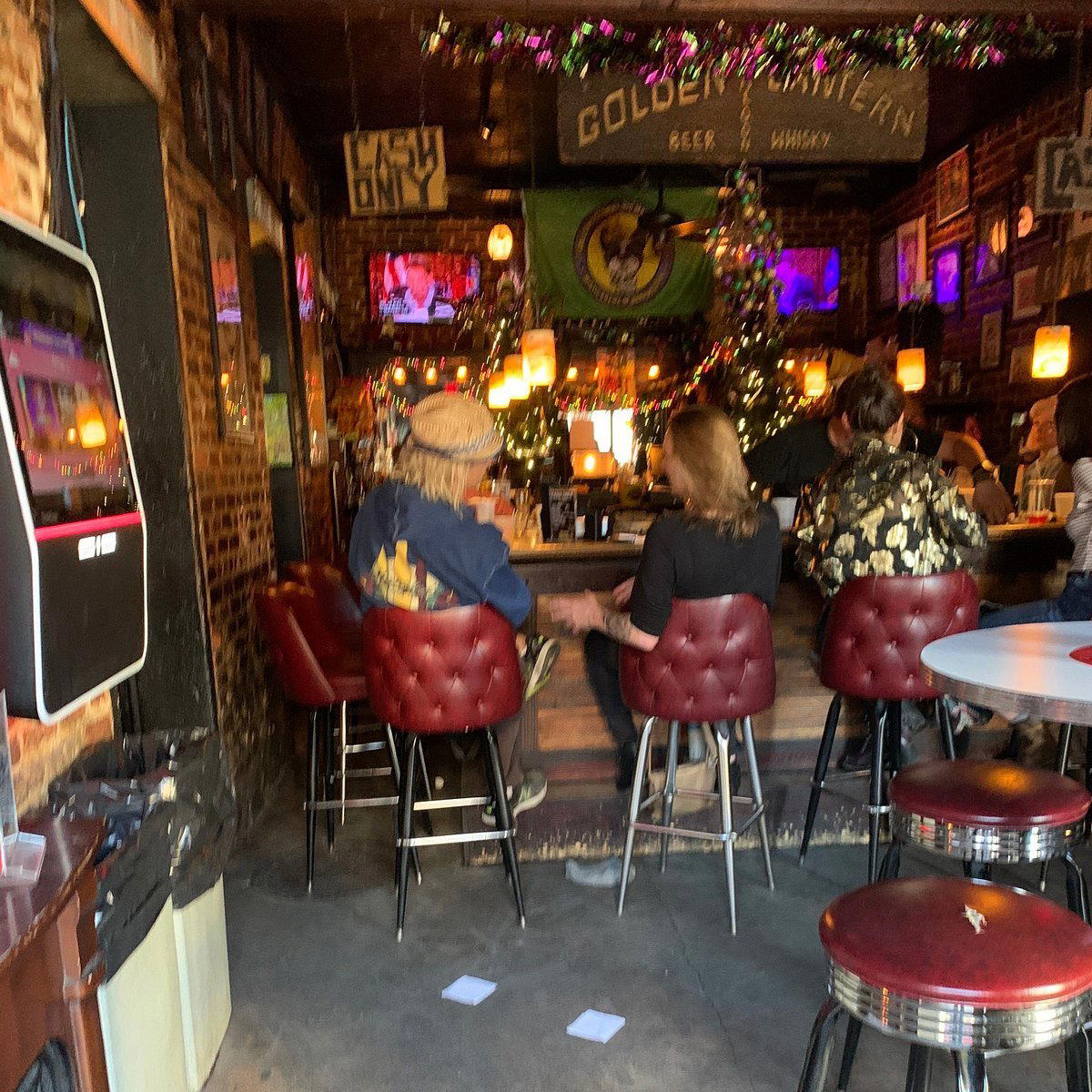
Royal Street After Dark: Where the Marigny Keeps Its Own Hours
The block of Royal Street where the French Quarter dissolves into the Faubourg Marigny has its own logic. The crowds thin, the storefronts give way to shotgun houses, and the bars that survive here do so on repeat business rather than foot traffic from Bourbon Street. Golden Lantern, at 1239 Royal St, sits in that transitional zone and has done so long enough that its presence reads less like a business and more like a fixture of the neighborhood's social architecture.
New Orleans has a particular category of bar that resists the hospitality industry's current appetite for concept and curation. These places do not have a beverage director, a curated playlist, or a listed chef. What they have is a room that functions — that holds its regulars, absorbs new arrivals without making a production of it, and stays open when other places have called last orders. Golden Lantern belongs to that category, and in the context of a city where the bar-as-performance-space has become increasingly common, that plainness is itself a position.
The Drink-Food Relationship in a Bar Built Around the Pour
The editorial framework around food and drink pairing typically assumes a kitchen with intent: a bar program designed in dialogue with a chef, each dish calibrated to extend or contrast a cocktail's flavor architecture. At Golden Lantern, the relationship between drinking and eating operates on older, simpler terms. This is a bar where the drink is primary and always has been, and any food present exists in a supporting role that does not overclaim its function.
That model has its own integrity. Across the American bar scene, there is a significant divide between venues where the food program has become the bar's primary calling card — Kumiko in Chicago deploys Japanese culinary precision alongside its cocktail list, Jewel of the South runs a full kitchen rooted in New Orleans culinary history, and ABV in San Francisco has built a reputation partly on its bar snacks, and venues where the drink carries everything. Golden Lantern is the latter type.
In New Orleans specifically, that distinction matters. The city's bar culture predates the craft cocktail movement by well over a century. The Sazerac, the Vieux Carré, the Ramos Gin Fizz: these are drinks with civic identity, not menu line items. Bars that treat a well-made, unfussy pour as sufficient have historical legitimacy here that they might lack in a city with a shorter drinking tradition. Beachbum Berry's Latitude 29 and Cure each approach the cocktail with technical seriousness and program depth; Golden Lantern operates in a different register, one where the social environment and the drink's reliability matter more than its complexity.
The Marigny Context and What It Produces
The Faubourg Marigny is one of the few New Orleans neighborhoods where LGBTQ+ nightlife and the city's broader bar culture have overlapped without one absorbing the other. Golden Lantern has been part of that overlap, functioning as an anchor point on Royal Street for a crowd that includes longtime residents, late-night workers, and visitors who find their way over from the Quarter after the tourist bars have done their work on them.
The bar's longevity on this block reflects something about how the Marigny operates socially. Unlike the stretch of Frenchmen Street, where live music venues draw organized crowds at set hours, Royal Street in this section runs on a more diffuse schedule. The people who end up at Golden Lantern at a given hour are often there by habit rather than plan. That self-selecting quality shapes the atmosphere as reliably as any designed interior concept would.
For reference against other U.S. cities: the bar occupies a position comparable to the kind of long-established neighborhood institution you find in Julep in Houston or Allegory in Washington, D.C. in terms of local anchoring, though the style and programming differ considerably. Internationally, bars like The Parlour in Frankfurt on the Main demonstrate how neighborhood bars with specific community identity maintain relevance outside of trend cycles. The mechanism is the same: consistent presence, a known crowd, and no particular interest in reinventing the format.
Placing It in the Broader New Orleans Bar Picture
New Orleans' current bar scene has two broad trajectories. One moves toward the technically accomplished, program-driven cocktail bar with sourced spirits, house-made ingredients, and food menus designed to complement the drinks list. Superbueno in New York City and Bar Leather Apron in Honolulu represent that ambition at a high level in their respective cities. The other trajectory runs through the city's older, plainer bar stock: places that predate the craft movement, have no interest in participating in it, and continue to fill rooms on the basis of atmosphere and accessibility.
Golden Lantern sits in the second trajectory. For visitors whose primary interest is craft cocktail programming and food pairing, the EP Club guide to 2 Phat Vegans and the broader New Orleans restaurants guide will point toward venues better calibrated to that interest. Golden Lantern is not that bar, and it does not try to be.
What it offers instead is specific: a Royal Street address with genuine neighborhood character, a bar environment shaped by decades of the same community returning to it, and a no-frills approach to the transaction of drinking that New Orleans has always accommodated alongside its more elaborate cocktail traditions. The room holds what it holds, the drinks are poured without theater, and the night runs as long as the city allows, which in this particular part of Louisiana is longer than almost anywhere else.
Before You Go
Golden Lantern is located at 1239 Royal St, at the lower end of the Faubourg Marigny where it meets the French Quarter boundary. The address is walkable from the Quarter's eastern edge and a short distance from the Frenchmen Street music corridor. New Orleans bars in this category typically operate late into the night; arriving after 10 p.m. reflects when the room finds its footing. No booking is required. Dress code is nonexistent in any practical sense. This is a cash-and-card neighborhood bar, not a reservation-driven experience.
Recognition Snapshot
Comparable venues nearby, for context on price, style, and recognition.
| Venue | Cuisine | Price | Notes |
|---|---|---|---|
| Golden LanternThis venue — the venue you are viewing | lounge | $20–30 | Not listed |
| Cosimo's Bar | dive_bar | $10–20 | French Quarter |
| The Courtyard Brewery | Bar | Not listed | Central City |
| Lakeview Harbor | pub | $20–30 | West End |
| Barrel Proof | Bar | Not listed | Central City |
| The Avenue Pub | pub | $20–30 | Central City |
Continue exploring
More in New Orleans
Bars in New Orleans
Browse all →
Restaurants in New Orleans
Browse all →
Details
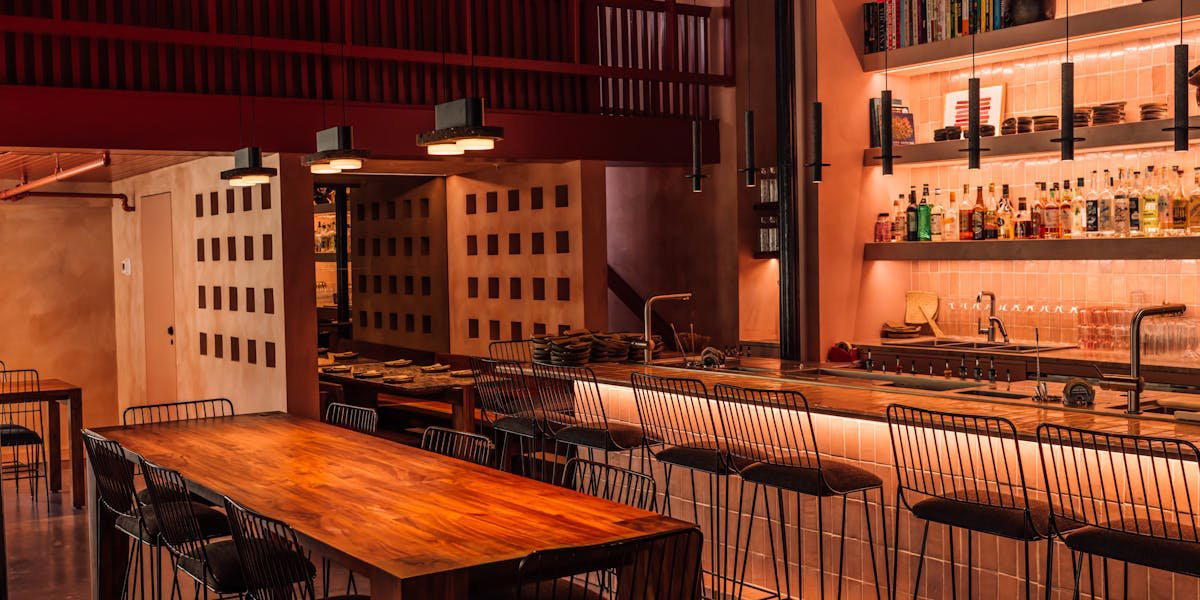
- Lively
- Cozy
- Energetic
- Intimate
- Late Night
- Casual Hangout
- Celebration
- Historic Building
- Seated Bar
- Lounge Seating
- Classic Cocktails
Current opening hours
- Monday
- Open 24 hours
- Tuesday
- Open 24 hours
- Wednesday
- Open 24 hours
- Thursday
- Open 24 hours
- Friday
- Open 24 hours
- Saturday
- Open 24 hours
- Sunday
- Open 24 hours
Hours can change for holidays and private events. Last verified .
Cozy, unpretentious neighborhood atmosphere with friendly, flamboyant service and lively drag performances.