Alma Cafe

James Beard Award Semi Finalist
Our verdict
Alma Cafe belongs to the New Orleans conversation that looks beyond the city’s familiar Creole and Cajun shorthand. Its 2025 James Beard Award semifinalist recognition for Best Chef: South, tied to Melissa Araujo, places it inside a Southern category where cultural authorship matters as much as technique.

Pearl is the En Primeur Club membership app — saves, bookings, and concierge access live there. Same editors, same standards.
- Address
- 800 Louisa St, New Orleans, LA 70117
- Phone
- (504) 381-5877
- Website
- eatalmanola.com
- Directions
- Get directions
The menu
What to order
- Alma breakfast
- Baleadas
- Enchiladas Hondureñas
- Pollo Chuco
- Carne Asada
- French toast
Dining in New Orleans has its own tempo: coffee, heat, street noise, and a city that treats restaurants as part of daily life rather than as a separate performance. Alma Cafe fits that rhythm without relying on a familiar tourist script. The point is not nostalgia; it is how contemporary New Orleans dining keeps widening the definition of what a serious restaurant can be, especially when national attention lands on a modest, everyday format.
That matters in a city often reduced to a short list of iconic dishes and formal dining rooms. Those traditions remain central, but they do not describe the whole table. The more interesting New Orleans story is how smaller restaurants can become part of the critical conversation without imitating luxury dining. Alma Cafe sits in that current, where the room is not being framed here as a tasting-menu dining room and the food culture around it is read through recognition, authorship, and local relevance rather than spectacle.
A New Orleans café read through authorship
The James Beard Foundation’s 2025 semifinalist recognition for Best Chef: South gives Alma Cafe a national credential, but the more useful reading is regional. The South category covers a wide territory, including Louisiana, Alabama, Arkansas, Florida, Mississippi, and Puerto Rico, which means a New Orleans café recognized here is being measured against a broad field rather than a narrow local lane. Melissa Araujo’s name attached to that recognition gives the restaurant a clear authorship signal, and in a city with deep restaurant histories, that matters.
New Orleans has always absorbed outside influence, but the city’s dining mythology often edits the present into a few familiar narratives. The newer café and casual-restaurant tier complicates the picture. It shows how everyday formats can carry the same critical weight as more formal rooms when the work is strong enough to be noticed. In that sense, Alma Cafe is less interesting as a standalone address than as evidence of a shift: awards attention is moving toward restaurants that make a clear point without forcing that point into luxury choreography.
This is also where the café format earns its place. A café can be more democratic than a destination dining room, but it can also be harder to execute with precision because the expectations are blunt. People want clarity, comfort, and food with a point of view. New Orleans has plenty of casual dining, but casual does not automatically mean distinctive. The distinction here is that the public recognition attaches craft and authorship to a format many diners underestimate.
Why the Beard nod matters in this city
James Beard semifinalist status is not a guarantee of what any diner will experience on a given day, but it is a meaningful filter. In New Orleans, where restaurant reputation can be built through local loyalty long before national attention arrives, a Beard nod often marks a venue that has crossed from neighborhood relevance into a larger Southern conversation. For readers planning around critical signals, this is the practical value: the restaurant has been noticed by an award body that evaluates chefs within a defined regional field.
The recognition also pushes against a common travel mistake in New Orleans. Visitors often over-index on historic rooms and legacy dishes, then leave with a narrow reading of the city. A sharper itinerary balances the canon with restaurants that show how the city is being cooked now. That can mean a café, a counter-service stop, a bar kitchen, or a small dining room where the cooking is not merely ornamental. Alma Cafe belongs in that latter calculation because the award signal points to chef-recognized work in a format that is easy to misread as merely casual.
For broader context across the city, EP Club’s New Orleans coverage maps different parts of that dining ecology: other New Orleans dining rooms and casual venues sit in different lanes of the same citywide argument. The wider files are organized separately in Our full New Orleans restaurants guide, Our full New Orleans hotels guide, Our full New Orleans bars guide, Our full New Orleans wineries guide, and Our full New Orleans experiences guide.
How to place it within a wider American casual-dining shift
Across the United States, serious casual restaurants are carrying more of the cultural conversation than polished dining rooms alone. The pattern appears in many forms: focused bar counters, compact cafés, daytime rooms, regional specialists, and small restaurants where the format may look modest but the point of view is not. These are not direct competitors; they are useful markers of a broader editorial point. Casual formats now carry serious cultural weight when the cooking has authorship, discipline, and a reason to exist beyond trend-chasing.
That is the frame for Alma Cafe. Treat it not as a detour from New Orleans dining, but as part of the city’s current definition of itself. The award recognition supplies the external signal; the deeper reason to pay attention is what this kind of café says about restaurant culture now: less fixed, less dependent on inherited restaurant categories, and more open to venues that earn attention through clarity rather than scale.
Frequently asked questions
What awards or recognition does Alma Cafe have?
Alma Cafe has received recognition including: James Beard Restaurant and Chef Awards 2025 semifinalist for Best Chef: South (AL, AR, FL, LA, MS, PR). Location: New Orleans. Recognized person: Melissa Araujo. Source: https://www.jamesbeard.org/stories/the-2025-james-beard-award-semifinalists.
Do I need a reservation for Alma Cafe?
Given Alma Cafe’s 2025 James Beard semifinalist recognition for Best Chef: South, planning ahead is sensible in New Orleans. Check the venue's official channels for the latest details.
What's the defining dish or idea at Alma Cafe?
The clearest anchor is Alma Cafe’s New Orleans identity, paired with Melissa Araujo’s 2025 James Beard semifinalist nod for Best Chef: South. Check the venue's official channels for the latest details.
Is Alma Cafe good for vegetarians?
The 2025 James Beard semifinalist recognition is the strongest credential here. Check the venue's official channels for the latest details.
Recognition history
Dated appearances from independent guides and award organizations, with the underlying list record or original source where available.
James Beard Award Semi Finalist
James Beard Award
Continue exploring
More in New Orleans
Restaurants in New Orleans
Browse all →
Bars in New Orleans
Browse all →

Details
- Cozy
- Lively
- Rustic
- Brunch
- Casual Hangout
- Date Night
- Family
- Solo
- Group Dining
- Standalone
- Open Kitchen
- Craft Cocktails
- Beer Program
- Farm To Table
- Local Sourcing
- Street Scene
- A La Carte
- Cocktails
- Beer
- Coffee
- Vegetarian Friendly
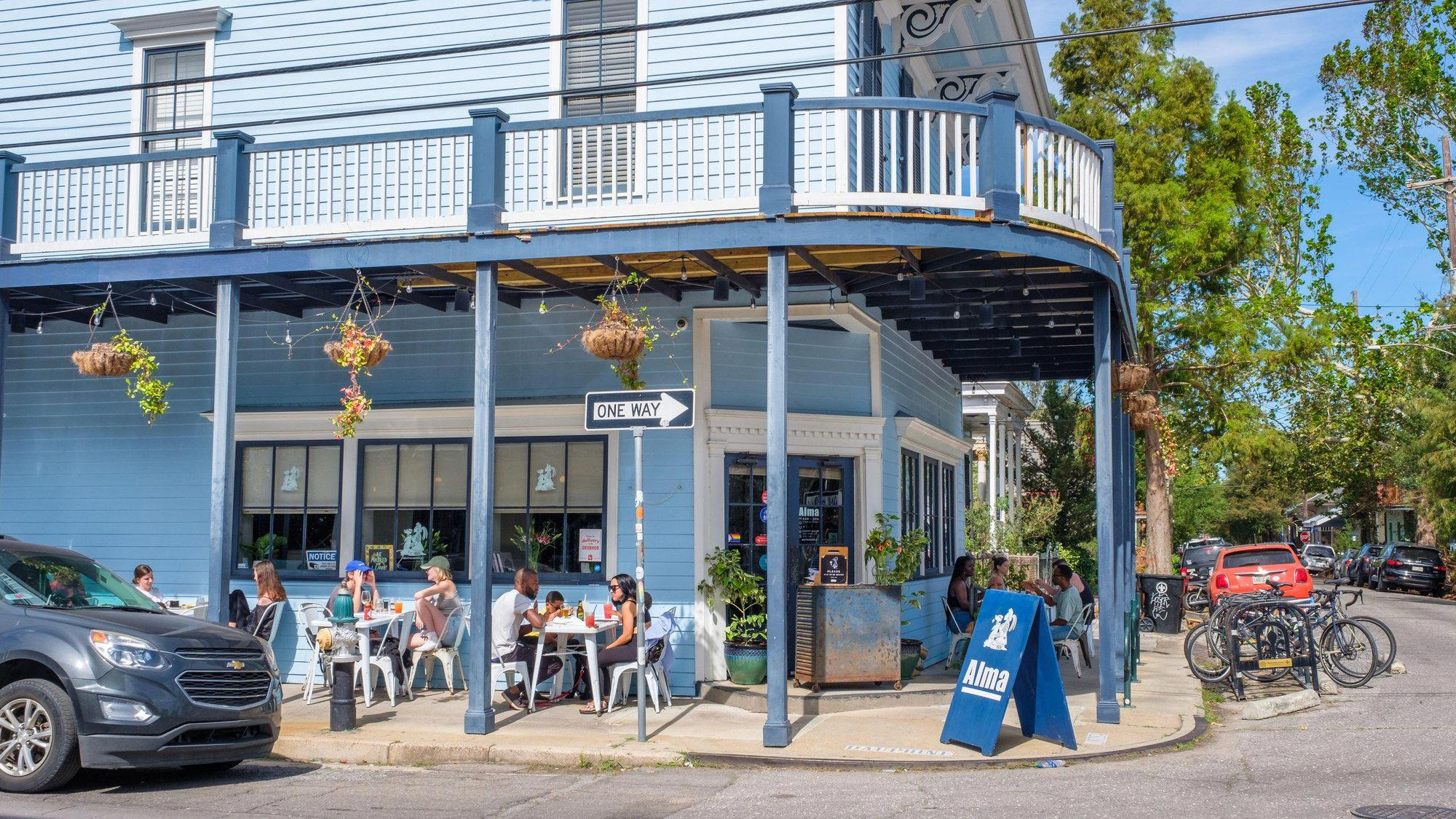
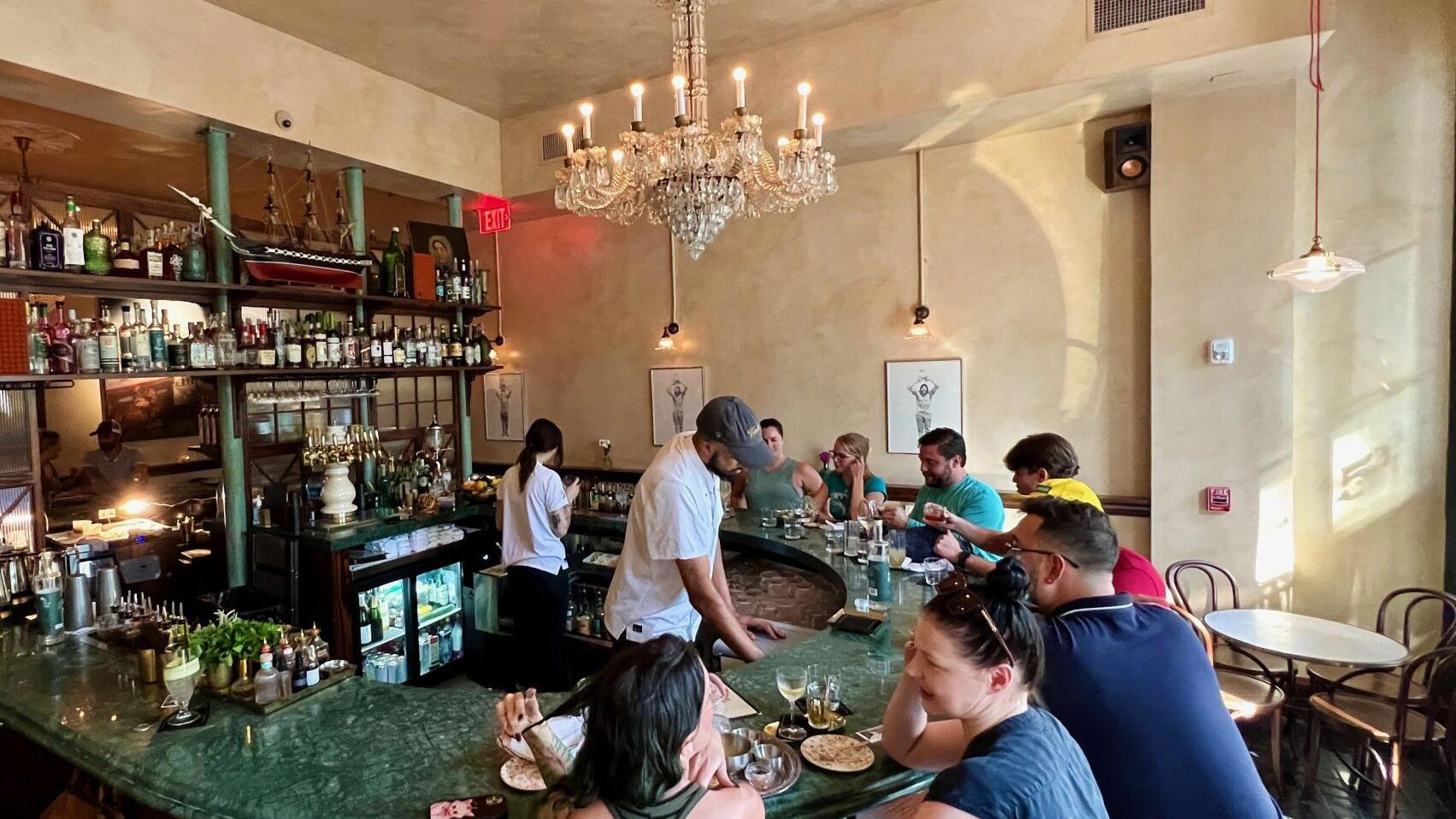
Warm, sunlit neighborhood cafe on a quiet Bywater corner with colorful Honduran touches, a cozy, bustling brunch scene, and a relaxed, welcoming feel that emphasizes comfort over formality.