On Rue Saint-Martin in the 3rd arrondissement, Herbarium occupies the intersection where botanical thinking meets bar craft. The address sits inside one of Paris's most active drinking corridors, where the broader shift toward plant-led, technique-driven menus has found some of its clearest expression. Expect a program built around indigenous ingredients interpreted through precise, internationally informed methods.
Pearl is the En Primeur Club membership app — saves, bookings, and concierge access live there. Same editors, same standards.
- Address
- 243 Rue Saint-Martin, 75003 Paris, France
- Phone
- +33 1 80 97 22 80
- Website
- hotelnational.paris
- Directions
- Get directions
 Saves & bookings on Pearl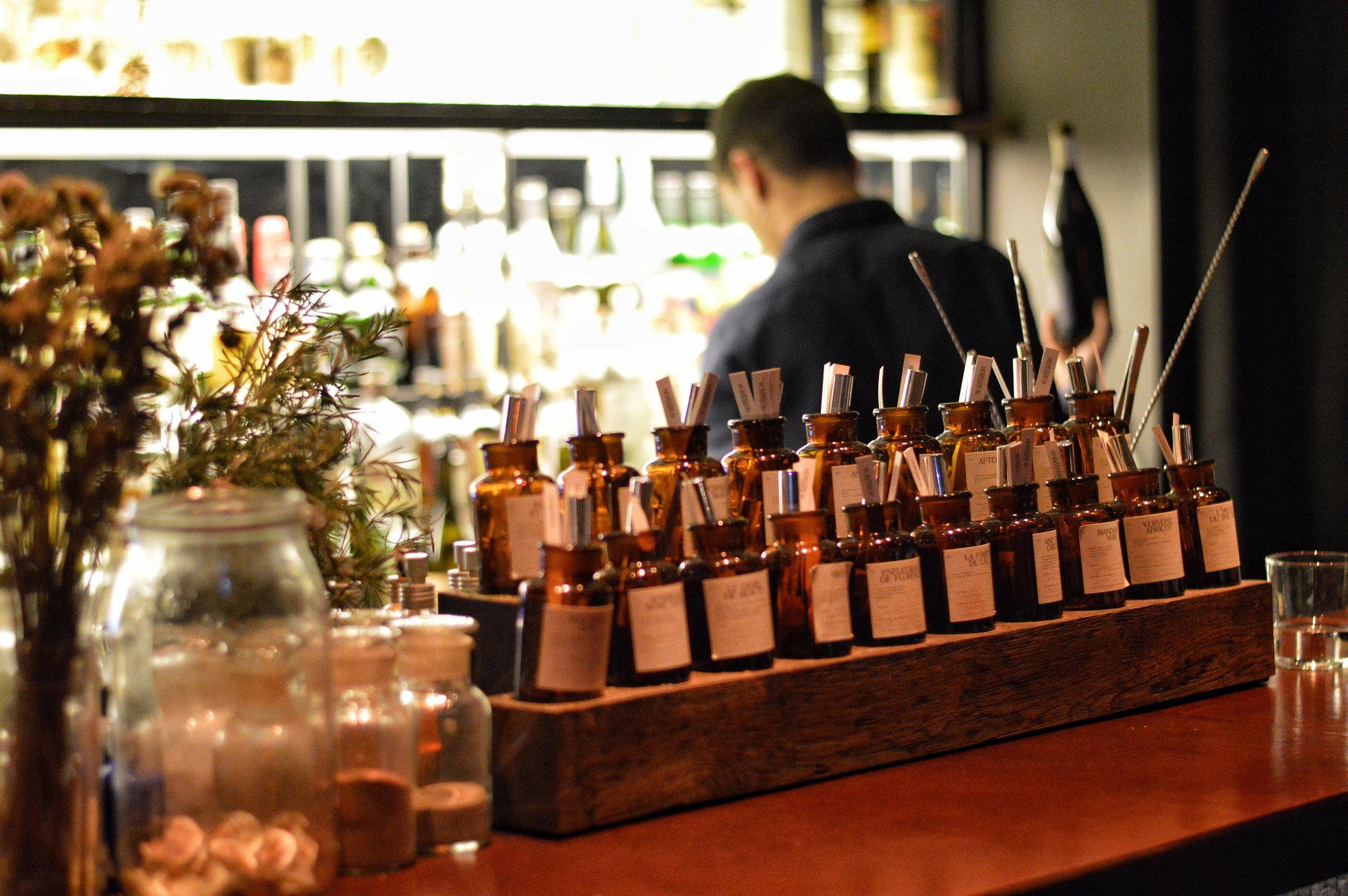
Where the 3rd Arrondissement's Drinking Culture Gets Serious
Rue Saint-Martin in the 3rd arrondissement is not the Paris of tourist approximations. The street cuts through a neighbourhood that has spent the last decade consolidating a reputation for serious drinking, where bars operate with the kind of methodological focus more commonly associated with professional kitchens. Herbarium, at number 243, fits that pattern. The name announces its orientation immediately: a herbarium is an archive of plant specimens, and the bar's program reflects that systematic relationship with botanical material, treating roots, flowers, bark, and leaf not as garnish but as structural ingredient.
Paris's cocktail culture has moved in a recognisable direction over the past several years, away from theatrical presentation toward technical depth. Venues in the Marais and along the République corridor have progressively shifted their menus toward lower-intervention formats: fermented cordials, clarified spirits, shrubs drawn from foraged or small-farm produce. Herbarium sits within that movement, occupying a position defined by the intersection of what grows locally or regionally and what international technique can do with it.
The Botanical Frame: Local Ingredients, Global Method
The operating logic behind plant-forward bar programs in cities like Paris, Copenhagen, and Tokyo tends to follow a consistent pattern: source from the immediate geography, then process using methods that may originate anywhere. A French bar working with elderflower from the Loire, gentian from the Auvergne, or sea buckthorn from the Atlantic coast is drawing on a specifically regional pantry. What it does with those ingredients, whether cold-infusion, vacuum distillation, enzymatic fermentation, or centrifugal clarification, often reflects training and influence that crosses borders freely.
That tension between rootedness and method is where Herbarium operates. The 3rd arrondissement address places it in a neighbourhood with immediate access to the culinary culture of the Marais, including its food markets and the network of small producers who supply the area's restaurants and bars. For a program built around plant material, that geography is not incidental. The proximity of quality ingredient sources has historically shaped what bars in this pocket of Paris choose to work with, and Herbarium's botanical identity reads as a direct response to that immediate context.
For visitors comparing this format to other Paris addresses, the relevant peer group is not the large hotel bar or the classics-focused institution. Candelaria in the same arrondissement built its reputation on a taqueria-front format that concealed a serious cocktail program. Danico, a few neighbourhoods over near the 2nd, operates a similarly technique-led approach with European spirits as its foundation. Bar Nouveau represents another strand of contemporary Paris bar thinking. Herbarium belongs to this cohort of addresses where the menu functions as a research document rather than a crowd-pleaser.
The Physical Space on Rue Saint-Martin
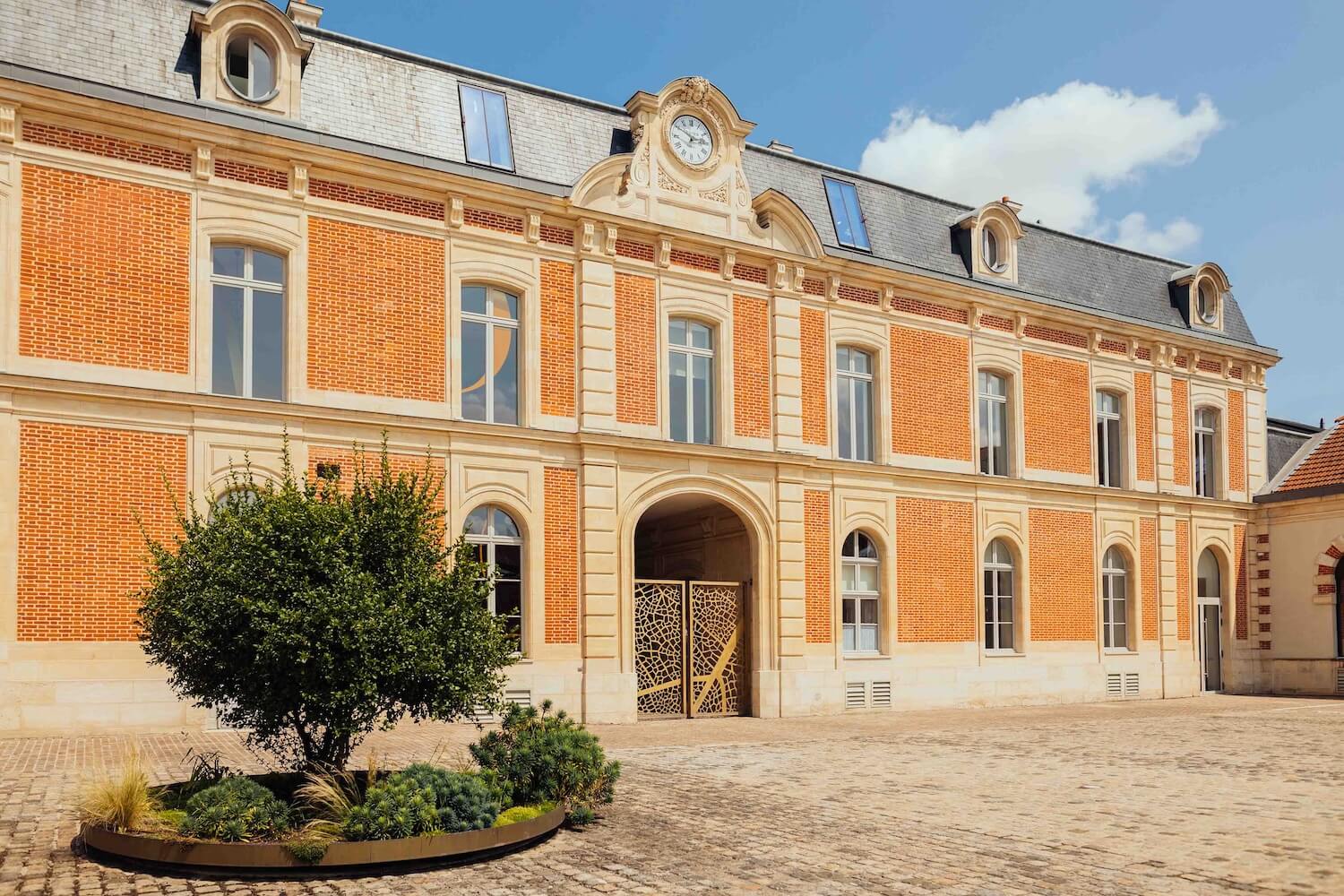
The building number 243 sits along a stretch of Rue Saint-Martin that transitions between the density of the central Marais and the slightly quieter zone approaching the Arts et Métiers neighbourhood. The physical approach matters in bars like this one: the exterior typically signals whether you are walking into a volume-driven operation or something more considered. In Paris's better plant-forward bars, the interior tends toward restraint, with ingredient displays, apothecary-adjacent shelving, or botanical specimens used as environment rather than decoration. The herbarium concept is inherently archival, and the leading versions of this format make that legible in the room itself.
Paris's broader bar geography offers useful comparison points for understanding what Herbarium's address implies. Buddha Bar represents the high-volume, spectacle-led end of Paris drinking. Herbarium operates at the opposite end of that spectrum, where capacity is smaller, the pace is slower, and the program requires more from the guest.
Planning a Visit
The 3rd arrondissement is accessible from multiple Metro lines, with Arts et Métiers (lines 3 and 11) and Rambuteau (line 11) both within walking distance of the Rue Saint-Martin address. The neighbourhood's bar and restaurant concentration means an evening in this zone can move across multiple addresses without significant travel. For visitors building a Paris drinking itinerary, the Marais corridor connects naturally to République to the north and the Île de la Cité to the south.
Booking practices for Paris bars at this tier vary, but plant-forward programs with limited capacity tend to reward advance contact, particularly on Thursday through Saturday evenings when the 3rd arrondissement draws a consistent crowd. Given that specific booking details are not currently published, arriving earlier in the evening reduces the risk of finding the space at capacity. The Rue Saint-Martin address is walkable from several of the city's better dinner options in the Marais, making it a natural second stop on an evening that begins elsewhere.
For those building a broader France itinerary around serious bar programs, the country's output beyond Paris is worth noting. Papa Doble in Montpellier, Au Brasseur in Strasbourg, Bar Casa Bordeaux in Bordeaux, Coté vin in Toulouse, and La Maison M. in Lyon each represent regional bar cultures worth understanding on their own terms, not simply as extensions of Paris. Internationally, Bar Leather Apron in Honolulu and Le Café de la Fontaine in La Turbie show how plant-influenced programs are developing in very different geographic and cultural contexts. Our full Paris restaurants and bars guide maps the broader scene for visitors building a more complete picture of the city's drinking culture.
Recognition, Side-by-Side
A quick snapshot of similar venues for side-by-side context.
| Venue | Awards |
|---|---|
| HerbariumThis venue — the venue you are viewing | Not listed |
| Bar Nouveau | World's 50 Best |
| Buddha Bar | World's 50 Best |
| Candelaria | World's 50 Best |
| Danico | World's 50 Best |
| Harry's Bar | World's 50 Best |
Continue exploring
More in Paris
Bars in Paris
Browse all →
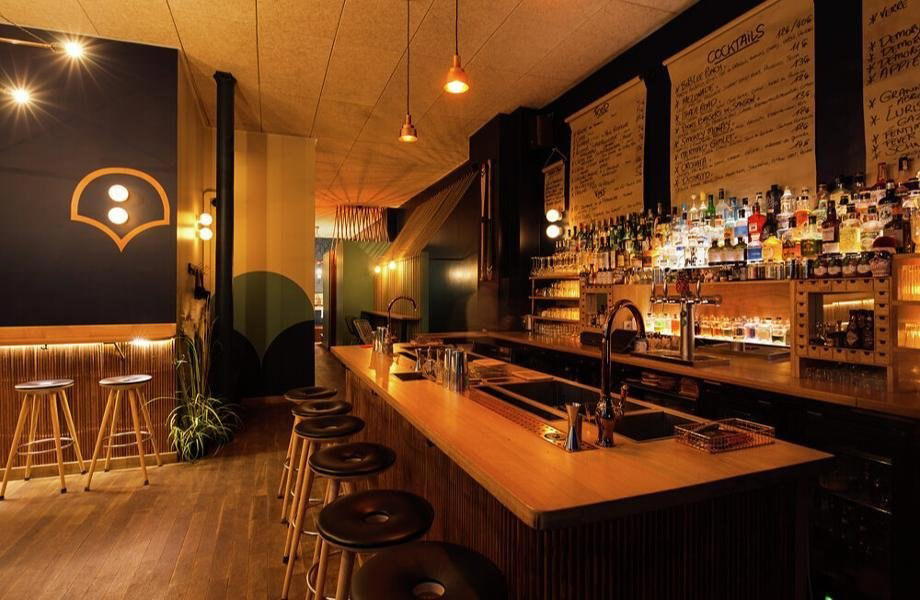
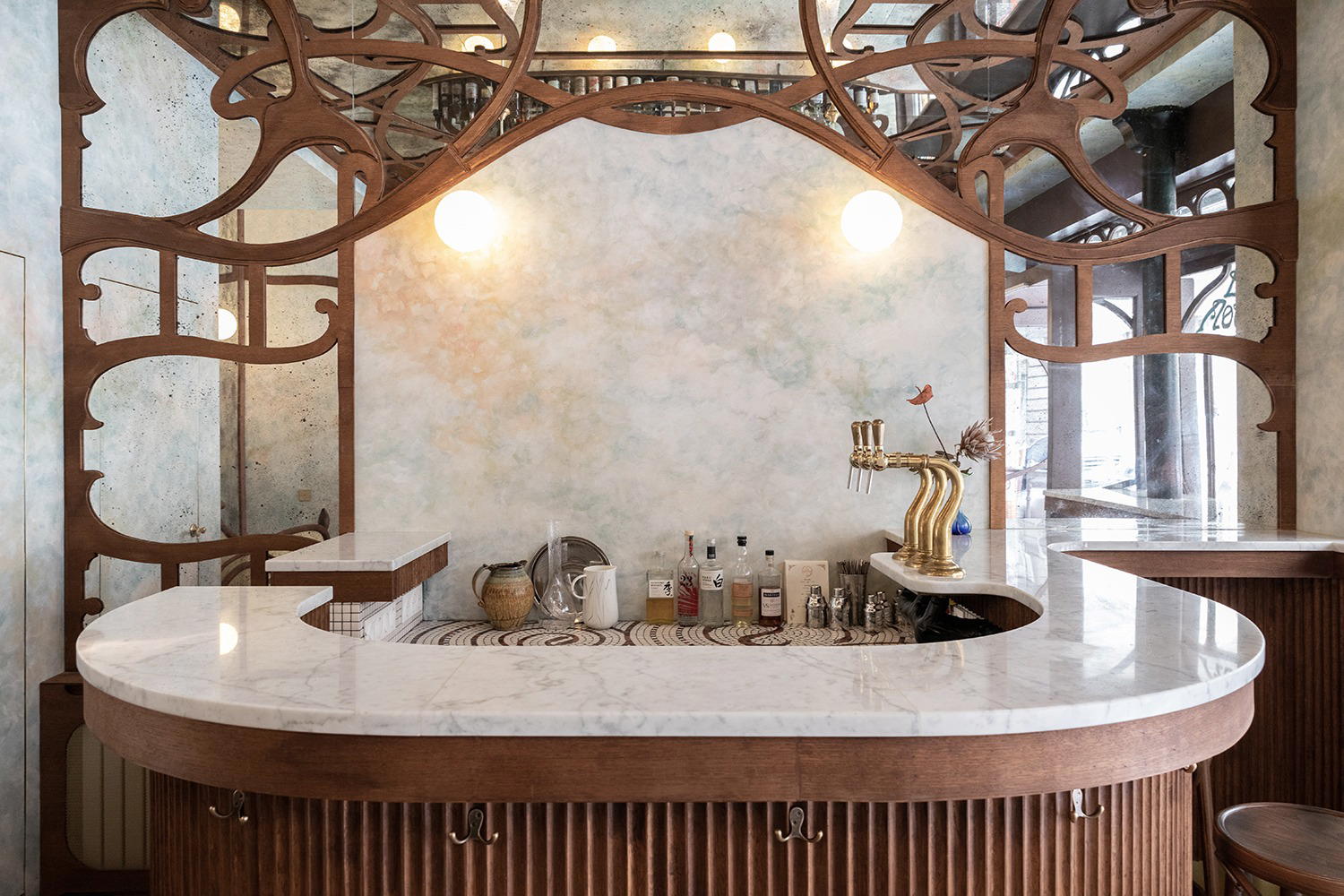
Restaurants in Paris
Browse all →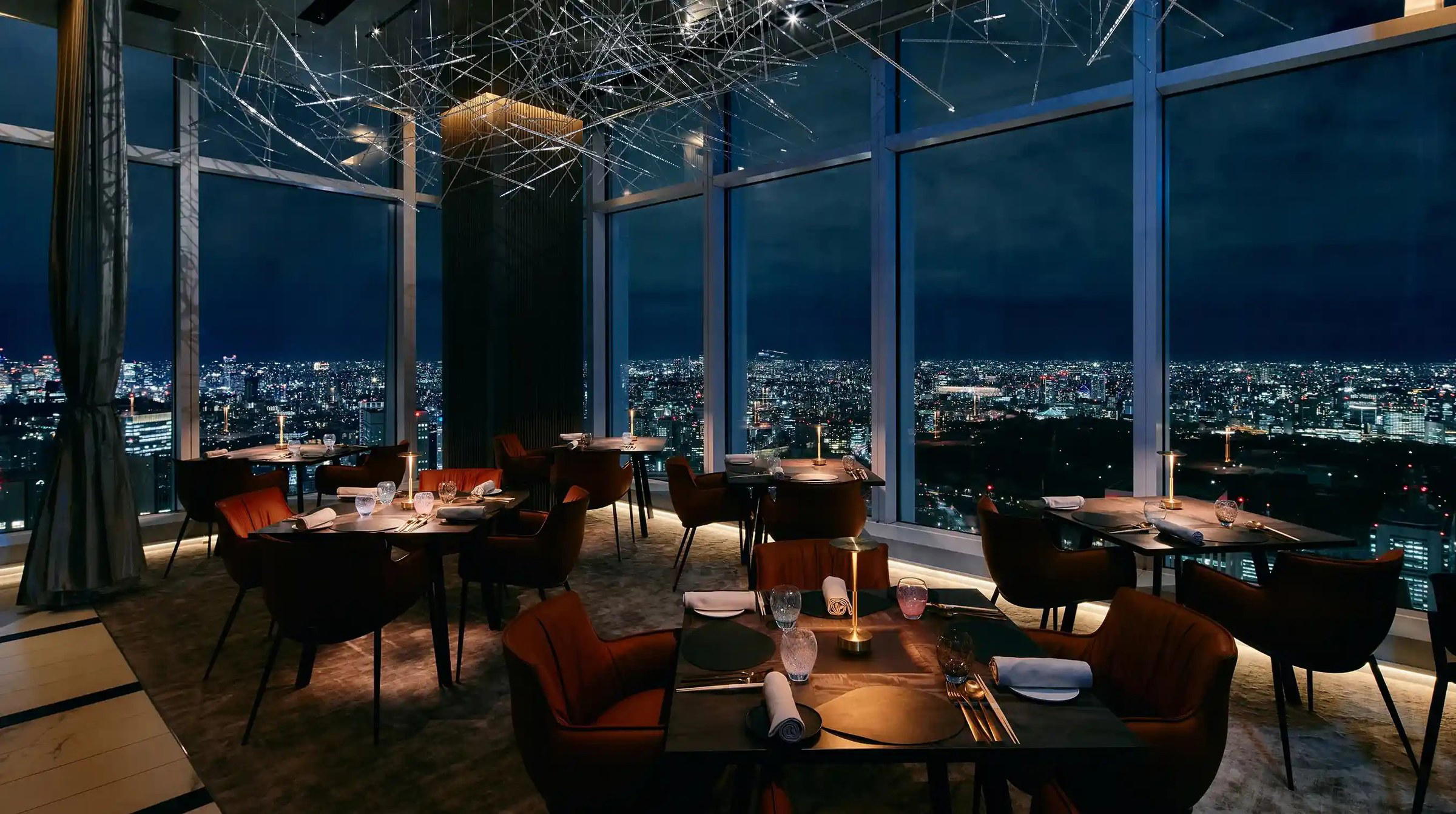
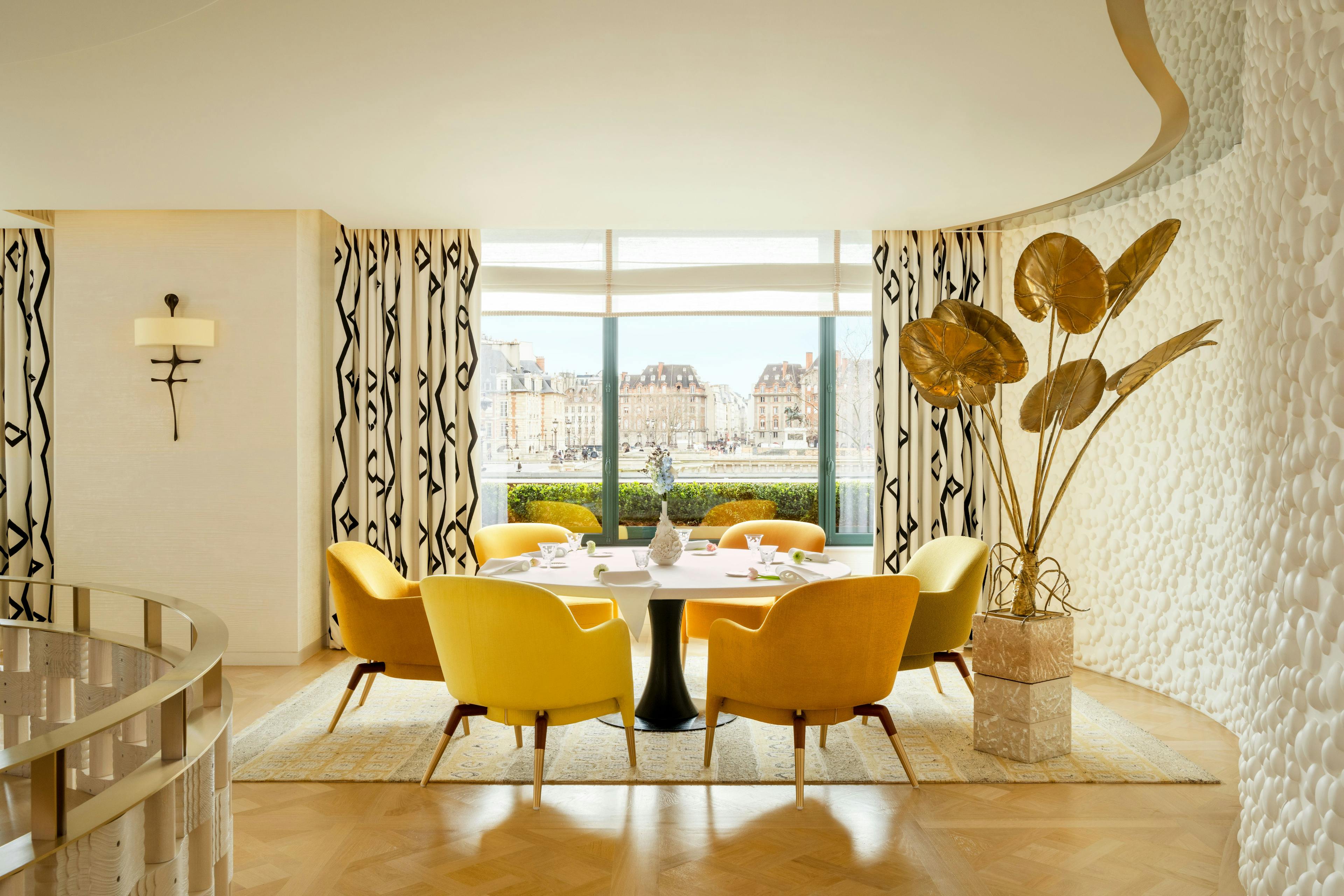
Hotels in Paris
Browse all →



At a Glance
- Intimate
- Trendy
- Sophisticated
- Cozy
- Date Night
- Special Occasion
- Design Destination
- Hotel Bar
- Lounge Seating
- Craft Cocktails
Current opening hours
- Monday
- 7 PM–2 AM
- Tuesday
- 7 PM–2 AM
- Wednesday
- 7 PM–2 AM
- Thursday
- 7 PM–2 AM
- Friday
- 7 PM–2 AM
- Saturday
- 7 PM–2 AM
- Sunday
- 7 PM–2 AM
Hours can change for holidays and private events. Last verified .
Low-lit basement evoking a vintage apothecary with charred wood, leather panels, and tiers of perfume bottles.
Know Before You Go
- Getting there
- 243 Rue Saint-Martin, 75003 Paris, France