On Avenue Pierre 1er de Serbie in the 16th arrondissement, Le Galliera occupies one of Paris's most composed addresses, steps from the Palais Galliera and the Trocadéro axis. The venue sits within a neighbourhood that has long set the standard for formal Parisian dining, where the architecture, the clientele, and the pace of service all follow an established order. Plan ahead: this address rewards preparation over spontaneity.

Pearl is the En Primeur Club membership app — saves, bookings, and concierge access live there. Same editors, same standards.
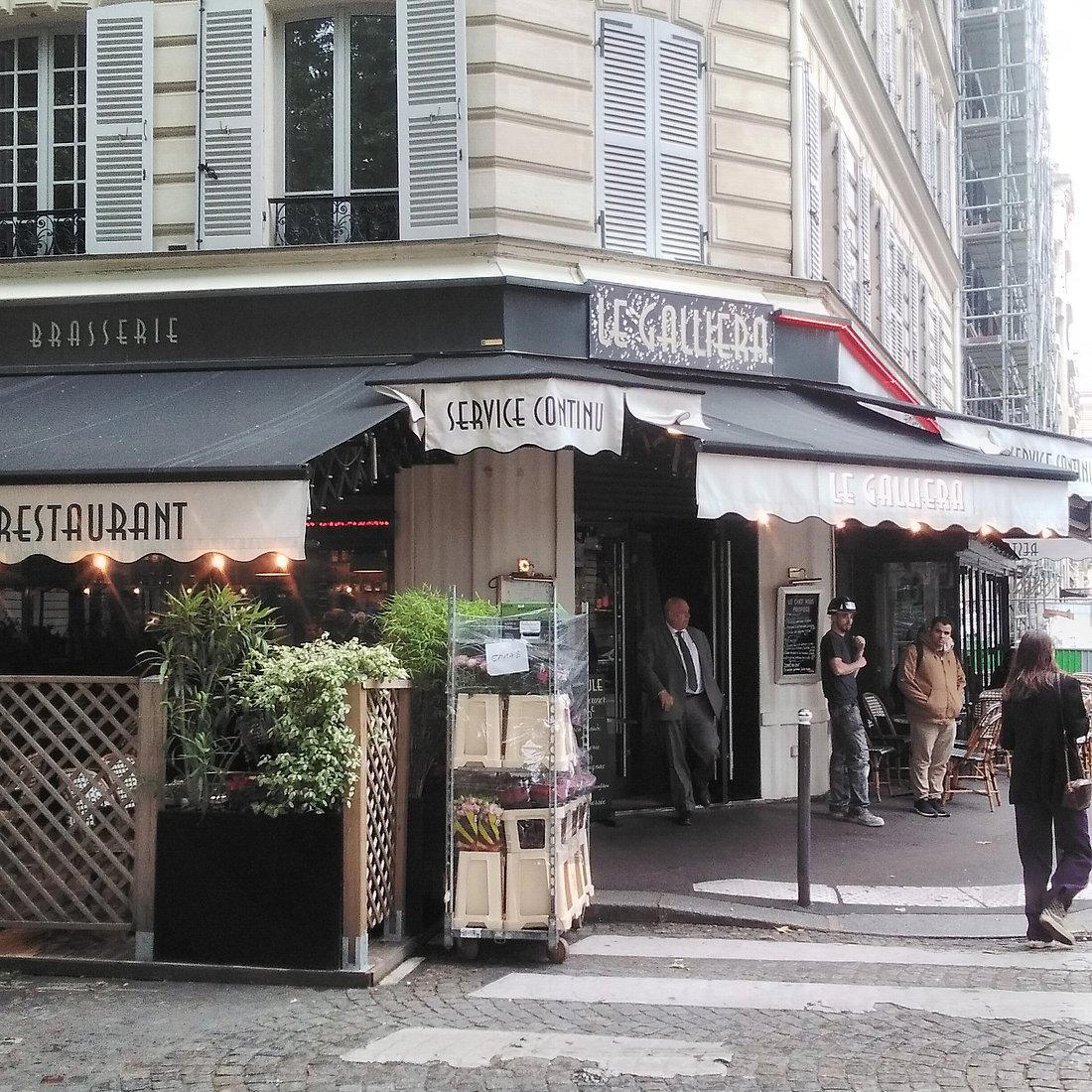
The 16th Arrondissement and the Logic of Reservation-First Dining
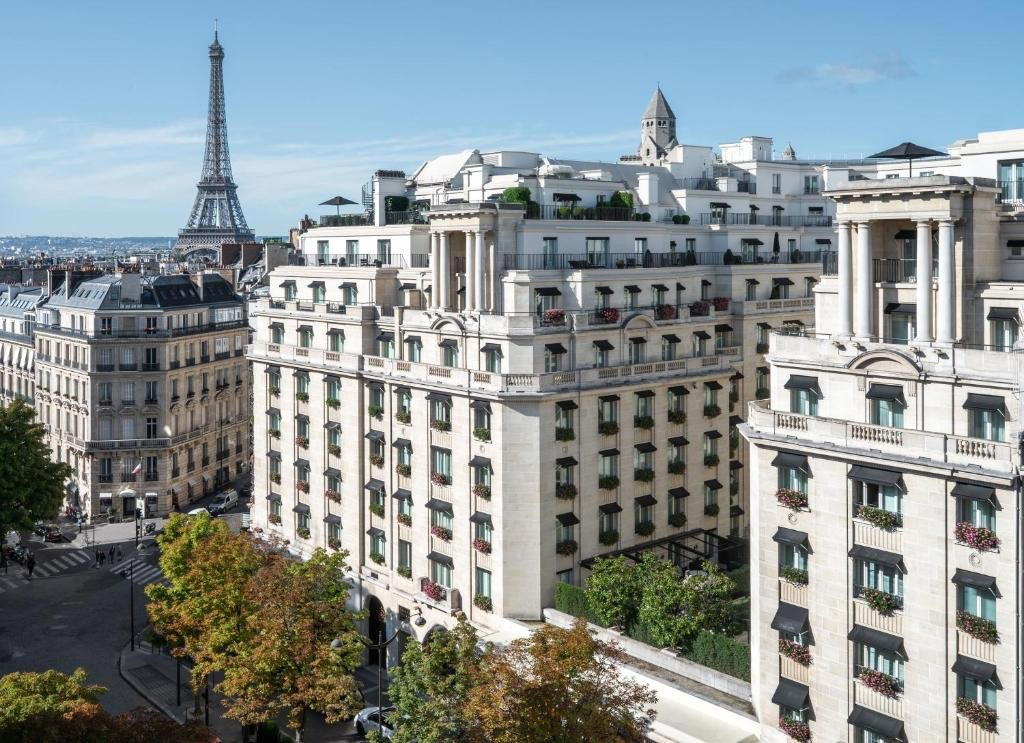
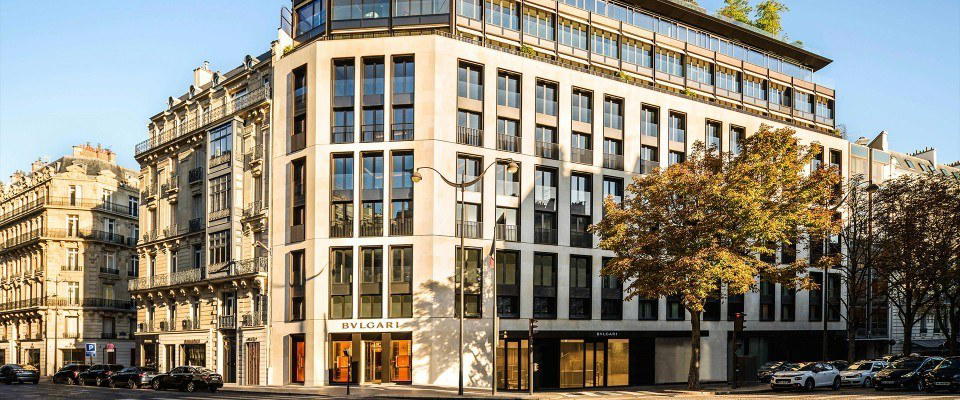
Avenue Pierre 1er de Serbie runs through one of Paris's most architecturally coherent quarters, a stretch of Haussmann-era facades and discreet institutional buildings that places the 16th arrondissement firmly in the city's upper register. The Palais Galliera, the city's fashion museum, anchors the street's northern end; the Seine and the Trocadéro gardens are within walking distance. Dining here operates on a different rhythm to the spontaneous café culture of Saint-Germain or the experimental bar scene of Pigalle. This is a neighbourhood where arrivals are expected, tables are arranged in advance, and the experience is structured accordingly. Le Galliera, at number 15, follows that logic.
For visitors accustomed to London or New York dining culture, where booking several weeks ahead is standard practice, Paris's formal restaurant circuit can feel unfamiliar in its specificity. The 16th is not a neighbourhood for walk-ins. The streets are quieter than the central arrondissements, the foot traffic more purposeful, and the venues here are chosen rather than stumbled upon. That applies directly to how you should approach Le Galliera: this is an address you arrive at with a plan, not one you discover mid-afternoon.
Approaching the Address
The physical experience of the 16th starts before you reach the door. The avenue is wide and relatively uncrowded by Parisian standards, the kind of street where the buildings set the tone rather than the street-level activity. Coming from the Iéna metro station, the approach takes you past embassies and cultural institutions, a sequence that primes the visitor for a certain register of formality. The Galliera museum's stone facade appears on the left before the restaurant address, giving the street a civic weight that most dining districts in Paris lack.
That context matters when calibrating expectations. Venues in this part of the 16th are not competing with the dense concentration of recognised restaurants in the 8th or the creative energy of the 11th. They are operating in a different competitive frame, one defined by neighbourhood loyalty, long-established clientele, and an understanding that the experience extends beyond the table to include the setting, the approach, and the overall occasion.
What the Booking Moment Signals
In Paris, the ease or difficulty of securing a reservation is one of the more reliable signals of where a venue sits within its category. The city's most in-demand addresses, whether formal dining rooms in the 8th or natural wine-led bistros in the 10th, tend to fill two to four weeks ahead for prime slots, with midweek lunches offering shorter lead times. Venues in the 16th that serve a neighbourhood clientele often operate on a different booking pattern, with regulars holding a portion of covers and new visitors needing to engage earlier and more directly.
For Le Galliera specifically, the absence of a widely publicised online booking channel and phone number in current listings suggests the reservation process may be handled through direct contact or through hotel concierge networks, a format common to a certain tier of Paris dining that values discretion over accessibility. If you are travelling to Paris and intend to visit, the practical approach is to make contact well ahead of arrival, confirm the format and any dress expectations, and treat the booking process itself as part of the experience rather than an obstacle to it. That framing is not incidental: the effort involved in securing a table at venues like this is a filtering mechanism, one that shapes who arrives and how they arrive.
Seasonal Timing and When to Visit
The 16th arrondissement dining calendar follows Parisian rhythms more closely than any seasonal produce cycle. September through November is the period when the neighbourhood reassembles after the summer dispersal, when Paris dining rooms fill again and the formal restaurant circuit regains its full pace. Spring, from late March through May, brings a similar energy before the city thins out in July and August. Venues in this part of the city are less likely to maintain full operations through the summer months, so confirming availability ahead of a July or August visit is particularly important.
The winter period, from December through February, offers a different calculus. Tourist pressure is lower, tables are somewhat more accessible, and the experience of dining in a formal room in this part of the city has a quality that the warmer months cannot replicate. For visitors whose Paris trips fall outside peak season, the 16th in winter is a case where timing works in your favour.
The 16th in the Paris Dining Map
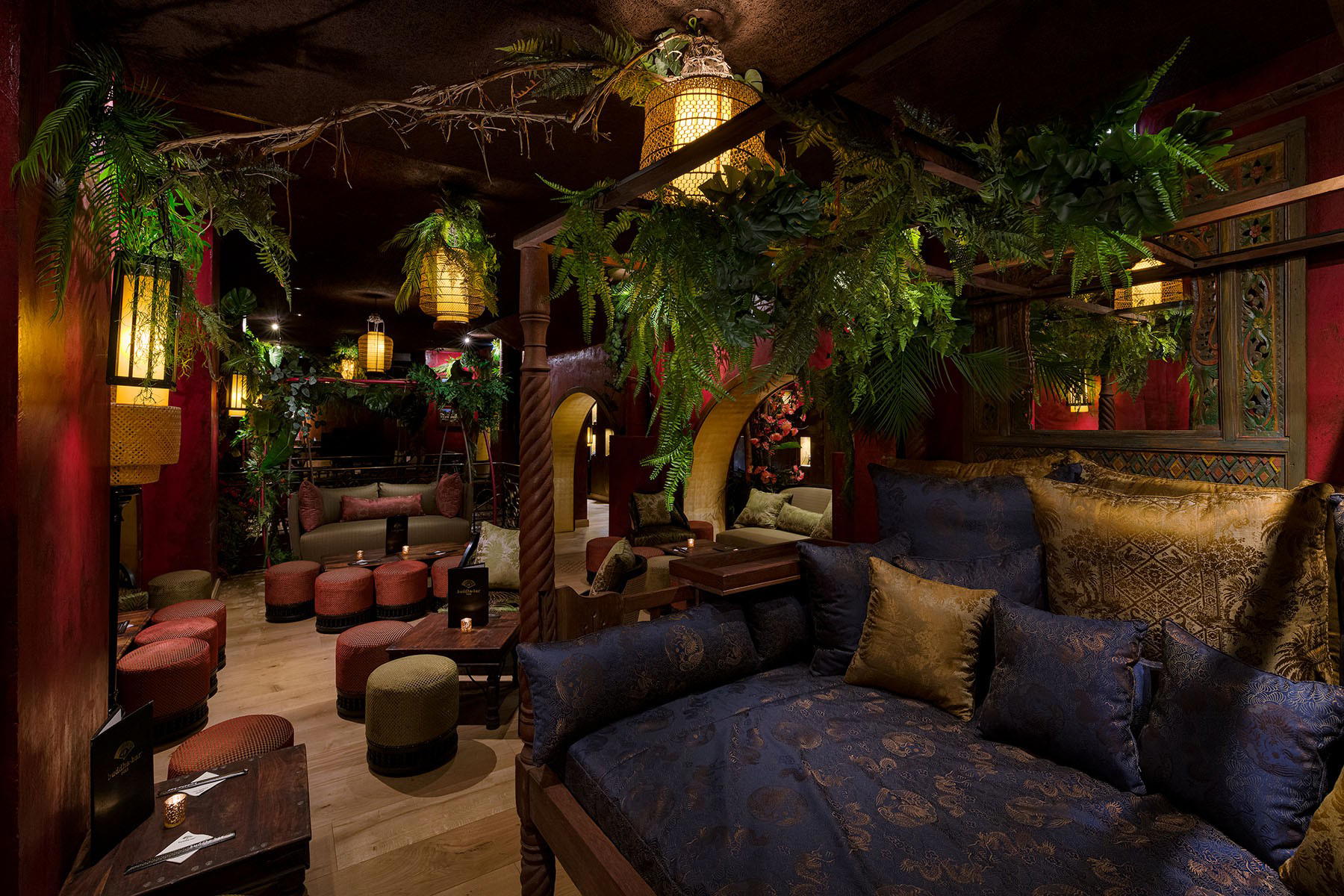
Understanding where Le Galliera sits relative to the broader Paris dining scene requires placing the 16th in context. The arrondissement does not generate the critical attention that the 1st, 8th, or 11th attract, but it sustains a category of formal, occasion-driven dining that those neighbourhoods have partly moved away from. While the bar scene has consolidated around addresses like Candelaria, Danico, and Bar Nouveau in the Marais and surrounds, and while Buddha Bar operates in a theatrical, high-volume format in the 8th, the 16th occupies a quieter and more residential register.
That positioning is not a limitation. For visitors who find the density and noise of central Paris dining rooms at odds with what they want from a meal, the 16th offers an alternative cadence. The same formal dining tradition is visible across France in very different contexts: La Maison M. in Lyon operates within the bouchon tradition, while Coté vin in Toulouse and Bar Casa Bordeaux in Bordeaux reflect regional interpretations of the same structured hospitality culture. The 16th arrondissement version of that tradition is the most architecturally intact, shaped by a residential fabric that has changed less than almost any other part of central Paris.
For those planning a wider France itinerary, the formal dining culture visible here has counterparts at the regional level: Au Brasseur in Strasbourg, Papa Doble in Montpellier, and Le Café de la Fontaine in La Turbie all reflect how French hospitality adapts to different regional contexts without losing its structural logic. And if a destination like Honolulu is on the itinerary, the precision-driven approach at Bar Leather Apron is a useful point of comparison for how formal service culture travels beyond France.
The full picture of what Paris offers at this level is in our Paris restaurants and bars guide, which maps the city's dining by arrondissement and category.
Planning Your Visit
Avenue Pierre 1er de Serbie 75016 is most directly reached via the Iéna metro station on line 9, a short walk from the address. The neighbourhood is also walkable from the Champs-Élysées end of the 8th if you are staying in that part of the city. Midweek visits tend to offer a quieter room than weekends, and the autumn and spring windows are the most reliable for full operation.
| Venue | Cuisine | Price | Awards |
|---|---|---|---|
| Le GallieraThis venue — the venue you are viewing | This venue | $30–50 | Not listed |
| Bar Nouveau | Not listed | $30–50 | World's 50 Best #5 · Top 500 Bars Best Bars #18 |
| Buddha Bar | Not listed | $100–150 | World's 50 Best #20 |
| Candelaria | Mexican-Cocktails | $20–30 | World's 50 Best #42 · Pinnacle Guide 1 Pin |
| Danico | Not listed | $20–30 | World's 50 Best #19 · Top 500 Bars Best Bars #17 |
| Harry's Bar | Not listed | $30–50 | World's 50 Best #27 · Top 500 Bars Best Bars #60 |
Continue exploring
More in Paris
Bars in Paris
All bars in Paris →
Restaurants in Paris
All restaurants in Paris →



Details
- Intimate
- Elegant
- Sophisticated
Current opening hours
- Monday
- 6 AM–12 AM
- Tuesday
- 6 AM–12 AM
- Wednesday
- 6 AM–12 AM
- Thursday
- 6 AM–12 AM
- Friday
- 6 AM–12 AM
- Saturday
- 6 AM–12 AM
- Sunday
- Closed
Hours can change for holidays and private events. Last verified .
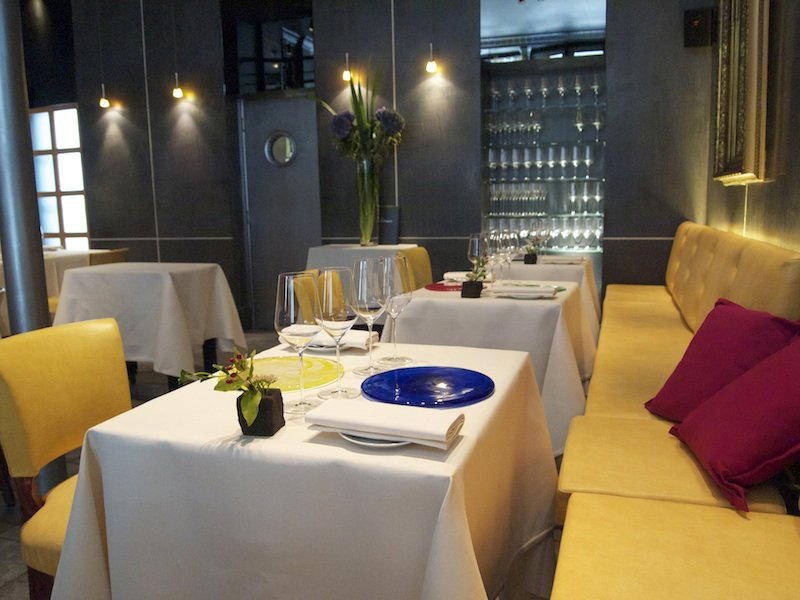
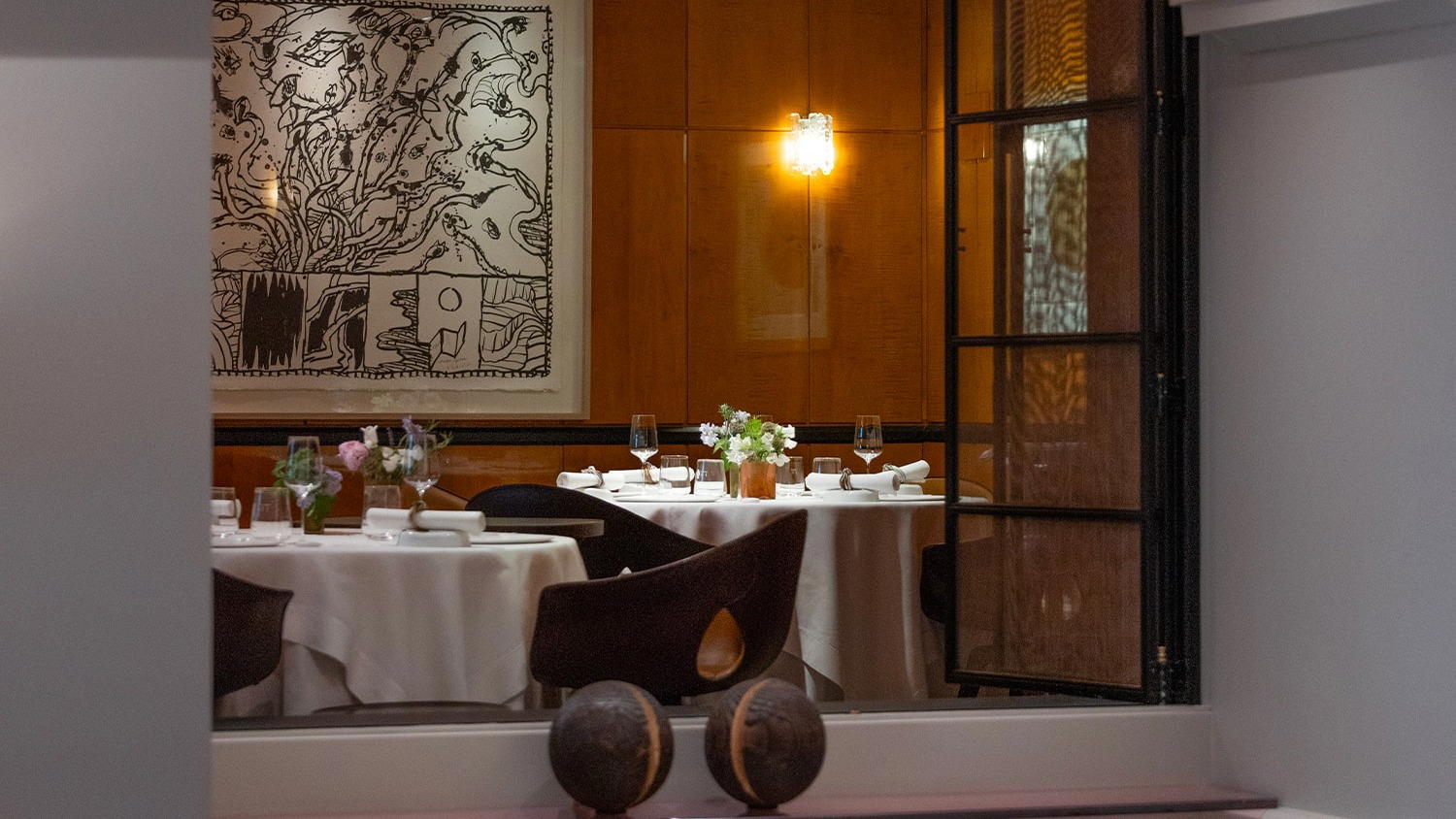
Cozy bistro atmosphere suitable for lunch and dinner.