Bayon Pool Bar sits in central Siem Reap at the junction of Oum Khun Street and Street 14, a poolside bar format suited to the city’s heat, temple-day rhythms, and hotel-led drinking culture.

Pearl is the En Primeur Club membership app — saves, bookings, and concierge access live there. Same editors, same standards.
- Address
- Shinta Mani Hotel Junction of Oum Khun St, and Street 14, Krong Siem Reap, Cambodia
- Phone
- +855 63 964 123
- Hours
- Daily 2–11 PM
- Website
- shintamani.com
- Directions
- Get directions
- Booking
- Book on TableCheck
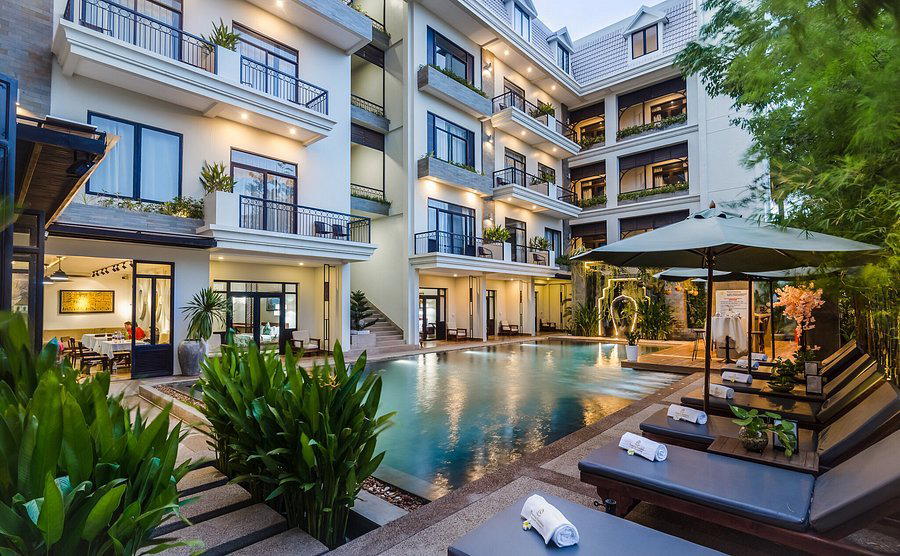
Poolside drinking in a city built around early starts
Approaching a pool bar in Siem Reap means entering a different tempo from the restaurant streets and night-market lanes. The city’s social day is shaped by Angkor’s dawn departures, midday heat, and late-afternoon recoveries, so the poolside bar has a specific role: it catches guests when shade, water, and a cold drink matter more than theatrical service. Bayon Pool Bar occupies that category from a central address at the junction of Oum Khun Street and Street 14 in Krong Siem Reap, placing it within the hotel-and-resort drinking circuit rather than the stand-alone cocktail bar scene.
That distinction matters. Siem Reap drinking is not one market. There are late-night backpacker bars around Pub Street, quieter hotel lounges, rooftop formats, wine-led restaurant lists, and pool bars built around daytime use. A pool bar’s work is not only to pour drinks; it has to fit heat, swimwear, sun exposure, post-temple fatigue, and guests who may be moving between spa appointments, restaurant bookings, and early nights. The available record for Bayon Pool Bar does not list awards, bartender names, prices, hours, or a published drinks programme, so the editorial case rests on setting, location, and category rather than unverified claims about signatures or technique.
The cocktail programme, read through format rather than mythology
In a city where many visitors arrive with temple itineraries rather than bar itineraries, cocktail programmes tend to divide into two families. The first chases capital-city polish: clarified drinks, house infusions, high-concept menus, and a bar-team identity built for recognition. The second works through hospitality formats, especially hotel pools, courtyards, and lounges, where drinks must be legible, cooling, and easy to order across a long afternoon. Without listed awards or a named bar lead, it should not be evaluated against highly technical cocktail rooms; it should be judged by how convincingly a poolside setting answers Siem Reap’s climate and daily rhythm.
That is not a lower bar, just a different one. Poolside cocktails in Southeast Asian hotel towns have to be engineered for dilution, speed, and refreshment. Ice quality, citrus balance, garnish restraint, and glassware practicality become more important than menu prose. A drink that works beside water at 3 p.m. has different obligations from a stirred drink served under low light at midnight. The strongest hotel pool bars understand that sun, chlorine, and humidity blunt subtlety; the format rewards clean acidity, visible refreshment, and service that does not turn a simple order into a performance.
Siem Reap also sits in a broader regional pattern. In Bangkok, Phnom Penh, Singapore, and Ho Chi Minh City, cocktail culture has moved toward named bartenders and measurable recognition, while resort bars continue to trade on timing and environment. The Cambodian comparison is instructive: Sora in Phnom Penh represents a capital-city, high-design drinking mode, while Bayon Pool Bar reads as a Siem Reap answer to the same guest need for composed hospitality after heat and movement. Those are not interchangeable experiences, and treating them as peers would misread both.
Why location shapes the experience
The address at Oum Khun Street and Street 14 places the bar in central Krong Siem Reap, where the visitor economy is dense but not monolithic. This part of town sits within the orbit of hotels, restaurants, massage studios, tour pickups, and the routes that feed guests toward Angkor Wat, Angkor Thom, and the Tonlé Sap excursion trade. For a bar attached to a pool setting, that centrality is useful because the occasion is often unscheduled: a late-afternoon drink before dinner, a pause after a guide returns guests from temple touring, or a low-key evening when Pub Street feels too loud.
Siem Reap’s hospitality geography rewards convenience more than formal destination drinking. The city has destination restaurants, but many bar decisions are made within a tight radius of a guest’s hotel, especially after 4 a.m. wakeups for sunrise at Angkor Wat. That is why hotel bars and pool bars carry more weight here than they might in cities where residents drive nightlife demand. Bayon Pool Bar should be understood inside that pattern: not as a standalone pilgrimage for cocktail collectors, but as a practical social setting in a city where the day’s physical demands shape the night’s drinking decisions.
Readers comparing options should use the city guides rather than treat one bar as the whole story. The broader drinking map is covered in Our full Siem Reap bars guide, while meal planning sits better in Our full Siem Reap restaurants guide. Hotel context matters as well, since many Siem Reap bars are embedded in lodging rather than street-front nightlife; for that layer, see Our full Siem Reap hotels guide.
How Siem Reap's pool bars differ from nightlife bars
Pool bars sit at the soft edge of the city’s drinking culture. They are less about closing-time energy than about reset, shade, and pacing. In Siem Reap, that distinction is sharpened by the temple schedule. Visitors who start before sunrise are often finished with major sightseeing by early afternoon, when a hotel pool becomes a social centre. The cocktail programme in that setting has to be readable to guests who may not want an elaborate explanation. A concise list, competent classics, cold beer, non-alcoholic options, and snacks can matter more than a menu of obscure ingredients.
That absence should be treated honestly. It means no responsible editorial page should claim a house cocktail, a chef-driven bar menu, a specific closing time, or a booking policy. It also means the venue’s evaluation is necessarily category-led. The pool bar form is the evidence: it suggests daytime and early-evening use, casual dress expectations unless the property states otherwise, and a format more connected to hotel leisure than to late-night bar-hopping.
For a nearby comparison inside the same city type, Angkor Pool Bar belongs to the same broad poolside drinking family. The useful question is not which one has louder claims, but which location, hotel context, and timing fit the day. Siem Reap rewards that practical thinking. A guest coming off a temple circuit may need a nearby shaded bar; a guest planning a full cocktail crawl may be better served by a city-bar shortlist; a guest staying in a heritage-style property may find a quieter hotel bar more aligned with the trip.
Creative vision without inventing a bartender story
Modern cocktail writing often turns the bartender into the protagonist. That approach can be useful when a bar publishes its team, menu philosophy, awards record, and technical programme. The more accurate reading is structural: Bayon Pool Bar participates in a hospitality style where the environment frames the drink. In practical terms, that means the bar’s creative success depends less on authorship and more on whether the menu supports the pool setting with clarity and consistency.
Across Southeast Asian resort towns, the stronger pool bar programmes tend to avoid two mistakes. They do not overload a hot-weather menu with heavy, spirit-forward drinks at the expense of refreshment, and they do not flatten everything into sweet resort clichés. A well-run list will usually balance highballs, sours, spritz-style drinks, beer, wine by the glass, soft drinks, and something for guests who want to stay alcohol-free. They are the criteria readers should bring when assessing the bar on arrival.
The same logic applies to service. A pool bar needs staff who can read pace: swift enough for guests returning to loungers, attentive enough for visitors planning the next move, and relaxed enough that the setting does not feel like a formal dining room dragged outdoors. In Siem Reap, where humidity and itinerary fatigue are real variables, that service rhythm often determines whether a drink feels restorative or merely convenient.
Where it fits in a larger Cambodia and global bar conversation
Cambodia’s bar scene is uneven by design. Phnom Penh has the deeper urban cocktail ecosystem, with more room for destination drinking, chef-bar collaborations, and late-night local demand. Siem Reap has a different set of pressures: a tourist calendar, temple tourism, hotel concentration, and a dining scene that has to serve both short-stay travellers and longer cultural itineraries. Bayon Pool Bar sits on the Siem Reap side of that divide, where the venue type itself carries meaning.
For readers who track cocktail trends across cities, the comparison should be calibrated. A Cuban-American cantinero room such as Café La Trova in Miami is built around performance, music, and bar lineage. Happy Accidents in Albuquerque makes sense through contemporary American cocktail experimentation and independent bar identity. Roquette in Seattle belongs to a Pacific Northwest conversation around intimate rooms and carefully built lists. Viceversa in Miami works within a city where aperitivo culture, design, and nightlife overlap. A Siem Reap pool bar is not playing that game. Its competitive set is closer to hotel comfort, resort pacing, and the practical pleasure of a drink after heat.
That is why award absence matters but does not end the conversation. In Siem Reap’s poolside category, it simply positions the venue as a setting-led option rather than an accolade-led one. Readers who want a credential-heavy bar should look toward published award lists and capital-city programmes; readers planning around comfort, centrality, and a pool environment can assess this on different terms.
Planning the stop
The confirmed address is Junction of Oum Khun Street and Street 14, Krong Siem Reap (Bayon Pool). No phone number, website, opening hours, price range, dress code, or booking method is available in the provided record, so planning should stay flexible. In practice, pool bars in Siem Reap are often strongest as late-afternoon or early-evening stops, especially after temple touring and before dinner, but guests should verify current access and hours directly with the property or local concierge before making plans around it.
Hotel and poolside formats can vary sharply depending on property positioning, imported spirits, service charges, and whether non-guests are welcomed. The sensible approach is to treat Bayon Pool Bar as a convenience-led, setting-led stop, then decide on arrival whether the drinks list and atmosphere justify lingering. For a fuller day in the city, pair bar planning with Our full Siem Reap experiences guide, and if wine is part of the trip brief, use Our full Siem Reap wineries guide for the separate, more limited wine angle.
Nearby hotel-led drinking can also be part of the same comparison. Heritage Suites Hotel - Siem Reap in Siem Reab points to a different kind of hospitality bar context, more bound to heritage-hotel atmosphere than to poolside utility. That contrast is useful when deciding what the evening needs: a cooling drink by water, a quieter hotel bar, or a more deliberate cocktail stop.
Editorial assessment
Bayon Pool Bar is leading read as a Siem Reap poolside drinking option rather than a trophy cocktail address. That is not faint praise; it is a more accurate frame. The city’s hospitality culture depends on places that absorb the physical realities of temple travel, heat, and central hotel life. A pool bar with a central address can serve that role well if the drinks are cold, the service rhythm is calm, and the setting makes sense after a long day outside.
The limits of the available record are clear. There are no awards to cite, no chef or bartender biography to weigh, no published signature serves, no price band, and no confirmed hours. Those gaps prevent any serious claim about technical ambition. What remains is the useful editorial question: where does this fit in Siem Reap? It fits in the practical middle ground between sightseeing and dinner, between hotel leisure and city nightlife, between a swim and a first drink. For travellers who understand that distinction, Bayon Pool Bar has a defined purpose.
Continue exploring
More in Siem Reap
Bars in Siem Reap
Browse all →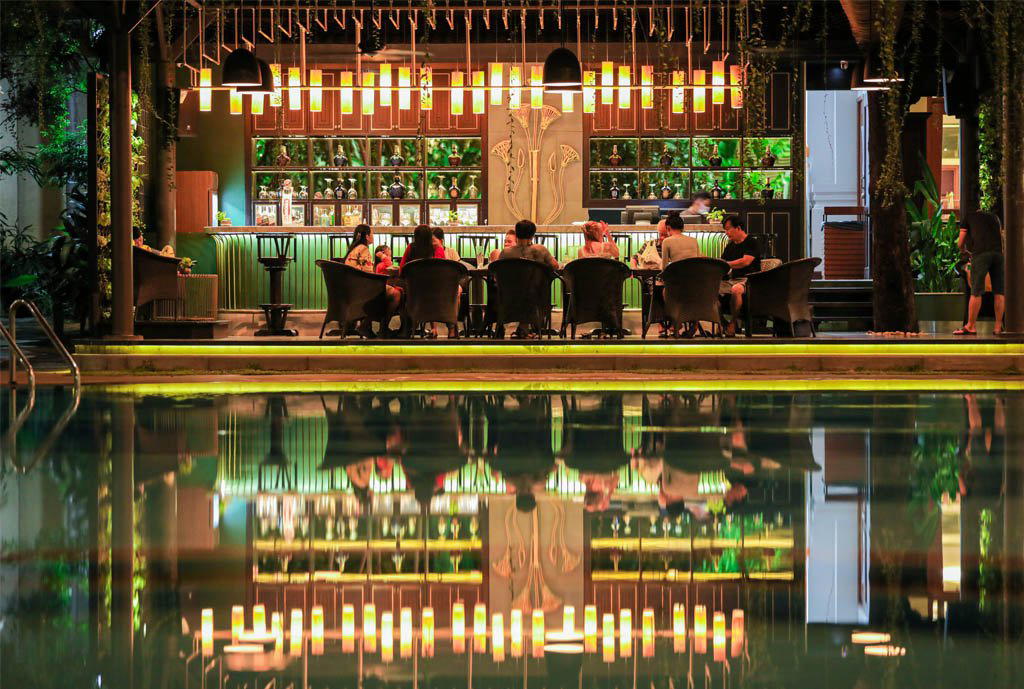
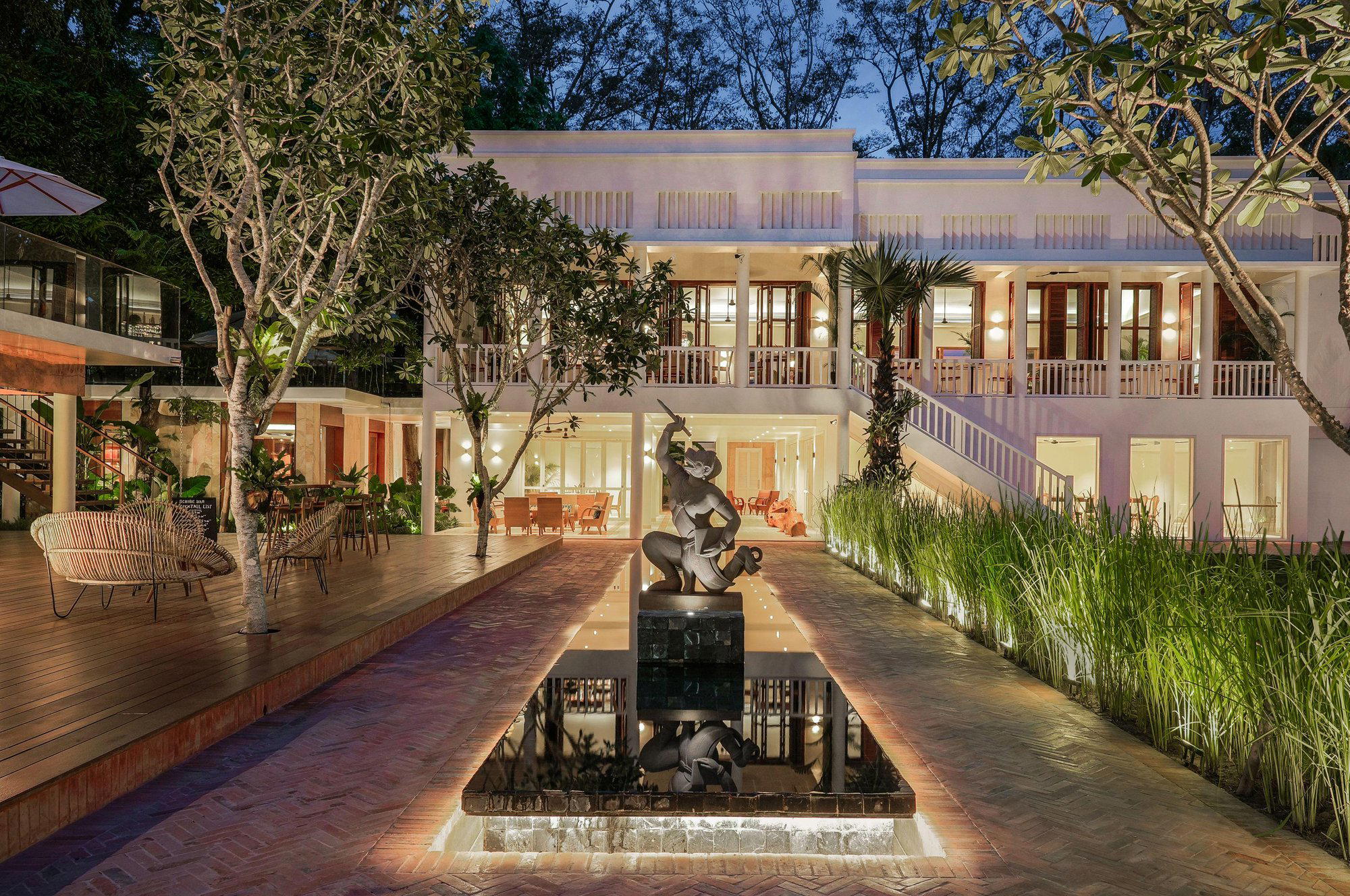
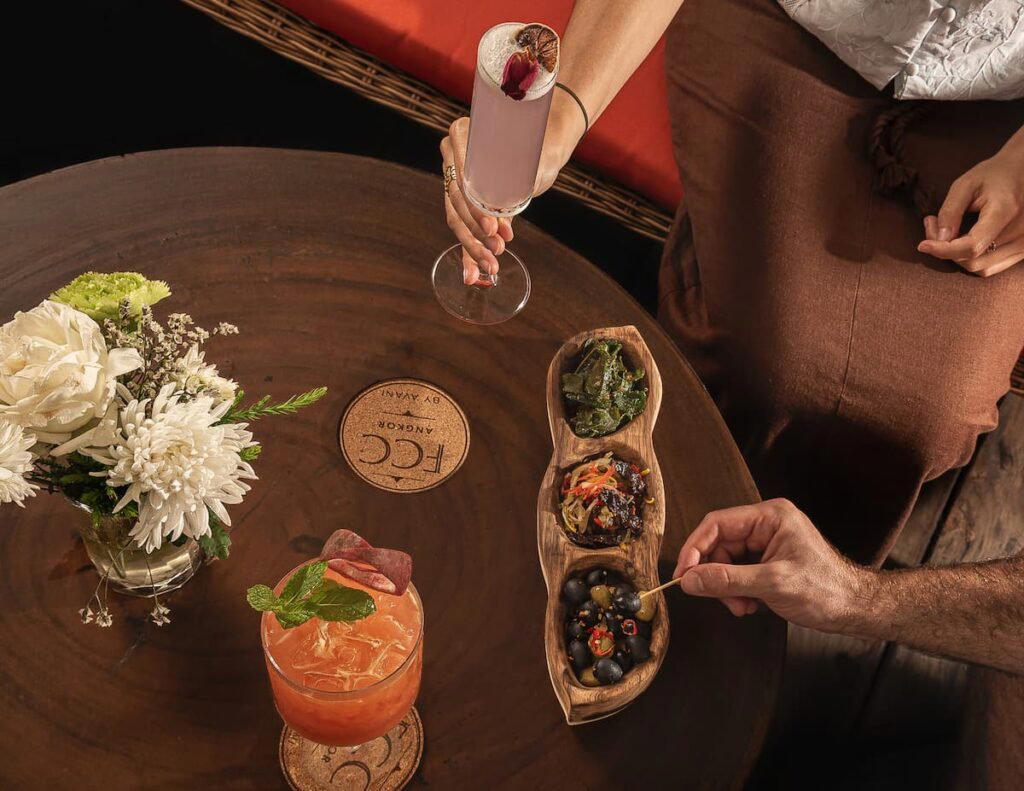
Restaurants in Siem Reap
Browse all →
Details
- Elegant
- Cozy
- Intimate
- Trendy
- After Work
- Casual Hangout
- Group Outing
- Date Night
- Garden
- Terrace
- Courtyard
- Hotel Bar
- Design Destination
- Seated Bar
- Lounge Seating
- Outdoor Terrace
- Classic Cocktails
- Garden
Current opening hours
- Monday
- 2–11 PM
- Tuesday
- 2–11 PM
- Wednesday
- 2–11 PM
- Thursday
- 2–11 PM
- Friday
- 2–11 PM
- Saturday
- 2–11 PM
- Sunday
- 2–11 PM
Hours can change for holidays and private events. Last verified .
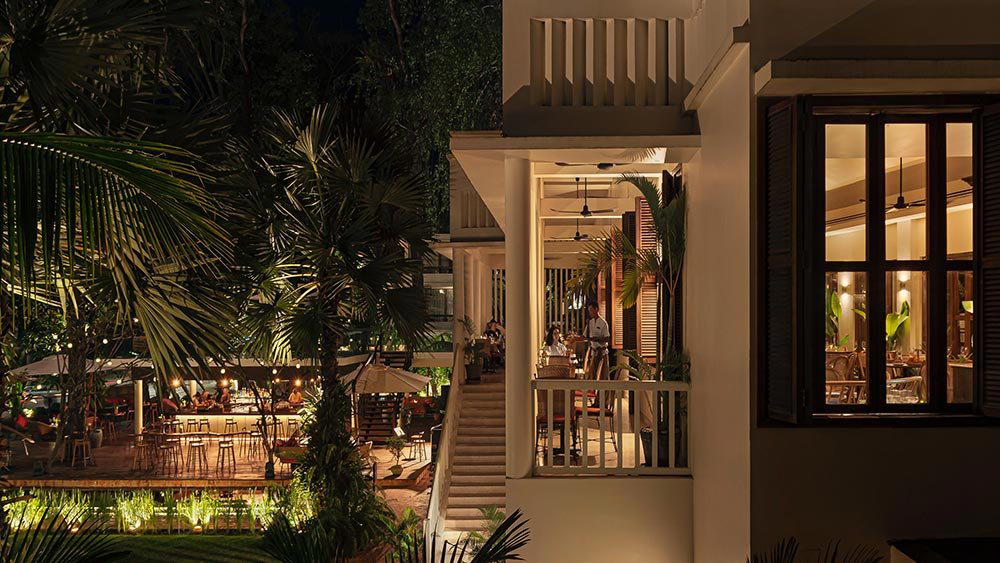
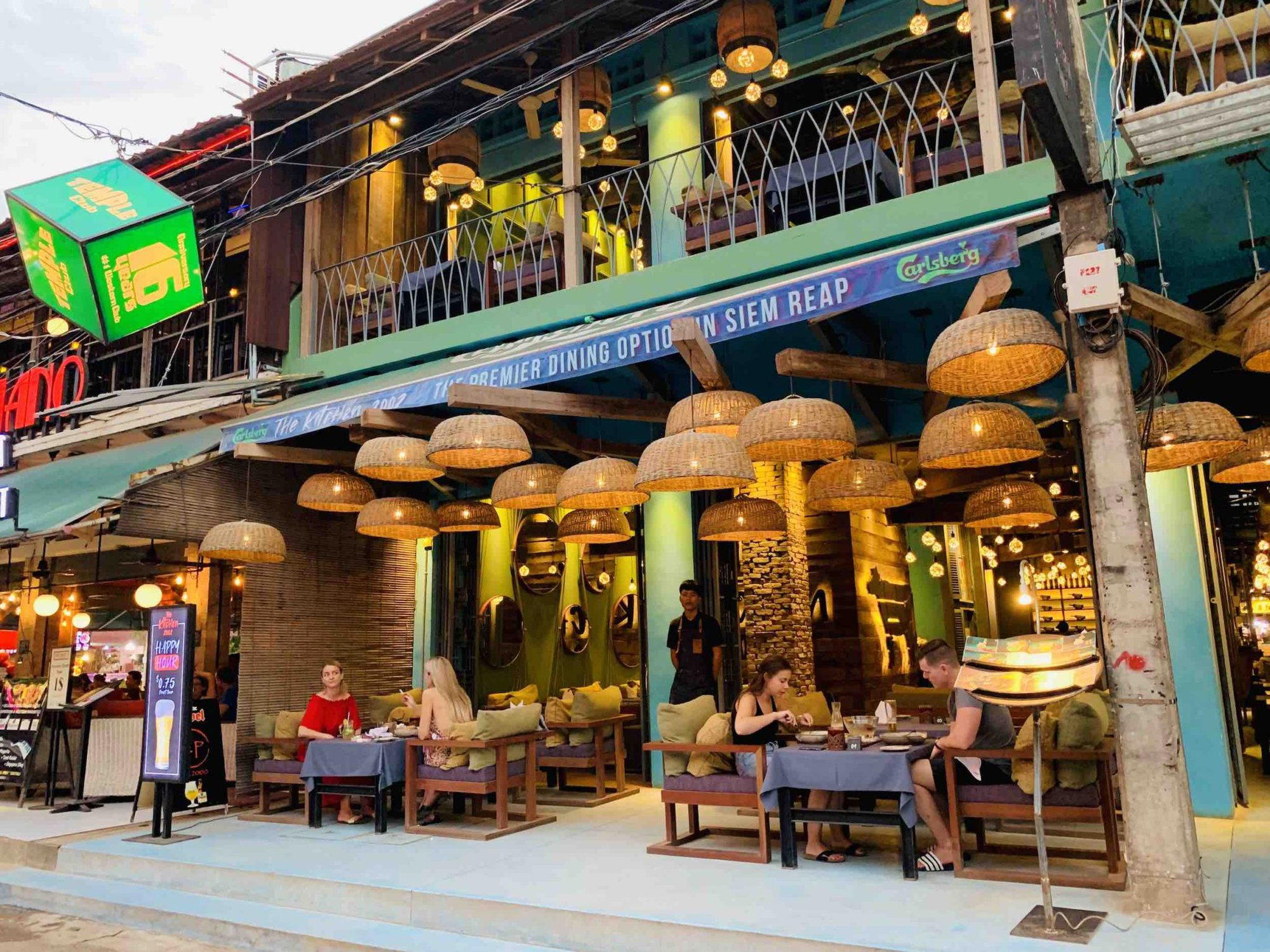
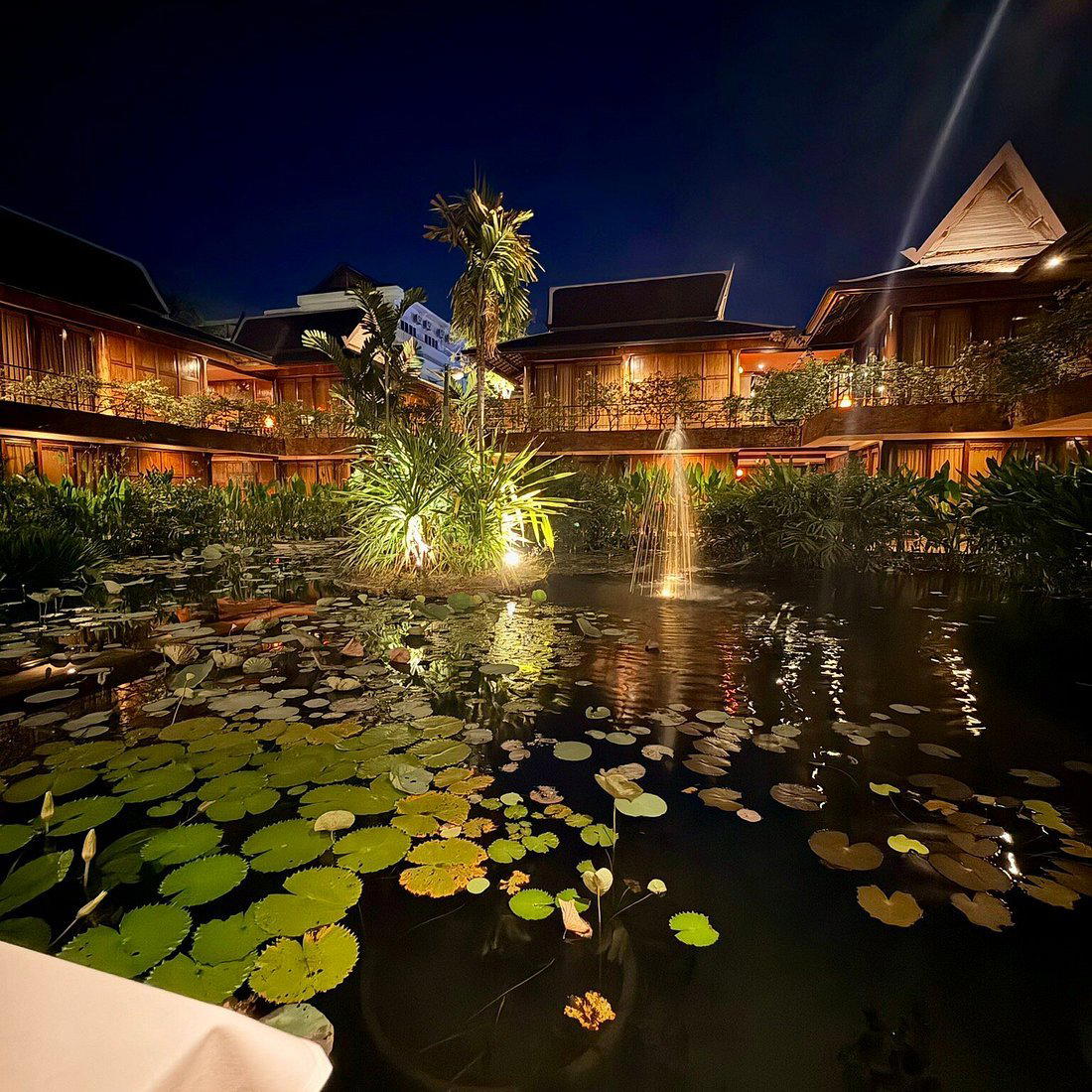
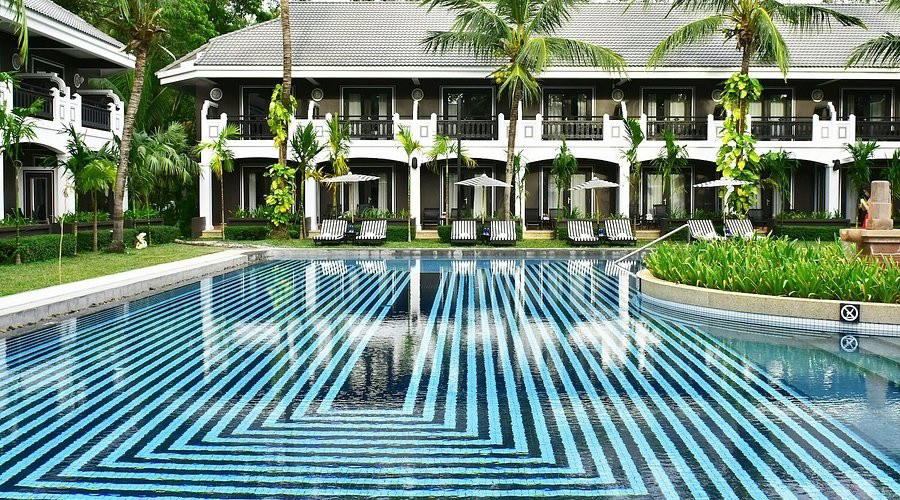
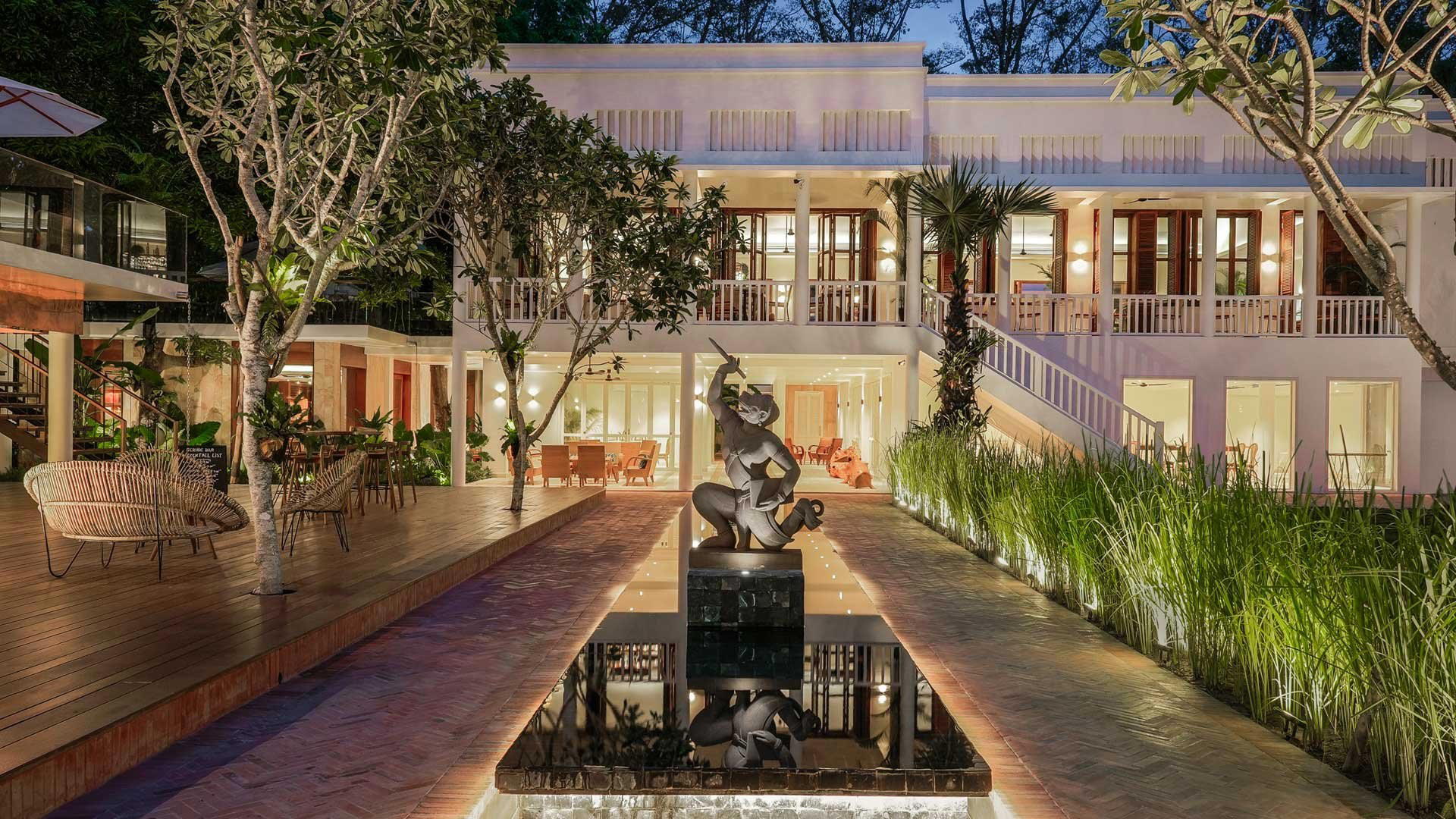
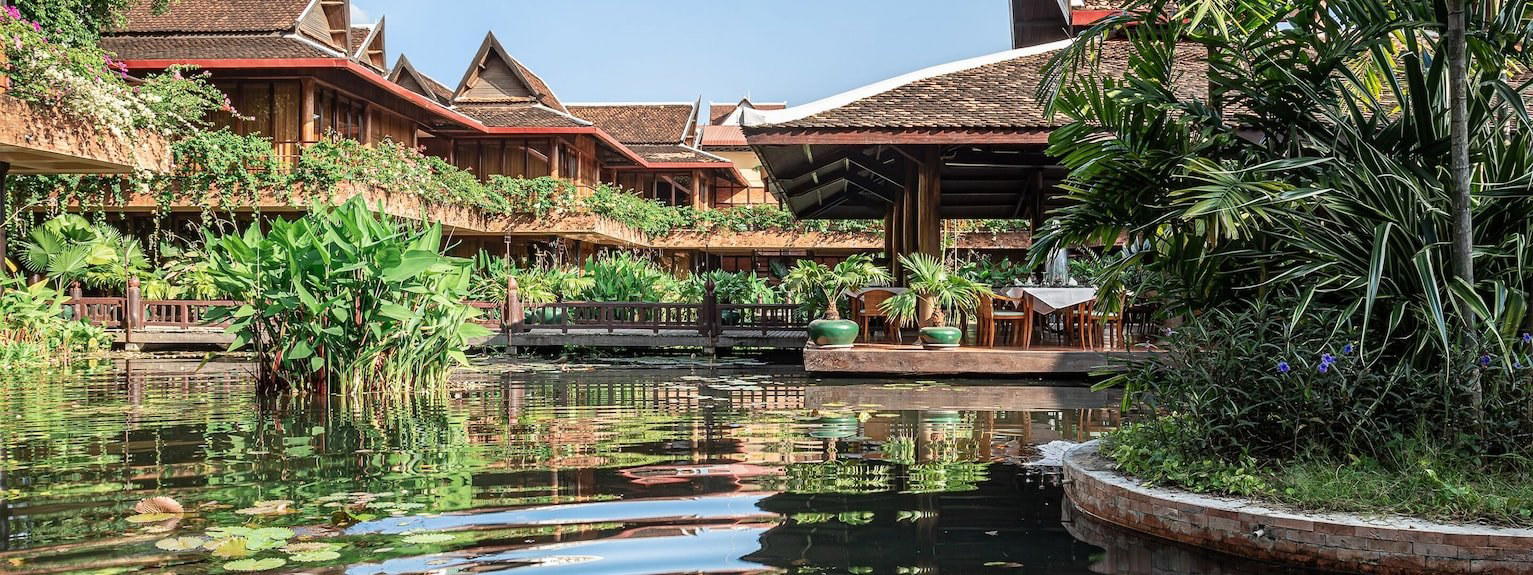
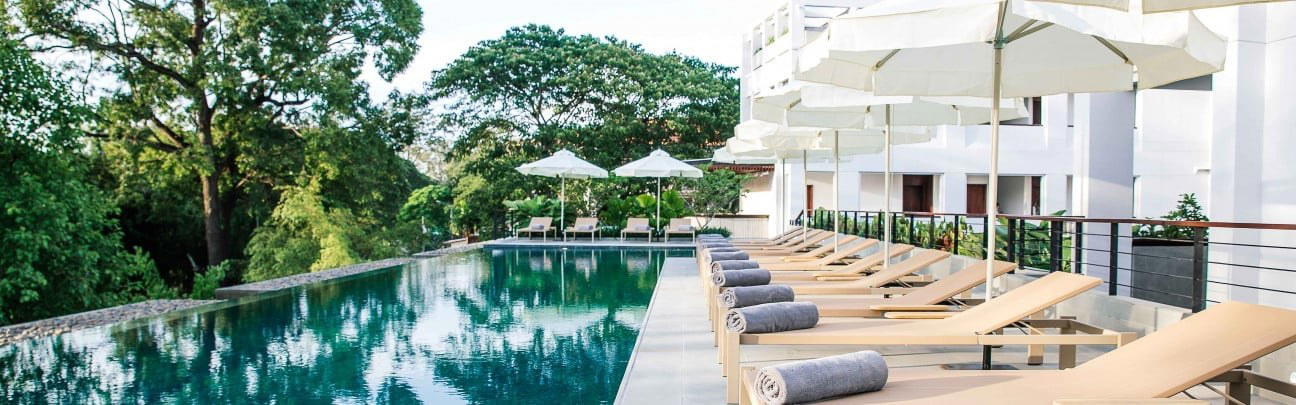
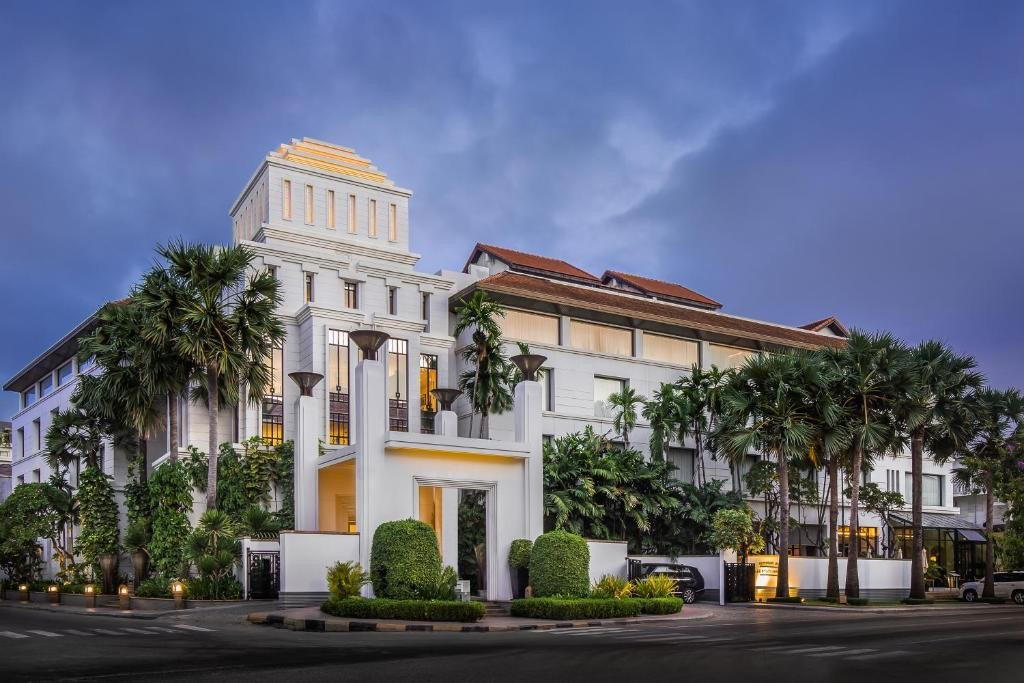
Relaxed, resort-style pool bar atmosphere with tropical greenery, comfortable loungers and soft hotel lighting that feels intimate but social for guests.