Bar Heretic
Bar Heretic enters Brooklyn’s cocktail conversation at a moment when the borough rewards bars with a clear point of view rather than theatrical secrecy. Public venue data is limited, so the useful read is comparative: treat it as a cocktail-led stop to assess against Brooklyn peers for drink technique, room energy, and booking friction before building a night around it.

Pearl is the En Primeur Club membership app, where members save venues, book tables and use the concierge.
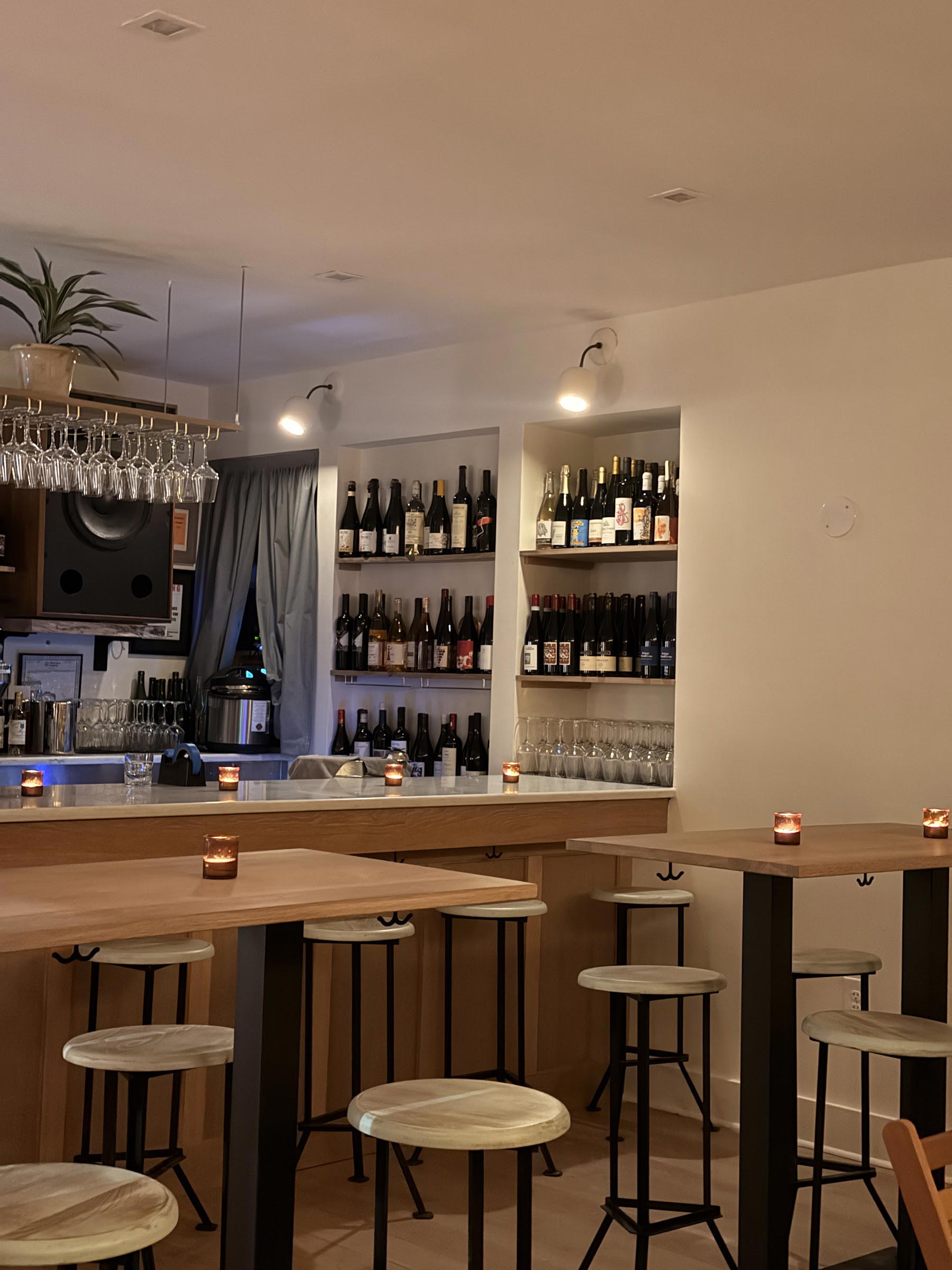
Brooklyn's cocktail rooms now start with mood, not mystery
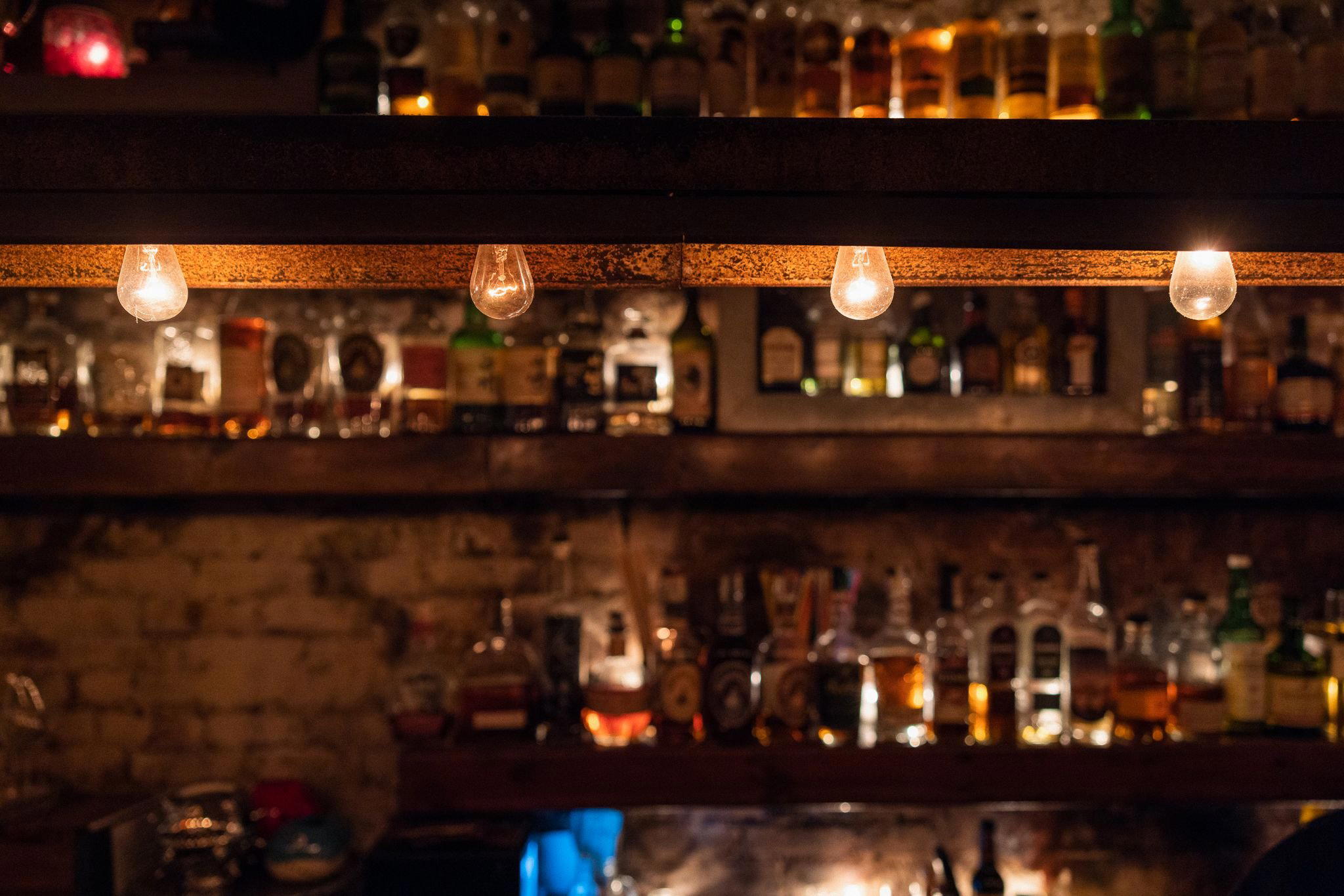
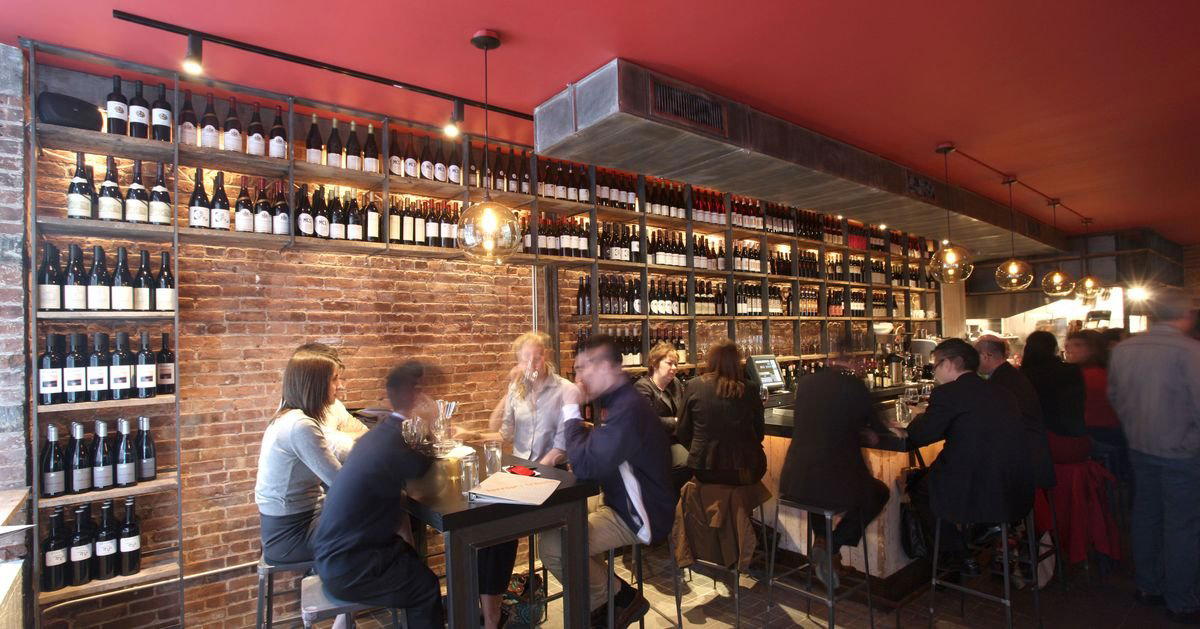
Approaching a serious Brooklyn cocktail bar usually means reading small signals before the first glass appears: the volume at the door, the amount of light coming through the windows, the spacing between tables, the way the bar team moves before service settles into rhythm. Bar Heretic belongs to that Brooklyn conversation, where atmosphere is judged less by spectacle than by whether the room lets the drinks carry the night. In a borough crowded with natural-wine counters, seafood bars, listening rooms, and neighborhood restaurants with serious back bars, a cocktail venue has to define itself through technique and pacing rather than decoration alone.
The stronger Brooklyn drinking rooms have moved away from password-era performance. The current model prizes clarity: a menu that communicates its logic, bartenders who can explain a build without turning the exchange into a lecture, and a room that works for both a first round and a longer session. The absence of published practical data matters. It puts more pressure on the visitor to verify logistics through current channels and judge the bar on arrival by the fundamentals that separate a serious cocktail program from a room that merely serves mixed drinks.
Brooklyn’s bar culture has become especially good at the middle register: not the hotel-lobby martini ceremony of Midtown, not the high-volume club bar, but rooms where a stirred drink, a sour, a highball, and a low-ABV serve can sit on the same list without fighting for attention. That is the useful frame for Bar Heretic. The question is not whether it has a dramatic origin story; the question is whether its drinks reveal a disciplined program, whether the room supports conversation, and whether the service model can keep pace when the bar fills.
The cocktail programme is the evidence
A cocktail-led bar earns attention through structure. The strongest lists are rarely long for the sake of range. They show how the team thinks: spirit-forward drinks for guests who want density, citrus-driven builds for pace, bitter or aperitivo-based serves for appetite, and at least one nonalcoholic or low-proof option that receives the same technical attention as the rest of the menu. That restraint is not a limitation; it is the correct critical posture. A bar with limited public detail has to be read in real time through balance, dilution, glass temperature, garnish discipline, and menu coherence.
Brooklyn gives that evaluation a sharper edge because the borough has a high tolerance for informality and a low tolerance for laziness. A good cocktail bar here can feel relaxed, but the drinks cannot feel accidental. The difference appears in the small mechanics: whether shaken drinks arrive with integrated texture rather than hard citrus edges, whether stirred drinks hold temperature through the first half of the glass, whether a house riff has a reason beyond swapping one branded spirit for another. Those criteria place Bar Heretic inside a wider borough trend, not as a standalone curiosity.
For comparison within the EP Club Brooklyn bar map, Bar Rêve speaks to the borough’s appetite for polished neighborhood drinking, while Bar Susanne (Seafood / Raw bar) shows how seafood, wine, and cocktails can share a single evening format. Echo Lake sits in the same broader field of Brooklyn venues where the drink is only one part of the room’s identity. Those comparisons are useful because they prevent category confusion. A cocktail bar should not be judged like a restaurant, and a restaurant bar should not be graded as though it were built around spirit technique.
What Brooklyn asks of a serious bar
Brooklyn drinking has several overlapping traditions. There is the neighborhood tavern lineage, practical and social, where regularity matters more than novelty. There is the restaurant-adjacent bar, where the first drink is designed to lead into a table. There is the listening-room and low-light model, where sound and seating decide the tempo. Then there is the technical cocktail bar, where menu architecture becomes the main argument. Bar Heretic, based on the assigned cocktail-programme frame and the limited venue data available, should be approached through that last lens first.
Technique alone is not enough in Brooklyn. The borough’s better cocktail rooms tend to understand that guests may arrive from dinner, use the bar as the evening’s main event, or fold it into a loose crawl across neighborhoods. That means the menu needs entry points. A list that only rewards specialist knowledge can feel closed; a list that only repeats safe classics can feel underpowered. The working sweet spot is a program that lets a guest order a familiar structure, then notice the bar’s hand in the details.
This is where the absence of awards data is relevant. That does not make the bar less interesting; it means recognition cannot be used as a trust signal here. The trust signal is contextual instead: Brooklyn itself is a demanding bar market, and venues that earn repeat attention tend to do so because their drinks, staffing, and room management hold together beyond opening curiosity.
How to read the room once inside
Atmosphere in a cocktail bar is not just lighting. It is how the room handles decision-making. If the menu is short, the bartender’s explanation carries weight. If the menu is long, organization matters: spirit base, flavor family, proof level, or style should be easy to understand without a prolonged negotiation. If the room is loud, the drinks need to be legible without a long verbal preface. If the room is quiet, technique becomes more exposed because there is less energy to disguise weak balance.
Brooklyn cocktail bars can shift dramatically between early evening and late night, especially when they operate without dining-room formality. Earlier hours, where available, usually favor clearer conversation and more direct interaction with the bar team. Later hours usually test speed, consistency, and crowd control. Visitors who care about evaluating the cocktail program should favor a time when the bar is not at peak crush, then order across different structures rather than repeating a single spirit category.
A useful first round in any technique-led bar is comparative. One stirred drink and one shaken drink will show temperature, dilution, acidity, and balance more clearly than two variations on the same template. If a house nonalcoholic serve is available, it can reveal whether the program treats zero-proof drinking as a serious part of hospitality or an afterthought.
Planning notes without the guesswork
Brooklyn bars often operate with changing hours, private-event interruptions, and uneven web footprints, so current verification matters more here than it would for a hotel bar with fixed public infrastructure. For a cocktail-focused evening, build in flexibility: keep dinner and second-stop plans close enough that a wait, closure, or full room does not break the night.
Price is also unlisted. In Brooklyn, cocktail pricing varies by neighborhood, format, and ingredient ambition. A bar using clarified juices, house ferments, rare spirits, or labor-heavy prep usually prices differently from a casual highball room, but no such specifics are documented. The fair expectation is to treat it as a premium cocktail stop until current pricing proves otherwise. That helps avoid misreading the bar as a casual drop-in when its format may be more deliberate.
For wider planning, the borough’s drinking and dining map rewards clustering. Our full Brooklyn bars guide is the first reference point for building a night around cocktail rooms rather than treating one venue as the whole plan. Food matters too, because Brooklyn’s better bar evenings often begin or end at a restaurant table; Our full Brooklyn restaurants guide gives that side of the itinerary. Visitors staying in the borough can use Our full Brooklyn hotels guide to understand hotel geography, while Our full Brooklyn experiences guide helps frame the bar as part of a broader cultural night rather than an isolated stop. For readers tracking wine as well as cocktails, Our full Brooklyn wineries guide covers a different but increasingly relevant side of the borough’s drinking culture.
How it compares beyond New York
Brooklyn’s cocktail values are not identical to those in Miami, Seattle, or Albuquerque, and that comparison helps clarify what to look for. Café La Trova in Miami is rooted in a different hospitality grammar, where music, Cuban drink culture, and room performance shape the experience. Viceversa in Miami reflects another side of that city’s bar identity, more polished and metropolitan in its cues. Roquette in Seattle points toward the Pacific Northwest’s affection for ingredient intelligence and quieter technical confidence. Happy Accidents in Albuquerque shows how a city outside the coastal circuit can build a bar reputation through creativity and community gravity.
Those comparisons matter because a Brooklyn bar should not be evaluated on borrowed standards. New York cocktail culture has long been associated with speed, precision, and dense competition, but Brooklyn adds a looser social contract. Rooms can feel less formal while holding high technical expectations. A bar that succeeds here usually understands that informality is not the same as casual execution. The drink can be serious without making the guest feel examined.
Bar Heretic therefore sits in a useful category for EP Club readers: a venue to assess by program intelligence rather than published mythology. The lack of awards, chef data, and signature-drink documentation means the page cannot lean on external trophies or biography. Instead, the editorial test is sharper. Does the bar show a clear cocktail argument? Does the room make that argument comfortable to experience? Does the current menu justify choosing it over another Brooklyn stop on the same night?
Editorial read
The smart way to approach Bar Heretic is as a cocktail-programme check inside Brooklyn’s crowded drinking culture. That makes practical caution part of the recommendation: verify current operating details, arrive with flexible timing, and evaluate the drinks across more than one style.
That approach suits Brooklyn. The borough’s strongest bar nights are rarely built on a single dramatic claim. They come from a sequence of good decisions: a room with the right volume, a bartender who understands the menu, a drink that lands at the intended temperature, and a second round that proves the first was not a fluke. If Bar Heretic is doing that work, it belongs in the conversation. If it is not, Brooklyn has enough alternatives to make comparison immediate.
Comparable Venues Nearby
Comparable venues nearby, for context on price, style, and recognition.
| Venue | Cuisine | Price | Awards | Notes |
|---|---|---|---|---|
| Bar HereticThis venue (the venue you are viewing) | wine_bar | $30–50 | Not listed | Not listed |
| The Double Windsor | beer_bar | $30–50 | Esquire Best Bars in America | Windsor Terrace |
| Bar Susanne | cocktail_bar | $50–100 | Not listed | Jewish Quarter |
| Echo Lake | cocktail_bar | $30–50 | Not listed | Williamsburg |
| Bar Rêve | cocktail_bar | Not listed | Not listed | Carroll Gardens |
Continue exploring
More in Brooklyn
Bars in Brooklyn
All bars in Brooklyn →
Restaurants in Brooklyn
All restaurants in Brooklyn →




Details
- Cozy
- Trendy
- Intimate
- After Work
- Date Night
- Casual Hangout
- Solo
- Group Outing
- Standalone
- Seated Bar
- Lounge Seating
- Conventional Wine
Current opening hours
- Monday
- Closed
- Tuesday
- Closed
- Wednesday
- Closed
- Thursday
- 5–11 PM
- Friday
- 5–11 PM
- Saturday
- 2–11 PM
- Sunday
- 2–10 PM
Hours can change for holidays and private events. Hours as of .
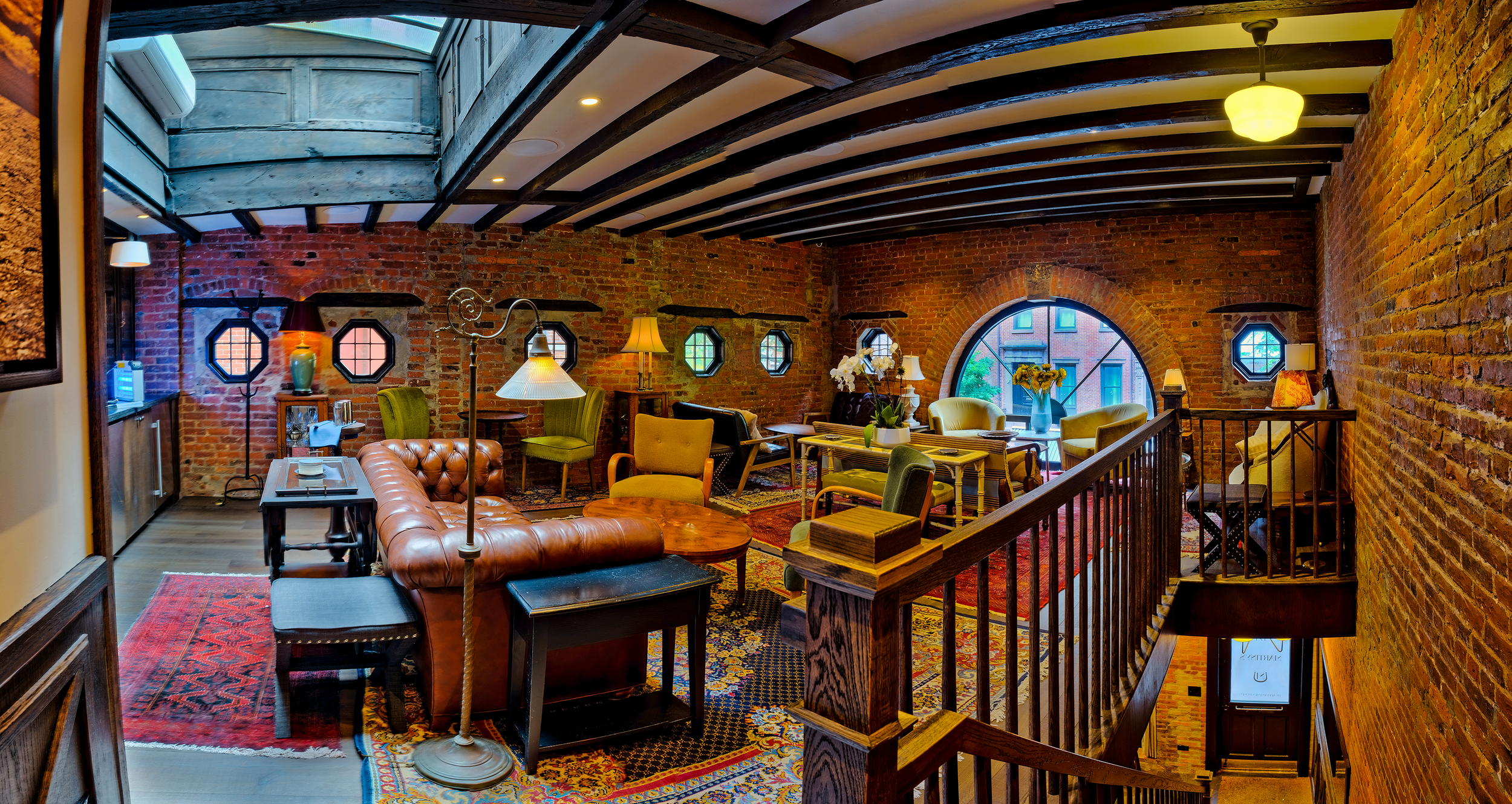
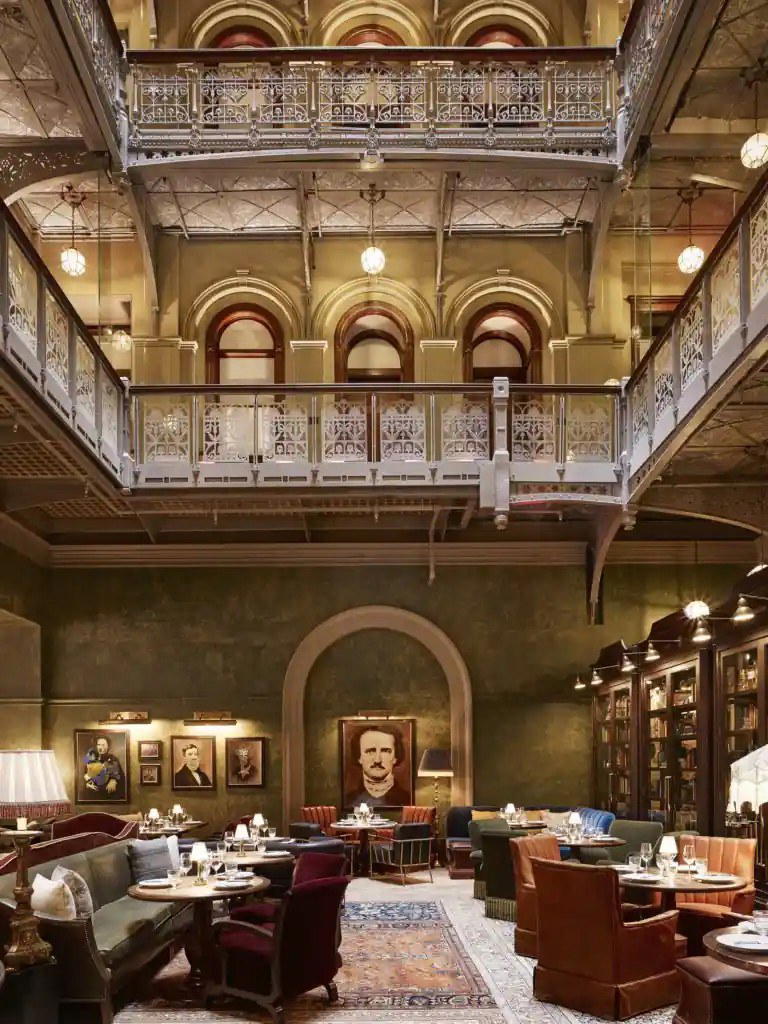
A small, relaxed neighborhood spot that mixes café and wine bar energy, likely with warm, low-key lighting and an intimate atmosphere suited to quiet conversation and literary events.