Bar Chimera
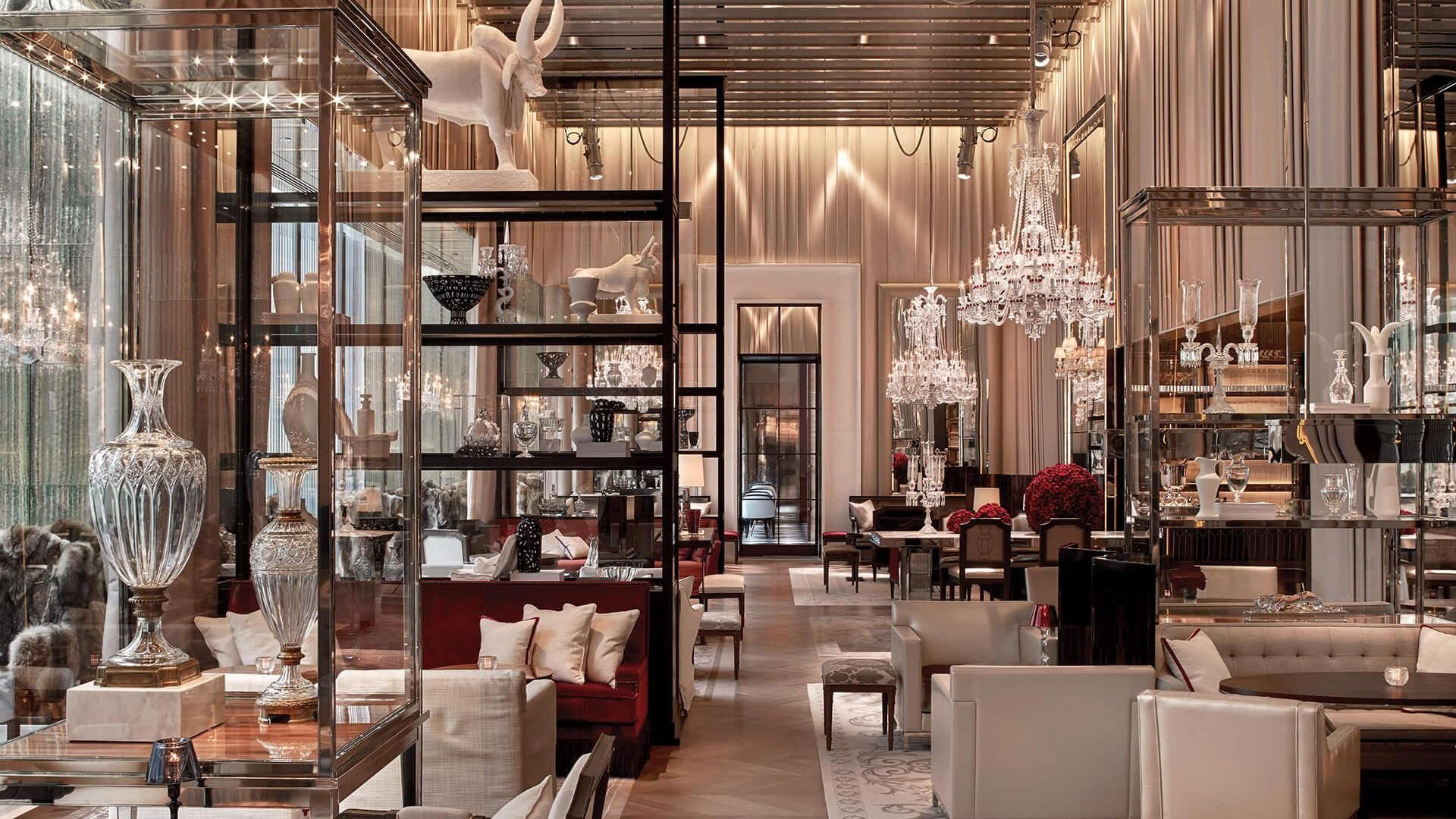
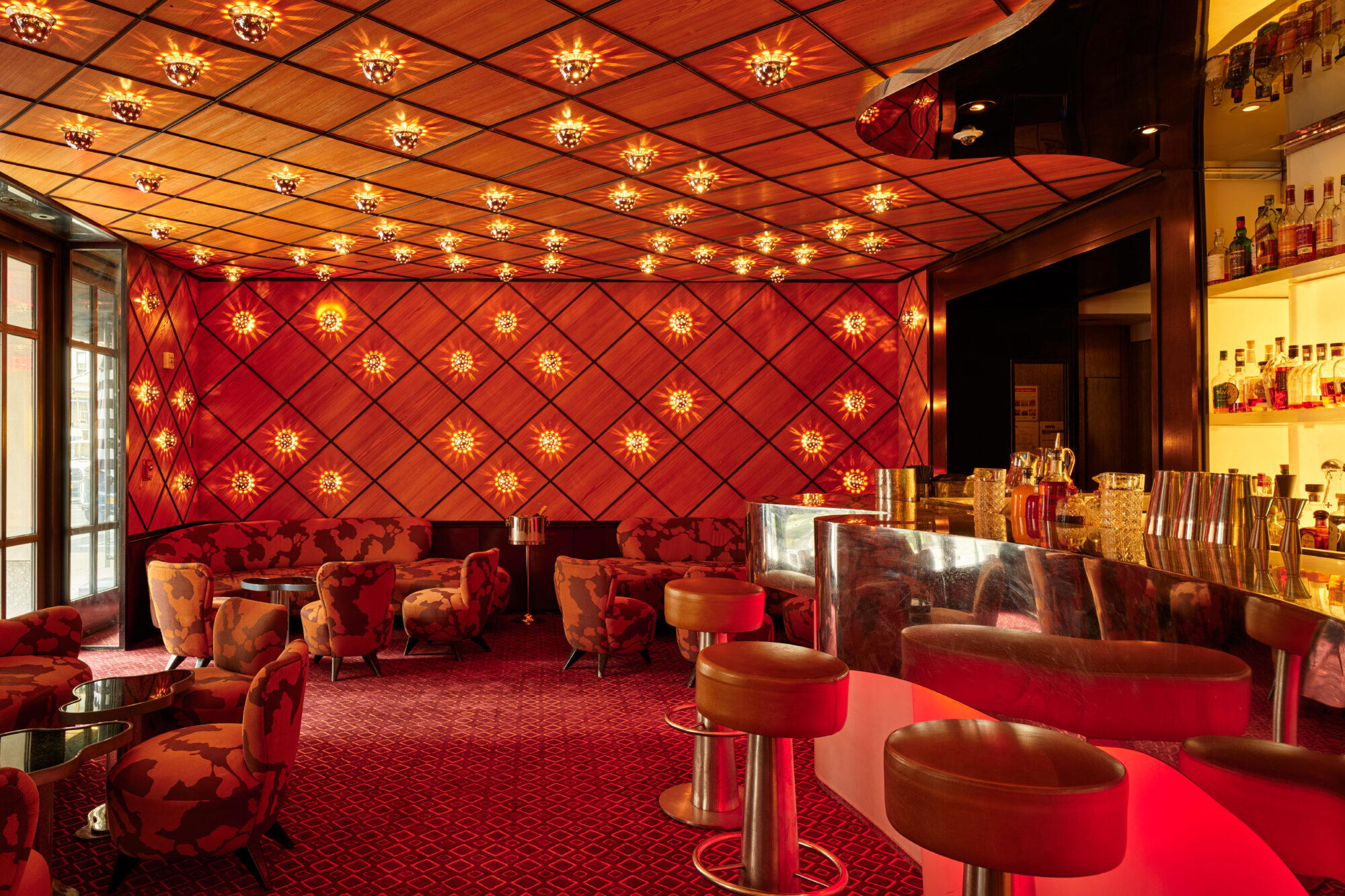
Bar Chimera occupies a particular corner of New York's cocktail scene where design and atmosphere carry as much weight as what's in the glass. The bar draws a crowd that comes for the mood as much as the program, placing it in a city tier where physical environment is a deliberate editorial statement rather than an afterthought. Verify current hours and booking directly before visiting.
 Request Booking on Pearl
Pearl is the En Primeur Club membership app — saves, bookings, and concierge access live there. Same editors, same standards.
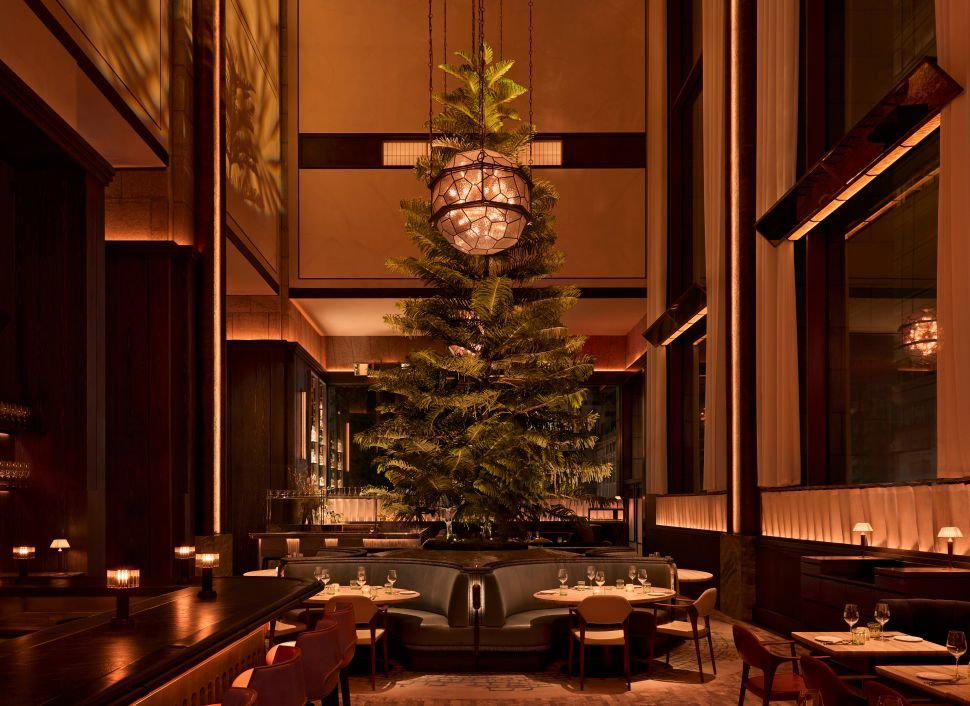
A Room That Does the Work Before the First Round
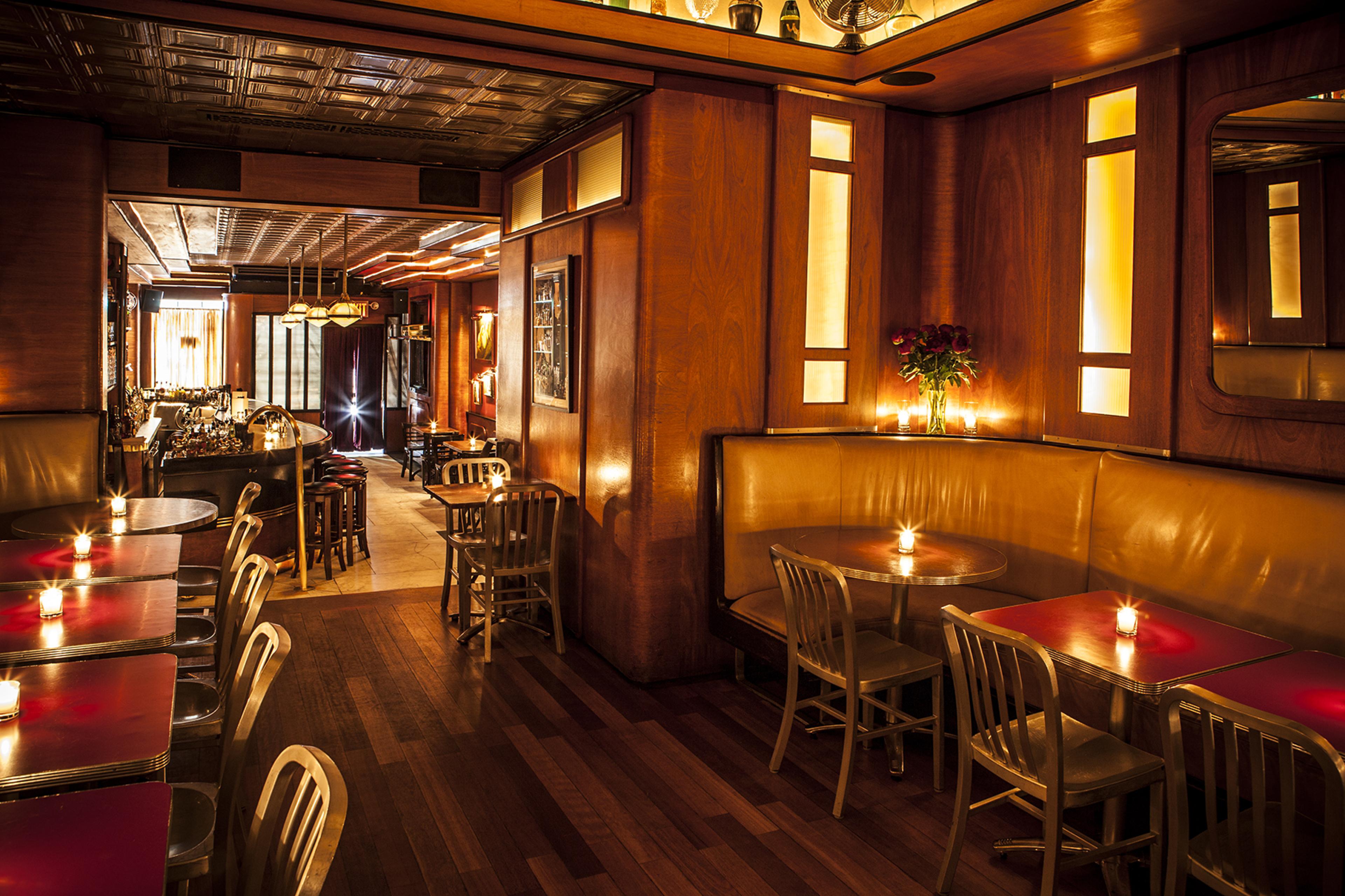
Bar Chimera is a cocktail bar in New York City, priced at about $60 per person. The theatrical speakeasy era — hidden doors, password rituals, dimly lit everything — gave way to a generation of bars where the design vocabulary is more considered: lighting calibrated to conversation rather than drama, seating arranged to encourage lingering, materials chosen to signal permanence rather than novelty. Bar Chimera belongs to this later cohort, a New York cocktail room where the physical environment functions as a frame for the program rather than a distraction from it.
What defines this tier of bar, and what separates it from both the high-volume hotel lobby bar and the stripped-down dive, is a particular compression of ambition. The room is meant to feel finished, not effortful. That distinction matters in New York, where bars frequently oversell their own concept through sheer density of reference. The better rooms trust the materials to communicate and let the drinks carry the rest.
Where Bar Chimera Sits in the New York Cocktail Map
New York's cocktail scene has fragmented into recognizable tiers over the past decade. At one end, the big hotel bars and rooftop venues operate on volume and real estate logic. At the other, a smaller cluster of specialist programs has built reputations on technical precision, ingredient sourcing, and sustained critical attention. Bar Chimera occupies the middle-to-upper register of that specialist tier, drawing comparisons to a cohort that includes Attaboy NYC and Angel's Share, bars where the room's character and the drinks program are understood as a single proposition rather than separate offerings.
In that company, the question is always what the bar is doing that earns its place. Amor y Amargo, for instance, built its identity on a narrow, principled focus on amaro and bitters; Superbueno approached the cocktail bar through the lens of Latin American spirits culture. Bar Chimera's identity is grounded more visibly in atmosphere and design, the way the space feels as a destination rather than a category statement. That is a legitimate competitive position in a city where the experience of being in the room is often the first thing a guest reports back.
Nationally, this approach has peers. Kumiko in Chicago built a program around Japanese aesthetics and craft precision that made the room itself part of the argument. Café La Trova in Miami anchored its identity in a specific cultural atmosphere that the design reinforced at every point. Bar Leather Apron in Honolulu demonstrated that specialist cocktail rooms could carry serious programs outside the usual coastal media centers. What connects these bars is a shared understanding that the room is not set dressing, it is part of the reason the drinks taste the way they do.
The Atmosphere as Argument
In practice, the bars that earn sustained attention in New York's competitive cocktail market are the ones where the design choices read as opinionated rather than merely stylish. Lighting is the most immediate signal: rooms that use warm, low-level light direct conversation inward and give the glass something to catch. Seating configuration determines whether a bar is a place to sit with someone or a place to perform being at the bar. Music, often underestimated, sets the pace of drinking and the tolerance for complexity in the glass.
The current cohort of New York cocktail rooms has largely abandoned the maximalist interiors of the early 2010s in favor of restraint. Fewer props, more considered materials, a legibility to the spatial logic that lets the bar program be the actual subject of the evening. Bar Chimera fits this sensibility, offering a room where the atmosphere is present but not competing with the drinks for attention, a balance that is harder to achieve than it looks and more commercially effective than the alternative.
For reference points beyond New York, Jewel of the South in New Orleans and Parley in Austin have both demonstrated how atmosphere-forward bar design can coexist with technically serious programs. Julep in Houston and META in Louisville add further evidence that the design-led cocktail room is not a New York phenomenon but a national format with consistent operating principles.
EP Club New York City guide provides neighborhood-level detail on where this bar sits relative to the wider offer.
What It’s Closest To
Comparable venues nearby, for context on price, style, and recognition.
| Venue | Cuisine | Price | Awards | Notes |
|---|---|---|---|---|
| Bar ChimeraThis venue — the venue you are viewing | cocktail_bar | $$$ | , | |
| The Residence of Mr. Moto | cocktail_bar | $$$ | , | Williamsburg |
| Sushi by Bou - Flatiron NYC | sake_bar | $$$ | , | Midtown South-Flatiron-Union Square |
| Temperance | wine_bar | $$$ | , | West Village |
| Taikun Sushi | sake_bar | $$$ | , | Lower East Side |
| miss KOREA BBQ | lounge | $$$ | , | Midtown South-Flatiron-Union Square |
Continue exploring
More in New York City
Bars in New York City
Browse all →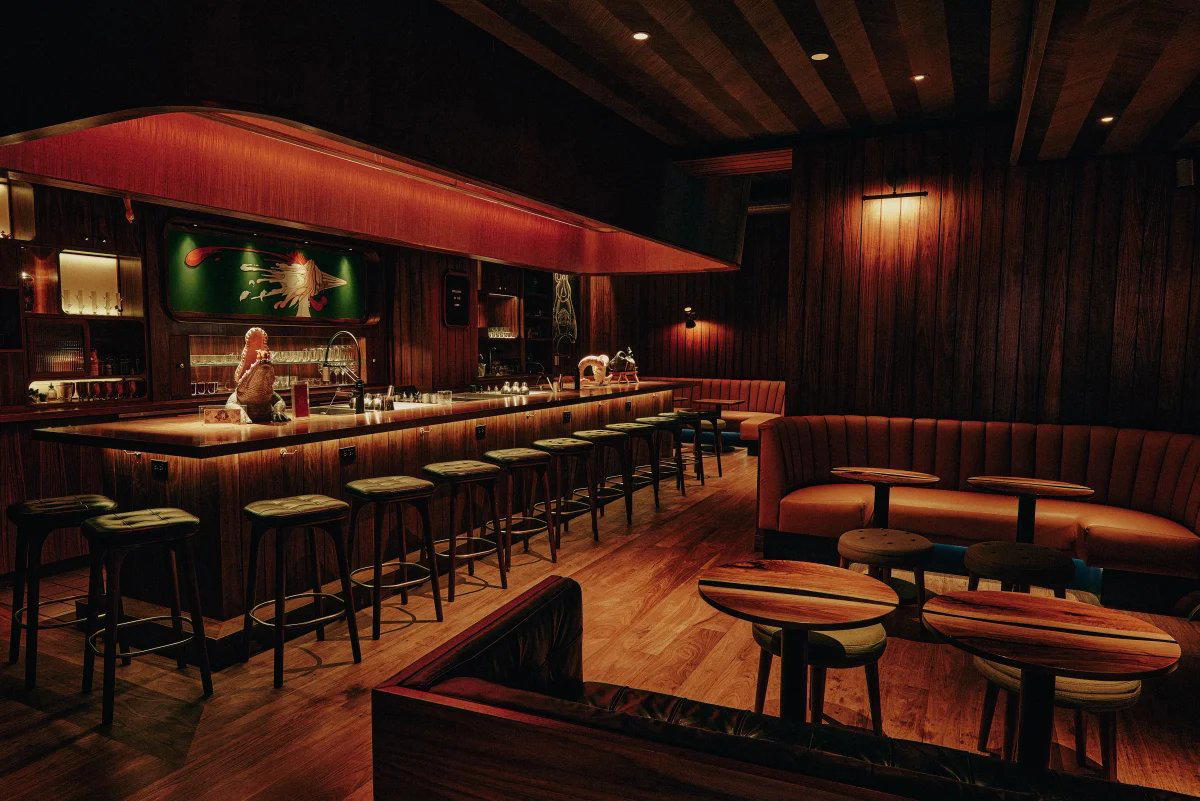
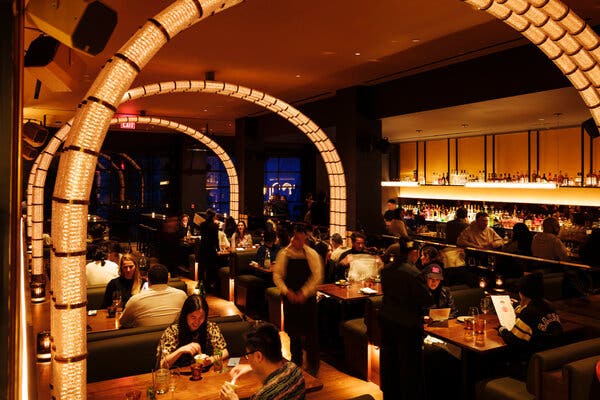
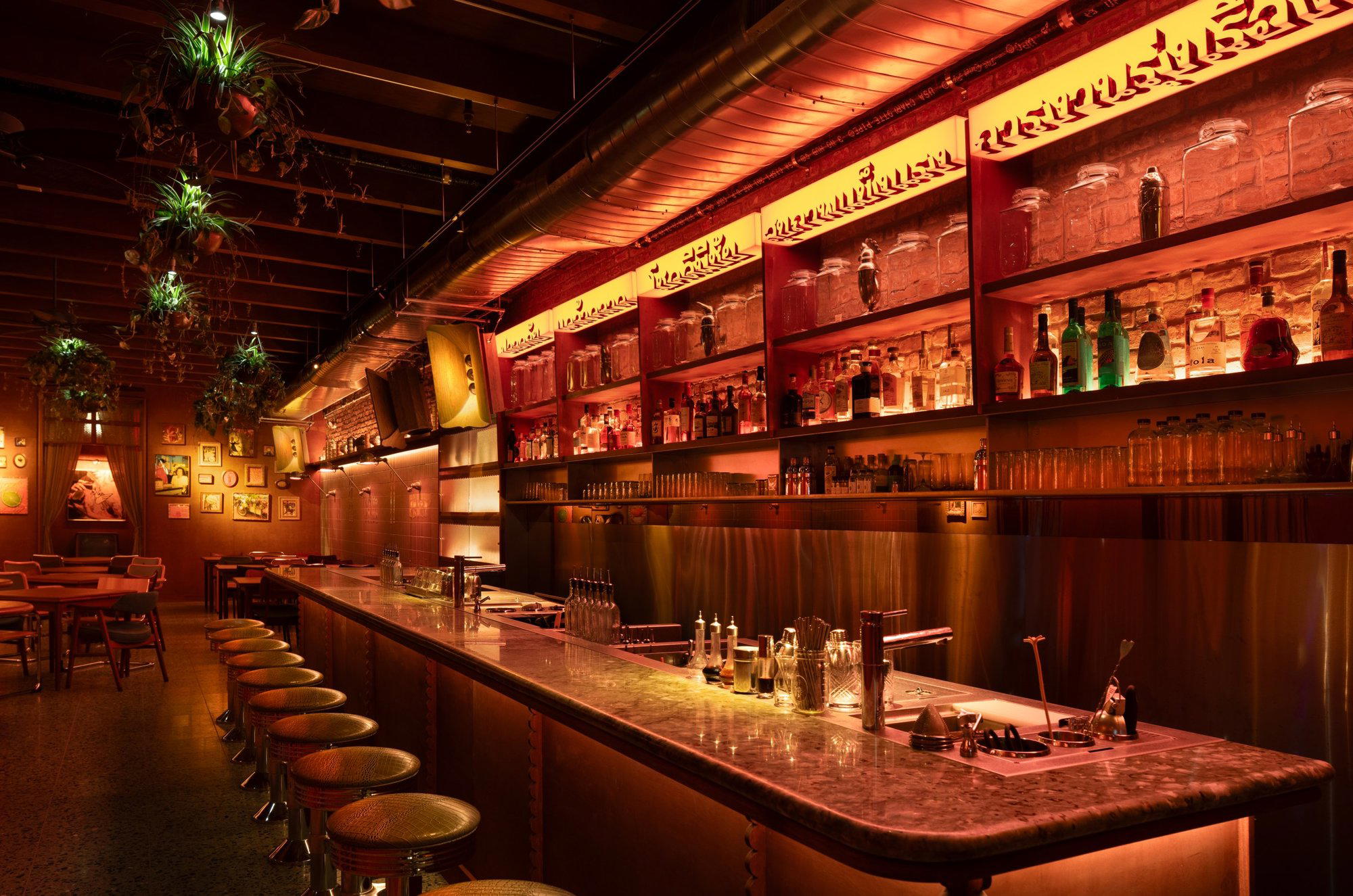
Restaurants in New York City
Browse all →
Hotels in New York City
Browse all →
Wineries in New York City
Browse all →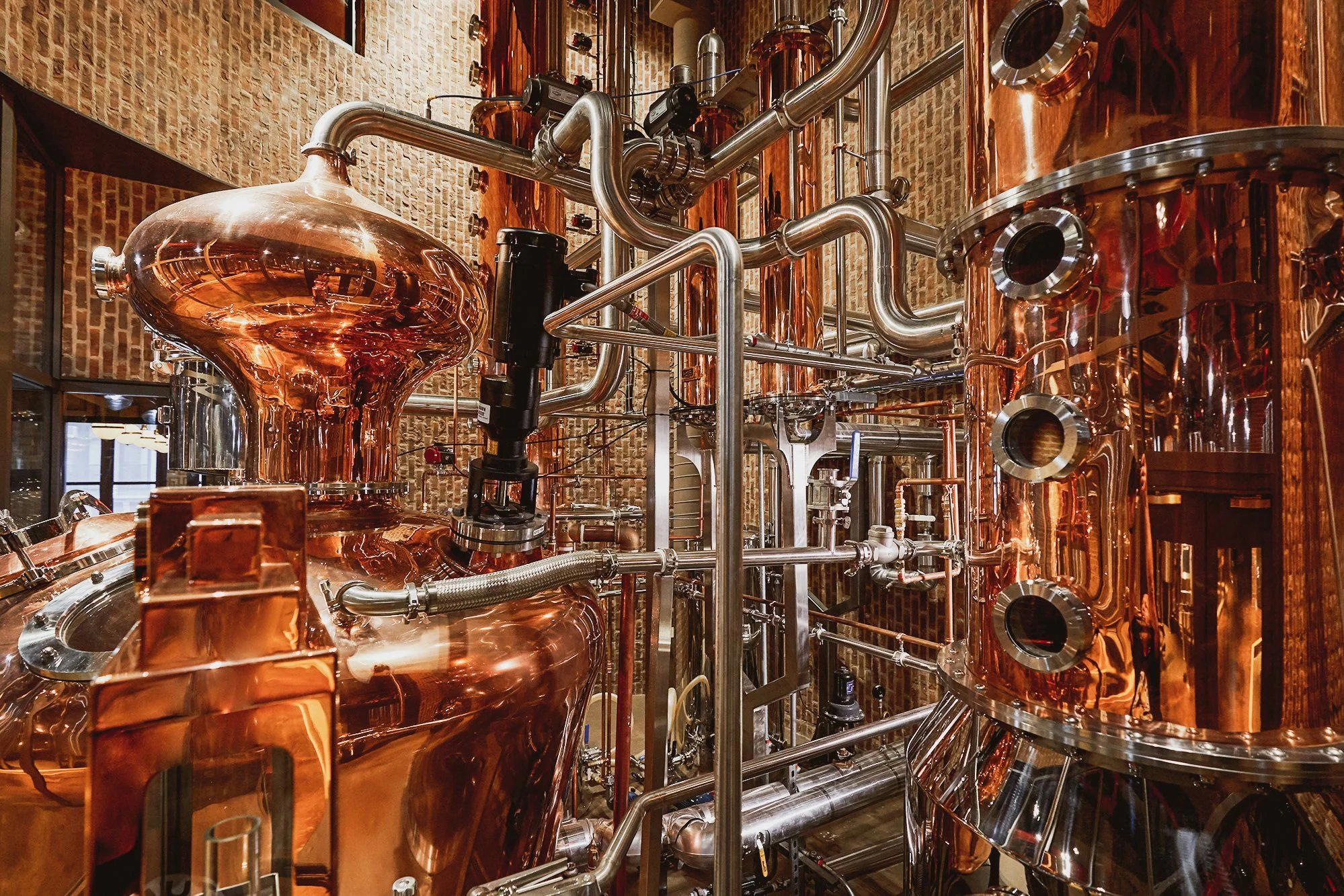
At a Glance
- Sophisticated
- Elegant
- Modern
- Classic
- Date Night
- After Work
- Special Occasion
- Design Destination
- Standalone
- Historic Building
- Seated Bar
- Lounge Seating
- Classic Cocktails
- Whiskey
- Conventional Wine
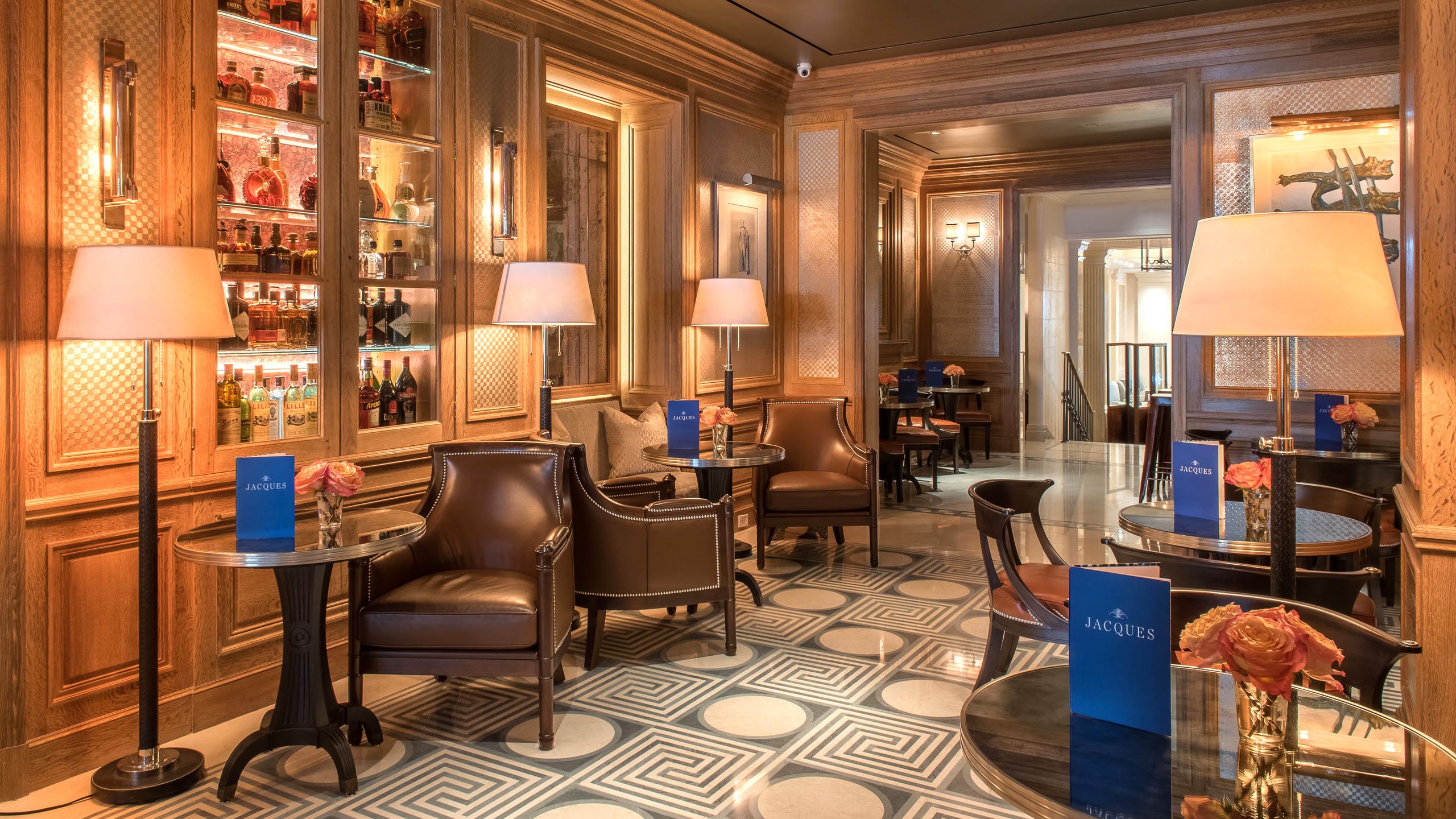
Buttoned-up and elegant with towering ceilings, precision in drink service, and a brasserie atmosphere celebrating both drinking and dining.