Bar Canopy sits inside Adelaide’s small-bar conversation rather than the city’s restaurant-led wine culture. With no public-facing database details on awards, pricing, booking method, address, chef, or signature drinks, it is best approached as a research-led stop: compare it with Adelaide peers, confirm current details directly, and treat the cocktail programme as the central reason to investigate.

Pearl is the En Primeur Club membership app, where members save venues, book tables and use the concierge.
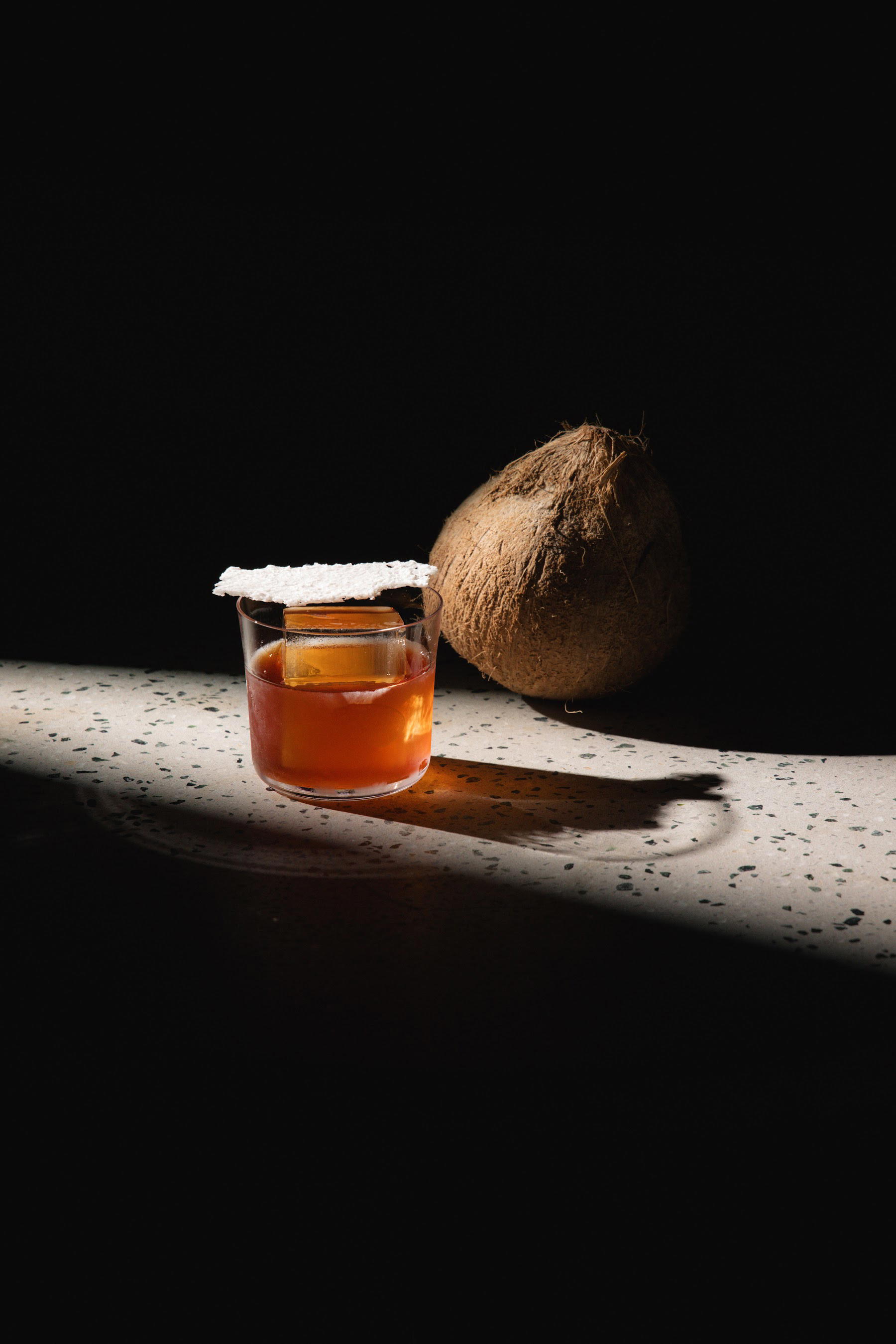
Under the Canopy of Adelaide’s Small-Bar Culture
Adelaide’s bar scene rewards close attention. The city does not operate like Sydney, where grand whisky rooms and late-night basements dominate the national imagination, or Melbourne, where cocktail culture often announces itself through laneway theatre and long-running institutions. Adelaide’s stronger pattern is smaller, more precise, and often tied to streets where wine bars, aperitivo rooms, and cocktail-led venues sit within walking distance of dining rooms. That absence matters. It changes how a serious traveller should read the venue: not as a fully documented destination with fixed claims attached, but as a bar to assess through the broader Adelaide frame and to verify before making plans.
The safer reading is contextual. Adelaide’s city bars tend to work in a register between wine-led hospitality and cocktail technique, with lower tolerance for empty theatrics than larger nightlife markets. A venue such as Bar Canopy should therefore be judged by the discipline of its drinks list, the clarity of its service model, and how it fits alongside peers that already shape local expectations. For travellers building a night around drinks rather than dinner, that comparison is more useful than unsupported claims about mood, décor, or a house serve.
The Cocktail Programme Is the Right Lens
Neither is confirmed here. The better question is how Adelaide cocktail venues position themselves in a city better known internationally for wine regions on its doorstep. South Australia’s wine identity gives Adelaide bars a natural pull toward aperitif drinking, fortifieds, local producers, and bottle-led hospitality. Cocktail-led rooms have to earn attention by doing something beyond offering a list of classics. Technique, dilution, glassware, staff confidence, and the ability to steer a guest without turning the exchange into performance become the real measures.
That is where Bar Canopy’s lack of listed awards or drink data creates a useful caution. No specific drink should be named as famous without a verified source, and no claim should be made about house ferments, clarifications, infusions, or seasonal garnishes unless the venue has supplied that detail. In practical editorial terms, the cocktail programme should be approached as an open question. Ask what the bar is pouring now, how often the list changes, and whether the strongest ordering route is house drinks, classics, wine, or something spirit-led. Those answers will reveal more than a static label ever could.
Adelaide has several nearby points of comparison for that judgement. Bar Torino reflects the city’s appetite for European-leaning drinking formats, while Apoteca places wine and cellar culture closer to the centre of the experience. Bar Lune sits in the same Adelaide small-bar field, giving travellers a useful peer reference when deciding whether the night should lean cocktail, wine, or aperitivo. Bar 1854 adds another local comparison point for readers mapping the city through drink rather than by neighbourhood alone.
What the Missing Details Tell You
In premium travel writing, absence is not a defect to hide. It is information. The responsible move is to treat Bar Canopy as a candidate for a flexible evening rather than the single fixed anchor of a night. That does not diminish the venue; it simply places the burden of confirmation on the guest before travel time is committed.
This is especially relevant in Adelaide, where a strong night out often depends on sequencing. A guest might start with wine before dinner, move to cocktails after, or choose one bar as the whole evening’s focus. Without confirmed hours or booking policy, Bar Canopy should be planned with a backup nearby. The city’s scale helps: Adelaide’s central drinking routes are generally easier to stitch together than those in larger Australian capitals, though exact distances cannot be stated from the supplied data because latitude, longitude, and address are unavailable.
The absence of awards also needs careful interpretation. That means the trust signal here is contextual rather than trophy-based: Adelaide’s established reputation as a compact drinking city with serious wine culture, and Bar Canopy’s inclusion in the EP Club venue set for the bars category. For readers used to award-led decisions, this is a place to judge by category fit, not by medal count.
Adelaide Context: Wine City, Cocktail Expectations
Adelaide’s drinking identity is shaped by proximity to major South Australian wine regions, but that does not make the city a one-note wine town. The more interesting shift is the overlap between restaurant wine service, aperitivo culture, and cocktail rooms that borrow from both. A guest may encounter lists that treat vermouth, amaro, fortified wine, and local bottles as seriously as stirred and shaken drinks. This creates a different bar grammar from cities where cocktail prestige is built around hidden entrances or elaborate menus.
Without evidence, it should not be framed as a dining bar, supper bar, or restaurant hybrid. Instead, it belongs in the broader question of how Adelaide drinkers choose between a wine room, a cocktail bar, and a European-style snack-and-drink format.
Australian comparison helps clarify the point. The Baxter Inn in Sydney represents a whisky-heavy, subterranean model with national recognition among drinkers. Black Pearl in Melbourne belongs to a mature cocktail culture with deep bartender pedigree and long memory. Bowery Bar in Brisbane offers another city’s reading of serious small-bar drinking. Adelaide’s version is typically more compact and wine-adjacent, which means Bar Canopy should be judged less by volume or spectacle and more by how confidently it defines its lane.
How to Plan a Visit
Planning for Bar Canopy should begin with verification. With no price range supplied, assume nothing about spend. Adelaide can accommodate both casual drinks and higher-cost cocktail sessions, and the difference usually depends on format, spirits used, and whether food is part of the evening.
A sensible approach is to keep the first visit flexible. Build the night around a nearby dinner or a second bar, then let Bar Canopy take the lead if the drinks list and room rhythm justify staying. If the aim is a cocktail-focused evening, ask directly which drinks define the current list rather than searching for a permanent house signature. If the venue is operating without an obvious online footprint, that question becomes part of the assessment: strong bars should be able to explain their programme clearly at the table or counter.
For travellers expanding the itinerary beyond Adelaide, the national bar map gives useful contrast. Coastal Western Australia offers a different drinking context at 10 Oceanside Promenade in Mullaloo, while suburban Melbourne reads differently through The Angel of Malvern in Malvern. Brisbane’s wine-cellar mode is clearer at La Cache à Vín in Spring Hill. For an international counterpoint, Café La Trova in Miami shows how a bar can be anchored by a documented cultural format.
Side-by-Side Snapshot
| Venue | Price | Awards |
|---|---|---|
| Bar CanopyThis venue (the venue you are viewing) | $30–50 | Not listed |
| Nearly a bar | Not listed | Star Wine List |
| Leigh Street Wine Room | $50–100 | Star Wine List |
| East End Cellars | $30–50 | Star Wine List |
| Bar Lune | Not listed | Star Wine List |
| Apoteca | Not listed | Star Wine List |
Continue exploring
More in Adelaide
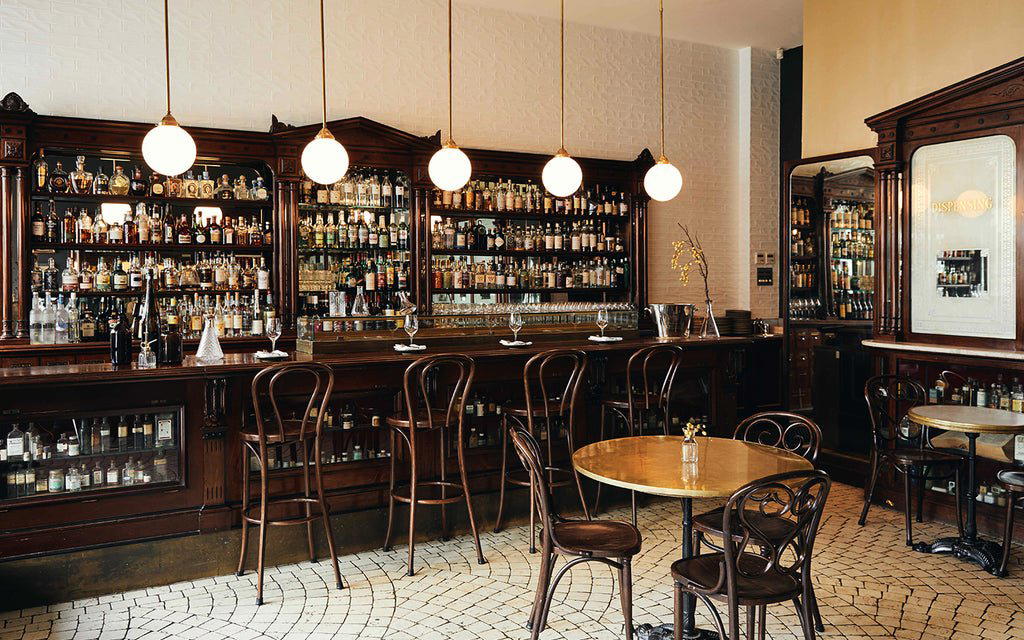
Bars in Adelaide
All bars in Adelaide →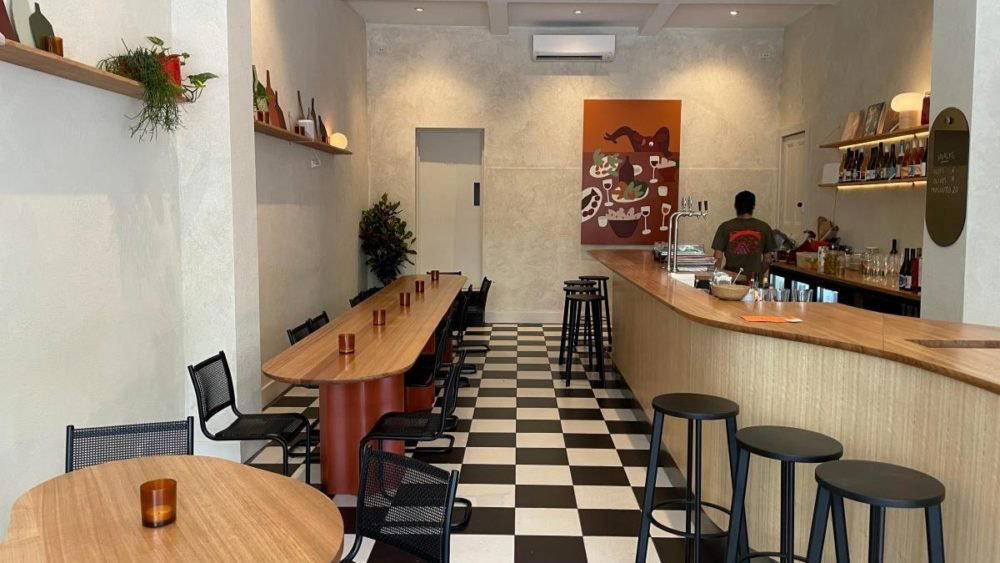
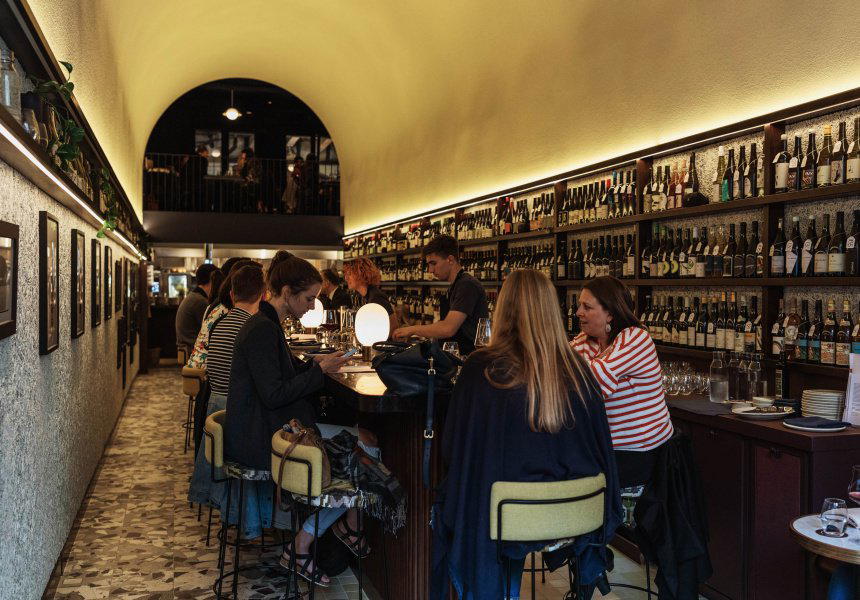
Restaurants in Adelaide
All restaurants in Adelaide →
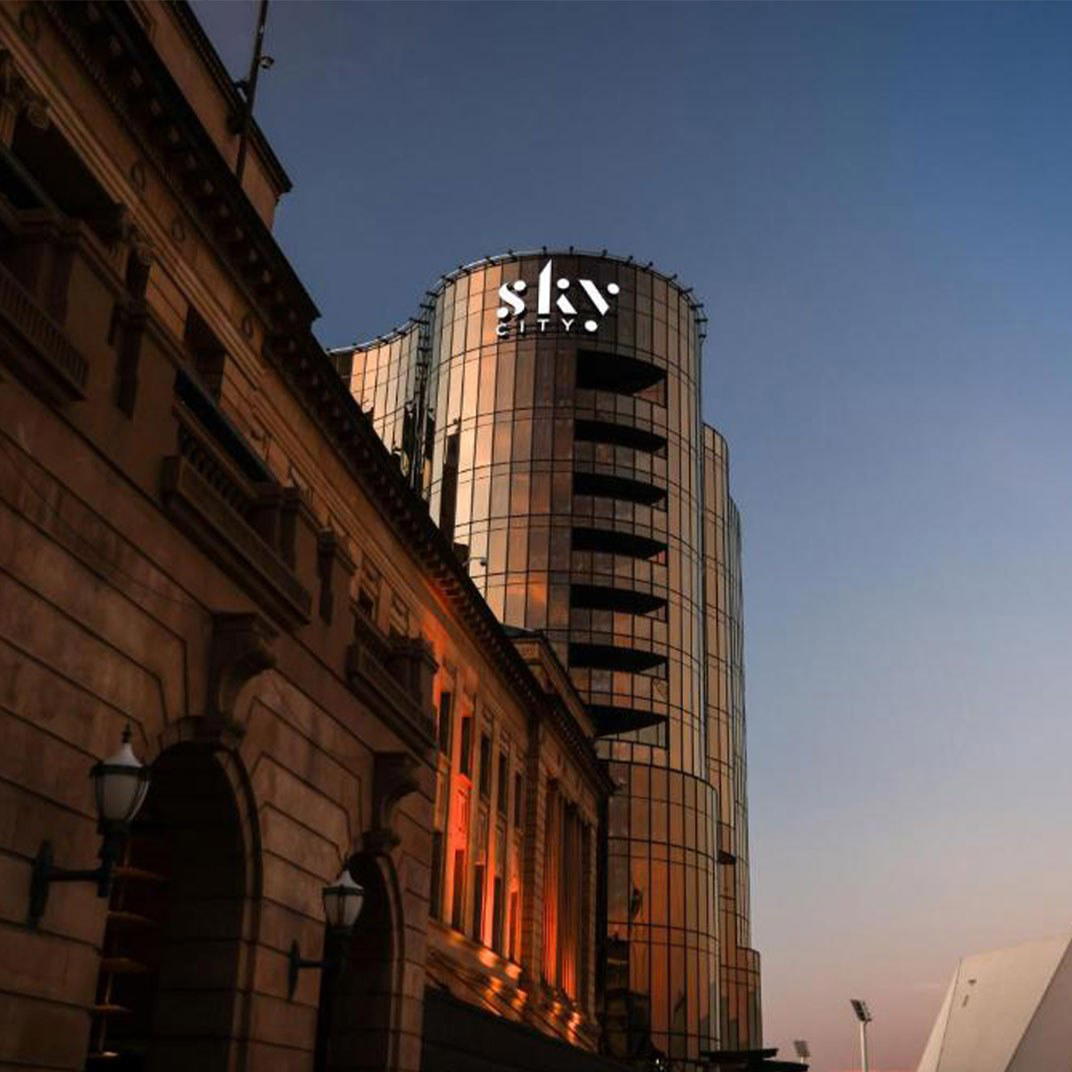
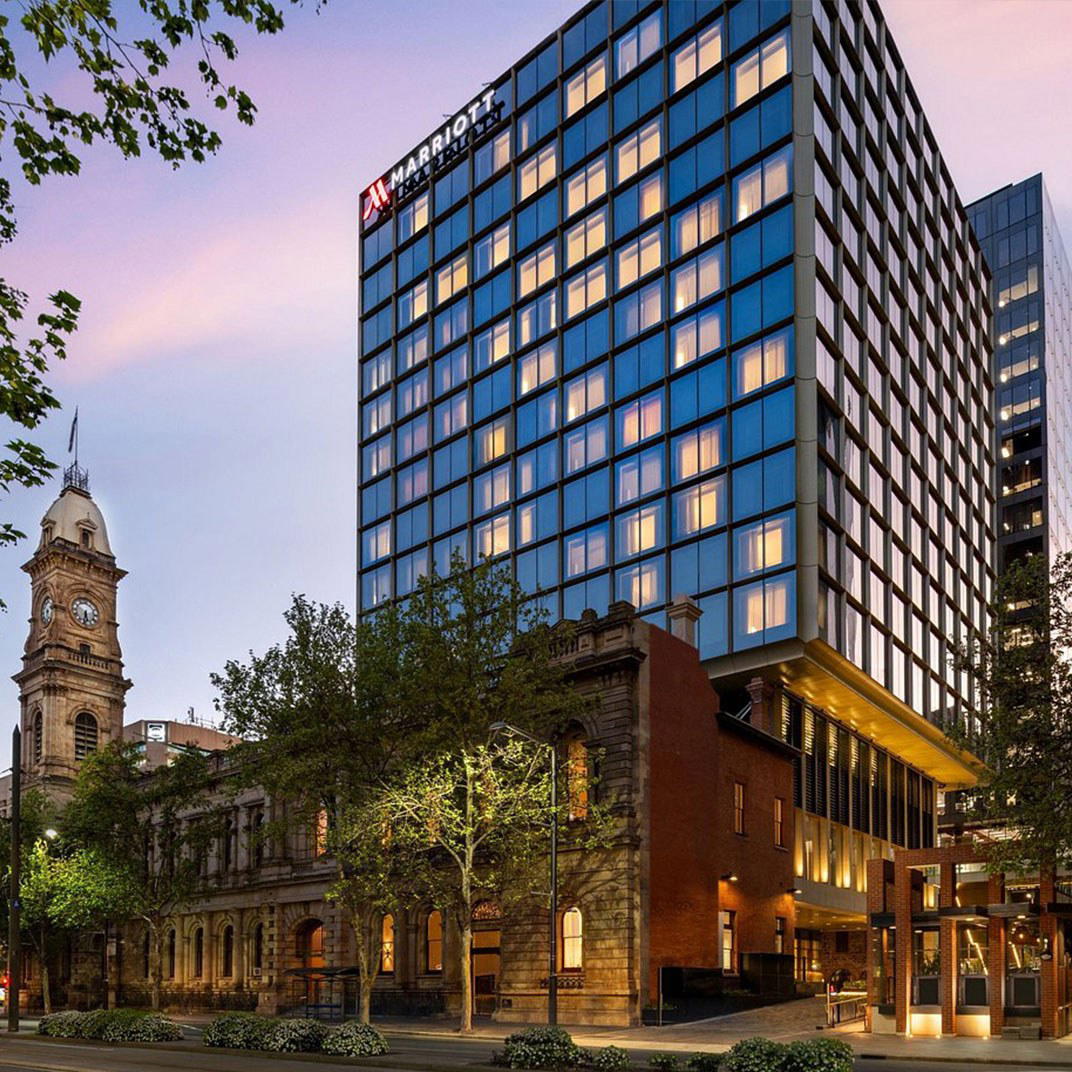
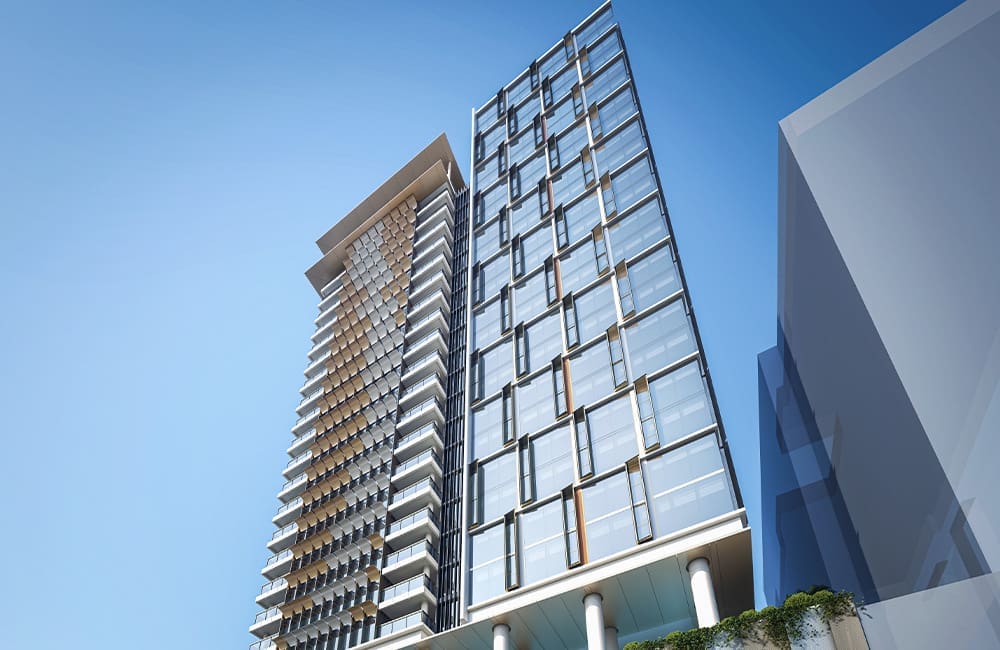
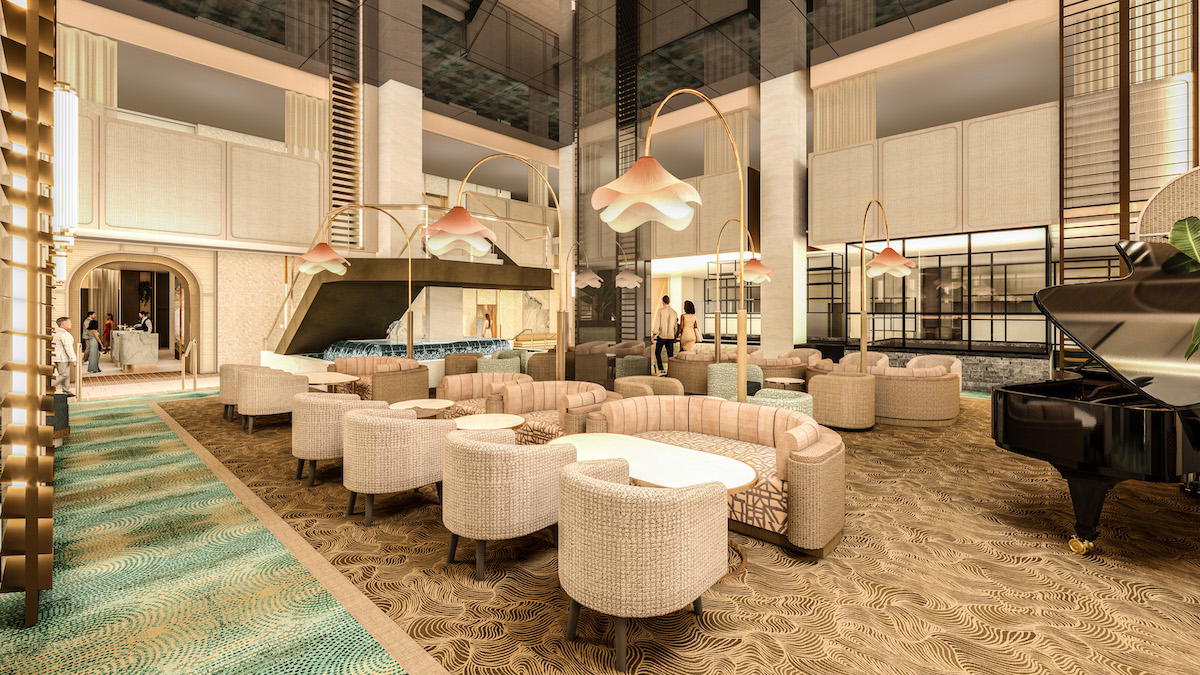
Canopy
The wine
- Wine program
- Deep wine list
- Craft cocktails
- Classic cocktails
Signature drinks: Tea on the Beach, Coco Negroni, Doppio Rosso.
Details
- Sophisticated
- Modern
- Intimate
- Trendy
- Industrial
- Cozy
- Date Night
- After Work
- Late Night
- Casual Hangout
- Group Outing
- Special Occasion
- Standalone
- Design Destination
- Seated Bar
- Lounge Seating
- Conventional Wine
- Classic Cocktails
- Craft Cocktails
Current opening hours
- Monday
- Closed
- Tuesday
- Closed
- Wednesday
- Closed
- Thursday
- 4 PM–12 AM
- Friday
- 4 PM–2 AM
- Saturday
- 4 PM–2 AM
- Sunday
- 2–7 PM
Hours can change for holidays and private events. Hours as of .
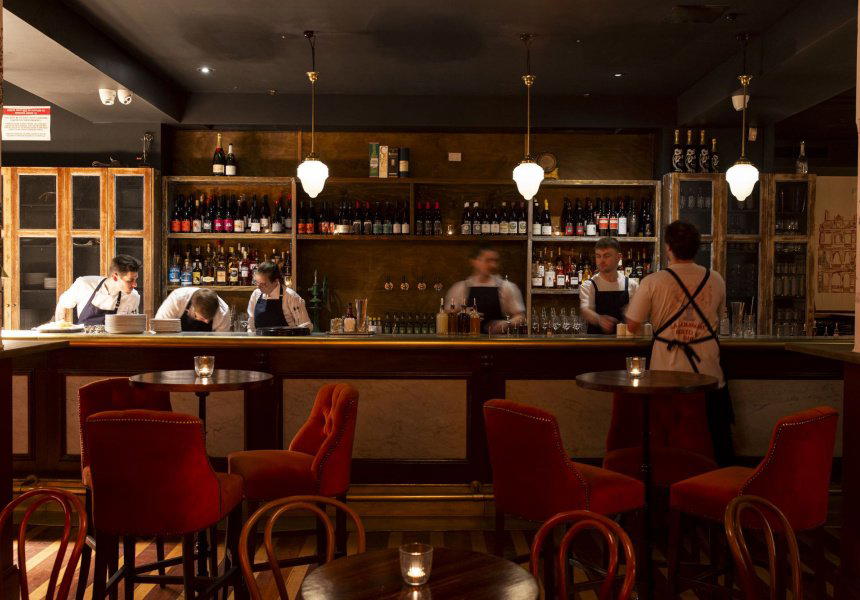
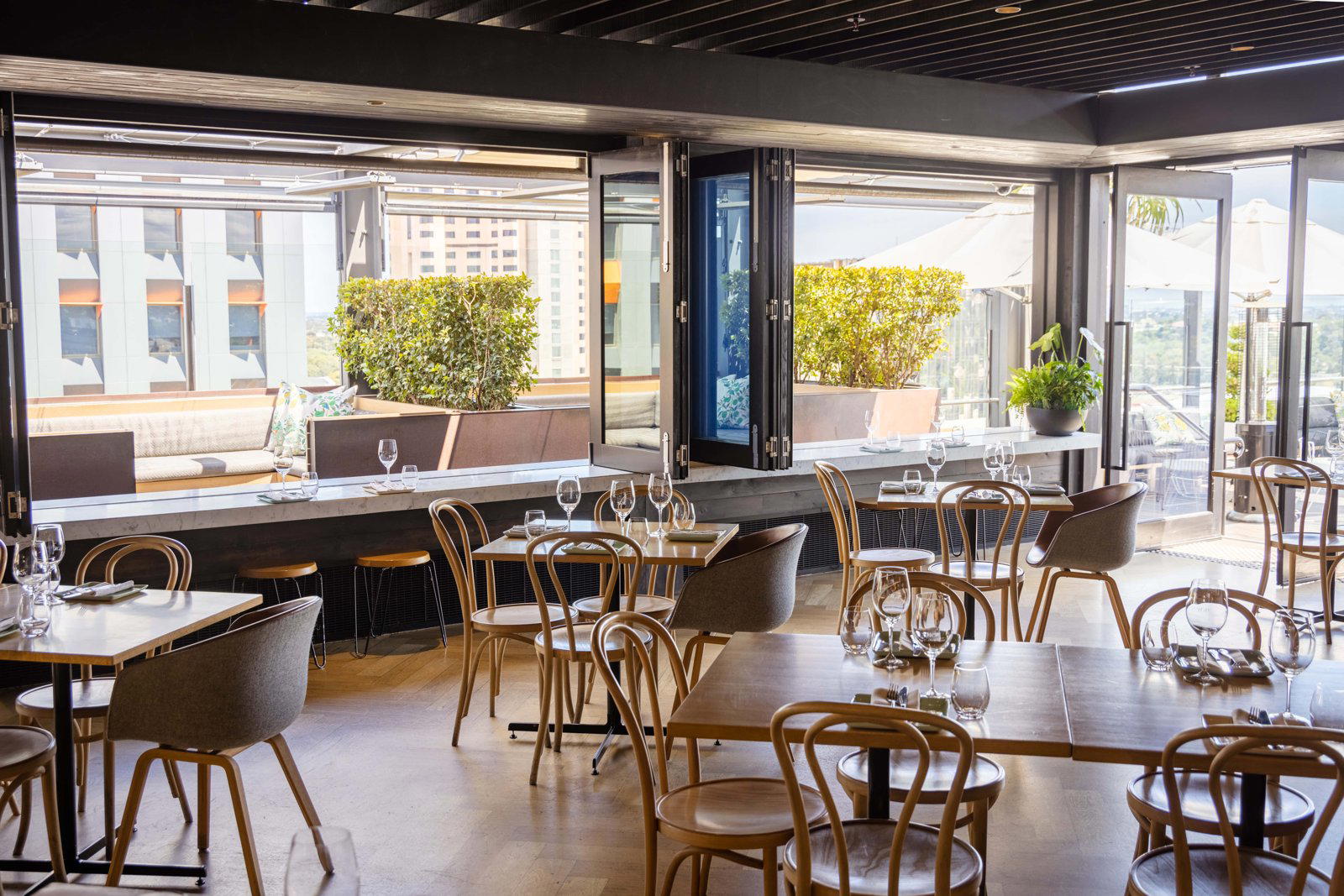
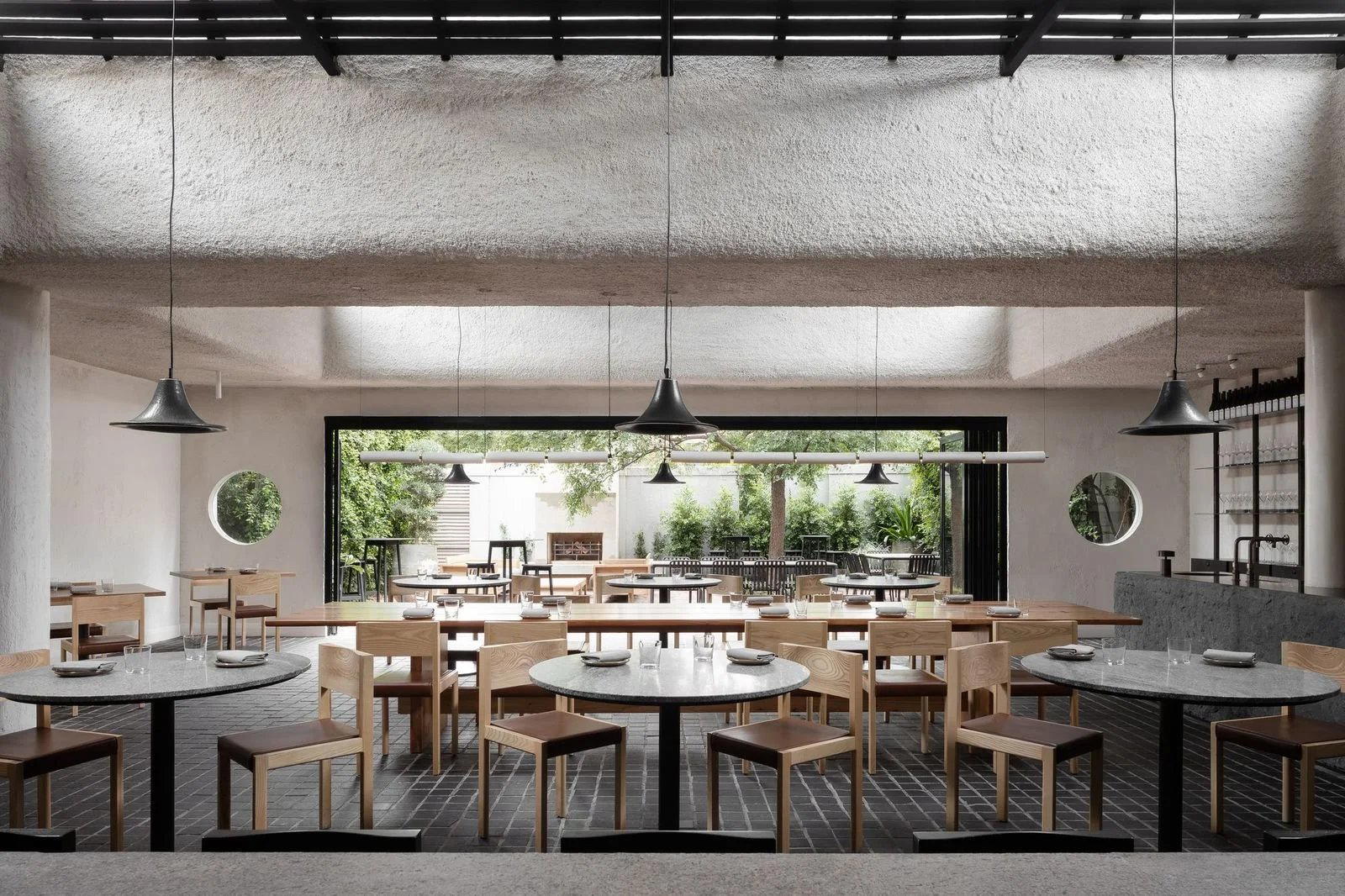
Relaxed but refined, with polished concrete, exposed brick and abundant greenery creating a serene, urban retreat where low-key lighting and thoughtful design keep the focus on drinks and conversation.