Bar Amasa
Bar Amasa brings the energy of a Mexico City cantina to New York, pairing Latin cocktails with Mexican street tacos in a format built for lingering. The back bar leans into agave spirits and Latin American bottles, placing it in a distinct tier from the city's conventional cocktail bars. For travelers tracking the shift toward regional spirits programs, it sits at an interesting convergence point.

Pearl is the En Primeur Club membership app — saves, bookings, and concierge access live there. Same editors, same standards.
- Address
- New York City, United States
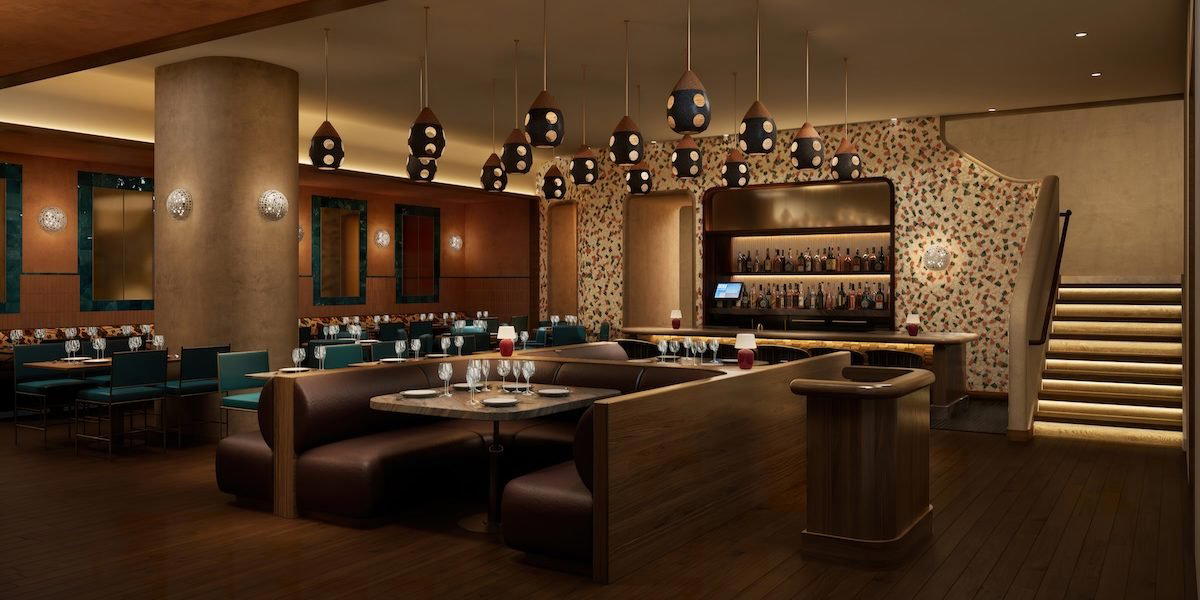
New York's bar scene has spent the better part of a decade sorting itself into recognizable camps: the technique-forward temple bars obsessed with clarification and dilution control, the neighborhood anchors built on well-made classics, and a smaller, less-mapped category that organizes itself around a regional spirits identity rather than a cocktail format. Bar Amasa is a bar in New York City with a casual dress code and a walk-in-friendly policy.
The Room and What It Signals
A cantina format, when executed with discipline, communicates a specific set of priorities from the moment you walk in. The emphasis falls on the bar itself, not on ambient theatre. The back bar at a well-run cantina is a working library, not decoration, and the bottles present there tell you what the program cares about. At Bar Amasa, the cantina designation connects to a lineage of Latin American drinking culture where mezcal and tequila sit alongside other regional spirits rather than being treated as curiosities or upsell items. The room is built around that logic.
The Spirits Program: Depth Over Width
Many bars added a mezcal section to a menu that was otherwise unchanged and called it a program. The more serious operators went further, building relationships with small producers, stocking expressions that don't appear on standard distributor lists, and training their staff to talk about production methods, agave species, and terroir with the same fluency that a sommelier would bring to Burgundy. Bar Amasa's cantina identity positions it in this more demanding camp.
In New York, a useful point of comparison is Amor y Amargo. That kind of programmatic commitment, where the back bar is a collection rather than a selection, is what separates a concept bar from a general cocktail bar.
Latin cocktail programs, at their most considered, also have to move through the tension between accessibility and depth. A mezcal negroni or a tequila-based sour is an entry point; a cocktail built around a single-village mezcal or a low-production sotol requires a different kind of guest engagement. The leading rooms manage both without condescension, letting the menu work as a tier system that rewards curiosity without punishing the guest who simply wants a well-made drink.
Street Food and the Cantina Contract
The Mexican taco format alongside a serious cocktail program is not an afterthought in the cantina tradition; it is structural. The cantina as a form has always been as much about the rhythm of eating and drinking together as about either element in isolation. Tacos at this level are not bar snacks in the conventional sense. They carry the same expectations of sourcing and execution that the cocktail program does. The street-level approach, when taken seriously, means respecting the precision of masa, the sourcing of proteins, and the balance of heat and acid that makes the format work as a foil to spirit-forward drinks.
In New York's competitive bar-dining overlap, this positions Bar Amasa in interesting company. Venues like Attaboy NYC have demonstrated that a bar can carry serious editorial weight without a food program; Bar Amasa is making a different argument, that the food and the drink are inseparable, which is a more demanding position to sustain but a more coherent one when it works.
Where Bar Amasa Sits in the New York Drinking Map
New York's cocktail bars have, by and large, oriented themselves around one of several gravitational pulls: the Prohibition-era nostalgia that produced Angel's Share and its East Village peers, the technique-forward transparency that defines much of the current critical conversation, and the neighborhood bar that competes on hospitality and consistency rather than concept. The Latin cantina format occupies a distinct position from all three. It draws on a cultural tradition that predates the American cocktail revival, operates with its own set of aesthetics and service rhythms, and addresses a gap in the New York market that has been slower to fill than might be expected given the city's demographics.
For context on how regional spirits programs are being approached in other American cities, it is worth tracking what ABV in San Francisco, Kumiko in Chicago, and Jewel of the South in New Orleans are doing with their respective spirits identities. Each city's serious bar tier has developed a different relationship with regional heritage, and New York's Latin-focused rooms are arriving at a moment when that conversation has genuine critical momentum. Internationally, the commitment to back-bar curation as a primary identity can be seen in venues like The Parlour in Frankfurt on the Main and Bar Leather Apron in Honolulu, where spirits collections function as the editorial core of the room.
Within New York's Latin bar tier specifically, Bar Amasa occupies a street-level, accessible register that complements rather than competes with the more formal rooms. See our full New York City restaurants guide for a broader view of how the city's drinking and dining categories are currently organized. For program-led bars in other American cities, Julep in Houston and Allegory in Washington, D.C. offer useful reference points for what a concept-led bar looks like when the idea is executed with rigor.
Know Before You Go
- Format: Street-level cantina; Latin cocktails and Mexican tacos
- Spirits Focus: Agave-forward back bar with Latin American spirits
- Food: Mexican street tacos alongside the cocktail program
- Address: Walk-in friendly
- Reservations: Not confirmed; walk-in availability typical for cantina formats
- Price: Not confirmed; cantina format typically operates at mid-range cocktail pricing
- Website / Phone: Not available at time of publication
- Boring Negroni
- Amasa Martini
- Amaretto Sour
- Margarita
- Espresso Martini
- Jungle Bird
- Strawberry Highball
Style and Standing
Comparable venues nearby, for context on price, style, and recognition.
| Venue | Cuisine | Price | Notes |
|---|---|---|---|
| Bar AmasaThis venue — the venue you are viewing | lounge | $30–50 | Not listed |
| Skin Contact | wine_bar | $30–50 | Lower East Side |
| Julia's | pub | $20–30 | Ridgewood |
| Tacombi | mezcaleria | $20–30 | West Village |
| The Mercury Lounge | lounge | $20–30 | Lower East Side |
| Sociale | Bar | $30–50 | Carroll Gardens-Cobble Hill-Gowanus-Red Hook |
Continue exploring
More in New York City
Bars in New York City
Browse all →
Restaurants in New York City
Browse all →
Hotels in New York City
Browse all →
Wineries in New York City
Browse all →
Bar Amasa
The drinks
- Craft cocktails
- Classic cocktails
- Mezcal
- Tequila
Signature drinks: Boring Negroni, Amasa Martini, Amaretto Sour, Margarita, Espresso Martini, Jungle Bird.
Details
- Casual
- Lively
- Modern
- After Work
- Casual Hangout
- Group Outing
- Hotel Bar
- Design Destination
- Standing Room
- Seated Bar
- Lounge Seating
- Classic Cocktails
- Craft Cocktails
- Tequila
- Mezcal
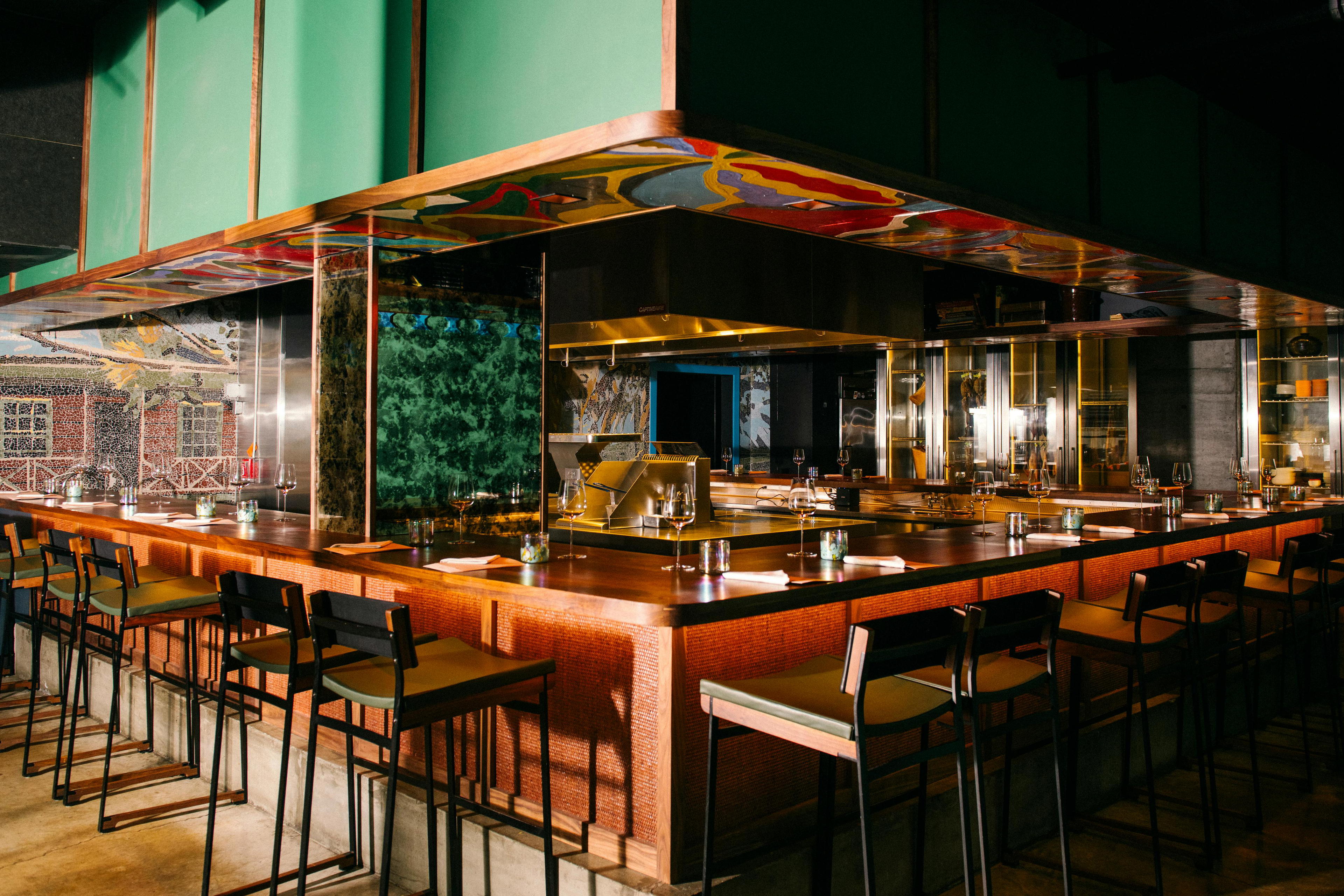
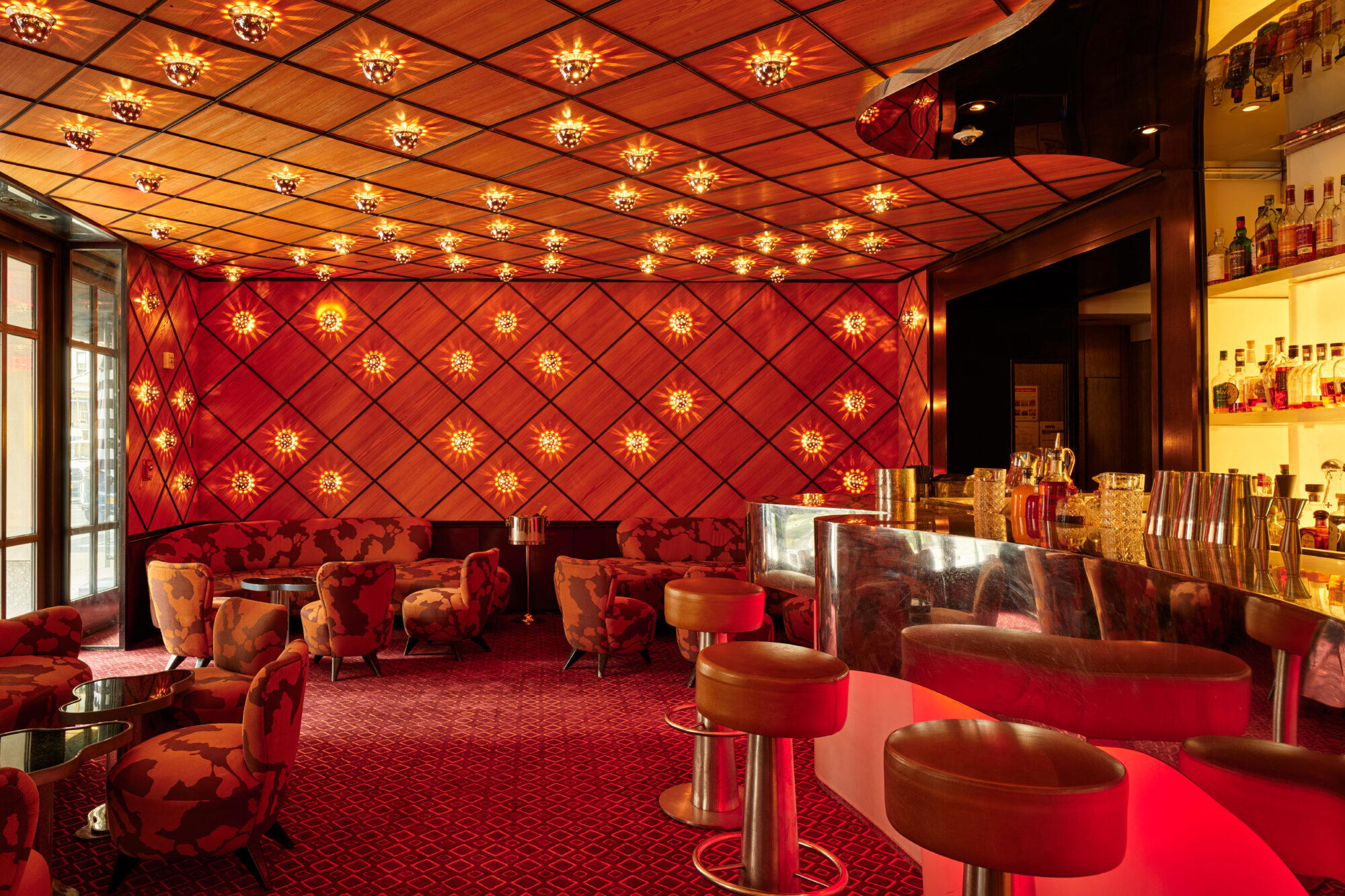
Casual, laid-back setting with warm earth-tone mosaic finishes and jewel-toned fabrics reflecting regional warmth.