A Room That Earns Its Address Via Alessandro Manzoni is one of Milan's most deliberately composed streets: the Armani Hotel occupies number 31, a building whose restraint reads as confidence rather than understatement. The Bamboo Bar sits within that structure, and its logic follows the same principle. The interiors carry the house's characteristic palette of warm neutrals, dark timber, and clean sightlines — a visual language built around the idea that luxury announces itself through editing, not accumulation. You arrive expecting atmosphere; you find architecture doing the work instead. The bar belongs to a specific category of hotel drinking room that Milan does particularly well: spaces that function simultaneously as a residents' retreat, a fashion-week staging ground, and a serious cocktail destination. That triple function demands a certain kind of discipline from the programme, because the audience shifts through the week and through the year. During the city's major fashion and design calendars, the room absorbs a different crowd to the one that drifts in on a quiet Tuesday. Both visits, in principle, should hold. The Cocktail Programme in Context Milan's cocktail culture has moved through several phases in the past two decades. The earlier dominance of aperitivo-as-ritual gave way, gradually, to a more technically focused bar scene: clarified spirits, house-made cordials, seasonal sourcing frameworks, and menus organised by technique rather than spirit category. Bars like 1930 — one of the city's most recognized programs, and Moebius Milano have pushed that technical register toward the best of the European conversation. Nottingham Forest built its reputation on molecular and conceptual approaches that influenced a generation of Italian bartenders. Armani/Bamboo Bar occupies a different position in this map: it is a hotel bar that takes its programme seriously without subordinating the room's primary function to the agenda of any single creative bartender. That distinction matters. In the broader Italian bar scene, the tension between hotel-bar polish and independent-bar ambition has produced some of the more interesting drinking rooms of the past decade. Camparino in Galleria, which operates from the Galleria Vittorio Emanuele II with a heritage aperitivo identity, represents one kind of institutional bar confidence. Armani/Bamboo Bar represents another: a programme shaped by brand identity as much as by cocktail orthodoxy, which can be a constraint or a creative frame depending on execution. The drinks lean toward the well-constructed and visually coherent rather than the aggressively experimental. Ingredients and presentation align with the house aesthetic, precision over provocation. For a guest who wants a technically sound Negroni or a spritz built with considered proportions rather than speed-poured for volume, that positioning is appropriate. The bar is not competing with the city's most adventurous independent programs; it is serving a guest who wants craft without the effort of proving their credentials to a bartender. Placement in the Fashion-Hotel Drinking Room Category Across Europe's major fashion capitals, the hotel bar attached to a designer house has become its own sub-category of hospitality. The comparison set is narrower than it looks: these rooms must function as extensions of brand identity while remaining genuinely hospitable to guests who may have no investment in that identity. In Florence, Gucci Giardino operates from a similar premise, a fashion-house address, a curated aesthetic, a programme that extends the brand's cultural ambitions into food and drink. In Rome, Salotto 42 takes a different approach, functioning more as a design-world salon than a conventional bar. Each model answers a different version of the same question: what does it mean to drink inside a brand? At Armani/Bamboo Bar, the answer is calm. The pace is deliberate. The service register tends toward the attentive-but-unobtrusive end of the spectrum that Milan's luxury corridor expects. For guests comparing this to the charged energy of something like Café La Trova in Miami or the experimentalism of Lost and Found in Nicosia, the difference is by design. The Bamboo Bar is not chasing the same recognition signals as a competition-circuit independent bar; it is providing a consistent, high-quality environment for a guest who has already made a decision about the kind of evening they want. The Milan Context: What the Address Signals Drinking in the Quadrilatero d'Oro area means accepting that geography carries price and expectation. The neighbourhood's concentration of luxury retail, high-end hotels, and serious restaurants means that a bar on or near Via Manzoni is priced against international peers, not against the aperitivo bars of the Navigli. This is not a criticism, it is a description of the market segment. Visitors who approach the Bamboo Bar with the same budget framing they would apply to a neighbourhood cocktail bar in Isola or Brera will find the experience misaligned. Those who understand the address as part of the proposition will find the calibration sensible. Milan's broader bar scene, detailed in our full Milan guide, spans a wide range: from the historically grounded Caffé Al Bicerin tradition in Turin and the Piedmontese approach visible at Cugini di Torino, to technically ambitious city-centre programs. Within that spread, the Armani/Bamboo Bar operates as an anchor point for the luxury-hotel end of the spectrum, a role that the Italian cocktail scene needs even when it rarely celebrates it in the same breath as its more telegenic independents. For a comparison from the south of Italy, L'Antiquario in Naples shows how a carefully designed room and a considered programme can coexist, a different city, a different register, but the same underlying argument about what a bar can be when it takes both design and drink seriously. Planning Your Visit The Armani Hotel occupies Via Alessandro Manzoni 31 in the 20121 postal district, within comfortable walking distance of the Montenapoleone metro stop. Booking ahead is advisable for weekend evenings and during fashion and design week periods, when the room operates at capacity and walk-in availability compresses. The dress code, while not formally stated, aligns with the neighbourhood: the room does not enforce it, but the room also makes it obvious. For the most relaxed experience, weekday evenings between fashion seasons offer both availability and a calmer pace. The bar is accessible from the hotel lobby and does not require a room key. Frequently Asked Questions What's the vibe at Armani/Bamboo Bar?The room is composed and deliberately paced, with warm materials and controlled lighting that reflect the Armani aesthetic. It functions as a hotel bar first and a cocktail destination second, which means the energy is closer to a refined residents' lounge than a charged independent bar. During Milan Fashion Week, the crowd density and profile shift considerably, if you are looking for a quieter experience, mid-week visits outside the city's major calendar events are more reliable.What cocktail do people recommend at Armani/Bamboo Bar?The programme skews toward well-constructed classics and refined house variations rather than aggressively experimental formats. Within Milan's bar scene, where programs at venues like 1930 compete on technical innovation, the Bamboo Bar's strength is consistency and presentation rather than novelty. Classic Italian aperitivo formats, Negroni variations, spritz builds with considered ingredients, tend to represent the bar's range accurately.What's Armani/Bamboo Bar leading at?The bar performs at its most coherent as a venue for a considered evening drink in one of Milan's most composed hotel environments. It is not the city's most technically ambitious cocktail program, but it delivers a consistent, high-quality experience within a space that justifies the Via Manzoni address. For guests who want craft alongside discretion, that combination is harder to find in the luxury tier than it might appear.Do I need a reservation for Armani/Bamboo Bar?Walk-ins are generally possible outside peak periods, but the room's capacity and the density of Milan's fashion and design calendar mean that reservations are advisable for Friday and Saturday evenings and strongly recommended during Salone del Mobile and Fashion Week. Contacting the Armani Hotel directly through the hotel's main booking channels is the most reliable approach, as specific bar reservation infrastructure is not independently listed.How does Armani/Bamboo Bar fit into Milan's fashion-house drinking scene?It represents one of the city's clearest examples of brand-integrated hospitality, a bar whose aesthetic and positioning are inseparable from the house that owns the building. For a visitor mapping the city's bar scene by character rather than by technique alone, the Bamboo Bar fills a specific and deliberate position.
Pearl is the En Primeur Club membership app — saves, bookings, and concierge access live there. Same editors, same standards.
- Address
- Armani Hotel Milano, Via Alessandro Manzoni, 31, 20121 Milano MI, Italy
- Phone
- +39 02 8883 8703
- Website
- locations.armani.com
- Directions
- Get directions
 Saves & bookings on Pearl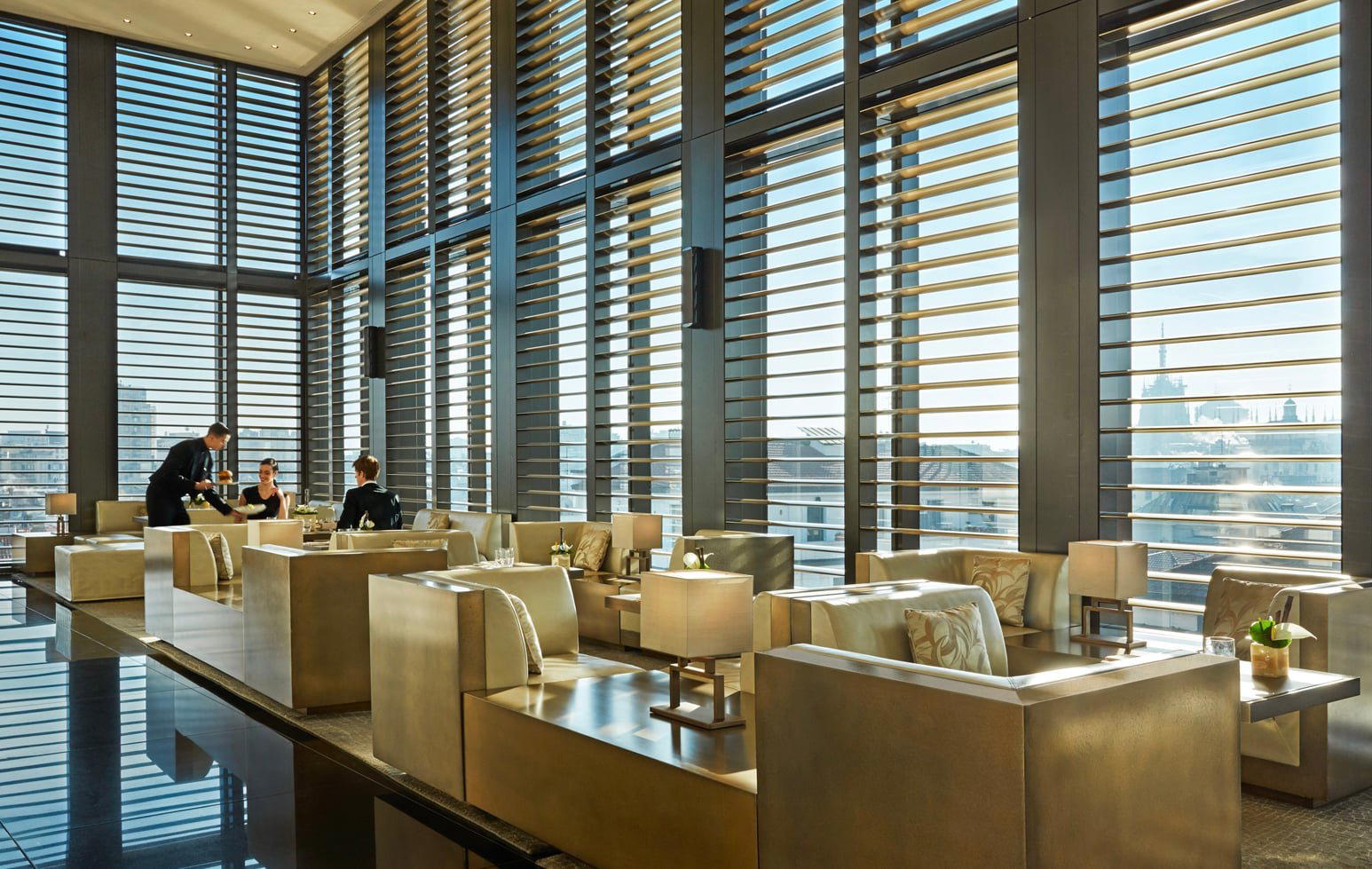
A Room That Earns Its Address
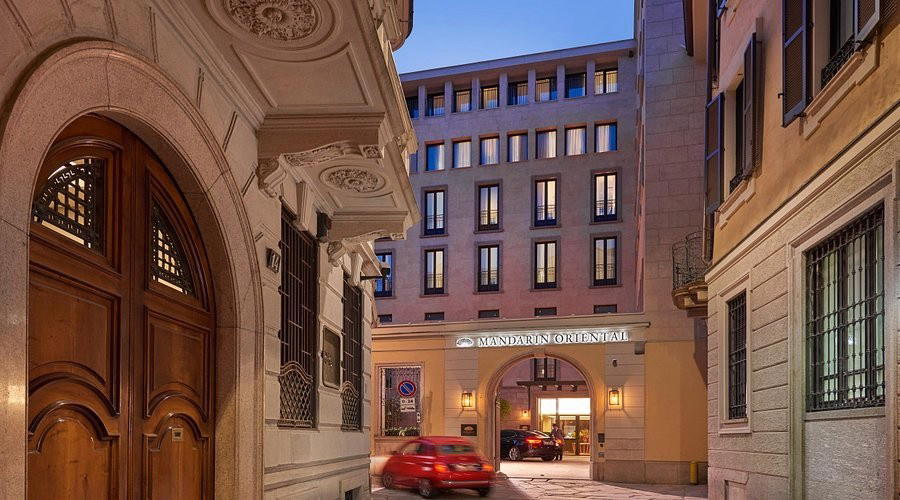
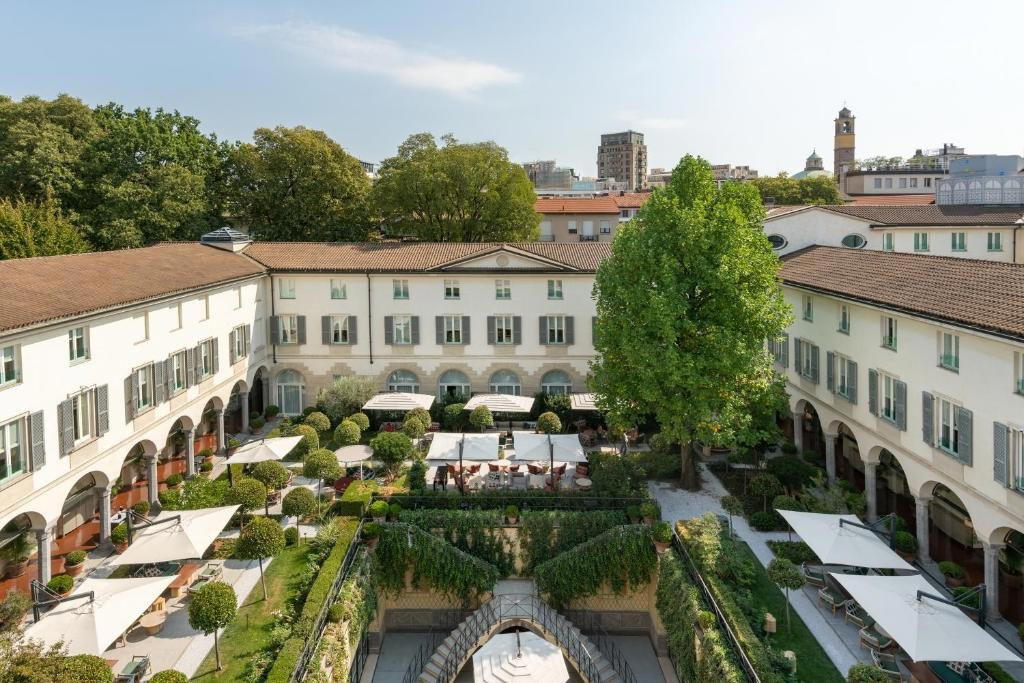
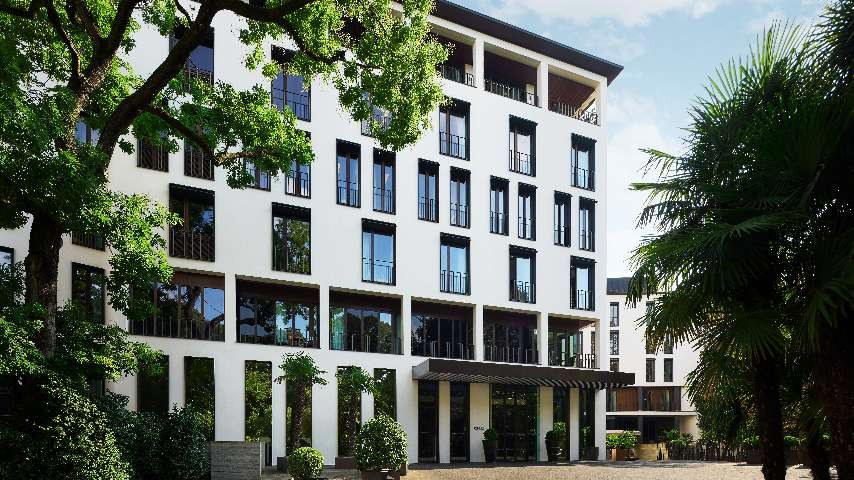
Via Alessandro Manzoni is one of Milan's most deliberately composed streets: the Armani Hotel occupies number 31, a building whose restraint reads as confidence rather than understatement. The Bamboo Bar sits within that structure, and its logic follows the same principle. The interiors carry the house's characteristic palette of warm neutrals, dark timber, and clean sightlines — a visual language built around the idea that luxury announces itself through editing, not accumulation. You arrive expecting atmosphere; you find architecture doing the work instead.
The bar belongs to a specific category of hotel drinking room that Milan does particularly well: spaces that function simultaneously as a residents' retreat, a fashion-week staging ground, and a serious cocktail destination. That triple function demands a certain kind of discipline from the programme, because the audience shifts through the week and through the year. During the city's major fashion and design calendars, the room absorbs a different crowd to the one that drifts in on a quiet Tuesday. Both visits, in principle, should hold.
The Cocktail Programme in Context
Milan's cocktail culture has moved through several phases in the past two decades. The earlier dominance of aperitivo-as-ritual gave way, gradually, to a more technically focused bar scene: clarified spirits, house-made cordials, seasonal sourcing frameworks, and menus organised by technique rather than spirit category. Bars like 1930 — one of the city's most recognized programs, and Moebius Milano have pushed that technical register toward the best of the European conversation. Nottingham Forest built its reputation on molecular and conceptual approaches that influenced a generation of Italian bartenders. Armani/Bamboo Bar occupies a different position in this map: it is a hotel bar that takes its programme seriously without subordinating the room's primary function to the agenda of any single creative bartender.
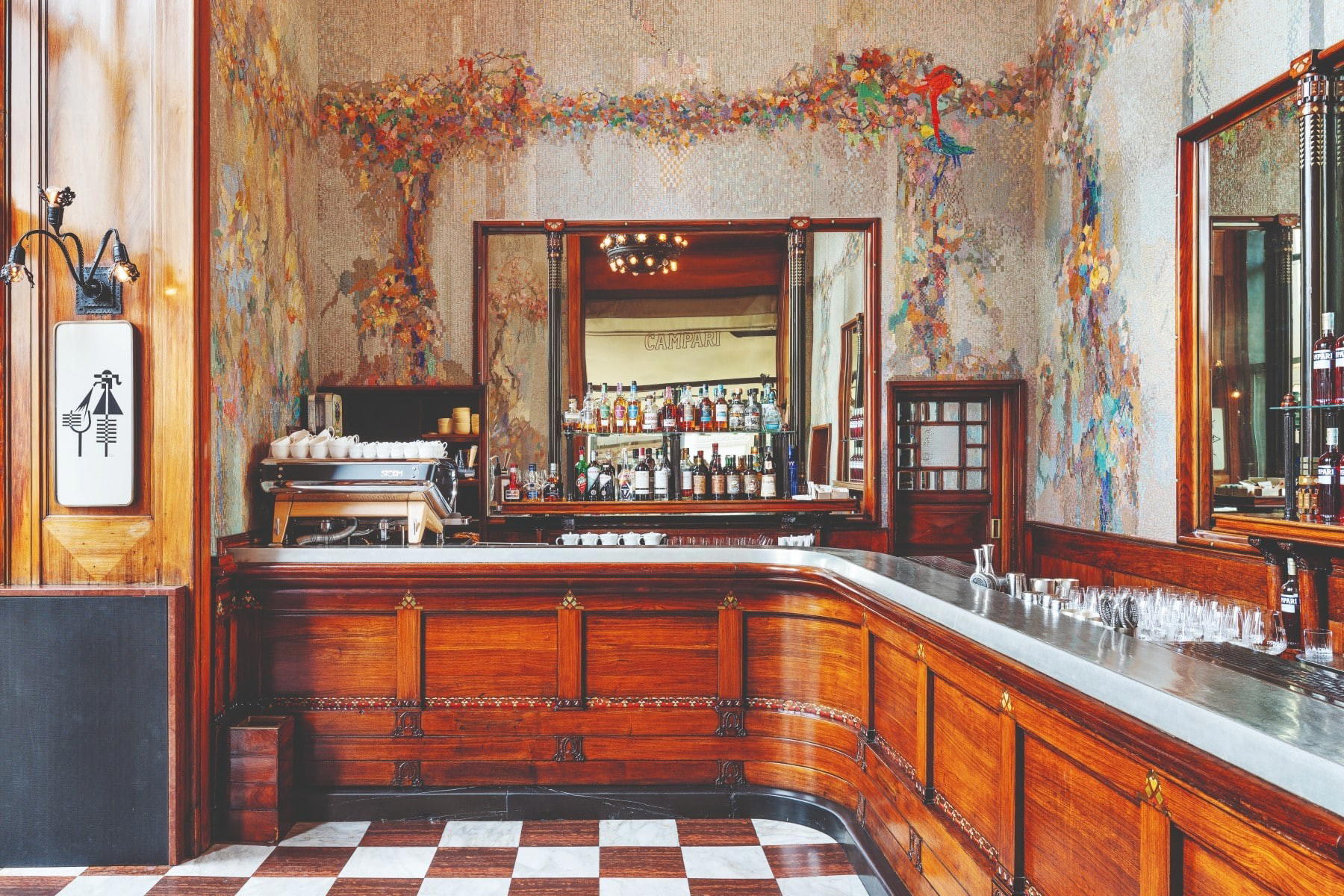
That distinction matters. In the broader Italian bar scene, the tension between hotel-bar polish and independent-bar ambition has produced some of the more interesting drinking rooms of the past decade. Camparino in Galleria, which operates from the Galleria Vittorio Emanuele II with a heritage aperitivo identity, represents one kind of institutional bar confidence. Armani/Bamboo Bar represents another: a programme shaped by brand identity as much as by cocktail orthodoxy, which can be a constraint or a creative frame depending on execution.
The drinks lean toward the well-constructed and visually coherent rather than the aggressively experimental. Ingredients and presentation align with the house aesthetic, precision over provocation. For a guest who wants a technically sound Negroni or a spritz built with considered proportions rather than speed-poured for volume, that positioning is appropriate. The bar is not competing with the city's most adventurous independent programs; it is serving a guest who wants craft without the effort of proving their credentials to a bartender.
Placement in the Fashion-Hotel Drinking Room Category
Across Europe's major fashion capitals, the hotel bar attached to a designer house has become its own sub-category of hospitality. The comparison set is narrower than it looks: these rooms must function as extensions of brand identity while remaining genuinely hospitable to guests who may have no investment in that identity. In Florence, Gucci Giardino operates from a similar premise, a fashion-house address, a curated aesthetic, a programme that extends the brand's cultural ambitions into food and drink. In Rome, Salotto 42 takes a different approach, functioning more as a design-world salon than a conventional bar. Each model answers a different version of the same question: what does it mean to drink inside a brand?
At Armani/Bamboo Bar, the answer is calm. The pace is deliberate. The service register tends toward the attentive-but-unobtrusive end of the spectrum that Milan's luxury corridor expects. For guests comparing this to the charged energy of something like Café La Trova in Miami or the experimentalism of Lost and Found in Nicosia, the difference is by design. The Bamboo Bar is not chasing the same recognition signals as a competition-circuit independent bar; it is providing a consistent, high-quality environment for a guest who has already made a decision about the kind of evening they want.
The Milan Context: What the Address Signals
Drinking in the Quadrilatero d'Oro area means accepting that geography carries price and expectation. The neighbourhood's concentration of luxury retail, high-end hotels, and serious restaurants means that a bar on or near Via Manzoni is priced against international peers, not against the aperitivo bars of the Navigli. This is not a criticism, it is a description of the market segment. Visitors who approach the Bamboo Bar with the same budget framing they would apply to a neighbourhood cocktail bar in Isola or Brera will find the experience misaligned. Those who understand the address as part of the proposition will find the calibration sensible.
Milan's broader bar scene, detailed in our full Milan guide, spans a wide range: from the historically grounded Caffé Al Bicerin tradition in Turin and the Piedmontese approach visible at Cugini di Torino, to technically ambitious city-centre programs. Within that spread, the Armani/Bamboo Bar operates as an anchor point for the luxury-hotel end of the spectrum, a role that the Italian cocktail scene needs even when it rarely celebrates it in the same breath as its more telegenic independents. For a comparison from the south of Italy, L'Antiquario in Naples shows how a carefully designed room and a considered programme can coexist, a different city, a different register, but the same underlying argument about what a bar can be when it takes both design and drink seriously.
Planning Your Visit
The Armani Hotel occupies Via Alessandro Manzoni 31 in the 20121 postal district, within comfortable walking distance of the Montenapoleone metro stop. Booking ahead is advisable for weekend evenings and during fashion and design week periods, when the room operates at capacity and walk-in availability compresses. The dress code, while not formally stated, aligns with the neighbourhood: the room does not enforce it, but the room also makes it obvious. For the most relaxed experience, weekday evenings between fashion seasons offer both availability and a calmer pace. The bar is accessible from the hotel lobby and does not require a room key.
Continue exploring
More in Milan
Bars in Milan
Browse all →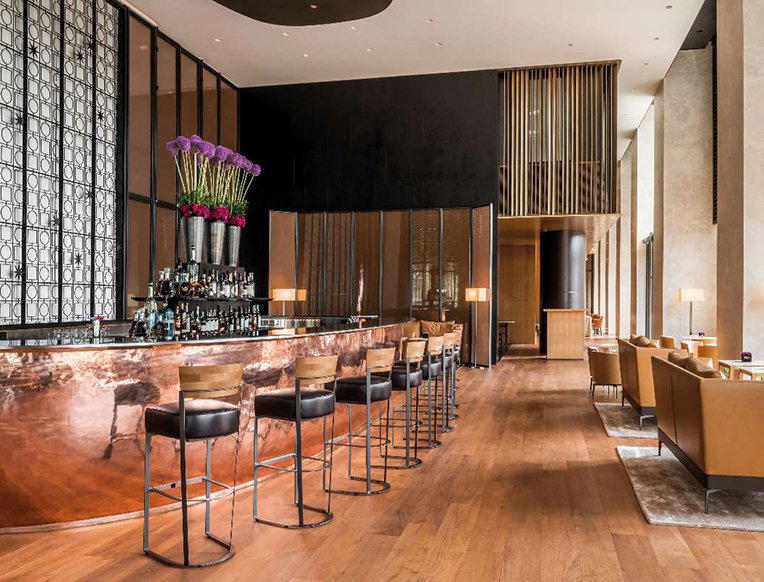
Restaurants in Milan
Browse all →
Hotels in Milan
Browse all →
At a Glance
- Elegant
- Sophisticated
- Modern
- Minimalist
- Date Night
- Special Occasion
- Late Night
- Rooftop
- Live Music
- Panoramic View
- Hotel Bar
- Lounge Seating
- Seated Bar
- Craft Cocktails
- Classic Cocktails
- Skyline
Current opening hours
- Monday
- 11 AM–12 AM
- Tuesday
- 11 AM–12 AM
- Wednesday
- 11 AM–12 AM
- Thursday
- 11 AM–1 AM
- Friday
- 11 AM–1 AM
- Saturday
- 11 AM–1 AM
- Sunday
- 11 AM–12 AM
Hours can change for holidays and private events. Last verified .
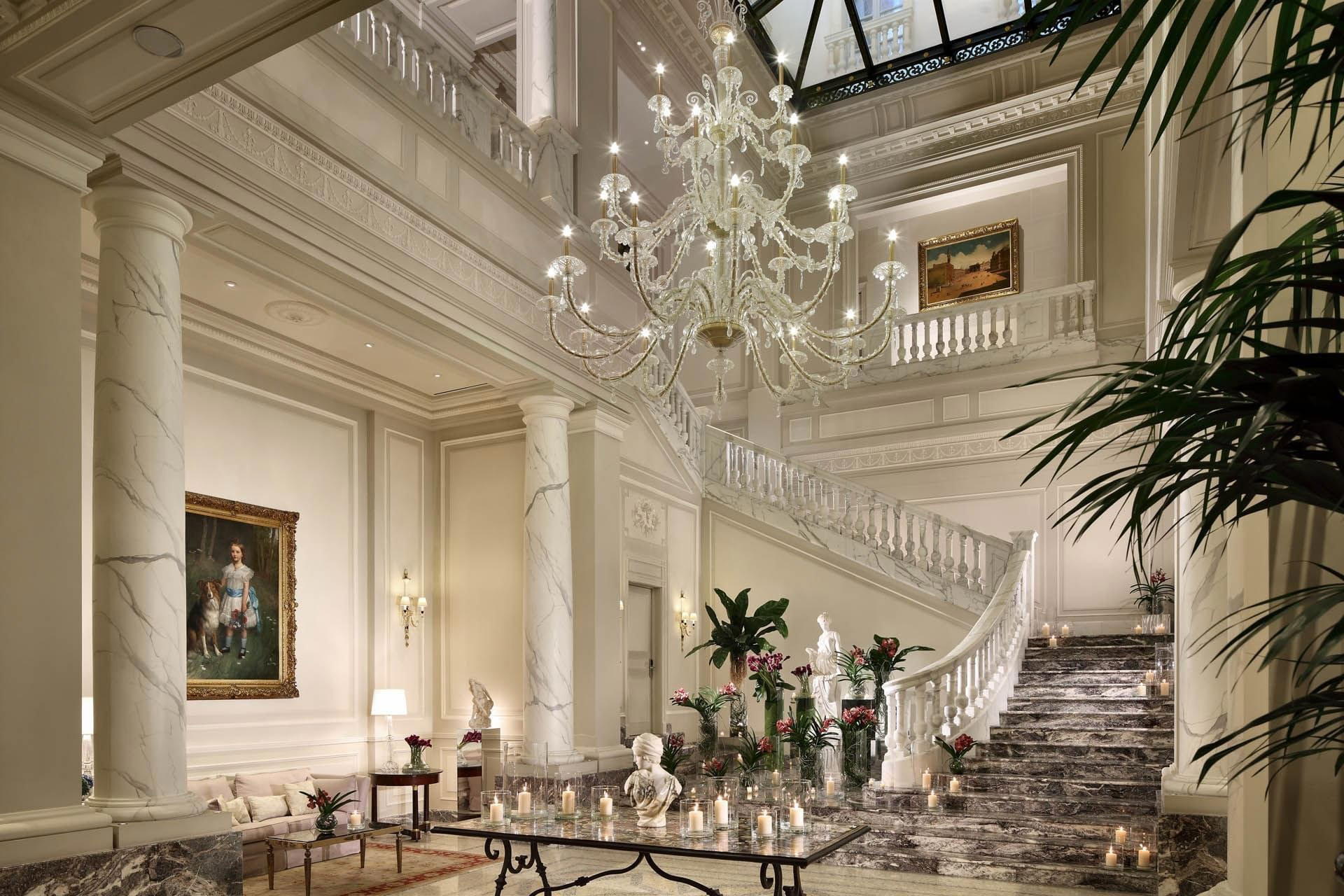
Refined and chic with double volume ceilings, huge louvered windows, backlit onyx features, and comfy L-shaped sofas, reflecting Armani's minimalist design.
Know Before You Go
- Getting there
- Armani Hotel Milano, Via Alessandro Manzoni, 31, 20121 Milano MI, Italy