Cà del Gè

Cà del Gè is a family-run Oltrepò Pavese estate in Montalto Pavese, working with Barbera, Croatina, Uva Rara and Pinot Nero across hillside vineyards tied to the local sparkling and red-wine tradition. The experience is rural and wine-led: estate tastings, local product pairings, vineyard views and a sustainability thread through Progetto ViNO.
Pearl is the En Primeur Club membership app — saves, bookings, and concierge access live there. Same editors, same standards.
- Address
- Montalto Pavese, Lombardia, Italien
- Directions
- Get directions
 Saves & bookings on Pearl
The approach to wine in Montalto Pavese is written into the hills before it reaches the glass: slopes, altitude, mixed exposures and the castle above the vineyards give Oltrepò Pavese its particular rhythm. Cà del Gè belongs to the family-estate side of that culture, where the visit is less about polished tasting-room theatre than about understanding why Barbera, Croatina, Uva Rara and Pinot Nero have such a strong foothold in this part of Lombardy.
That matters because Oltrepò Pavese is often reduced to a shorthand for value, when the region is more interesting than that. It sits at a junction of northern Italian wine identities: sparkling Pinot Nero in Metodo Classico, reds with acidity and grip, and local varieties that do not travel with the same fame as Tuscany’s Sangiovese or Piedmont’s Nebbiolo. The stronger estates here make a case for specificity rather than spectacle. Cà del Gè, founded in 1985 and run by the Padroggi family, fits that argument through scale, vineyard control and a tasting format tied to the surrounding land.
Oltrepò Pavese in the glass: Barbera, Croatina and Pinot Nero with hillside logic
The estate works from roughly 44 to 60 hectares across Montalto Pavese and Cigognola, a useful split in a region where small changes in exposure and site can alter the role of a grape. Montalto Pavese is associated here with white grapes and Barbera, while Cigognola is used for Croatina and Uva Rara. That division gives the portfolio a regional grammar: acidity-led reds, darker local varieties, whites for immediacy, and bottle-fermented sparkling wine from Pinot Nero.
Pinot Nero is the variety that explains much of Oltrepò Pavese’s modern visibility. The region has long had the conditions for serious sparkling wine, and Metodo Classico gives producers a way to compete through structure rather than sweetness or novelty. Cà del Gè’s Pinot Nero Metodo Classico Brut 2017 received the National Award for Best Value for Money in the Berebene 2024 guide in the €15 to €20 bracket, a signal that the estate’s strongest recognition sits where regional identity and price discipline meet. Gambero Rosso International also described the same vintage as “broad,” useful shorthand for a style aiming beyond simple aperitivo drinking.
The red side is just as important for understanding the estate. Barbera brings the bright line of acidity that makes the grape so adaptable at the table, while Croatina and Uva Rara connect the wines to a more local Oltrepò register. The production scale, around 150,000 to 160,000 bottles per year, places the estate in a medium-sized family category: large enough to offer a coherent range, small enough for the visit to feel connected to its vineyards rather than to a brand showroom.
A tasting room built around landscape, not performance
The hospitality format follows the region’s slower tempo. The estate has a large indoor tasting room and views across its own vineyards toward the castle of Montalto Pavese, so the room functions as a frame for the land rather than a distraction from it. Tastings can include estate wines, local product pairings and vineyard visits, which is the right format for a place where the distinctions between Montalto Pavese and Cigognola are part of the story.
There is a practical reason to treat the tasting as a structured visit rather than a casual stop. The estate operates by reservation, with booking recommended, and the experience is strongest when the wines are presented in sequence: sparkling Pinot Nero to establish the region’s Metodo Classico argument, then Barbera and Croatina to show how acidity, color and tannic shape work across the hills. The atmosphere is relaxed and conversational, with casual dress fitting the rural setting.
Sustainability is not used here as decoration. The winery participates in Progetto ViNO, the biodiversity-focused initiative in Oltrepò Pavese, and its production philosophy is marked as sustainable. In a hilly zone, that focus has practical weight: vineyard management, soil health and reduced pressure on the land affect both long-term farming and the clarity of regional expression. Enologist Stefania Padroggi and the family team give the estate a continuity that suits this kind of work, but the more important point is the connection between farming choices and what reaches the tasting glass.
How to read the visit in a wider Montalto Pavese itinerary
Montalto Pavese rewards travellers who think in clusters rather than single stops. The wine thread can be built around the winery and nearby estate visits such as La Piotta, Le Fiole and Podere Bignolino, with enough variation to show how producers handle the same hills differently. For broader planning, use Our full Montalto Pavese wineries guide alongside Our full Montalto Pavese restaurants guide, Our full Montalto Pavese hotels guide, Our full Montalto Pavese bars guide and Our full Montalto Pavese experiences guide.
For readers building a wider Italian wine route, the contrast is instructive. Estates such as 3GP SRL in Treviso, 47 Anno Domini in Trebaseleghe, A Mano Wine in Noci, a6mani in Fragagnano and Abbadia Ardenga in Torrenieri place Oltrepò Pavese in a broader national conversation about regional grapes, family production and hospitality formats. Cross-border references such as »der Steiner« Hans Steiner in Podersdorf am See and & Handwein in Mannheim underline the same point from another angle: wine travel is increasingly about understanding place through farming, scale and format, not simply collecting famous labels.
The reason to come here is the clarity of the Oltrepò Pavese proposition. The winery gives the hills a readable structure: family ownership since 1985, a medium-sized vineyard base, sustainable practice, local pairings and a portfolio that moves from Pinot Nero bubbles to Barbera and Croatina. For travellers who want Lombardy wine without the performance layer, that is the draw.
Recognition history
Dated appearances from independent guides and award organizations, with the underlying list record or original source where available.
Falstaff Winery - Listed
Falstaff
Continue exploring
More in Montalto Pavese
Wineries in Montalto Pavese
Browse all →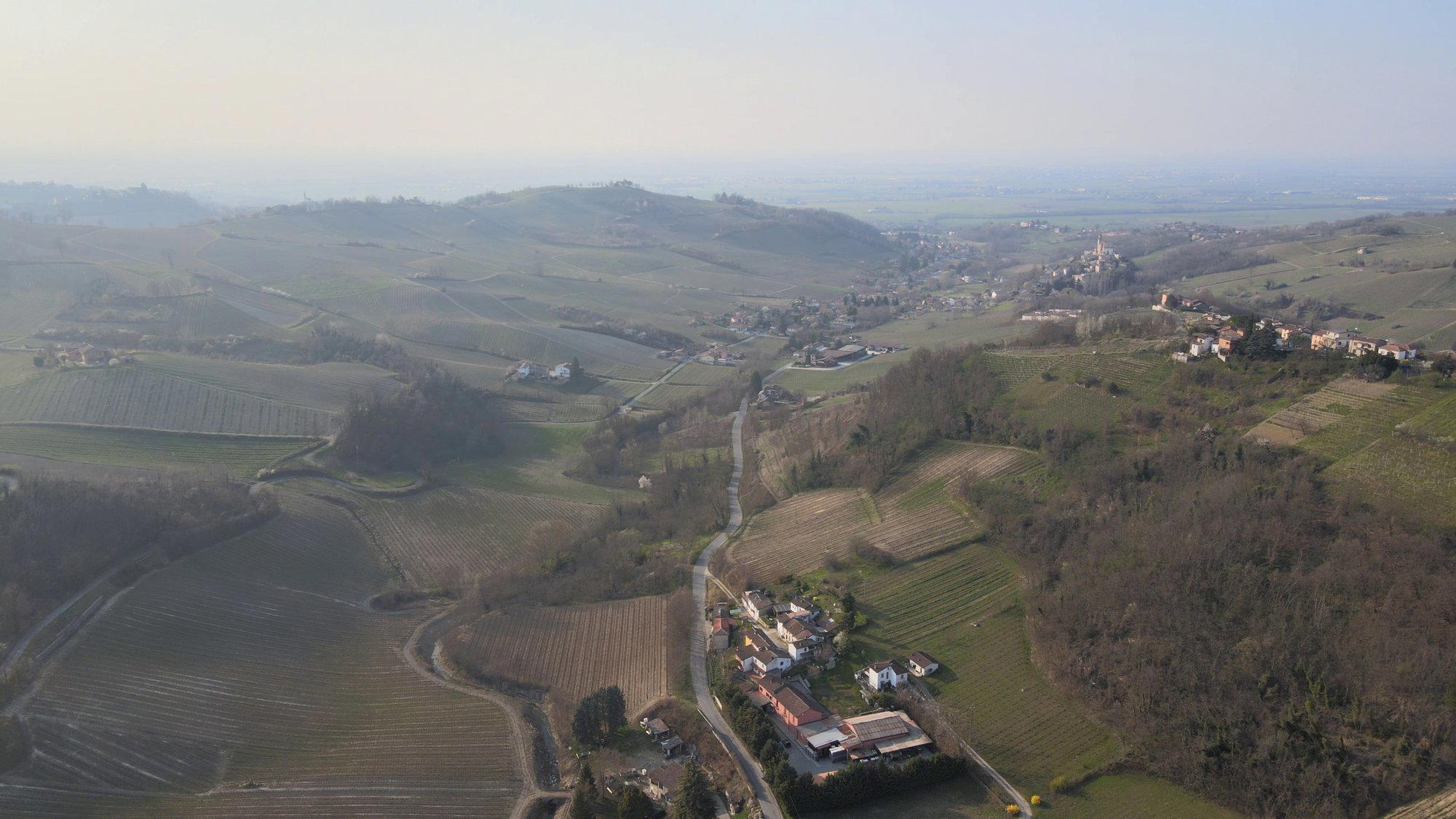
Bars in Montalto Pavese
Browse all →
Restaurants in Montalto Pavese
Browse all →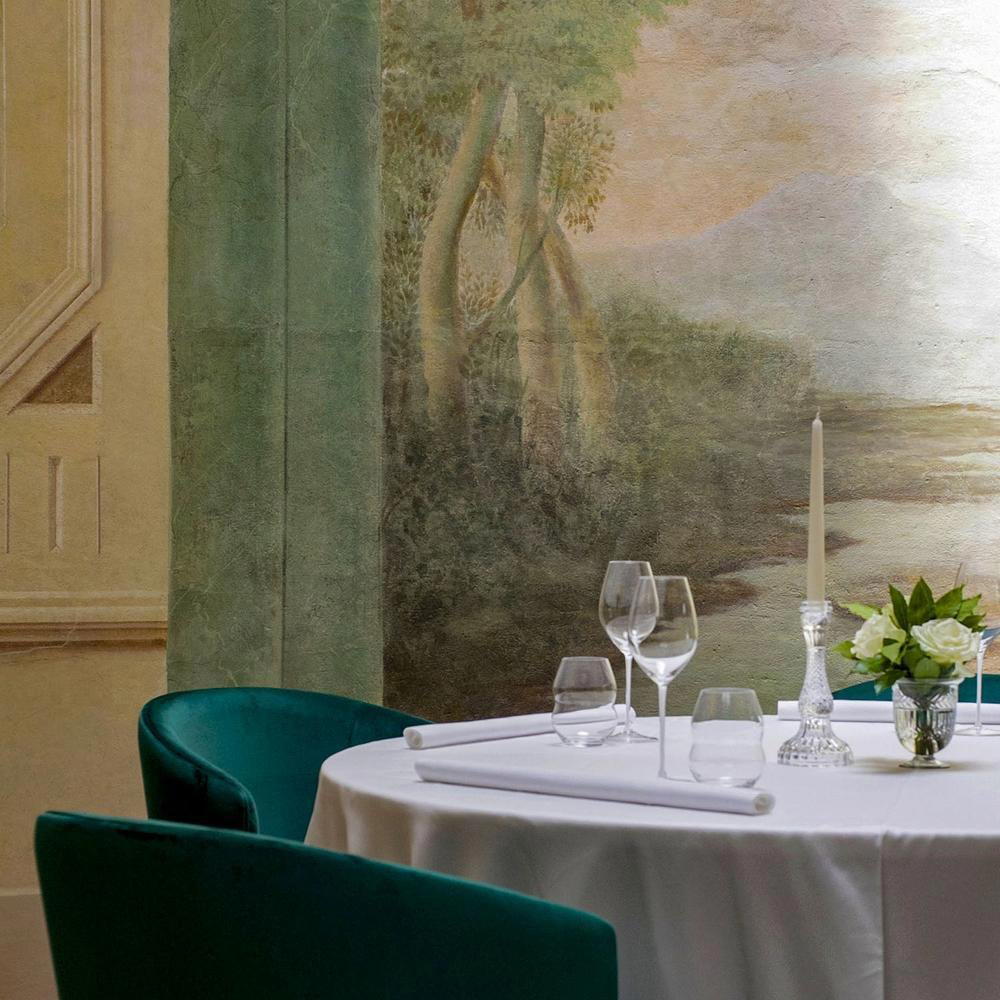

At a Glance
- Scenic
- Rustic
- Classic
- Romantic
- Romantic Getaway
- Group Outing
- Wine Education
- Special Occasion
- Solo Exploration
- Vineyard Tour
- Estate Grounds
- Panoramic View
- Private Tasting
- Sustainable
- Vineyard
- Oltrepò Pavese
- Barbera
- Croatina
- Uva Rara
- Pinot Nero
- Still Red
- Still White
- Sparkling
- Estate Tasting
- Paired Tasting With Local Products
- Vineyard Visit
Family-run estate winery immersed in the hilly landscape of Oltrepò Pavese, with a large indoor tasting room and expansive vineyard views toward the castle of Montalto Pavese, offering a relaxed, rural and scenic atmosphere focused on wine and local products.