9000 W Gulf Blvd
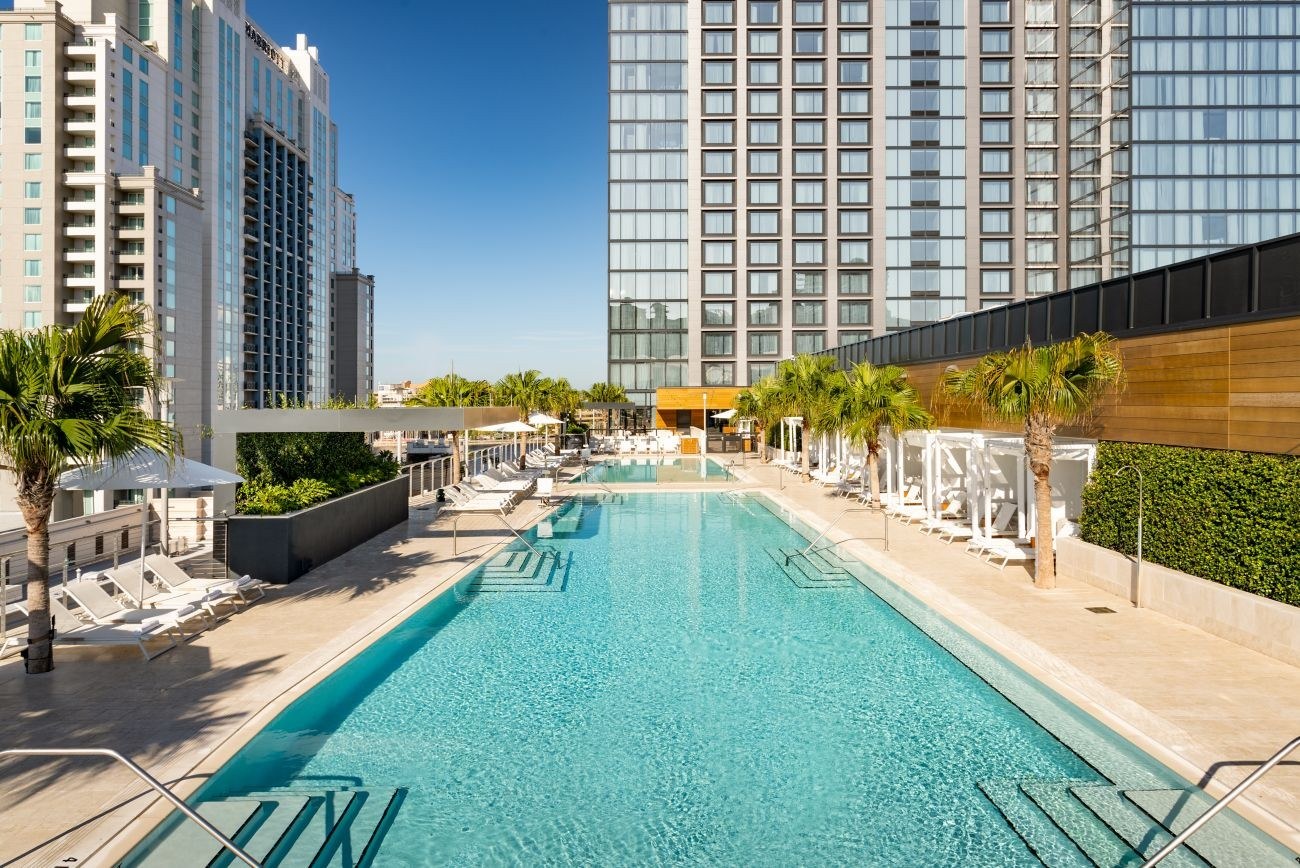
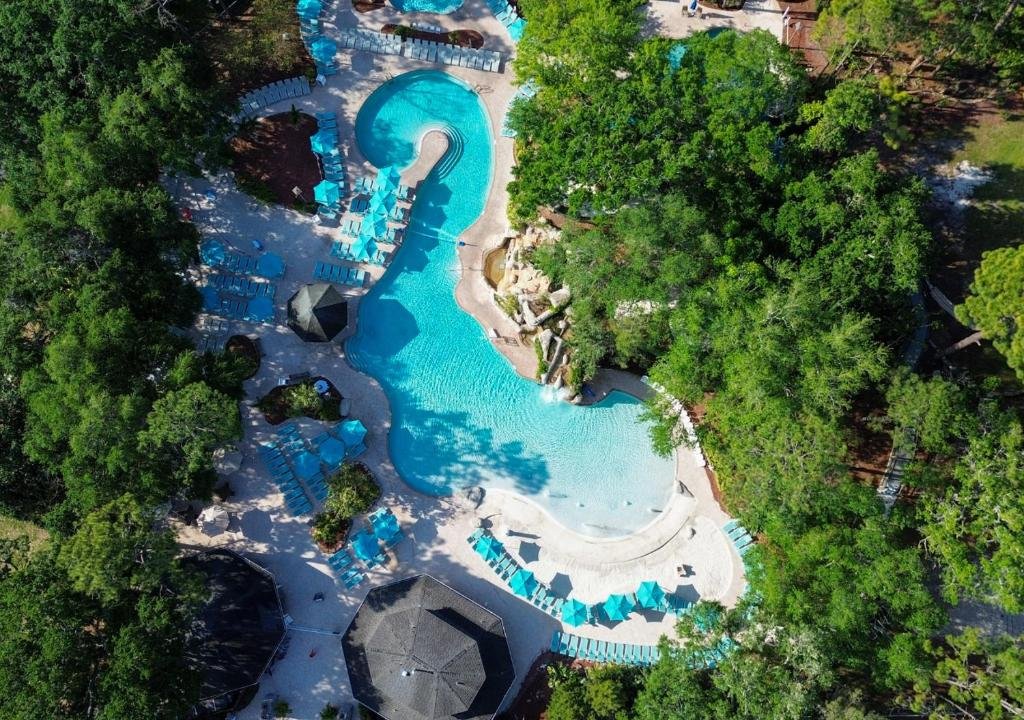
On Treasure Island's Gulf-front strip, 9000 W Gulf Blvd occupies a stretch of Florida coastline where the bar scene runs between casual beachside pours and more considered drink programs. For travelers working through the Tampa Bay area's drinking options, it sits at a recognizable address on a barrier island known more for its sunsets than its cocktail credentials.
 Discover on Pearl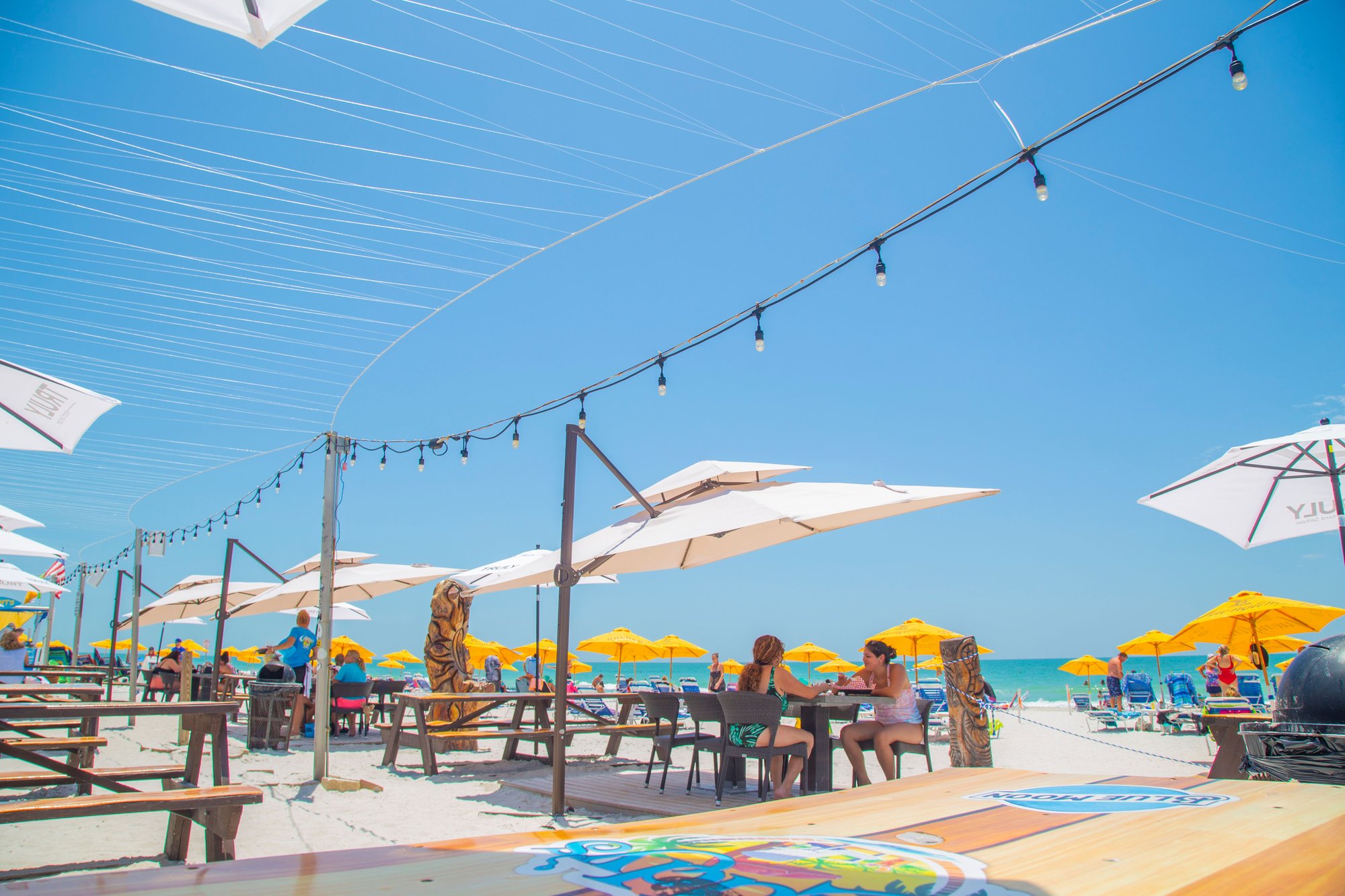
Gulf Coast Drinking, Barrier Island Edition
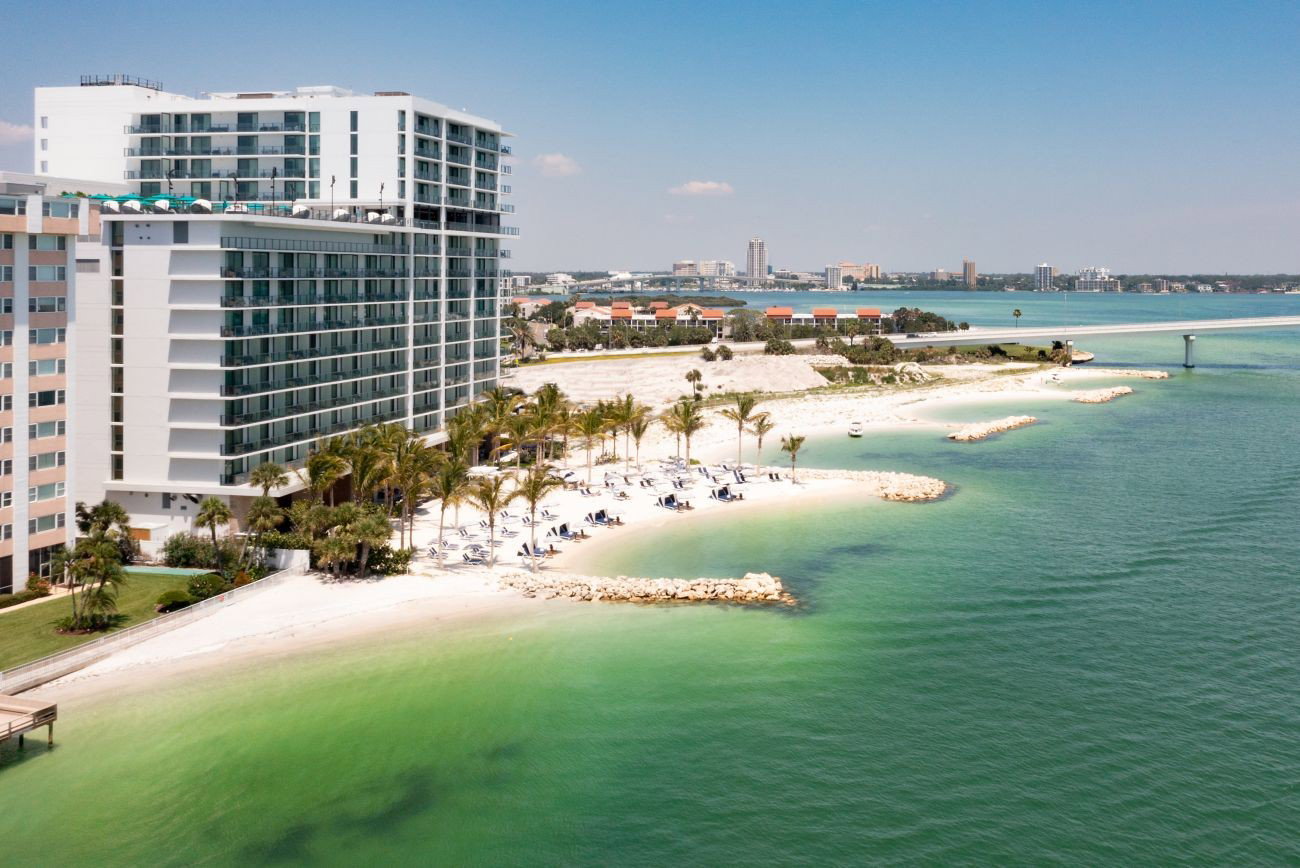
Treasure Island sits on a thin strip of barrier island between the Gulf of Mexico and Boca Ciega Bay, roughly twelve miles southwest of downtown Tampa and a short drive across the causeway from St. Petersburg. The address at 9000 W Gulf Blvd places this venue squarely on the island's main commercial corridor, the stretch of Gulf Boulevard that runs the length of the island's west side and carries most of its bar and restaurant traffic. That geography matters: Gulf Boulevard venues compete on access to the beach, proximity to resort accommodation, and the kind of all-day throughput that barrier island tourism generates. It is a different operating context from the cocktail-forward bars emerging in St. Pete's Central Avenue district, where programs at places like Bar Kaiju in Miami represent a parallel coastal-city ambition.
The Florida Gulf Coast's bar scene has historically sorted into two tiers: beach bars oriented toward volume and accessibility, and a smaller number of more program-conscious spots that draw from the region's growing appetite for craft spirits and technical cocktails. Nationally, bars like Canon in Seattle and Kumiko in Chicago have demonstrated that serious drink programs can anchor a venue's identity over years of operation. On the Gulf Coast, that ambition is more scattered, and barrier island addresses face a particular challenge: seasonal visitor patterns push volume over depth, and the clientele skews toward occasional drinkers rather than regulars with developed preferences.
What the Address Signals
A Gulf Boulevard address in Treasure Island is, above all, a location play. The island draws a mix of domestic vacationers, weekend visitors from Tampa and St. Petersburg, and a smaller cohort of repeat seasonal visitors who treat the island as a secondary residence. For a bar program operating at this address, that visitor mix shapes everything from spirits selection to glassware to the pace of service. The more technically ambitious cocktail bars in the American South, venues like Jewel of the South in New Orleans and Julep in Houston, succeed in part because they operate within established culinary neighborhoods where repeat local visitors sustain a program through slower periods. Barrier island venues rarely have that stabilizing base.
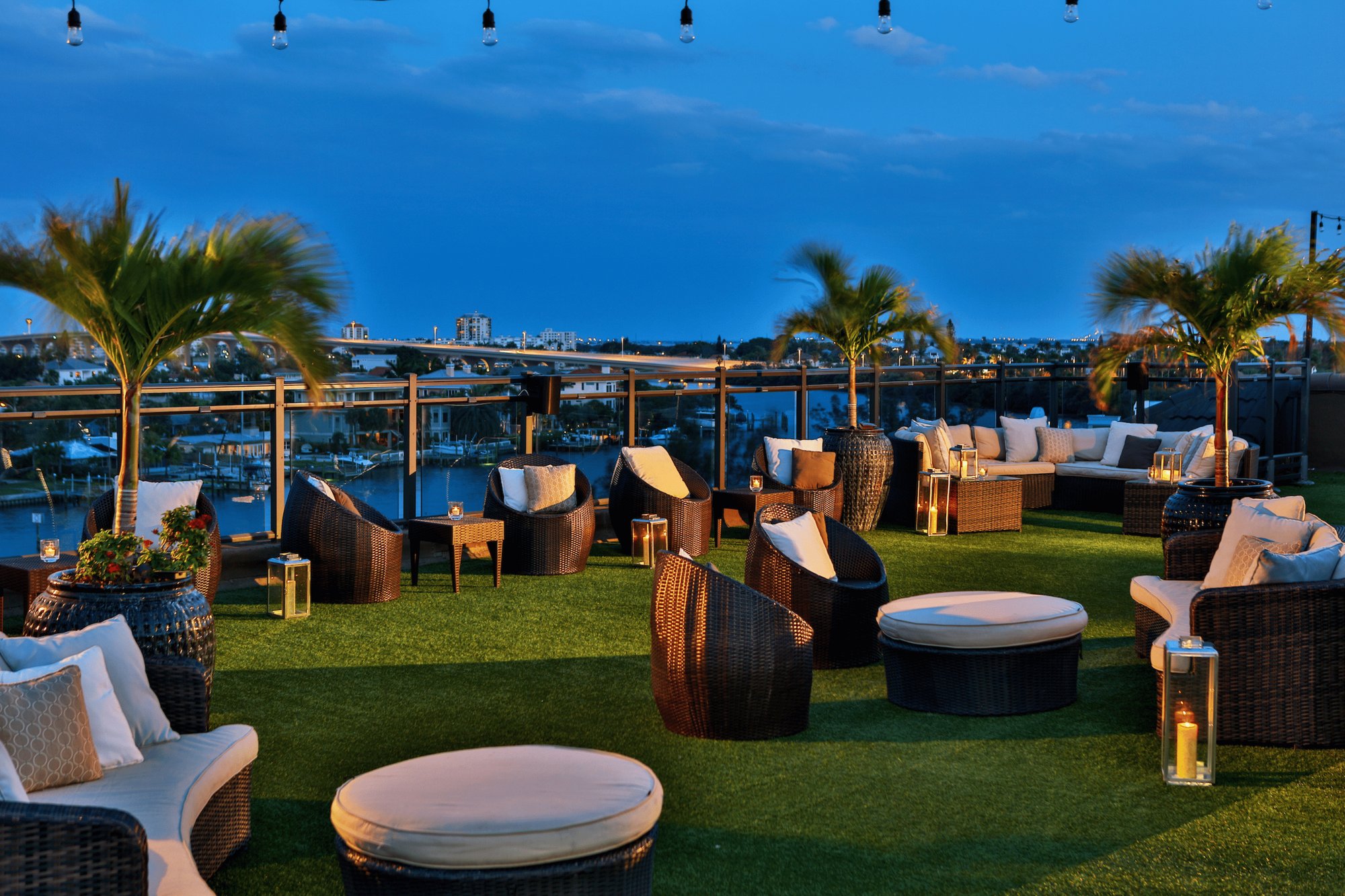
That context does not diminish what Gulf Boulevard offers. Sunset timing on this stretch of Florida coastline runs roughly year-round between 5:30 and 8:30 pm depending on the month, and the Gulf-facing orientation of properties on the west side of the boulevard means golden-hour drinking has a direct geographic logic that no amount of interior design can replicate. For travelers who treat the drink in hand as secondary to the view, that is enough. For those who track cocktail programs, the question is whether what is poured matches the setting.
The Cocktail Context on Florida's Gulf Coast
Florida's craft cocktail development has lagged behind its food scene by roughly a decade, but the gap is narrowing. The state's spirits consumption patterns have historically favored rum, vodka, and blended tropical formats, a legacy of the beach tourism economy. That is changing, particularly in Tampa Bay, where a younger professional population and an influx of out-of-state migrants from cities with more developed bar cultures have raised expectations. Bars in this region that invest in house-made ingredients, sourced small-batch spirits, and menu structures that change with the season are increasingly finding an audience that was previously invisible to Gulf Coast operators.
The comparison set for any serious bar program in the Tampa Bay area now extends beyond local peers. Nationally, the drift has been toward transparency and technical precision, away from the theatrical speakeasy formats of a decade ago. ABV in San Francisco, Allegory in Washington, D.C., and Bar Leather Apron in Honolulu each represent versions of this shift in their respective cities. The question for Gulf Coast venues is whether the local audience, still largely shaped by tourist volume, will sustain programs that require that level of investment. Bitter & Twisted in Phoenix offers a useful parallel: a market that runs warm and tourist-adjacent for much of the year, yet sustains a recognized cocktail program through format discipline and consistent execution. Superbueno in New York City and The Parlour in Frankfurt on the Main show how distinctive drink identities can cut through competitive markets with very different profiles.
Planning a Visit to Treasure Island
Treasure Island is most accessible by car from Tampa or St. Petersburg; the Treasure Island Causeway connects the island to the mainland, and parking is generally available along Gulf Boulevard outside peak summer weekends. The island's peak season runs from December through April, when snowbird visitors and spring break travel compress availability at beachfront venues and push wait times at popular addresses. Summer months bring humidity and afternoon thunderstorm patterns typical of the Florida Gulf Coast, but also lower crowds and, at some venues, adjusted programming. For anyone building a Tampa Bay bar itinerary, St. Petersburg's Central Avenue district offers the densest concentration of program-conscious venues on the western side of the bay and is worth treating as a companion stop to any Treasure Island visit. Our full Treasure Island restaurants guide maps the broader options across the island for food and drink.
Continue exploring