Williams Selyem Winery

Falstaff Winery - Listed
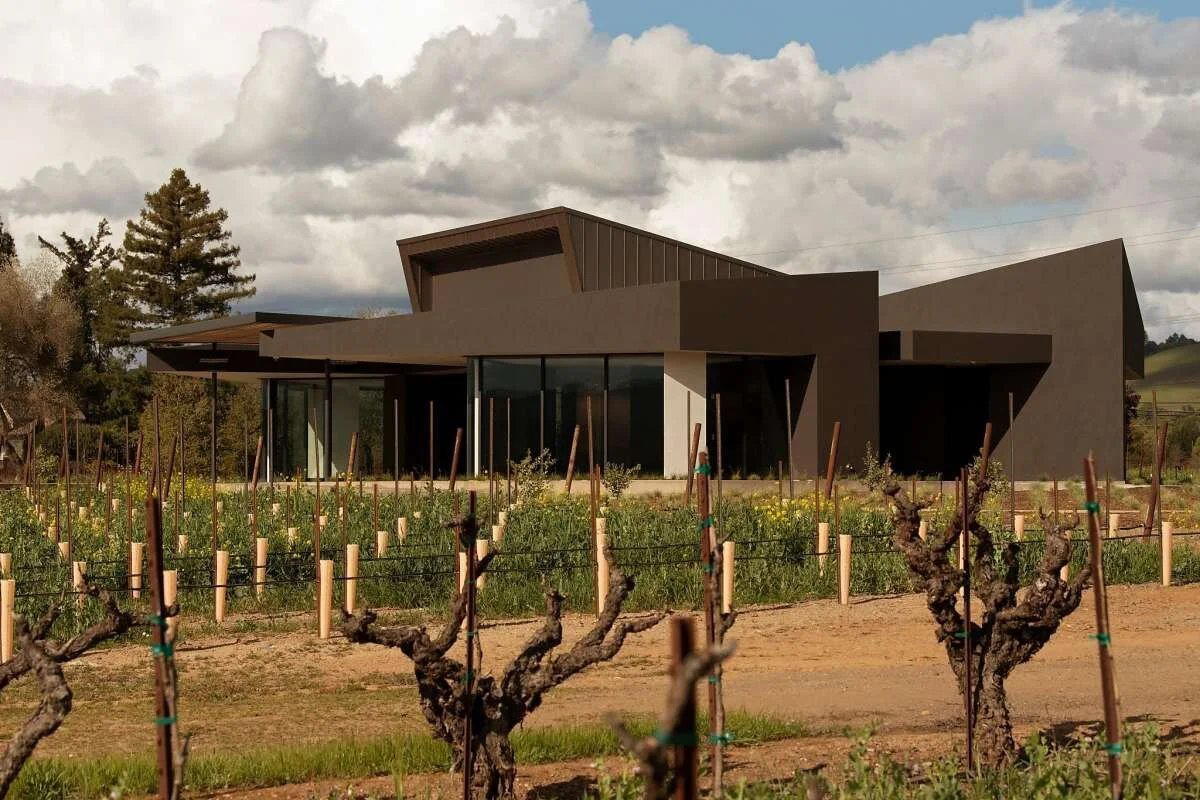
Williams Selyem Winery sits on Westside Road in Healdsburg, one of the Russian River Valley's most concentrated corridors for Pinot Noir and Chardonnay.. Visits here operate on winery terms, rewarding those who arrive with context and patience.

Pearl is the En Primeur Club membership app — saves, bookings, and concierge access live there. Same editors, same standards.
- Address
- 7227 Westside Rd, Healdsburg, CA 95448
- Phone
- (707) 433-6425
- Website
- williamsselyem.com
- Directions
- Get directions
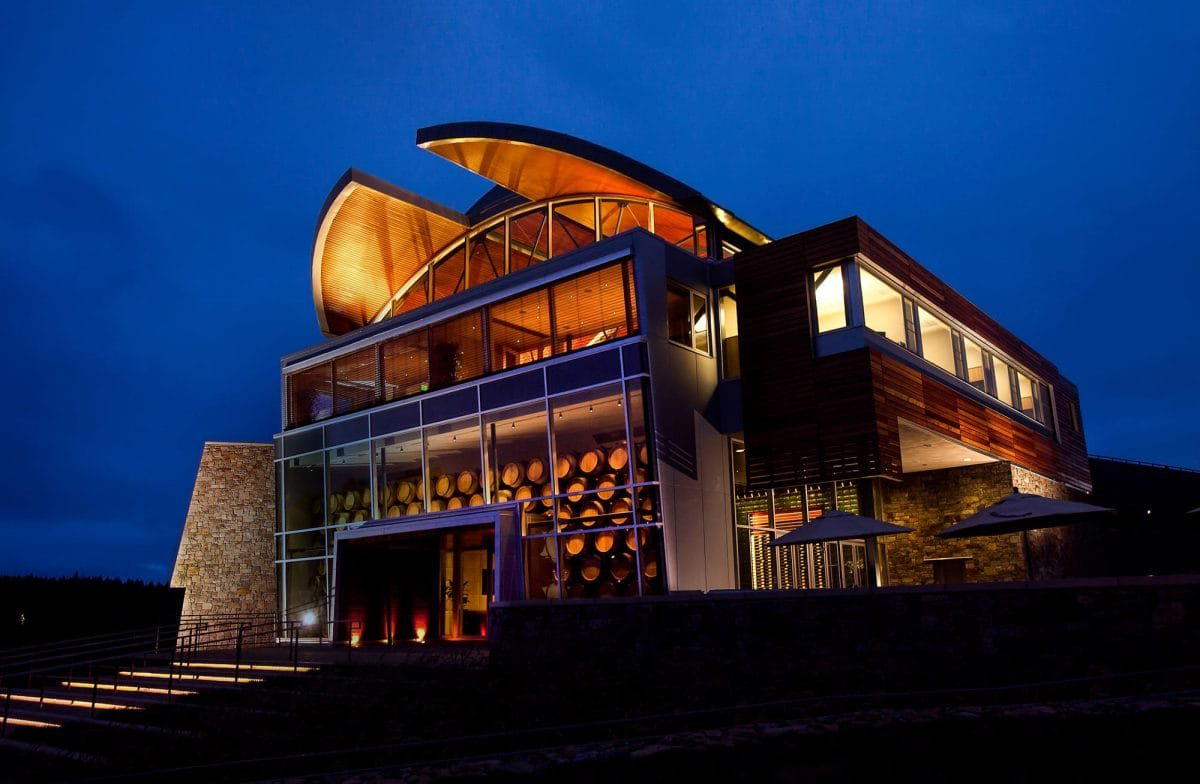
Westside Road and What It Asks of You
On Westside Road, the approach matters. The road itself cuts south from Healdsburg through a corridor of redwood shade, river fog, and small-production wineries that collectively represent one of California's most argued-over Pinot Noir addresses. Williams Selyem Winery sits along this stretch at 7227 Westside Rd, and arriving here tells you something before you've tasted a single pour: this is not a tasting-room operation designed around the casual drop-in. The Russian River Valley format at this end of the market tends toward allocation lists, appointment-only access, and visitors who have already made a decision about the wine before they arrive. The atmosphere reflects that. There is deliberateness to the setting that aligns with the seriousness of what's being poured.
That deliberateness is a feature of how premium Russian River Valley producers have positioned themselves over the past two decades. Unlike the hospitality-forward model common at larger Sonoma County estates, the wineries clustered along Westside Road have largely resisted the impulse to compete on amenity. The wine carries the argument.
The Russian River Valley in Season
Timing a visit to this part of Healdsburg shapes the experience considerably. Harvest season, running roughly from late August through October depending on the year, brings the valley to its most kinetic point: trucks moving fruit, cellar crews working long shifts, the smell of fermentation drifting across property lines. It is atmospheric in the way that working agricultural land is atmospheric, not theatrical but genuinely active. Spring, when the vines push new growth against still-cool mornings, is quieter and often the period when allocation holders return to taste library wines or pick up reserved bottles. Summer draws broader visitor traffic to Healdsburg and Sonoma County generally, which makes the appointment-dependent model of wineries like Williams Selyem a useful filter: you're unlikely to find yourself in a queue.
For those planning around the wine itself rather than the season, the cold-climate logic of the Russian River Valley is relevant context. The Petaluma Gap pushes marine air inland each afternoon, suppressing ripeness and extending hang time in ways that distinguish the valley's Pinot Noir from warmer Sonoma or Napa expressions. Chardonnay here tends toward tension rather than weight. The regional style that Williams Selyem has long been associated with sits inside that cooler-climate tradition, prioritizing site expression over extraction. Comparing this to what producers like Accendo Cellars in St. Helena are doing with Napa Cabernet, or what Adelsheim Vineyard in Newberg achieves with Oregon Pinot, helps locate Williams Selyem within the broader West Coast fine wine conversation rather than treating it as an isolated case.
Daytime vs. Evening: How the Visit Changes
The lunch-versus-dinner divide that shapes restaurant criticism applies, in modified form, to winery visits. Daytime tastings in the Russian River Valley carry a different quality of attention than late-afternoon appointments. Morning light in the valley, before the fog fully lifts, creates a specific atmospheric condition: the cellar temperature holds, the wines show tighter, and there are fewer competing sensory signals. Tasting Pinot Noir at 10am with cool air still in the room is a different exercise than tasting the same wine at 4pm when the day has warmed and your palate has absorbed several other stops.
At Williams Selyem, where the experience is structured around serious engagement with the wine rather than a social occasion framed by wine, earlier appointments tend to reward the more technically minded visitor. Later in the day, the visit tilts toward a different kind of pleasure: the wine opens more readily, conversation flows more easily, and the hour before dusk on Westside Road has its own particular quality as the light drops through the vineyard rows. Neither mode is wrong. They're simply different commitments to what a winery visit means.
This split mirrors what happens across the better-regarded wineries in this corridor. Bella Vineyards and Wine Cave manages its cave environment in a way that makes time-of-day almost irrelevant to atmosphere, while Dry Creek Vineyard and J Vineyards and Winery operate more open, hospitality-oriented formats where the afternoon energy functions as part of the offer. Williams Selyem sits closer to the focused-tasting end of that spectrum regardless of hour, but the choice of morning or afternoon shapes how you receive it.
Where This Fits in the Healdsburg Wine Picture
Healdsburg's wine identity is genuinely plural. The Alexander Valley, Dry Creek Valley, and Russian River Valley appellations meet within a short drive of the town plaza, and each pulls in a different stylistic direction. Alexander Valley leans Cabernet and Bordeaux blends, Dry Creek is Zinfandel country, and the Russian River Valley, where Williams Selyem operates, argues for Burgundian varieties on cool-climate terms. Understanding which argument interests you is prerequisite to building a useful Healdsburg itinerary.
At the prestige tier, the Russian River Valley's Pinot-focused producers operate in a relatively small peer group. Jordan Vineyard and Winery offers a more estate-hospitality-oriented experience while anchoring Sonoma's Cabernet credibility. Lambert Bridge Winery occupies a different price tier and hospitality register within Dry Creek. For comparison across California's premium wine geography, the approach here shares more in common with how Alpha Omega Winery in Rutherford or Alban Vineyards in Arroyo Grande position visitor access than with the open-door Sonoma model.
The winery's address on Westside Road also places it in geographic dialogue with some of the valley's most discussed vineyard sites. The road runs along the Russian River's western bench, where drainage and fog exposure combine to produce fruit that commands premiums in California's secondary wine market. That geographic specificity is the primary credential here, not acreage or production volume.
Planning Your Visit
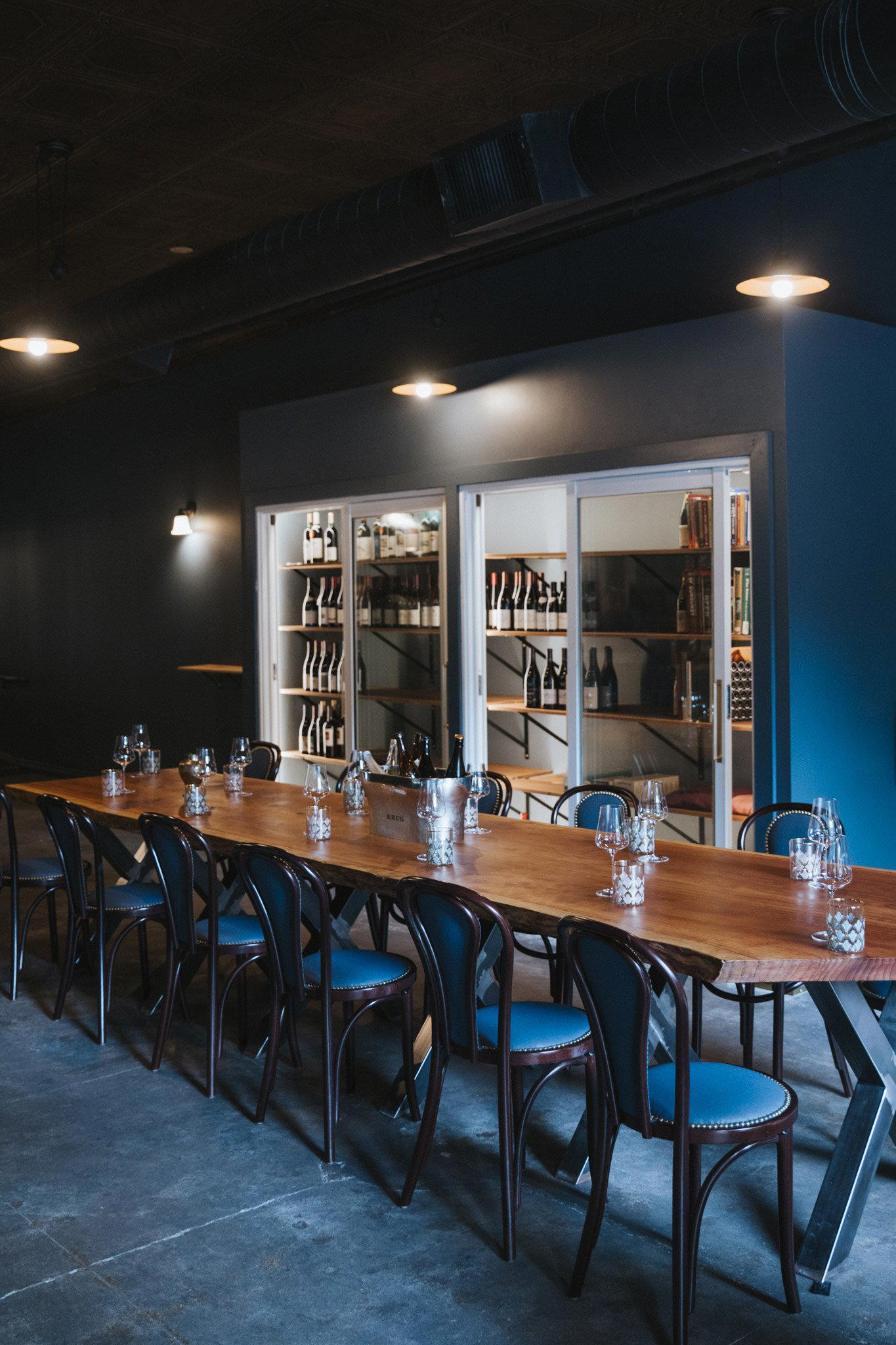
Access to Williams Selyem operates through the winery's mailing list and allocation structure, which is standard practice at this tier of Russian River Valley production. Visitors expecting a walk-in tasting format will find the model here operates differently. The address at 7227 Westside Rd, Healdsburg, CA 95448 is direct to reach from the town center, a drive that takes you through the valley's working agricultural corridor rather than suburban wine country. Building a Westside Road itinerary that includes two or three appointments across a morning and afternoon is a logical approach: the geography is compact enough that multiple visits don't require significant driving, but the wine concentration on this road means you'll hit capacity, attentively, well before you've exhausted the options.
For a broader map of where Williams Selyem sits within Healdsburg's dining and drinking culture, see our full Healdsburg restaurants guide. Those interested in tracing the cool-climate Pinot conversation across other California AVAs will find context at Adelaida Vineyards in Paso Robles, Andrew Murray Vineyards in Los Olivos, and Alexander Valley Vineyards in Geyserville, each operating in distinct appellation contexts that sharpen the case for what the Russian River Valley does differently.
Peers You’d Cross-Shop
Comparable venues nearby, for context on price, style, and recognition.
| Venue | Cuisine | Price | Awards | Notes |
|---|---|---|---|---|
| Williams Selyem WineryThis venue — the venue you are viewing | Pinot Noir, Chardonnay | $50–100 | Falstaff Winery - Listed | Not listed |
| Gary Farrell Winery | Pinot Noir, Chardonnay | $20–30 | Falstaff Winery - Listed | Russian River Valley |
| MacRostie Winery & Vineyards | Chardonnay, Pinot Noir | $30–50 | Falstaff Winery - Listed | Healdsburg |
| Kokomo Winery | Zinfandel, Pinot Noir | $30–50 | Not listed | Dry Creek Valley |
| Stonestreet Winery | Cabernet Sauvignon, Chardonnay | $200–300 | Falstaff Winery - Listed | Alexander Valley |
| Quivira Vineyards | Zinfandel, Sauvignon Blanc | $30–50 | Not listed | Dry Creek Valley |
Recognition history
Dated appearances from independent guides and award organizations, with the underlying list record or original source where available.
Falstaff Winery - Listed
Falstaff
Continue exploring
More in Healdsburg
Wineries in Healdsburg
Browse all →
Bars in Healdsburg
Browse all →
Restaurants in Healdsburg
Browse all →
Details
- Intimate
- Elegant
- Rustic
- Scenic
- Classic
- Wine Education
- Special Occasion
- Solo Exploration
- Vineyard Tour
- Estate Grounds
- Panoramic View
- Sustainable
- Vineyard
- Mountain
- Pinot Noir
- Chardonnay
- Zinfandel
- Still Red
- Private Tasting
- English
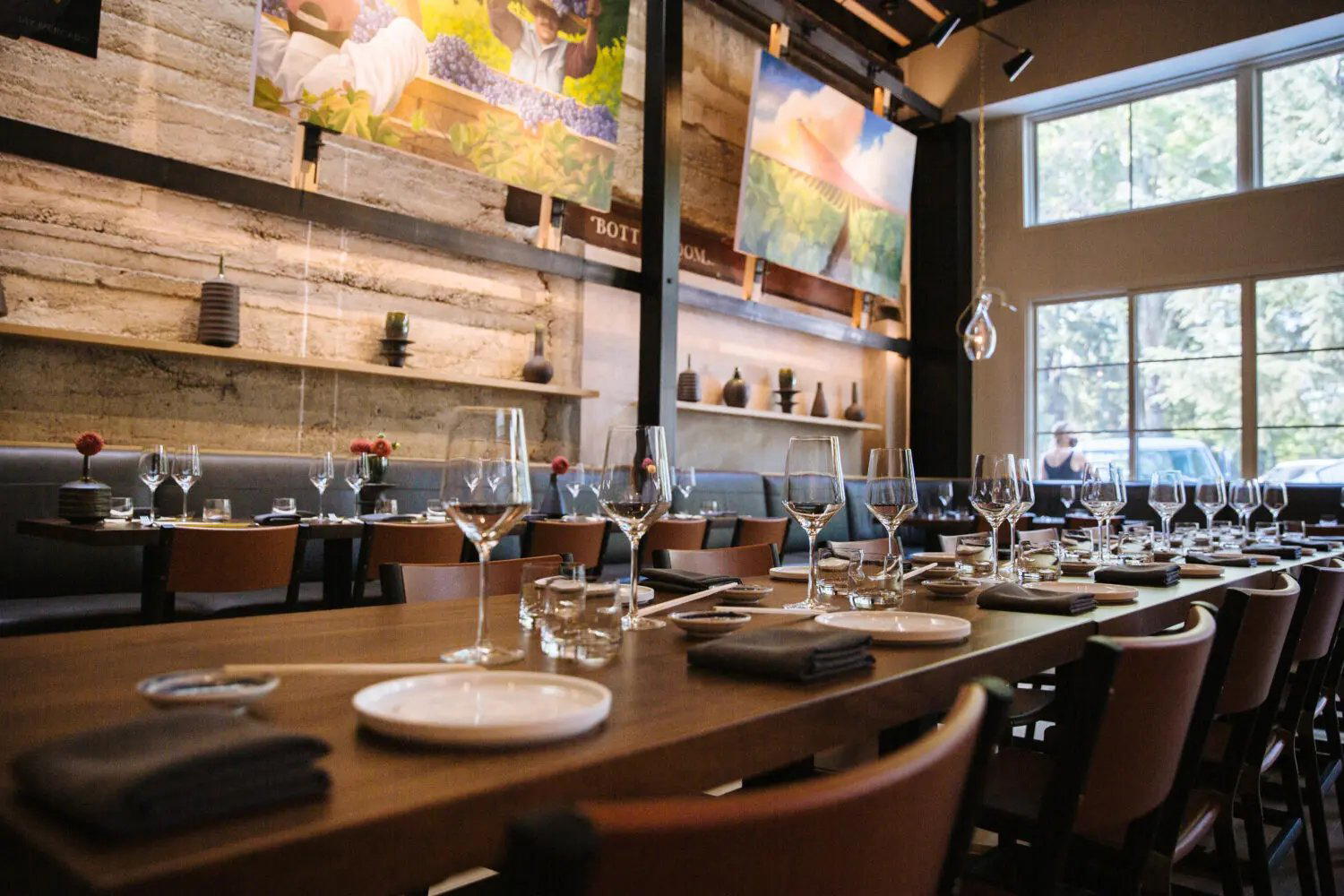
Intimate and personal tasting experiences in an ultramodern facility perched on gorgeous property with sweeping vineyard and mountain views.